
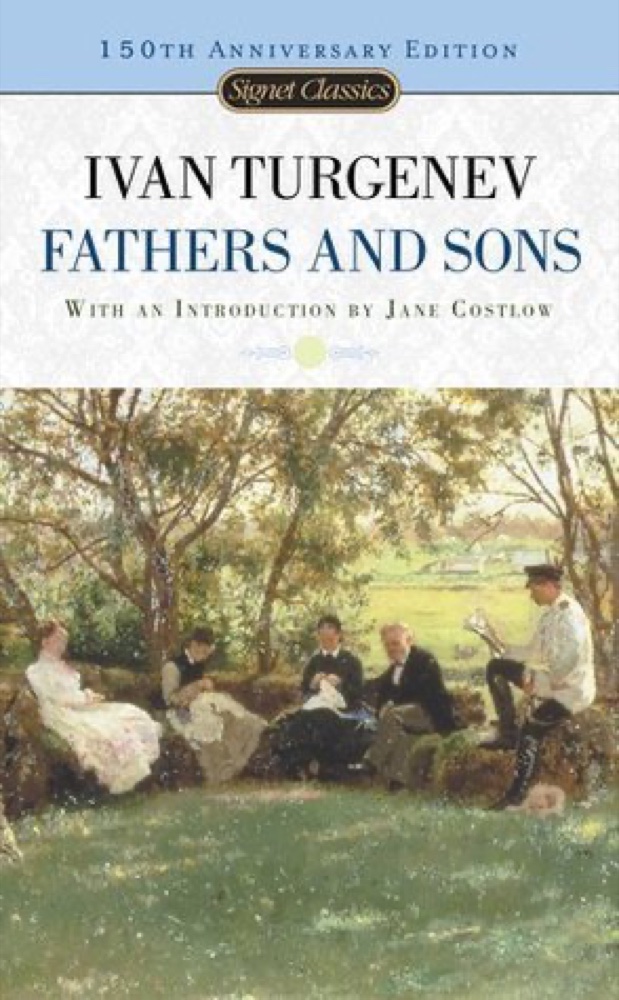
 Fathers and Sons
Quotes from the Book
Woe to the heart that has not loved in youth!
To be young and not to know how, is bearable; to be old and not have the strength, is too great a weight to carry. And what's is so painful you can't sense your powers leaving you. It's hard for an old man to ensure such blows!
Victims of misfortune are quick to sense another of their kind from a distance, but in old age they rarely become friends, which is in no way surprising: they have nothing to share together - not even hope.
Traces of human life vanish very quickly: Glafira Petrovna's estate had not yet gone wild, but it seemed already to have sunk into that quiet repose which possesses everything on earth wherever there is no restless human infection to affect it.
Watch on YouTube
About Ivan Turgenev
We have collected 83 quotes from 6 books by Ivan Turgenev on BookQuoters.
More about the author →
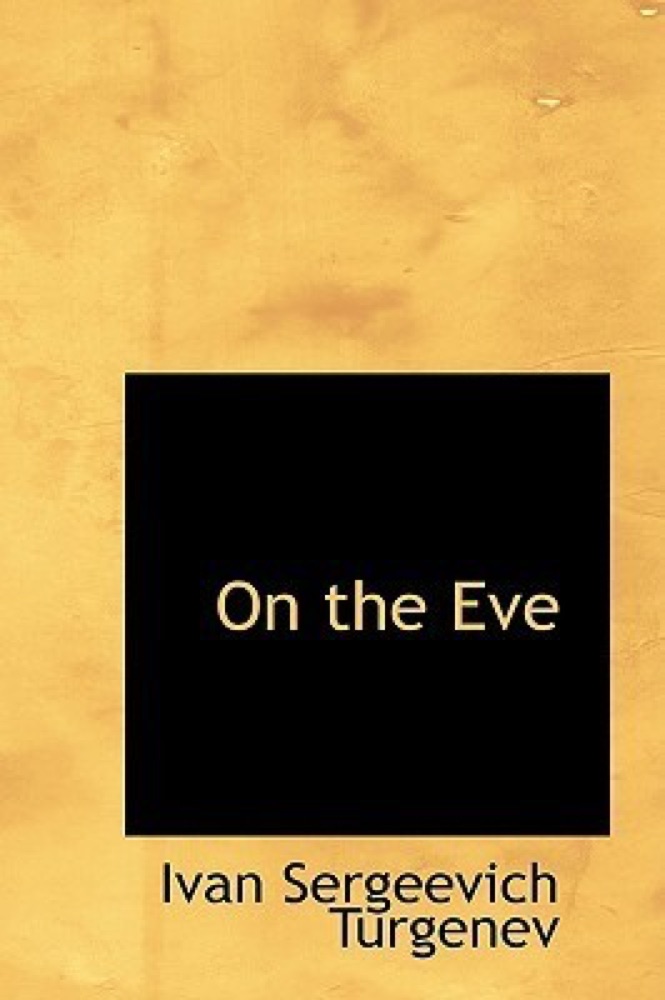
Book details
- Author
- Ivan Turgenev
- Genre
- Classics
- Goodreads rating
- 3.92 (6k ratings) →
Keep reading
 The Death of the Heart
 The Children of Men
 The House of the Seven Gables
 Dead Souls
 The First Man
 The Forgotten Garden
 Independent People
 Shadows of the Workhouse
 Uncle Silas
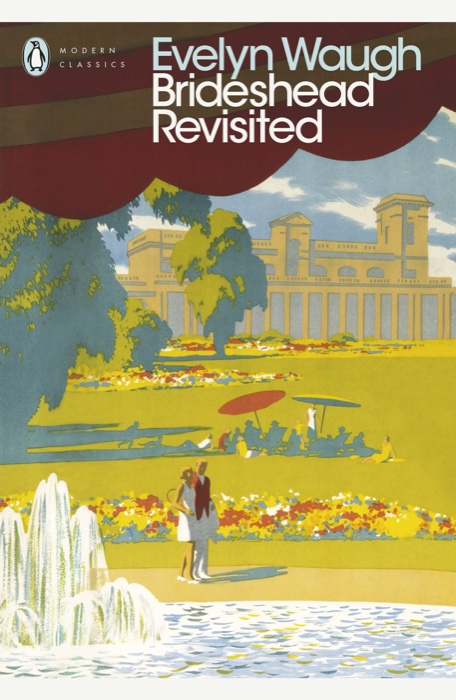 Brideshead Revisited: The Sacred and Profane Memories of Captain Charles Ryder
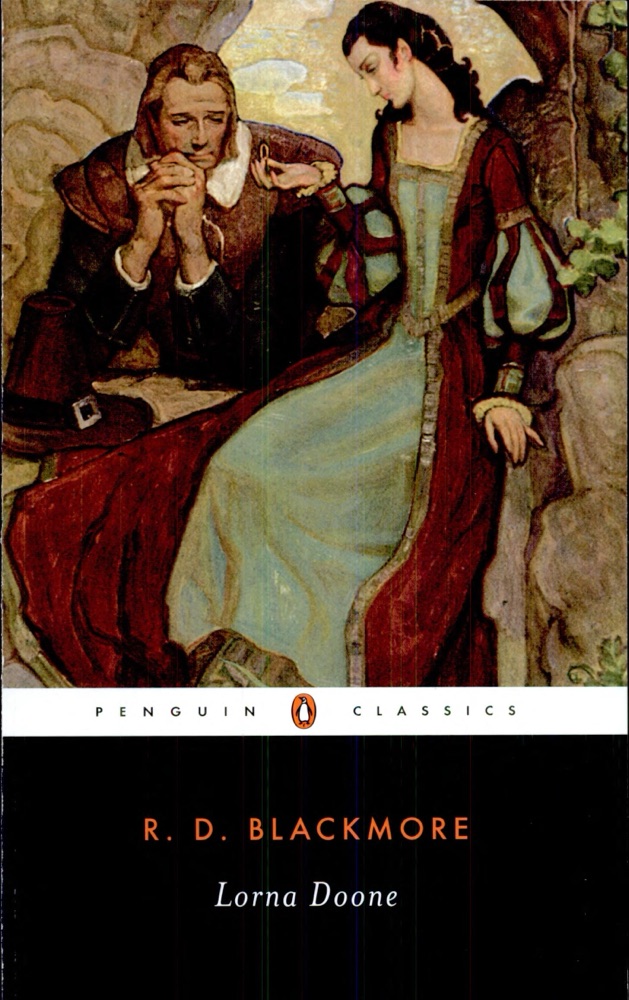 Lorna Doone
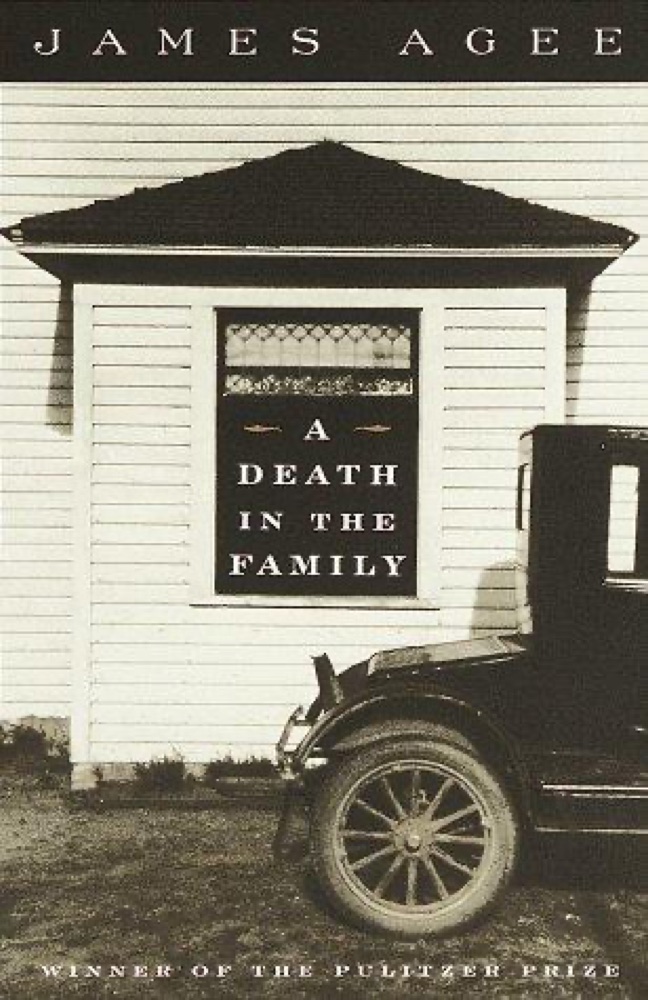 A Death in the Family
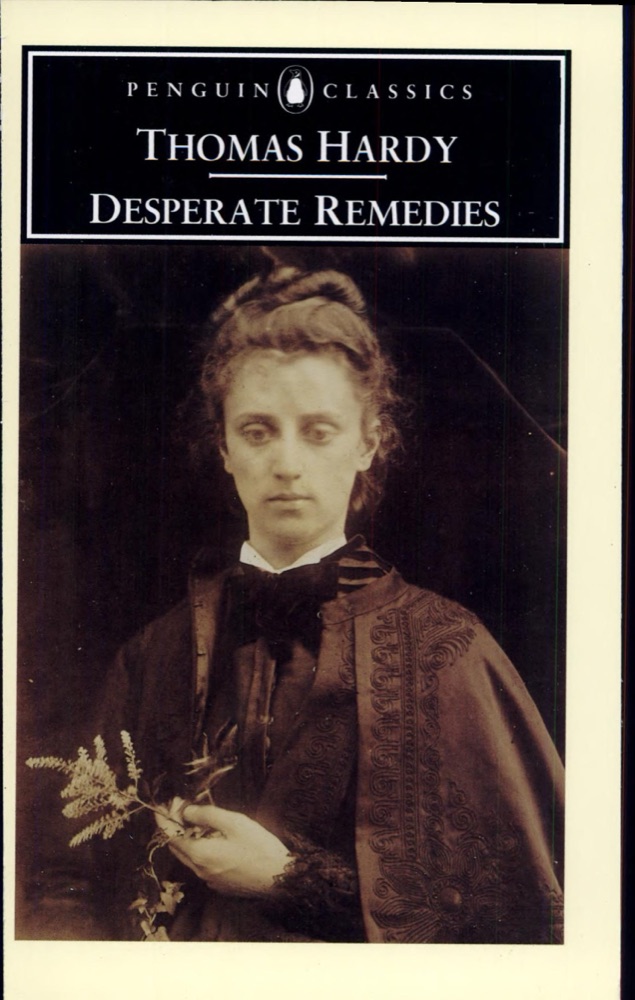 Desperate Remedies
 Mr. Darcy, Vampyre
 A Cup of Sake Beneath the Cherry Trees
 The Mill on the Floss
 Dombey and Son
 The Once and Future King
 The Shipping News
 Uncle Tom's Cabin
 Where Angels Fear to Tread
 The Bell
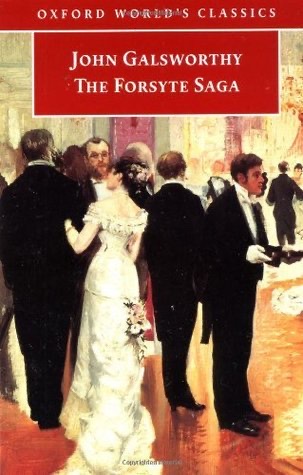 The Forsyte Saga
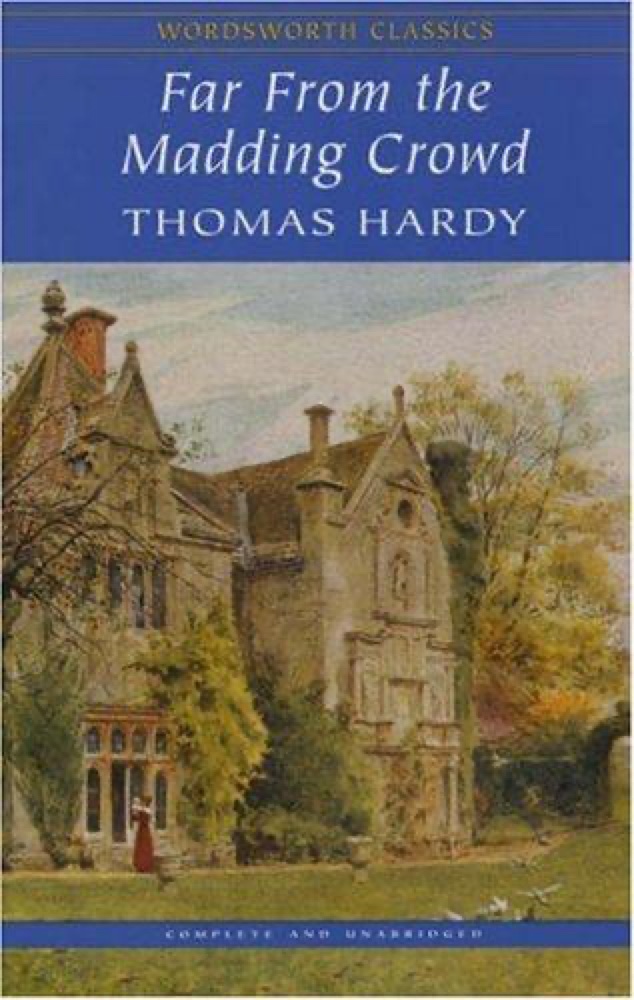 Far from the Madding Crowd
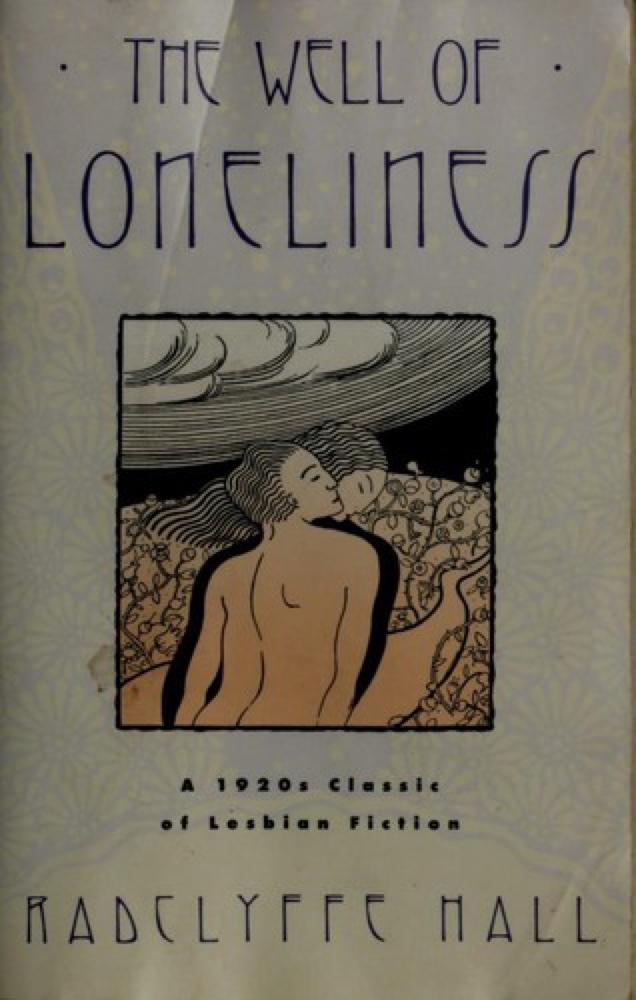 The Well of Loneliness
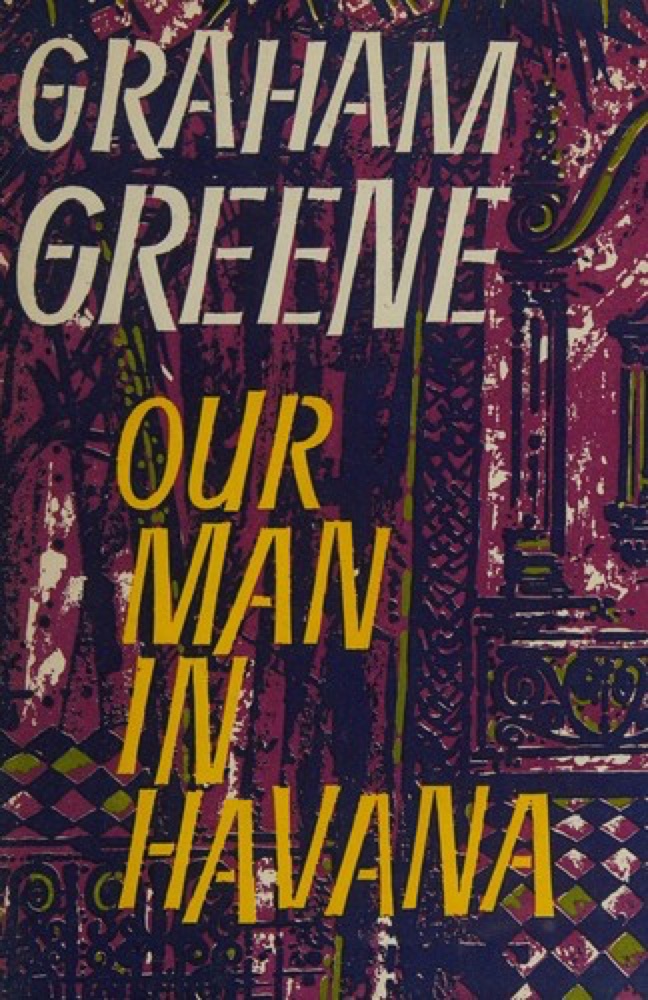 Our Man in Havana
 The Scarlet Letter
 The Old Curiosity Shop
 A Passage to India
 The Fall of Babel
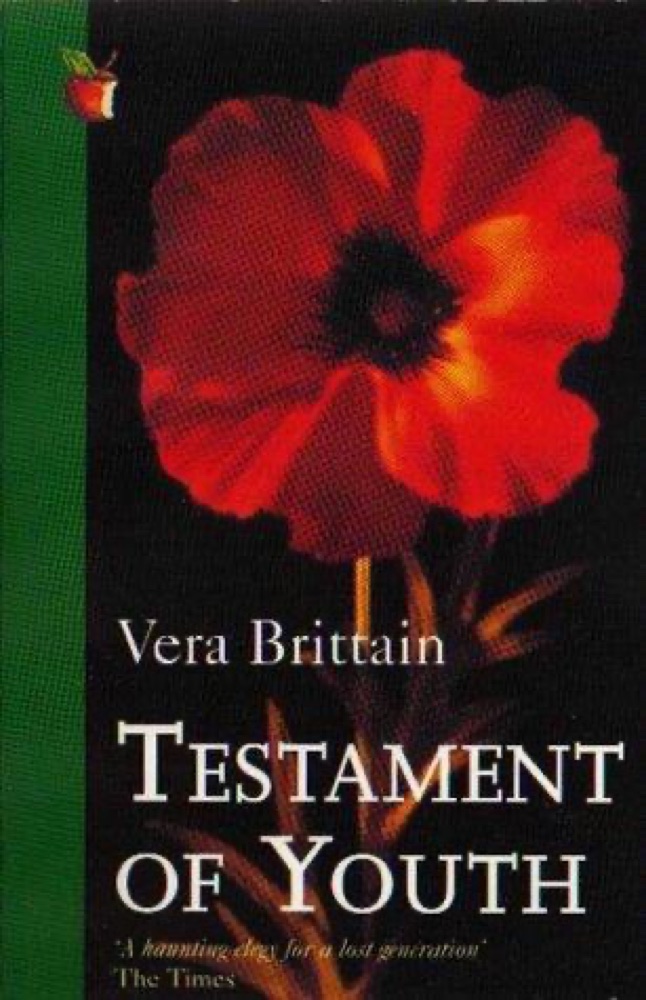 Testament of Youth
Fathers and Sons
Testament of Youth
Fathers and Sons
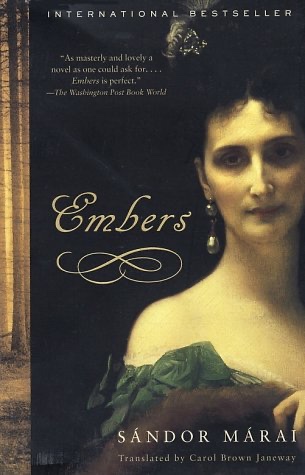 Embers
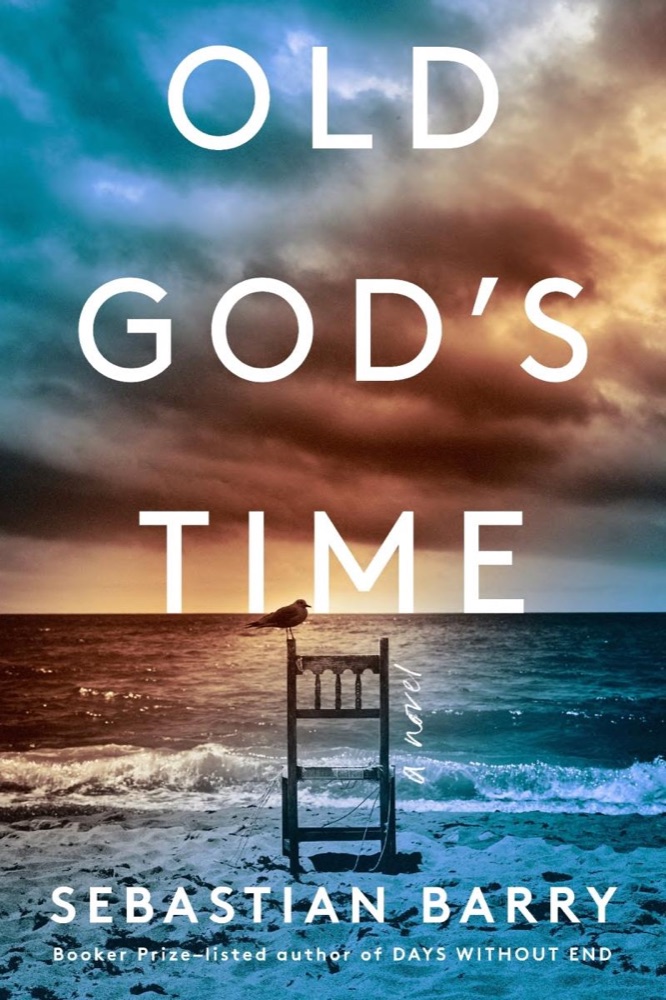 Old God's Time
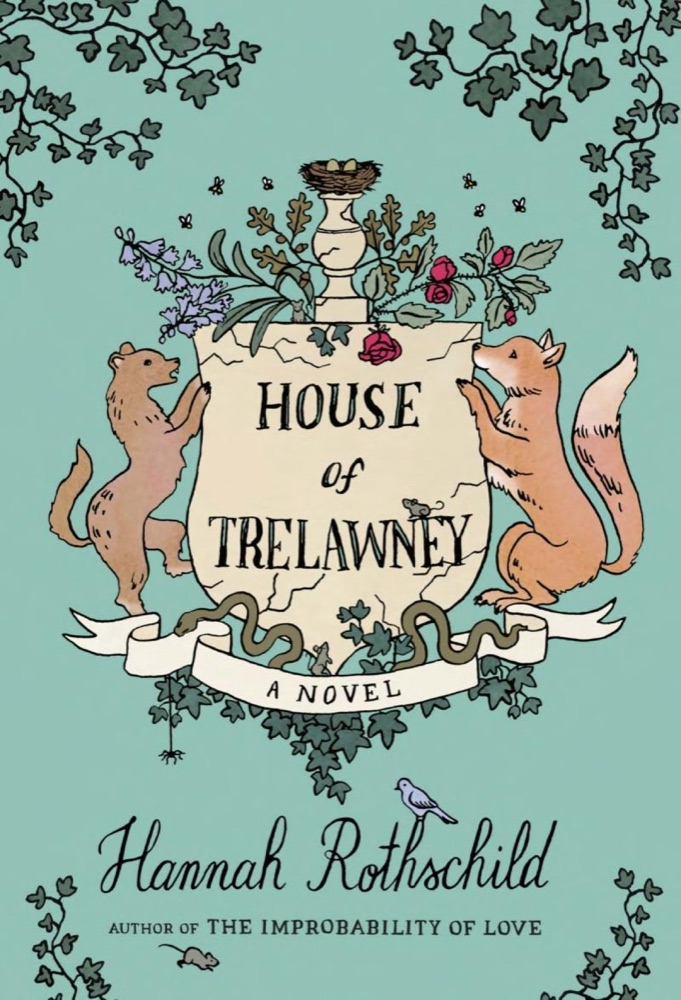 House of Trelawney
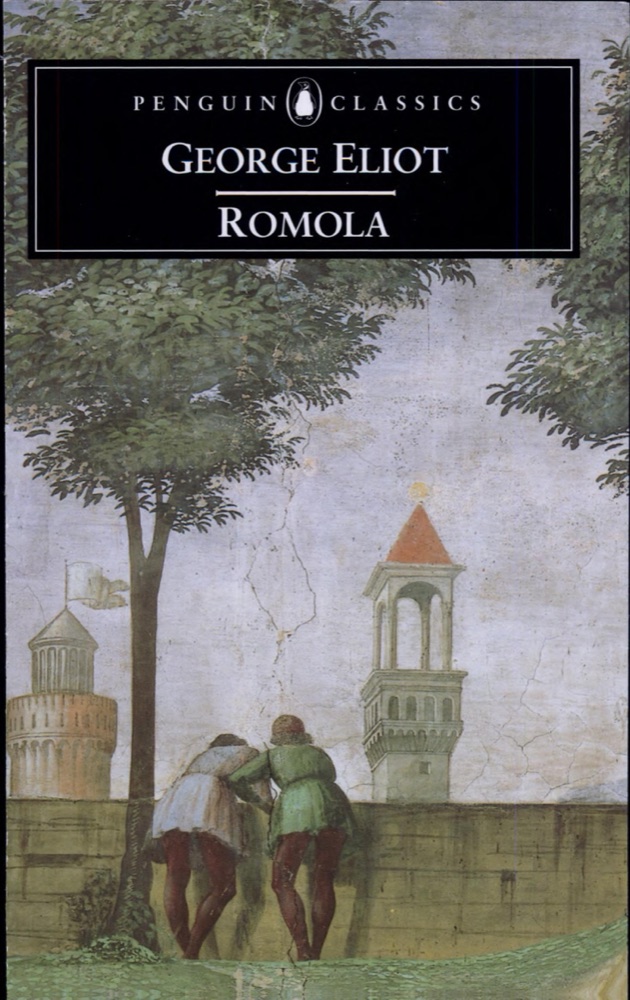 Romola
 The Age of Miracles
 Life and Fate
 The Plague
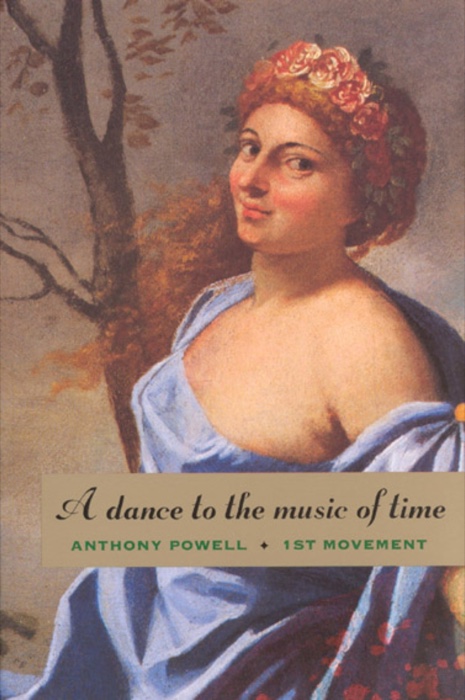 A Dance to the Music of Time: 1st Movement
 The Pursuit of Love
 Fall of Light
 Barchester Towers
 Three Comrades
 The Prince of Tides
 The People in the Trees
 The Silence of Bones
 O Pioneers!
 The Heart Is a Lonely Hunter
 Silas Marner
 The Complete Short Novels
 The Magnificent Ambersons
 The Age of Innocence
 The Post-Birthday World
 In Search of Lost Time
 Everyman
 Sweet Bird of Youth
 The Shadow-Line
 The Good People
 Humboldt's Gift