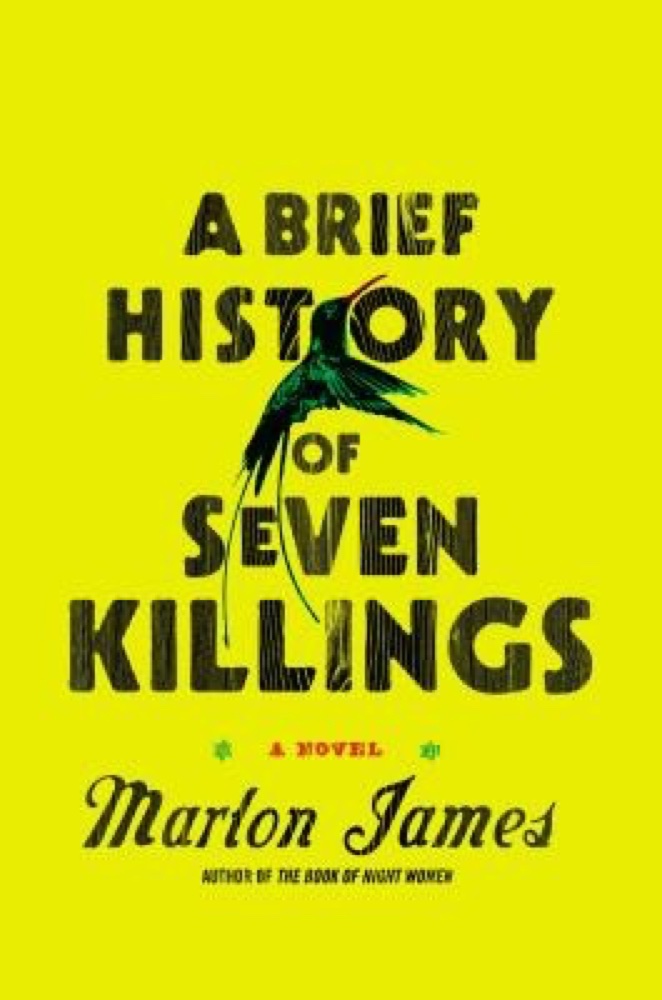

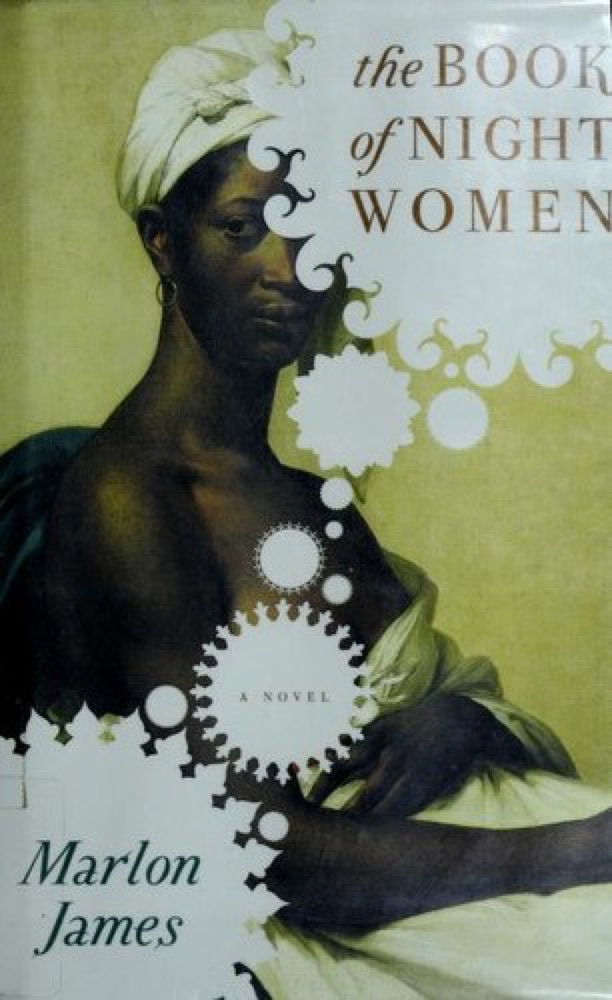
 Book Of Night Women
Quotes from the Book
And killing don’t need no reason. This is ghetto. Reason is for rich people. We have madness.
If it no go so, it go near so. —Jamaican proverb
The dream didn’t leave, people just don’t know a nightmare when they right in the middle of one.
But in another city, another valley, another ghetto, another slum, another favela, another township, another intifada, another war, another birth, somebody is singing Redemption Song, as if the Singer wrote it for no other reason but for this sufferah to sing, shout, whisper, weep, bawl, and scream right here, right now.
But sometimes when you’re too careful it just turns into a different kind of carelessness.
—The problem with a book is that you never know what it’s planning to do to you until you’re too far into it.
That’s what happens when you personify hopes and dreams in one person. He becomes nothing more than a literary device.
One of the things I fucking hate about my fellow Americans: whenever they fly to a foreign country, first thing they do, they try to find as much of America as they can get their hands on, even if it's food in the shitty cafeteria.
because people so poor that they can’t even afford shame and I wait.
You know, most of this feminism business was nothing more than white American women telling non-white women what to do and how to do it, with this patronizing if-you-become-just-like-me-you’ll-be-free bullshit,
My mother sings One day at a time sweet Jesus, and even Daddy likes to say that, one day at a time, as if it’s some strategy for living. And yet the quickest way to not live at all is to take life one day at a time. It’s the way I’ve discovered to not do a damn thing. If you can break a day down into quarters, then hours, then half hours, then minutes, you can chew down any stretch of time to bite size. It’s like dealing with losing a man. If you can bear it for one minute, then you can swallow two, then five, then another five and on and on. If I don’t want to think about my life, I don’t have to think about life at all, just hold for one minute, then two, then five, then another five, before you know it, a month can pass and you don’t even notice because you’ve only been counting minutes.
Living people wait and see because they fool themselves that they have time. Dead people see and wait.
People who say they don’t have a choice just too coward to choose.
Nobody in the game uses their feet, but it’s football. I love how Americans can just claim something to be whatever they feel it is, despite clear evidence it’s not. Like a football game with nobody using any feet that takes forever.
Jamaica never gets worse or better, it just finds new ways to stay the same.
I hate people like that, people you have to protect while they keep hurting you.
There’s a reason why the story of the ghetto should never come with a photo. The Third World slum is a nightmare that defies beliefs or facts, even the ones staring right at you. A vision of hell that twists and turns on itself and grooves to its own soundtrack. Normal rules do not apply here. Imagination then, dream, fantasy. You visit a ghetto, particularly a ghetto in West Kingston, and it immediately leaves the real to become this sort of grotesque, something out of Dante or the infernal painting of Hieronymus Bosch. It’s a rusty red chamber of hell that cannot be described so I will not try to describe it. It cannot be photographed because some parts of West Kingston, such as Rema, are in the grip of such bleak and unremitting repulsiveness that the inherent beauty of the photographic process will lie to you about just how ugly it really is.
Nobody ever own a gun. You don’t know that until you own one.
You ever feel like home is the one place you can’t go back to? It’s like you promise yourself when you got out of bed and combed your hair that this evening, when I get back I’ll be a different woman in a new place. And now you can’t go back because the house expects something from you.
When building monsters don't be surprised when they become monstrous.
He’s from a generation that never even expected to get midway up the ladder so when he got there he was too stunned to dare climb higher. That’s the problem with midway. Up is everything and down just means all the white people want to party on your street on Sunday night to feel realness. Midway is nowhere.
—Do you know what we mean by Cold War? —War don’t have no temperature.
Is true, you do feel better about things the further you run from it
every time you reach the edge, the edge move ahead of you like a shadow until the whole world is a ghetto, and you wait.
People stupid. The dream didn't leave, people just don't know a nightmare when they right in the middle of one.
I tell myself that I tolerate Kimmy because she could never survive me even once talking to her the way she talks to me. I hate people like that, people you have to protect while they keep hurting you.
I might be a snob, but at least I’m not a hypocrite, still coasting around because I have nothing to do now that my life’s dream to fuck and breed for Che Guevara blew up in my face. Nor am I hanging out with rich people in West Kings House who now don’t wash their hair and calling themselves I-man to upset their parents, when everybody knows in two years they’re going right back to their father’s shipping company to take it over, and marry whichever Syrian bitch just win Miss Jamaica.
Papa-Lo start thinking too deep and start thinking that he should be more than what he is. He’s the worst kind of fool, the fool who start believing things can get better.
I see seven people in one room and one pregnant and people fucking anyway because people so poor that they can’t even afford shame and I wait
Watch on YouTube
About Marlon James
We have collected 96 quotes from 4 books by Marlon James on BookQuoters.
More about the author →More by Marlon James


Book details
- Author
- Marlon James
- Genre
- Fiction
- Goodreads rating
- 3.89 (39k ratings) →
The buzz
- The New York TimesReview in The New York Timesprofessional review (via Book Marks)
- The Washington PostReview in The Washington Postprofessional review (via Book Marks)
- NPRReview in NPRprofessional review (via Book Marks)
- Star TribuneReview in Star Tribuneprofessional review (via Book Marks)
- BookforumReview in Bookforumprofessional review (via Book Marks)
- NybooksReview in Nybooksprofessional review (via Book Marks)
Keep reading
 Last Argument of Kings
 How Long 'til Black Future Month?
 A Drink Before the War
 The Devil Takes You Home
 The Hate U Give
 The City in the Middle of the Night
 Dread Nation
 The Innocent
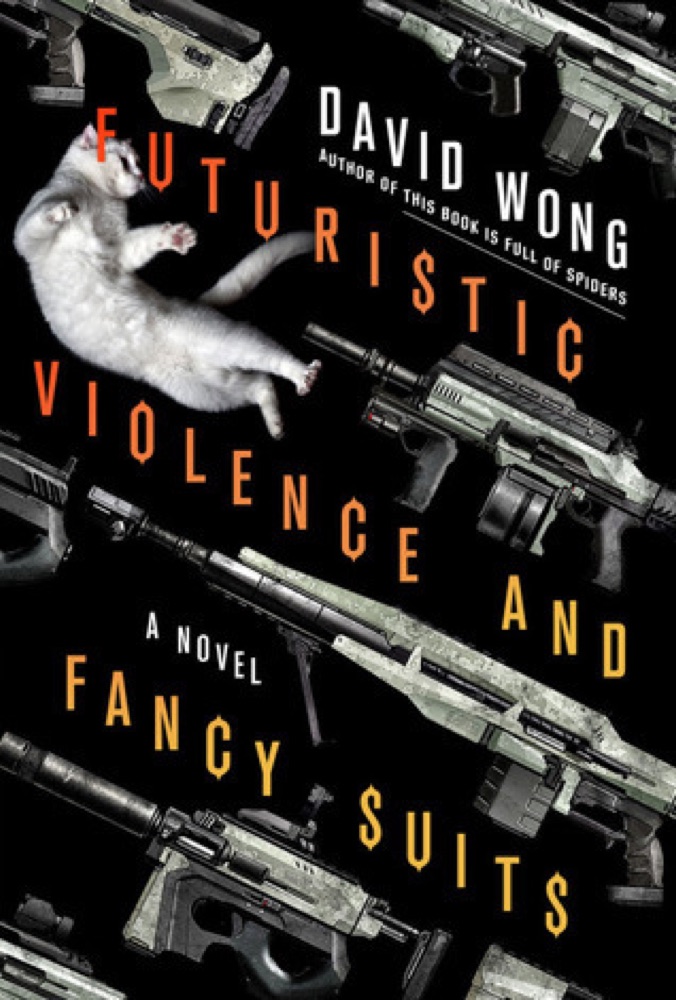 Futuristic Violence and Fancy Suits
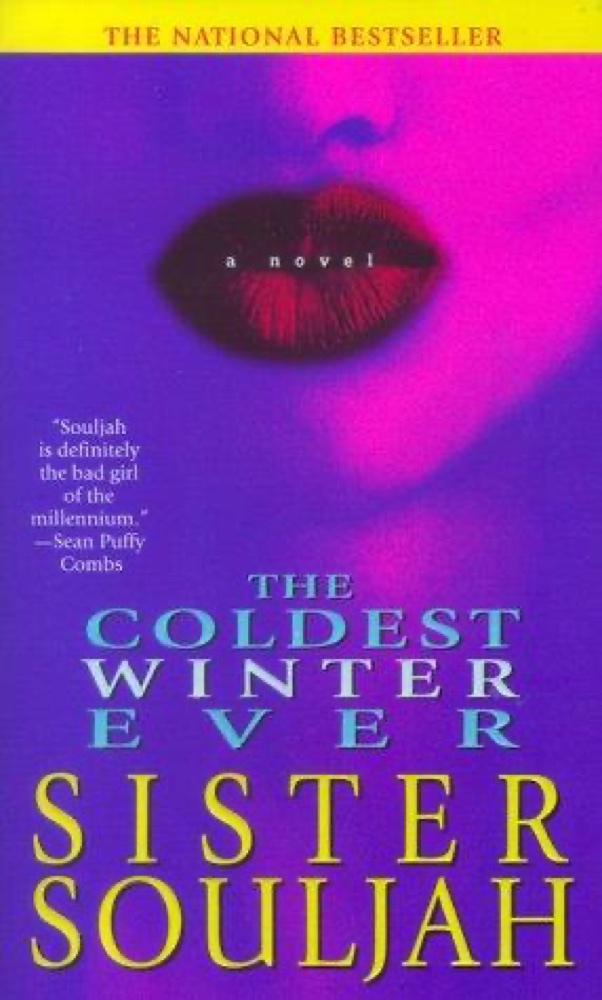 The Coldest Winter Ever
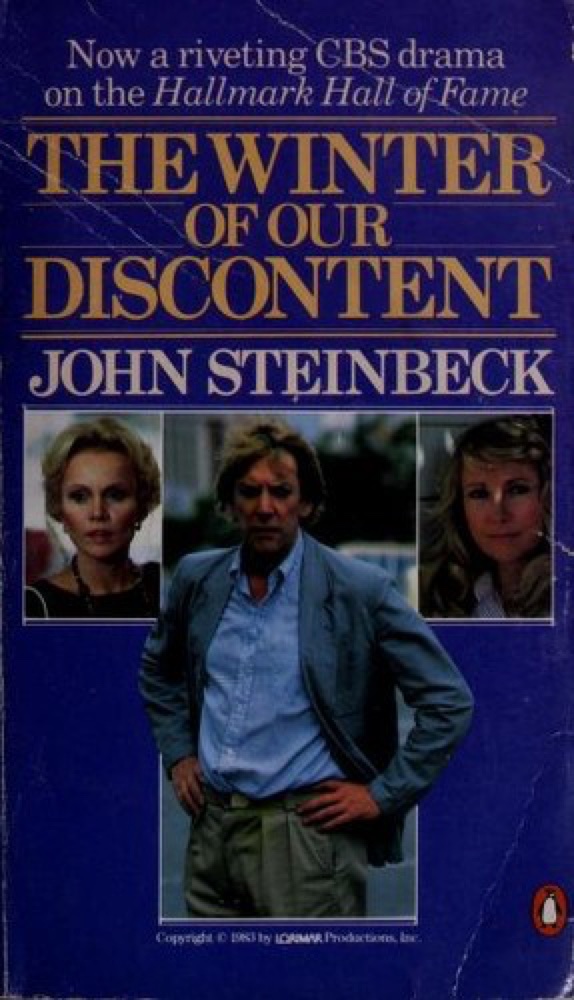 The Winter of Our Discontent
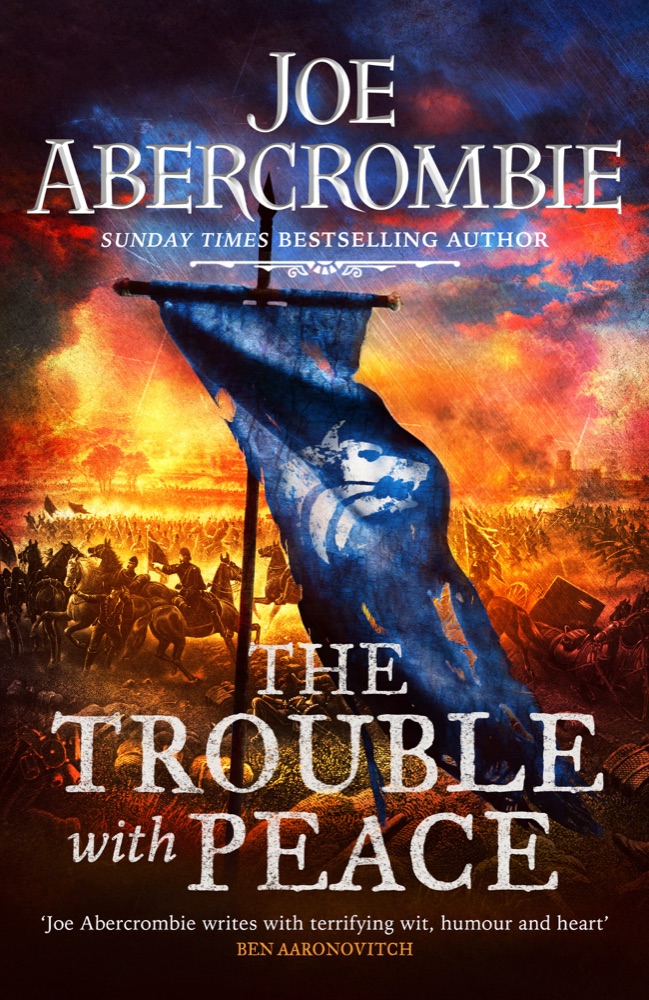 The Trouble with Peace
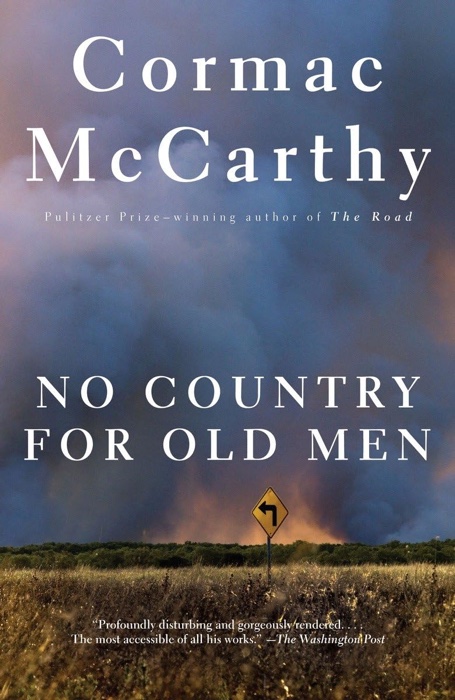 No Country for Old Men
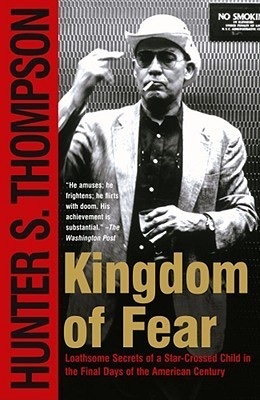 Kingdom of Fear: Loathsome Secrets of a Star-Crossed Child in the Final Days of the American Century
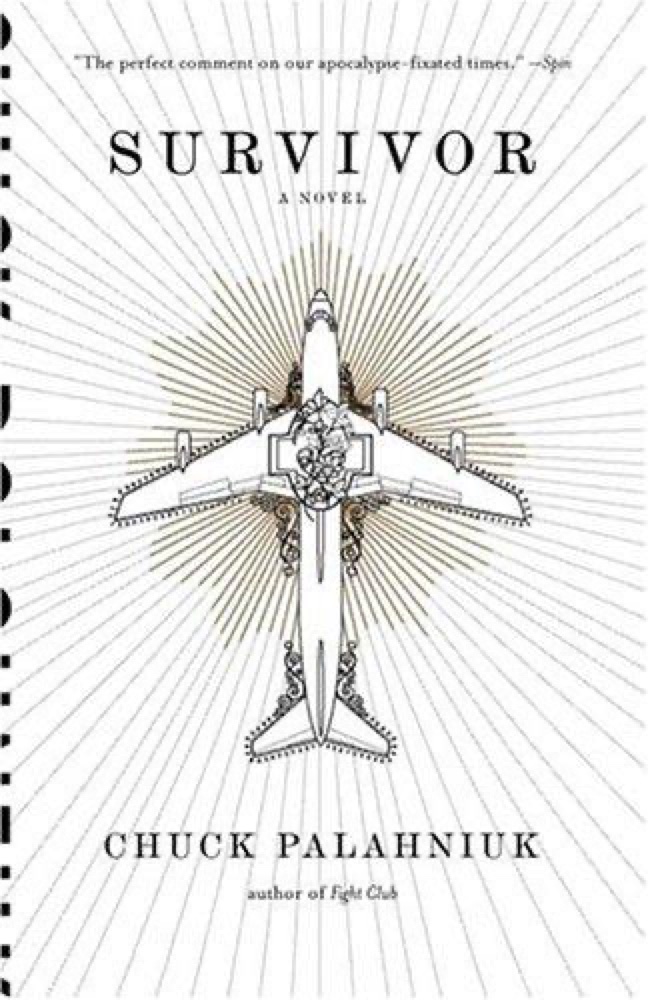 Survivor
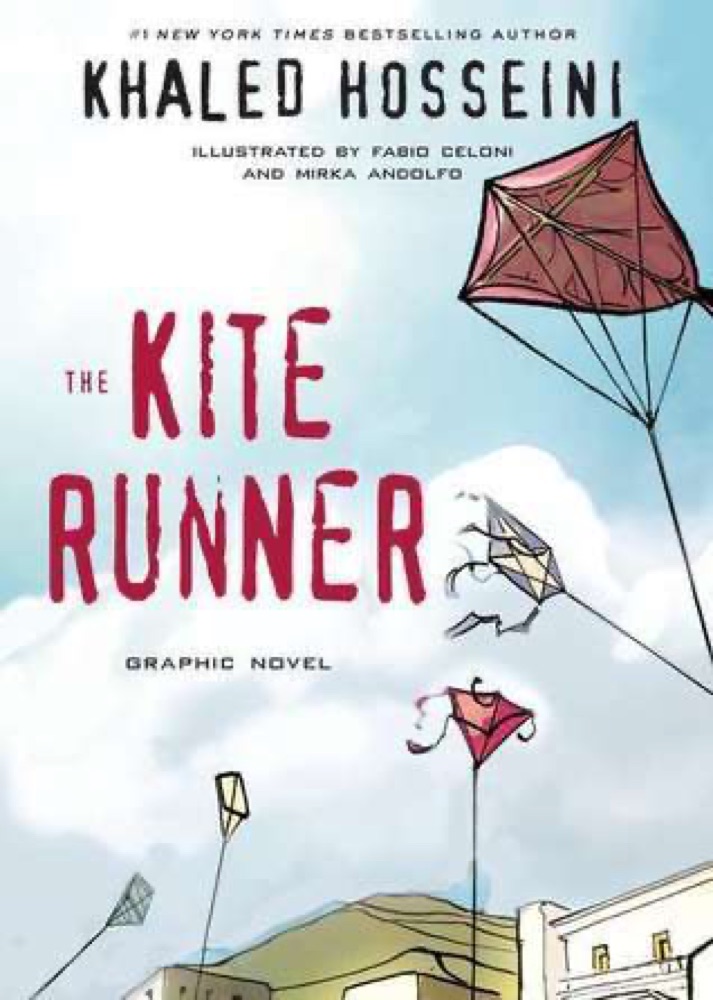 The Kite Runner
 All Over But the Shoutin'
 She Who Waits
 Billy Summers
 Rot & Ruin
 Hidden Bodies
 Sadie
Sadie
 A Fraction of the Whole
 Blackfish City
 Big Machine
 Dreamland Burning
 The Handmaid's Tale
 Haunted
 Choke
Choke
 Broken Harbor
 The Black Prism
 Infamous
 Seven Deadly Sins: Settling the Argument Between Born Bad and Damaged Good
 The Testaments
 The Shining Girls
 Brutal Youth
 Bright Young Women
 Demon Copperhead
 Hold Tight
 The Straw Men
 Thirteen
 Brain Droppings
 World War Z: An Oral History of the Zombie War
 Conviction
 The Bone Clocks
 Dead Stop
 Prince of Thorns
 Lock Every Door
 Different Seasons
 UnSouled
 An Absolutely Remarkable Thing
 The Cheerleaders
 Magic for Nothing
 Journey to the End of the Night
 Wayfaring Stranger
 The Devils
 The Fall of Babel
 A Long Way Down
 The Gun Seller
 City of Miracles