 Anthills of the Savannah
Quotes from the Book
The white man is very clever. He came quietly and peaceably with his religion. We were amused at his foolishness and allowed him to stay. Now he has won our brothers, and our clan can no longer act like one. He has put a knife on the things that held us together and we have fallen apart.
There is no story that is not true, [...] The world has no end, and what is good among one people is an abomination with others.
A man who calls his kinsmen to a feast does not do so to save them from starving. They all have food in their own homes. When we gather together in the moonlit village ground it is not because of the moon. Every man can see it in his own compound. We come together because it is good for kinsmen to do so.
There is no story that is not true.
If I hold her hand she says, ‘Don’t touch!’ If I hold her foot she says ‘Don’t touch!’ But when I hold her waist-beads she pretends not to know.
If you don't like my story,write your own
When the moon is shining the cripple becomes hungry for a walk
Then listen to me,' he said and cleared his throat. 'It's true that a child belongs to its father. But when a father beats his child, it seeks sympathy in its mother's hut. A man belongs to his fatherland when things are good and life is sweet. But when there is sorrow and bitterness he finds refuge in his motherland. Your mother is there to protect you. She is buried there. And that is why we say that mother is supreme. Is it right that you, Okonkwo, should bring your mother a heavy face and refuse to be comforted? Be careful or you may displease the dead. Your duty is to comfort your wives and children and take them back to your fatherland after seven years. But if you allow sorrow to weigh you down and kill you, they will all die in exile.
Age was respected among his people, but achievement was revered. As the elders said, if a child washed his hands he could eat with kings.
Among the Igbo the art of conversation is regarded very highly, and proverbs are the palm-oil with which words are eaten.
Perhaps down in his heart Okonkwo was not a cruel man. But his whole life was dominated by fear, the fear of failure and of weakness. It was deeper and more intimate that the fear of evil and capricious gods and of magic, the fear of the forest, and of the forces of nature, malevolent, red in tooth and claw. Okonkwo’s fear was greater than these. It was not external but lay deep within himself.
Do not despair. I know you will not despair. You have a manly and a proud heart. A proud heart can survive a general failure because such a failure does not prick its pride. It is more difficult and more bitter when a man fails alone.
The world has no end, and what is good among one people is an abomination with others.
A child cannot pay for its mother’s milk.
It always surprised him when he thought of it later that he did not sink under the load of despair.
You do not know me,’ said Tortoise. ‘I am a changed man. I have learned that a man who makes trouble for others makes trouble for himself.
Mosquito [...] had asked Ear to marry him, whereupon Ear fell on the floor in uncontrollable laughter. "How much longer do you think you will live?" she asked. "You are already a skeleton." Mosquito went away humiliated, and any time he passed her way he told Ear that he was still alive.
At the most one could say that his chi or ... personal god was good. But the Ibo people have a proverb that when a man says yes his chi says yes also. Okonkwo said yes very strongly; so his chi agreed.
The world is large,” said Okonkwo. “I have even heard that in some tribes a man’s children belong to his wife and her family.” “That cannot be,” said Machi. “You might as well say that the woman lies on top of the man when they are making the babies.
There was a saying in Umuofia that as a man danced so the drums were beaten for him.
If you had been poor in your last life I would have asked you to be rich when you come again. But you were rich. If you had been a coward, I would have asked you to bring courage. But you were a fearless warrior. If you had died young, I would have asked you to get life. But you lived long. So I shall ask you to come again the way you came before.
Eneke the bird says that since men have learned to shoot without missing, he has learned to fly without perching.
You think you are the greatest sufferer in the world? Do you know that men are sometimes banished for life? Do you know that men sometimes lose all their yams and even their children? I had six wives once. I have none now except that young girl who knows not her right from her left. Do you know how many children I have buried—children I begot in my youth and strength? Twenty-two. I did not hang myself, and I am still alive.
Ogbuef Ezedudu,who was the oldest man in the village, was telling two other men when they came to visit him that the punishment for breaking the Peace of Ani had become very mild in their clan. "It has not always been so," he said. "My father told me that he had been told that in the past a man who broke the peace was dragged on the ground through the village until he died. but after a while this custom was stopped because it spoiled the peace which it was meant to preserve.
When a man is at peace with his gods and ancestors, his harvest will be good or bad according to the strength of his arm.
Unoka went into an inner room and soon returned with a small wooden disc containing a kola nut, some alligator pepper and a lump of white chalk. "I have kola," he announced when he sat down, and passed the disc over to his guest. "Thank you. He who brings kola brings life. But I think you ought to break it," replied Okoye passing back the disc. "No, it is for you, I think," and they argued like this for a few moments before Unoka accepted the honor of breaking the kola. Okoye, meanwhile, took the lump of chalk, drew some lines on the floor, and then painted his big toe.
He has put a knife on the things that held us together and we have fallen apart.
He saw himself and his fathers crowding round their ancestral shrine waiting in vain for worship and sacrifice and finding nothing but ashes of bygone days..
Did you know?
- The title is drawn from W. B. Yeats's 1919 poem 'The Second Coming.'
- It was first published on 17 June 1958 by Heinemann in the United Kingdom.
- In 1962 it became the first title in Heinemann's African Writers Series.
- It has been translated into more than fifty languages, making it one of the most translated African novels.
- It is the opening volume of Achebe's African Trilogy, followed by No Longer at Ease and Arrow of God.
- It was included on TIME's list of the 100 best English-language novels from 1923 to 2005.
About Chinua Achebe
Chinua Achebe (1930-2013) was a Nigerian novelist, poet, and critic, often called the father of modern African literature. He graduated from the University of Ibadan and worked for the Nigerian Broadcasting Corporation before Things Fall Apart, his debut, made him internationally known.
More about the author →More by Chinua Achebe
Anthills of the Savannah
About the book
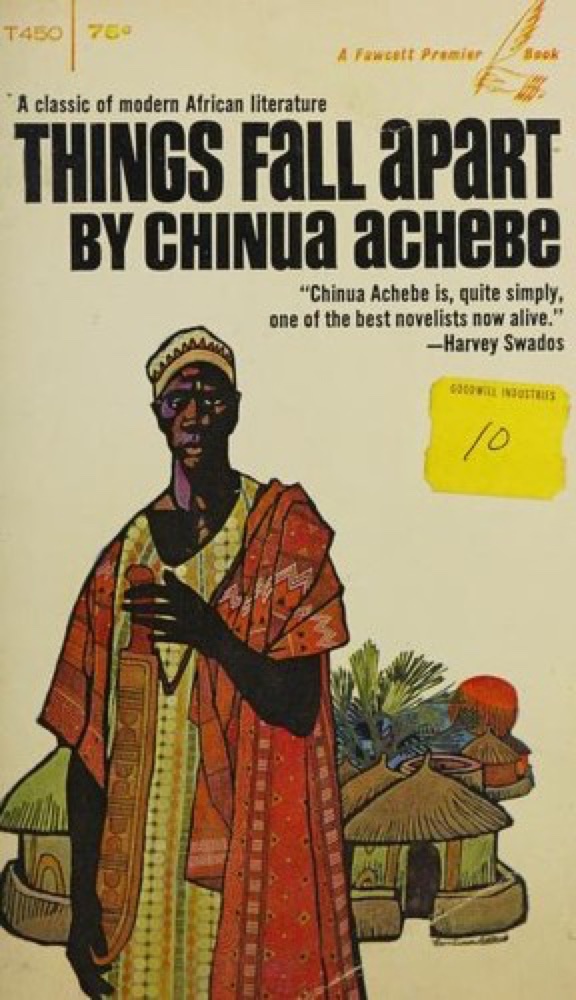
Things Fall Apart is Chinua Achebe's 1958 debut novel, set in the fictional Igbo village of Umuofia in what is now southeastern Nigeria. It follows Okonkwo, a respected wrestler and yam farmer who has built his standing through fierce self-discipline, driven by a determination to be nothing like his gentle, improvident father. When European missionaries and colonial administrators arrive, the traditional order that gave Okonkwo his place in the world begins to unravel.
The novel is celebrated for portraying Igbo society on its own terms, with its proverbs, rituals, family structures, and communal justice presented in depth before colonialism disrupts them. Its central themes include the collision of African and Western ways of life, the tension between individual will and communal fate, masculinity and fear of weakness, and the cost of rigid pride in a changing world. Achebe drew the title from W. B. Yeats's poem 'The Second Coming.'
Widely regarded as a landmark of modern African literature, Things Fall Apart has been translated into more than fifty languages and is among the most widely read works by an African writer. It became a foundational text in postcolonial studies and offered a corrective to earlier European depictions of Africa. It is the first volume of Achebe's loosely connected African Trilogy.
Key characters
- OkonkwoProud, ambitious Umuofia wrestler and farmer at the center of the story
- NwoyeOkonkwo's sensitive eldest son, who converts to Christianity
- IkemefunaBoy given to Umuofia who lives with Okonkwo and comes to see him as a father
- ObierikaOkonkwo's thoughtful best friend
- EkwefiOkonkwo's second wife, mother of Ezinma
- EzinmaOkonkwo's favorite daughter
- UnokaOkonkwo's easygoing, debt-ridden father, whom he strives to be unlike
Book details
- First published
- 1958
- Length
- 224 pages
- Reading time
- 3 hours
- Author
- Chinua Achebe
- Genre
- Classics
- Goodreads rating
- 3.75 (422k ratings) →
- First line
- “Okonkwo was well known throughout the nine villages and even beyond.”
Series & reading order
- 1 Things Fall Apart
- 2 No Longer at Ease
- 3 Arrow of God
Movie & TV adaptations
- IMDb
If you liked this, read…
- 1No Longer at EaseAchebe's own sequel following Okonkwo's grandson in colonial Nigeria
- 2Arrow of GodThird book of Achebe's African Trilogy on colonialism and Igbo life
- 3Half of a Yellow SunChimamanda Ngozi Adichie's acclaimed novel of Nigerian history and identity
Keep reading
 Black Leopard, Red Wolf
 The Broken Eye
 The Desert Spear
 King of Thorns
 Homegoing
 The Son
 The Spear Cuts Through Water
 Earth Abides
 The Grace of Kings
 Fool's Fate
 The Pearl That Broke Its Shell
 The Given Day
 Redemption in Indigo
 The Warrior Prophet
 Toll the Hounds
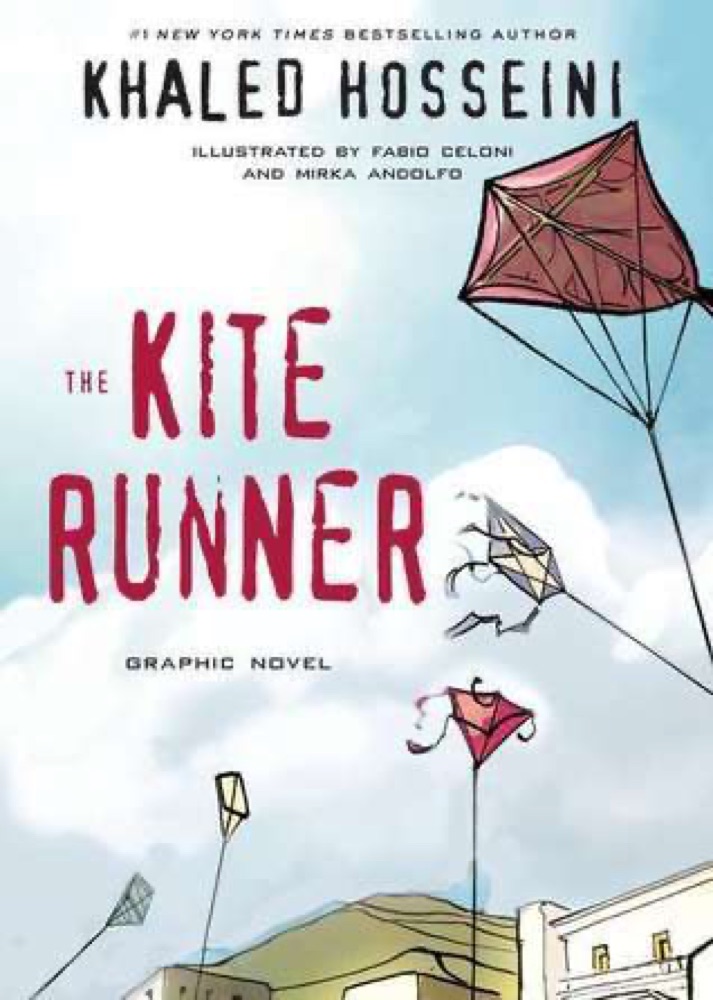 The Kite Runner
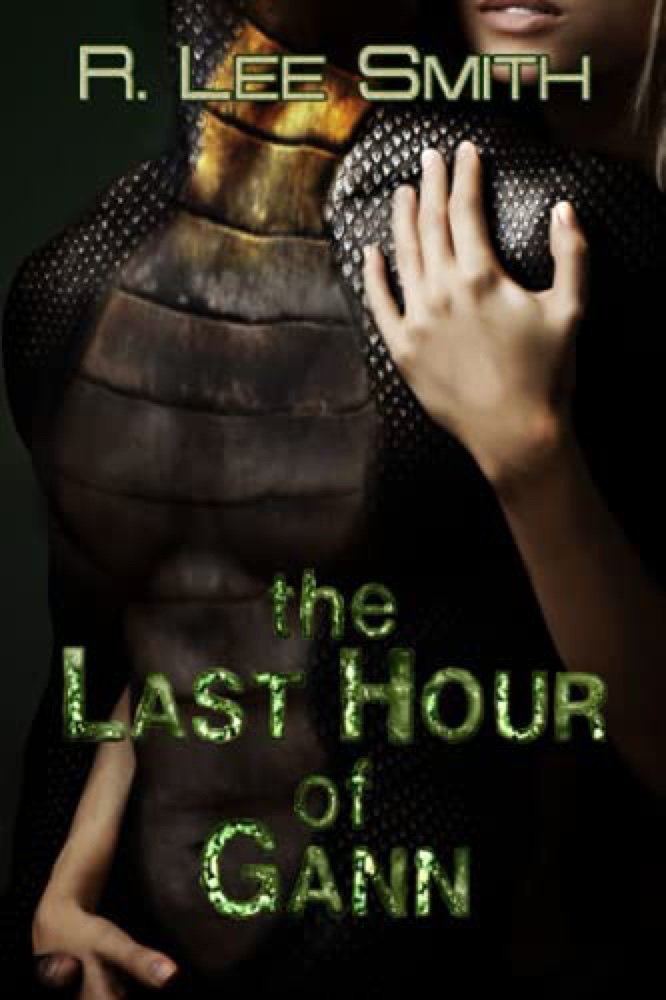 The Last Hour of Gann
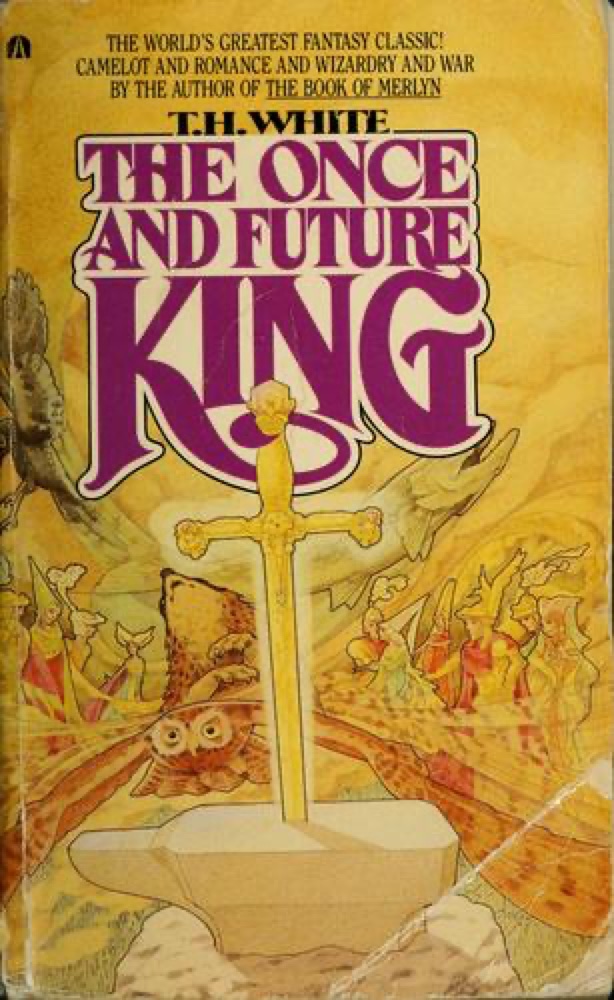 The Once and Future King
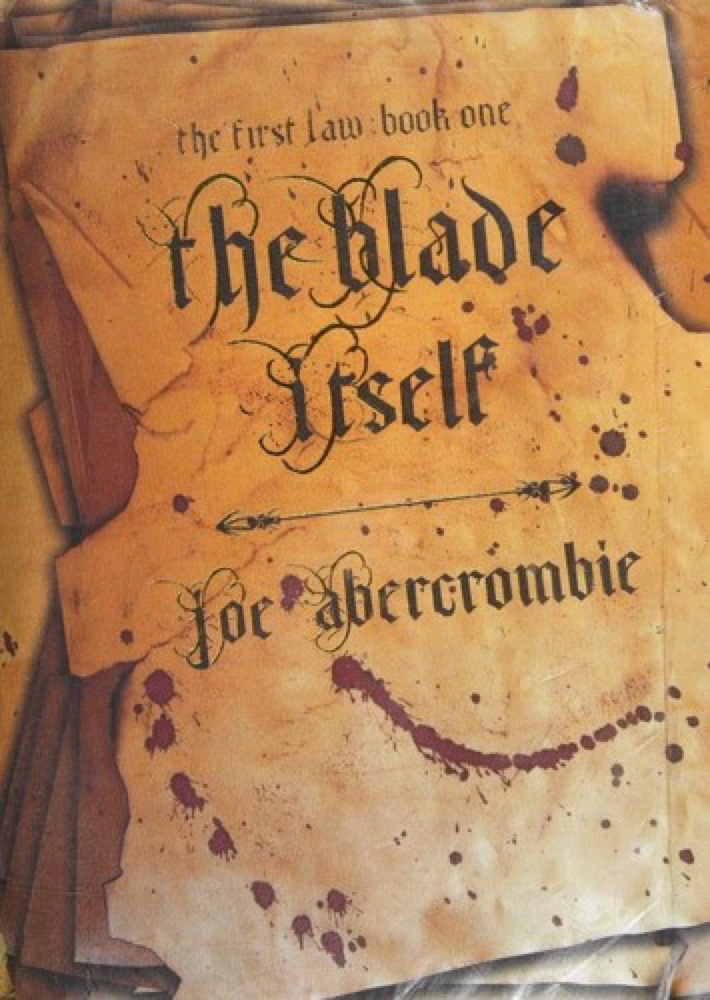 The Blade Itself
 The Fires of Heaven
 The Known World
 The Son
 Khan: Empire of Silver
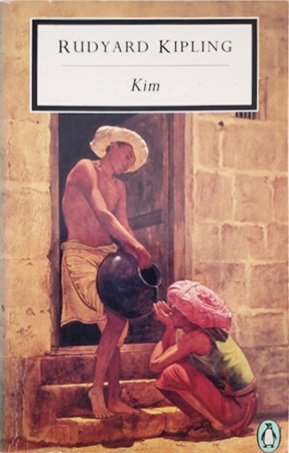 Kim
Kim
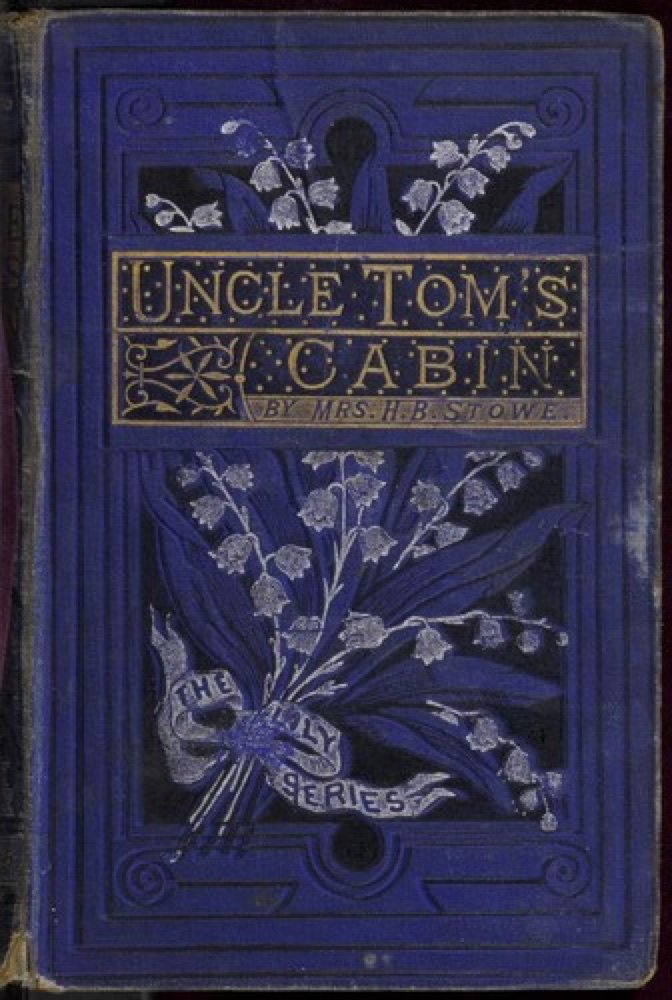 Uncle Tom's Cabin
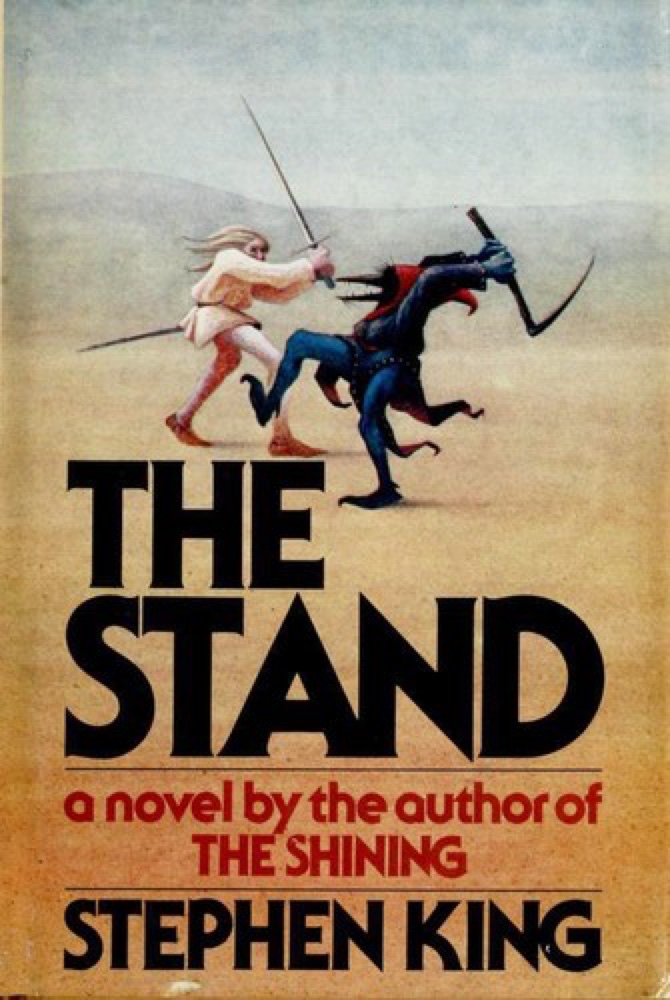 The Stand
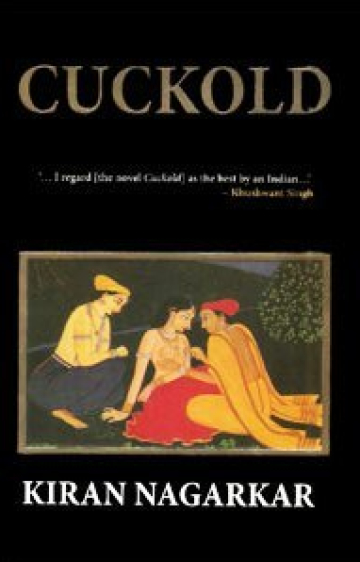 Cuckold
 The Prophets
 Finnikin of the Rock
 Shōgun
 Royal Assassin
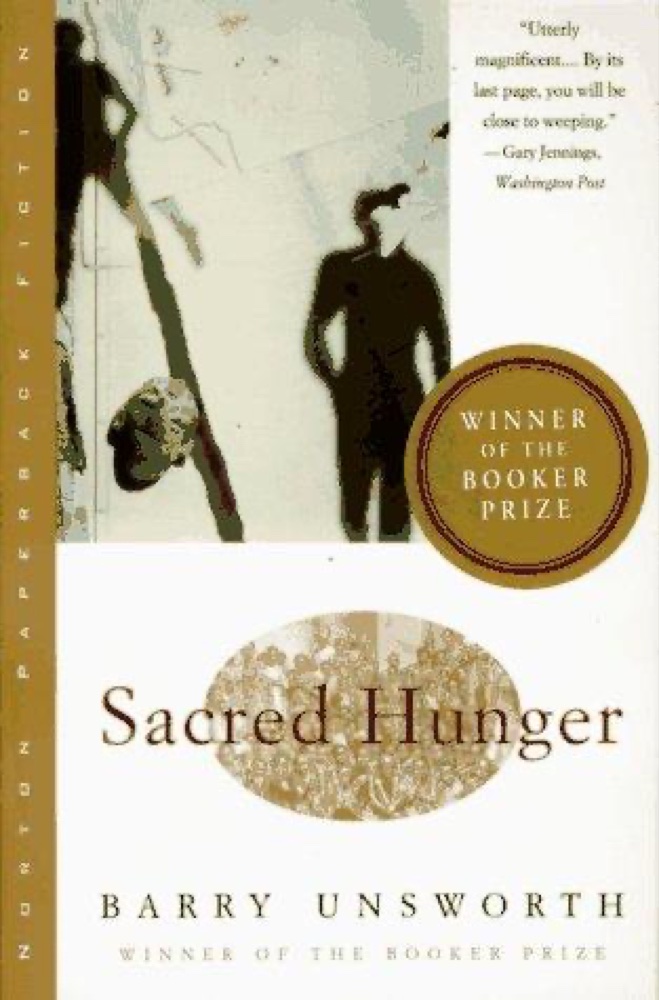 Sacred Hunger
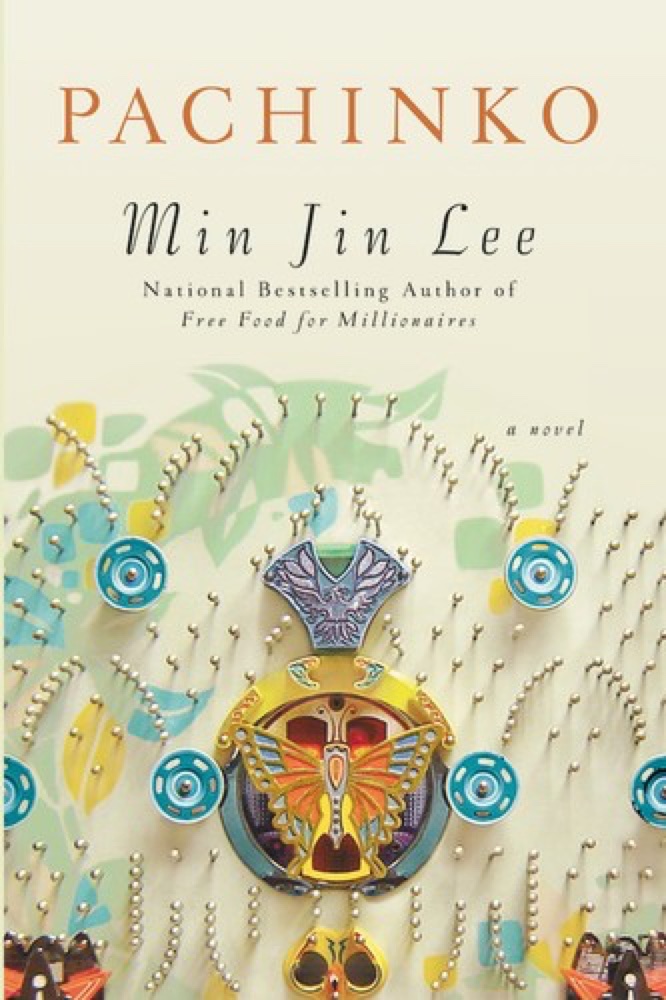 Pachinko
 The Mirror & the Light
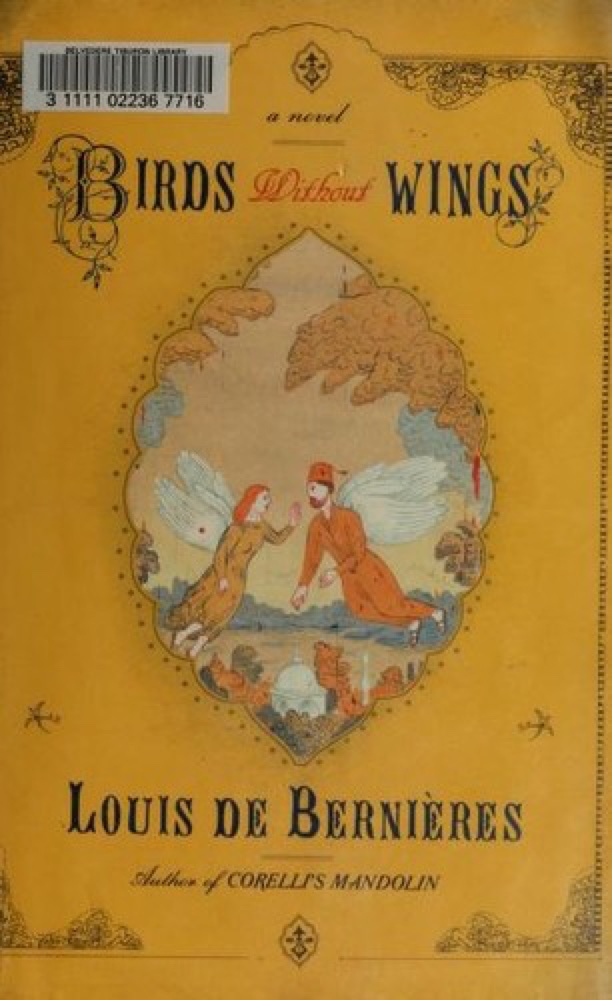 Birds Without Wings
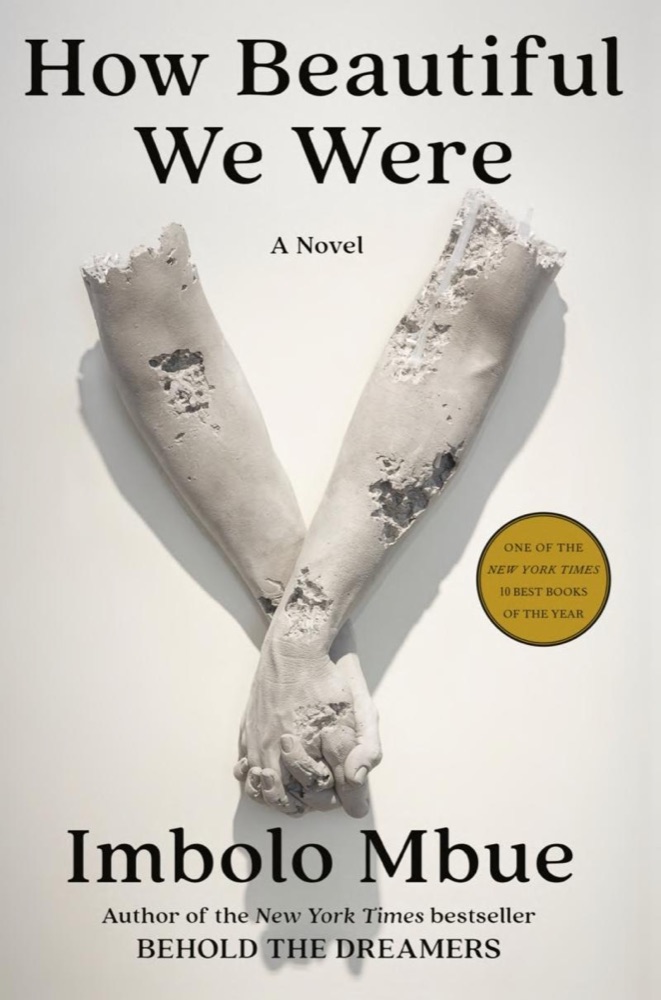 How Beautiful We Were
 Dark Age
 Island Beneath the Sea
 Perelandra
 Purple Hibiscus
 The First Circle
 Dead Souls
 Half a King
 The Blood Mirror
 Paladin of Souls
 The Man in the Iron Mask
 Independent People
 The Crippled God
 King Solomon's Mines
 The Orphan Master's Son
 Black Sun
 The Bonehunters
 Sword & Citadel
 Disgrace
 All the King's Men
 Before They Are Hanged
 The Lives of Others
 Children of God
 An Orchestra of Minorities
 Song of Solomon