
 Soonish: Ten Emerging Technologies That'll Improve and/or Ruin Everything
Quotes from the Book
The Moon isn't just sort of a gray Sahara without air. Its surface is made of jagged, electrically charged microscopic glass and stone, which clings to pressure suits and landing vehicles. Nor is Mars just an off-world Death Valley—its soil is laden with toxic chemicals, and its thin carbonic atmosphere whips up worldwide dust storms that blot out the Sun for weeks at a time. And those are the good places to land.
2
In a room full of animals, the gorilla may not be the wisest, but you probably want to know what’s on its mind.
2
Space is looking more promising every day. There's no political corruption on Mars, no war on the Moon, no juvenile jokes on Uranus.
2
We aren’t saying you should give up on the hope for a life off-world—that’s too pretty a dream to part with. What we are saying is that if you do want that dream, you have to see the challenges as they are—real, profound, and present at every level from molecules to sociology.
1
Although it’s hard to predict the future, it seems to us that if we’re so good at robotics and ecology that we can build a permanent bubble world for 1 million people on a distant oceanless planet, well, surely we can clean some carbon dioxide out of the air on Earth.
1
Our impression talking to nongeeks is that while they realize space sucks, they have underestimated the scale of suckitude.
1
Did you know the first woman to step foot in a space station was “gifted” an apron and asked if she’d handle cooking and cleaning for the rest of her mission?
1
A quotation used in 99.9999 percent of all books about space settlement comes from rocketry founding father Konstantin Tsiolkovsky, who wrote in a 1911 article, “The earth is the cradle of humanity, but one cannot forever live in the cradle.” Perhaps. But we should remember that what emerges from a cradle is not a full-grown adult, but a toddler—lacking in knowledge, very excited, and prone to self-destruction. If we do plan to leave this place, better to do so as an adult. Let’s spend the awkward years learning and then strike out for new vistas.
1
Going to the stars will not make us wise. We have to become wise if we want to go to the stars.
They also had ceremonies in which immigrant workers would walk onto a stage wearing clothes from their homeland
A better way to think about human spacefaring may be as “costly signaling.
The hottest part of the Space Race coincides with worldwide decolonization
We found one story about Sidney A. Schwartz
Some behaviors apt to increase your relative radiation dose include eating Brazil nuts
Space is looking more promising every day. There’s no political corruption on Mars
Staying alive on Earth requires fire and a pointy stick.
the first woman to step foot in a space station was “gifted” an apron and asked if she’d handle cooking and cleaning for the rest of her mission?
No other species we’ve ever encountered has intentionally made its way to space,
Idyllic views of the future always seem to come with the hidden assumption that human nature will change. That somehow, the flaws of mankind will just melt away amongst the awesomeness of living among the stars. People will abandon mundane flaws like booze and drugs, and also everyone will be super-efficient like some kind of environmentalist’s dream. But that’s never been the case as we march forward, so I don’t see why it would happen in the future.—Andy Weir, world famous sci-fi author who also writes really insightful commentary in books about booze in space
In 2020, for example, SpaceX’s internet service provider, Starlink, released a Terms of Service agreement that declared that “no Earth-based government has authority or sovereignty over Martian activities.” This clause is like many statements about outer space settlement: it was promoted by a powerful advocate, widely shared and commented upon, and profoundly misleading. Earth-based governments do have authority over Mars activities—Mars is regulated by long-standing treaties and is an international commons. Admittedly, the treaties are weird and vague, but they do exist and can’t be de-existed via a Terms of Service agreement.
There’s no political corruption on Mars, no war on the Moon, no juvenile jokes on Uranus.
One fact of human psychology we found even in old polar exploration diaries was a deep concern with celebrations and with food. Crews on those monotonous trips often celebrated whatever holidays they could lay their hands on as an excuse to bring some novelty into the world.
Watch on YouTube
About Kelly Weinersmith
We have collected 42 quotes from 2 books by Kelly Weinersmith on BookQuoters.
More about the author →More by Kelly Weinersmith
Soonish: Ten Emerging Technologies That'll Improve and/or Ruin Everything
About the book
Earth is not well. The promise of starting life anew somewhere far, far away—no climate change, no war, no social media—beckons, and settling the stars finally seems within our grasp. Or is it? Critically acclaimed, bestselling authors Kelly and Zach Weinersmith set out to write the essential guide to a glorious future of space settlements, but after years of research, they aren’t so sure it’s a good idea. Space technologies and space business are progressing fast, but we lack the knowledge needed to have space kids, build space farms, and create space nations in a way that doesn’t spark conflict back home. In a world hurtling toward human expansion into space, A City on Mars investigates whether the dream of new worlds won’t create nightmares, both for settlers and the people they leave behind. In the process, the Weinersmiths answer every question about space you’ve ever wondered about
Book details
- First published
- 2023
- Author
- Kelly Weinersmith
- Genre
- Nonfiction
- Goodreads rating
- 3.99 (9k ratings)
The buzz
- The New York TimesReview in The New York Timesprofessional review (via Book Marks)
- The Wall Street JournalReview in The Wall Street Journalprofessional review (via Book Marks)
- Kirkus ReviewsReview in Kirkus Reviewsprofessional review (via Book Marks)
- Publishers WeeklyReview in Publishers Weeklyprofessional review (via Book Marks)
- BooklistReview in Booklistprofessional review (via Book Marks)
Keep reading
 Packing for Mars: The Curious Science of Life in the Void
 Space Chronicles: Facing the Ultimate Frontier
 Pale Blue Dot: A Vision of the Human Future in Space
Soonish: Ten Emerging Technologies That'll Improve and/or Ruin Everything
Pale Blue Dot: A Vision of the Human Future in Space
Soonish: Ten Emerging Technologies That'll Improve and/or Ruin Everything
 Orbital
 Carrying the Fire: An Astronaut's Journey
 2312
2312
 To Be Taught, If Fortunate
 The Future of Humanity: Terraforming Mars, Interstellar Travel, Immortality and Our Destiny Beyond Earth
 On the Steel Breeze
 A Deepness in the Sky
 Have Space Suit—Will Travel
 Billions & Billions: Thoughts on Life and Death at the Brink of the Millennium
 Delta-v
 Astrophysics for People in a Hurry
 What If?: Serious Scientific Answers to Absurd Hypothetical Questions
 Death by Black Hole: And Other Cosmic Quandaries
 2061: Odyssey Three
 An Astronaut's Guide to Life on Earth
 Falter: Has the Human Game Begun to Play Itself Out?
 Death's End
 Blue Remembered Earth
 Bewilderment
 Earth
Earth
 Record of a Spaceborn Few
 How I Killed Pluto and Why It Had It Coming
 Perhaps the Stars
 The Wandering Earth
 The Fifth Science
 The Martian
 Rama II
 Ultima
 The Caves of Steel
 Black Holes and Baby Universes and Other Essays
 Semiosis
 Songs of Distant Earth
 The State of the Art
 The Naked Sun
 A Short History of Nearly Everything
 Heaven's River
 Shadows of Forgotten Ancestors
 Brief Answers to the Big Questions
 The Mote in God's Eye
 The Stardust Grail
 Redemption Ark
 The Long Way to a Small, Angry Planet
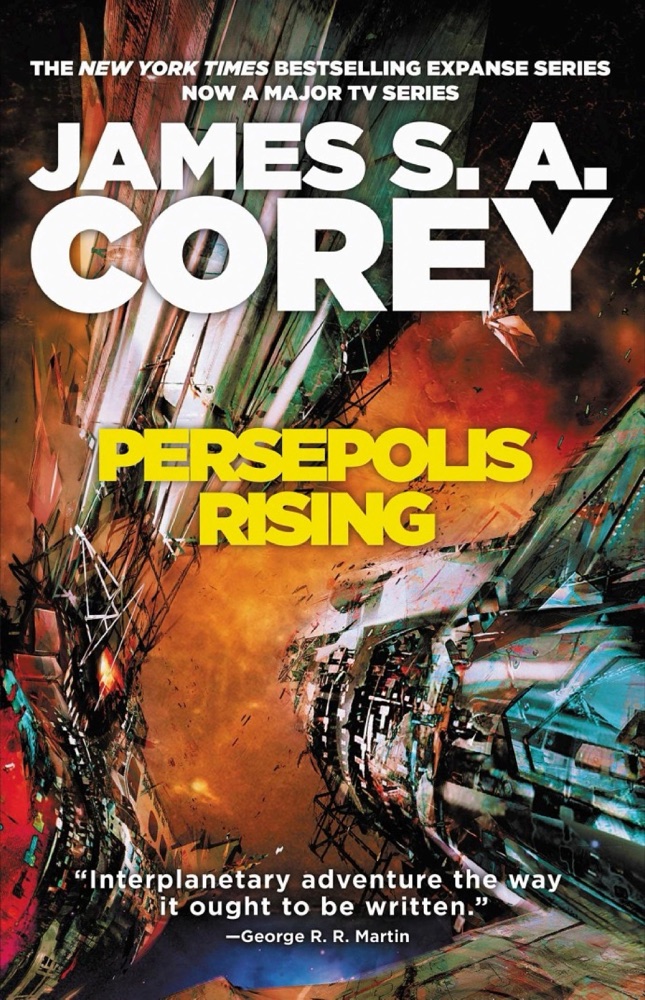 Persepolis Rising
 Re: Colonised Planet 5, Shikasta
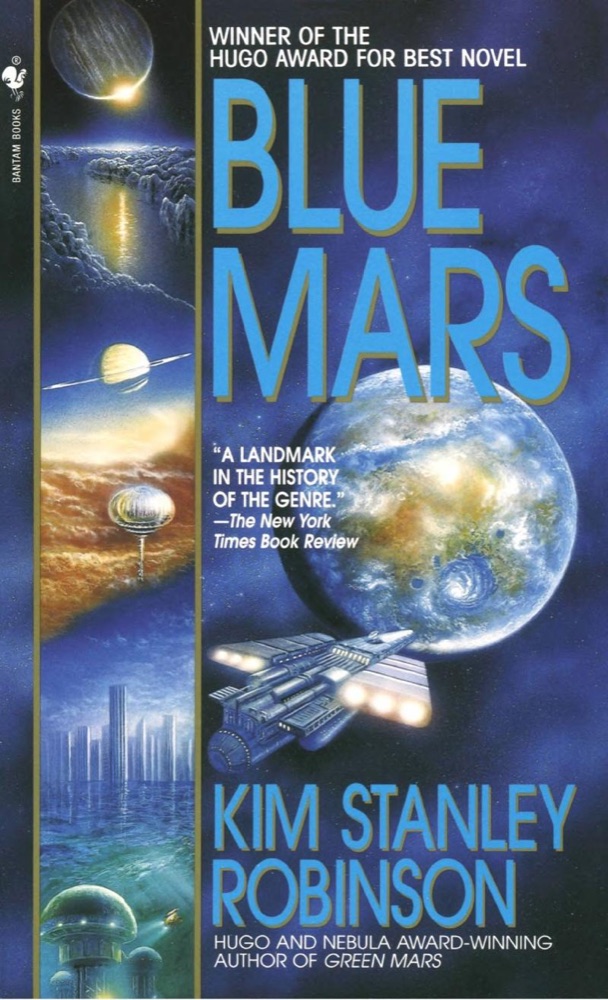 Blue Mars
 Elon Musk
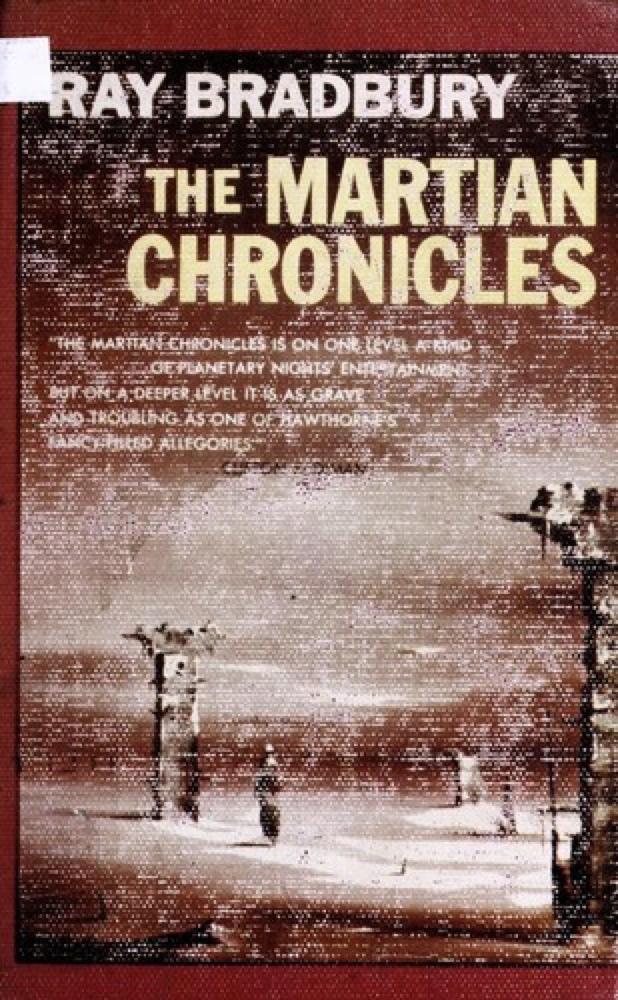 The Martian Chronicles
 Saturn's Children
 Solaris
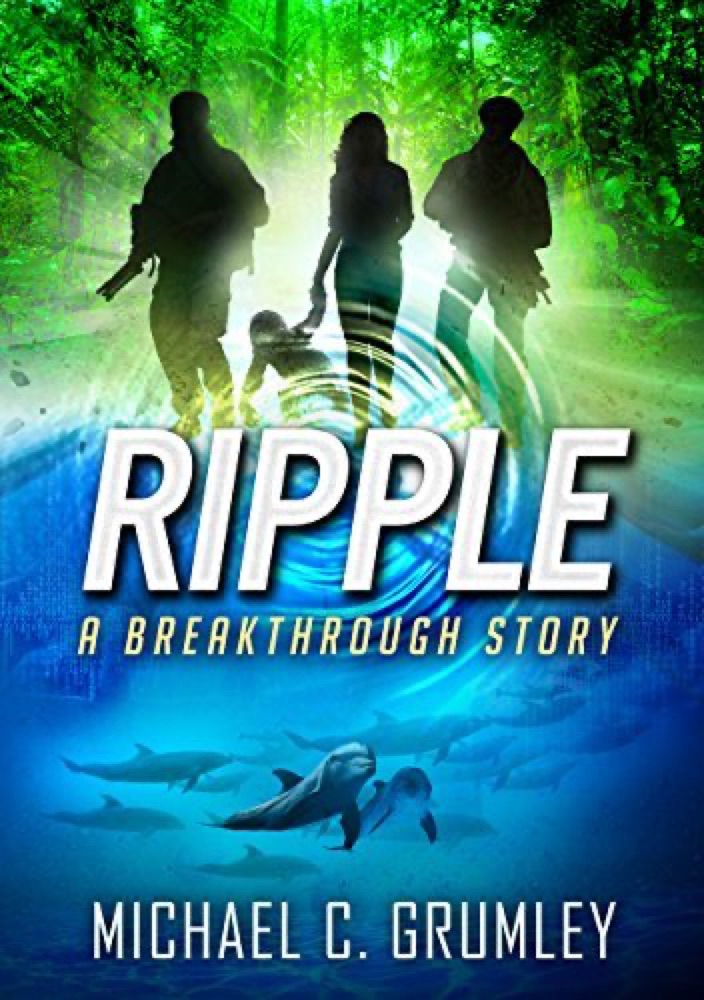 Ripple
 The Futurological Congress: From the Memoirs of Ijon Tichy
 Cibola Burn
 The Three-Body Problem
 The Second Ship
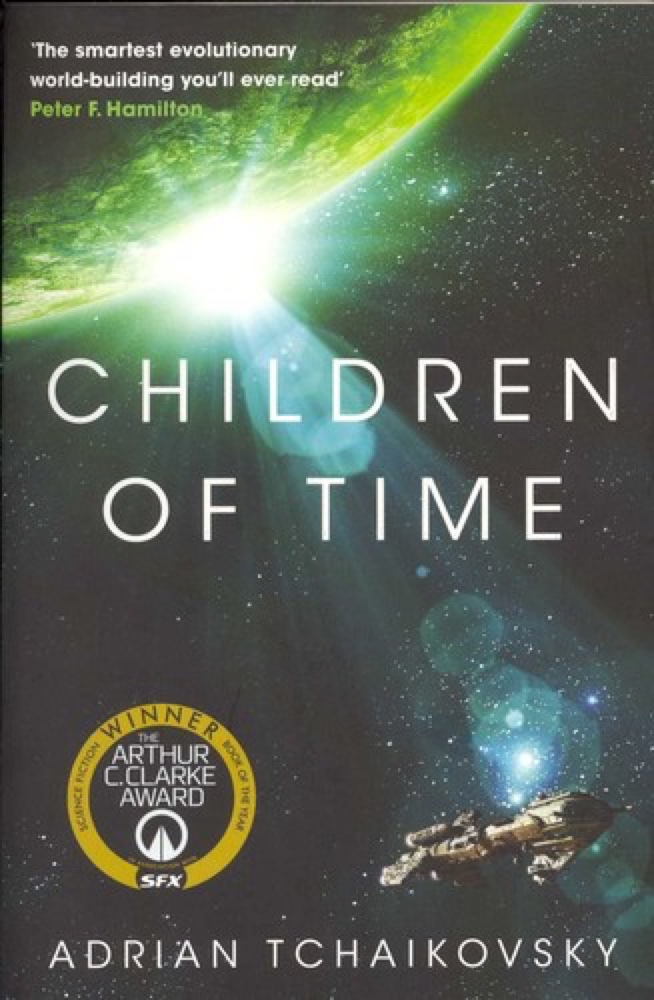 Children of Time
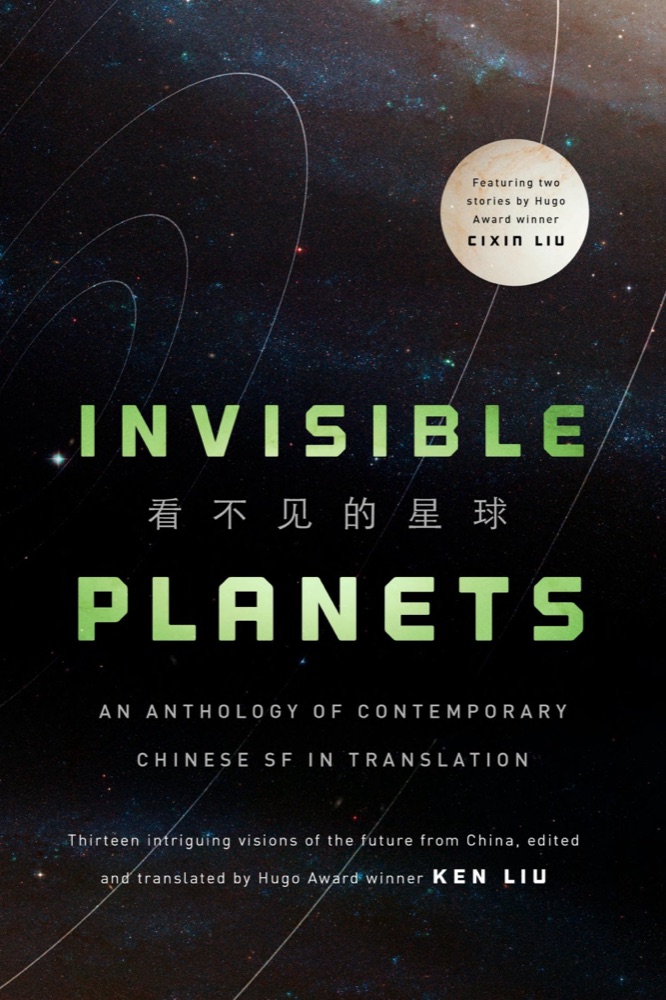 Invisible Planets: Contemporary Chinese Science Fiction in Translation