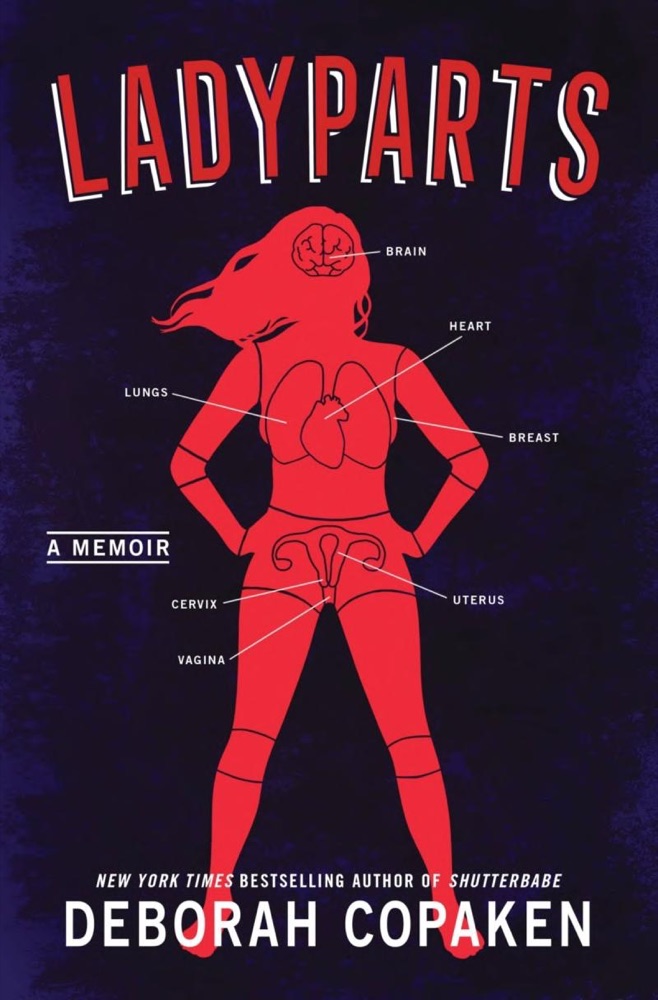
 Ladyparts
Quotes from the Book
As Rage Becomes Her author Soraya Chemaly said, One of the top three reasons women report getting angry is the lack of reciprocity in relationships. They feel taken for granted, uncared for, unloved, even as they’re providing care to parents, to children, to spouses, to friends, to coworkers to neighbors, whoever it may be. Being exhausted and fed up at the same time accumulates. I think a lot of the rage people feel is because for the entirety of their lives their needs were not being addressed or met fairly. But now, with the added stresses and exhaustion of this physical transition, that situation is not tenable. This—a lack of reciprocal care and attention—is not about hormones.
3
Radical selfcare is what’s going to get us through this kind of endlessly inane questioning of the validity of our existence, through menopause, and through all of the many other changes that are still yet to come.
2
Leaning into disappointment in our bodies can make it harder to live and take care of ourselves with injuries, chronic pain and illness, or other disabilities we may have.
1
If they don’t give you a seat at the table, bring a folding chair.” —Shirley Chisholm
1
Give less of a fuck. There’s a lot of talk from well-adjusted people on the other side of menopause about how they care a lot less about a lot more things than they did before. I believe this is often a survival skill picked up in perimenopause, one that likely kept them from yelling at other people and helped them carve out the time, space, and energy to care for themselves, often after a process of figuring out they gave way too many fucks to adequately deal with any of this.
1
No one considered the possibility that I might have been experiencing a hot flash paired with a panic attack, a notoriously common experience in perimenopause.
1
If we had it in our heads that feelings in menopause were the usual clichés—a certain kind of suburban prickliness or a trivial, surfacey sorrow—we’re likely to be surprised. We might not be expecting that “rages” can have a basis in very real anger and that our tears might spring from shame, self-loathing, hopelessness, or deep grief. A lot of managing our moods and mental health in menopausal transition is about making room for our feelings, very much including some that might scare us.
1
Approximately two million people go into perimenopause each year in the United States alone. Only a fraction of that number (around 15 percent) are diagnosed with breast cancer in the United States every year. Fewer people have heart attacks and strokes here annually than go into perimenopause. How do all of us—you, me, our mothers, healthcare providers, the ladies on The View—usually know so much less about something so much more common, something that will absolutely happen to everyone born with a uterus and ovaries in some way at some point, most often as an unavoidable part of the life cycle, than we do about things less common that are only, and frequently even avoidable, maybes?
Aida Manduley, LCSW, is a Latinx activist, trauma-focused clinician with a basis in liberation health and healing justice, and a human discotheque. They say, The biggest lie that we’re told—and I would say that this goes for everyone, just in different flavors—the lie that we’re told is that we have to do it by ourselves. No one does anything by themselves. Any person who says they got to where they are by themselves is lying, either actively lying or deeply misinformed and spouting a lie. Look, find me any famous person, find me any philosopher, find me any person who’s made it into the history books. A huge reason why they were able to is because they had people making their food and caring for their children, driving their cars, or horse buggies or whatever. None of these people did it by themselves. The fact that they got help was just erased. So now, other people think, “Oh, well, I gotta do it myself. This other person did it, so clearly, I gotta do it, too.” That’s not how it worked for them either. Actually, they got a lot of help.
Decreased cognitive flexibility, including difficulty or increased difficulty with attentiveness, focus, processing, and concentration. You might feel like your processing speed or your ability to problem-solve is decreasing. Learning can be or feel more difficult or slower to cement, especially in later perimenopause.
Having a bunch of arghful or superdemanding life stuff, all while our biochemistry is flying up and down like a haunted elevator or radically changing to a kind of hormonal makeup we haven’t had for more than a week at a time since we were kids—no shit that can have an impact on our mental health.
listen-and-validate-only (on their part) venting sessions for you;
One of the ways partners, family, housemates, or anyone else who’s a big part of daily life can support us is in accommodations, adaptations, or other changes we need in order to get through this or to adjust to the ways that we are just going to be different because of this from now on. That can be bigger things or little ones, but clear, tangible ways to help can go a long way for everyone and can be adapted for every age and ability.
I’m not going to tell you how to feel about or view perimenopause, menopause, and life after. That’s yours to feel. If we’re entitled to anything, having reached this stage of life or otherwise found ourselves here, it should be the right to own and contextualize our own experience of this.
Understanding, acceptance, and management (or not!) of your choosing really are the names of the game here: they are what’s actually doable and also won’t make you feel even shittier about yourself than perimenopause can make you feel already.
I didn’t know anything about perimenopause, including that I was in it, until I had already been in it for years, despite having an array of hallmark impacts: painful cystic acne, hot flashes, night sweats, anxiety, depression including a resurgence of my suicidality, menstrual changes, digestive issues, body-composition shifts, an increase in headaches and other kinds of pain, exhaustion, and some serious cognitive challenges.
With menopause, what’s considered “normal” vaginal pH changes from a 3.8–4.5 range to higher, usually between 5 and 6, the same level it usually is before puberty, too. That’s okay, but it can change our vulnerability to imbalances and infections.
As Menstruation and Menopause author Paula Weideger said in the 1970s, “The majority of doctors have an elevated opinion of their worth and an underdeveloped ability to respect their patients.
Have no shame ... as another woman friend of mine counseled with perfect sincerity and cheer: 'Just gain the 25 pounds. I really think I would not have survived menopause--AND the death of my mother--without having gained these 25 pounds.' [quoting Sandra Tsing Loh's 'The Madwoman in the Volvo']
[As in puberty,] There will be tears. And anger. And tragically unfortunate haircuts.
Messages we get about menopause more often tell us we must keep ourselves from much of what we want and need in this time. It's easy to get the idea that life in and after menopause is going to be little, dreary rituals of desperate maintenance and exacting control over food, exercise, the shape and size of our bodies, our skin, our intimate relationships, our sexuality, our leisure, our moods, robbing us of what pleasure we might have found in these things before.
Watch on YouTube
About Heather Corinna
We have collected 21 quotes from 1 book by Heather Corinna on BookQuoters.
More about the author →About the book
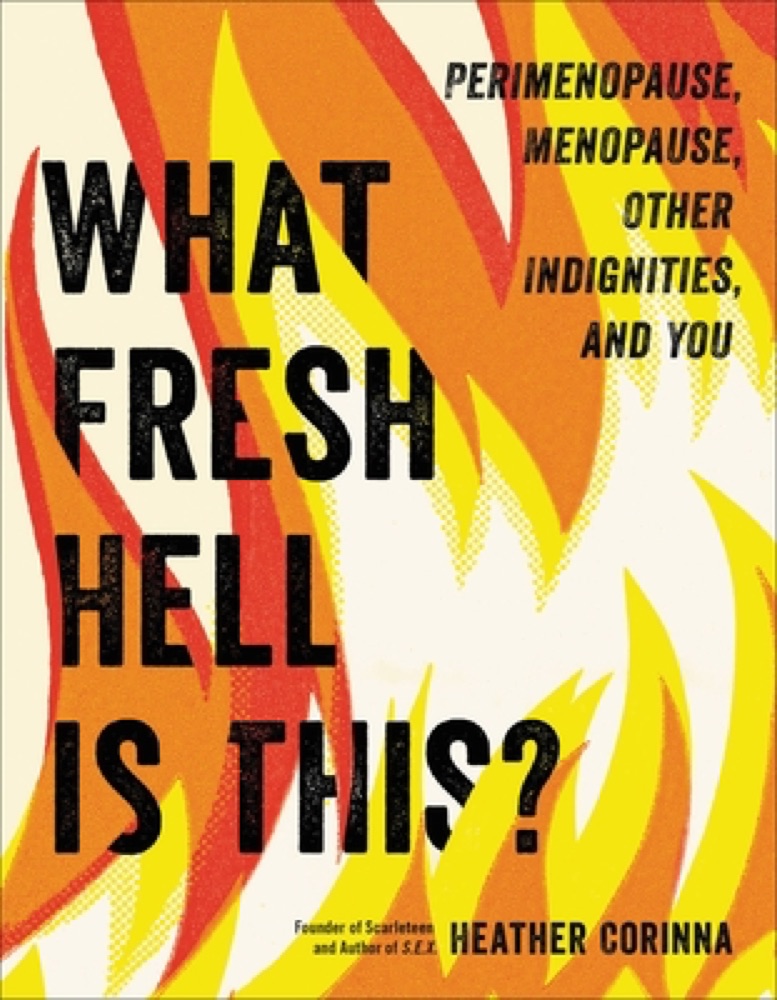
An informative, blisteringly funny, somewhat cranky and always spot-on guide to perimenopause and menopause by the award-winning sex ed/health educator and author of S.E.X.If you don't know award-winning sex educator and all-around badass Heather Corinna, let them introduce themselves and their new book:"I'm going to do what I've done for millions of people of all ages with sex and relationships: to simplify and share solid, explicit information, to provide support and be sensitive, and to help make everyone feel less alone and get us all through hard, thorny, touchy stuff so we can make it to the other side. I'm going to do this in a similar way I've done it for sex and relationships in my work over the last couple decades for young people and adults alike: by talking out loud, shamelessly and frankly, about what others are afraid or ashamed to, much in the way your favorite loudmouth a
Book details
- First published
- 2021
- Author
- Heather Corinna
- Genre
- Nonfiction
- Goodreads rating
- 3.87 (2k ratings)
Keep reading
Ladyparts
 Animal: The Autobiography of a Female Body
 Come as You Are: The Surprising New Science that Will Transform Your Sex Life
 You'll Grow Out of It
 Burnout: The Secret to Unlocking the Stress Cycle
 MILF: Motherhood, Identity, Love and F*ckery
 Why We Can't Sleep: Women's New Midlife Crisis
 Shrill: Notes from a Loud Woman
 Nine Perfect Strangers
 Ask Me About My Uterus: A Quest to Make Doctors Believe in Women's Pain
 I'm Fine...And Other Lies
![It's Not OK to Feel Blue [and other lies]](/i/book/g/ed/its-not-ok-to-feel-blue-and-other-lies.jpg) It's Not OK to Feel Blue [and other lies]
It's Not OK to Feel Blue [and other lies]
 To Throw Away Unopened
 Love and Trouble: A Midlife Reckoning
 Good Morning, Monster: A Therapist Shares Five Heroic Stories of Emotional Recovery
 Delicate Condition
 Awake
Awake
 All the Women in My Brain: And Other Concerns
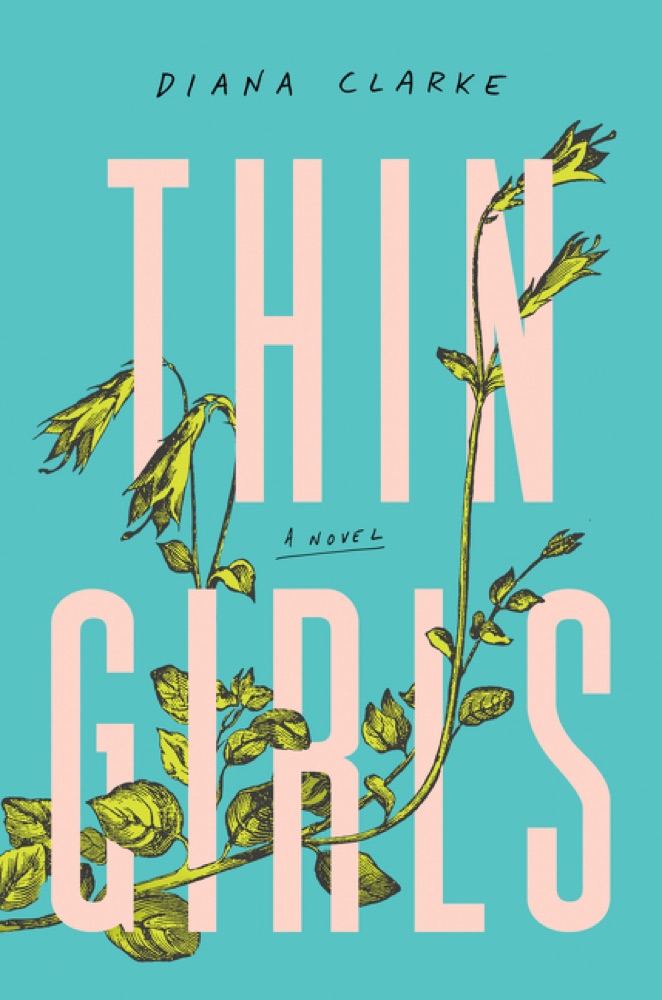 Thin Girls
 Clothes, Clothes, Clothes. Music, Music, Music. Boys, Boys, Boys
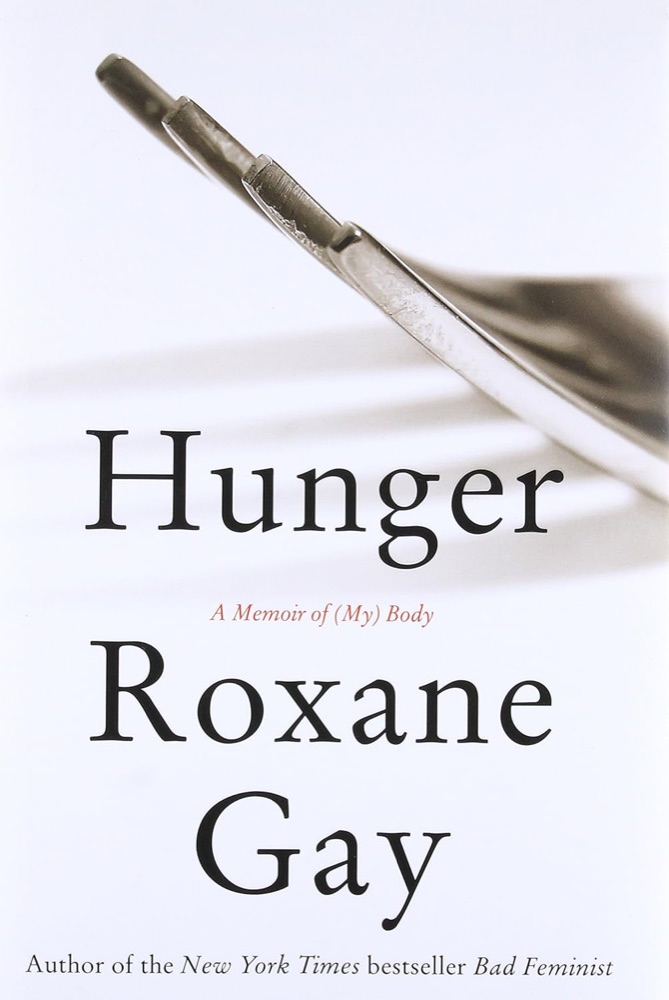 Hunger: A Memoir of (My) Body
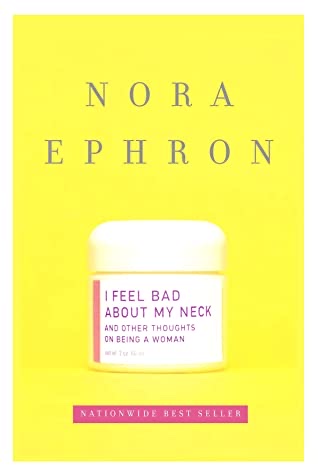 I Feel Bad about My Neck: And Other Thoughts on Being a Woman
 Detransition, Baby
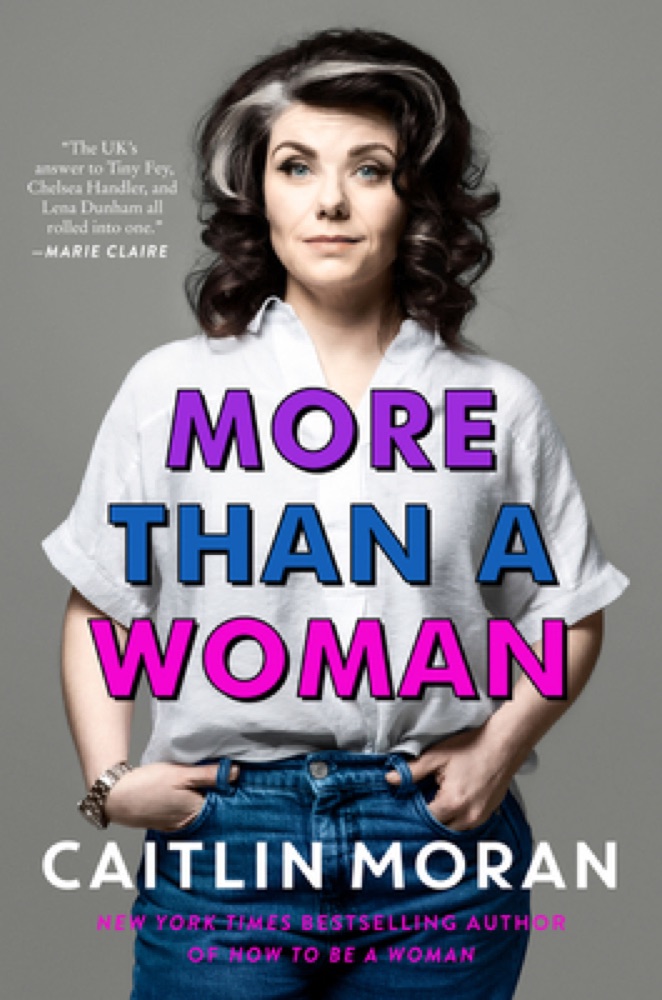 More Than a Woman: A Brutally Honest and Hilarious Feminist Memoir on Parenting, Marriage, and Middle-Age
 Woman: An Intimate Geography
 Broken
 Women's Bodies, Women's Wisdom: Creating Physical and Emotional Health and Healing
 Rage Becomes Her: The Power of Women's Anger
 Irreversible Damage: The Transgender Craze Seducing Our Daughters
 My Body
 Life Reimagined: The Science, Art, and Opportunity of Midlife
 Notes To Self
 Unfuck Your Brain: Using Science to Get Over Anxiety, Depression, Anger, Freak-Outs, and Triggers
 Feeling Good: The New Mood Therapy
 This Is Not a Book About Benedict Cumberbatch: The Joy of Loving Something--Anything--Like Your Life Depends On It
 How to Be a Woman
 If You Can't Take the Heat: Tales of Food, Feminism, and Fury
 All Fours
 Unbearable Lightness: A Story of Loss and Gain
 When the Body Says No: The Cost of Hidden Stress
 Breasts and Eggs
 Life Will Be the Death of Me: . . . and you too!
 Old Babes in the Wood: Stories
 Passages: Predictable Crises of Adult Life
 No One Asked for This: Essays
 Natural Causes: An Epidemic of Wellness, the Certainty of Dying, and Killing Ourselves to Live Longer
 Things No One Will Tell Fat Girls: A Handbook for Unapologetic Living
 Trick Mirror: Reflections on Self-Delusion
 Moranifesto
 An Experiment in Love
 First, We Make the Beast Beautiful: A New Story About Anxiety
 The Cancer Journals
 Why Zebras Don't Get Ulcers
 How Do We Know We're Doing It Right: & Other Essays on Modern Life
 Shoot the Damn Dog: A Memoir of Depression
 Attempting Normal
 The Sweet Potato Queens' Book of Love: A Fallen Southern Belle's Look at Love, Life, Men, Marriage, and Being Prepared
 The Folded Clock: A Diary
 Am I Normal Yet?
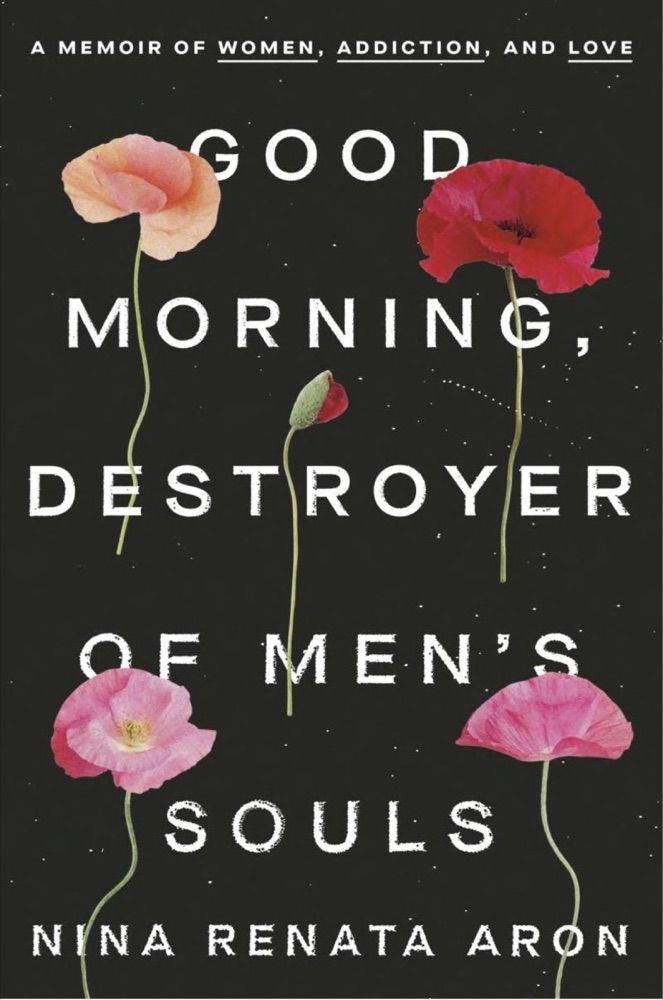 Good Morning, Destroyer of Men's Souls: A Memoir of Women, Addiction, and Love