
 The Children of Men
Quotes from the Book
We have all sinned, Mr. Darcy, and we cannot look for mercy without showing it in our lives.
13
If this were fiction, could even the most brilliant novelist contrive to make credible so short a period in which pride had been subdued and prejudice overcome?
13
We are neither of us the people we were then. Let us look on the past only as it gives us pleasure, and to the future with confidence and hope.
12
The library at Pemberley was as freely open to her as it was to Darcy, and with his tactful and loving encouragement she had read more widely and with greater enjoyment and comprehension in the last six years than in all the past fifteen, augmenting an education which, she now understood, had never been other than rudimentary.
11
People should make up their minds whether to live or to die and do one or the other with the least inconvenience to others.
7
It is never so difficult to congratulate a friend on her good fortune than when that fortune appears undeserved.
7
It is doubtful whether Mrs Bennet missed the company of her second daughter, but her husband certainly did. Elizabeth had always been his favourite child.
7
I was like a little boy showing off my toys, desperate to win approval.
5
They also accused her of being sardonic, and although there was uncertainty about the meaning of the word, they knew that it was not a desirable quality in a woman, being one which gentlemen particularly disliked.
4
guilt is more commonly felt by the innocent than by the culpable,
4
The New World is not a refuge for the indolent, the criminal, the undesirable of the old, but a young man who has been clearly acquitted of a capital crime, has shown fortitude during his ordeal and has shown outstanding bravery in the field of battle appears to have the qualifications which will ensure his welcome.
4
One of her parlour borders, Miss Harriet Smith, married a local farmer, Robert Martin, and is very happily settled. They have three daughters and a son, but the doctor has told her it is unlikely that further children can be expected and she and her husband are anxious to have another son as playmate to their own. Mr and Mrs Knightley of Donwell Abbey are the most important couple in Highbury, and Mrs Knightley is a friend of Mrs Martin and has always taken a keen interest in her children.
4
[Mr. Collins] began by stating that he could find no words to express his shock and abhorrence, and then proceeded to find a great number, few of them appropriate and none of them helpful.
3
There are few activities so agreeable as spending a friend's money to your own satisfaction and his benefit.
3
And would she herself have married Darcy had he been a penniless curate or a struggling attorney? ...Elizabeth knew that she was not formed for the sad contrivances of poverty.
3
By 1803, therefore, Mrs Bennet could be regarded as a happy woman so far as her nature allowed and had even been known to sit through a four-course dinner in the presence of Sir William and Lady Lucas without once referring to the iniquity of the entail.
3
She was wearing a hat heavily trimmed with crisp pink ribbons which looked new, bought no doubt as tribute to the importance of the occasion. It would have been more impressive had it not sat atop a bush of bright yellow hair and from time to time she touched it as if unsure whether it was still on her head.
3
Neither man spoke of the past. Darcy could not rid himself of its power but Wickham lived for the moment, was sanguine about the future and reinvented the past to suit his audience, and Darcy could almost believe that, for the present, he had put the worst of it completely out of his mind. p.
3
It was a fashionable and expensive academy but there was no loving care, and it inculcated pride and the values of the fashionable world, not sound learning and good sense.
2
Neighbors whose jealousy of such a triumph exceeded any satisfaction in the prospect of the union were able to console themselves by averring that Mr Darcy's pride and his wife's caustic wit would ensure that they lived together in the utmost misery for which even Pemberley and ten thousand a year could offer no consolation.
2
He and Darcy rapidly came to the conclusion that they liked each other and thereafter, as is common with friends, accepted their different quirks of character as evidence of the other’s superior intellect.
1
my love, as his example. He would then have said less, and that more to the point.” Mr. Collins’s mind was not subtle enough to detect the irony or suspect the stratagem.
1
could even the most brilliant novelist contrive to make credible so short a period in which pride had been subdued and prejudice overcome?
1
Charlotte had not been the eldest of a large family without acquiring some skill in the management of male delinquencies and her method with her husband was ingenious. She consistently congratulated him on qualities that he did not possess in the hope that, flattered by her praise and approval, he would acquire them.
1
...Miss Bingley was particularly anxious at the time not to leave the capital. Her pursuit of a widowed peer of great wealth was entering a most hopeful phase. Admittedly without his peerage and his money he would have been regarded as the most boring man in London, but one cannot expect to be called "your grace" without some inconvenience.
1
It is generally accepted that divine service affords a legitimate opportunity for the congregation to assess not only the appearance, deportment, elegance and possible wealth of new arrivals to the parish, but the demeanour of any of their neighbours known to be in an interesting situation, ranging from pregnancy to bankruptcy.
1
There are few activities so agreeable as spending a friend’s money to your own satisfaction and his benefit,
1
Darcy took the view that if family amity required him to meet people with whom he had little in common, it were best done at their expense not his.
1
Did you know?
- The novel is a sequel to Jane Austen's Pride and Prejudice, set six years after Elizabeth and Darcy's marriage.
- The story takes place in October 1803 at Pemberley, the Darcy estate in Derbyshire.
- P.D. James was in her early nineties when the book was published.
- A three-part television adaptation aired on BBC One in December 2013, starring Anna Maxwell Martin and Matthew Rhys.
- The opening pages deliberately echo the famous style of Austen's original novel.
About P.D. James
P.D. James (1920-2014) was an English novelist best known for her detective fiction featuring Adam Dalgliesh; she was created a life peer as Baroness James of Holland Park in 1991.
More about the author →More by P.D. James
All books by P.D. James →
About the book
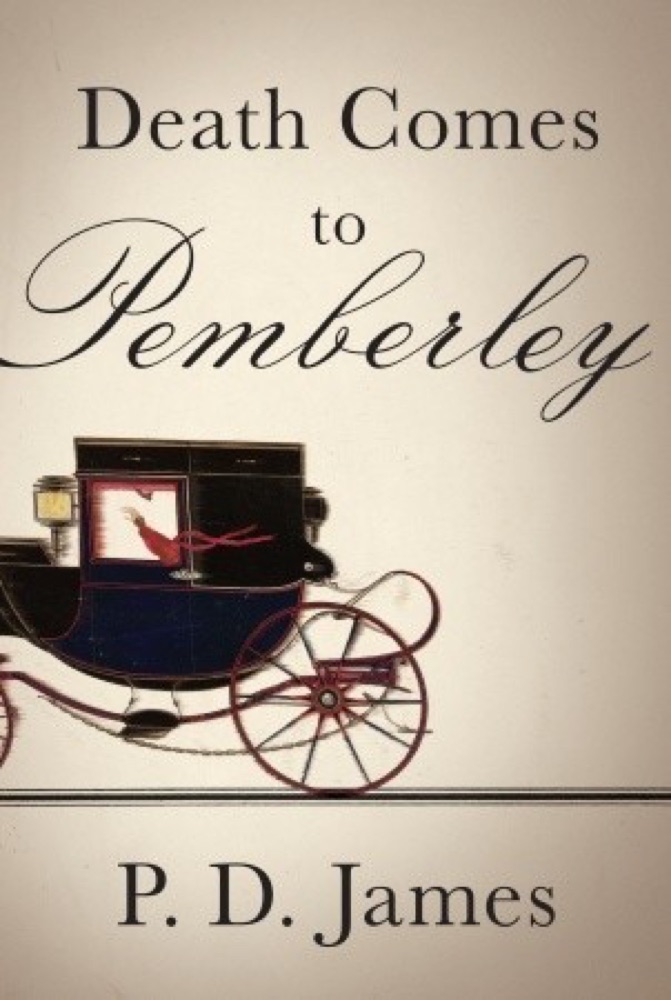
Death Comes to Pemberley is a 2011 historical murder mystery by P.D. James that takes the characters of Jane Austen's Pride and Prejudice as its starting point. Set in the autumn of 1803, six years after Elizabeth Bennet and Fitzwilliam Darcy's marriage, the novel opens on the eve of a ball at the Darcys' Derbyshire estate, Pemberley. The festivities are shattered when Lydia Wickham arrives in hysterics and a body is discovered in the woodland on the grounds, drawing the household into a criminal investigation and trial.
Blending Austen's social comedy of manners with the conventions of the detective novel she was famous for, James explores questions of justice, reputation, class responsibility, and the precariousness of a woman's social standing. The book functions as both a homage to and a continuation of Austen's world, taking familiar figures such as Darcy, Elizabeth, and the disreputable George Wickham and placing them under the pressures of scandal and the law.
Published late in James's career, the novel was a commercial success and drew generally favourable reviews, with critics noting her affectionate handling of Austen's characters even as some found the pastiche an unusual departure for a crime writer. Its profile was further raised by a three-part BBC television adaptation broadcast in 2013.
Key characters
- Fitzwilliam DarcyMaster of Pemberley, drawn into the investigation
- Elizabeth DarcyDarcy's wife, formerly Elizabeth Bennet
- George WickhamDisreputable in-law arrested for the murder
- Lydia WickhamElizabeth's younger sister and Wickham's wife
- Captain Martin DennyThe murder victim found on the Pemberley grounds
Book details
- First published
- 2011
- Length
- 291 pages
- Reading time
- 4 hours
- Author
- P.D. James
- Genre
- Mystery
- Goodreads rating
- 3.30 (105k ratings)
- First line
- “It was generally agreed by the female residents of Meryton that Mr. and Mrs. Bennet of Longbourn had been fortunate in the disposal in marriage of four of their five daughters.”
Critical reception
- Newspaper reviews were generally favourable, many enthusiastically so.
- The novel was a commercial bestseller for James.
- Some critics noted the unusual pairing of Austen pastiche with detective fiction.
Movie & TV adaptations
- IMDb
Keep reading
 Framley Parsonage
 Belgravia
 Barchester Towers
 Dr. Thorne
 Armadale
 Felix Holt: The Radical
 The History of Tom Jones, a Foundling
 A Beautiful Blue Death
 Venetia
 Northanger Abbey
 The Fraud
 Mary Barton
 Longbourn
 The American Heiress
 The Life of Charlotte Brontë
 The Mayor of Casterbridge
 The Fleet Street Murders
 The Jewel in the Crown
 Desperate Remedies
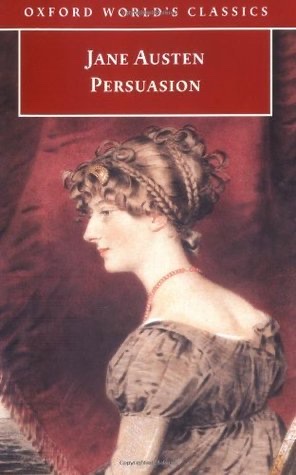 Persuasion
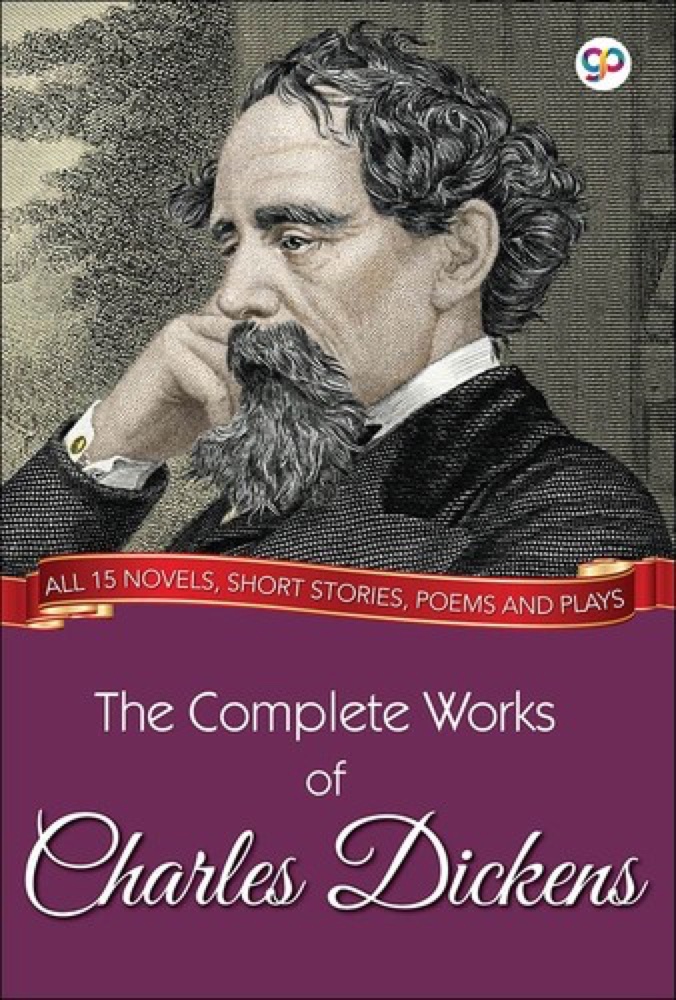 The Complete Works of Charles Dickens
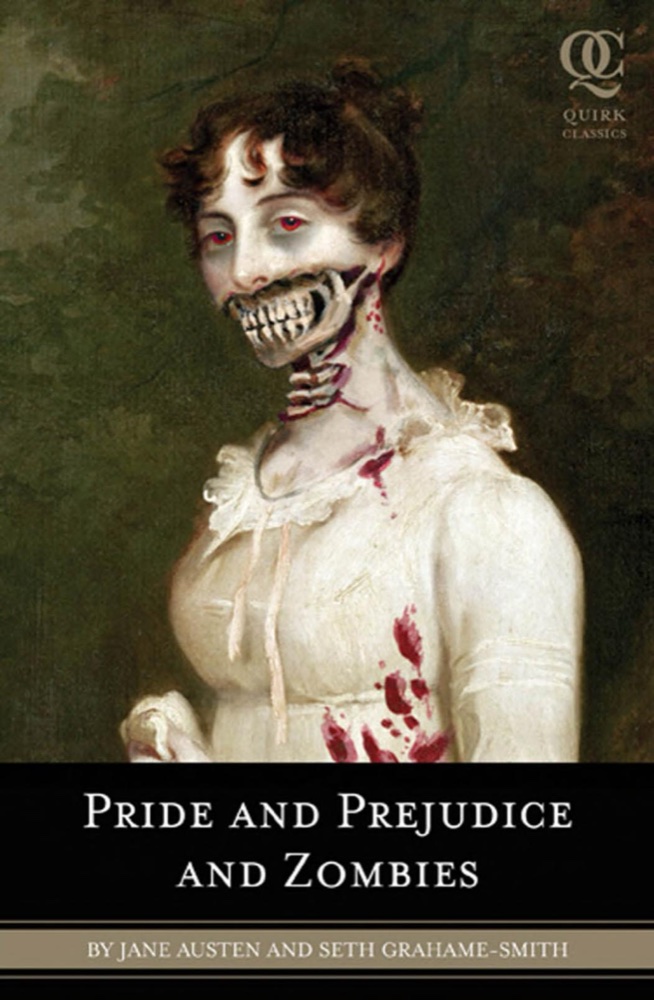 Pride and Prejudice and Zombies
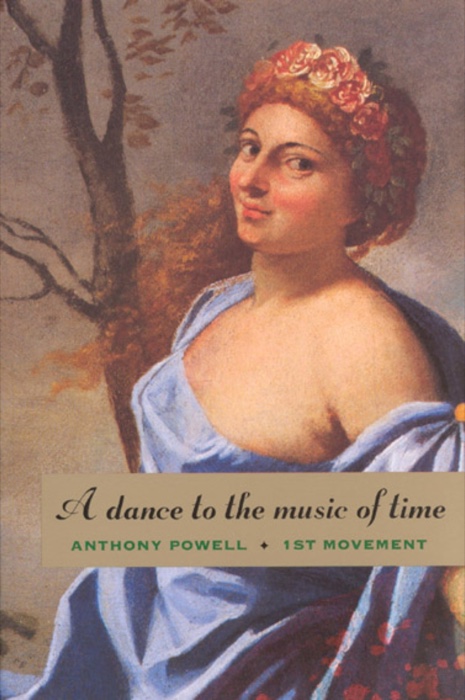 A Dance to the Music of Time: 1st Movement
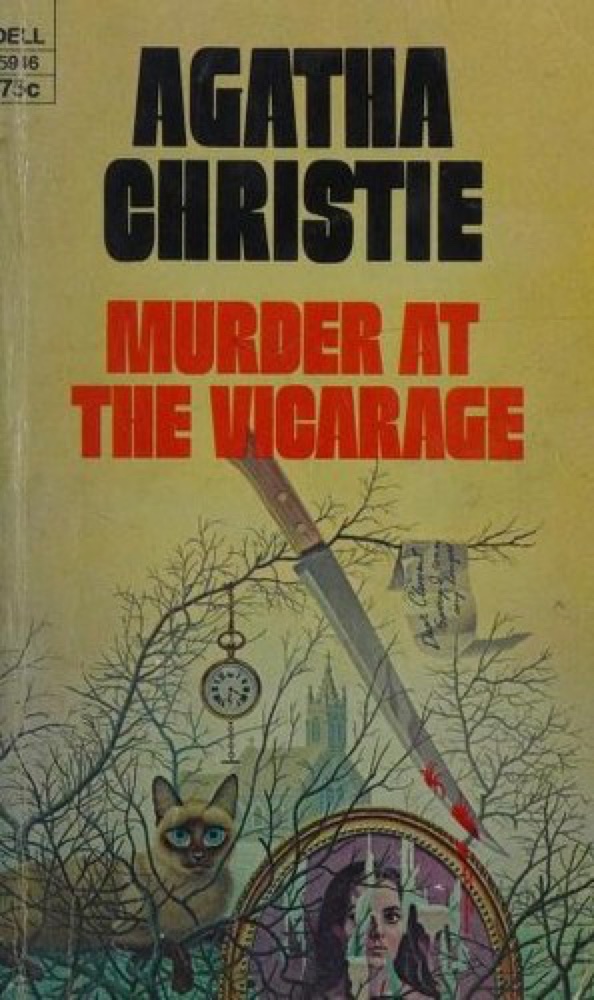 Murder at the Vicarage
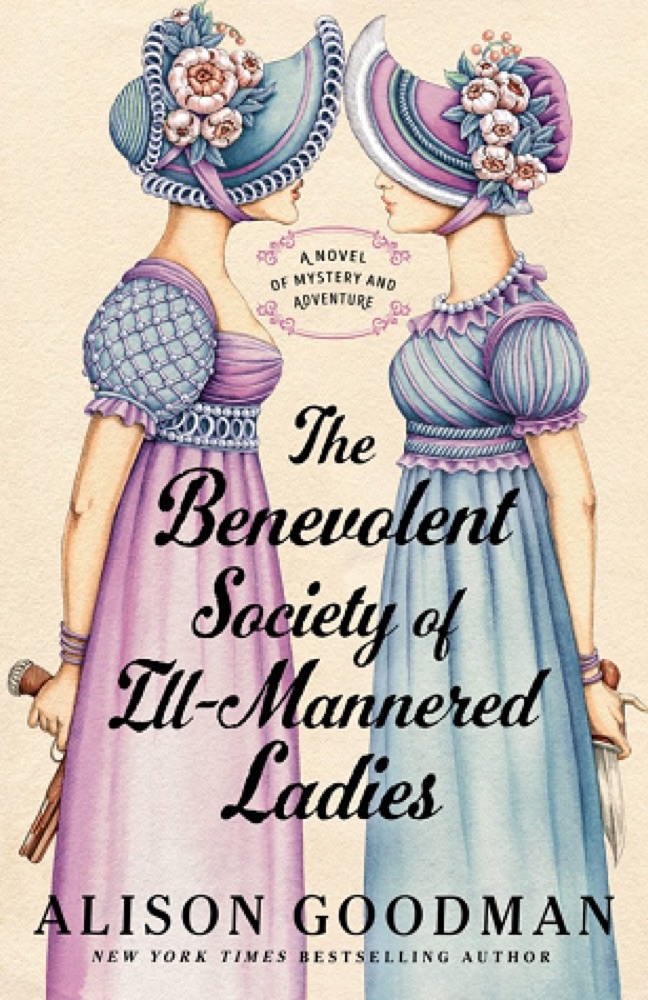 The Benevolent Society of Ill-Mannered Ladies
 Nicholas Nickleby
 Zuleika Dobson
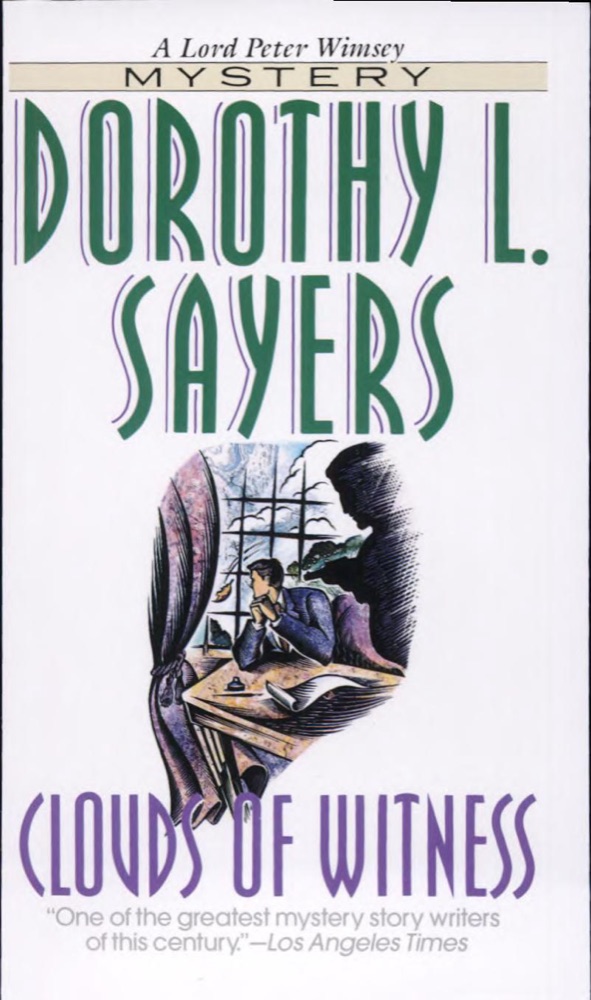 Clouds of Witness
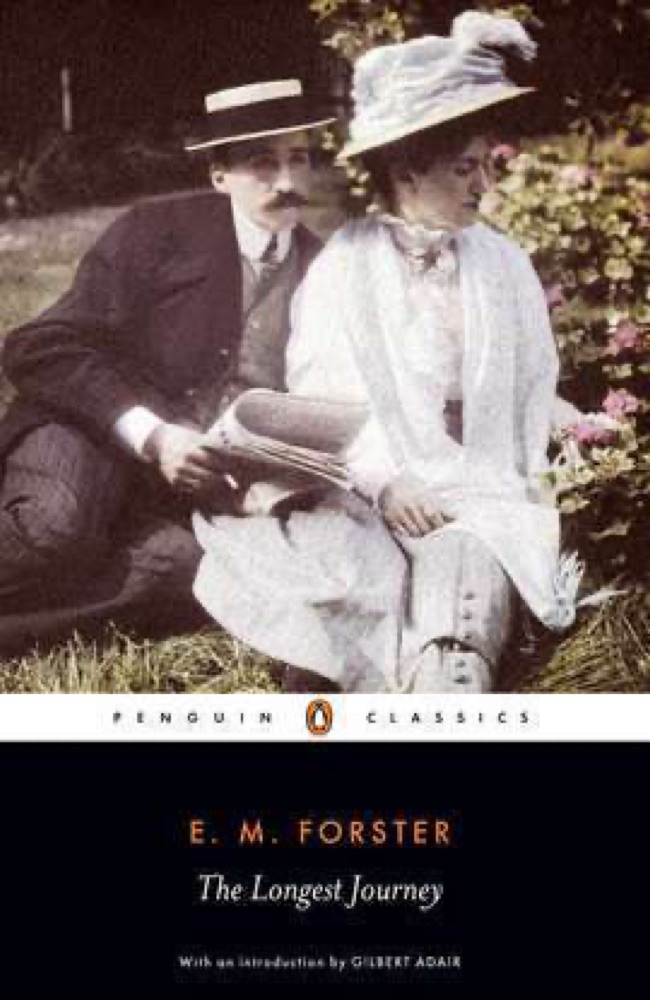 The Longest Journey
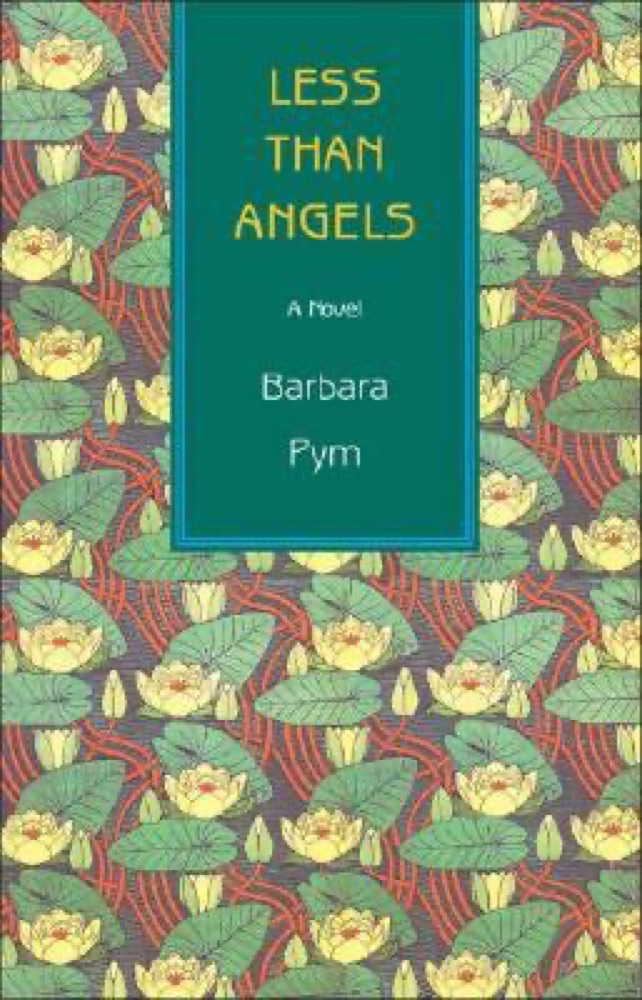 Less Than Angels
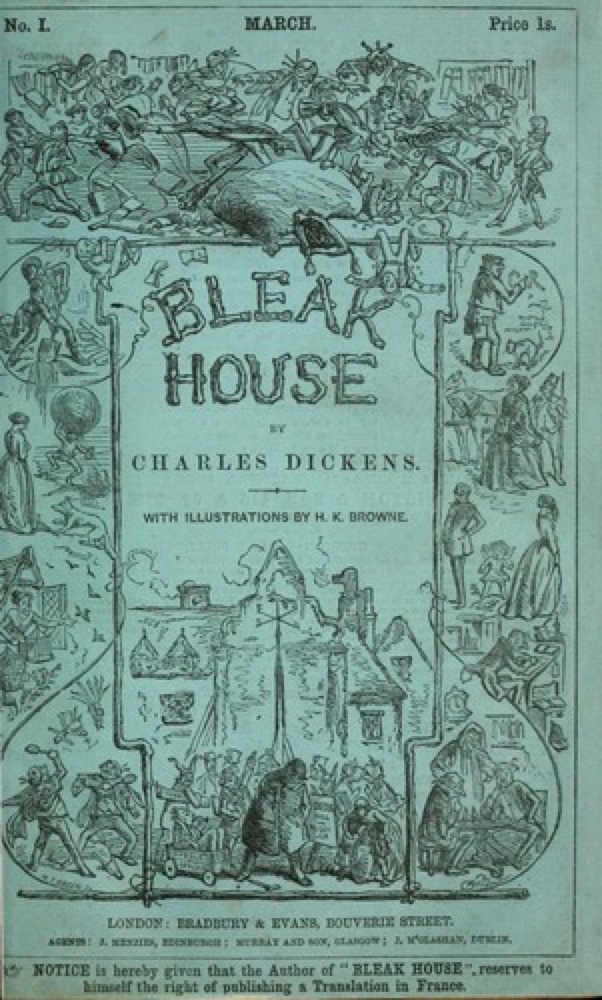 Bleak House
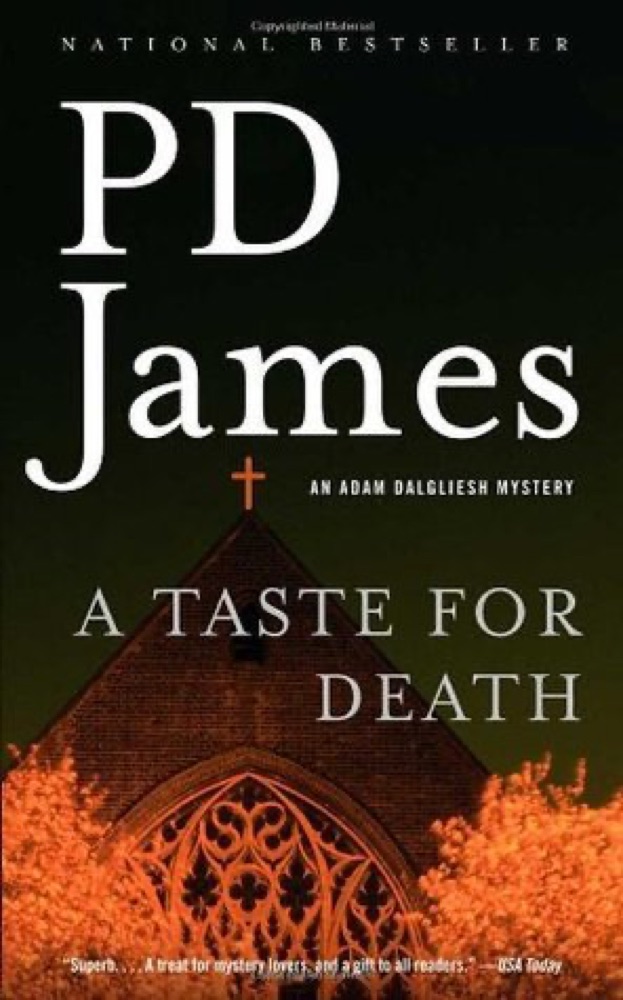 A Taste for Death
 New Grub Street
 Howards End
 Wives and Daughters
 Shrines of Gaiety
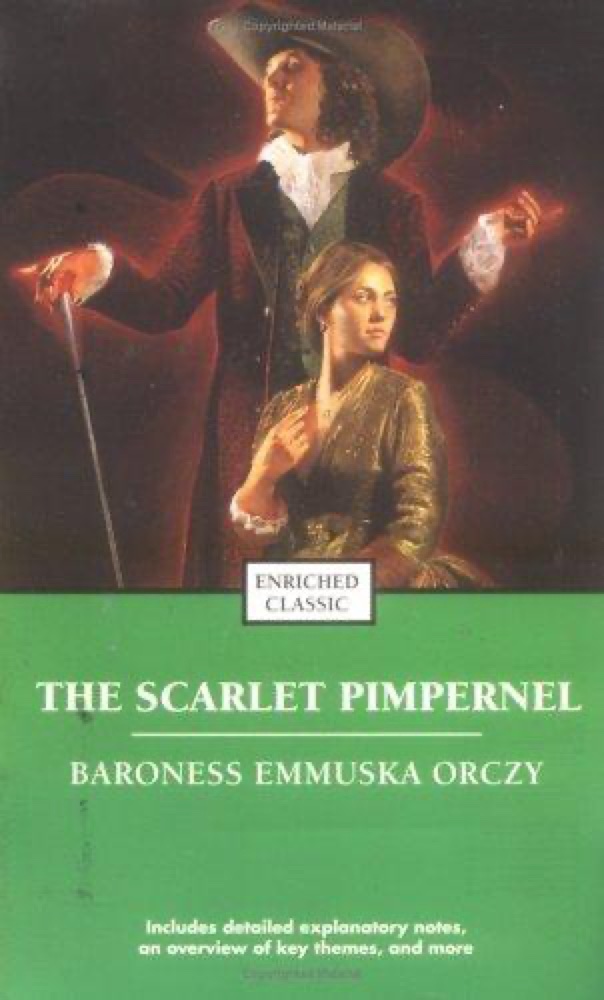 The Scarlet Pimpernel
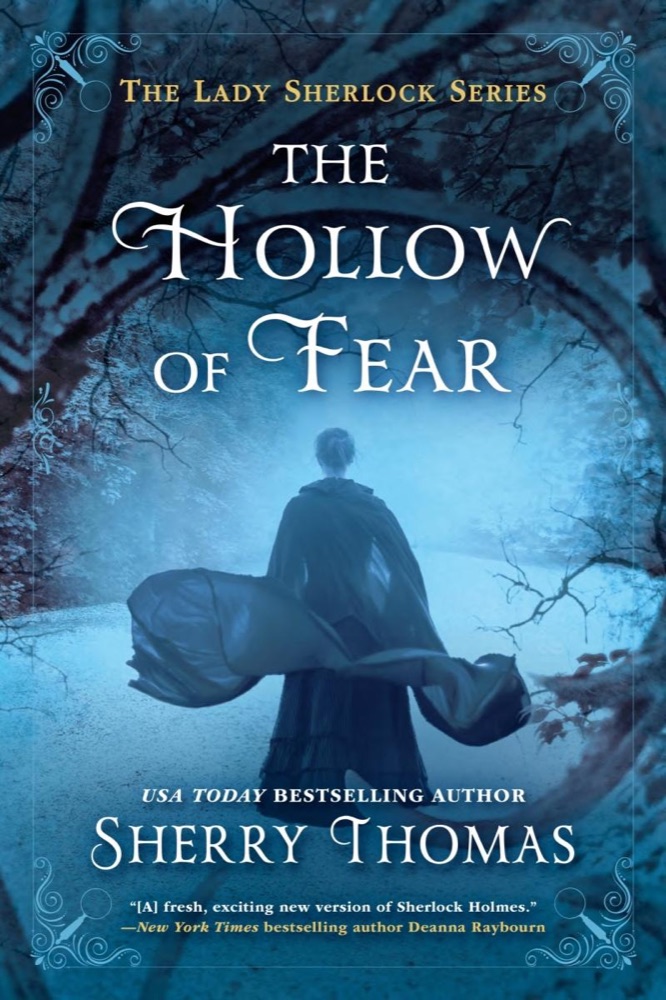 The Hollow of Fear
 Small Pleasures
 The Custom of the Country
 Washington Square
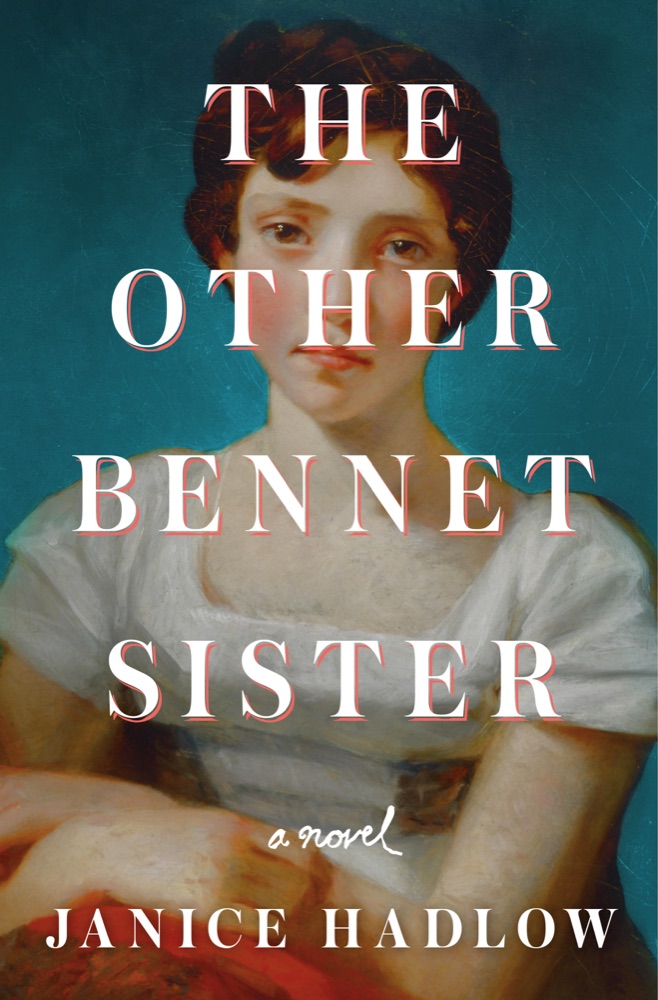 The Other Bennet Sister
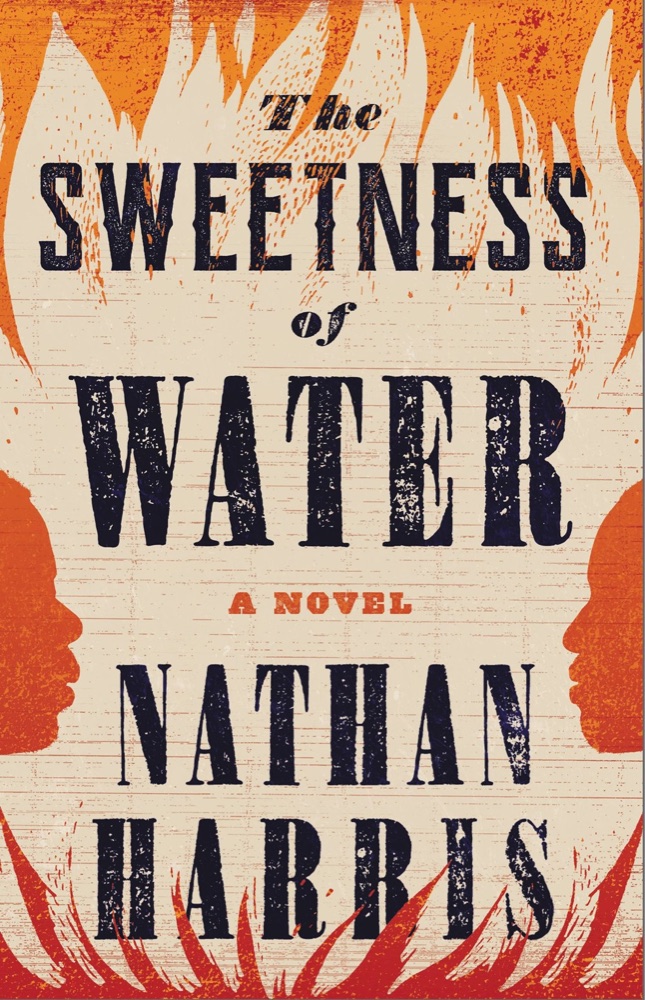 The Sweetness of Water
 Pride and Prejudice
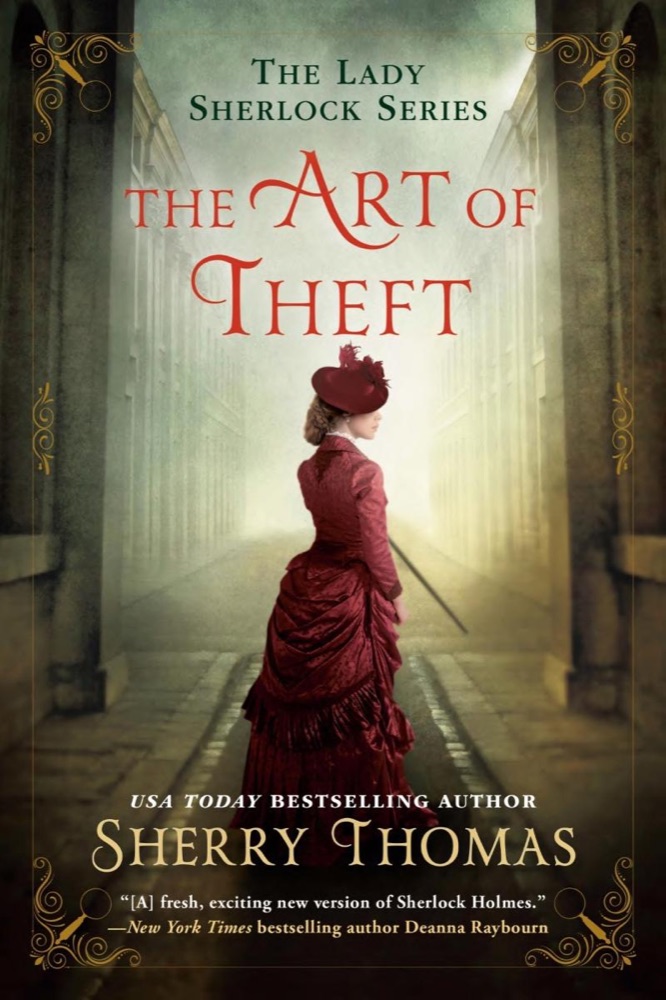 The Art of Theft
 The Nonesuch
 The Complete Saki
 Murder in the Mews
 Jeremy Poldark
 Strong Poison
 Wicked Becomes You
 Vanity Fair
 New York
 Far from the Madding Crowd
 Lethal White
 Capital
 The Viscount Who Loved Me
 The Mill on the Floss
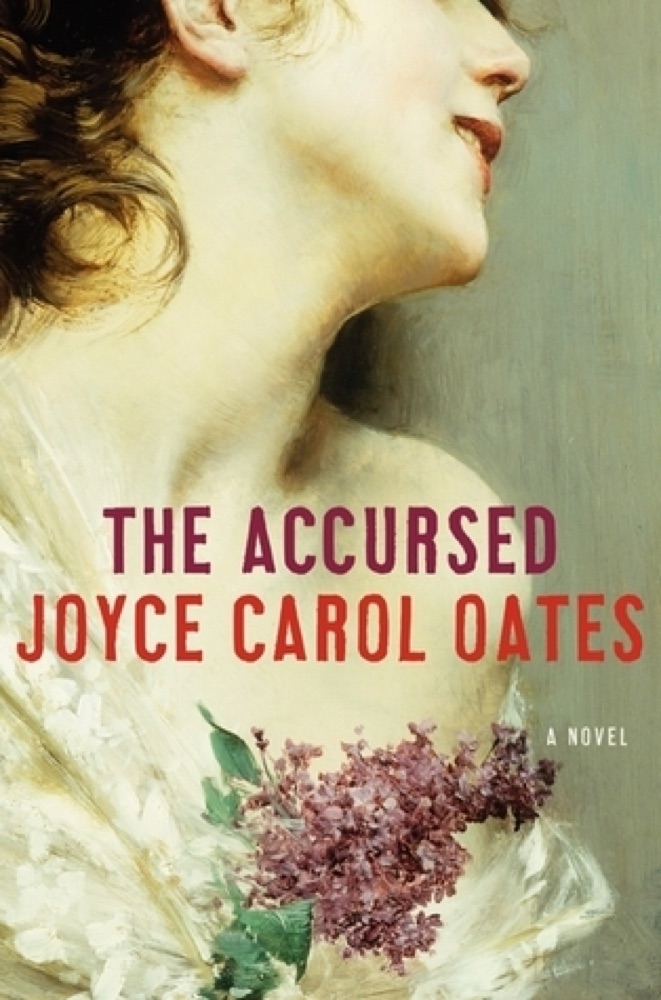 The Accursed
 The Blithedale Romance