

 A Beautiful Blue Death
Quotes from the Book
Are you going to give a speech?' she asked gaily. He gave a choked laugh. 'Of course not,' he said. 'Not for ages.' 'My cousin Davey gave one on his very first day!' ... 'In the Lords, I remember. It was about how he didn't like strawberry jam.' 'Be nice, Charles! It was a speech about fruit importation, which I admit devolved into something of a tirade.' She couldn't help but laugh. 'Still, you could talk about something more important.' 'Than jam? Impossible. We mustn't set the bar too high, Jane.
12
Suddenly Dallington burst into speech. 'Listen, Lenox - I want to apologize...' Lenox waved a dismissive hand. 'You're young,' he said. 'There are many lessons before you, some harder than this one... All too often things are blurry, though, John. It's the way of the world. Humans are blurry creatures,
1
money will do a great deal, and combined with a dangerous mind can do evil more quickly than anything else
He went out very little, and even when he did never commented to a soul about the downfall of George Barnard, choosing instead to focus on clearing up all of Barnard’s myriad crimes by tracing them diligently through the cunning and subtle ways in which the man had
I never had him in my house,” sniffed many great ladies, though it must be owned that the great majority of them had. Meanwhile the men in their clubs chomped fretfully on cigars and said things like, “Damn country is going to hell, been saying it for years. I expect the French to invade by the hour, I tell you,” which was very consoling and pleasant to contemplate.
Exeter was releasing all of those cryptic, confident statements to the press, and Barnard must have felt the stakes were too high for much to depend on an untested man with uncertain allegiances, who had probably only killed Simon Pierce to clear his mother’s debt.
Lenox almost laughed. Saved at the last by Barnard’s snobbishness; saved at the last by Barnard’s insecurity about his own tenuous relations to the upper class of his nation. It was remarkable how a brilliant mind could in one aspect have been so blind.
He was usually the liveliest and loudest man in the room, with a blunt, bullying manner, but now he seemed suddenly sunken, diminished.
The idea of Barnard living outside of London was laughable— it was his home and his solace, the center of his spiderweb, and he despised the northern life he had sloughed off when he came to the metropolis to make a success of himself.
Dallington laughed again. “You must understand—for years I’ve been poaching out of my parents’ accounts. Since I was thirteen or so. I know all the most corrupt men at the bank.
It hangs together, I suppose,” said Jenkins, “but most importantly, Lenox, I don’t understand what Barnard’s motive for all this mayhem might have been.
Did you not listen to Poole talking about his drunken fury? No, I scarcely think I need a drink at the moment.” Dallington muttered something about troubles coming home to roost and then said, “Well? How do I help?
the father a traitor to England, the son weak willed and impulsive and drunken, Barnard half a dev il, even Carruthers a corruptible old toad.
There was one thing that pleased Lenox in a small way; Exeter had been right. Hiram Smalls and Gerald Poole had murdered Simon Pierce and Winston Carruthers. It was a vindication. Was it for this, though, that he had died? Or had he discovered something else?
How eager we are to rewrite our fathers’ stories, some of us; the delusions of the heart.
Winston Carruthers’s physical life had been over-full of drink and food, his rooms messy and rich and abundant, but his files were at odds with that image of the man. They bespoke a different and more ascetic intellect. All of the papers were neatly filed and precisely written.
Will you come in, Mr. Lenox? Business has been going well, but I always enjoyed our work together. Thank you for the silver rattle you sent after Emily was born.
It appeared that these murders led back, as half the crimes in London did, to one man: George Barnard. Who now had fled to Geneva.
It was easy to admire—and made it easy to forget the doctor coming up to Stirrington when he was barmy drunk and half mad with sorrow.
He was glad he had done it, win or lose. There had been so much generosity toward him, where there might have been suspicion or indifference.
It’s a selfish thing to say, but I hope he wasn’t shot because of the case. I feel a sense of foreboding about my return to London.
Exeter was never tactful or gentle in his methods. Still, he deserved better than
Once he had been able to help with an investigation, and other than his wedding day it was the closest Charles had seen him to nirvana.
He was glad there were books in the world, at that moment; glad that there were maps and encyclopedias, and warm fires and comfortable armchairs.
For his entire adult life he had moved so easily among men who made large decisions, whether admirals or cabinet ministers or bishops, that he had forgotten to some extent what a privilege it was to stand for Parliament.
don’t know that you’ve quite grasped the nature of people’s lives here, Mr. Lenox. School is a luxury, in many of their cases.
We ought to send a wire straight to your room. It must cost a pretty penny to stay abreast of the London news.
Liberals look out for the common man. Conservatives—like brewers—look out for themselves.
Lenox was grateful to Crook for trying to lighten his mood, but butterflies still stirred in his belly and anxiety for Exeter, the fool, in his mind.
On the contrary, you have insulted my profession, questioned my honor, and attempted to bully me.
Watch on YouTube
About Charles Finch
We have collected 60 quotes from 2 books by Charles Finch on BookQuoters.
More about the author →More by Charles Finch
A Beautiful Blue Death
About the book
The third book in the Charles Lenox series finds the gentleman detective trying to balance a heated race for Parliament with the investigation of the mysterious simultaneous deaths of two veteran reporters. It’s Christmas, 1866, and amateur sleuth Charles Lenox, recently engaged to his best friend, Lady Jane Grey, is happily celebrating the holiday in his Mayfair townhouse. Across London, however, two journalists have just met with violent deaths--one shot, one throttled. Lenox soon involves himself in the strange case, which proves only more complicated as he digs deeper. However, he must leave it behind to go north to Stirrington, where he is fulfilling a lifelong dream: running for a Parliamentary seat. Once there, he gets a further shock when Lady Jane sends him a letter whose contents might threaten their nuptials. In London, the police apprehend two unlikely and unrelated murder su
Book details
- First published
- 2009
- Author
- Charles Finch
- Genre
- Mystery
- Goodreads rating
- 3.96 (8k ratings)
Keep reading
A Beautiful Blue Death
 Clouds of Witness
 Death at the Sign of the Rook
 Call for the Dead
 Lord John And The Hand Of Devils
 The Reverse of the Medal
 Aunts Aren't Gentlemen
 Slough House
 The Mystery of Three Quarters
 The Warden
 Dr. Thorne
 The Complete Works of Charles Dickens
 Broken Homes
 Death Comes to Pemberley
 Framley Parsonage
 The Complete Adventures and Memoirs of Sherlock Holmes
 Babbitt
 Barnaby Rudge
 Hard Times
 Belgravia
 Post Captain
 Armadale
 Whose Body?
 The Surgeon's Mate
 Strong Poison
 The Clocks
 Sherlock Holmes
 Joe Country
 The Ministry of Fear
 The Sunne in Splendour
 The Diary of Samuel Pepys
 The Bonfire of the Vanities
 Mohawk
 Felix Holt: The Radical
 Insidious Intent
 The Curse of the Pharaohs
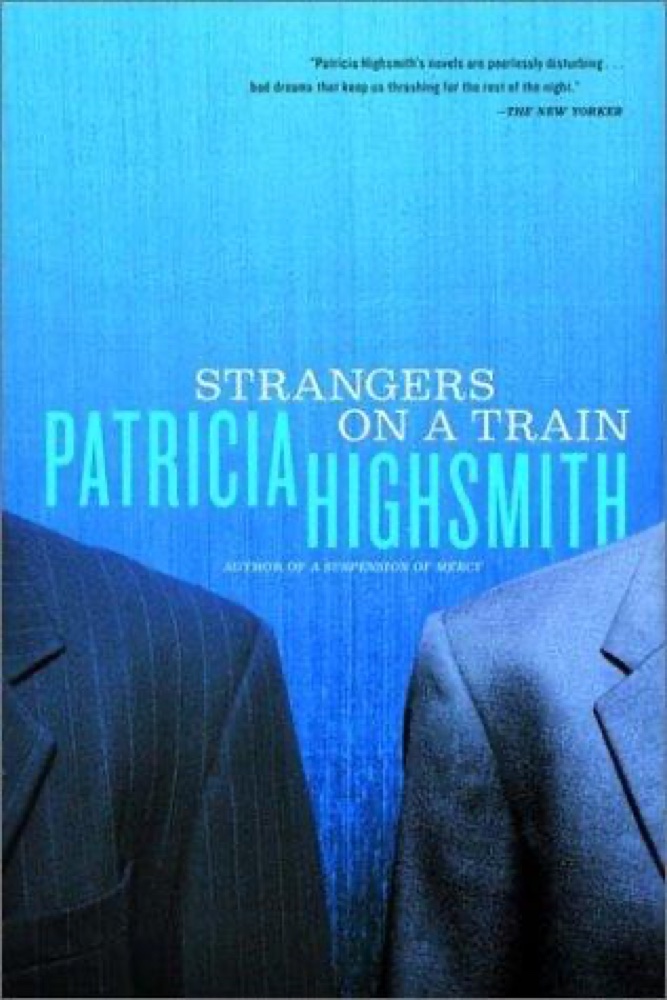 Strangers on a Train
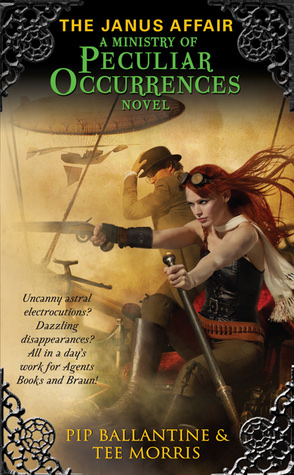 The Janus Affair
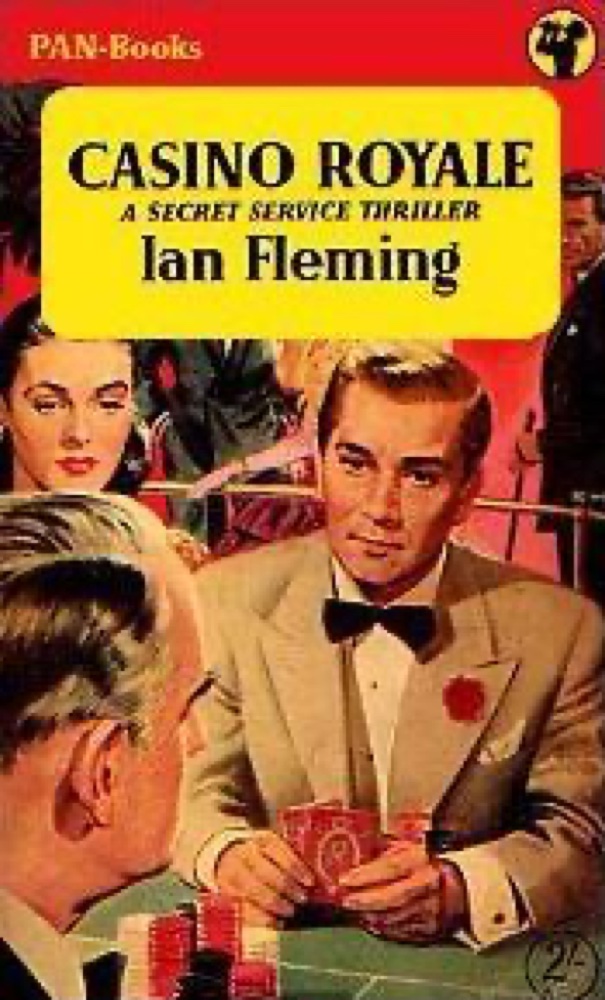 Casino Royale
 When Christ and His Saints Slept
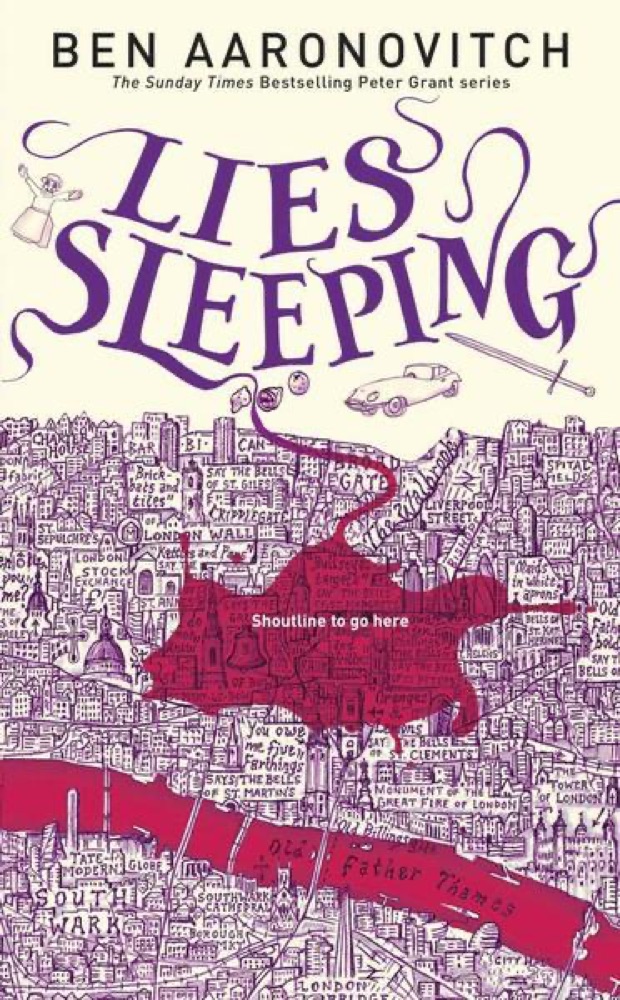 Lies Sleeping
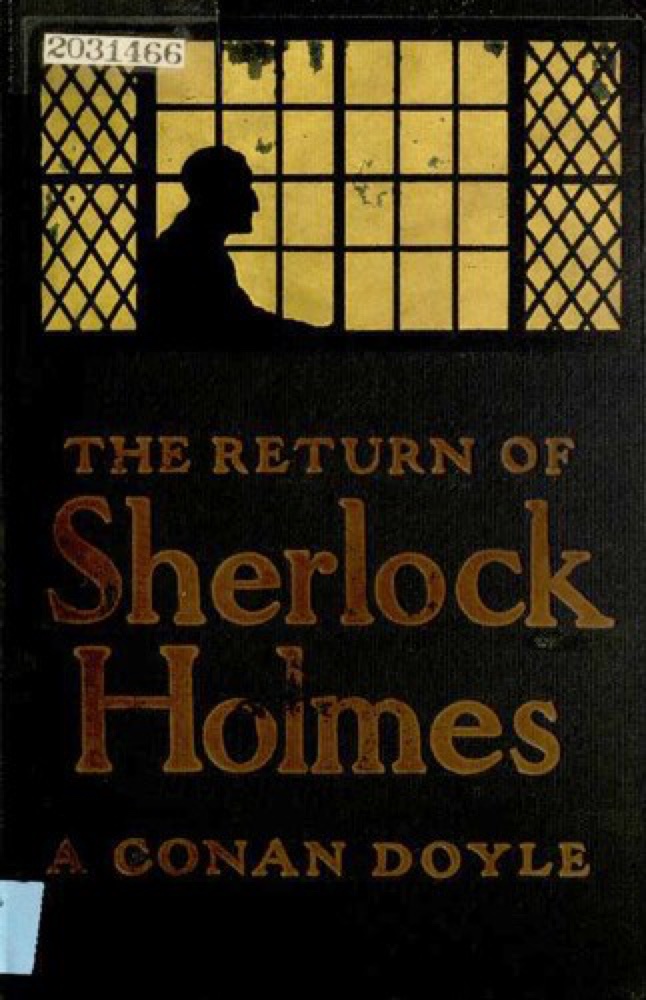 The Return of Sherlock Holmes
 A Taste for Death
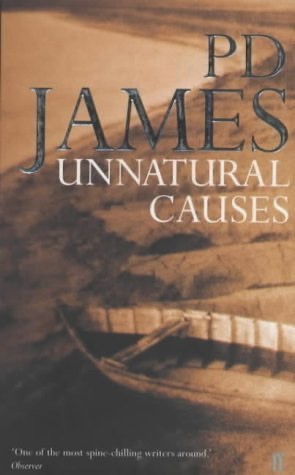 Unnatural Causes
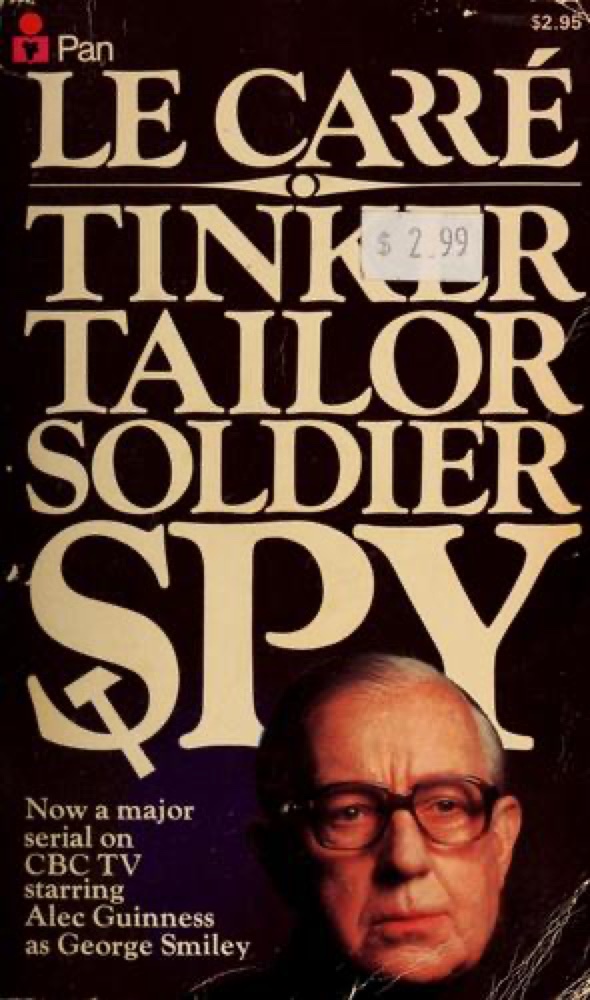 Tinker Tailor Soldier Spy
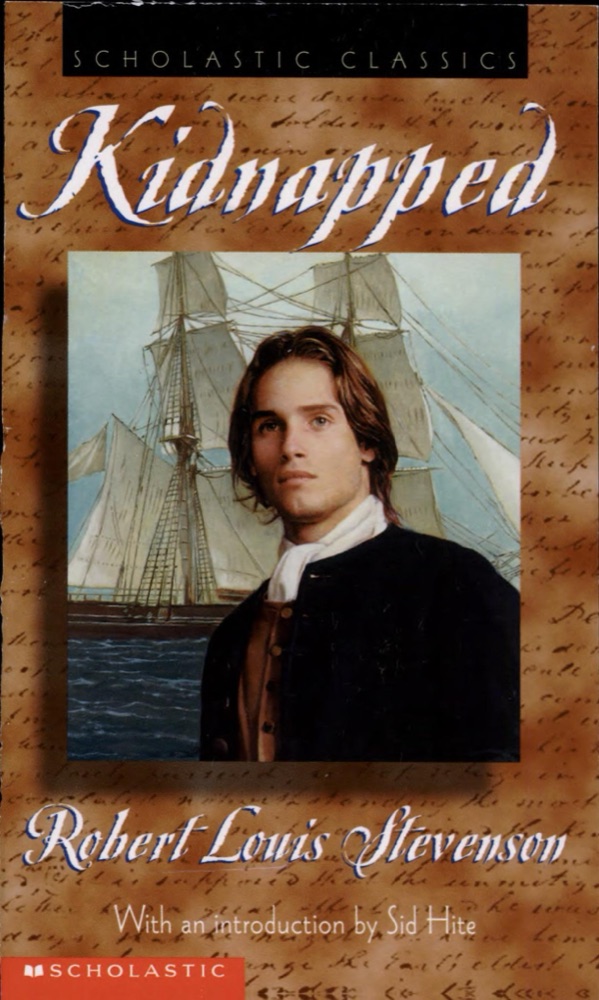 Kidnapped
 The Man Who Knew Too Much
 A Dance to the Music of Time: 1st Movement
 Jonathan Strange & Mr Norrell
 Summer Lightning
 London Rules
 The System of the World
 Slippery Creatures
 Zuleika Dobson
 How the Marquess Was Won
 The Man in the Brown Suit
 The Disorderly Knights
 The Tiger in the Smoke
 The Reluctant Widow
 The Complete Saki