 Heart of a Dog
Quotes from the Book
But would you kindly ponder this question: What would your good do if evil didn't exist, and what would the earth look like if all the shadows disappeared? After all, shadows are cast by things and people. Here is the shadow of my sword. But shadows also come from trees and living beings. Do you want to strip the earth of all trees and living things just because of your fantasy of enjoying naked light? You're stupid.
Everything will turn out right, the world is built on that.
You should never ask anyone for anything. Never- and especially from those who are more powerful than yourself.
You're not Dostoevsky,' said the citizeness, who was getting muddled by Koroviev. Well, who knows, who knows,' he replied. 'Dostoevsky's dead,' said the citizeness, but somehow not very confidently. 'I protest!' Behemoth exclaimed hotly. 'Dostoevsky is immortal!
Follow me, reader! Who told you that there is no true, faithful, eternal love in this world! May the liar's vile tongue be cut out! Follow me, my reader, and me alone, and I will show you such a love!
But what can be done, the one who loves must share the fate of the one he loves.
Yes, man is mortal, but that would be only half the trouble. The worst of it is that he's sometimes unexpectedly mortal—there's the trick!
Is that vodka?" Margarita asked weakly. The cat jumped up in his seat with indignation. "I beg pardon, my queen," he rasped, "Would I ever allow myself to offer vodka to a lady? This is pure alcohol!
Cowardice is the most terrible of vices.
Love leaped out in front of us like a murderer in an alley leaping out of nowhere, and struck us both at once. As lightning strikes, as a Finnish knife strikes! She, by the way, insisted afterwards that it wasn’t so, that we had, of course, loved each other for a long, long time, without knowing each other, never having seen each other…
The tongue can conceal the truth, but the eyes never! You're asked an unexpected question, you don't even flinch, it takes just a second to get yourself under control, you know just what you have to say to hide the truth, and you speak very convincingly, and nothing in your face twitches to give you away. But the truth, alas, has been disturbed by the question, and it rises up from the depths of your soul to flicker in your eyes and all is lost.
Punch a man on the nose, kick an old man downstairs, shoot somebody or any old thing like that, that’s my job. But argue with women in love—no thank you!
Just like a murderer jumps out of nowhere in an alley, love jumped out in front of us and struck us both at once
Most bad," the host concluded. "If you ask me, something sinister lurks in men who avoid wine, games, the company of lovely women, and dinnertime conversation. Such people are either gravely ill or secretly detest everyone around them.
The tongue may hide the truth but the eyes—never!
You are not Dostoevsky,' said the woman... 'You never can tell...' he answered. 'Dostoevsky is dead,' the woman said, a bit uncertainly. 'I protest!' he said with heat, 'Dostoevsky is immortal!
Actually, I do happen to resemble a hallucination. Kindly note my silhouette in the moonlight." The cat climbed into the shaft of moonlight and wanted to keep talking but was asked to be quiet. "Very well, I shall be silent," he replied, "I shall be a silent hallucination.
Why try to pursue what is completed?
Once upon a time there was a lady. She had no children, and no happiness either. And at first she cried for a long time, but then she became wicked...
There is no greater misfortune in the world than the loss of reason.
Who told you that there is no true, faithful, eternal love in this world! May the liar’s vile tongue be cut out!
Azazello begged her not to worry, assuring her that he had seen not only naked women but also women with their skin flayed clean off
Margarita was never short of money. She could buy whatever she liked. Her husband had plenty of interesting friends. Margarita never had to cook. Margarita knew nothing of the horrors of living in a shared flat. In short... was she happy? Not for a moment.
and a fact is the most stubborn thing in the world.
Not causing trouble, not touching anything, fixing the primus.
The most amazing combinations can result if you shuffle the pack enough.
I wouldn’t like to meet you when you’ve got a revolver,” said Margarita with a coquettish look at Azazello. She had a passion for people who did things well.
Did you know?
- Bulgakov worked on the novel for roughly twelve years, from the late 1920s until his death in 1940.
- He never saw it published; a censored version first appeared in the Moscow magazine Moskva in 1966-1967.
- Bulgakov burned an early draft of the manuscript, an act echoed within the novel when the Master burns his book about Pontius Pilate.
- The phrase 'Manuscripts don't burn' has become one of the book's most quoted lines.
- Soviet censors cut roughly 12 percent of the text from the first published version.
- The story unfolds across two settings: 1930s Moscow and ancient Jerusalem at the trial of Yeshua before Pontius Pilate.
About Mikhail Bulgakov
Mikhail Bulgakov (1891-1940) was a Soviet writer and playwright, trained as a physician, born in Kiev. His work was heavily suppressed under Stalin, and his masterpiece The Master and Margarita was published only decades after his death.
More about the author →More by Mikhail Bulgakov
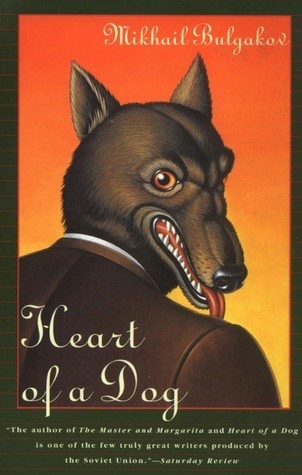
Heart of a Dog
About the book
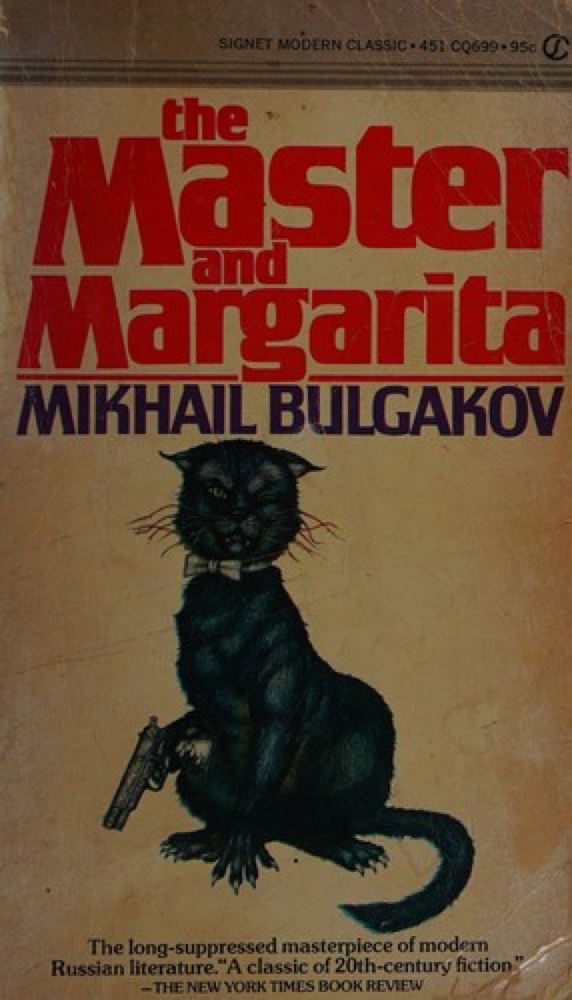
The Master and Margarita is Mikhail Bulgakov's satirical fantasy in which the Devil, calling himself Professor Woland, arrives with a strange retinue in officially atheist Moscow of the 1930s and turns the city upside down. Its interwoven storylines follow the supernatural havoc Woland and his companions wreak among Soviet literary bureaucrats, the doomed love between a persecuted writer known only as the Master and his devoted Margarita, and, in a novel-within-the-novel, the trial of Yeshua Ha-Notsri before Pontius Pilate in ancient Jerusalem.
At its heart the book weaves together good and evil, cowardice and moral courage, love and sacrifice, and the freedom of the artist against a repressive state. The famous line that 'manuscripts don't burn' distills its faith in the endurance of art and truth, even as the Master's own novel and Bulgakov's manuscripts were threatened by censorship and despair. Bulgakov depicts Satan as an agent who exposes hypocrisy and greed, blurring easy distinctions between damnation and mercy.
Bulgakov worked on the novel from the late 1920s until his death in 1940, and it could not be published in his lifetime. A heavily censored version appeared in the Moscow magazine Moskva in 1966-1967, and a fuller text later reached readers abroad and at home. Since then it has become one of the most celebrated works of twentieth-century literature, admired for its blend of magical fantasy, political satire, and philosophical inquiry, and cited as an influence on writers including Salman Rushdie.
Key characters
- WolandThe Devil, disguised as a foreign professor visiting Moscow
- The MasterA writer whose novel about Pontius Pilate is rejected and who is broken by persecution
- MargaritaThe Master's devoted lover, who becomes a witch to save him
- Ivan BezdomnyA young Soviet poet who witnesses Woland's arrival
- Pontius PilateThe Roman procurator in the Master's novel who tries Yeshua
- Yeshua Ha-NotsriThe itinerant preacher on trial in the Jerusalem storyline
- BehemothA giant talking black cat in Woland's retinue
Book details
- First published
- 1967
- Reading time
- 12 hours
- Author
- Mikhail Bulgakov
- Genre
- Classics
- Goodreads rating
- 4.28 (440k ratings) →
- First line
- “At the hour of the hot spring sunset two citizens appeared at the Patriarch's Ponds.”
Movie & TV adaptations
- IMDb
Keep reading
 The Broken Eye
 Dangerous Creatures
 Trust: Betrayed
 Juliet
 A Kiss of Shadows
 Mother Night
 A Spear of Summer Grass
 Wicked: The Life and Times of the Wicked Witch of the West
 Beyond the Shadows
 The Witching Hour
 Narcissus in Chains
 The Wise Man's Fear
 Don Quixote
 The Queen of the Damned
 In the Night Garden
 A Tempest of Tea
 Academ's Fury
 Lady Chatterley's Lover
 The Enchantress
 Bloodsucking Fiends
 Eldest
 The Left Hand of God
 Angelmaker
 Abarat
 Women in Love
 Laughable Loves
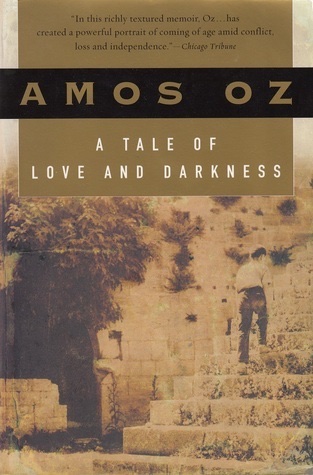 A Tale of Love and Darkness
 Sexus
Sexus
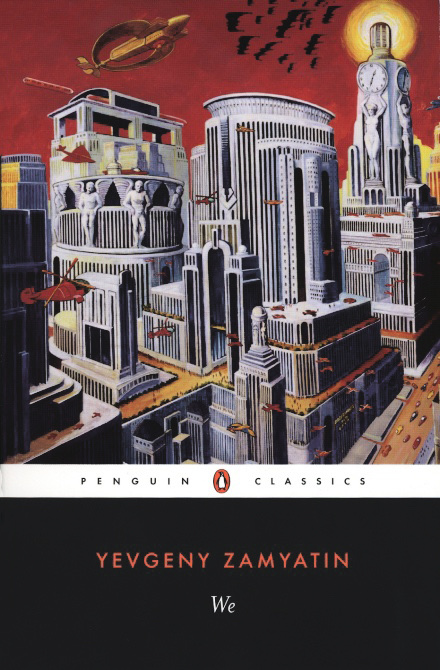 We
We
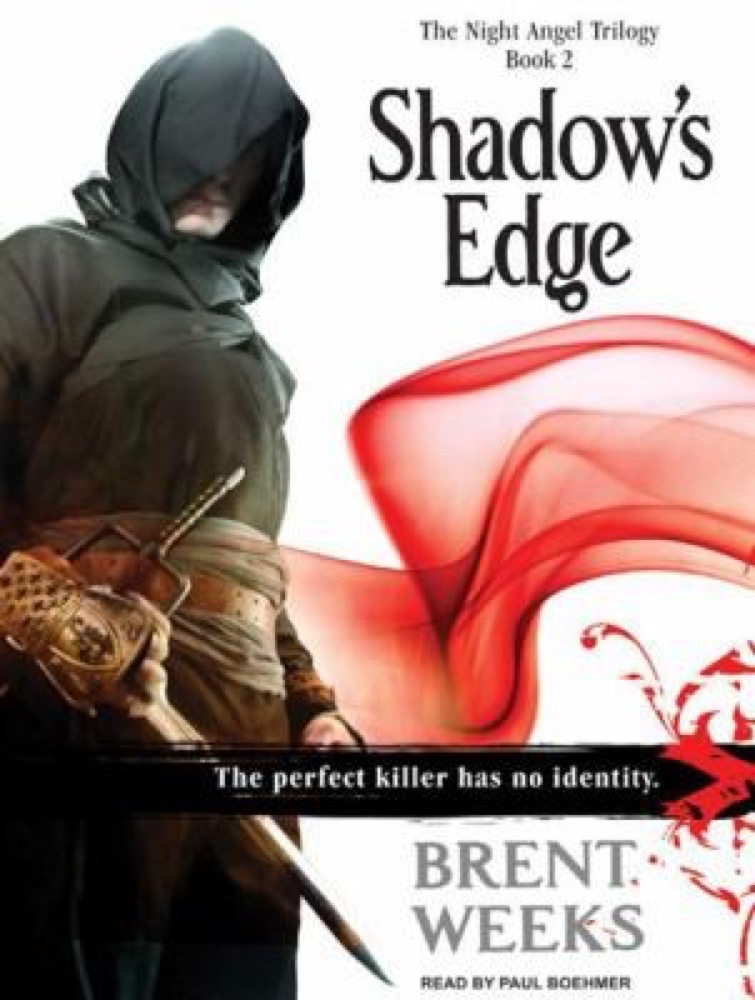 Shadow's Edge
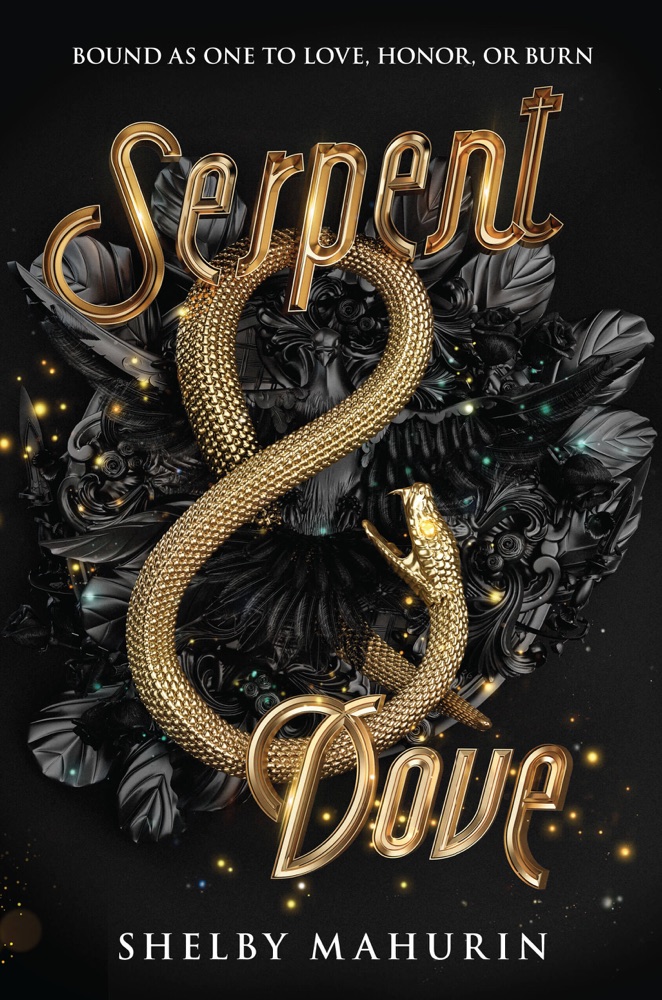 Serpent & Dove
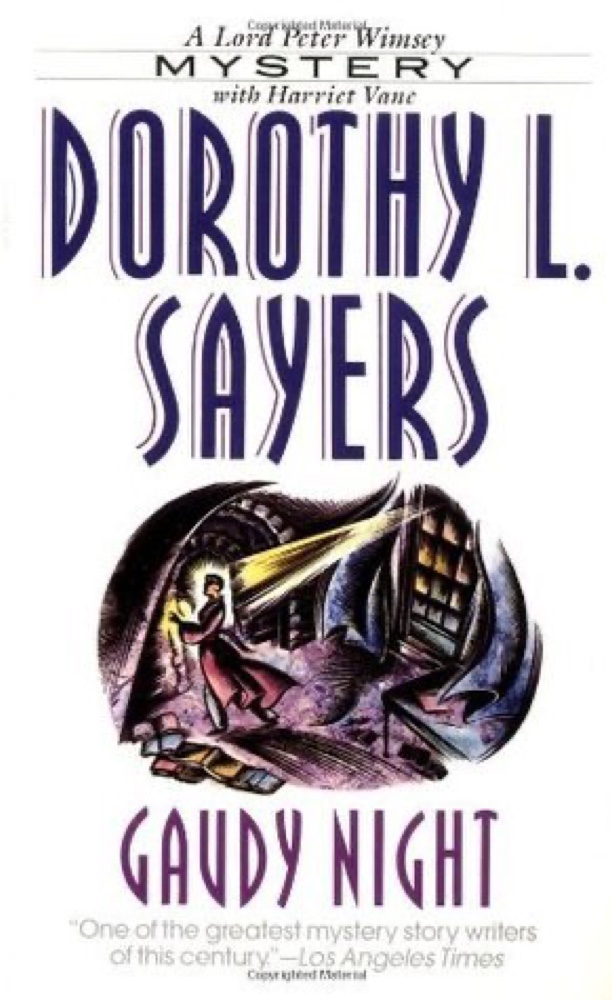 Gaudy Night
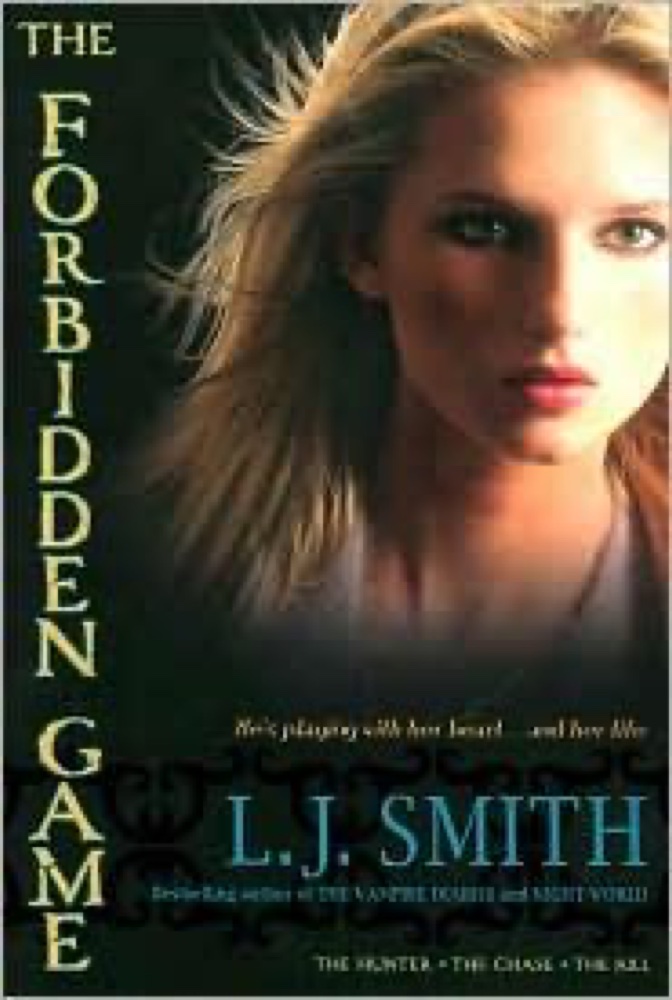 The Forbidden Game
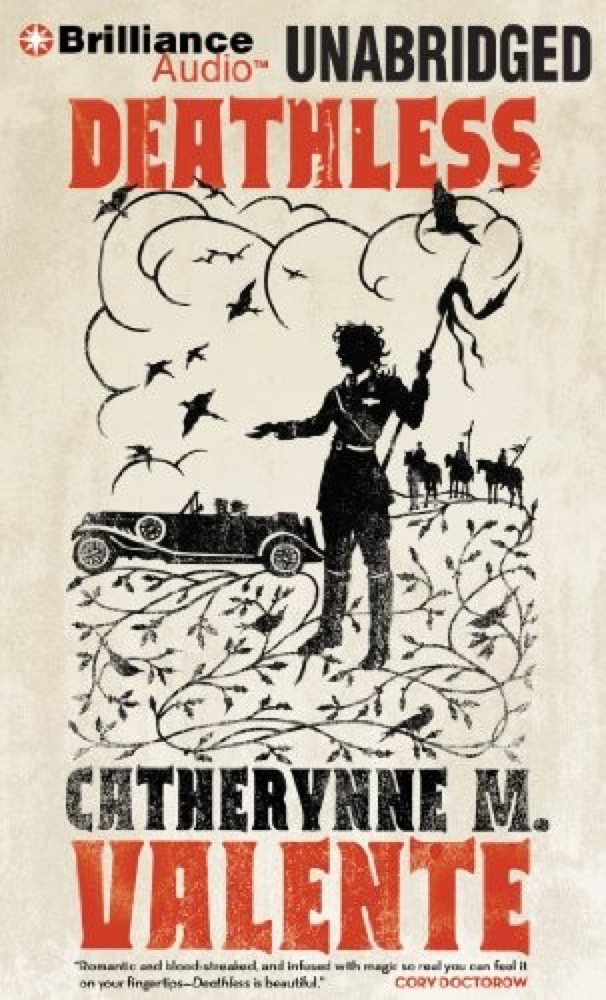 Deathless
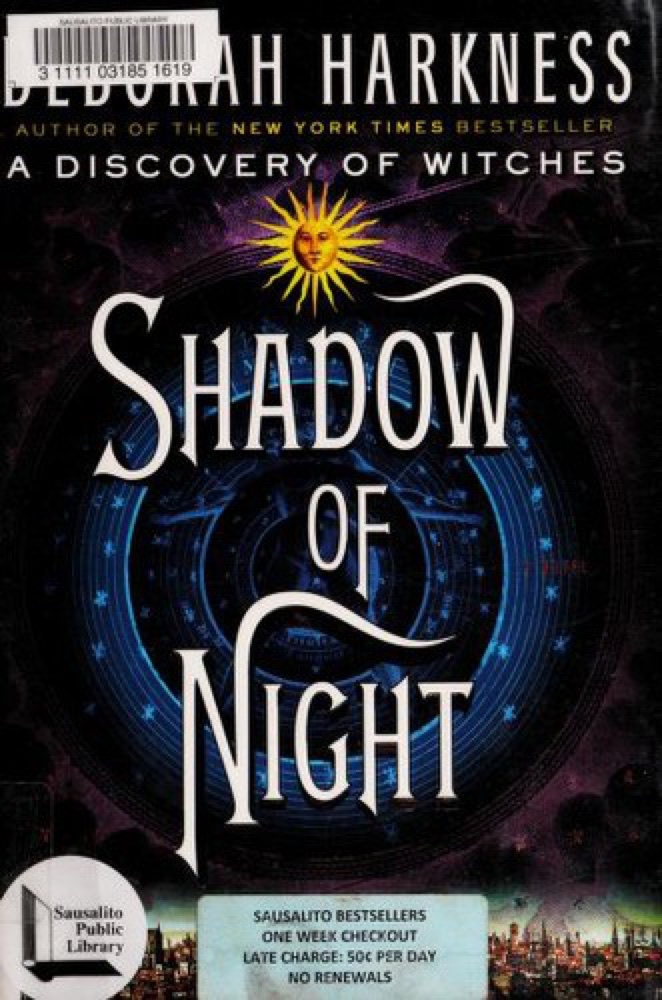 Shadow of Night
 UnWholly
 The Moving Finger
 The Gargoyle
 The Moonstone
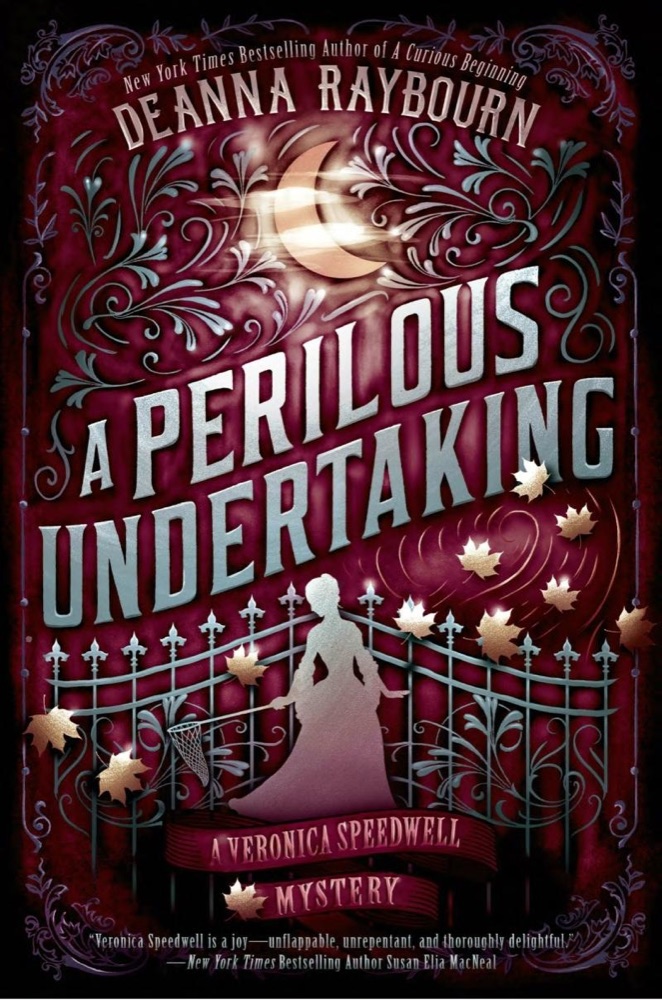 A Perilous Undertaking
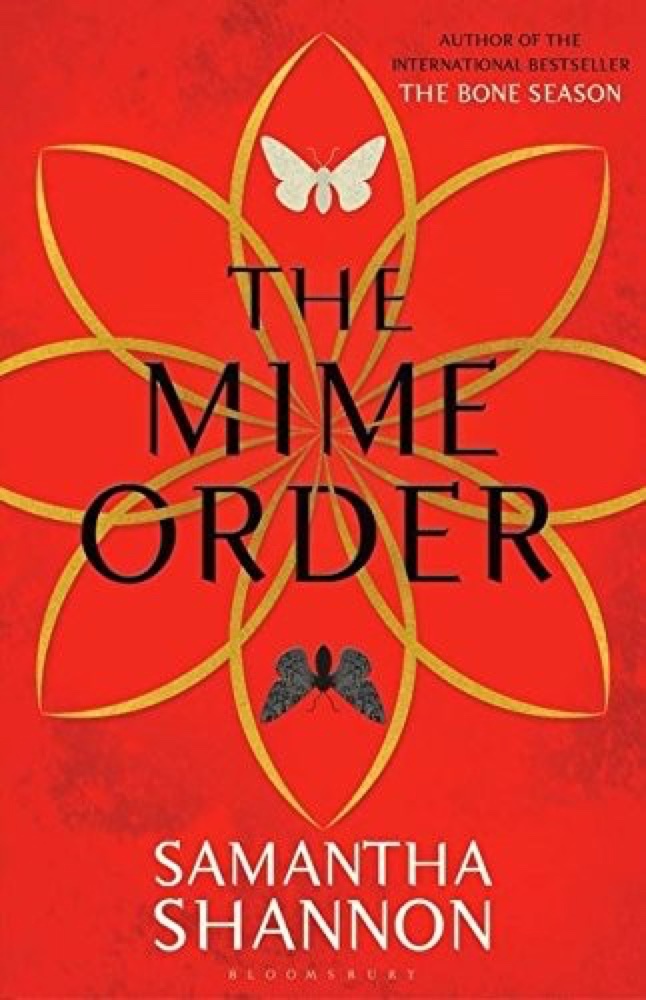 The Mime Order
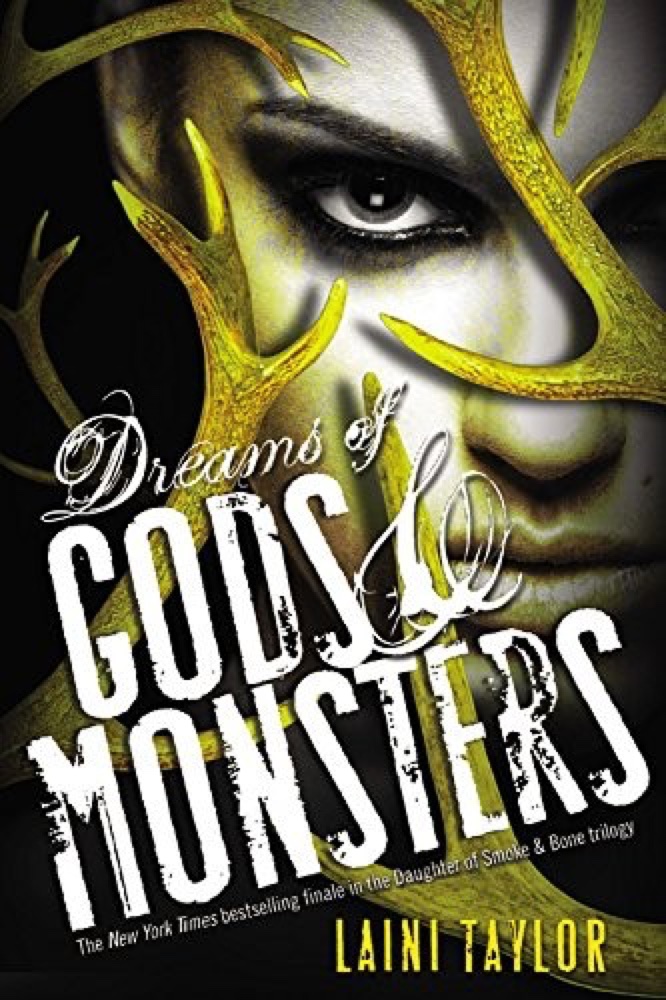 Dreams of Gods & Monsters
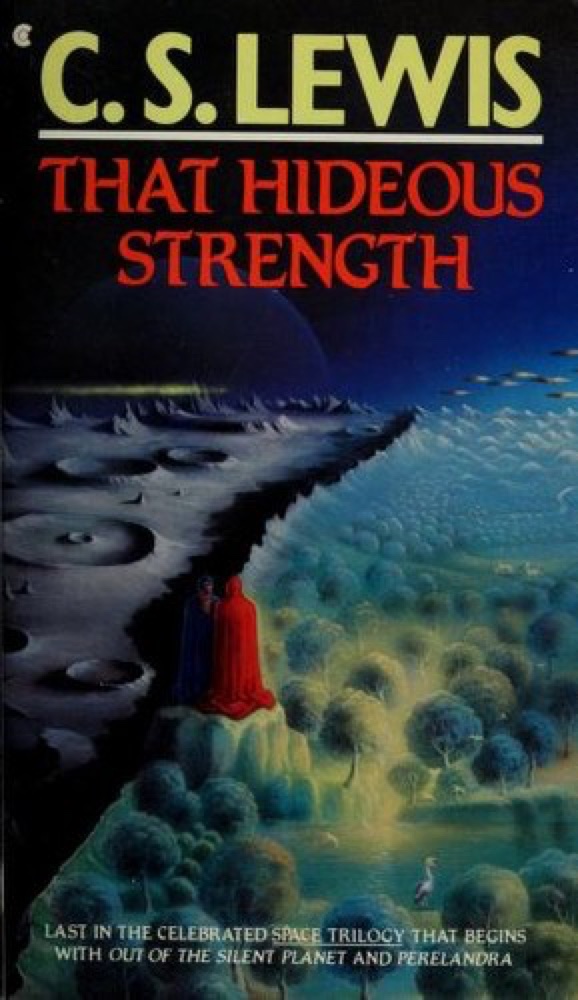 That Hideous Strength
 Notes of a Dirty Old Man
 A Discovery of Witches
 Lord of Shadows
 Fly by Night
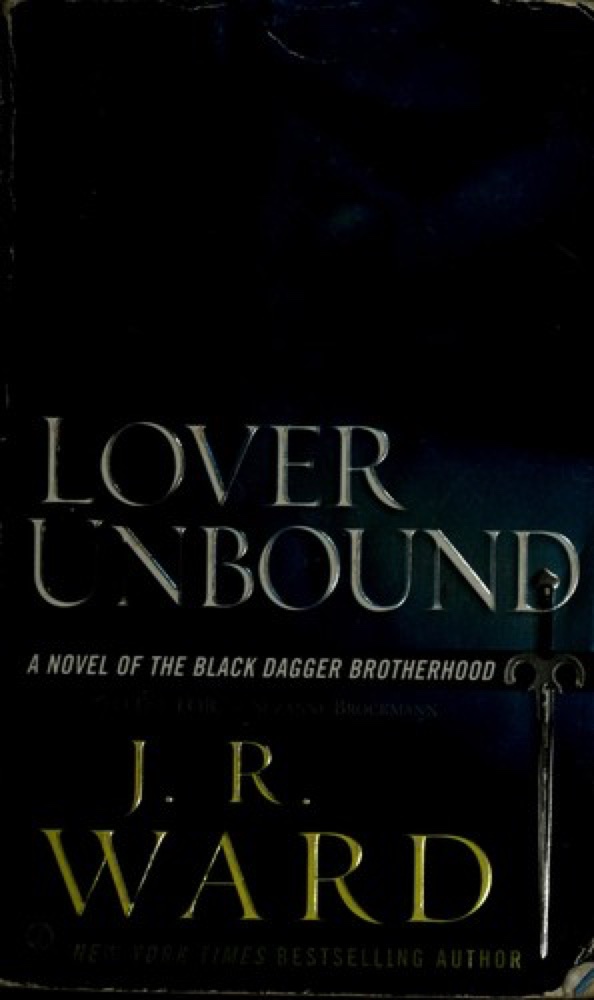 Lover Unbound
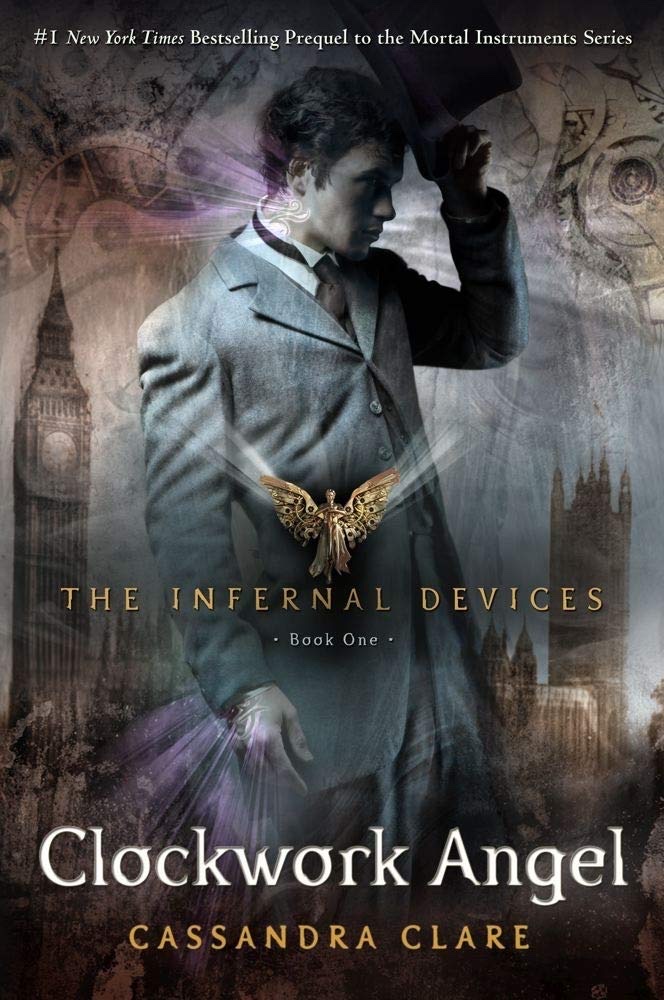 The Infernal Devices: Clockwork Angel
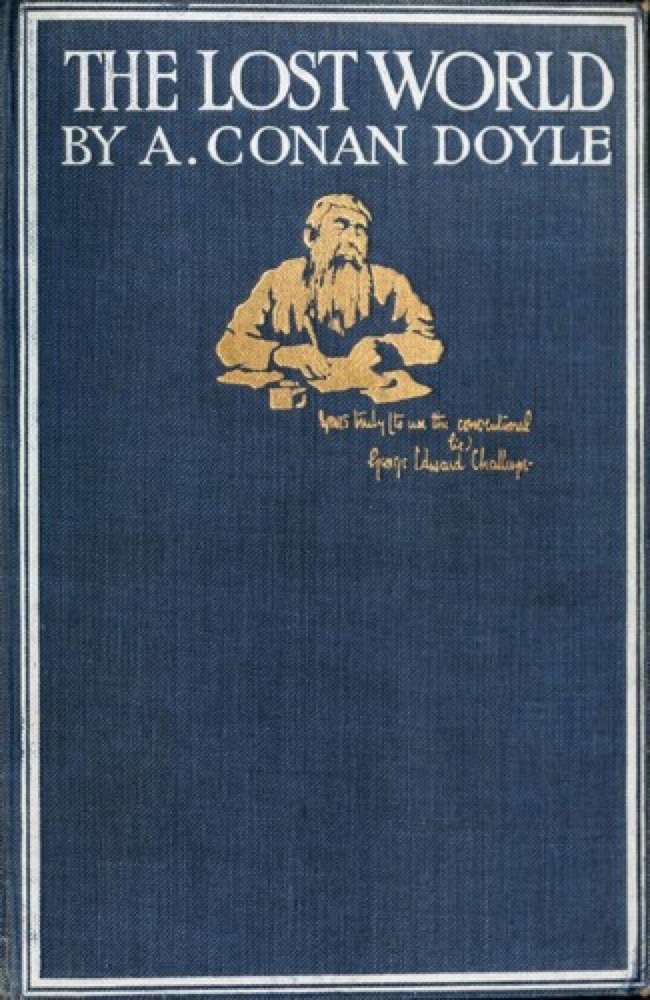 The Lost World
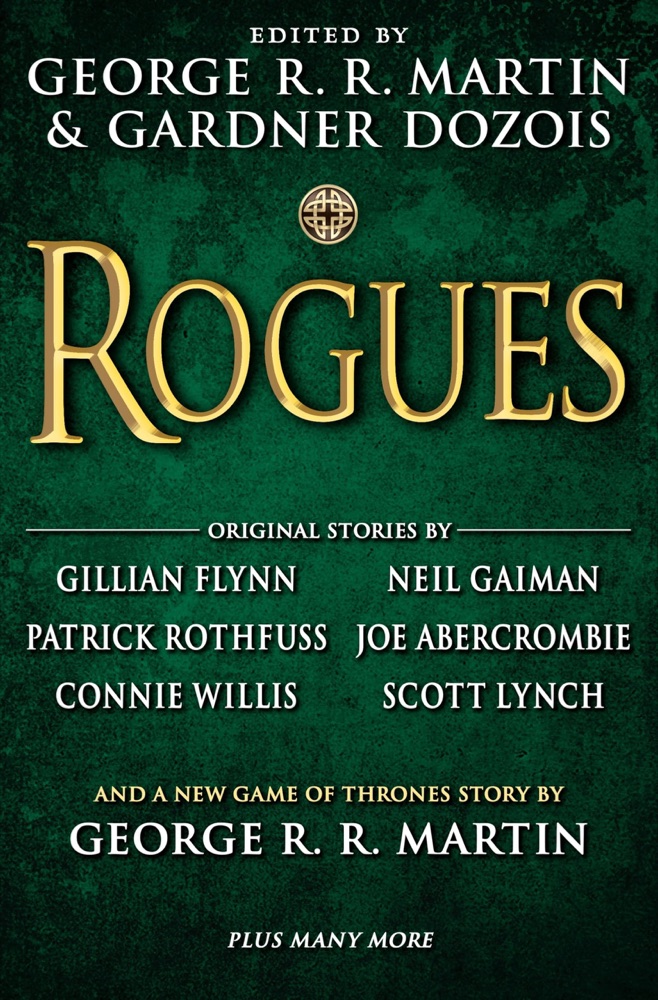 Rogues
 Arch of Triumph
 The Magus
 The Sorceress
 Frozen Tides
 The Woman in White
 Empire of the Vampire
 The Necromancer
 Dracula
 Obsidian Butterfly