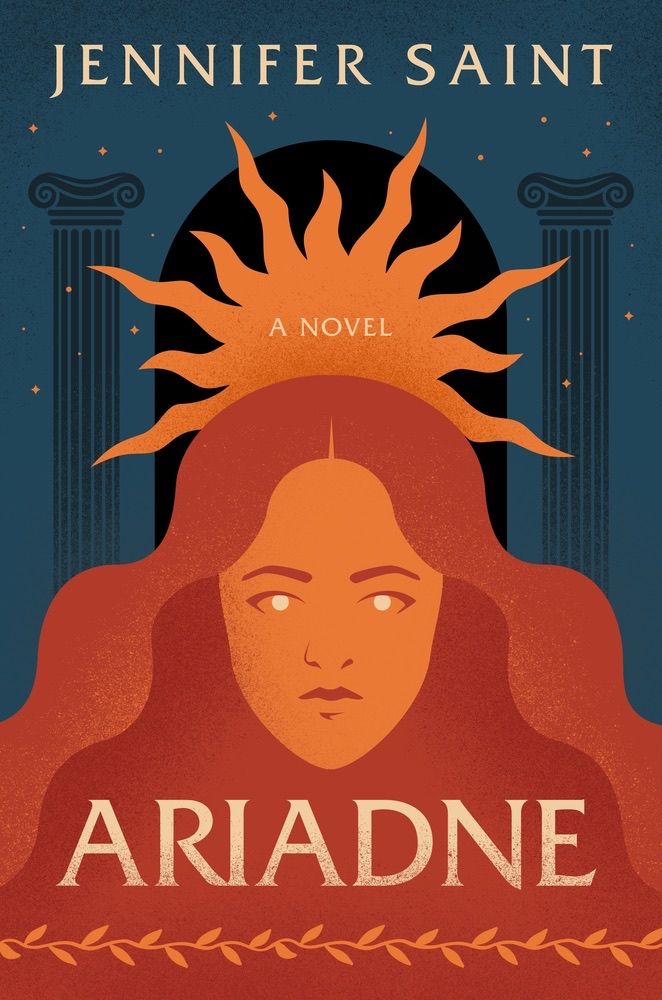

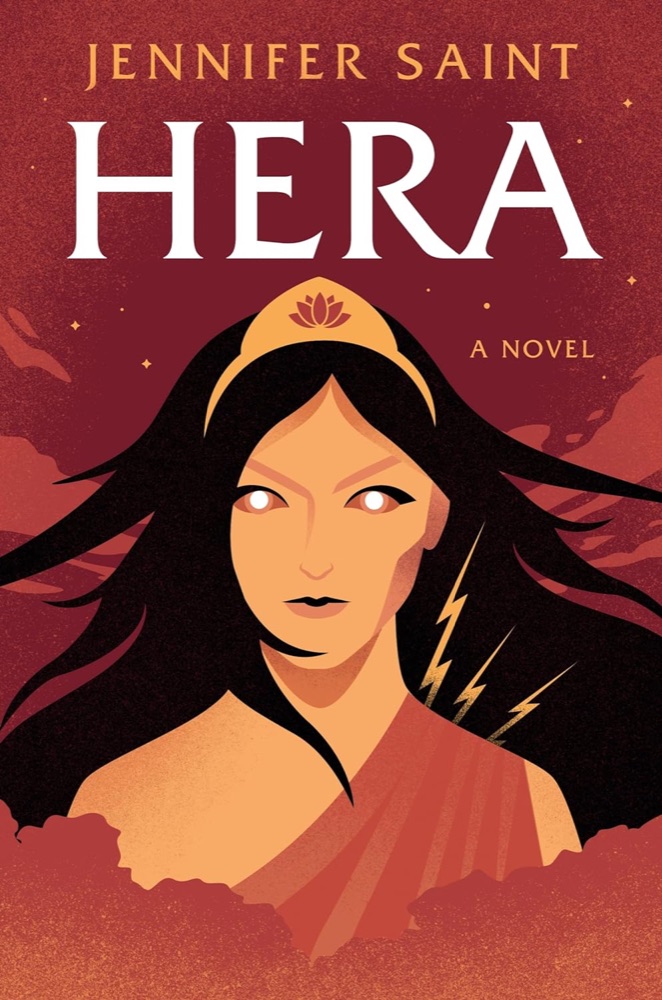
 Hera
Hera
Quotes from the Book
I would not let a man who knew the value of nothing make me doubt the value of myself.
304
I would be Medusa, if it came to it, I resolved. If the gods held me accountable one day for the sins of someone else, if they came for me to punish a man’s actions, I would not hide away like Pasiphae. I would wear that coronet of snakes, and the world would shrink from me instead.
142
What I did not know was that I had hit upon a truth of womanhood: However blameless the life we lead, the passions and the greed of men could bring us to ruin, and there was nothing we could do.
137
I had been a fool to trust in a hero: a man who could only love the mighty echo of his own name throughout the centuries.
95
You told me once that one lifetime of human love was worth the loss.
66
It was the women, always the women, be they helpless serving girls or princesses, who paid the price.
61
I danced for the end of everything I knew and the beginning of everything I did not.
60
The stories of Perseus did not allow for a Medusa with a story of her own.
43
Mortals may age, but the gods are prisoners of their own infantile whimsies, never capable of change and never knowing what it is to love because they dare not risk the suffering of loss.
42
I know that human life shines more brightly because it is but a shimmering candle against an eternity of darkness, and it can be extinguished with the faintest breeze.
41
The gods do not know love, because they cannot imagine an end to anything they enjoy. Their passions do not burn brightly as a mortal’s passions do, because they can have whatever they desire for the rest of eternity. How could they cherish or treasure anything? Nothing to them is more than a passing amusement, and when they have done with it, there will be another
39
Because if I had learned anything, I had learned enough to know that a god in pain is dangerous.
38
No longer was my world one of brave heroes; I was learning all too swiftly the women's pain that throbbed unspoken through the tales of their feats.
35
Was this my punishment? To live the reality of my dream and find out that its glittering beauty faded to nothing when I stepped close?
33
Asterion. A distant light in an infinity of darkness. A raging fire if you came too close. A guide that would lead my family on the path to immortality. A divine vengeance upon us all.
23
Why mortals bloomed like flowers and crumbled to nothing? Why their absence left a gnawing ache, a hollow void that could never be filled? And how everything they once were, the spark within them, could be extinguished so completely yet the world did not collapse under the weight of so much pain and grief.
21
Why did I, Phaedra of Knossos and Athens, put my faith in a man? When I should have seen that what I truly wanted was simply to run away.
19
We might only have a mortal lifetime, but it will belong to us, and no one else.
18
I had hit upon a truth of womanhood: however blameless a life we led, the passions and the greed of men could bring us to ruin, and there was nothing we could do.
17
It did not feel momentous, yet when I tore my eyes away from his I found that nothing looked quite the same, as though the world had fractured and sheared away from itself to reshape in almost - but not quite - the same formation. As though I had looked at a waterfall and realised with a faint jolt that the water flowing over the rock was ever-changing, that it would never be the same water again.
15
My thoughts are slow and ponderous now, rumbling deep in the heart of eternity, but I see the whole of life beneath me.
14
There were many such stories. It seemed the night skies were littered with mortals who had encountered the gods and now stood as blazing examples of what the immortals could do.
13
I wonder if the heroes the bards sang of that evening knew before they triumphed what they would become. In those crucial moments when a fateful decision was made, did they feel the air brighten with the zing of destiny? Or did they blunder on, not realising the pivotal moment in which destiny swung and the fates were forged?
13
A fallen woman is the sweetest entertainment they know; I saw it before, in Crete. I will not let it happen to me.
12
I had fallen asleep in his arms and woken to cold ashes, a desolate dawn.
12
All mortals live and die by the threads they spin - and each mortal shall die when they cut that thread.
11
They are the cause of their own suffering, and yet they will never see it. They will rage against the gods all day long, and pray to them and plead for their mercy in the darkness of night.
10
He was not yet the Minotaur. He was just a baby. He was my brother.
9
You have always known this,” I reminded him. “You told me once that one lifetime of human love was worth the loss.” “I was a fool,” he said.
9
a terrible picture when viewed from our mortal perspective, like the beauty of a spider’s web that must look so horrifying to the fly.
9
Did you know?
- Ariadne was Jennifer Saint's debut novel.
- Saint taught English in secondary schools for more than a decade before becoming a novelist.
- The novel retells the myth of the Minotaur and the labyrinth from the perspective of Ariadne and her sister Phaedra.
- It was published in the US by Flatiron Books and in the UK by Wildfire, an imprint of Headline.
- Its success contributed to a wave of feminist Greek-myth retellings in the early 2020s.
About Jennifer Saint
Jennifer Saint is a British author who taught English in secondary schools for over a decade before turning to fiction. Ariadne (2021) was her debut novel and a bestseller, followed by further retellings of Greek myth including Elektra, Atalanta, and Hera.
More about the author →About the book
Ariadne is a feminist retelling of Greek myth that hands the Minotaur story to the women usually left at its margins. Ariadne, princess of Crete, grows up in the shadow of her monstrous half-brother, the Minotaur, who demands a regular tribute of human sacrifice. When the Athenian prince Theseus arrives to slay the creature, Ariadne helps him through the labyrinth and flees with him, only to be abandoned on the island of Naxos, where the god Dionysus becomes her husband. The novel braids her fate together with that of her younger sister Phaedra, who is married off to Theseus in Athens.
The book's central concern is how repeatedly the women of the mythic world pay the price for the choices and ambitions of the men and gods around them. It examines female powerlessness within a patriarchal order, the bond and divergence between sisters, betrayal and abandonment, and the hidden human cost of male heroism, giving voice and interiority to figures the original myths treat as instruments of someone else's story.
Ariadne was Jennifer Saint's debut novel, published in 2021, and became a commercial success that helped fuel the wave of feminist mythological retellings of the period. It was shortlisted for Waterstones Book of the Year 2021 and nominated for the Goodreads Choice Award for Fantasy that year, and its reception established Saint as a notable new voice in the genre, leading to further mythological novels including Elektra, Atalanta, and Hera. Reviewers praised it as an enchanting debut that mythology readers should seek out.
Key characters
- AriadnePrincess of Crete and the novel's narrator, who aids Theseus and is later abandoned on Naxos
- PhaedraAriadne's younger sister, later married to Theseus in Athens
- TheseusPrince of Athens who comes to slay the Minotaur
- DionysusGod of wine who becomes Ariadne's husband on Naxos
- King MinosAriadne and Phaedra's tyrannical father, king of Crete
- The Minotaur (Asterion)Ariadne's monstrous half-brother, kept in the labyrinth
Book details
- First published
- 2021
- Length
- 308 pages
- Reading time
- 6 hours
- Author
- Jennifer Saint
- Genre
- Fantasy
- Goodreads rating
- 3.78 (152k ratings)
Critical reception
- Shortlisted for Waterstones Book of the Year 2021.
- Nominated for the Goodreads Choice Award for Fantasy in 2021.
- Publishers Weekly called it an enchanting debut and recommended it to lovers of mythology, noting how Saint highlights the price women pay for the actions of the men around them.
If you liked this, read…
- 1Circe by Madeline MillerAnother lyrical feminist retelling giving voice to a woman of Greek myth
- 2The Silence of the Girls by Pat BarkerReframes a classical myth from the perspective of its overlooked women
- 3A Thousand Ships by Natalie HaynesRetells the Trojan War centering the women caught in its wake
Keep reading
 Elektra
 Mythology
 The King Must Die
 A Song to Drown Rivers
 The Poet Empress
 Daughter of the Moon Goddess
 The Everlasting
 The Queen of the Night
 The Dovekeepers
 The Beautiful
 Vittorio, The Vampire
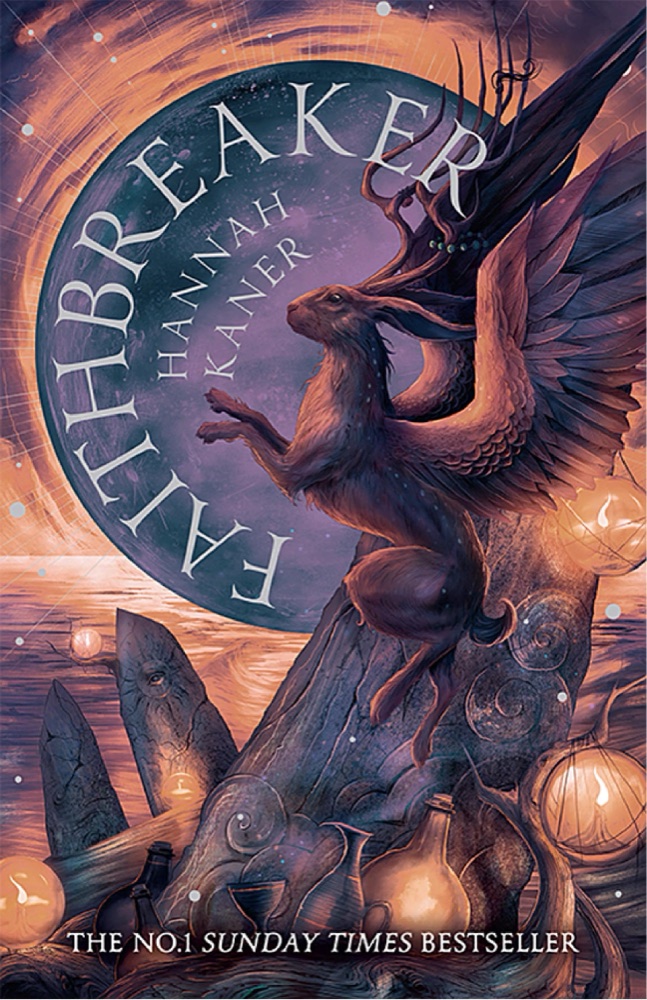 Faithbreaker
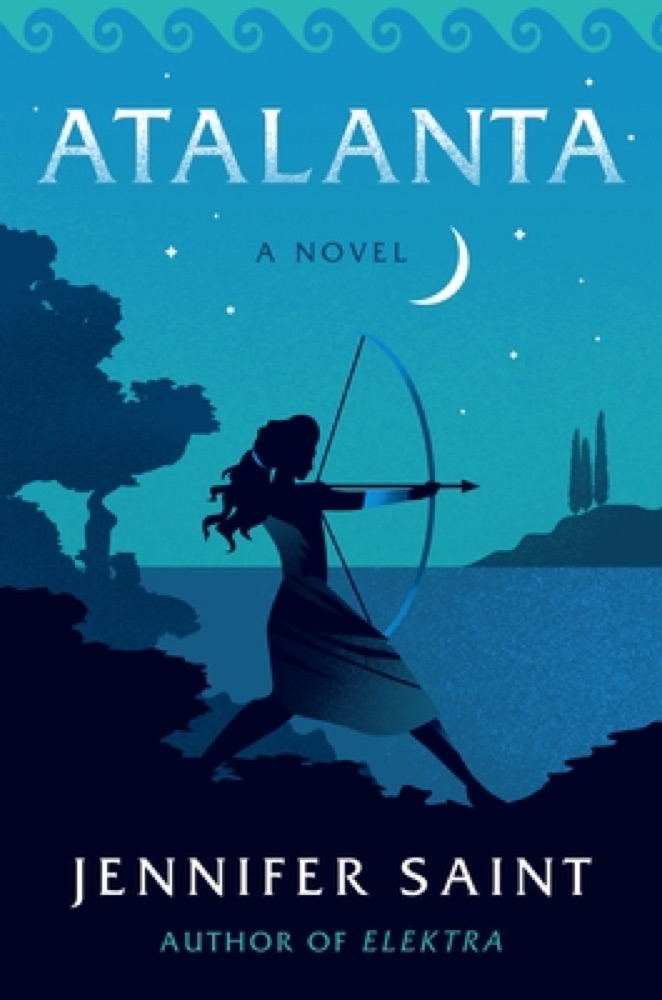 Atalanta
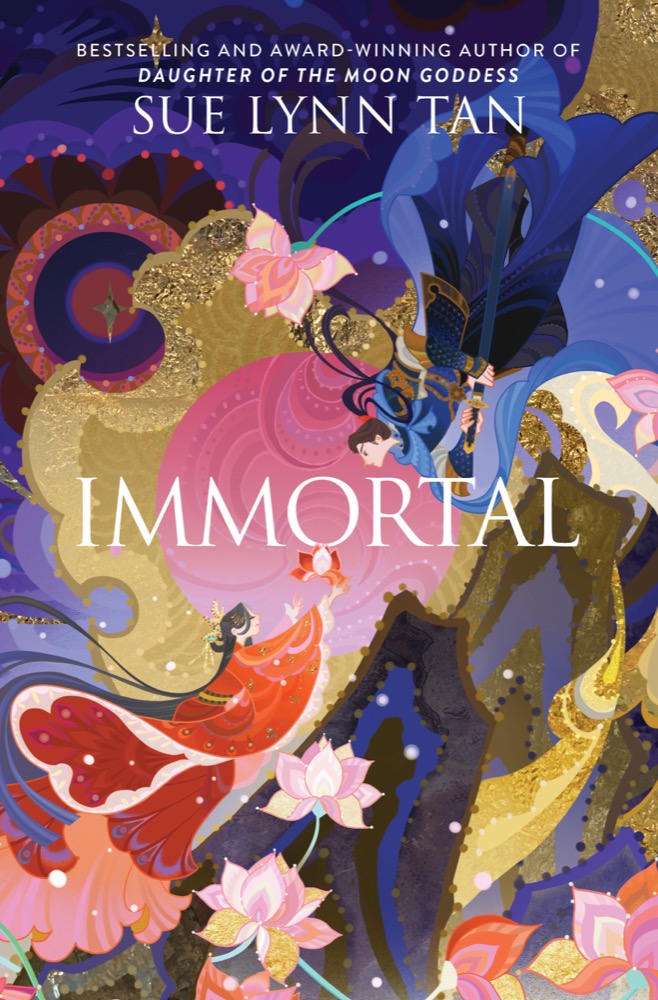 Immortal
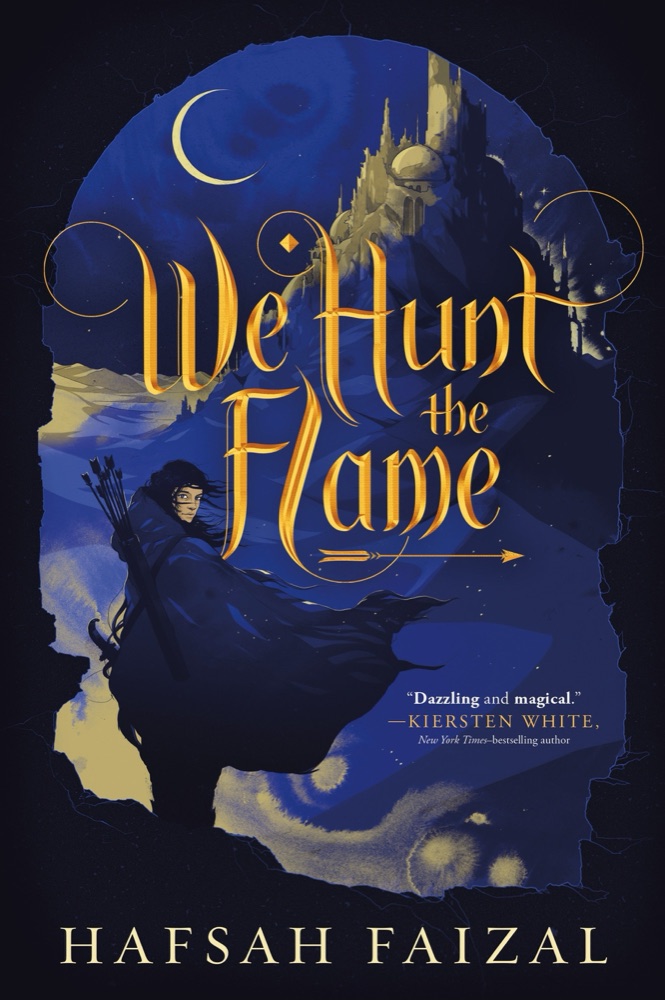 We Hunt the Flame
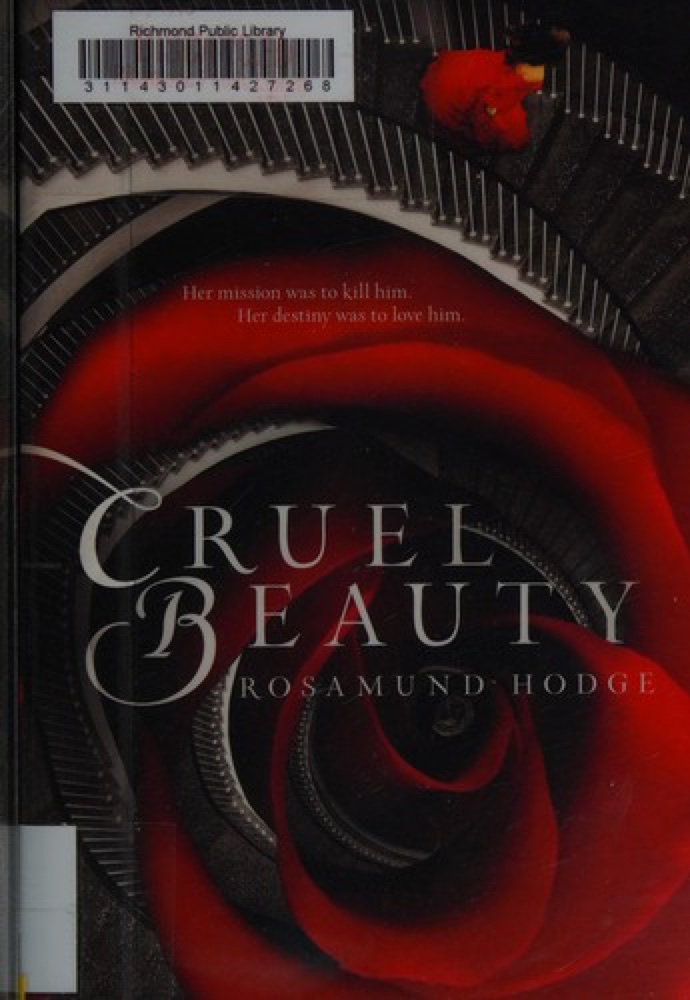 Cruel Beauty
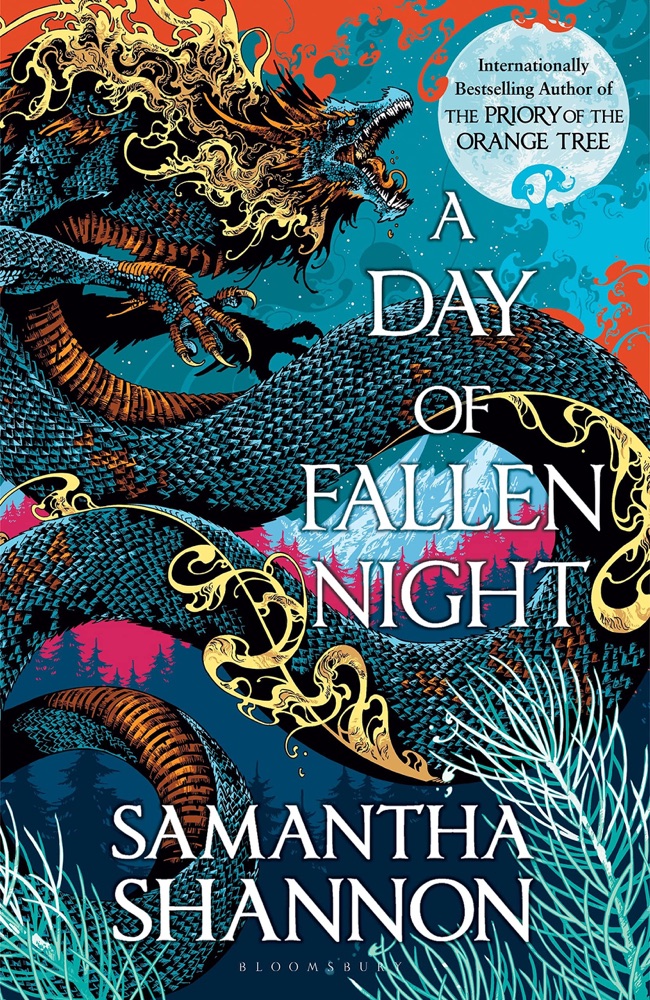 A Day of Fallen Night
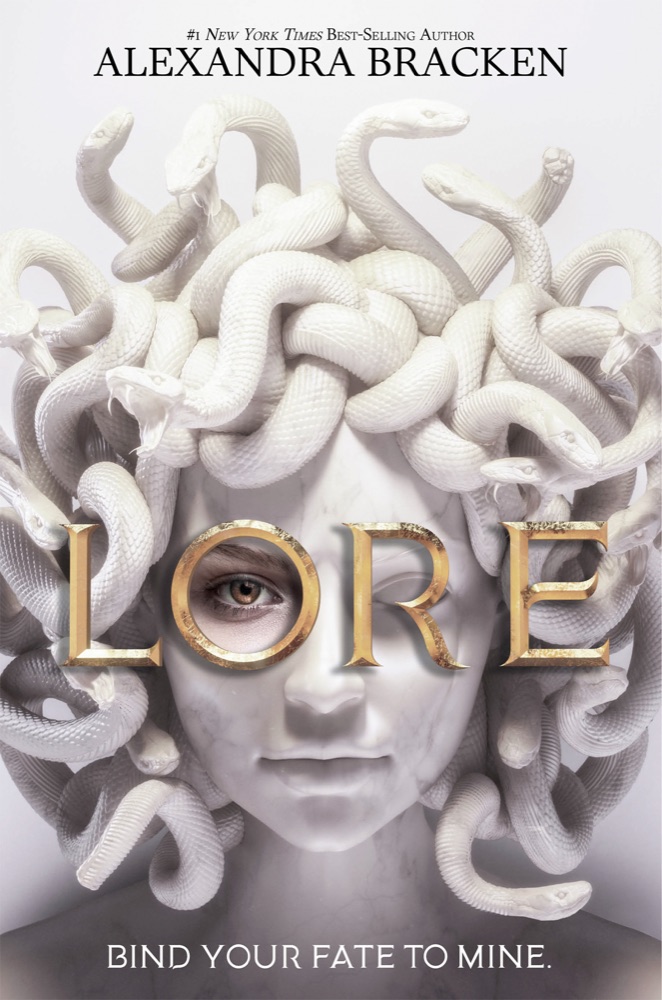 Lore
Lore
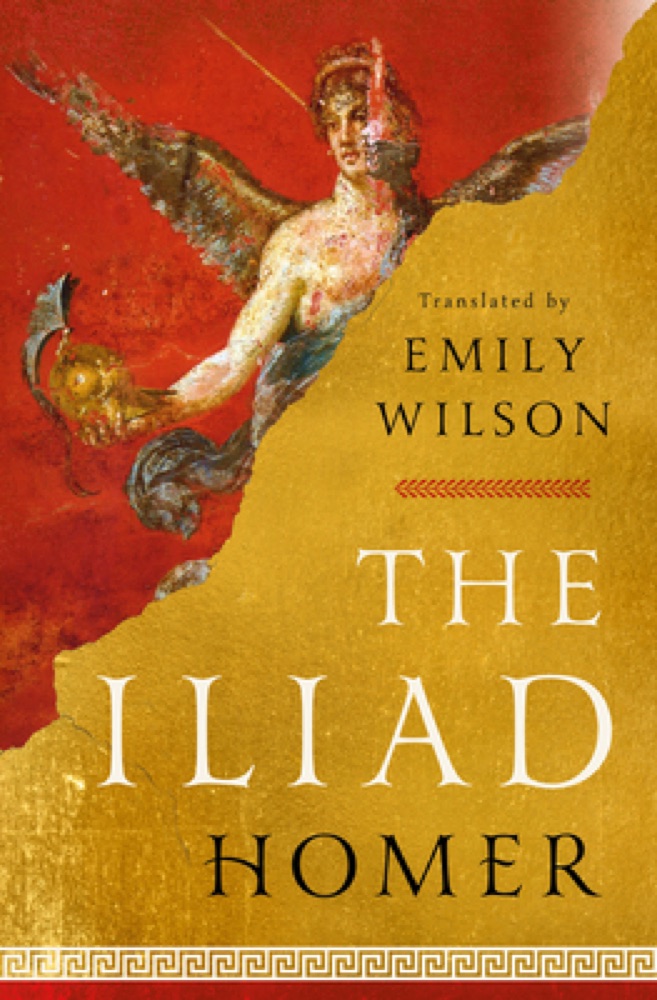 The Iliad
 Phantastes
 Medusa: The Girl Behind the Myth
 Lavinia
 Medusa's Sisters
 The Last Song of Penelope
 The First Girl Child
 Interview with the Vampire
 Sunbringer
 Gathering Darkness
 Gods of Jade and Shadow
 Blood And Gold
 Keturah and Lord Death
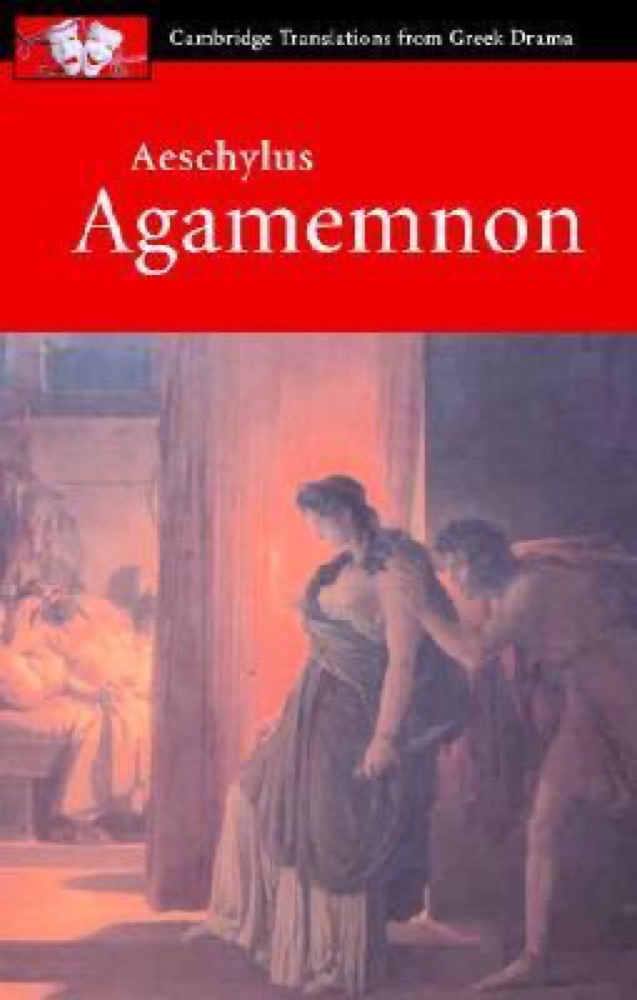 Agamemnon
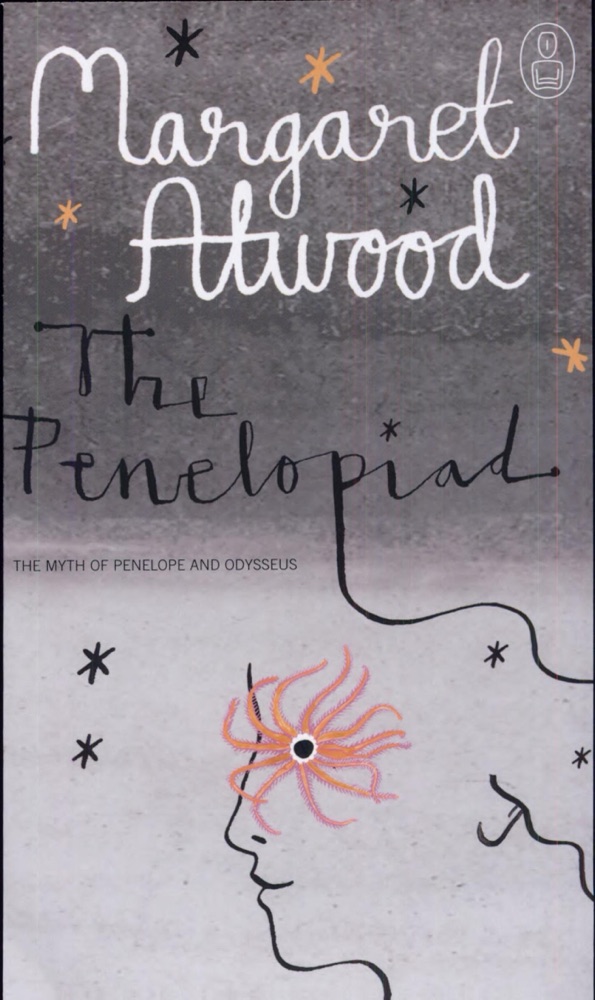 The Penelopiad
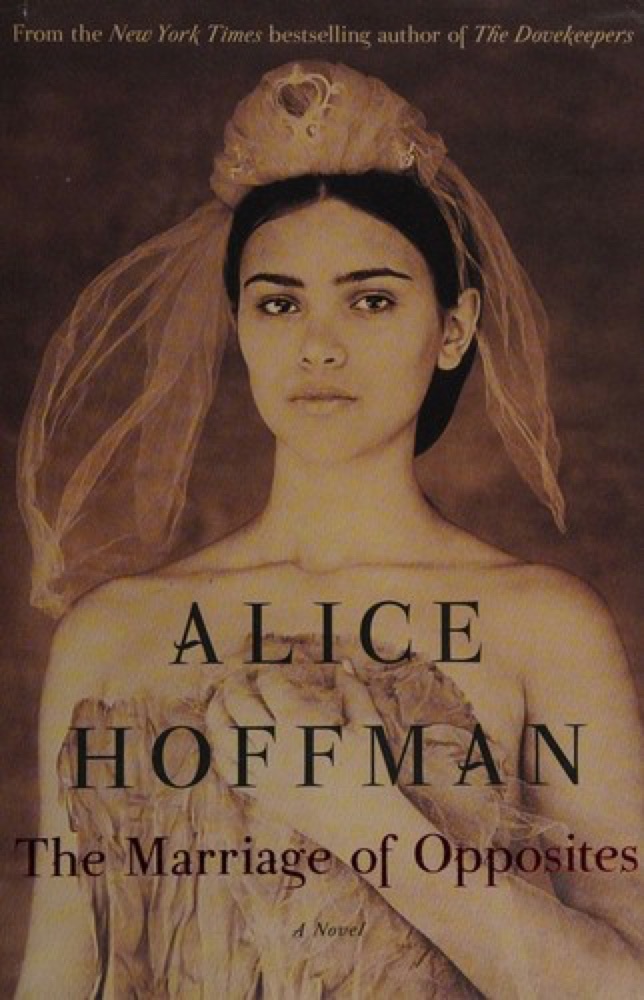 The Marriage of Opposites
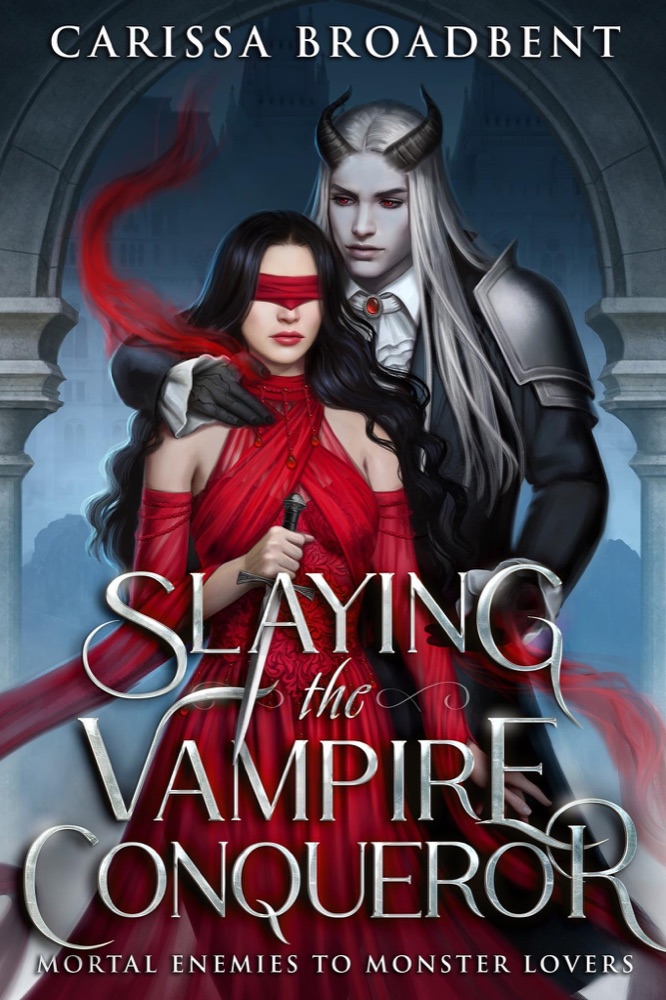 Slaying the Vampire Conqueror
 The Hymn to Dionysus
 We Free the Stars
 Babylonia
 Sword & Citadel
 A Study in Drowning
 Electra
 The Lost Sisterhood
 Grief Lessons: Four Plays by Euripides
 Gardens of the Moon
 The Spear Cuts Through Water
 Days of Blood & Starlight
 The Fates Divide
 Juliet
 All the Pretty Horses
 The Language of Thorns: Midnight Tales and Dangerous Magic
 Windwitch
 The Hacienda
 The Kiss of Deception
 The Damnation Game
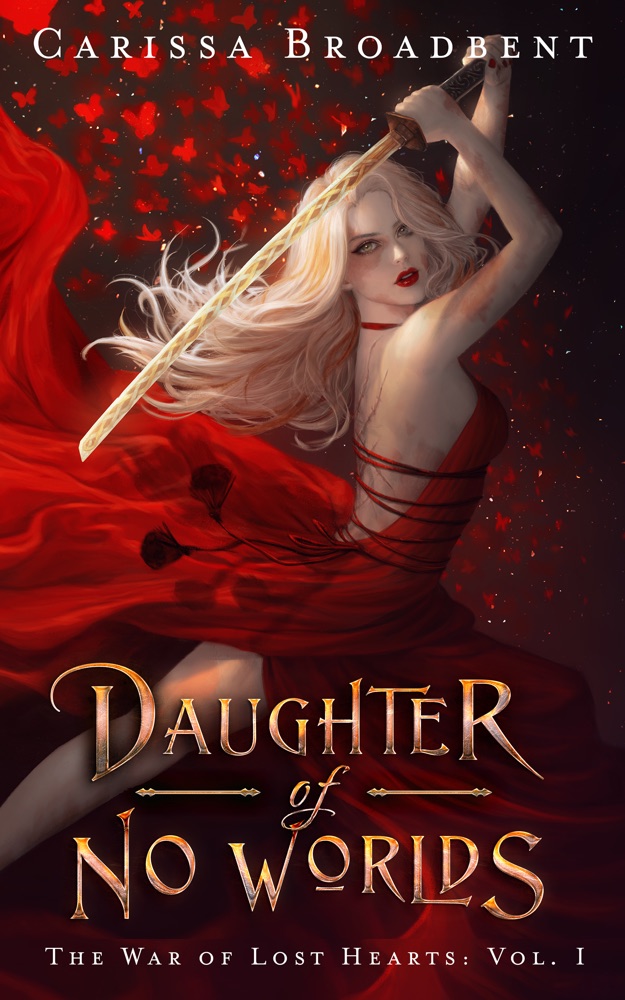 Daughter of No Worlds
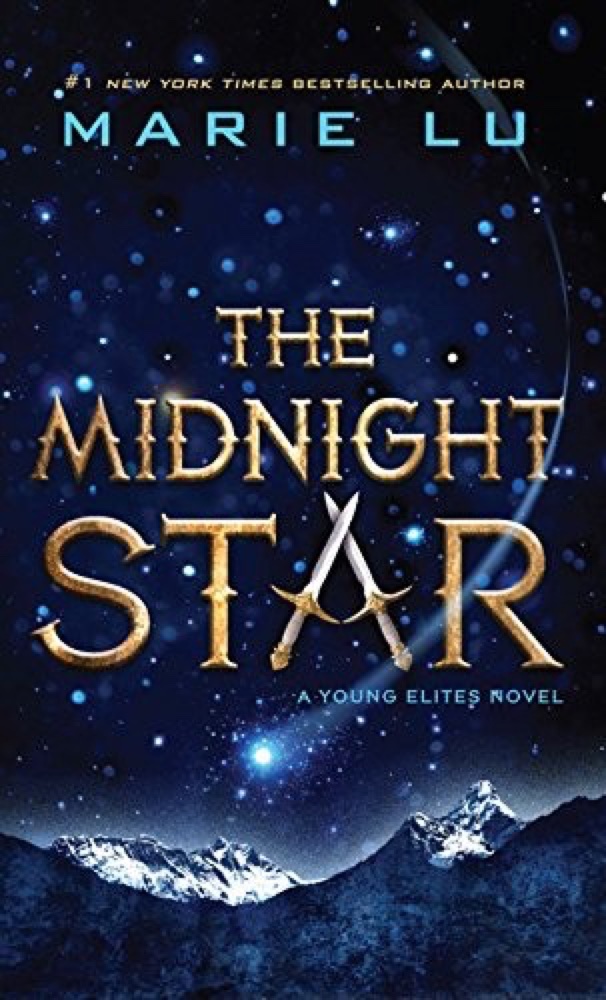 The Midnight Star
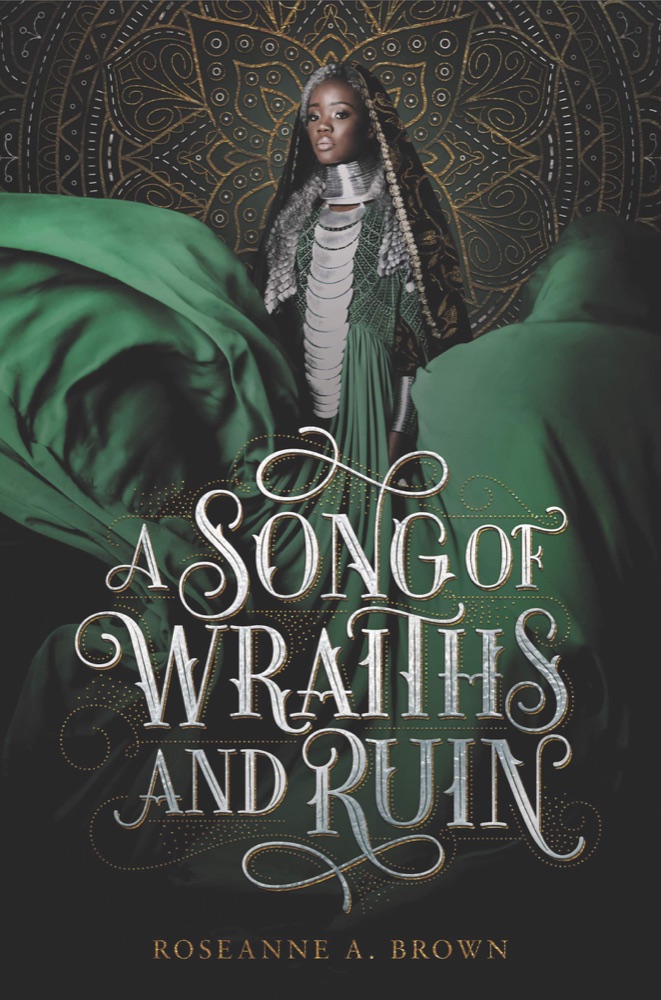 A Song of Wraiths and Ruin
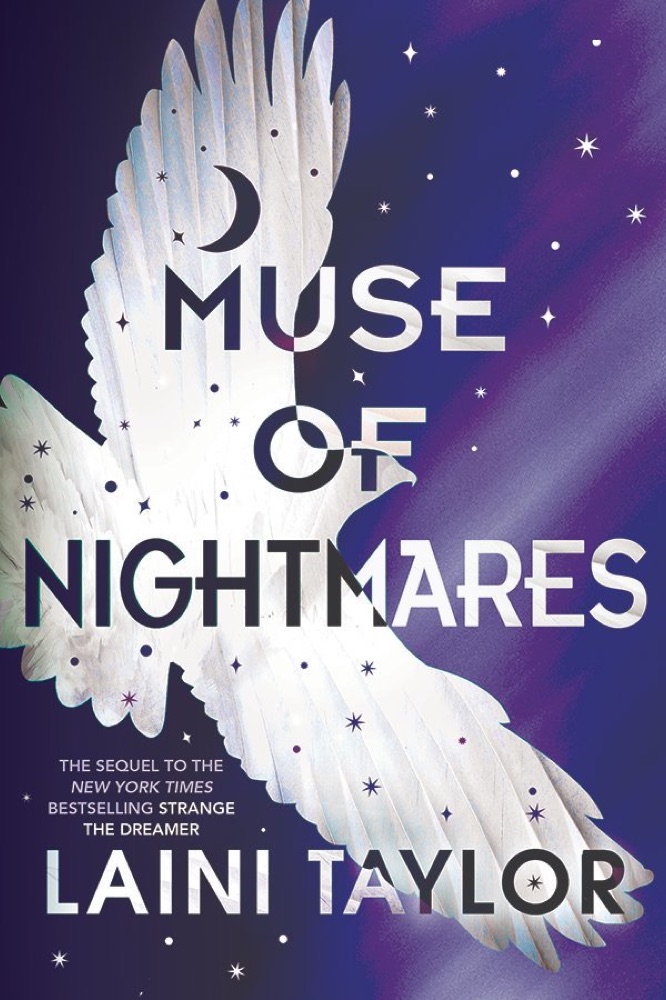 Muse of Nightmares
 A Court of Mist and Fury
 A Mercy