
 The Iliad
Quotes from the Book
I could recognize him by touch alone, by smell; I would know him blind, by the way his breaths came and his feet struck the earth. I would know him in death, at the end of the world.
Name one hero who was happy." I considered. Heracles went mad and killed his family; Theseus lost his bride and father; Jason's children and new wife were murdered by his old; Bellerophon killed the Chimera but was crippled by the fall from Pegasus' back. "You can't." He was sitting up now, leaning forward. "I can't." "I know. They never let you be famous AND happy." He lifted an eyebrow. "I'll tell you a secret." "Tell me." I loved it when he was like this. "I'm going to be the first." He took my palm and held it to his. "Swear it." "Why me?" "Because you're the reason. Swear it." "I swear it," I said, lost in the high color of his cheeks, the flame in his eyes. "I swear it," he echoed. We sat like that a moment, hands touching. He grinned. "I feel like I could eat the world raw.
In the darkness, two shadows, reaching through the hopeless, heavy dusk. Their hands meet, and light spills in a flood like a hundred golden urns pouring out of the sun.
And perhaps it is the greater grief, after all, to be left on earth when another is gone.
We were like gods at the dawning of the world, & our joy was so bright we could see nothing else but the other.
I will never leave him. It will be this, always, for as long as he will let me. If I had had words to speak such a thing, I would have. But there were none that seemed big enough for it, to hold that swelling truth. As if he had heard me, he reached for my hand. I did not need to look; his fingers were etched into my memory, slender and petal-veined, strong and quick and never wrong. “Patroclus,” he said. He was always better with words than I.
There are no bargains between lion and men. I will kill you and eat you raw.
He is a weapon, a killer. Do not forget it. You can use a spear as a walking stick, but that will not change its nature.
Achilles was looking at me. “Your hair never quite lies flat, here.” He touched my head, just behind my ear. “I don’t think I’ve ever told you how I like it.” My scalp prickled where his fingers had been. “You haven’t,” I said. “I should have.” His hand drifted down to the vee at the base of my throat, drew softly across the pulse. “What about this? Have I told you what I think of this, just here?” “No,” I said. “This surely then.” His hand moved across the muscles of my chest; my skin warmed beneath it. “Have I told you of this?” “That you have told me.” My breath caught a little as I spoke. “And what of this?” His hand lingered over my hips, drew down the line of my thigh. “Have I spoken of it?” “You have.” “And this? Surely I would not have forgotten this.” His cat’s smile. “Tell me I did not.” “You did not.” “There is this too.” His hand was ceaseless now. “I know I have told you of this.” I closed my eyes. “Tell me again,” I said.
He smiled, and his face was like the sun.
Odysseus inclines his head. "True. But fame is a strange thing. Some men gain glory after they die, while others fade. What is admired in one generation is abhorred in another." He spread his broad hands. "We cannot say who will survive the holocaust of memory. Who knows?" He smiles. "Perhaps one day even I will be famous. Perhaps more famous than you.
I feel like I could eat the world raw.
Chiron had said once that nations were the most foolish of mortal inventions. "No man is worth more than another, wherever he is from.
Chiron had said once that nations were the most foolish of mortal inventions. “No man is worth more than another, wherever he is from.” “But what if he is your friend?” Achilles had asked him, feet kicked up on the wall of the rose-quartz cave. “Or your brother? Should you treat him the same as a stranger?” “You ask a question that philosophers argue over,” Chiron had said. “He is worth more to you, perhaps. But the stranger is someone else’s friend and brother. So which life is more important?” We had been silent. We were fourteen, and these things were too hard for us. Now that we are twenty-seven, they still feel too hard. He is half of my soul, as the poets say. He will be dead soon, and his honor is all that will remain. It is his child, his dearest self. Should I reproach him for it? I have saved Briseis. I cannot save them all. I know, now, how I would answer Chiron. I would say: there is no answer. Whichever you choose, you are wrong.
Name one hero who was happy.
I will go,” he said. “I will go to Troy.” The rosy gleam of his lip, the fevered green of his eyes. There was not a line anywhere on his face, nothing creased or graying; all crisp. He was spring, golden and bright. Envious death would drink his blood, and grow young again. He was watching me, his eyes as deep as earth. “Will you come with me?” he asked. The never-ending ache of love and sorrow. Perhaps in some other life I could have refused, could have torn my hair and screamed, and made him face his choice alone. But not in this one. He would sail to Troy and I would follow, even into death. “Yes,” I whipsered. “Yes.” Relief broke in his face, and he reached for me. I let him hold me, let him press us length to length so close that nothing might fit between us. Tears came, and fell. Above us, the constellations spun and the moon paced her weary course. We lay stricken and sleepless as the hours passed.
I found myself grinning until my cheeks hurt, my scalp prickling till I thought it might lift off my head. My tongue ran away from me, giddy with freedom. This, and this, and this, I said to him. I did not have to fear that I spoke too much. I did not have to worry that I was too slender, or too slow. This and this and this! I taught him how to skip stones, and he taught me how to carve wood. I could feel every nerve in my body, every brush of air against my skin.
There is no law that gods must be fair, Achilles,” Chiron said. “And perhaps it is the greater grief, after all, to be left on earth when another is gone. Do you think?
I stopped watching for ridicule, the scorpion's tail hidden in his words. He said what he meant; he was puzzled if you did not. Some people might have mistaken this for simplicity. But is it not a sort of genius to cut always to the heart?
This, I say. This and this. The way his hair looked in summer sun. His face when he ran. His eyes, solemn as an owl at lessons. This and this and this. So many moments of happiness, crowding forward.
Bring him back to me,' he told them.
There was more to say, but for once we did not say it. There would be other times for speaking, tonight and tomorrow and all the days after that. He let go of my hand.
He is more worth to you, perhaps. But the stranger is someone else's friend and brother. So which life is more important?
She wants you to be a god," I told him. "I know." His face twisted with embarrassment, and in spite of itself my heart lightened. It was such a boyish response. And so human. Parents, everywhere.
You can use a spear for a walking stick, but it will not change its nature.
I would still be with you. But I could sleep outside, so it would not be so obvious. I do not need to attend your councils. I—' 'No. The Phthians will not care. And the others can talk all they like. I will still be Aristos Achaion.' Best of the Greeks. 'Your honor could be darkened by it." 'Then it is darkened.' His jaw shot forward, stubborn. 'They are fools if they let my glory rise or fall on this.
Achilles’ eyes lift. They are bloodshot and dead. “I wish he had let you all die.
Did you know?
- The novel is narrated by Patroclus, a minor figure in Homer's Iliad whom Miller moves to the center of the story.
- Miller spent roughly ten years writing the book, discarding a completed draft partway through to rework Patroclus's voice.
- Her interest in Patroclus's story was sparked while co-directing a college production of Shakespeare's Troilus and Cressida.
- It won the 2012 Women's Prize for Fiction, then known as the Orange Prize.
- A surge of popularity on social media around 2021 drove the book to sell about two million copies by 2022.
- Miller, a trained classicist, later wrote a second Greek-mythology retelling, Circe (2018).
About Madeline Miller
Madeline Miller, born in 1978 in Boston, earned bachelor's and master's degrees in classics from Brown University and taught Latin, Greek, and Shakespeare to high school students. The Song of Achilles was her debut novel, followed by the bestselling Circe (2018).
More about the author →About the book
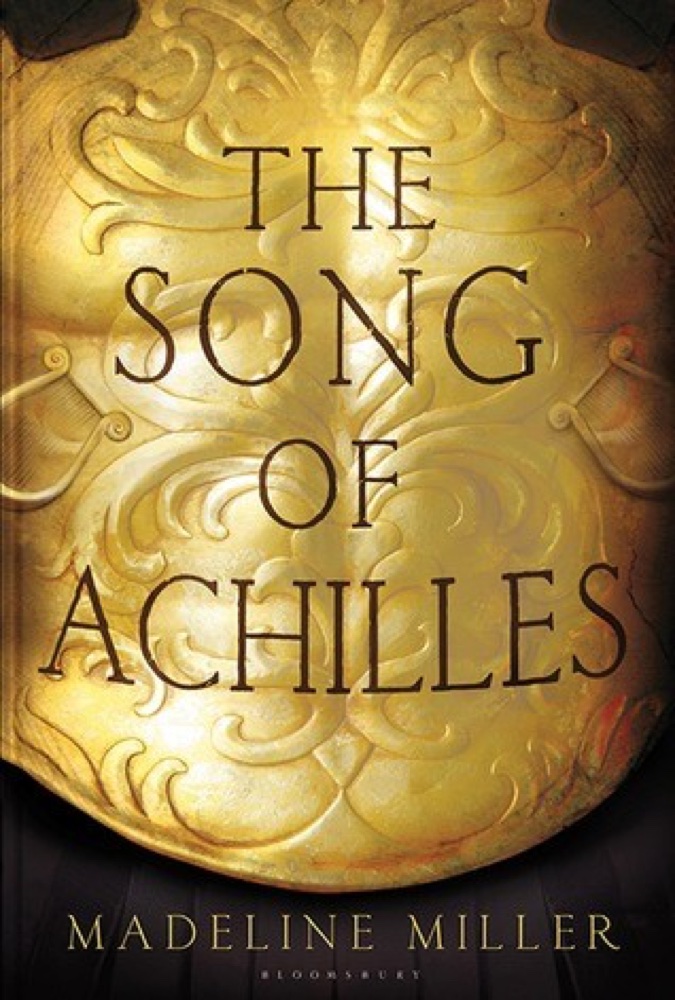
The Song of Achilles is Madeline Miller's debut novel, published in 2011, a retelling of the Trojan War drawn from Homer's Iliad and told through the eyes of Patroclus. An awkward, exiled young prince, Patroclus is sent to the kingdom of Phthia, where he becomes the companion of Achilles, the golden, half-divine son of King Peleus and the sea goddess Thetis. Their boyhood friendship deepens into love, and the two follow the Greek host to Troy, where Achilles's fated glory and Patroclus's quieter devotion carry them toward the war's tragic reckoning.
At its heart the book explores love, honor, mortality, and the terrible cost of a hero's pursuit of glory. Miller, a classicist by training, reframes the Iliad's warrior epic as an intimate story of two people bound together against the wishes of gods and the pull of prophecy, giving voice to Patroclus, a figure Homer keeps largely in the margins. Themes of fate, sacrifice, and the tension between kleos (undying fame) and human tenderness run throughout.
The novel won the 2012 Women's Prize for Fiction (then the Orange Prize) and helped spark a wave of contemporary mythological retellings. Years after its release it found an enormous second life through viral word of mouth on social media, and by 2022 it had sold roughly two million copies, cementing Miller's reputation ahead of her second novel, Circe.
Key characters
- PatroclusExiled prince and narrator; Achilles's companion and beloved
- AchillesHalf-divine warrior, 'best of the Greeks,' son of Peleus and Thetis
- ThetisAchilles's sea-goddess mother, who opposes his bond with Patroclus
- ChironThe centaur who tutors Achilles and Patroclus on Mount Pelion
- BriseisTrojan captive who becomes a close friend of Patroclus
- OdysseusCunning Greek king who helps draw Achilles into the war
- AgamemnonCommander of the Greek forces, in conflict with Achilles over honor
Book details
- First published
- 2011
- Length
- 416 pages
- Reading time
- 8 hours
- Author
- Madeline Miller
- Genre
- Fiction
- Goodreads rating
- 4.30 (2.1M ratings) →
If you liked this, read…
- 1CirceMiller's later Greek-myth retelling, centered on the goddess Circe
- 2The Silence of the GirlsPat Barker's Iliad retelling voiced by the captive Briseis
- 3A Thousand ShipsNatalie Haynes reframes the Trojan War through its women
Keep reading
The Iliad
 The King Must Die
 The Persian Boy
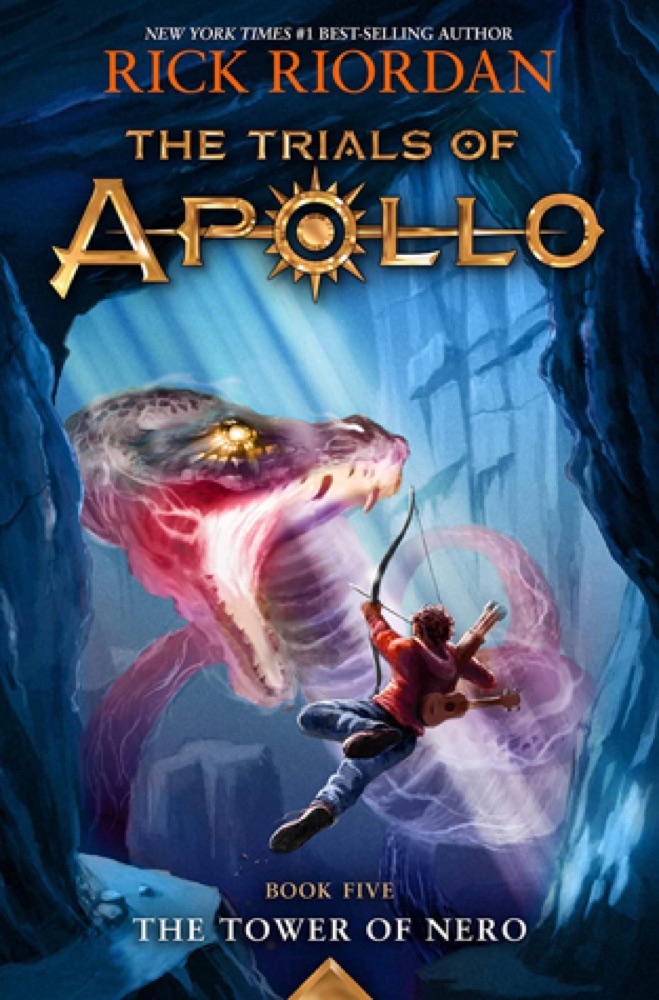 The Tower of Nero
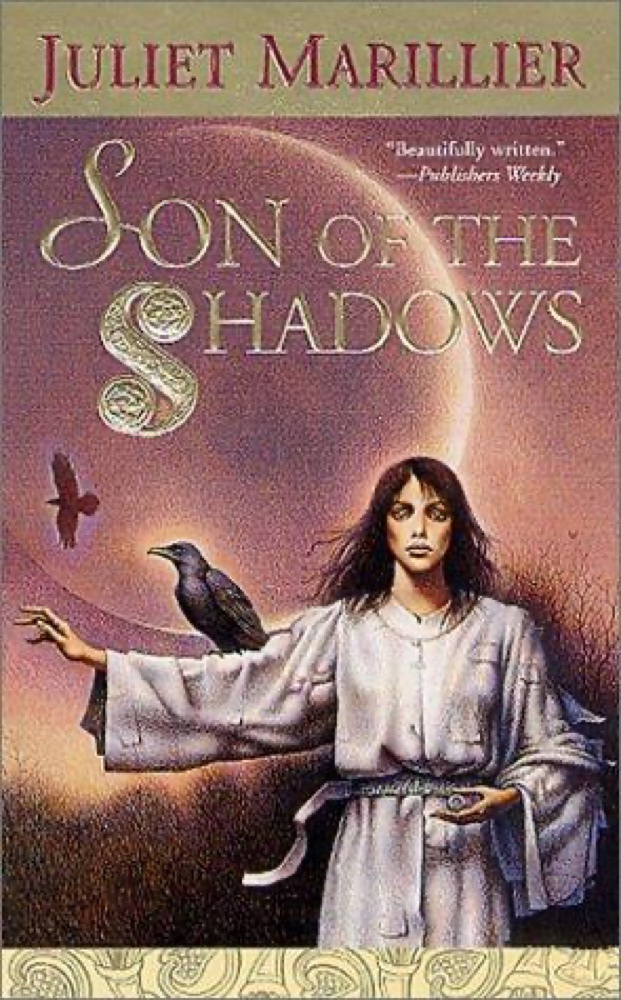 Son of the Shadows
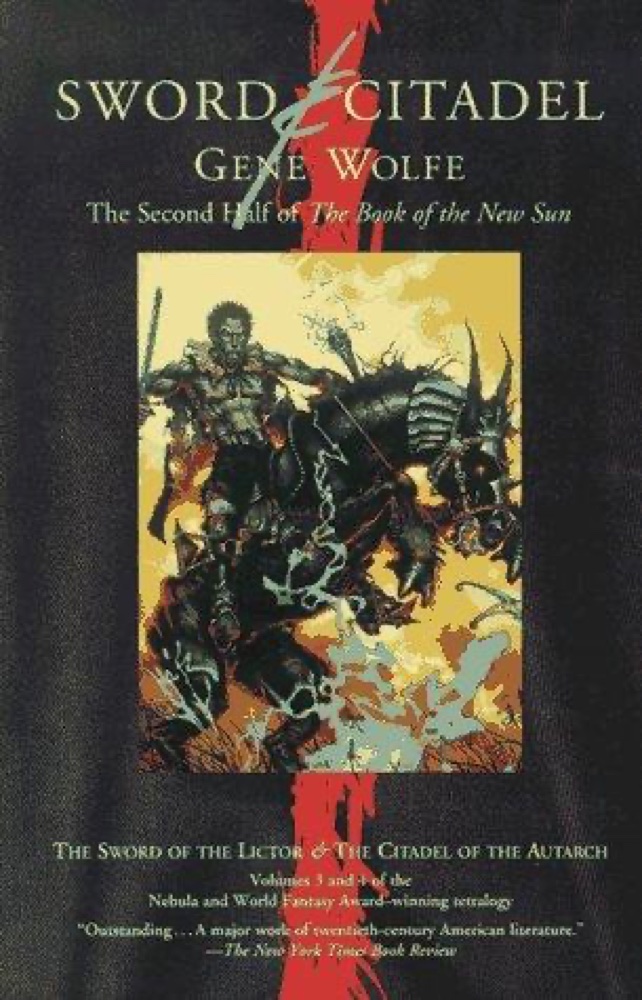 Sword & Citadel
 Juliet
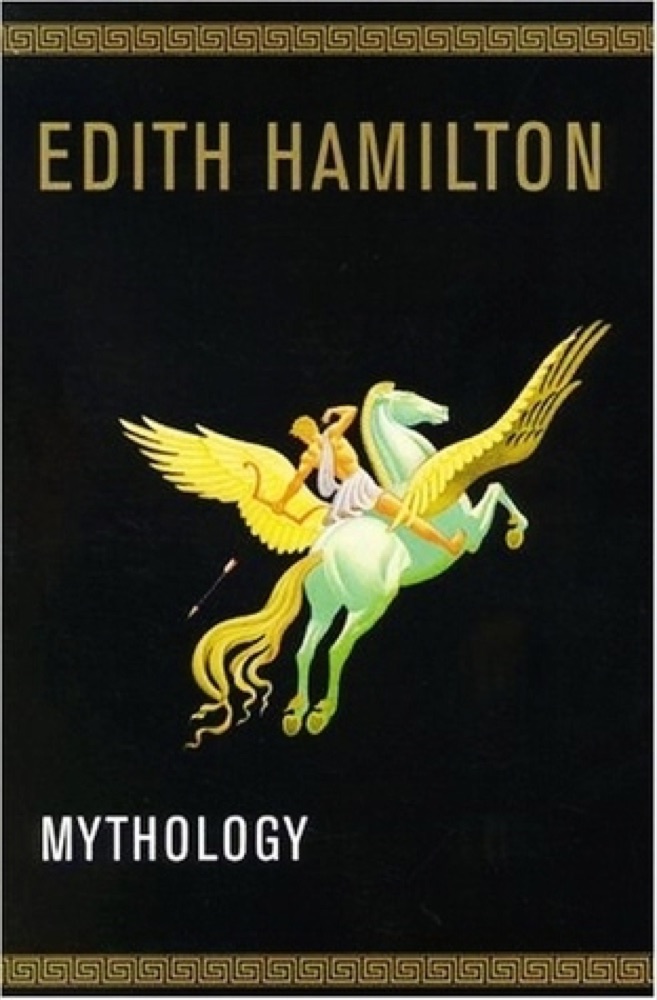 Mythology
 The Odyssey
 The Hymn to Dionysus
 Assassin's Fate
 The Silence of the Girls
 Troy
Troy
 Fire from Heaven
 Stardust
 The Immortal Rules
 Wintersong
 The Hidden Oracle
 Assassin's Quest
 The Burning Maze
 Glorious Exploits
 At Swim, Two Boys
 The Dragon Reborn
 The Isle of Blood
 The Wrath and the Dawn
 The Broken Eye
 Phantastes
 The Girl of Fire and Thorns
 Wayfarer
 The Curse of the Wendigo
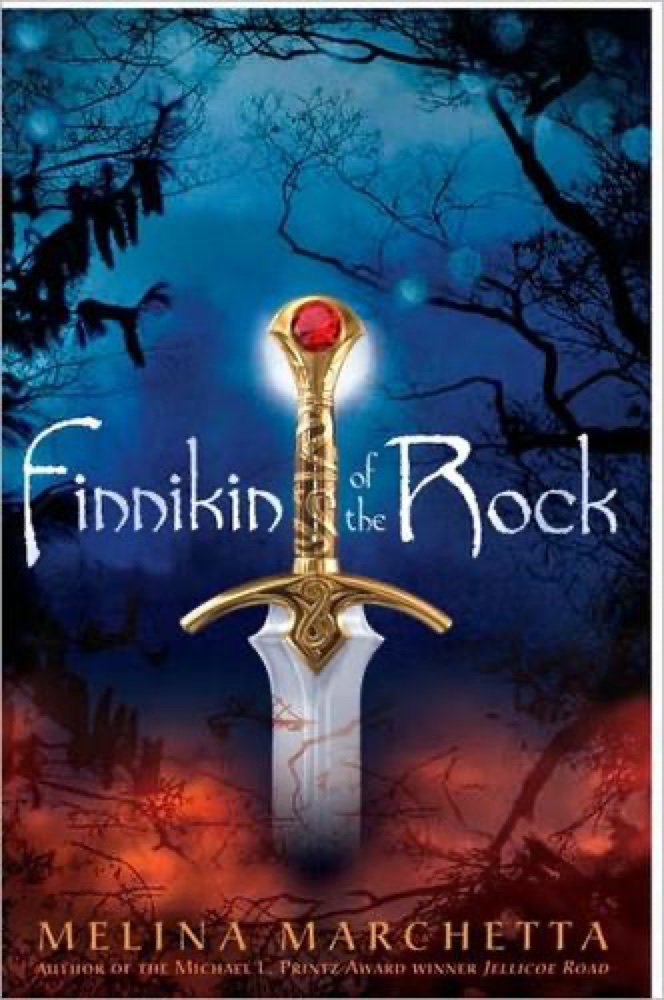 Finnikin of the Rock
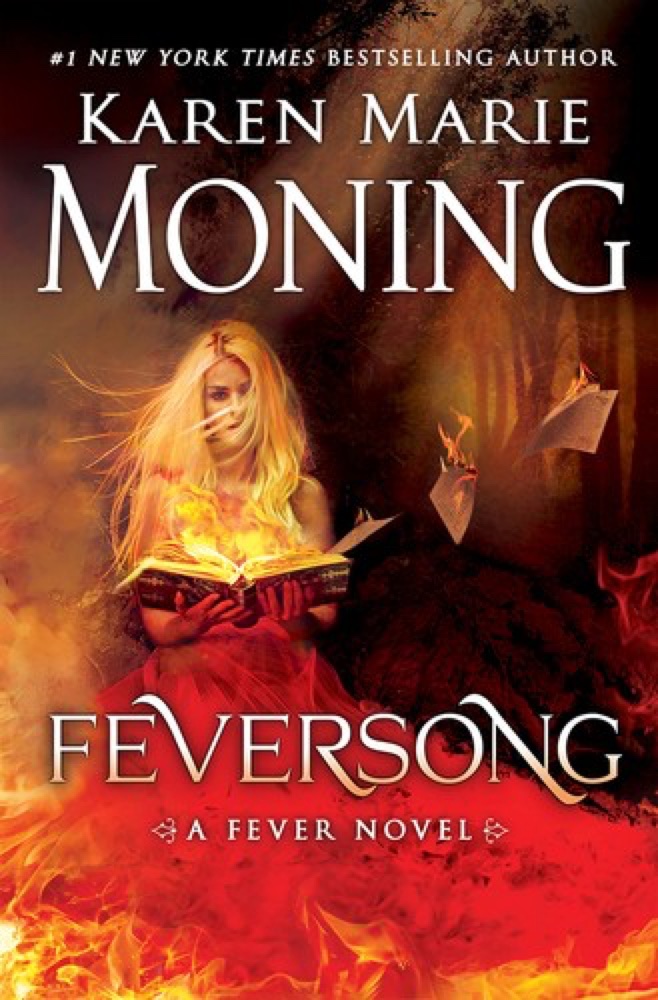 Feversong
 The Bird and the Sword
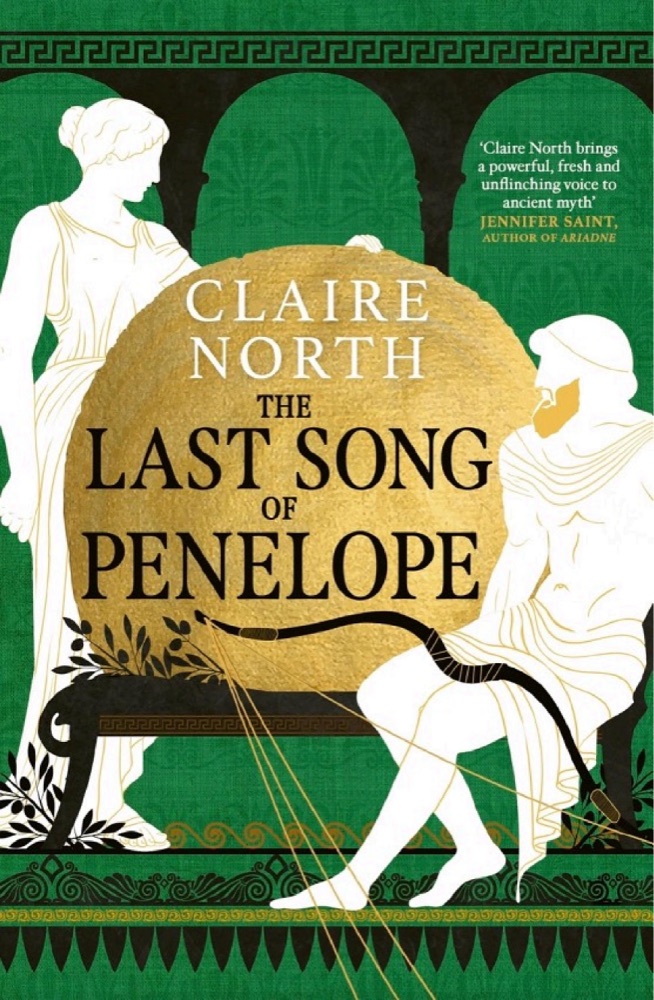 The Last Song of Penelope
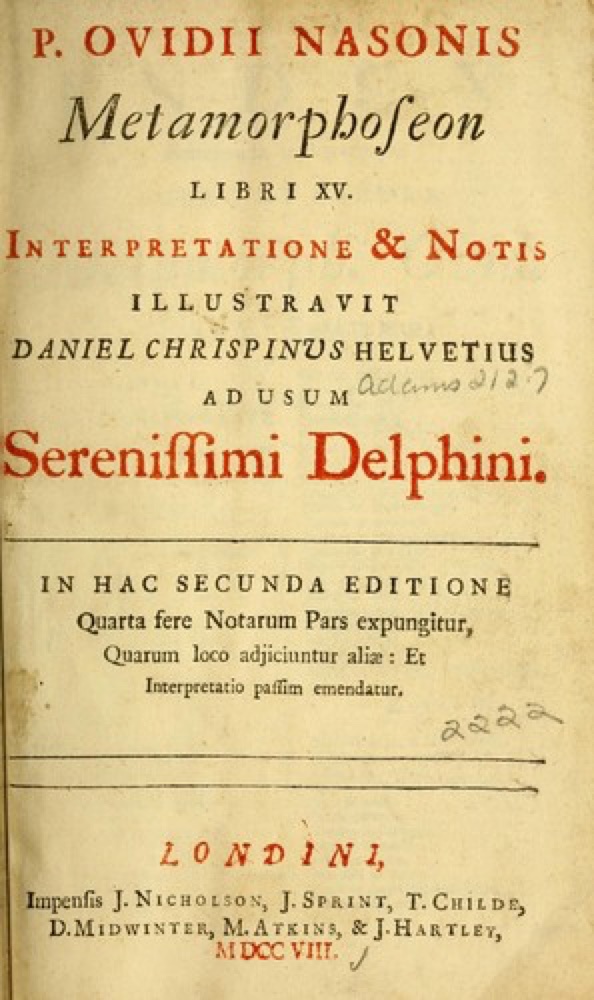 Metamorphoses
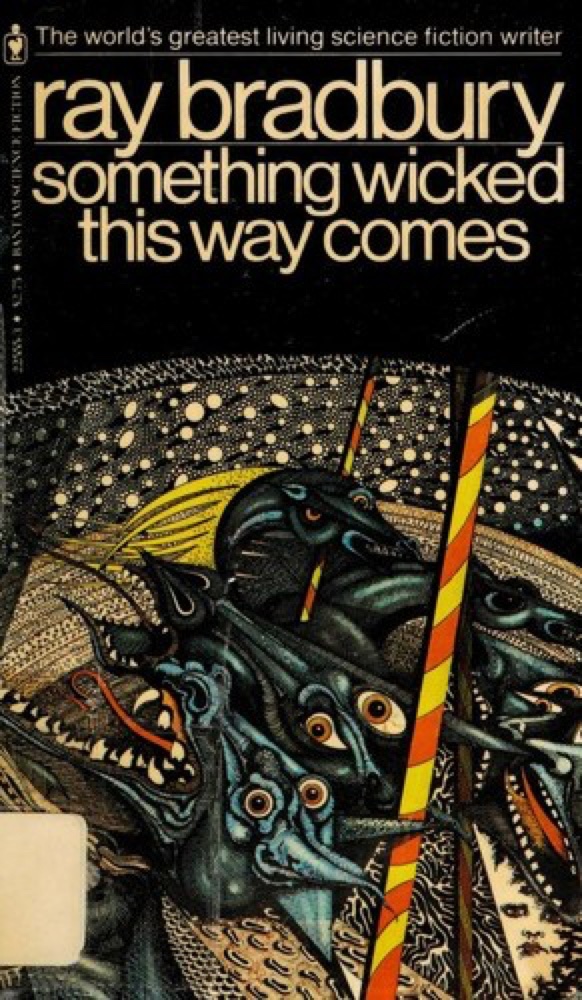 Something Wicked This Way Comes
 Prince Lestat
 Embrace
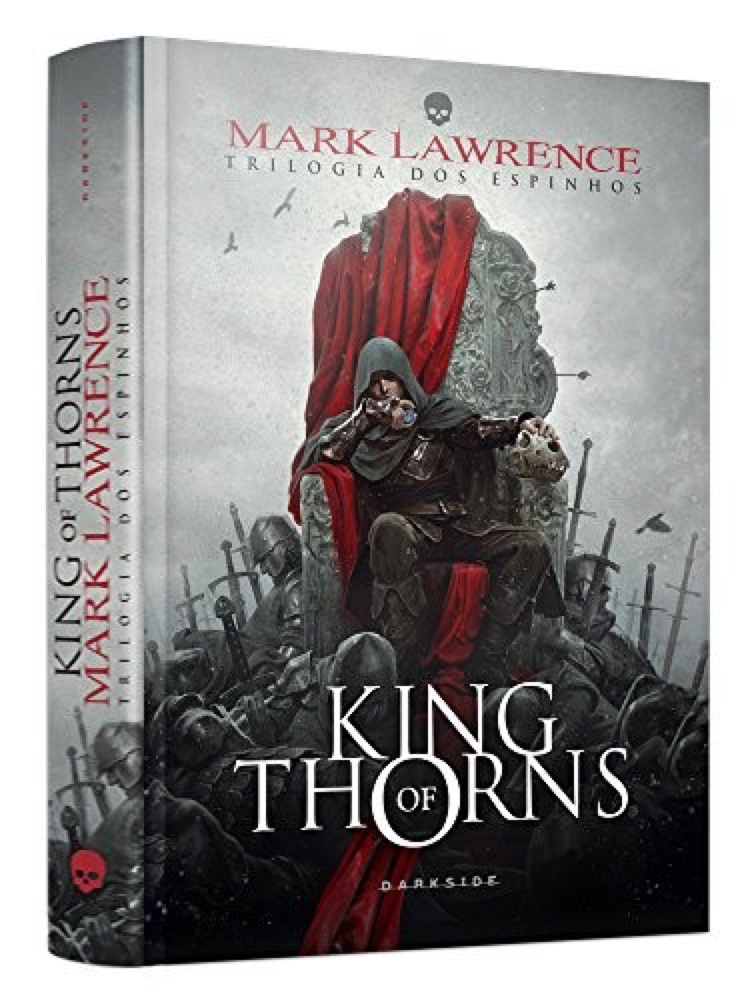 King of Thorns
 Les Misérables
 The Broken Kingdoms
 Iron Gold
 An Echo in the Bone
 The Goddess Inheritance
 His Dark Materials
 The Fiery Cross
 Fall of Kings
 Daughter of the Forest
 Red Rising
 The Great Hunt
 Legend
 The Shadow Rising
 Grief Lessons: Four Plays by Euripides
 The Beauty of Darkness
 King Solomon's Mines
 The Scorpion Rules
 Nobody's Princess
 Black Leopard, Red Wolf
 Spin the Dawn
 Cruel Beauty