
 Othello
Quotes from the Book
The fault, dear Brutus, is not in our stars, but in ourselves.
Cowards die many times before their deaths; The valiant never taste of death but once. Of all the wonders that I yet have heard, It seems to me most strange that men should fear; Seeing that death, a necessary end, Will come when it will come.
Men at some time are masters of their fates. The fault, dear Brutus, is not in our stars, but in ourselves, that we are underlings.
Cry havoc and let slip the dogs of war!
Friends, Romans, countrymen, lend me your ears; I come to bury Caesar, not to praise him; The evil that men do lives after them, The good is oft interred with their bones, So let it be with Caesar ... The noble Brutus Hath told you Caesar was ambitious: If it were so, it was a grievous fault, And grievously hath Caesar answered it ... Here, under leave of Brutus and the rest, (For Brutus is an honourable man; So are they all; all honourable men) Come I to speak in Caesar's funeral ... He was my friend, faithful and just to me: But Brutus says he was ambitious; And Brutus is an honourable man…. He hath brought many captives home to Rome, Whose ransoms did the general coffers fill: Did this in Caesar seem ambitious? When that the poor have cried, Caesar hath wept: Ambition should be made of sterner stuff: Yet Brutus says he was ambitious; And Brutus is an honourable man. You all did see that on the Lupercal I thrice presented him a kingly crown, Which he did thrice refuse: was this ambition? Yet Brutus says he was ambitious; And, sure, he is an honourable man. I speak not to disprove what Brutus spoke, But here I am to speak what I do know. You all did love him once, not without cause: What cause withholds you then to mourn for him? O judgement! thou art fled to brutish beasts, And men have lost their reason…. Bear with me; My heart is in the coffin there with Caesar, And I must pause till it come back to me
A coward dies a thousand times before his death, but the valiant taste of death but once. It seems to me most strange that men should fear, seeing that death, a necessary end, will come when it will come.
Cowards die many times before their deaths; the valiant never taste of death but once.
There is a tide in the affairs of men Which, taken at the flood, leads on to fortune; Omitted, all the voyage of their life Is bound in shallows and in miseries. On such a full sea are we now afloat; And we must take the current when it serves, Or lose our ventures.
His life was gentle; and the elements So mixed in him, that Nature might stand up And say to all the world, THIS WAS A MAN!
There is a tide in the affairs of men which, taken at the floud, leads on to fortune ommitted, all the voyage of their lives are bound in shallows and in miseries
The fault, dear Brutus, is not in our stars/ But in ourselves.
Not that I loved Caesar less, but that I loved Rome more.
There are no tricks in plain and simple faith.
When beggars die, there are no comets seen; the heavens themselves blaze forth the death of princes.
Bid me run, and I will strive with things impossible.
And since you know you cannot see yourself, so well as by reflection, I, your glass, will modestly discover to yourself, that of yourself which you yet know not of.
But I am constant as the Northern Star, Of whose true fixed and resting quality There is no fellow in the firmament.
Let me have men about me that are fat... Yond Cassius has a lean and hungry look. He thinks too much: such men are dangerous.
As I love the name of honour more than I fear death.
And Caesar's spirit, raging for revenge, With Ate by his side come hot from hell, Shall in these confines with a monarch's voice Cry "Havoc!" and let slip the dogs of war, That this foul deed shall smell above the earth With carrion men, groaning for burial.
The ides of March are come. Soothsayer: Ay, Caesar; but not gone.
As he was valiant, I honor him. But as he was ambitious, I slew him.
Now let it work. Mischief, thou art afoot. Take thou what course thou wilt.
And it is very much lamented,... That you have no such mirrors as will turn Your hidden worthiness into your eye That you might see your shadow.
Did you know?
- The play is believed to have been written and first performed in 1599.
- It was first published in the First Folio of 1623.
- Shakespeare drew primarily on Sir Thomas North's 1579 translation of Plutarch's "Parallel Lives."
- A performance of the play at a Bankside theatre on 21 September 1599 was recorded by the Swiss traveller Thomas Platter the Younger.
- Though titled after Caesar, the play focuses largely on Brutus, often regarded as its tragic hero.
- Caesar is assassinated partway through the play, and much of the drama concerns its aftermath and the Battle of Philippi.
About William Shakespeare
William Shakespeare (1564-1616) was an English playwright, poet, and actor, widely regarded as the greatest writer in the English language. Working in Elizabethan and Jacobean London, he wrote around 38 plays and 154 sonnets, including tragedies, comedies, and histories.
More about the author →More by William Shakespeare
All books by William Shakespeare →


About the book
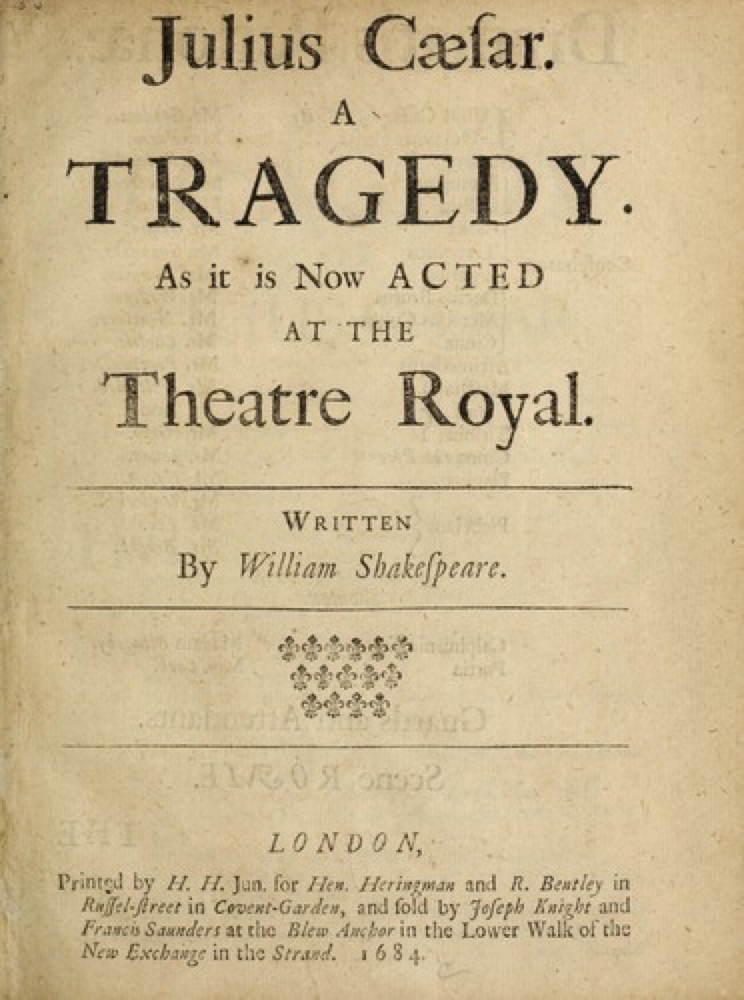
"Julius Caesar" is William Shakespeare's historical tragedy, believed to have been written and first performed in 1599. Drawing chiefly on Sir Thomas North's 1579 English translation of Plutarch's "Parallel Lives," the play dramatizes the political conspiracy against the Roman dictator Julius Caesar, his assassination on the Ides of March by a group of senators led by Cassius and Brutus, and the civil war that follows. Although the play bears Caesar's name, its dramatic center is Brutus, whose moral and political struggle has led many critics to regard him as the tragic hero.
At its heart the play weighs the tension between personal loyalty and public duty, as Brutus is persuaded that killing his friend Caesar is a necessary act to preserve the Roman republic. Shakespeare gives sustained attention to the power of rhetoric in politics: Mark Antony's funeral oration turns the Roman crowd against the conspirators and ignites the war that destroys them. The fragility of republican government in the face of ambition and shifting public opinion runs throughout.
One of Shakespeare's most frequently staged works, "Julius Caesar" has furnished the language with enduring phrases and has been adapted and reinterpreted across many political contexts from the Elizabethan era to the present. Its portrait of assassination, factional violence, and the manipulation of a crowd has kept it a touchstone for reflections on power and political conscience.
Key characters
- Julius CaesarRoman general and dictator whose growing power alarms the conspirators
- Marcus BrutusHonorable senator and Caesar's friend, torn between loyalty and duty to Rome
- CassiusChief instigator of the conspiracy against Caesar
- Mark AntonyCaesar's loyal ally whose funeral oration turns Rome against the conspirators
- Octavius CaesarCaesar's adopted heir who allies with Antony against the conspirators
- CalpurniaCaesar's wife, who warns him against going to the Senate
- PortiaBrutus's devoted wife
Book details
- First published
- 1599
- Author
- William Shakespeare
- Genre
- Classics
- Goodreads rating
- 3.71 (224k ratings) →
- First line
- “Hence! home, you idle creatures get you home:”
Movie & TV adaptations
- IMDb
- IMDb
If you liked this, read…
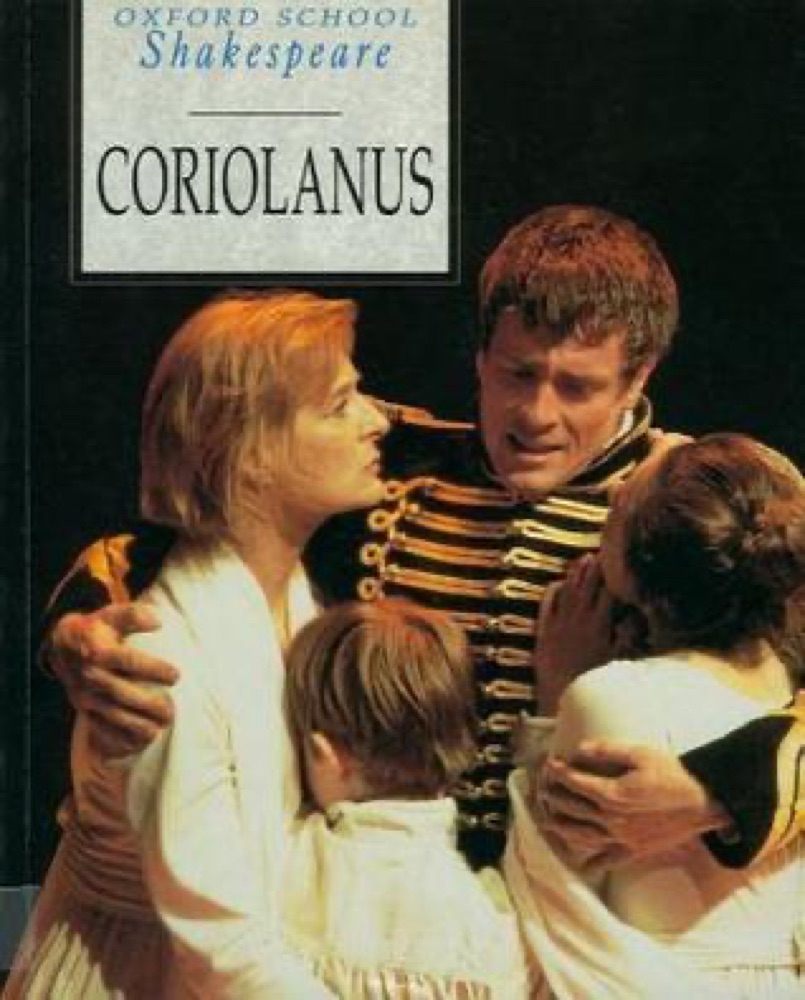
- 1CoriolanusAnother of Shakespeare's Roman political tragedies about power and the crowd
- 2Antony and CleopatraContinues the story of Mark Antony and Octavius after Caesar's death
- 3MacbethA Shakespearean tragedy centered on ambition, murder, and its consequences
Keep reading
 Coriolanus
 The Oedipus Cycle: Oedipus Rex/Oedipus at Colonus/Antigone
 Don Quixote
 Agamemnon
 The Odyssey
 Troilus and Cressida
 King Henry IV, Part 1
 Oedipus Rex
 Ivanhoe
 Augustus
 The Virtues of War
 The Iliad
 Faust
Faust
 Don Juan
 The Mirror & the Light
 The Grace of Kings
 The Satyricon
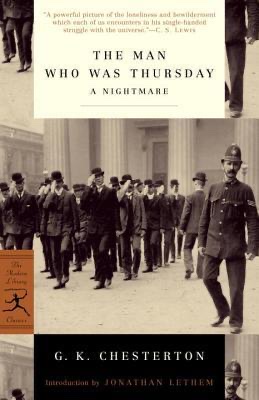 The Man Who Was Thursday
 Antigone
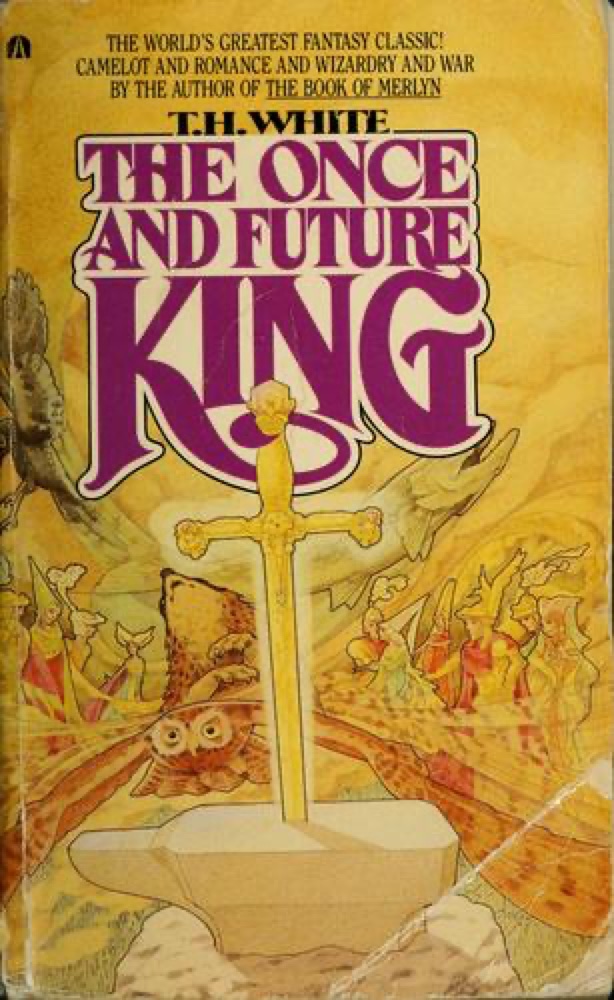 The Once and Future King
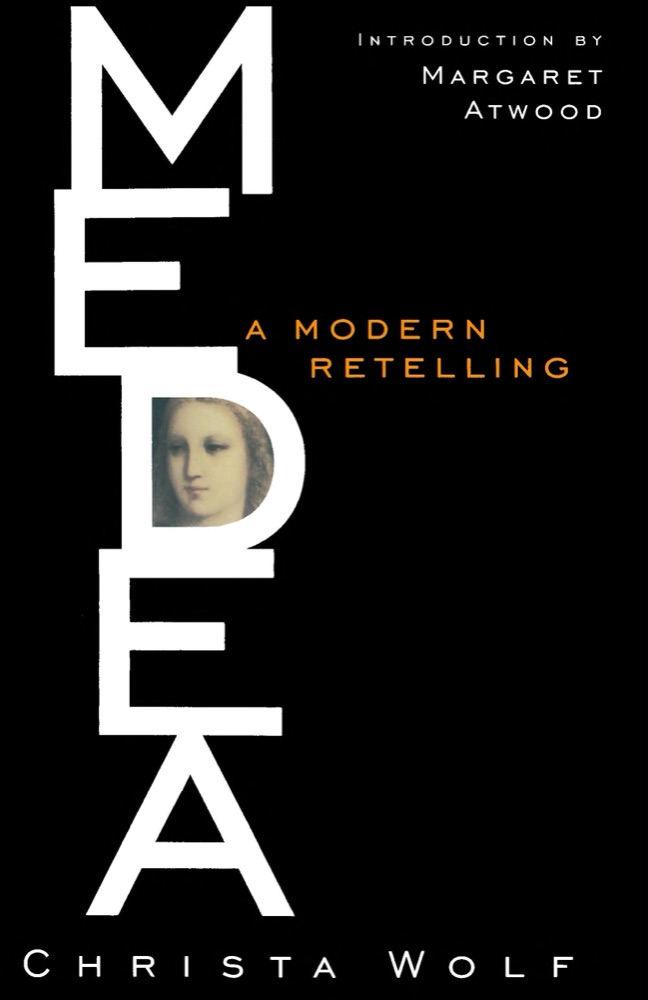 Medea
Medea
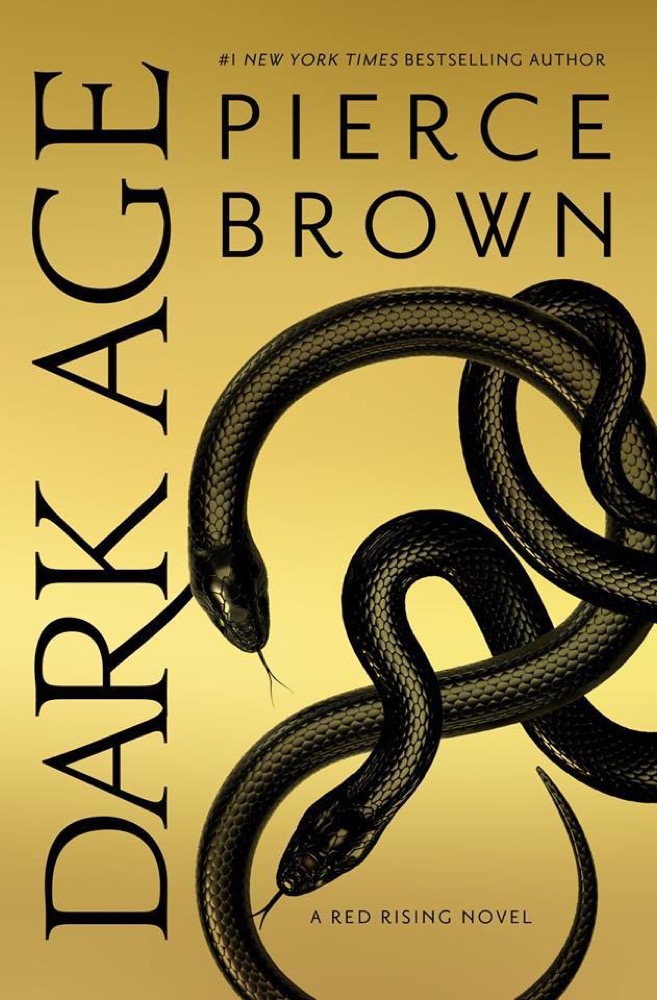 Dark Age
 The Man in the Iron Mask
 Emperor of Thorns
 Lord Jim
 The Curse of Chalion
 Twenty Years After
 Abraham Lincoln: Vampire Hunter
 The Way of Kings
 King Solomon's Mines
 Falls the Shadow
 The Fires of Heaven
 First Lord's Fury
 The Memoirs of Cleopatra
 The Great Hunt
 Before They Are Hanged
 Best Served Cold
 The Sixteen Satires
 Half a King
 The Spanish Tragedy
 The Oresteia
 Apology
 Beyond the Shadows
 Shōgun
 March
March
 Empire of the Vampire
 The Dinosaur Lords
 Moby-Dick
 The Virginian
 Uncle Tom's Cabin
 Julian
 The Gadfly
 The Wheel of Osheim
 The Emperor's Blades
 Sword & Citadel
 Toll the Hounds
 Sackett's Land
 Complete Poems
 The Broken Eye
 The Ides of March