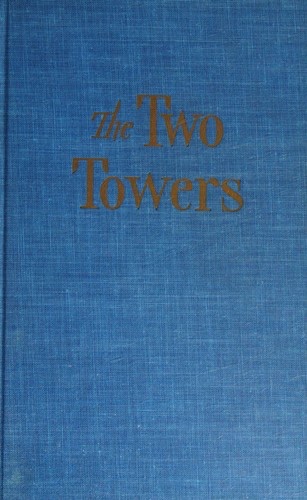
 The Two Towers
Quotes from the Book
Our language now has become quick-moving (in syllables), and may be very supple and nimble, but is rather thin in sound and in sense too often diffuse and vague. the language of our forefathers, especially in verse, was slow, not very nimble, but very sonorous, and was intensely packed and concentrated - or could be in a good poet.
4
Wild rode the wind though the West country. Banners were blowing, black was the raven they bore as blazon. Blaring of trumpets, neighing of horses, gnashing of armour, in the hoar hollows of the hills echoed . Mordred was marching; messengers speeding northward and eastward the news bearing through the land of Logres. Lords and chieftains to his side he summoned swift to hasten their tryst keeping, true to Mordred, faithful in falsehood, foes of Arthur, lovers of treason and freebooters of Erin and Alban, and East-Sassoin, of Almain and Angel and the isles of mist.
2
Guinevere grew grey in the grey shadow At all things losing who at all things grasped
1
...Our love endureth, Though in twain we rent the Round Table's Freedom and fellowship, fiercely striving. Swift swords we drew Against sworn brethren, Ere the queen was taken...
There Lancelot, low and softly to himself singing, the sun greeted, 215 life from darkness lifted shining in the dome of heaven by death exalted. Ever times would change and tides alter, and o’er hills of morning hope come striding to awake the weary, while the world lasted.
Watch on YouTube
About J.R.R. Tolkien
We have collected 332 quotes from 17 books by J.R.R. Tolkien on BookQuoters.
More about the author →More by J.R.R. Tolkien
All books by J.R.R. Tolkien →
About the book
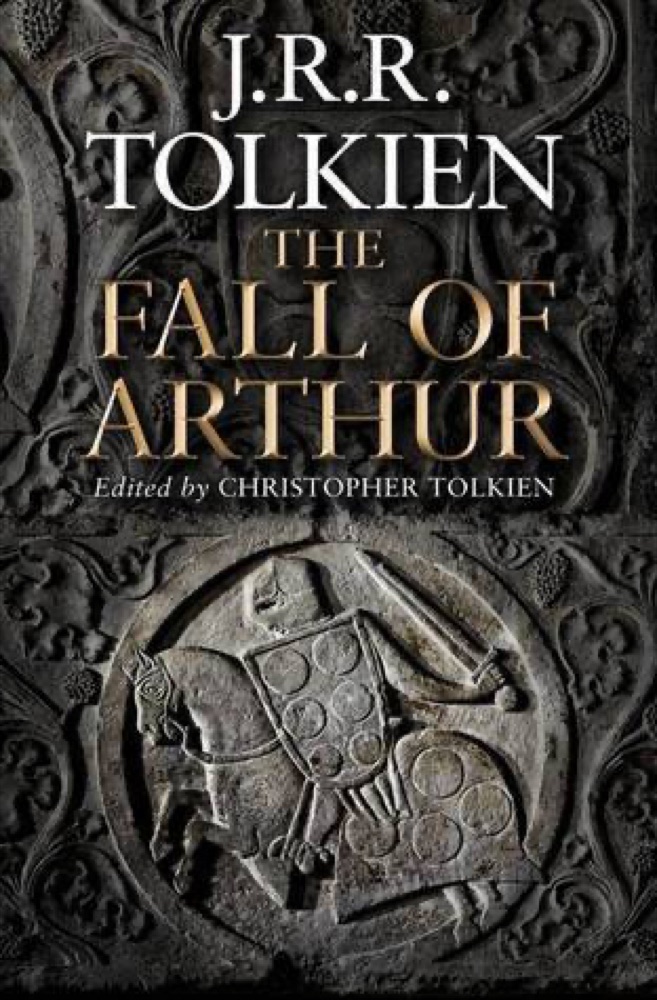
The Fall of Arthur recounts in verse the last campaign of King Arthur, who, even as he stands at the threshold of Mirkwood, is summoned back to Britain by news of the treachery of Mordred. Already weakened in spirit by Guinevere’s infidelity with the now-exiled Lancelot, Arthur must rouse his knights to battle one last time against Mordred’s rebels and foreign mercenaries. Powerful, passionate, and filled with vivid imagery, this unfinished poem reveals Tolkien’s gift for storytelling at its brilliant best.
Christopher Tolkien, editor, contributes three illuminating essays that explore the literary world of King Arthur, reveal the deeper meaning of the verses and the painstaking work his father applied to bring the poem to a finished form, and investigate the intriguing links between The Fall of Arthur and Tolkien’s Middle-earth.
Book details
- First published
- 2013
- Author
- J.R.R. Tolkien
- Genre
- Fantasy
- Goodreads rating
- 3.80 (8k ratings)
Keep reading
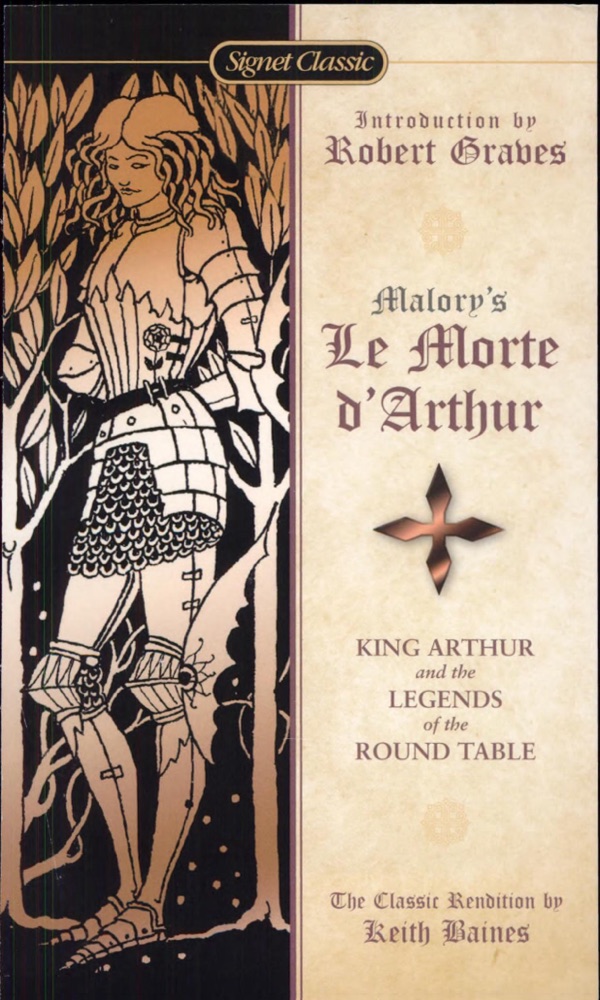 Le Morte d'Arthur: King Arthur and the Legends of the Round Table
 Arthur
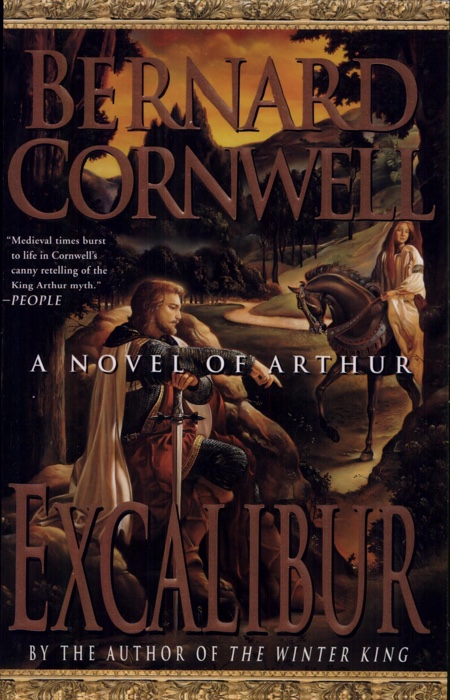 Excalibur
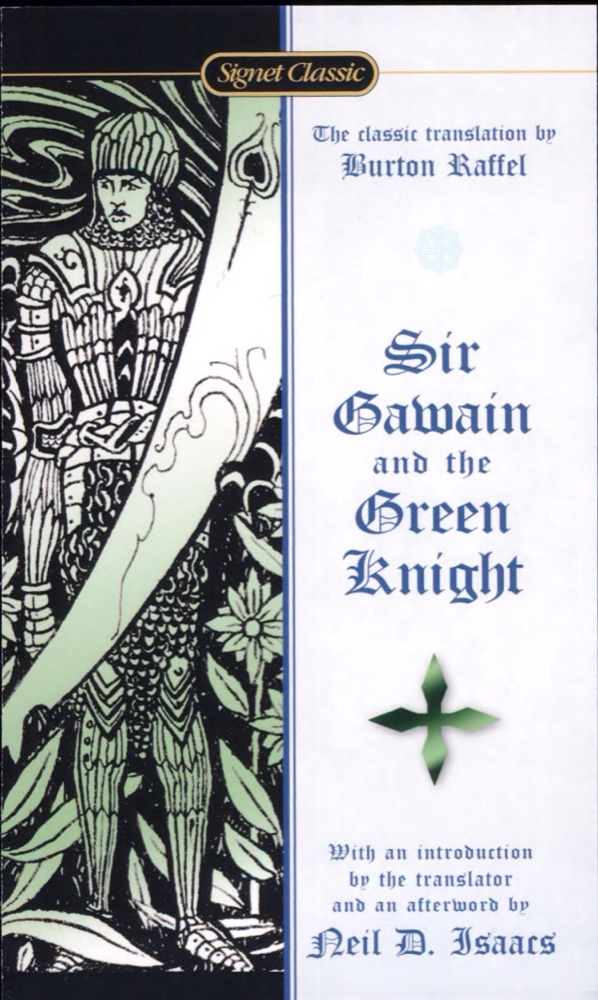 Sir Gawain and the Green Knight
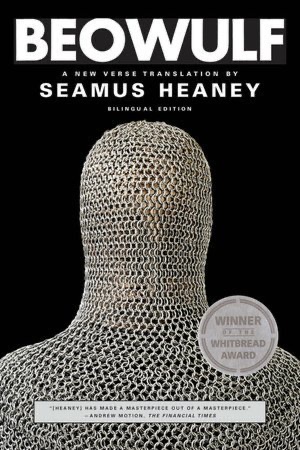 Beowulf
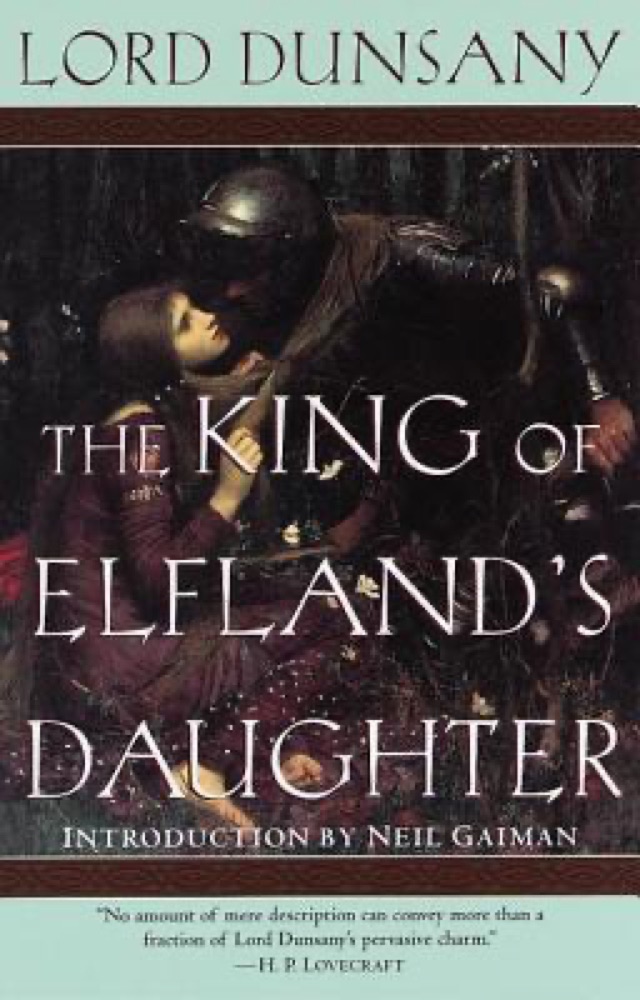 The King of Elfland's Daughter
 Idylls of the King
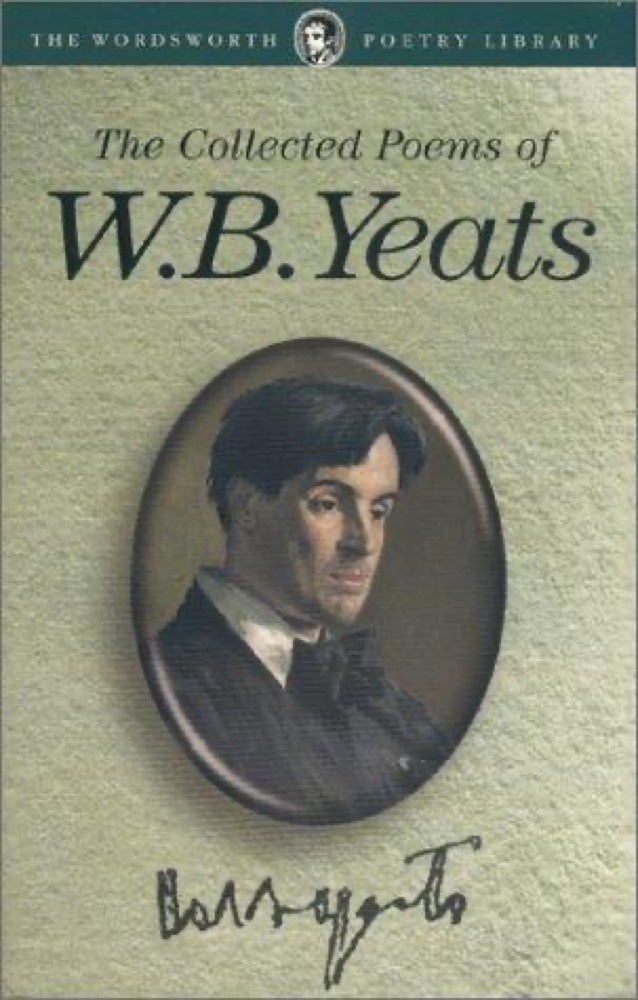 The Collected Poems of W.B. Yeats
 The Ballad of the White Horse
 The Romance of Tristan and Iseult
 The Return of the King
 The Faerie Queene
 The Lord of the Rings
 The Lord of the Rings: The Two Towers
 Titus Groan
 The Complete Stories and Poems
 The Complete Works
 The Canterbury Tales
 The Guinevere Deception
 The Acts of King Arthur and His Noble Knights
 The Celtic Twilight: Faerie and Folklore
 The Last Battle
 A Storm of Swords
 The Bright Sword
 Fire & Blood
 Ivanhoe
 The Last Kingdom
 Windwitch
 Devil's Brood
 A Dance with Dragons
 The Pale Horseman
 Poems of Edgar Allan Poe
 Godric
 The Hollow Hills
 King Henry VI, Part 3
 The Silmarillion
 The Gormenghast Novels
 Sword & Citadel
 Crown of Crystal Flame
 Childe Harold's Pilgrimage
 The Complete Poems
 A Stranger in Olondria
 Dragons of Spring Dawning
 Evangeline: A Tale of Acadie
 The King Must Die
 Finnegans Wake
 A Shropshire Lad
 Henry IV, Part Two
 House Made of Dawn
 Edward II
 The Complete Poems
 One Dark Window
 Sword of Destiny
 The Complete Poems
 Greenwitch
 The Collected Poems
 Irish Fairy and Folk Tales
 Kushiel's Justice
 The Crippled God
 The Great Hunt