
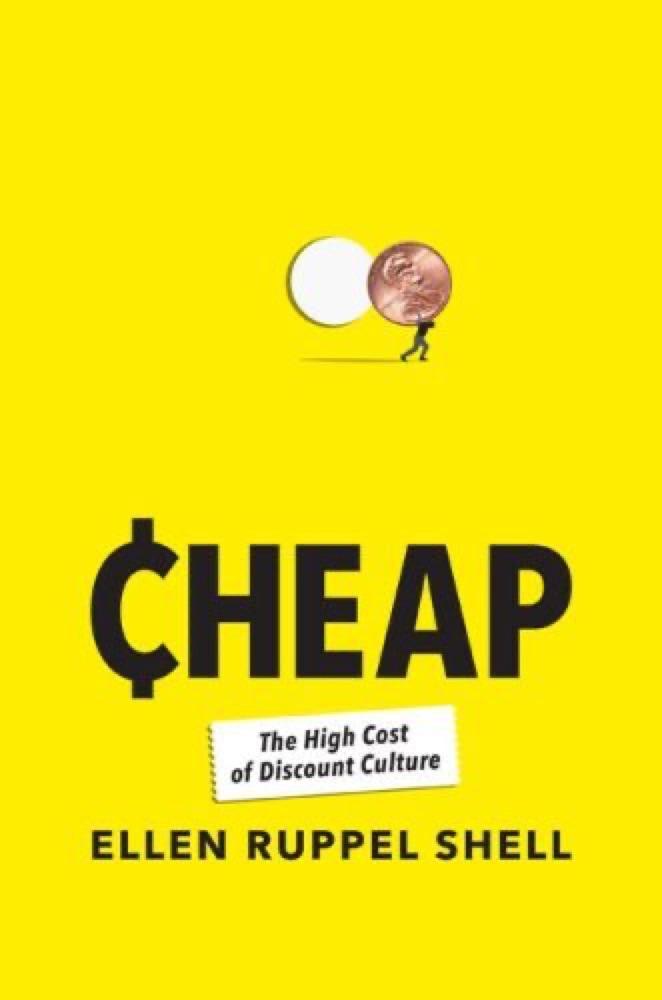
 Cheap: The High Cost of Discount Culture
Quotes from the Book
Danshari.” It’s a three-character Japanese word that means, in order of the characters,1 severing a relationship with unnecessary things (dan), purging clutter that overwhelms the home (sha), and achieving a sense of peace by separating the self from things (ri). Cleaning your home of clutter, the idea goes, also cleanses your heart and mind—regardless of where the stuff ends up.
2
Between 1967 and 2017, the money that Americans spent annually on stuff—from sofas to cell phones—increased almost twentyfold.
1
Nothing that an affluent American minimalist can say about consumerism and stuff is likely to change the mind of a developing-world teenager whose only experience of minimalism has been involuntary.
1
Encouraging consumers to think more seriously about the financial, environmental, and personal costs of their consumption would be a major step in addressing the crisis of quality and the environmental and social impacts of too much stuff. Better yet, it would spur businesses to seek economic incentives to design and market better products. Today's secondhand economy, faltering in search of quality, should have more than it can handle.
1
Eventually, many of those refurbished monitors were exported back to the United States as new devices, giving the rich man the opportunity to buy back his broken thing at a premium.
Consumers don’t want to pay more, but they will when they see the value
Target recycled those more than 500,000 seats over the years. They would’ve sold, and many children south of the border would be safer because their parents had access to a secondhand market.
The things that I value, I quickly realized, generally aren’t valuable to anyone but me. Once I had that understanding, I started letting go and curtailing what I was buying in the first place.
take your unwanted used item to this innovative, sustainable solution at no cost to yourself, and it will be reused indefinitely”—almost never exists.
Rather, they were likely made in South Asia, exported to the United States, and worn until they were donated to Goodwill, the Salvation Army, or some other thrift-based exporter. When they didn’t sell there, they were exported again, to Kandla most likely (or perhaps Mississauga, en route to Kandla), cut up, and exported again—this time to Star Wipers in Newark, Ohio. Each step of that journey makes perfect economic sense, even if the totality of it sounds ridiculous.
mostly in the United States—that have added textiles to their curbside recycling programs have found that residents generally give their shirts away as easily as they give away their beer cans.
most consumers have no answer if someone asks, “Who will be last to use your hoodie?” The end of clothes has become nearly as mysterious as the end of life itself.
In my experience, nobody in the secondhand-clothing industry likes to talk about the end of clothes. But there is an end. The only question is when.
These looming, multicolored cubes are packed with items donated with the best of intentions. But the best of intentions, alone, can’t sell clothes, and more than half the apparel that arrives at Goodwill is unsold.
Almost 90 percent of the goods will go unsold.
Walmart and Ralph Lauren, alike, bet that price—more than quality—moves product.
But that’s not a problem when everybody’s making enough money to buy more in a few weeks.
(cybersexual addiction was number one).
As a realtor, you can tell people to declutter. But to do it yourself …” She shakes her head.
I sometimes get mad at people. They buy things for no other reason than it’s cheap.
I’ve been doing moves for thirty years,” he tells me as he stands up. “And I’d never buy something from Ikea. We’ll shrink-wrap them, but it’s only fifty-fifty they make it.
The world does not need to make any more hangers.
Exercise equipment has no value,” she says, then clicks through to an image of bookshelves stacked with magazines, many with yellow spines.
In recent years, the industry’s annual profits are triple those of Hollywood.
I’d like to stroll, but I’m riding in
Watch on YouTube
About Adam Minter
We have collected 25 quotes from 1 book by Adam Minter on BookQuoters.
More about the author →About the book
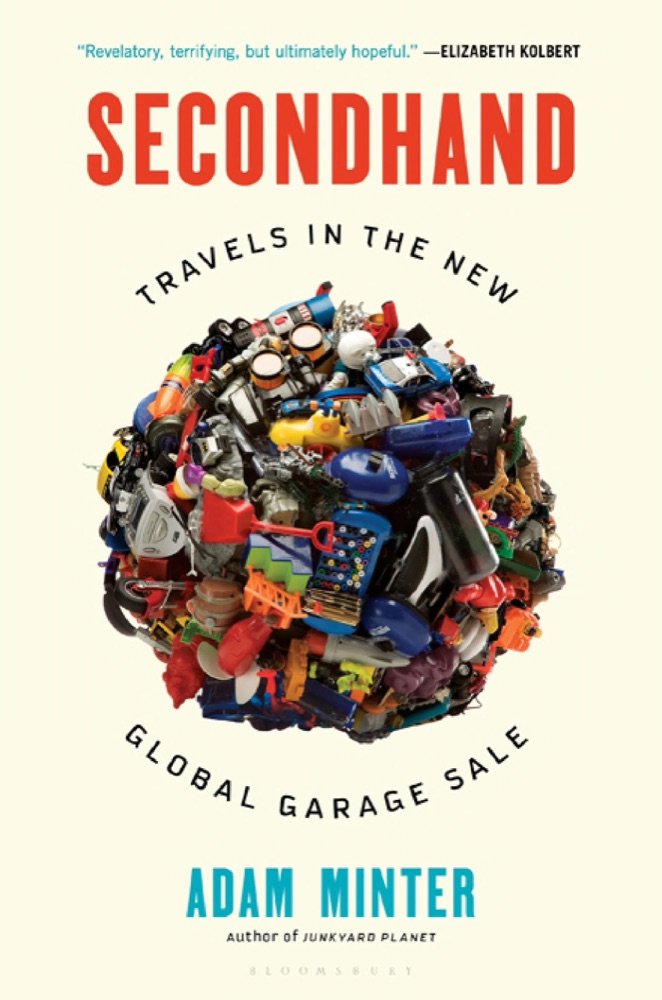
When you drop a box of unwanted items off at the local thrift store, where do they go? Probably across the country--or even halfway across the world--to people and places eager to reuse what you don’t want.
In Secondhand, Adam Minter delves into the vast, multibillion-dollar industry that resells used stuff around the world. He follows the trail of unwanted objects from the closets, garages, and storage units of Middle America to huge used-goods markets in Canada, Mexico, Japan, Ghana, India, Malaysia, and beyond. Secondhand takes us through the often painful and heartbreaking process of cleaning out a lifetime’s worth of possessions and shows that used stuff still has a place in a world that values the new and shiny--it entertains us, makes fortunes, fulfills needs, and transforms the way we live and work.
Book details
- First published
- 2019
- Author
- Adam Minter
- Genre
- Nonfiction
- Goodreads rating
- 3.93 (4k ratings)
The buzz
- The Washington PostReview in The Washington Postprofessional review (via Book Marks)
- NPRReview in NPRprofessional review (via Book Marks)
- Kirkus ReviewsReview in Kirkus Reviewsprofessional review (via Book Marks)
- Publishers WeeklyReview in Publishers Weeklyprofessional review (via Book Marks)
- New York Journal of BooksReview in New York Journal of Booksprofessional review (via Book Marks)
- BooklistReview in Booklistprofessional review (via Book Marks)
Keep reading
Cheap: The High Cost of Discount Culture
 Early Retirement Extreme: A Philosophical and Practical Guide to Financial Independence
 I Survived Capitalism and All I Got Was This Lousy T-Shirt: Everything I Wish I Never Had to Learn About Money
 Stuffocation: Living More with Less
 The Life-Changing Magic of Tidying Up: The Japanese Art of Decluttering and Organizing
 Stuff: Compulsive Hoarding and the Meaning of Things
 The Gentle Art of Swedish Death Cleaning
 No Logo
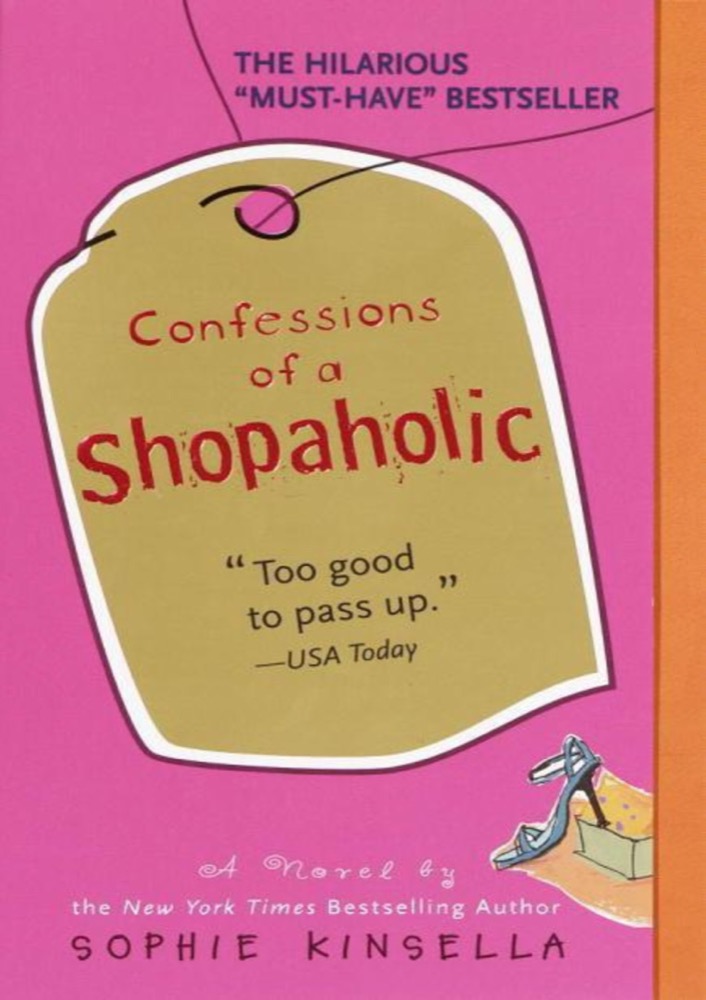 Confessions of a Shopaholic
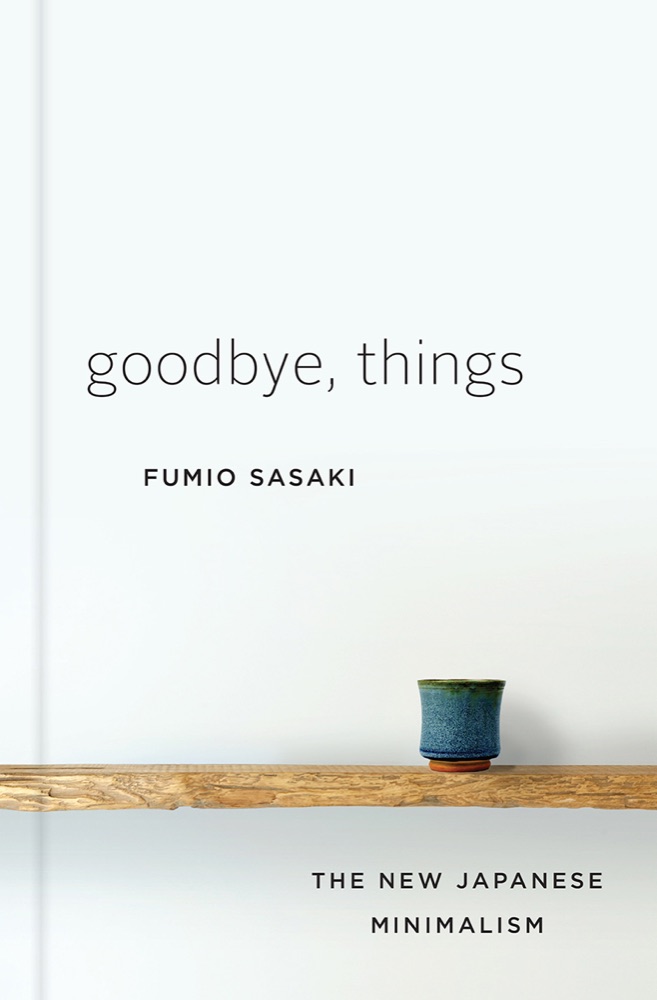 Goodbye, Things: The New Japanese Minimalism
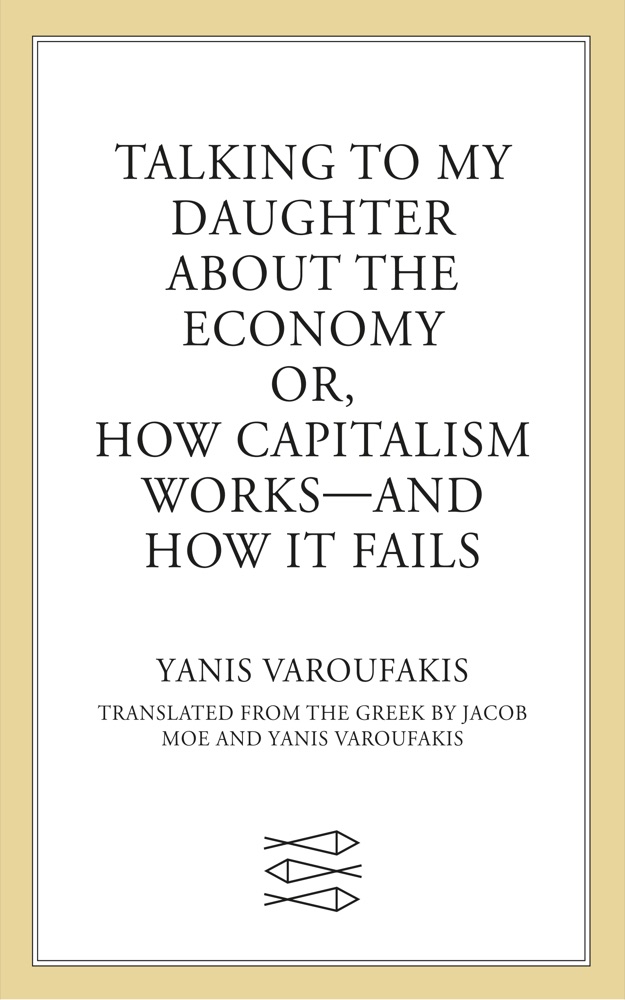 Talking to My Daughter About the Economy: or, How Capitalism Works—and How It Fails
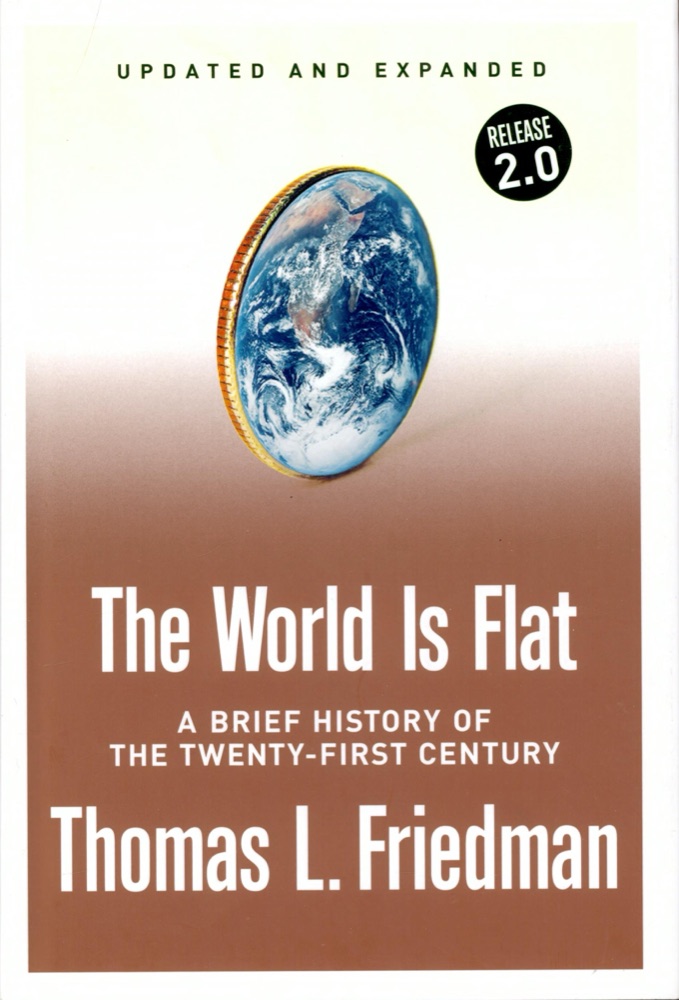 The World Is Flat: A Brief History of the Twenty-first Century
 Abundance: The Future Is Better Than You Think
 The $100 Startup: Reinvent the Way You Make a Living, Do What You Love, and Create a New Future
 Boomerang: Travels in the New Third World
 I'm a Stranger Here Myself: Notes on Returning to America after Twenty Years Away
 The Mandibles: A Family, 2029–2047
 Strong Motion
 Naked Economics: Undressing the Dismal Science
 The Complete Tightwad Gazette: Promoting Thrift as a Viable Alternative Lifestyle
 Makers
 Freakonomics: A Rogue Economist Explores the Hidden Side of Everything
 Distrust That Particular Flavor
 Who Owns the Future?
 One Fifth Avenue
 The Lost Continent: Travels in Small Town America
 Bleeding Edge
 Let My People Go Surfing: The Education of a Reluctant Businessman
 Berkshire Hathaway Letters to Shareholders
 Altered Carbon
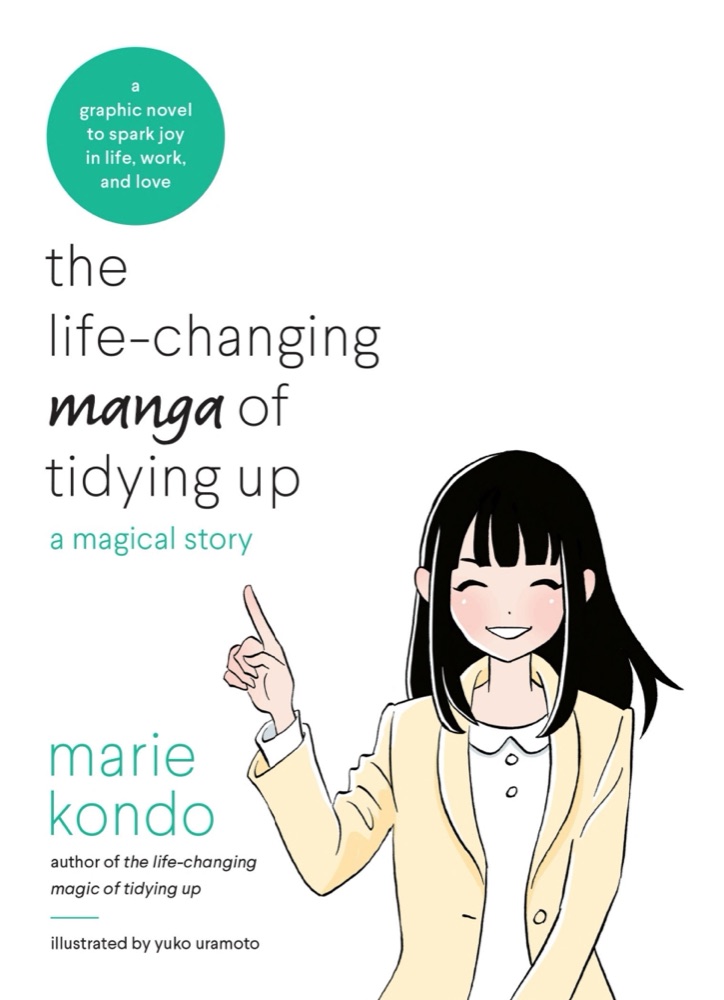 The Life-Changing Manga of Tidying Up
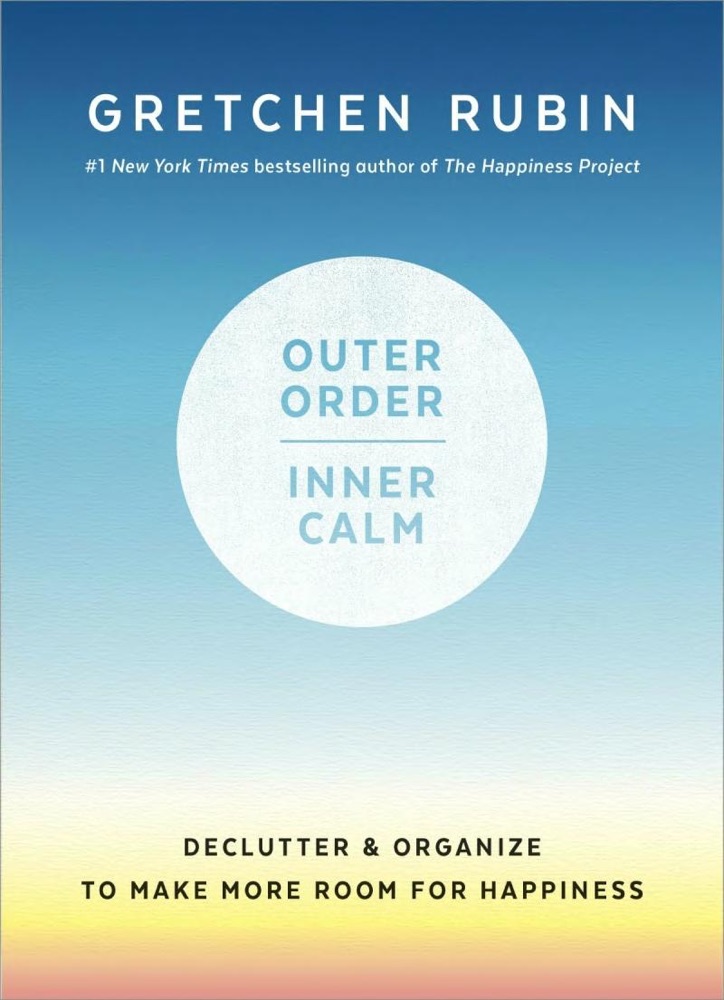 Outer Order, Inner Calm: Declutter & Organize to Make More Room for Happiness
 Rabbit Redux
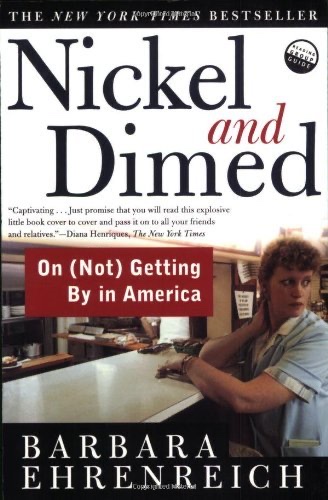 Nickel and Dimed: On (Not) Getting by in America
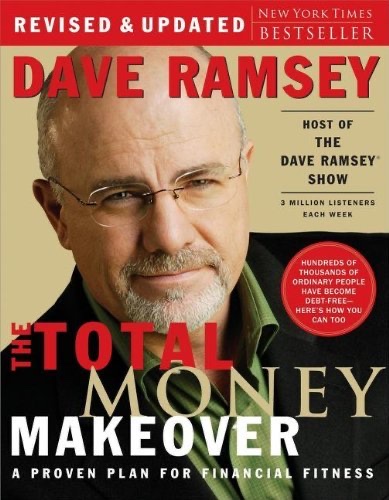 The Total Money Makeover: A Proven Plan for Financial Fitness
 Shopaholic and Sister
 Everything's Eventual
 The Snowball: Warren Buffett and the Business of Life
 To Sell is Human: The Surprising Truth About Moving Others
 Generation X: Tales for an Accelerated Culture
 Little Victories: Perfect Rules for Imperfect Living
 Lillian Boxfish Takes a Walk
 The Art of Spending Money: Simple Choices for a Richer Life
 The Everything Store: Jeff Bezos and the Age of Amazon
 Decluttering at the Speed of Life: Winning Your Never-Ending Battle with Stuff
 Friday
 Secrets of Jewish Wealth Revealed!
 Hocus Pocus
 The Door Into Summer
 The Big Over Easy
 No Impact Man
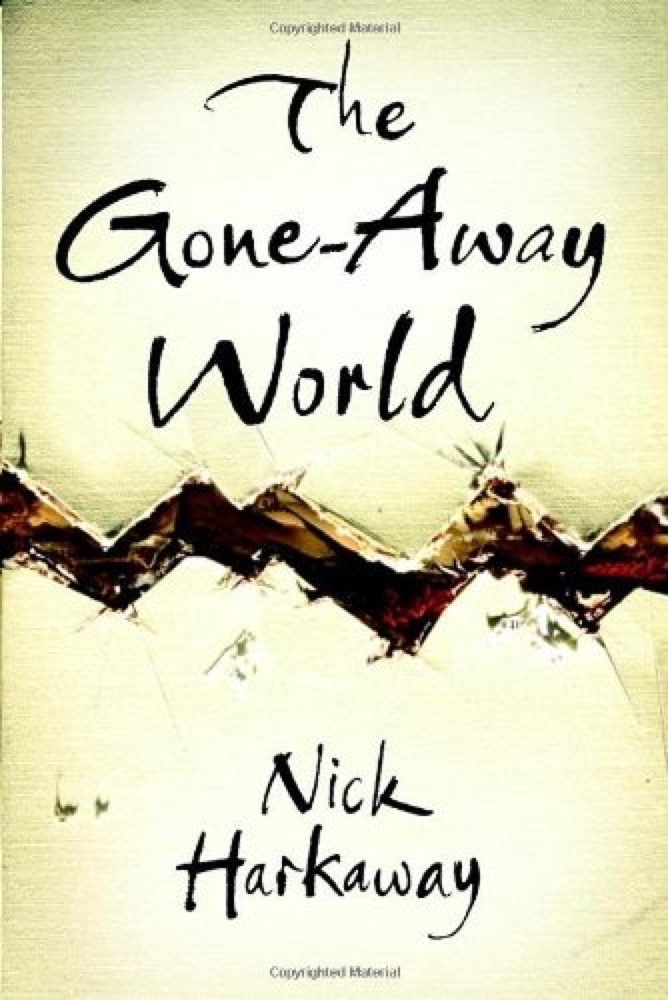 The Gone-Away World
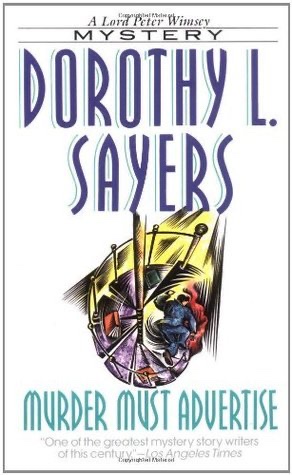 Murder Must Advertise
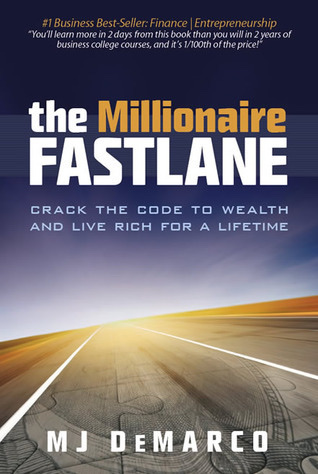 The Millionaire Fastlane: Crack the Code to Wealth and Live Rich for a Lifetime!
 Counterfeit
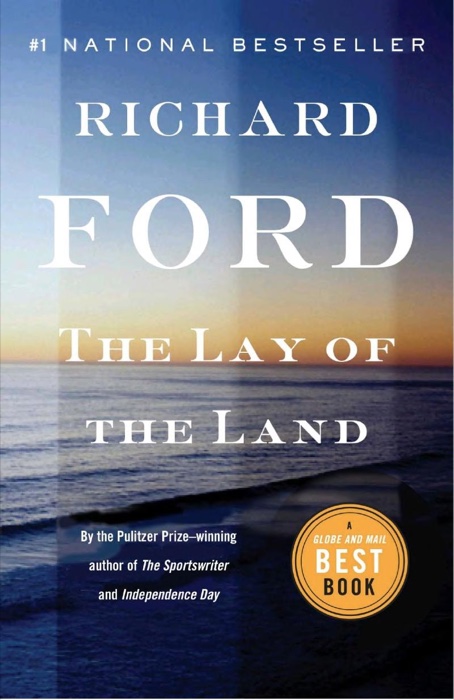 The Lay of the Land
 The Ghost
 Dig
Dig
 Queen of Babble
 The Gun Seller