
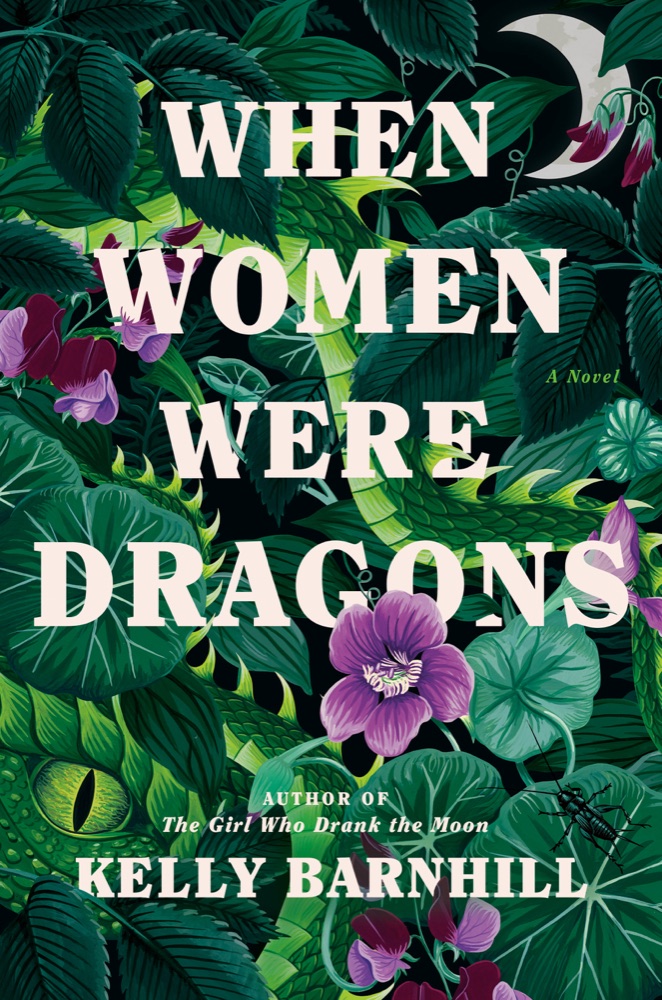
 When Women Were Dragons
Quotes from the Book
those who forget the past are condemned to repeat it
12
But then, not long after, in another article, Loftus writes, "We live in a strange and precarious time that resembles at its heart the hysteria and superstitious fervor of the witch trials." She took rifle lessons and to this day keeps the firing instruction sheets and targets posted above her desk. In 1996, when Psychology Today interviewed her, she burst into tears twice within the first twenty minutes, labile, lubricated, theatrical, still whip smart, talking about the blurry boundaries between fact and fiction while she herself lived in another blurry boundary, between conviction and compulsion, passion and hyperbole. "The witch hunts," she said, but the analogy is wrong, and provides us with perhaps a more accurate window into Loftus's stretched psyche than into our own times, for the witch hunts were predicated on utter nonsense, and the abuse scandals were predicated on something all too real, which Loftus seemed to forget: Women are abused. Memories do matter. Talking to her, feeling her high-flying energy the zeal that burns up the center of her life, you have to wonder, why. You are forced to ask the very kind of question Loftus most abhors: did something bad happen to her? For she herself seems driven by dissociated demons, and so I ask. What happened to you? Turns out, a lot. (refers to Dr. Elizabeth F. Loftus)
6
Loftus grew up with a cold father who taught her nothing about love but everything about angles. A mathematician, he showed her the beauty of the triangle's strong tip, the circumference of the circle, the rigorous mission of calculus. Her mother was softer, more dramatic, prone to deep depressions. Loftus tells all this to me with little feeling "I have no feelings about this right now," she says, "but when I'm in the right space I could cry." I somehow don't believe her; she seems so far from real tears, from the original griefs, so immersed in the immersed in the operas of others. Loftus recalls her father asking her out to see a play, and in the car, coming home at night, the moon hanging above them like a stopwatch, tick tick, her father saying to her, "You know, there's something wrong with your mother. She'll never be well again. Her father was right. When Loftus was fourteen, her mother drowned in the family swimming pool. She was found floating face down in the deep end, in the summer. The sun was just coming up, the sky a mess of reds and bruise. Loftus recalls the shock, the siren, an oxygen mask clamped over her mouth as she screamed, "Mother mother mother," hysteria. That is a kind of drowning. "I loved her," Loftus says. "Was it suicide?" I ask. She says, "My father thinks so. Every year when I go home for Christmas, my brothers and I think about it, but we'll never know," she says. Then she says, "It doesn't matter." "What doesn't matter?" I ask. "Whether it was or it wasn't," she says. "It doesn't matter because it's all going to be okay." Then I hear nothing on the line but some static. on the line but some static. "You there?" I say. "Oh I'm here," she says. "Tomorrow I'm going to Chicago, some guy on death row, I'm gonna save him. I gotta go testify. Thank God I have my work," she says. "You've always had your work," I say. "Without it," she says, "Where would I be?
5
Well before she became famous — or infamous, depending on where you cast your vote — Loftus's findings on memory distortion were clearly commodifiable. In the 1970s and 1980s she provided assistance to defense attorneys eager to prove to juries that eyewitness accounts are not the same as camcorders. "I've helped a lot of people," she says. Some of those people: the Hillside Strangler, the Menendez brothers, Oliver North, Ted Bundy. "Ted Bundy?" I ask, when she tells this to me. Loftus laughs. "This was before we knew he was Bundy. He hadn't been accused of murder yet." "How can you be so confident the people you're representing are really innocent?" I ask. She doesn't directly answer. She says, "In court, I go by the evidence.... Outside of court, I'm human and entitled to my human feelings. "What, I wonder are her human feelings about the letter from a child-abuse survivor who wrote, "Let me tell you what false memory syndrome does to people like me, as if you care. It makes us into liars. False memory syndrome is so much more chic than child abuse.... But there are children who tonight while you sleep are being raped, and beaten. These children may never tell because 'no one will believe them.'" "Plenty of "Plenty of people will believe them," says Loftus. Pshaw! She has a raucous laugh and a voice with a bit of wheedle in it. She is strange, I think, a little loose inside. She veers between the professional and the personal with an alarming alacrity," she could easily have been talking about herself.
3
All it takes is the right training, and we step out, over the boundaries of our bodies and their limitations.
1
Watch on YouTube
About Lauren Slater
We have collected 5 quotes from 1 book by Lauren Slater on BookQuoters.
More about the author →About the book
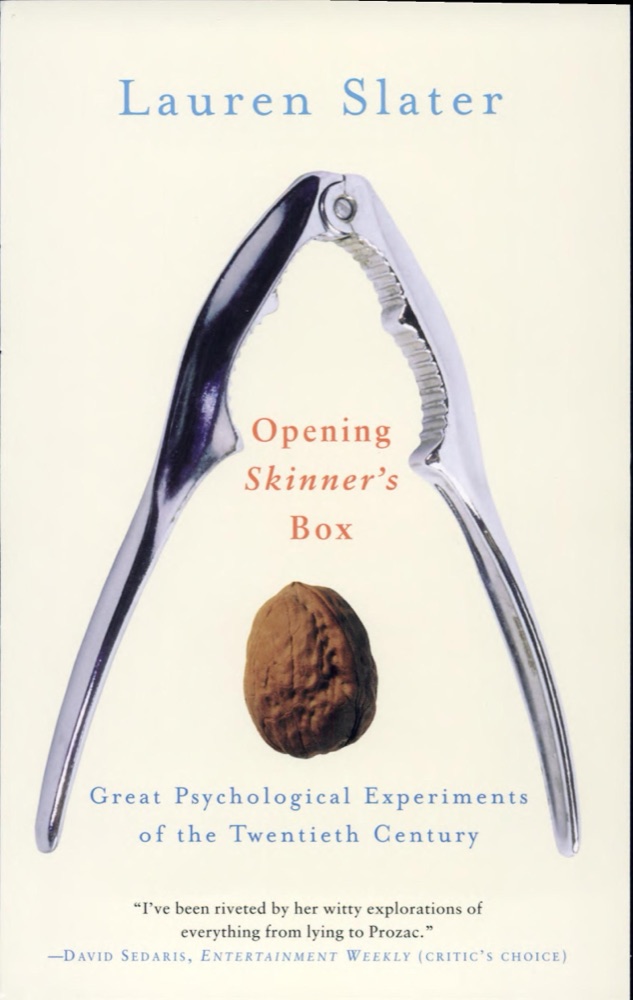
Beginning with B. F. Skinner and the legend of a child raised in a box, Slater takes us from a deep empathy with Stanley Milgram's obedience subjects to a funny and disturbing re-creation of an experiment questioning the validity of psychiatric diagnosis. Previously described only in academic journals and textbooks, these often daring experiments have never before been narrated as stories, chock-full of plot, wit, personality, and theme.
Book details
- First published
- 2004
- Author
- Lauren Slater
- Genre
- Nonfiction
- Goodreads rating
- 3.89 (4k ratings)
Keep reading
When Women Were Dragons
 The Hidden Girl and Other Stories
 Bright Young Women
 Shame
Shame
 All Is Not Forgotten
 The Many Daughters of Afong Moy
 Bluebeard's Egg
 The Trauma Cleaner: One Woman's Extraordinary Life in the Business of Death, Decay, and Disaster
 In the Dream House
 The Saturday Night Ghost Club
 I Have Some Questions for You
 Thrust
 Alias Grace
 God Help the Child
 The Candy House
 The Tsar of Love and Techno
 Little Monsters
 The Shock of the Fall
 Brief Interviews with Hideous Men
 Past Imperfect
 Imagine Me Gone
 Conviction
 Special Topics in Calamity Physics
 The Story of the Lost Child
 I Am, I Am, I Am: Seventeen Brushes with Death
 The Likeness
 American Pastoral
 The Glass Hotel
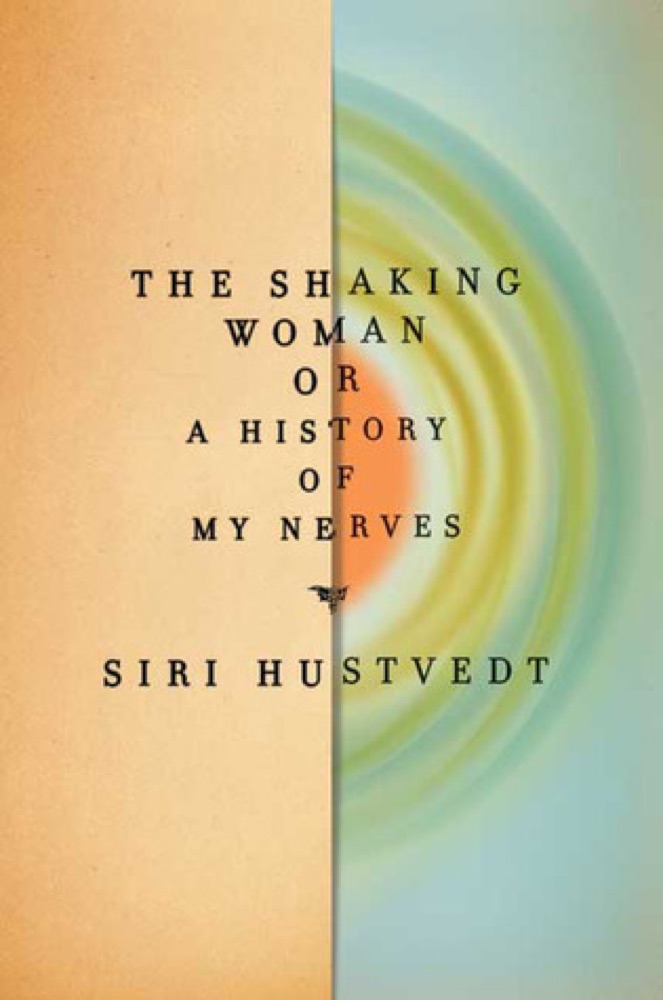 The Shaking Woman, or A History of My Nerves
 Old Babes in the Wood: Stories
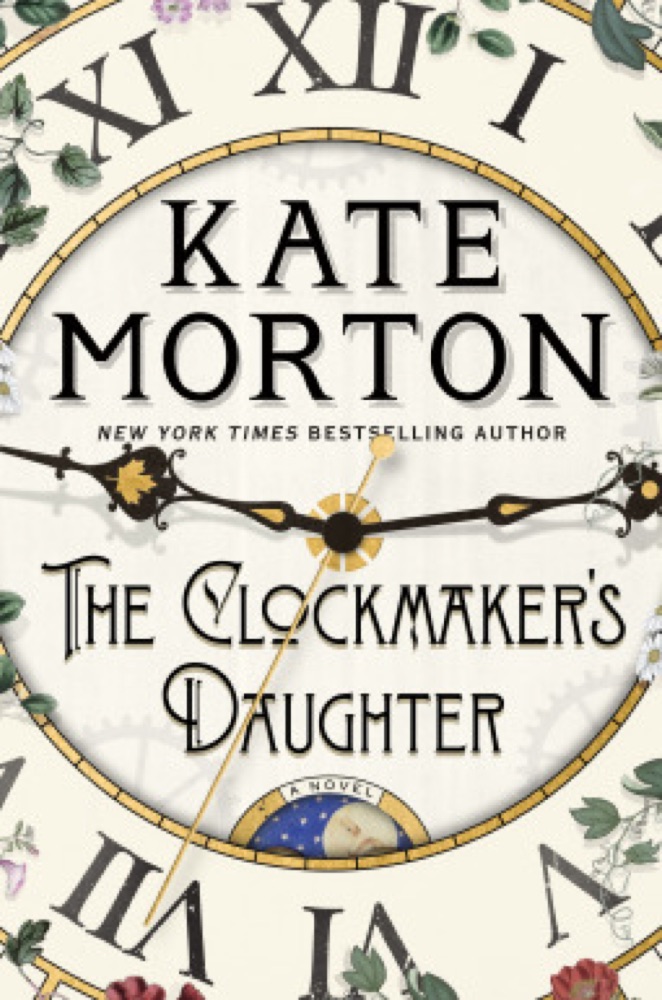 The Clockmaker's Daughter
 The Story of a New Name
 An Anthropologist on Mars
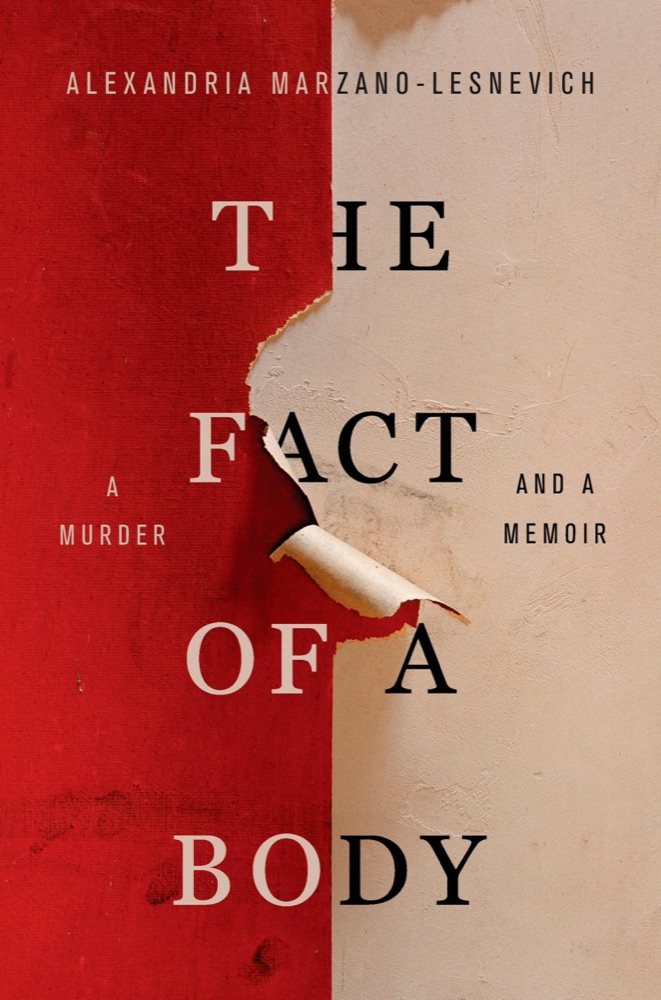 The Fact of a Body: A Murder and a Memoir
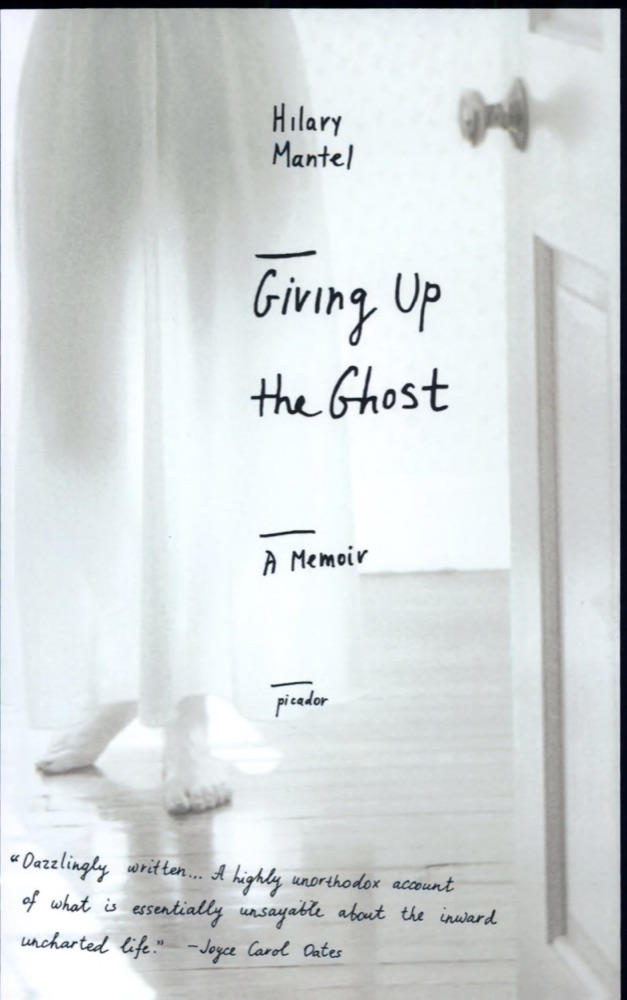 Giving Up the Ghost
 The Manticore
 The Sweet Taste of Muscadines
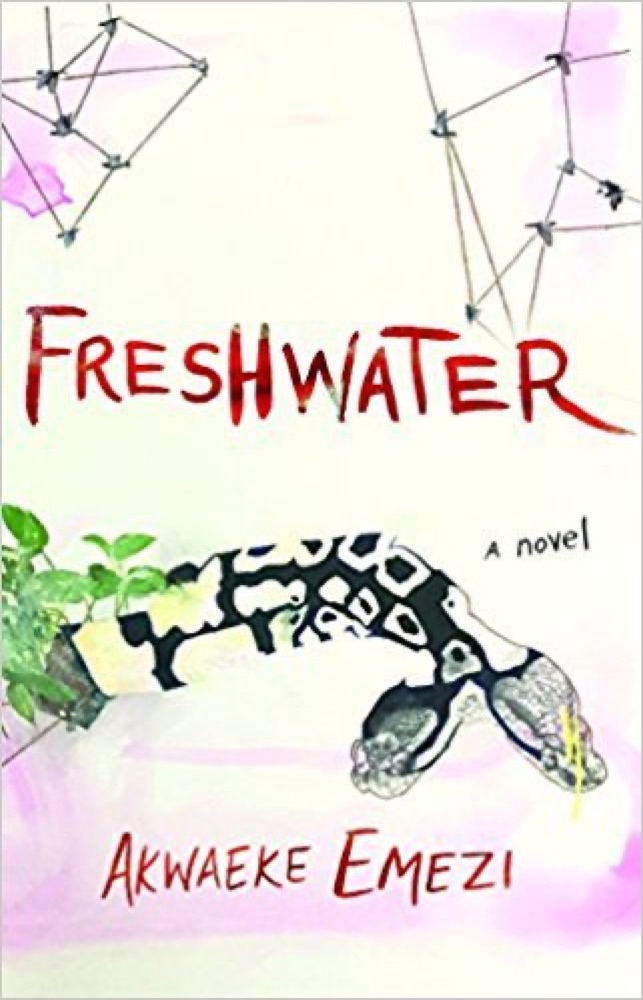 Freshwater
 No One Is Talking About This
 Hold Still: A Memoir with Photographs
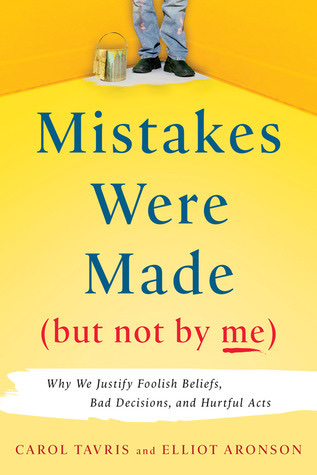 Mistakes Were Made (But Not by Me): Why We Justify Foolish Beliefs, Bad Decisions, and Hurtful Acts
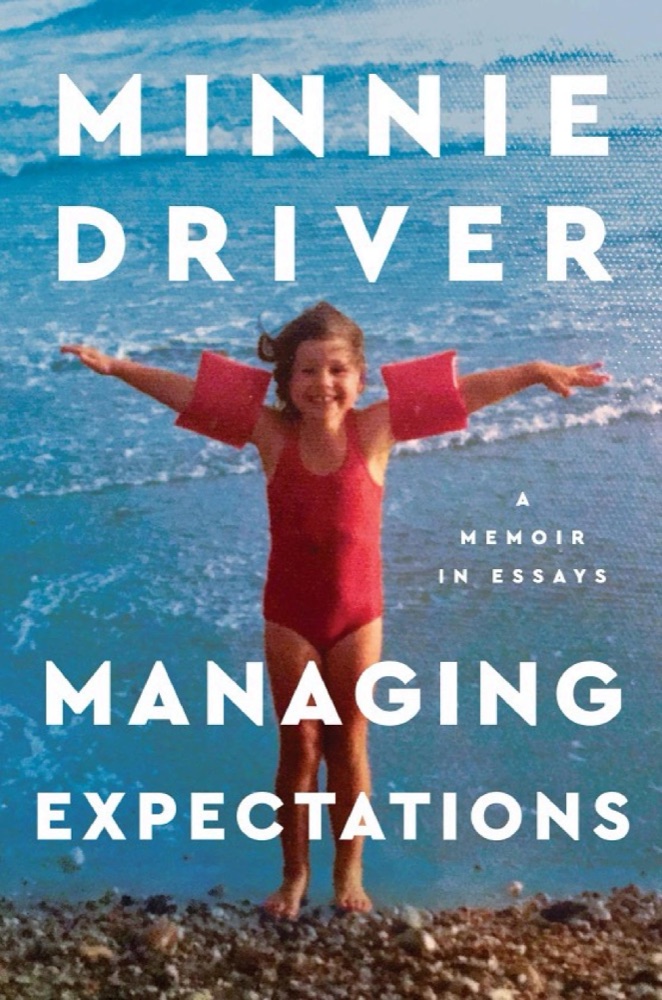 Managing Expectations: A Memoir in Essays – A Poignant Collection of Personal Stories on Acting, Failure, and Motherhood's Joy
 Inheritance: A Memoir of Genealogy, Paternity, and Love
 Trust
Trust
 Parade
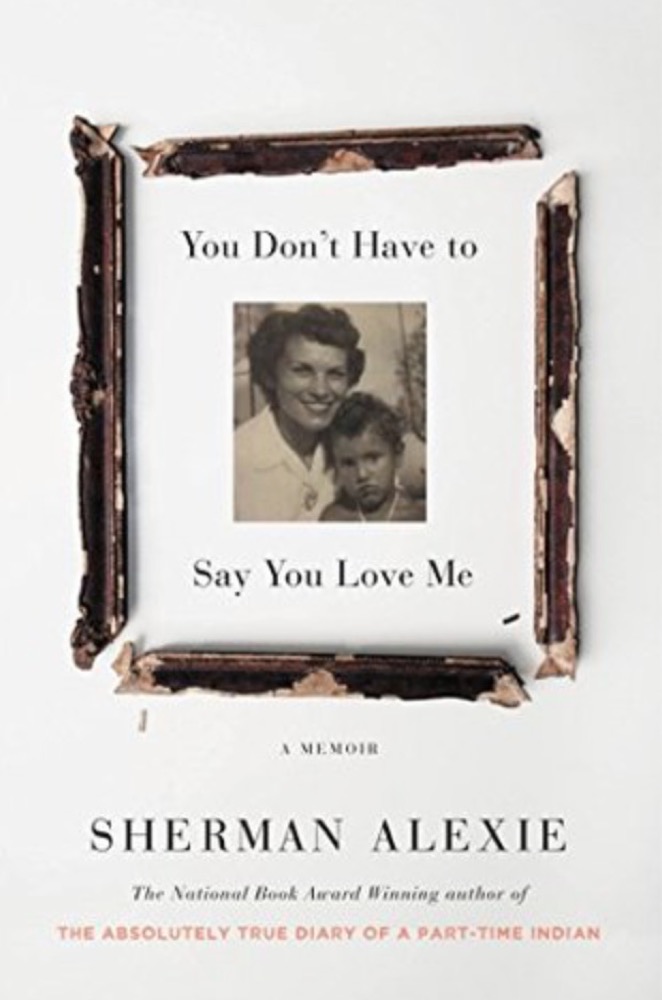 You Don't Have to Say You Love Me
 Sickened: The Memoir of a Munchausen by Proxy Childhood
 Tress of the Emerald Sea
 The Ground Beneath Her Feet
 Gerald's Game
 The Office of Historical Corrections
 Varina
 False Memory
 Haunted
 Good Morning, Monster: A Therapist Shares Five Heroic Stories of Emotional Recovery
 Warlight
 Robicheaux
 Falling Man
 Gnomon
 The Fall of Babel