
 The Handmaid's Tale
Quotes from the Book
If he wants to be an asshole, it's a free country. Millions before him have made the same life choice.
He doesn't know which is worse, a past he can't regain or a present that will destroy him if he looks at it too clearly. Then there's the future. Sheer vertigo.
They spent the first three years of school getting you to pretend stuff and then the rest of it marking you down if you did the same thing.
Nature is to zoos as God is to churches.
After everything that's happened, how can the world still be so beautiful? Because it is.
All it takes,” said Crake, “is the elimination of one generation. One generation of anything. Beetles, trees, microbes, scientists, speakers of French, whatever. Break the link in time between one generation and the next, and it’s game over forever.
Immortality,' said Crake, ' is a concept. If you take 'mortality' as being, not death, but the foreknowledge of it and the fear of it, then 'immortality' is the absence of such fear. Babies are immortal. Edit out the fear, and you'll be...
We understand more than we know.
There's something to be said for hunger: at least it lets you know you're still alive.
These things sneak up on him for no reason, these flashes of irrational happiness. It's probably a vitamin deficiency.
When any civilization is dust and ashes," he said, "art is all that's left over. Images, words, music. Imaginative structures. Meaning—human meaning, that is—is defined by them. You have to admit that.
The male frog in mating season," said Crake, "makes as much noise as it can. The females are attracted to the male frog with the biggest, deepest voice because it suggests a more powerful frog, one with superior genes. Small male frogs—it's been documented—discover if they position themselves in empty drainpipes, the pipe acts as a voice amplifier and the small frog appears much larger than it really is." So?" So that's what art is for the artist, an empty drainpipe. An amplifier. A stab at getting laid.
Toast was a pointless invention from the Dark Ages. Toast was an implement of torture that caused all those subjected to it to regurgitate in verbal form the sins and crimes of their past lives. Toast was a ritual item devoured by fetishists in the belief that it would enhance their kinetic and sexual powers. Toast cannot be explained by any rational means. Toast is me. I am toast.
When they're gone out of his head, these words, they'll be gone, everywhere, forever. As if they had never been.
So this was the rest of his life. It felt like a party to which he'd been invited, but at an address he couldn't actually locate. Someone must be having fun at it, this life of his; only, right at the moment, it wasn't him.
...how much needless despair has been caused by a series of biological mismatches, a misalignment of the hormones and pheromones? Resulting in the fact that the one you love so passionately won't or can't love you. As a species we're pathetic that way: imperfectly monogamous.
EXTINCTATHON, Monitored by MaddAddam. Adam named the living animals, MaddAddam names the dead ones. Do you want to play?
You can’t buy it, but it has a price,” said Oryx. “Everything has a price.
Men can imagine their own deaths, they can see them coming, and the mere though of impending death acts like an aphrodisiac. A dog or rabbit doesn't behave like that. Take birds -- in a lean season they cut down on the eggs, or they won't mate at all. They put their energy into staying alive themselves until times get better. But human beings hope they can stick their souls into someone else, some new version of themselves, and live on forever. As a species were doomed by hope, then? You could call it hope. That, or desperation. But we're doomed without hope, as well, said Jimmy. Only as individuals, said Crake cheerfully.
Falling in love, although it resulted in altered body chemistry and was therefore real, was a hormonally induced delusional state, according to him. In addition it was humiliating, because it put you at a disadvantage, it gave the love object too much power. As for sex per se, it lacked both challenge and novelty, and was on the whole a deeply imperfect solution to the problem of intergenerational genetic transfer.
He has to find more and better ways of occupying his time. His time, what a bankrupt idea, as if he's been given a box of time belonging to him alone, stuffed to the brim with hours and minutes that he can spend like money. Trouble is, the box has holes in it and the time is running out, no matter what he does with it.
I am not my childhood,' Snowman says out loud.
Jimmy, look at it realistically. You can't couple a minimum access to food with an expanding population indefinitely. Homo sapiens doesn't seem to be able to cut himself off at the supply end. He's one of the few species that doesn't limit reproduction in the face of dwindling resources. In other words - and up to a point, of course - the less we eat, the more we fuck." "How to do you account for that?" said Jimmy "Imagination," said Crake. "Men can imagine their own deaths...human beings hope they can stick their souls into someone else...and live on forever.
I'll make you mine, lovers said in old books. They never said, I'll make you me.
Why is it he feels some line has been crossed, some boundary transgressed? How much is too much, how far is too far?
When did the body first set out on its own adventures? Snowman thinks; after having ditched its old travelling companions, the mind and the soul, for whom it had once been considered a mere corrupt vessel or else a puppet acting out their dramas for them, or else bad company, leading the other two astray. it must have got tired of the soul’s constant nagging and whining and the anxiety-driven intellectual web-spinning of the mind, distracting it whenever it was getting its teeth into something juicy or its fingers into something good. It had dumped the other two back there somewhere, leaving them stranded in some damp sanctuary or stuffy lecture hall while it made a beeline for the topless bars, and it had dumped culture along with them: music and painting and poetry and plays. Sublimation, all of it; nothing but sublimation, according to the body. Why not cut to the chase? But the body had its own cultural forms. It had its own art. Executions were its tragedies, pornography was its romance.
Anyway, maybe there weren't any solutions. Human society, corpses and rubble. It never learned, it made the same cretinous mistakes over and over, trading short-term gain for long-term pain.
expectation isn't the same as desire
She had no images of this love. She could offer no anecdotes. It was a belief rather than a memory.
So Crake never remembered his dreams. It's Snowman that remembers them instead. Worse than remembers: he's immersed in them, he'd wading through them, he's stuck in them. Every moment he's lived in the past few months was dreamed first by Crake. No wonder Crake screamed so much.
Did you know?
- It is the first book in Margaret Atwood's MaddAddam trilogy.
- Atwood described the book as speculative fiction rather than science fiction, arguing it extrapolates from things that already exist.
- The engineered plague in the novel is spread through a drug marketed as BlyssPluss.
- The gentle humanoid beings created by Crake are known as the Crakers, or Children of Crake.
- In 2019 the BBC listed it among the 100 most influential novels.
About Margaret Atwood
Margaret Atwood is a Canadian poet, novelist, and critic, widely regarded as one of the most important contemporary writers in English. She is best known for speculative works such as "The Handmaid's Tale," and her fiction frequently explores gender, power, and environmental and technological anxieties.
More about the author →More by Margaret Atwood
All books by Margaret Atwood →
About the book
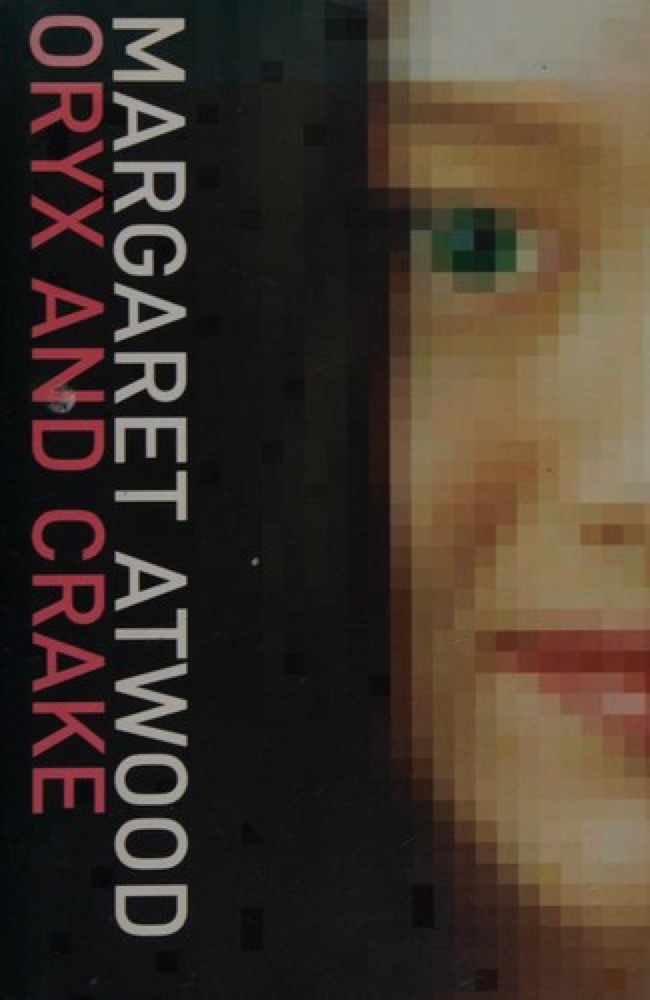
"Oryx and Crake" is a speculative dystopian novel by Margaret Atwood, first published in 2003. It follows a man who calls himself Snowman, apparently one of the last humans alive after a global catastrophe, as he shelters near a group of gentle, genetically engineered humanoids known as the Crakers. Through interwoven flashbacks, the novel reconstructs Snowman's earlier life as Jimmy, his friendship with the brilliant and detached scientist Crake, and their shared connection to the mysterious woman Oryx, gradually revealing how corporate-driven genetic engineering and a deliberately engineered plague brought about the collapse of civilization.
At its core the book is a meditation on the dangers of unchecked biotechnology, corporate power, and environmental degradation. Atwood, who preferred to describe her work as speculative rather than science fiction, extrapolates from real scientific and social trends to imagine a near future in which gene-splicing, consumerism, and the erosion of ethical limits combine catastrophically. Themes of bioethics, human hubris, memory, loss, and what it means to be human run throughout, framed by the strange innocence of the Crakers whom Snowman is left to guide.
The novel was shortlisted for the 2003 Man Booker Prize and the 2004 Orange Prize for Fiction, and it became one of Atwood's most discussed works, helping to cement her reputation as a leading voice in dystopian literature. It opens the MaddAddam trilogy, continued in "The Year of the Flood" (2009) and "MaddAddam" (2013), which revisit the same collapse from other characters' perspectives. In 2019 the BBC named it among the 100 most influential novels.
Key characters
- Snowman (Jimmy)The protagonist and narrator, a lone survivor recalling the world before its collapse
- Crake (Glenn)Jimmy's brilliant childhood friend, a geneticist responsible for the catastrophe
- OryxA mysterious woman loved by both Jimmy and Crake, who teaches the Crakers
- The CrakersPeaceful, genetically engineered humanoids Snowman is left to look after
- SharonJimmy's mother, who abandons the family
Book details
- First published
- 2003
- Length
- 376 pages
- Reading time
- 6 hours
- Author
- Margaret Atwood
- Genre
- Fiction
- Goodreads rating
- 4.00 (293k ratings) →
- First line
- “Snowman wakes before dawn.”
Series & reading order
- 1 Oryx and Crake
- 2 The Year of the Flood
- 3 MaddAddam
If you liked this, read…
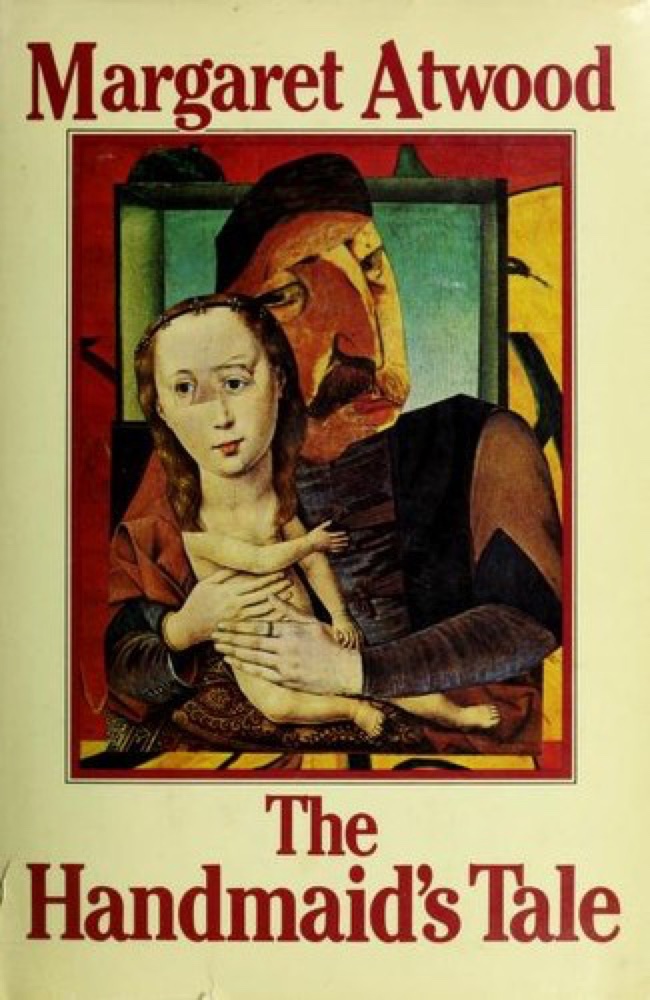
- 1The Handmaid's TaleAtwood's other landmark dystopia exploring a collapsed near-future society
- 2Never Let Me GoA literary novel confronting bioethics and engineered human life
- 3Station ElevenA post-pandemic story about survival and what culture endures
Keep reading
 The Stone Gods
 The Gone-Away World
 The Bone Clocks
 Blindsight
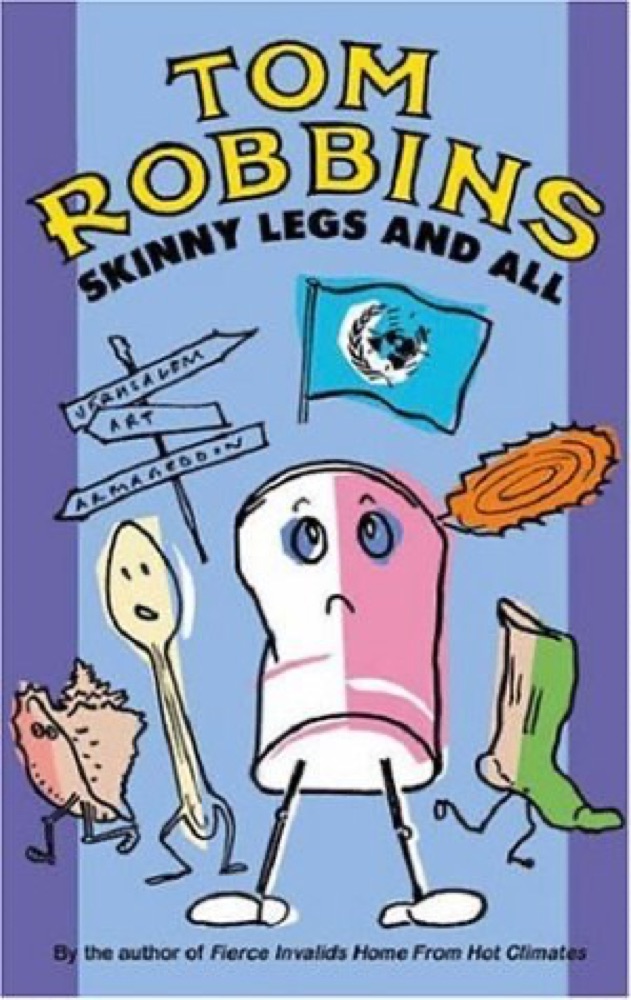 Skinny Legs and All
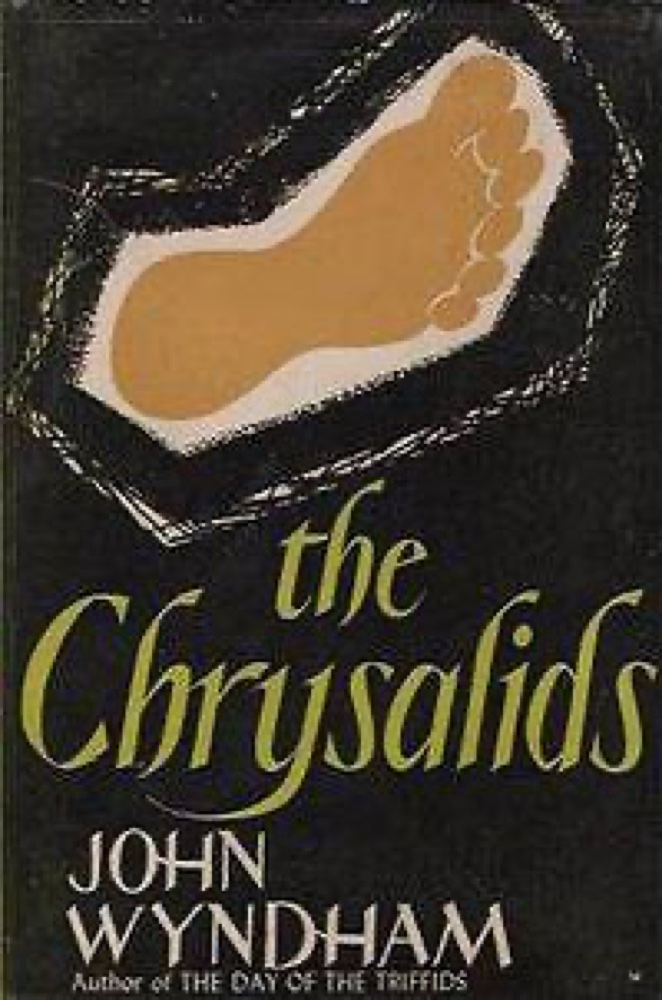 The Chrysalids
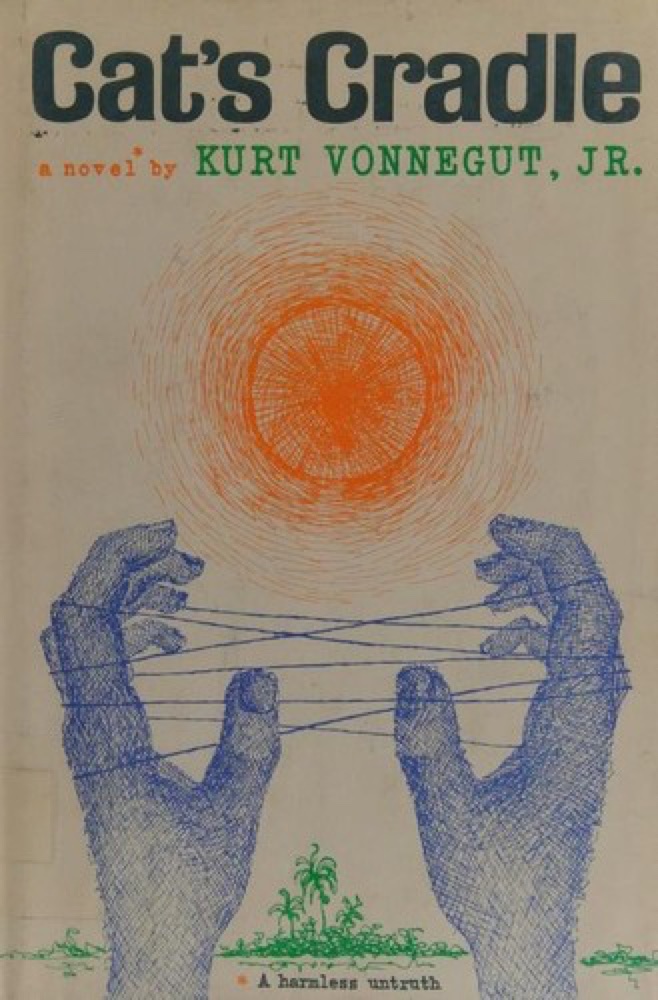 Cat's Cradle
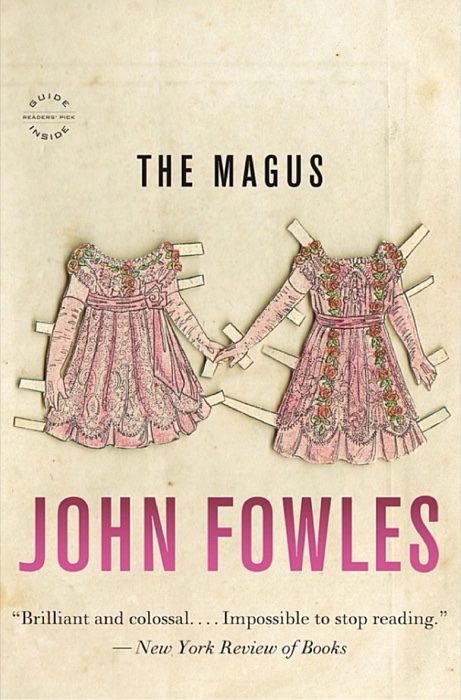 The Magus
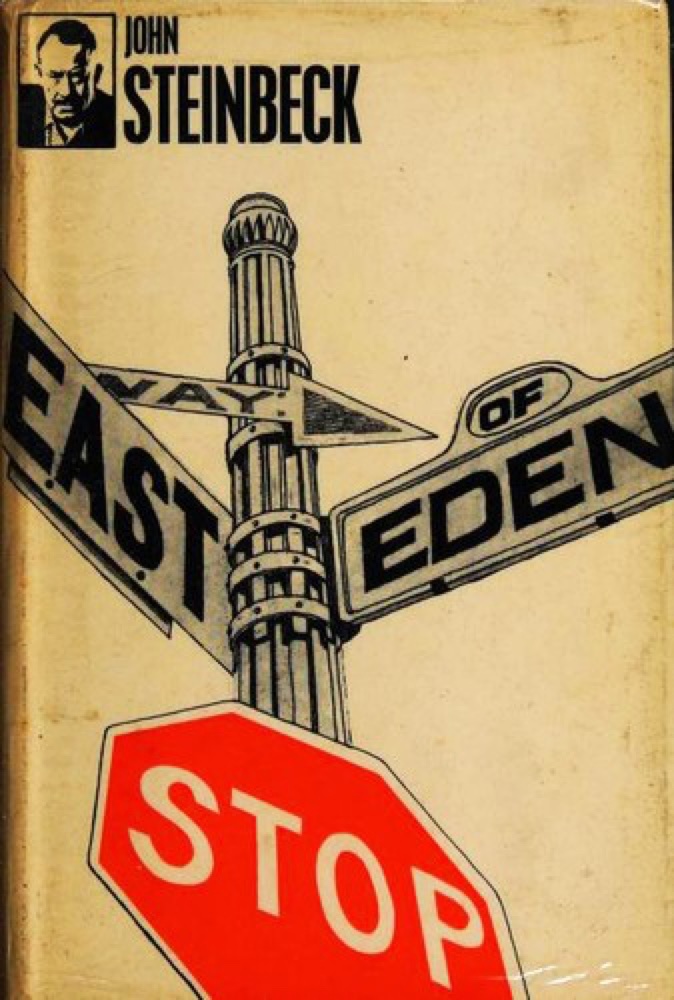 East of Eden
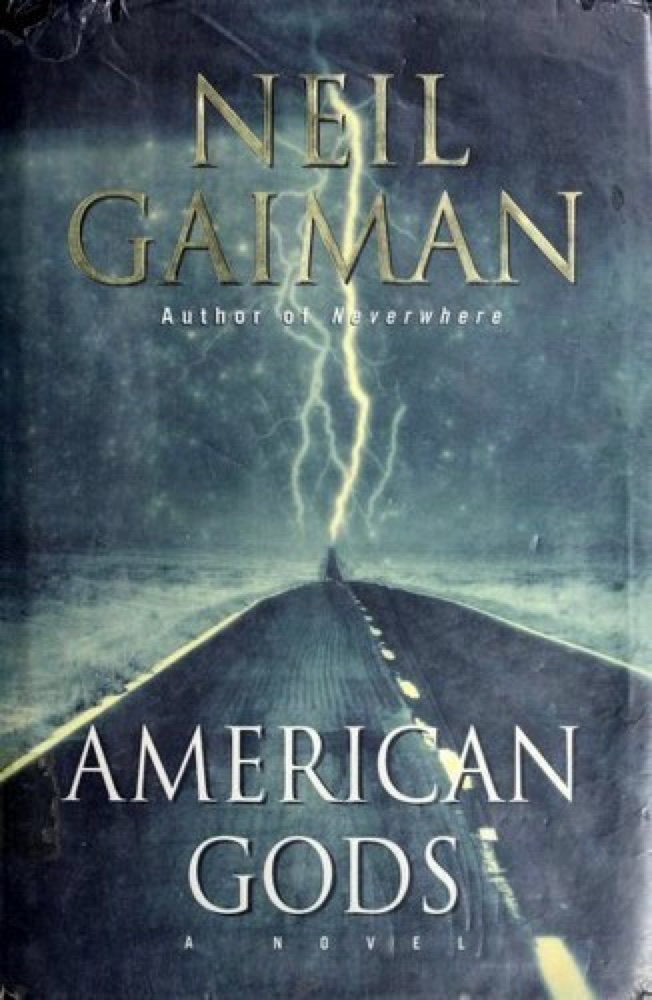 American Gods
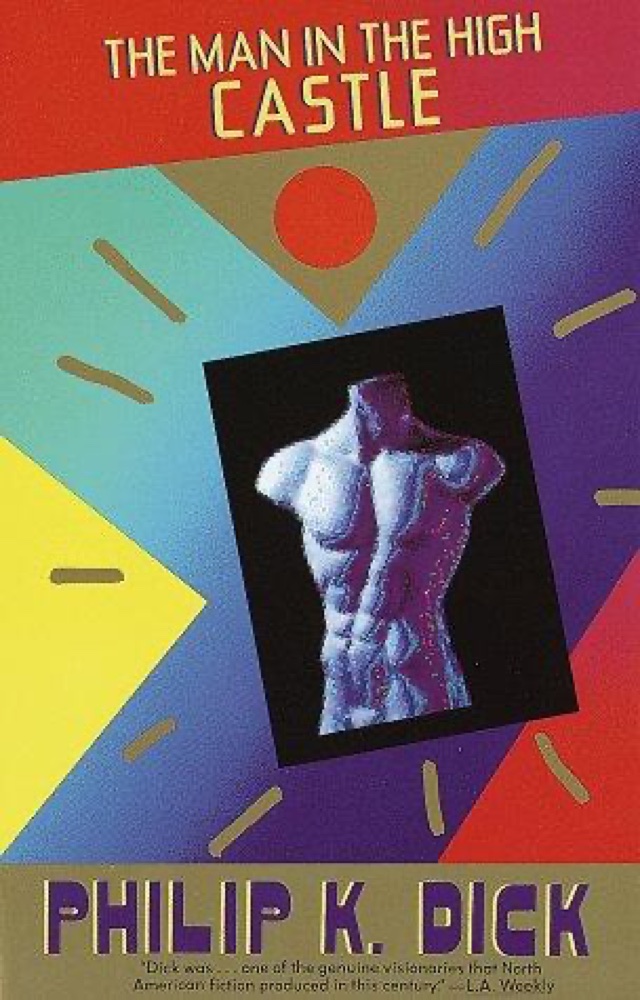 The Man in the High Castle
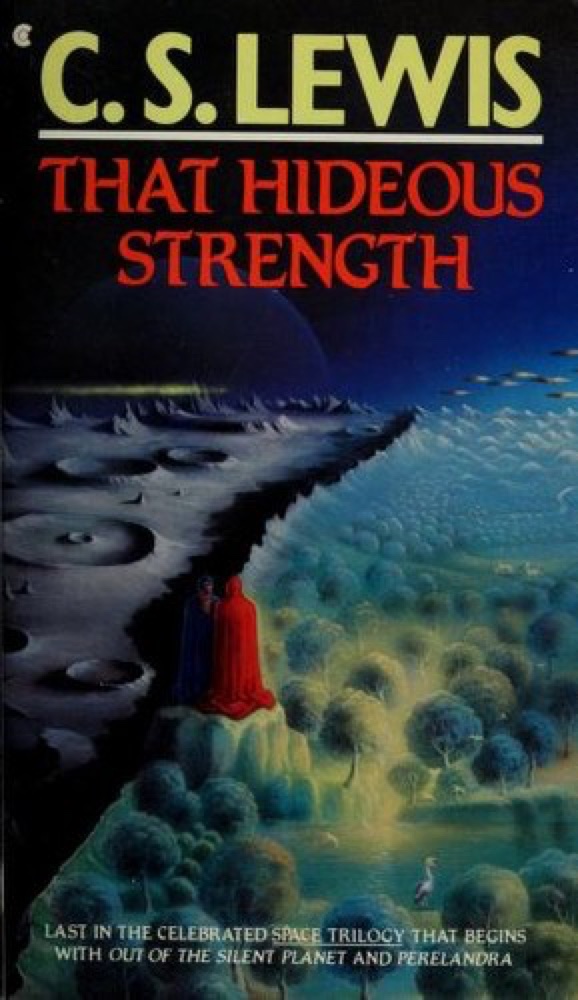 That Hideous Strength
 Rabbit Redux
 Henderson the Rain King
 Nutshell
 Do Androids Dream of Electric Sheep?
 Lady Chatterley's Lover
 Watchmen
 The Golden Compass
 The Snowman
 Sometimes a Great Notion
 More Than Human
 All the King's Men
 Point Counter Point
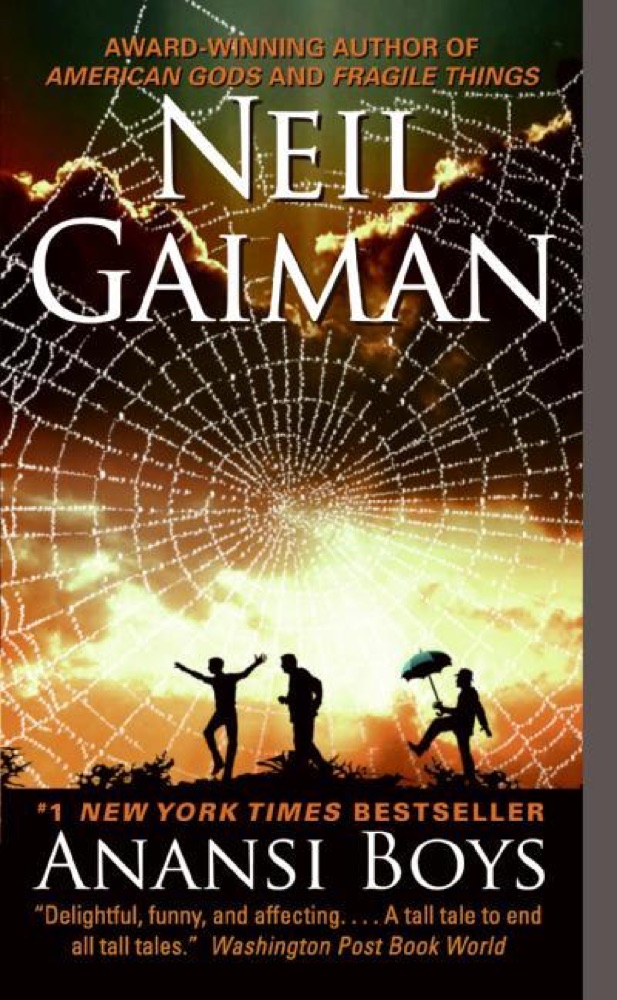 Anansi Boys
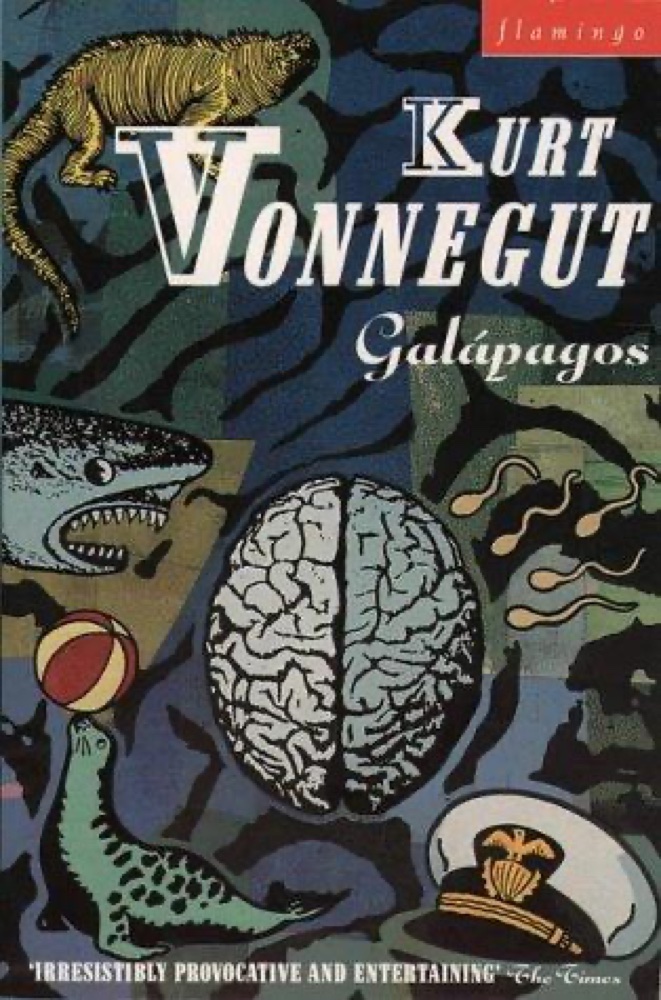 Galápagos
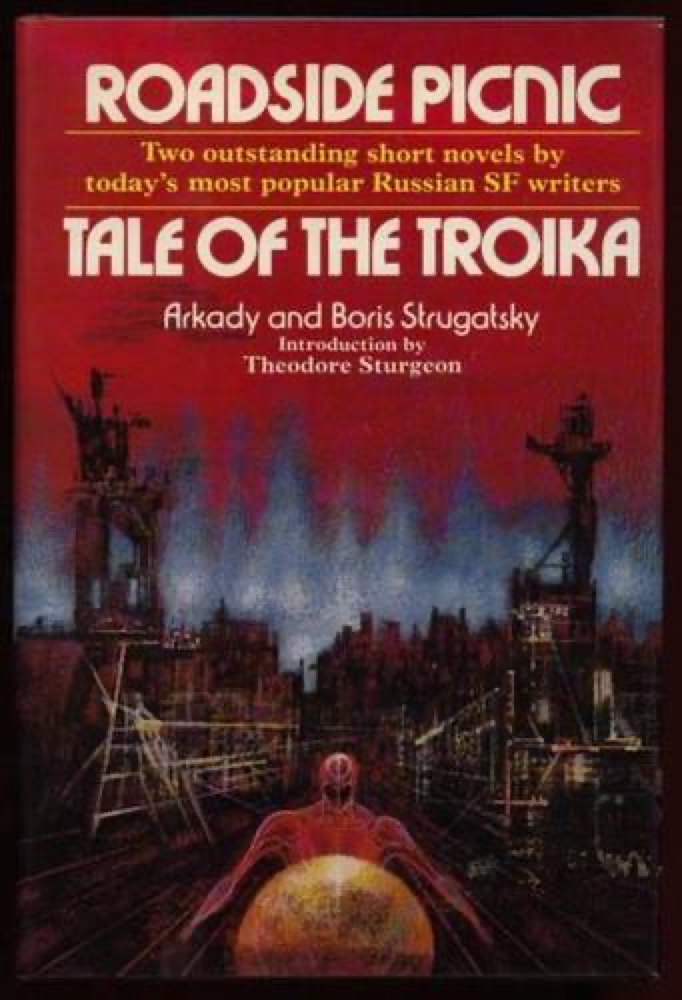 Roadside Picnic
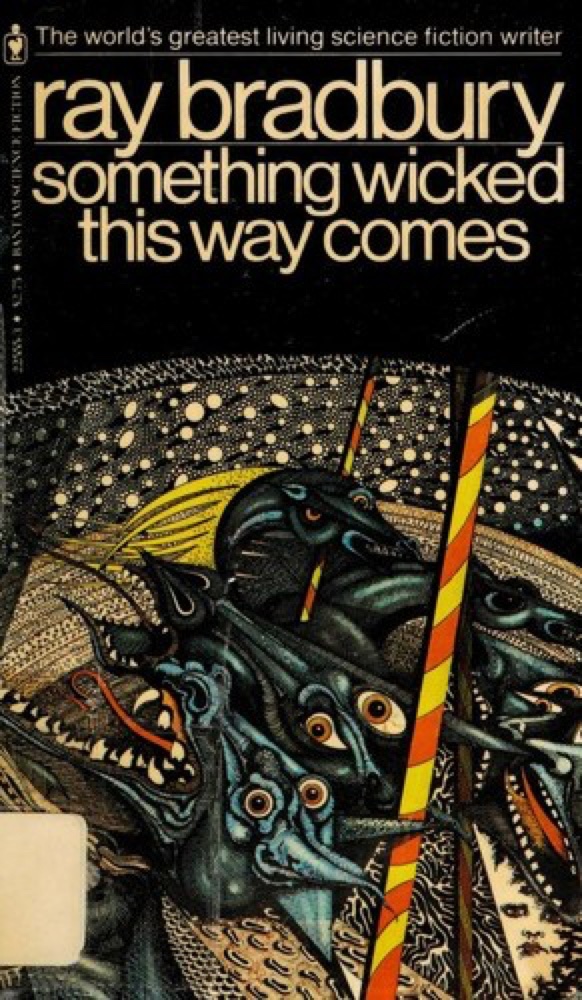 Something Wicked This Way Comes
 Sweet Thursday
 Birds Without Wings
 A Single Man
 Out of Oz
 Cities of the Plain
 Wolf Hall
 Xenocide
 The Gum Thief
 Flight Behavior
 Dreams and Shadows
 The Fall
 Pyramids
 Orient
 The Dark Forest
 Pet Sematary
 The Elementary Particles
 Hard-Boiled Wonderland and the End of the World
 Rot & Ruin
 Dead Astronauts
 The Human Stain
 The Empusium
 The Blind Assassin
 Still Life with Woodpecker
 A Fraction of the Whole
 Arm of the Sphinx
 The Fifth Season
 The Wars
 Perfect
 Shutter Island
 The Broken Eye
 Sexing the Cherry