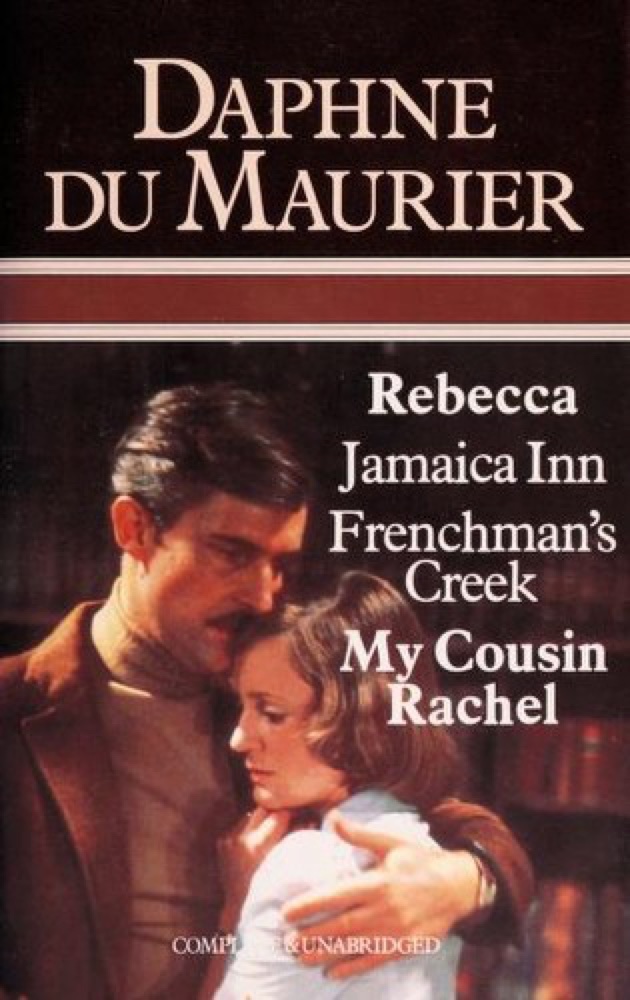
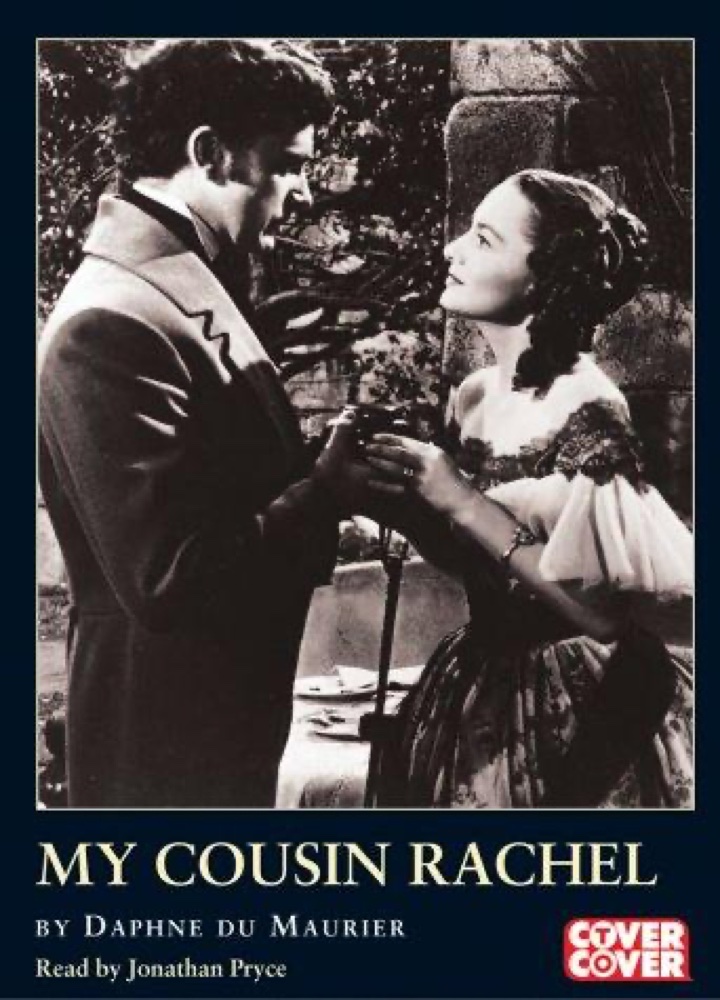
 My Cousin Rachel
Quotes from the Book
Last night I dreamt I went to Manderley again.
If only there could be an invention that bottled up a memory, like scent. And it never faded, and it never got stale. And then, when one wanted it, the bottle could be uncorked, and it would be like living the moment all over again.
Happiness is not a possession to be prized, it is a quality of thought, a state of mind.
I am glad it cannot happen twice, the fever of first love. For it is a fever, and a burden, too, whatever the poets may say.
I wish I was a woman of about thirty-six dressed in black satin with a string of pearls.
I suppose sooner or later in the life of everyone comes a moment of trial. We all of us have our particular devil who rides us and torments us, and we must give battle in the end.
I wondered how many people there were in the world who suffered, and continued to suffer, because they could not break out from their own web of shyness and reserve, and in their blindness and folly built up a great distorted wall in front of them that hid the truth.
Men are simpler than you imagine my sweet child. But what goes on in the twisted, tortuous minds of women would baffle anyone.
We can never go back again, that much is certain. The past is still close to us. The things we have tried to forget and put behind us would stir again, and that sense of fear, of furtive unrest, struggling at length to blind unreasoning panic - now mercifully stilled, thank God - might in some manner unforeseen become a living companion as it had before.
I wanted to go on sitting there, not talking, not listening to the others, keeping the moment precious for all time, because we were peaceful all of us, we were content and drowsy even as the bee who droned above our heads. In a little while it would be different, there would come tomorrow, and the next day and another year. And we would be changed perhaps, never sitting quite like this again. Some of us would go away, or suffer, or die, the future stretched away in front of us, unknown, unseen, not perhaps what we wanted, not what we planned. This moment was safe though, this could not be touched. Here we sat together, Maxim and I, hand-in-hand, and the past and the future mattered not at all. This was secure, this funny little fragment of time he would never remember, never think about again…For them it was just after lunch, quarter-past-three on a haphazard afternoon, like any hour, like any day. They did not want to hold it close, imprisoned and secure, as I did. They were not afraid.
Either you go to America with Mrs. Van Hopper or you come home to Manderley with me." "Do you mean you want a secretary or something?" "No, I'm asking you to marry me, you little fool.
The road to Manderley lay ahead. There was no moon. The sky above our heads was inky black. But the sky on the horizon was not dark at all. It was shot with crimson, like a splash of blood. And the ashes blew towards us with the salt wind from the sea.
We're not meant for happiness, you and I.
I am glad it cannot happen twice, the fever of first love. For it is a fever, and a burden, too, whatever the poets may say. They are not brave, the days when we are twenty-one. They are full of little cowardices, little fears without foundation, and one is so easily bruised, so swiftly wounded, one falls to the first barbed word. To-day, wrapped in the complacent armour of approaching middle age, the infinitesimal pricks of day by day brush one but lightly and are soon forgotten, but then--how a careless word would linger, becoming a fiery stigma, and how a look, a glance over a shoulder, branded themselves as things eternal. A denial heralded the thrice crowing of a cock, and an insincerity was like the kiss of Judas. The adult mind can lie with untroubled conscience and a gay composure, but in those days even a small deception scoured the tongue, lashing one against the stake itself.
I wondered why it was that places are so much lovelier when one is alone.
I believe there is a theory that men and women emerge finer and stronger after suffering, and that to advance in this or any world we must endure ordeal by fire.
I wondered why it was that places are so much lovelier when one is alone. How commonplace and stupid it would be if I had a friend now, sitting beside me, someone I had known at school, who would say: “By-the-way, I saw old Hilda the other day. You remember her, the one who was so good at tennis. She’s married, with two children.” And the bluebells beside us unnoticed, and the pigeons overhead unheard. I did not want anyone with me. Not even Maxim. If Maxim had been there I should not be lying as I was now, chewing a piece of grass, my eyes shut. I should have been watching him, watching his eyes, his expression. Wondering if he liked it, if he was bored. Wondering what he was thinking. Now I could relax, none of these things mattered. Maxim was in London. How lovely it was to be alone again.
...the routine of life goes on, whatever happens, we do the same things, go through the little performance of eating, sleeping, washing. No crisis can break through the crust of habit.
It wouldn't make for sanity would it, living with the devil.
They are not brave, the days when we are twenty-one. They are full of little cowardices, little fears without foundation, and one is so easily bruised, so swiftly wounded, one falls to the first barbed word. To-day, wrapped in the complacent armour of approaching middle age, the infinitesimal pricks of day by day brush one but lightly and are soon forgotten, but then—how a careless word would linger, becoming a fiery stigma, and how a look, a glance over a shoulder, branded themselves as things eternal.
Every moment was a precious thing, having in it the essence of finality.
A dreamer, I walked enchanted, and nothing held me back.
Will you look into my eyes and tell me that you love me now?
Come and see us if you feel like it,' she said. 'I always expect people to ask themselves. Life is too short to send out invitations.
Boredom is a pleasing antidote for fear
Time will mellow it, make it a moment for laughter. But now it was not funny, now I did not laugh. It was not the future, it was the present. It was too vivid and too real.
The moment of crisis had come, and I must face it. My old fears, my diffidence, my shyness, my hopeless sense of inferiority, must be conquered now and thrust aside. If I failed now I should fail forever.
I had build up false pictures in my mind and sat before them. I had never had the courage to demand the truth.
Why did dogs make one want to cry? There was something so quiet and hopeless about their sympathy. Jasper, knowing something was wrong, as dogs always do. Trunks being packed. Cars being brought to the door. Dogs standing with drooping tails, dejected eyes. Wandering back to their baskets in the hall when the sound of the car dies away.
This house sheltered us, we spoke, we loved within those walls. That was yesterday. To-day we pass on, we see it no more, and we are different, changed in some infinitesimal way. We can never be quite the same again.
Did you know?
- The novel's narrator, the second Mrs. de Winter, is never given a first name.
- It has remained continuously in print since its first publication in 1938.
- Alfred Hitchcock's 1940 film adaptation won the Academy Award for Best Picture.
- In 2017 it was voted the UK's favourite book of the past 225 years in a WHSmith poll.
- The story is set at the fictional Cornish estate of Manderley.
About Daphne du Maurier
Daphne du Maurier (1907-1989) was an English novelist and playwright best known for her atmospheric Gothic and suspense fiction. Many of her works, including Rebecca, are set in her beloved Cornwall and were adapted into celebrated films.
More about the author →More by Daphne du Maurier
All books by Daphne du Maurier →
About the book
Rebecca is a 1938 Gothic novel by the English author Daphne du Maurier. It follows an unnamed young woman who, while working as a companion in Monte Carlo, impulsively marries the wealthy widower Maxim de Winter and moves to his Cornish estate, Manderley. There she finds the house and its household still dominated by the memory of Maxim's glamorous first wife, Rebecca, whose presence is fiercely guarded by the devoted housekeeper, Mrs. Danvers.
At its heart the novel is a study of jealousy, identity, and the weight of the past on the present. The timid narrator, who is never named, struggles to measure up to an idealized dead woman while slowly uncovering the truth about Rebecca and the marriage that preceded her own. Du Maurier braids romance, mystery, and psychological suspense, using Manderley itself as a brooding presence that mirrors the secrets buried within it.
Rebecca was an immediate and enduring success, selling millions of copies and never going out of print. It won the American Booksellers Association's National Book Award as the favourite novel of 1938 and was voted the UK's favourite book of the past 225 years in a 2017 poll. Famously opening with the line "Last night I dreamt I went to Manderley again," it has inspired numerous adaptations, most notably Alfred Hitchcock's Oscar-winning 1940 film.
Key characters
- The narrator (the second Mrs. de Winter)Timid, unnamed young woman who becomes Maxim's second wife
- Maxim de WinterReserved wealthy widower and owner of Manderley
- Mrs. DanversSinister housekeeper obsessively devoted to Rebecca's memory
- Rebecca de WinterMaxim's dead first wife whose presence haunts the household
- Jack FavellRebecca's cousin who attempts blackmail
- Frank CrawleyManderley's loyal estate manager
Book details
- First published
- 1938
- Length
- 446 pages
- Reading time
- 27 hours
- Author
- Daphne du Maurier
- Genre
- Classics
- Goodreads rating
- 4.25 (751k ratings) →
- First line
- “Last night I dreamt I went to Manderley again.”
Movie & TV adaptations
- IMDb
- IMDb
- IMDb
- IMDb
If you liked this, read…
- 1Jane EyreA young woman marries a brooding man shadowed by a hidden first wife
- 2The Turn of the ScrewAtmospheric psychological Gothic with an unreliable, haunted narrator
- 3My Cousin RachelAnother du Maurier tale of suspicion, romance, and a dangerous woman
Keep reading
My Cousin Rachel
 Year of Wonders
 Enduring Love
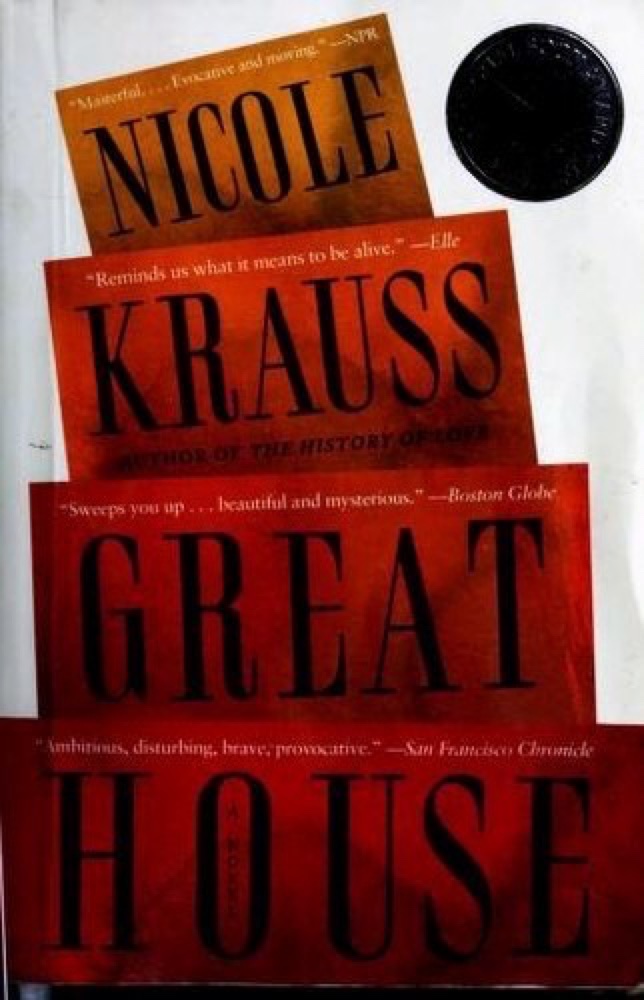 Great House
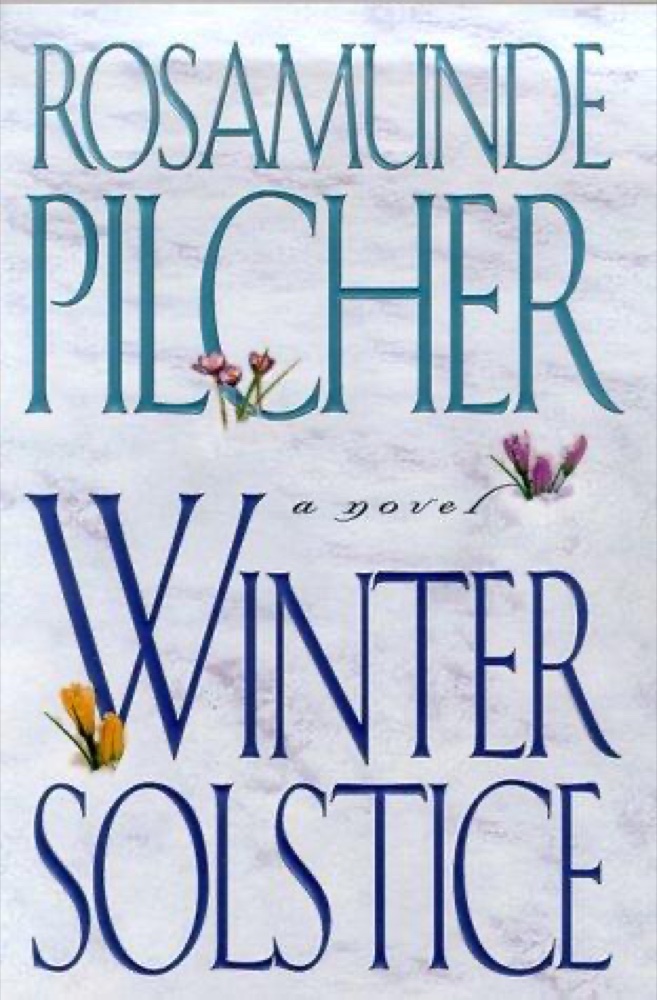 Winter Solstice
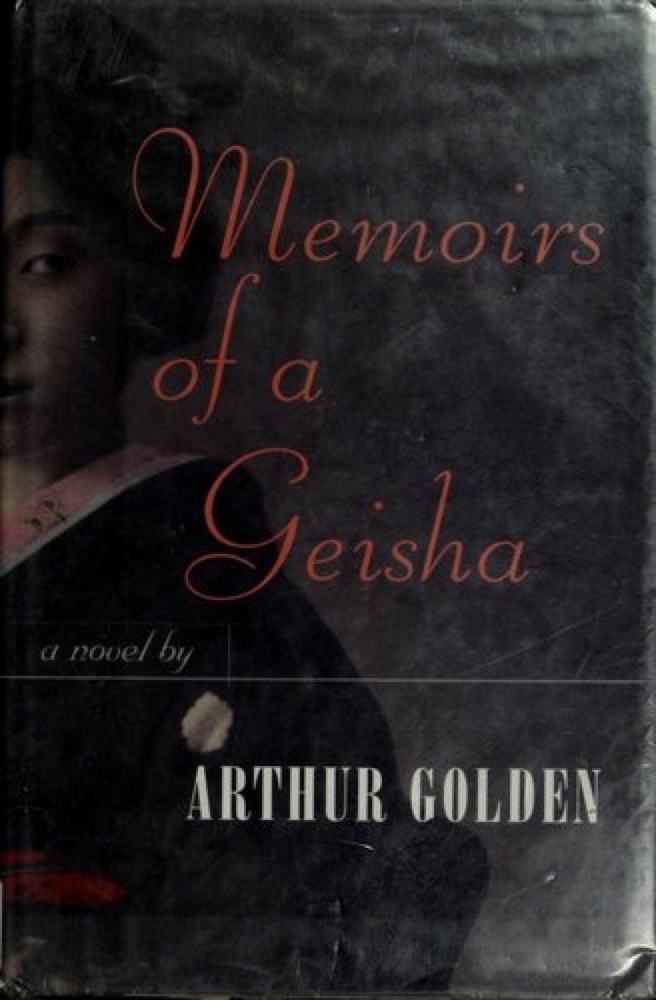 Memoirs of a Geisha
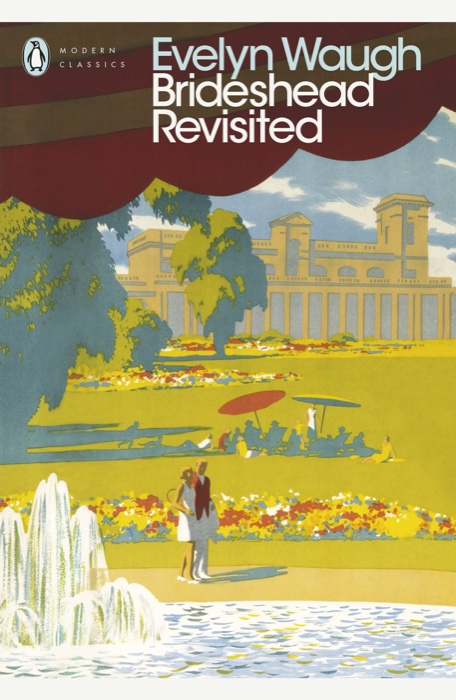 Brideshead Revisited: The Sacred and Profane Memories of Captain Charles Ryder
 Schoolgirl
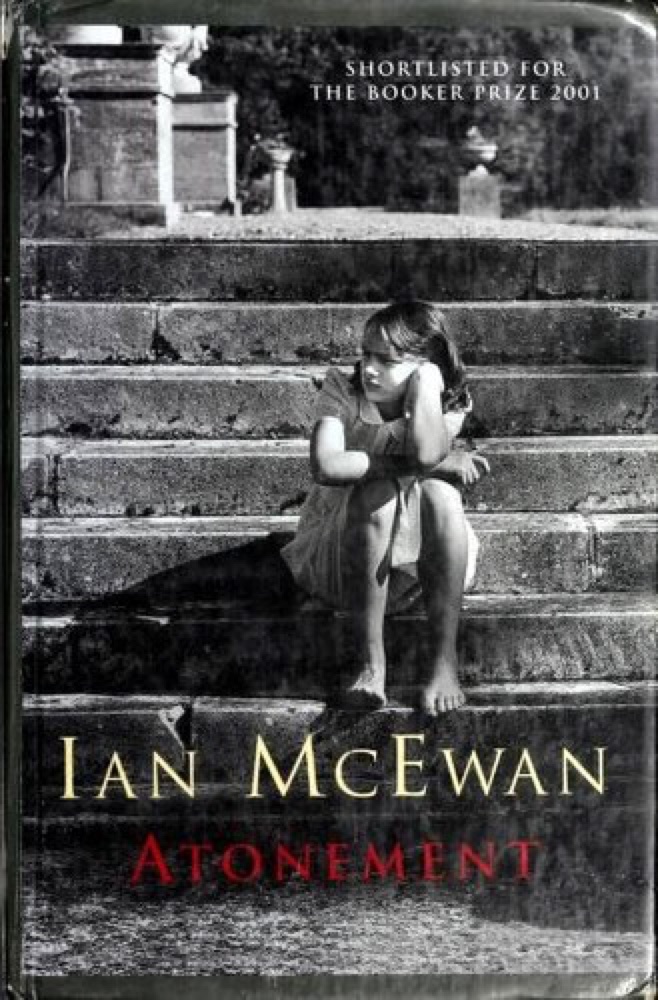 Atonement
 The Siren
 Emily's Quest
 Villette
 Little Bee
 The Reader
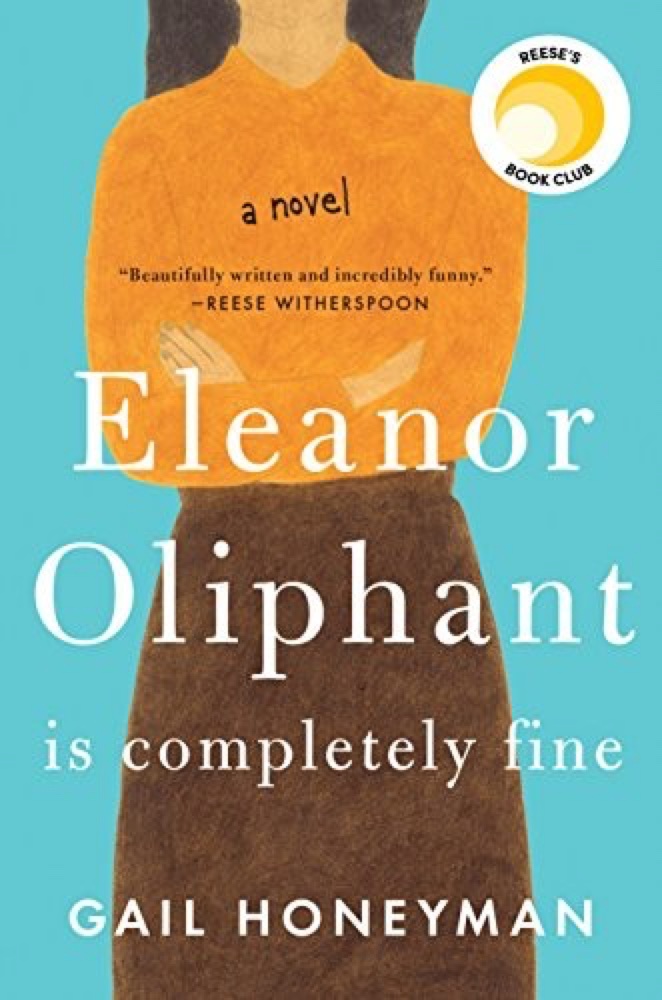 Eleanor Oliphant Is Completely Fine
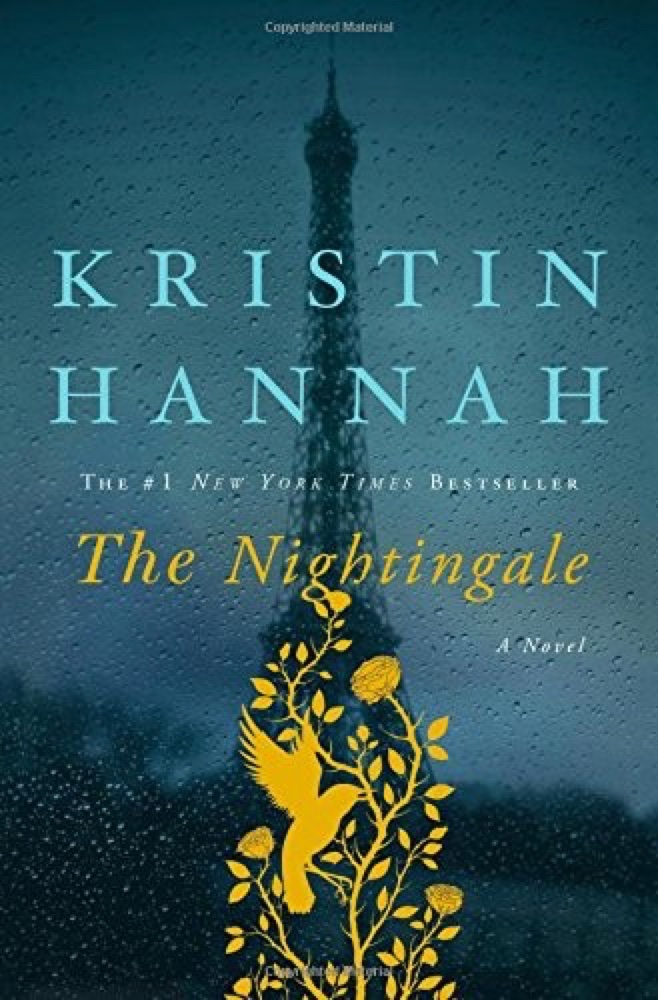 The Nightingale
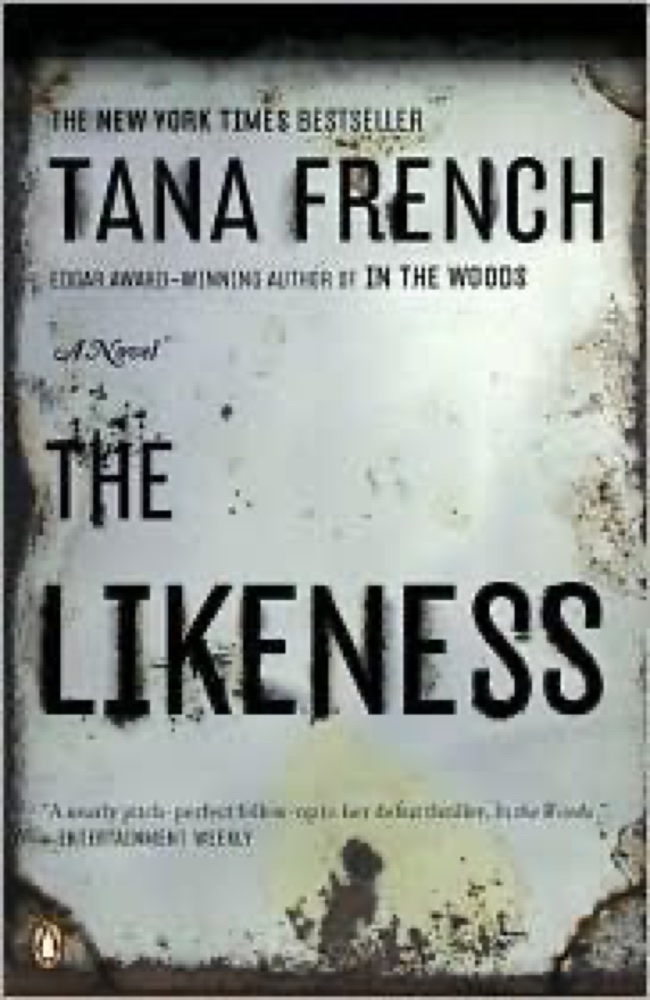 The Likeness
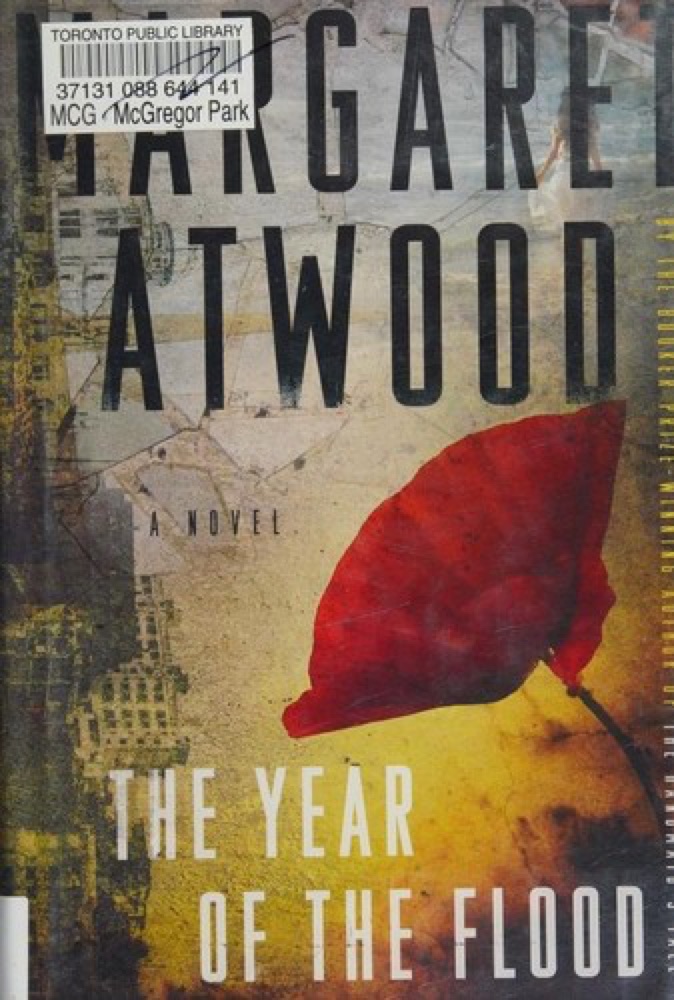 The Year of the Flood
 My Friends
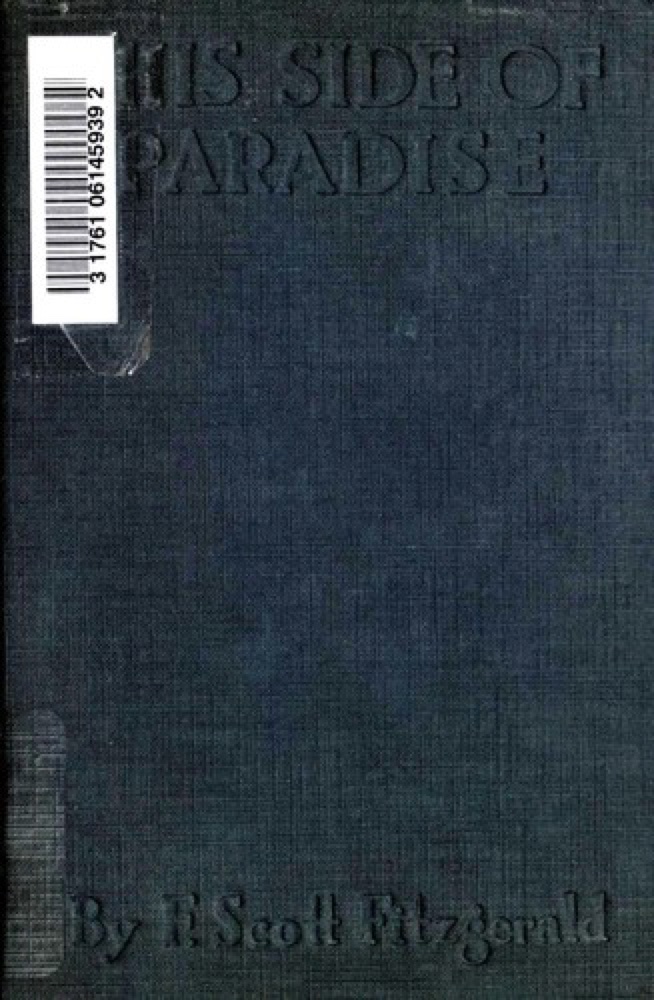 This Side of Paradise
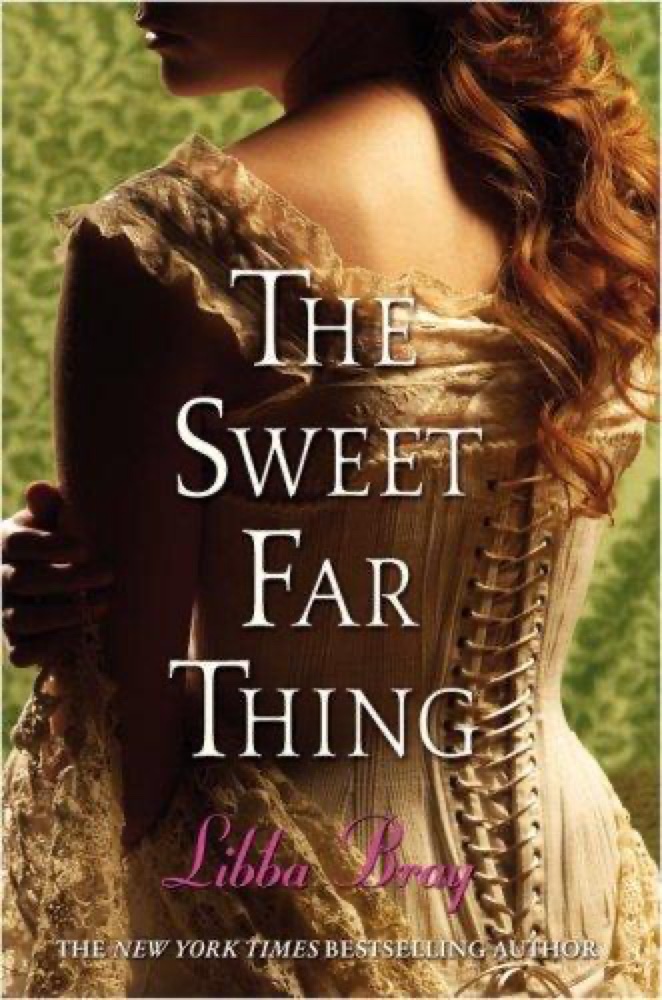 The Sweet Far Thing
 The World and Other Places: Stories
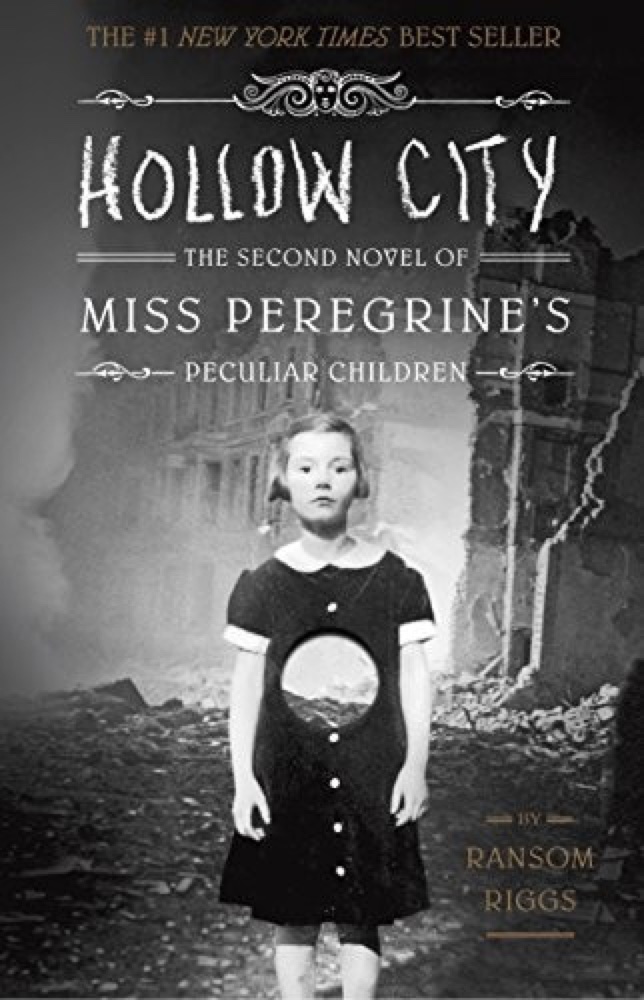 Hollow City
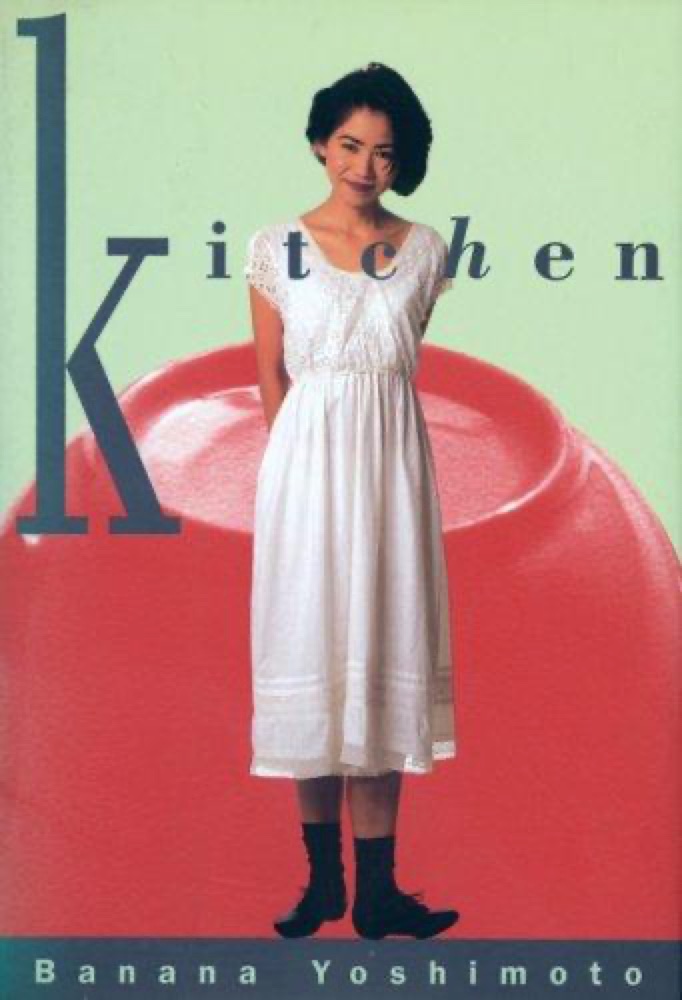 Kitchen
 The Night Watch
 Six Years
 The Girl Before
 In the Woods
 Hell
Hell
 The Hours
 Belong to Me
 We Are Okay
 Swimming in the Dark
 Cackle
 What I Loved
 Great Expectations
 Middlesex
 The Mermaid Chair
 The Hour I First Believed
 Lady Chatterley's Lover
 A Room with a View
 Dream Count
 Watermelon
 The Valley of Amazement
 White Oleander
 The Illustrated Man
 Agnes Grey
 Impulse
 The Woman Destroyed
 The Story of a New Name
 An Artificial Night
 The Distant Hours
 Embers
 The Mandarins
 Any Human Heart
 The Impossible Lives of Greta Wells
 Traveling Mercies: Some Thoughts on Faith
 Library of Souls
 Jazz
Jazz
 Autobiography