 Juneteenth
Quotes from the Book
What and how much had I lost by trying to do only what was expected of me instead of what I myself had wished to do?
When I discover who I am, I’ll be free.
Life is to be lived, not controlled; and humanity is won by continuing to play in face of certain defeat.
The world is a possibility if only you'll discover it.
I am invisible, understand, simply because people refuse to see me. Like the bodiless heads you see sometimes in circus sideshows, it is as though I have been surrounded by mirrors of hard, distorting glass. When they approach me they see only my surroundings, themselves or figments of their imagination, indeed, everything and anything except me.
I was never more hated than when I tried to be honest. Or when, even as just now I've tried to articulate exactly what I felt to be the truth. No one was satisfied
Power doesn't have to show off. Power is confident, self-assuring, self-starting and self-stopping, self-warming and self-justifying. When you have it, you know it.
And my problem was that I always tried to go in everyone's way but my own.
I remember that I'm invisible and walk softly so as not awake the sleeping ones. Sometimes it is best not to awaken them; there are few things in the world as dangerous as sleepwalkers.
Perhaps to lose a sense of where you are implies the danger of losing a sense of who you are.
Who knows but that, on the lower frequencies, I speak for you?
I was looking for myself and asking everyone except myself questions which I, and only I, could answer. It took me a long time and much painful boomeranging of my expectations to achieve a realization everyone else appears to have been born with: That I am nobody but myself.
I do not know if all cops are poets, but I know that all cops carry guns with triggers.
I was pulled this way and that for longer than I can remember. And my problem was that I always tried to go in everyone's way but my own. I have also been called one thing and then another while no one really wished to hear what I called myself. So after years of trying to adopt the opinions of others I finally rebelled. I am an invisible man.
For, like almost everyone else in our country, I started out with my share of optimism. I believed in hard work and progress and action, but now, after first being 'for' society and then 'against' it, I assign myself no rank or any limit, and such an attitude is very much against the trend of the times. But my world has become one of infinite possibilities. What a phrase - still it's a good phrase and a good view of life, and a man shouldn't accept any other; that much I've learned underground. Until some gang succeeds in putting the world in a strait jacket, its definition is possibility.
I feel the need to reaffirm all of it, the whole unhappy territory and all the things loved and unloveable in it, for it is all part of me.
Whence all this passion towards conformity anyway? Diversity is the word. Let man keep his many parts and you will have no tyrant states. Why, if they follow this conformity business, they'll end up by forcing me, an invisible man, to become white, which is not a color but the lack of one. Must I strive towards colorlessness? But seriously and without snobbery, think of what the world would lose if that should happen. America is woven of many strands. I would recognize them and let it so remain.
Play the game, but don’t believe in it – that much you owe yourself … Play the game, but raise the ante, my boy. Learn how it operates, learn how you operate.
America is woven of many strands. I would recognise them and let it so remain. Our fate is to become one, and yet many.
Please, a definition: A hibernation is a covert preparation for a more overt action.
And the mind that has conceived a plan of living must never lose sight of the chaos against which that pattern was conceived. That goes for societies as well as for individuals.
Everywhere I've turned somebody has wanted to sacrifice me for my own good—only /they/ were the ones who benefited. And now we start on the old sacrificial merry-go-round. At what point do we stop?
They could laugh at him but they couldn't ignore him
Perhaps everyone loved someone; I didn't now, I couldn't give much thought to love; in order to travel far you had to be detached, and I had the long road back to the campus before me.
The truth is the light and the light is the truth.
Man's hope can paint a purple picture, can transform a soaring vulture into a noble eagle or moaning dove.
All it takes to get along in this here man's town is a little shit, grit, and mother-wit.
I denounce because though implicated and partially responsible, I have been hurt to the point of abysmal pain, hurt to the point of invisibility. And I defend because in spite of it all, I find that I love.
You're very insistent, but I'm very busy.
The clock ticked with empty urgency, as though trying to catch up with the time. In the street a siren howled.
Did you know?
- "Invisible Man" won the 1953 U.S. National Book Award for Fiction, and Ellison was the first African American writer to win the award.
- It was the only novel Ralph Ellison published during his lifetime.
- Ellison began writing the novel in 1945 and worked on it over roughly five years.
- A section of the book appeared earlier in the British magazine Horizon in 1947.
- In accepting the National Book Award, Ellison said he considered the novel's chief significance to be its "experimental attitude."
- The novel drew stylistic influence from T.S. Eliot's "The Waste Land," James Joyce, and Dostoevsky.
About Ralph Ellison
Ralph Ellison (1914-1994) was an American novelist, essayist, and scholar born in Oklahoma City. He is best known for "Invisible Man," the only novel he published in his lifetime, which won the 1953 National Book Award for Fiction.
More about the author →More by Ralph Ellison
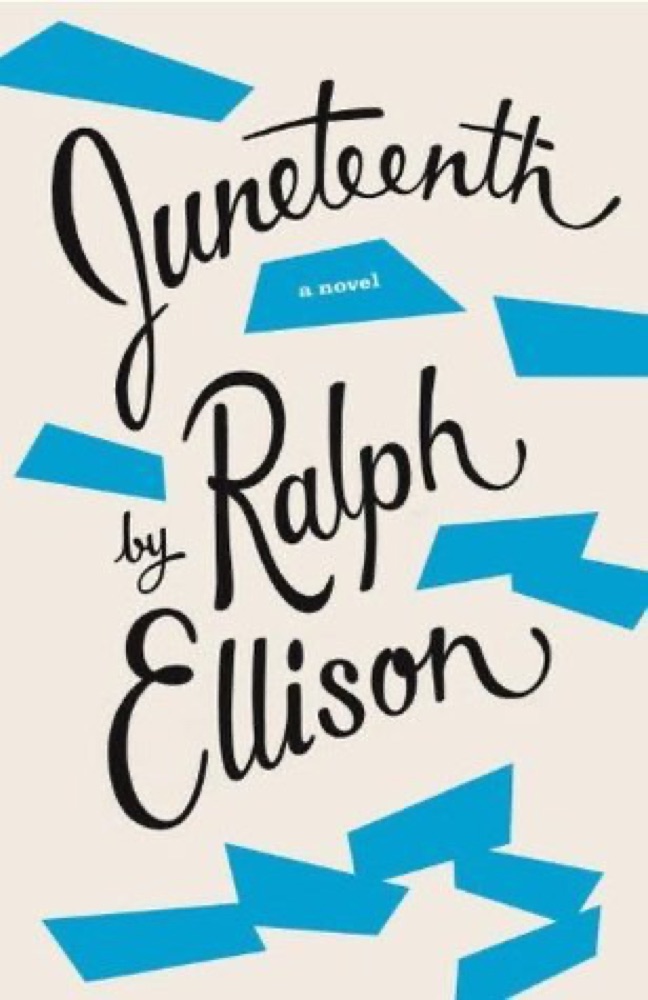
Juneteenth
About the book
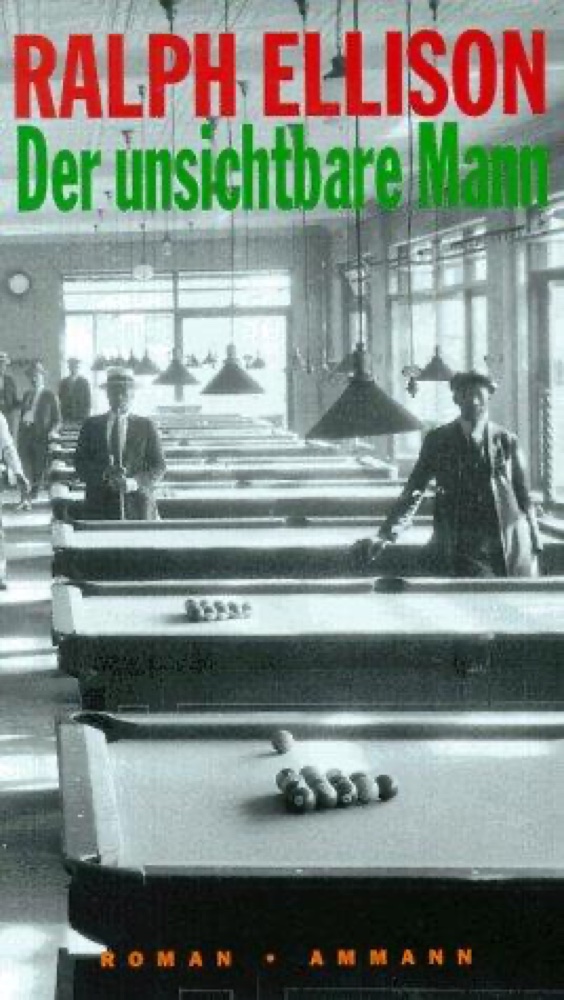
Ralph Ellison's "Invisible Man," published in 1952, is narrated by an unnamed Black man who recounts his journey from a Southern Black community and a Negro college through a series of disillusioning experiences in the North. Expelled from college through the machinations of its president, Dr. Bledsoe, he moves to New York, works in a paint factory, survives an industrial accident, and is recruited into a political organization called the Brotherhood. The narrator's central metaphor is one of social invisibility: he is unseen not because he lacks physical substance but because those around him refuse to perceive him as an individual.
The novel explores African American identity, the tension between the individual and the ideologies that claim to speak for him, and the failure of both liberal white paternalism and organized political movements to recognize Black selfhood. Ellison drew on a wide literary inheritance, with stylistic debts to T.S. Eliot's "The Waste Land," James Joyce, and Dostoevsky, and he deliberately departed from the protest-novel tradition of his era in favor of what he called an "experimental attitude." Figures such as the Brotherhood leader Brother Jack and the Black nationalist Ras confront the narrator with rival, equally confining answers to the question of who he is meant to be.
"Invisible Man" won the U.S. National Book Award for Fiction in 1953, making Ellison the first African American writer to receive the honor. It was his only novel published during his lifetime and has remained a landmark of twentieth-century American literature, appearing on numerous lists of the century's finest English-language novels. Its opening declaration of invisibility and its closing retreat into an underground room have become touchstones for later writing on race, identity, and the search for individual voice.
Key characters
- The NarratorUnnamed Black protagonist who tells his story from an underground room
- Dr. BledsoePresident of the narrator's Southern Black college who engineers his expulsion
- Mr. NortonWealthy white college trustee
- Brother JackLeader of the political organization known as the Brotherhood
- Tod CliftonCharismatic young Brotherhood member who becomes disillusioned
- Ras the ExhorterMilitant Black nationalist who opposes the Brotherhood
- Mary RamboKind Harlem woman who shelters the narrator
Book details
- First published
- 1952
- Length
- 439 pages
- Reading time
- 8 hours
- Author
- Ralph Ellison
- Genre
- Classics
- Goodreads rating
- 3.92 (205k ratings) →
- First line
- “I am an invisible man.”
Keep reading
 The Magus
 The Handmaid's Tale
 Open City
 Lilith
 The Adolescent
 Odd Hours
 Molloy
 The Blinding Knife
 The Only Alien on the Planet
 Golden Fool
 Mirror Mirror
 The Hour I First Believed
 Surfacing
 The Bourne Identity
 Engleby
 The Devil Tree
 Stranger in a Strange Land
 Invisibility
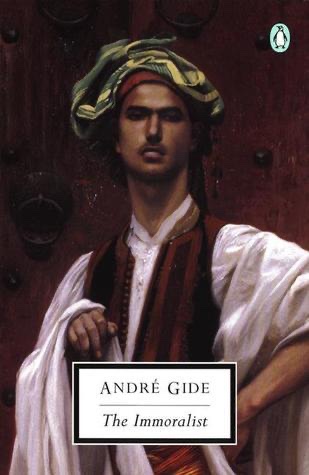 The Immoralist
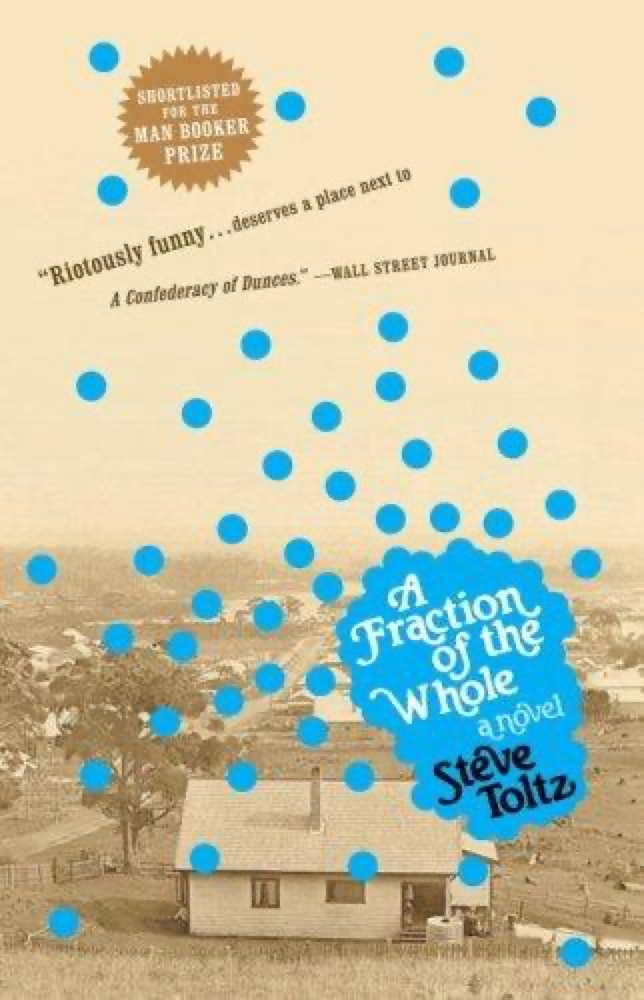 A Fraction of the Whole
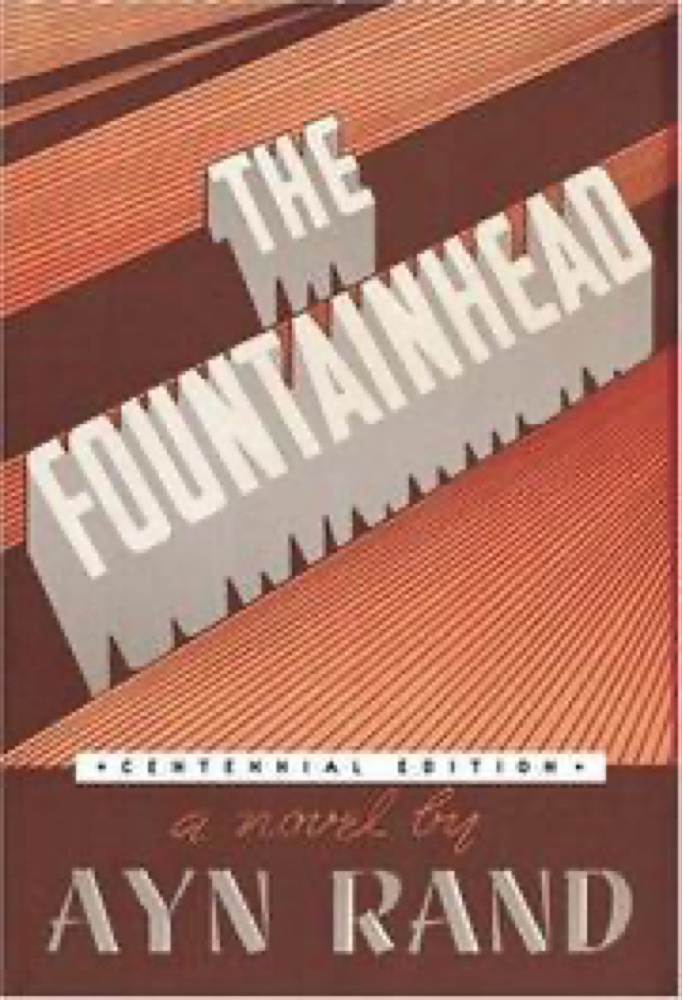 The Fountainhead
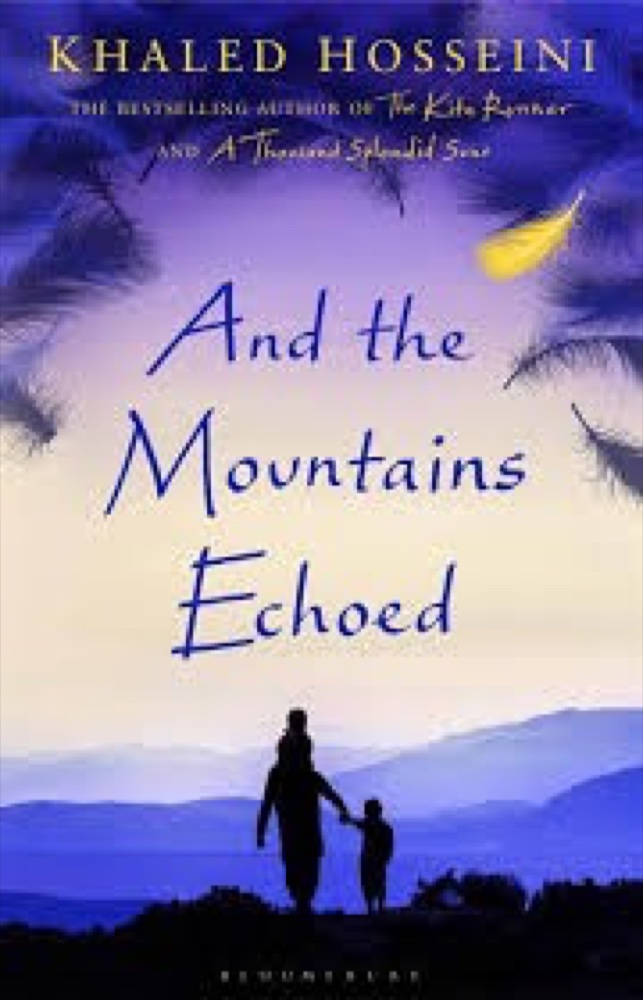 And the Mountains Echoed
 I Am Pilgrim
 A Great and Terrible Beauty
 The Adventures of Augie March
 The Beginning of Everything
 The Trouble with Being Born
 The Likeness
 1Q84
1Q84
 Invisible Monsters
 Oranges Are Not the Only Fruit
 The Untouchable
 The Toll
 Fool's Fate
 Emperor of Thorns
 Every Exquisite Thing
 Light in August
 What Is the What
 The Black Obelisk
 Son of a Witch
 Chances Are...
 We Are All Completely Beside Ourselves
 Hard-Boiled Wonderland and the End of the World
 James
James
 The Palace of Illusions
 Crime and Punishment
 The Nix
 Black Coffee Blues
 The Lords of Discipline
 The House of Hidden Meanings
 Demian
 The Complete Essays
 A Separate Peace
 Lord Jim
 The Resistance
 Humans of New York
 Infinite Jest
 Autobiography
 Mosquitoland
Juneteenth
Mosquitoland
Juneteenth