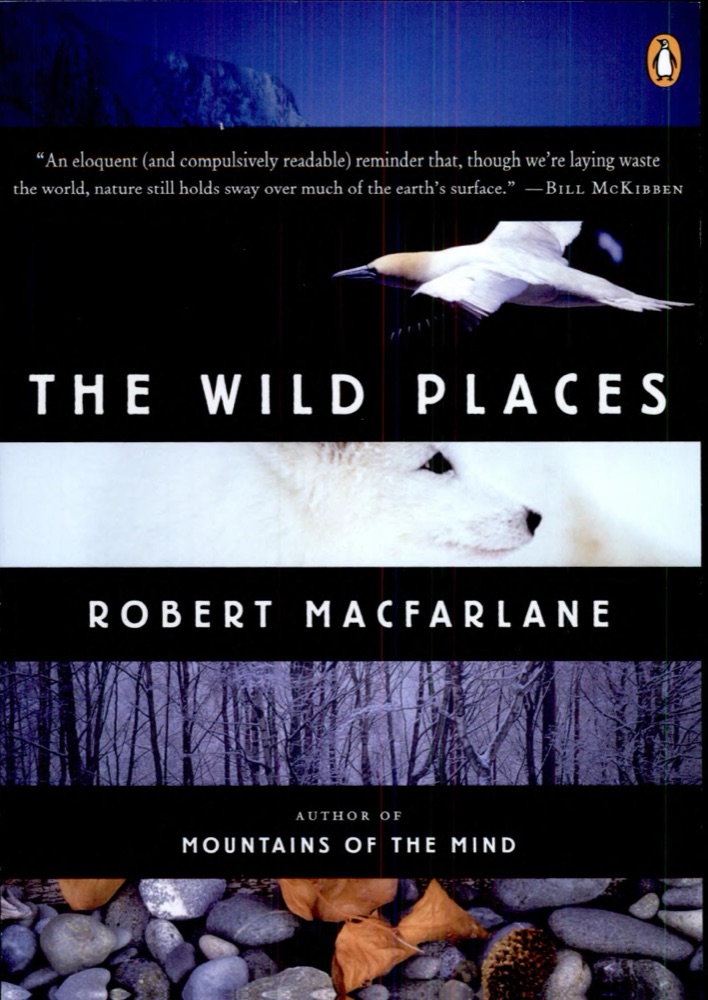
 The Wild Places
Quotes from the Book
A small 'self' suffers and causes suffering, [while] a love of the living world lets single identities and selfhoods expand and encompass other beings, entities and whole landscapes, such that the self becomes a spacious thing.
3
The river is time, and we are always within it -- even when we think we’re standing dry-footed on the bank, watching the current pass.
3
In English there is no verb "to river". But what could be more of a verb than a river?
3
Spring becomes stream becomes river, and all three seek the sea.
2
Our fate flows with that of rivers –– and always has.
2
River's song is the song of songs, sung in spirals and stars and roars and other notes beyond hearing...
2
Hope is the thing with rivers.
2
Ideas move in space and time. They swim like fish. They drift like pollen. They migrate like birds. Sometimes their movement carries them right around the world, and they find new niches in which to flourish.
1
In Orange County, Florida (Seminole Territory), for instance, the rights of Lake Mary Jane have been asserted. The White Earth Band of Ojibwe has campaigned for the rights of manoomin (wild rice); the Sauk-Suiattle Tribe has successfully fought for the recognition of the rights of Tsuladxw (Pacific salmon); and a major campaign to recognize the rights of the ecologically stricken Great Salt Lake was under way until the Utah State Legislature, rattled by the campaign, passed a House bill prohibiting the granting of legal personhood to any natural entities.
1
Meaning, as well as water, can be impounded: can still and settle behind dam walls of thought.
1
The ghosts of rivers lie all about us.
1
A hypothesis: Earth and River are both gods made of time, but even Earth has cause to fear River.
1
Rivers are easily wounded, but given a chance they heal themselves with remarkable speed. Their life *pours* back.
1
Alles op aarde beschikt over een geest en een leven, of het nu bezield is of niet. Die geest is kenmerkend voor die resolutie. Ross Montour, zoals geciteerd door Robert Macfarlane
In English, there is no verb ‘to river’. But what could be more of a verb than a river?
But here in Ennore Creek, people have been deprived of the ability to dream. At one meeting we held, when I asked what they would want for the future here in the Ennore Creek, a villager replied, “We’re all getting cancer. It would be nice if we just got asthma.” That was her dream. Asthma rather than cancer. Another time we asked a group of fishermen to speak of their dreams for the Ennore Creek, but they said it was too difficult here to dream.
We are always launched upon the river, already afloat on the flow.
Did you know?
- The book asks, and travels the world to answer, the question posed in its title: whether a river can be considered a living being.
- Macfarlane journeys to rivers and waterways in Ecuador, India, and Canada to explore the 'rights of nature' movement.
- It became a New York Times bestseller and a #1 Sunday Times (UK) bestseller.
Watch on YouTube
About Robert Macfarlane
Robert Macfarlane is a British writer and Professor of Literature and the Environmental Humanities at the University of Cambridge, widely regarded as one of the leading nature writers in the English language. His books include The Old Ways, Landmarks, The Lost Words (with artist Jackie Morris), and Underland. His work has been translated into more than thirty languages and adapted across music, film, and theatre.
More about the author →More by Robert Macfarlane
About the book
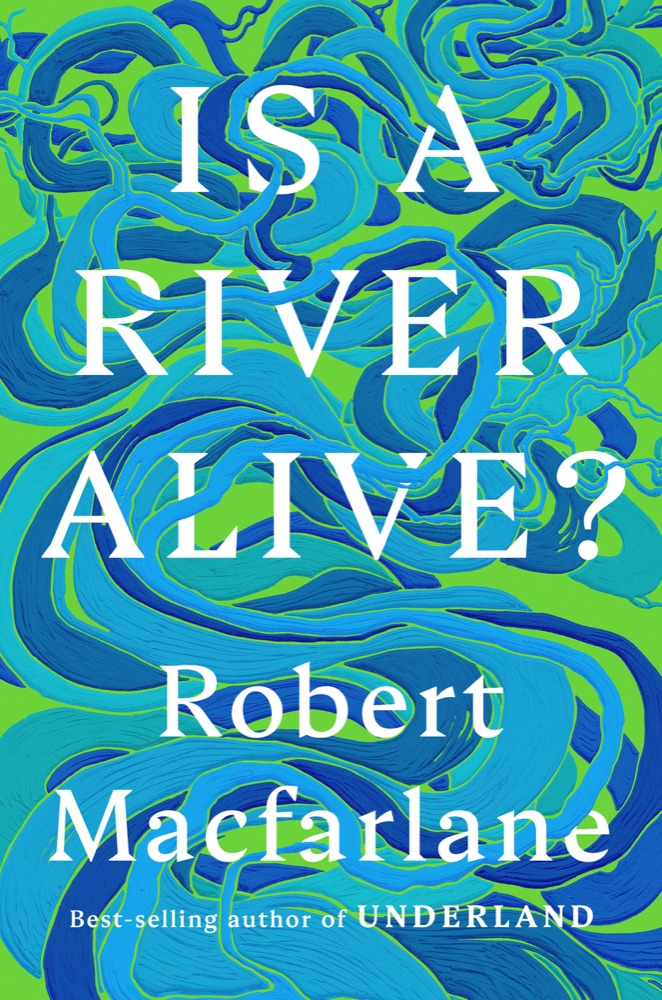
Is a River Alive? is Robert Macfarlane's 2025 book built around a deceptively simple question: can a river be considered a living being? Combining travel, reportage, philosophy, and lyrical nature writing, Macfarlane journeys to threatened rivers and waterways, including in Ecuador, India, and Canada, to explore how we might think of them as alive rather than as mere resources. The book sits at the center of the growing global 'rights of nature' movement.
True to Macfarlane's earlier work such as The Old Ways and Underland, the book blends close observation of landscape with big questions about time, language, and our relationship to the more-than-human world. It asks readers to reconsider the categories they use for nature, suggesting that how we name and imagine rivers shapes whether we protect or destroy them.
The book is quoted for its luminous, often quotable sentences about water, life, and the living world. As a New York Times and #1 Sunday Times bestseller, it has reached a wide readership and reinforced Macfarlane's standing as one of the most influential nature writers working today.
Book details
- First published
- 2025
- Length
- 384 pages
- Reading time
- 7 hours
- Author
- Robert Macfarlane
- Genre
- Nonfiction
- Goodreads rating
- 4.16 (8k ratings)
Critical reception
- The book became a New York Times bestseller and a #1 Sunday Times (UK) bestseller.
- It was widely reviewed as a major work in the global 'rights of nature' conversation, extending Macfarlane's reputation as a leading nature writer.
The buzz
- The New York TimesReview in The New York Timesprofessional review (via Book Marks)
- The Washington PostReview in The Washington Postprofessional review (via Book Marks)
- The GuardianReview in The Guardianprofessional review (via Book Marks)
- The AtlanticReview in The Atlanticprofessional review (via Book Marks)
- Los Angeles TimesReview in Los Angeles Timesprofessional review (via Book Marks)
- The Times Literary SupplementReview in The Times Literary Supplementprofessional review (via Book Marks)
If you liked this, read…
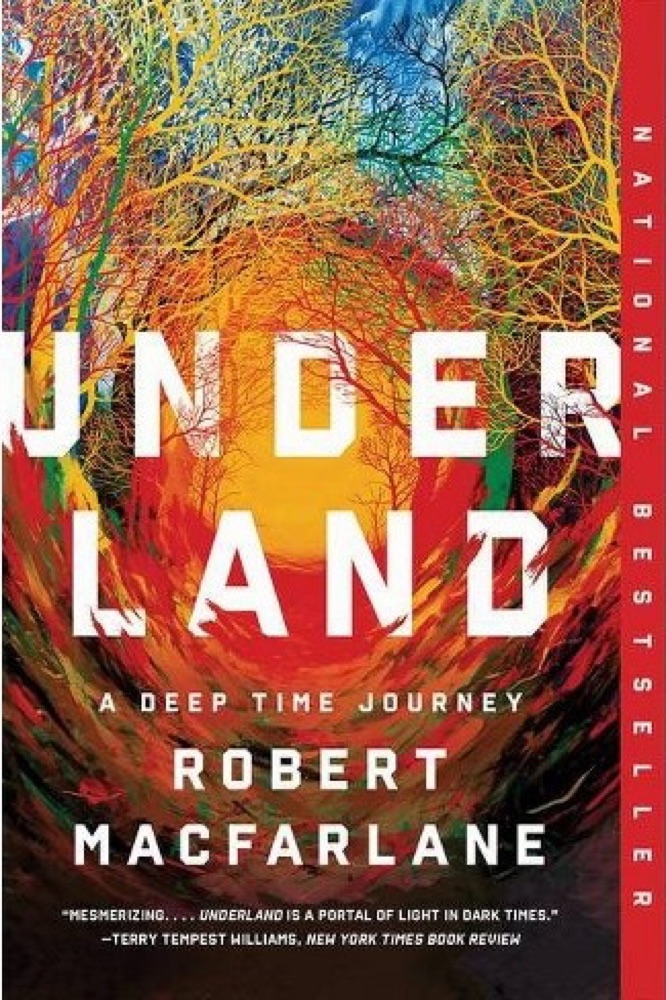
- 1UnderlandMacfarlane's own journey into the deep-time world beneath us.
- 2Braiding SweetgrassRobin Wall Kimmerer on reciprocity between people and nature.
- 3The OverstoryRichard Powers's novel arguing for the personhood of trees.
- 4The Hidden Life of TreesPeter Wohlleben on the living, communicating natural world.
Keep reading
 A River Runs Through It and Other Stories
 The Emerald Mile: The Epic Story of the Fastest Ride in History Through the Heart of the Grand Canyon
 A River Runs Through It
 Where the River Ends
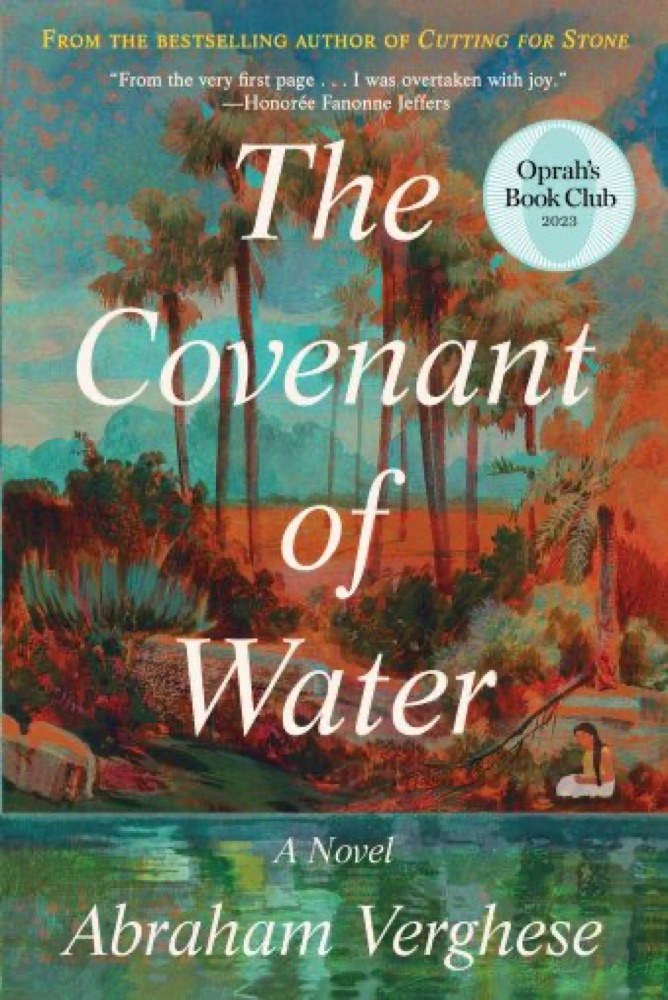 The Covenant of Water
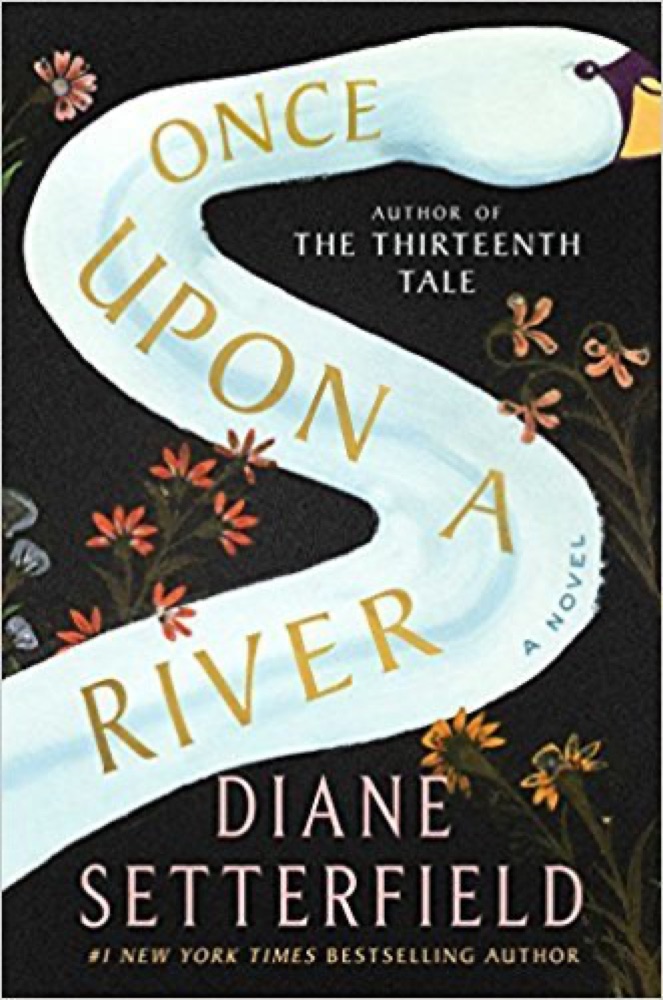 Once Upon a River
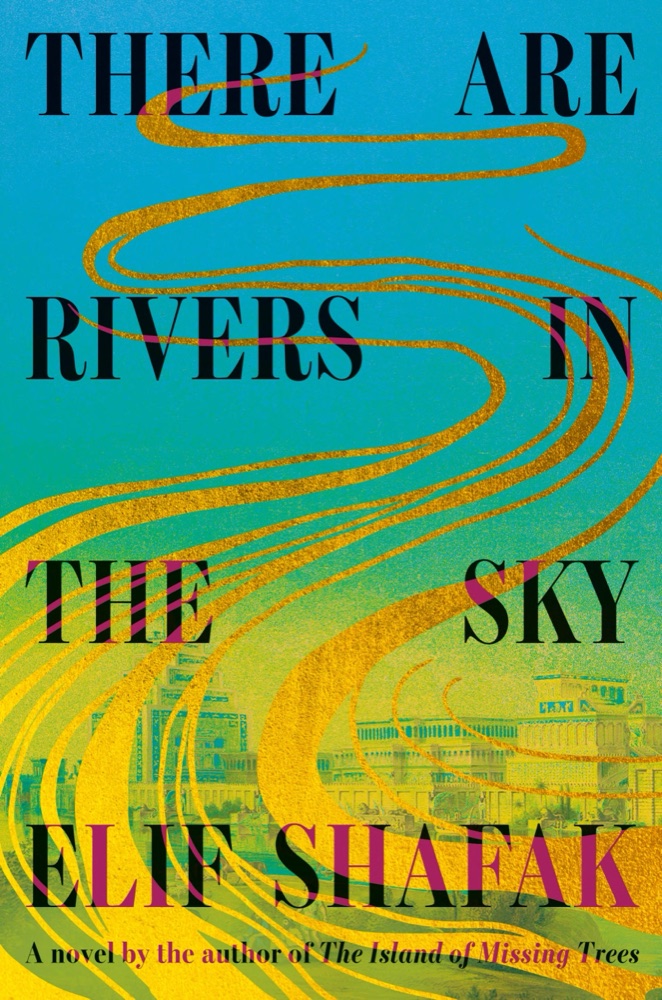 There Are Rivers in the Sky
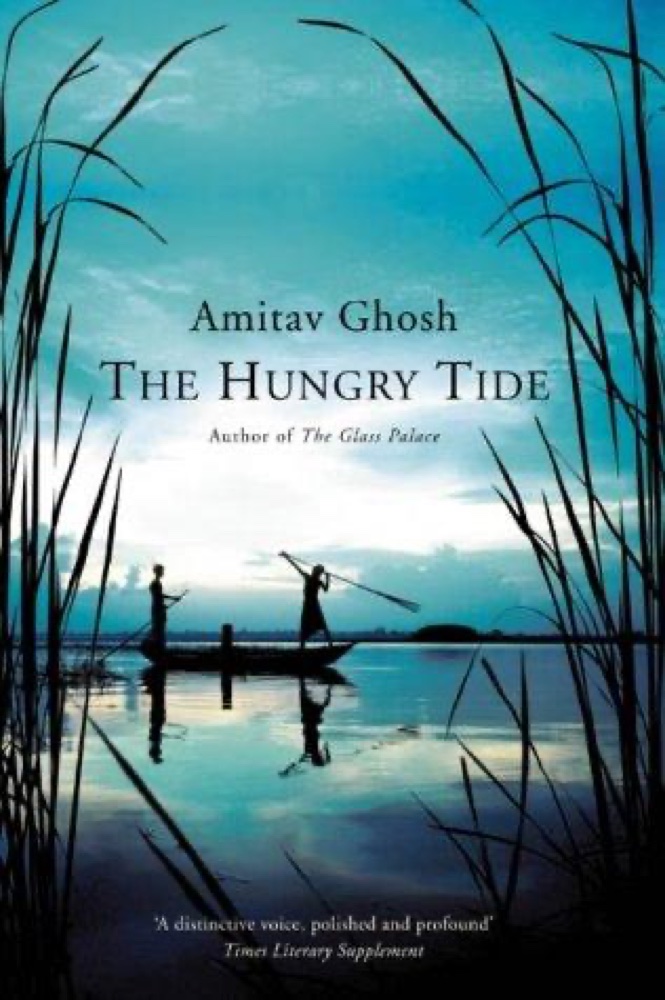 The Hungry Tide
 Plainwater: Essays and Poetry
 Always Coming Home
 Landmarks
 Life on the Mississippi
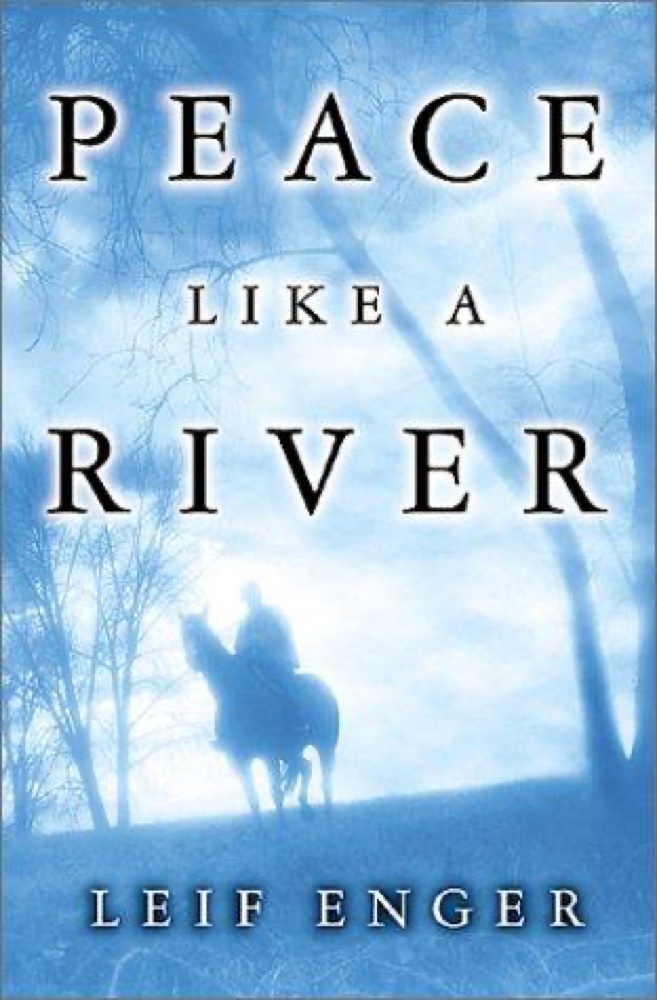 Peace Like a River
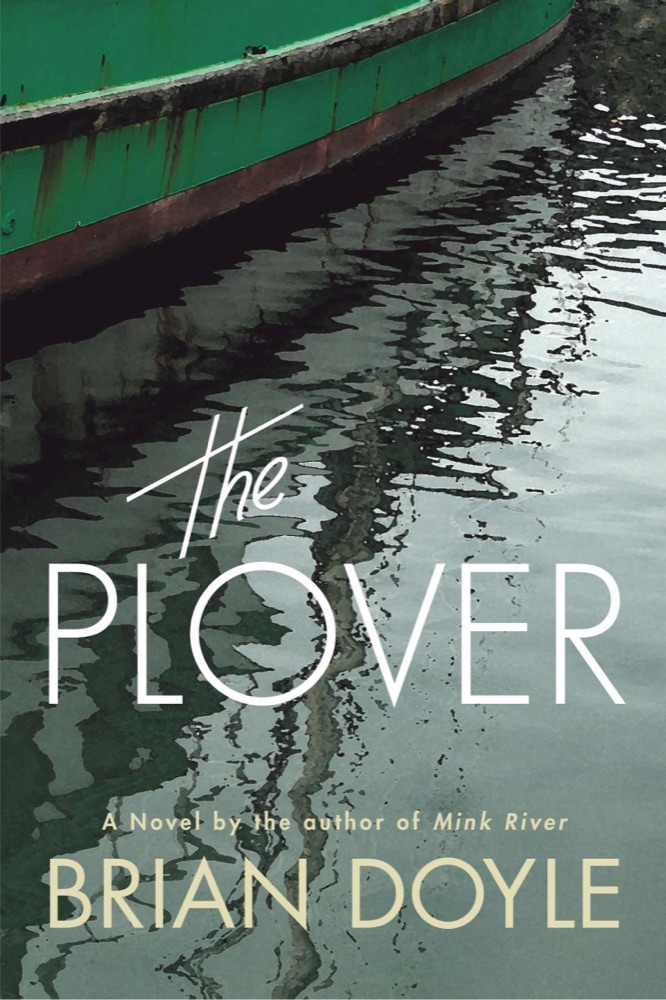 The Plover
 Pilgrim at Tinker Creek
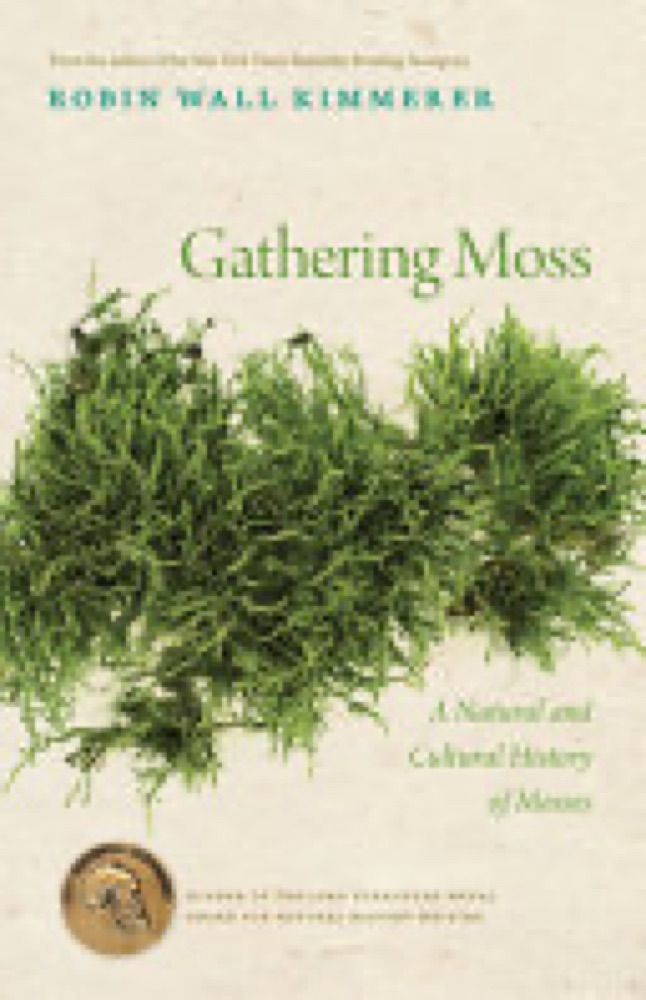 Gathering Moss: A Natural and Cultural History of Mosses
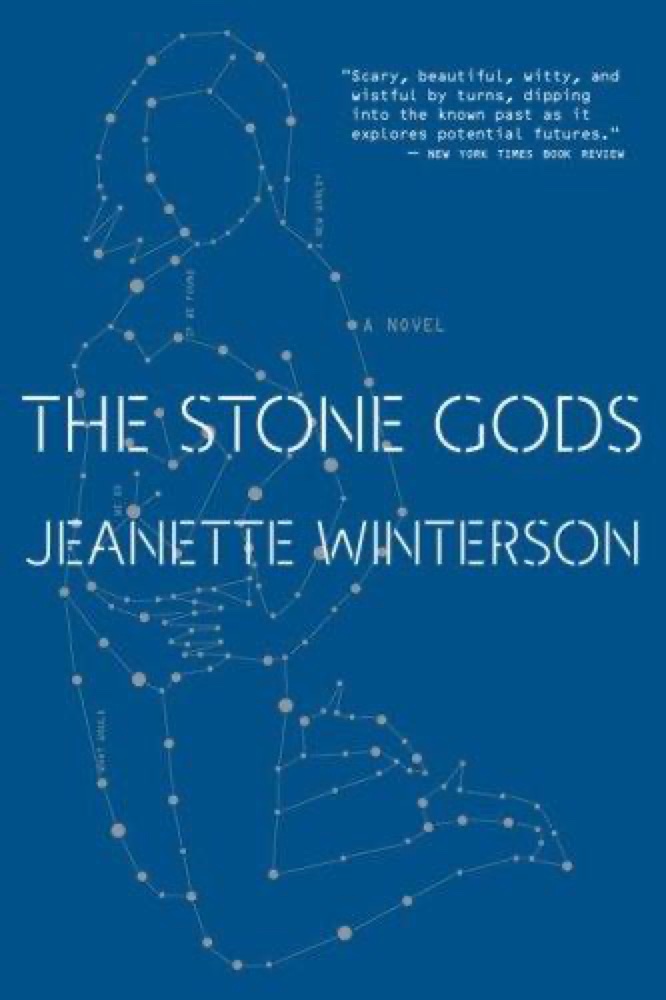 The Stone Gods
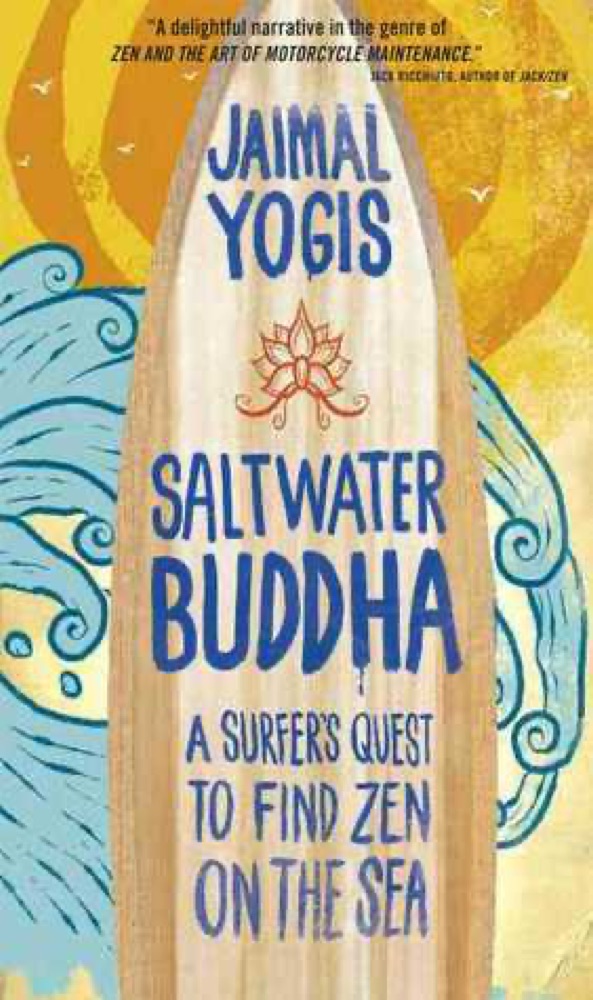 Saltwater Buddha: A Surfer's Quest to Find Zen on the Sea
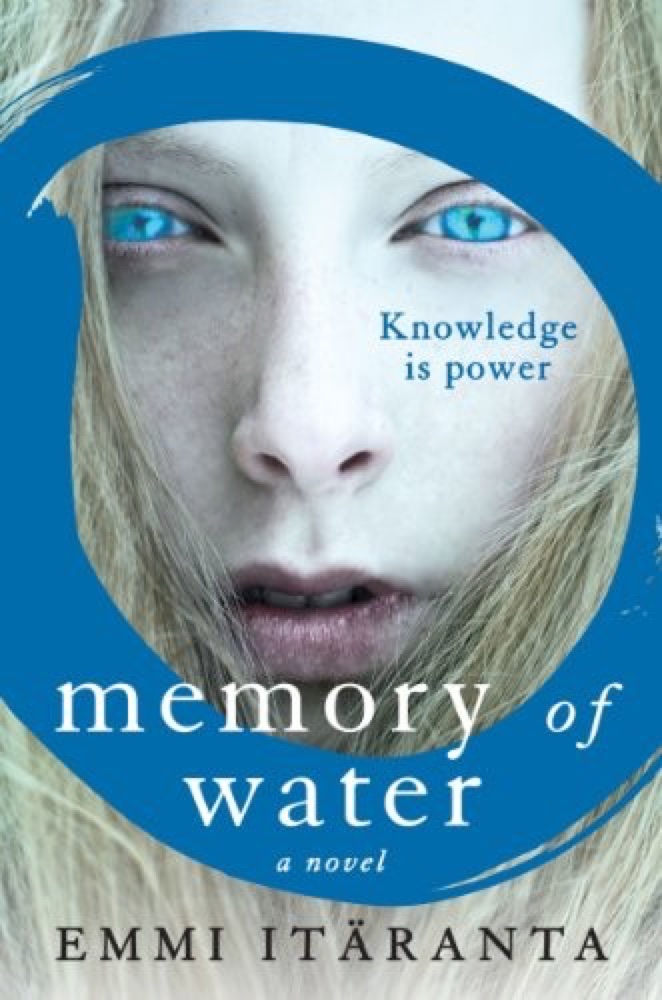 Memory of Water
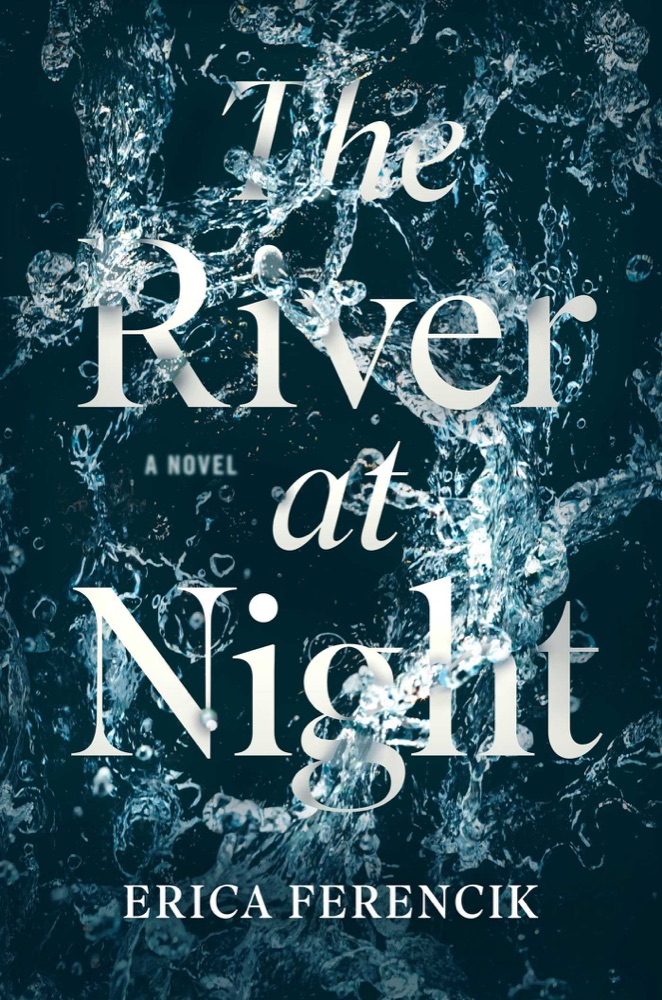 The River at Night
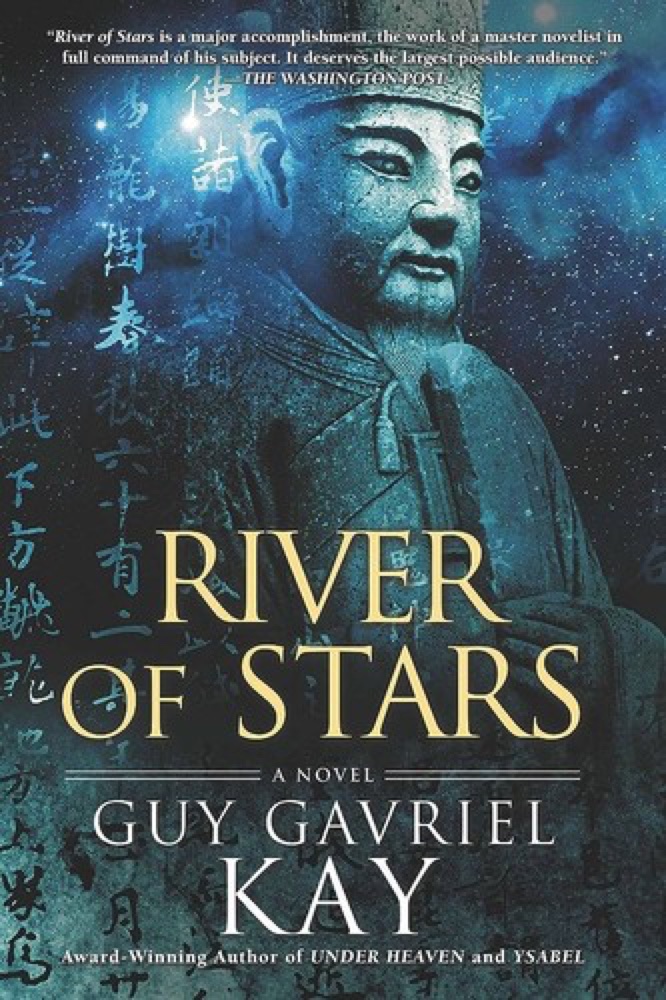 River of Stars
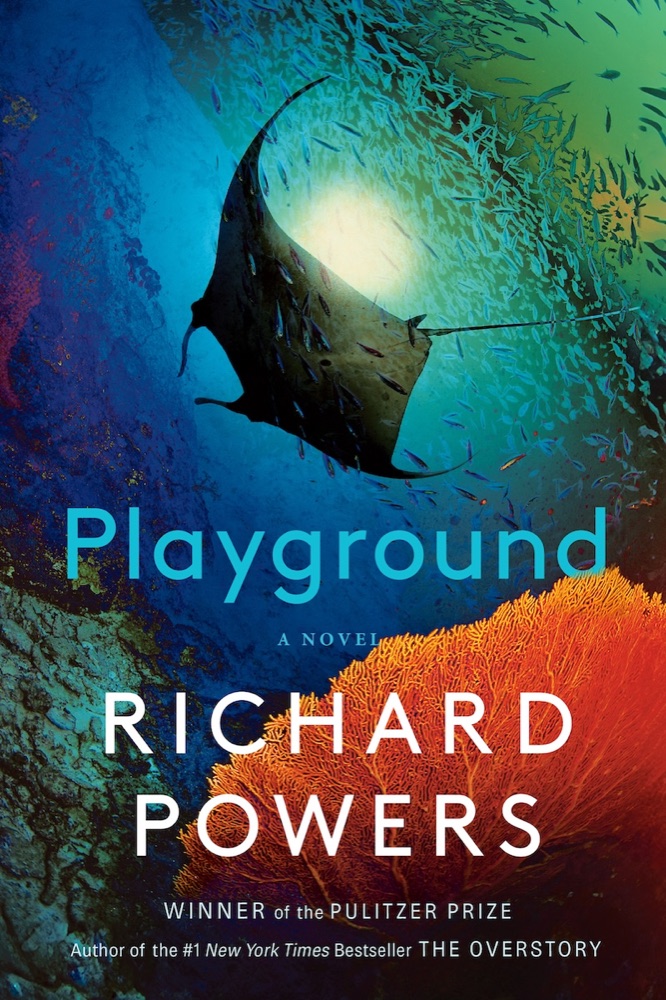 Playground
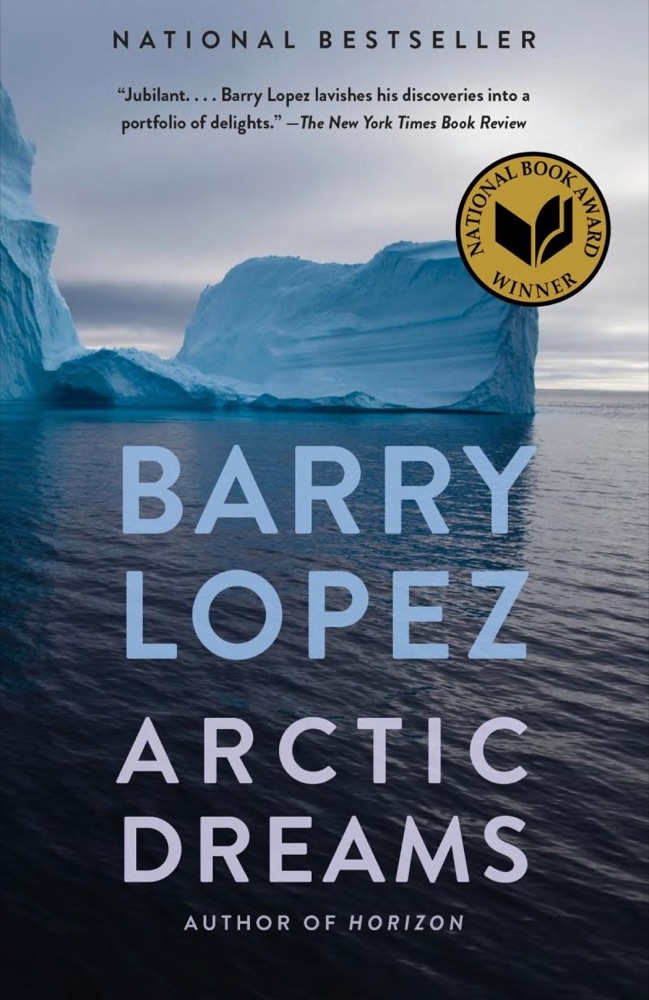 Arctic Dreams
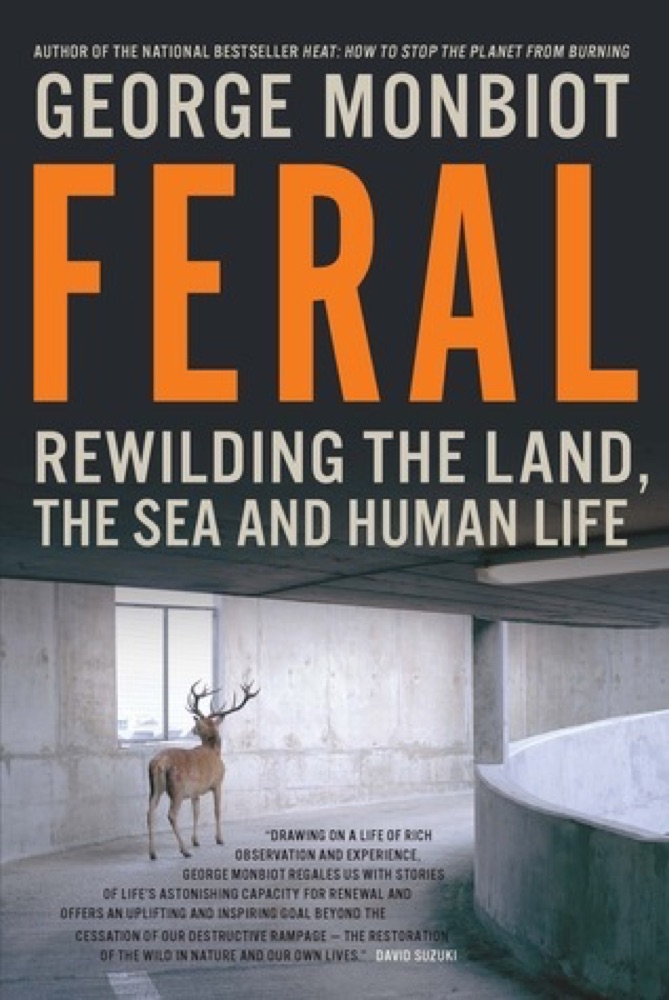 Feral: Rewilding the Land, the Sea and Human Life
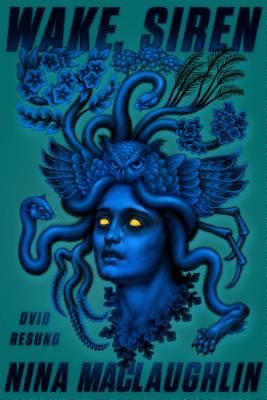 Wake, Siren: Ovid Resung
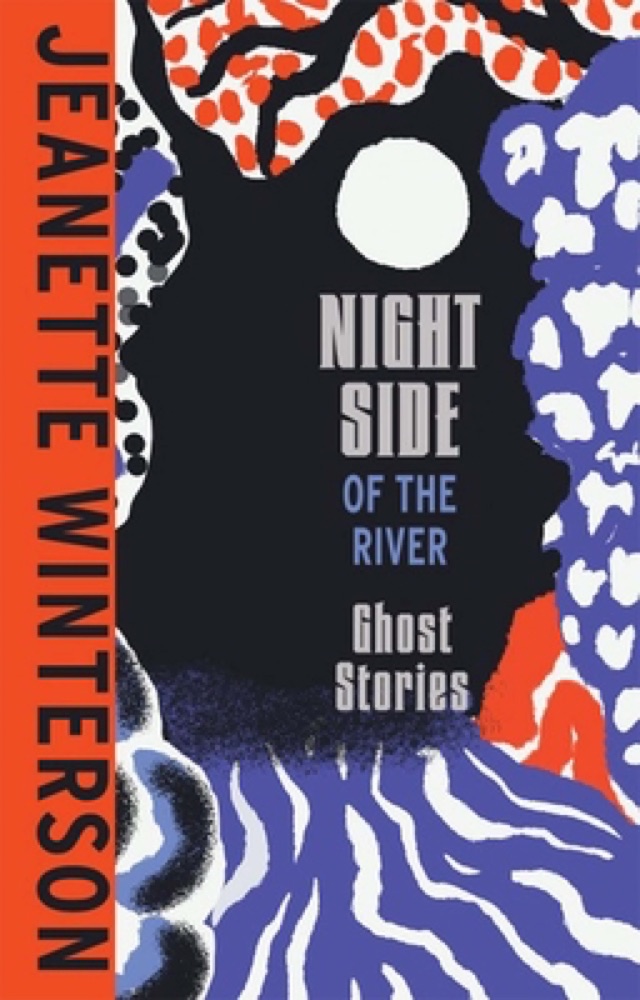 Night Side of the River
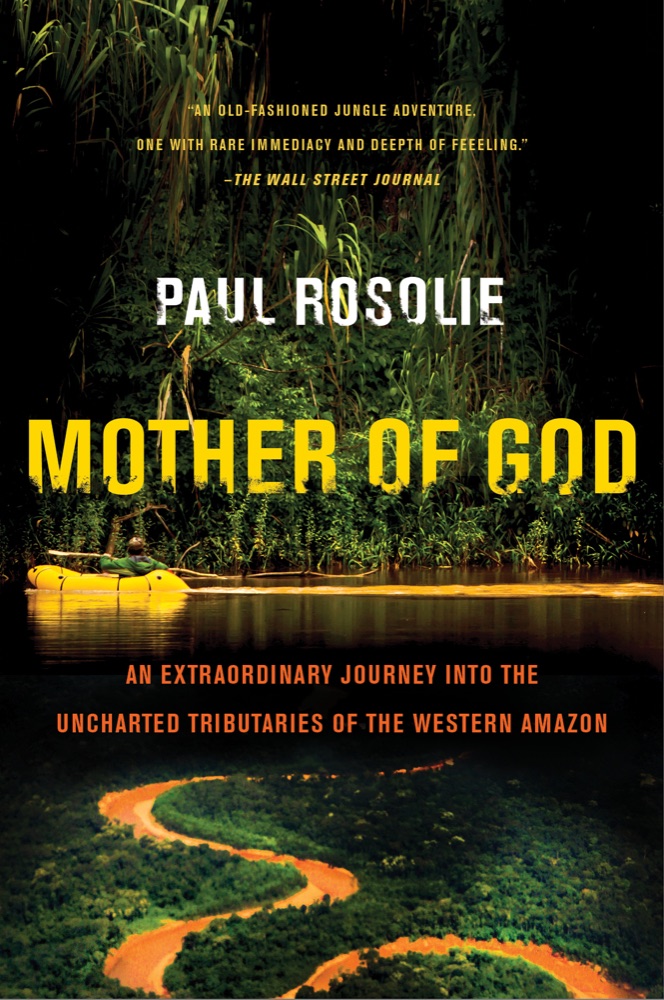 Mother of God: An Extraordinary Journey into the Uncharted Tributaries of the Western Amazon
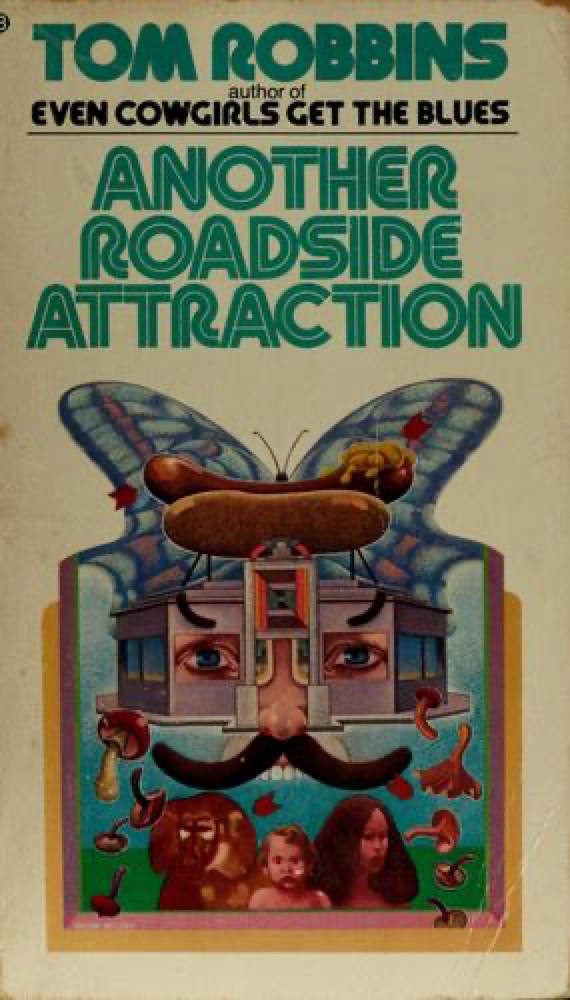 Another Roadside Attraction
 Teaching a Stone to Talk: Expeditions and Encounters
 A Bend in the River
 The Immense Journey
 Songbirds
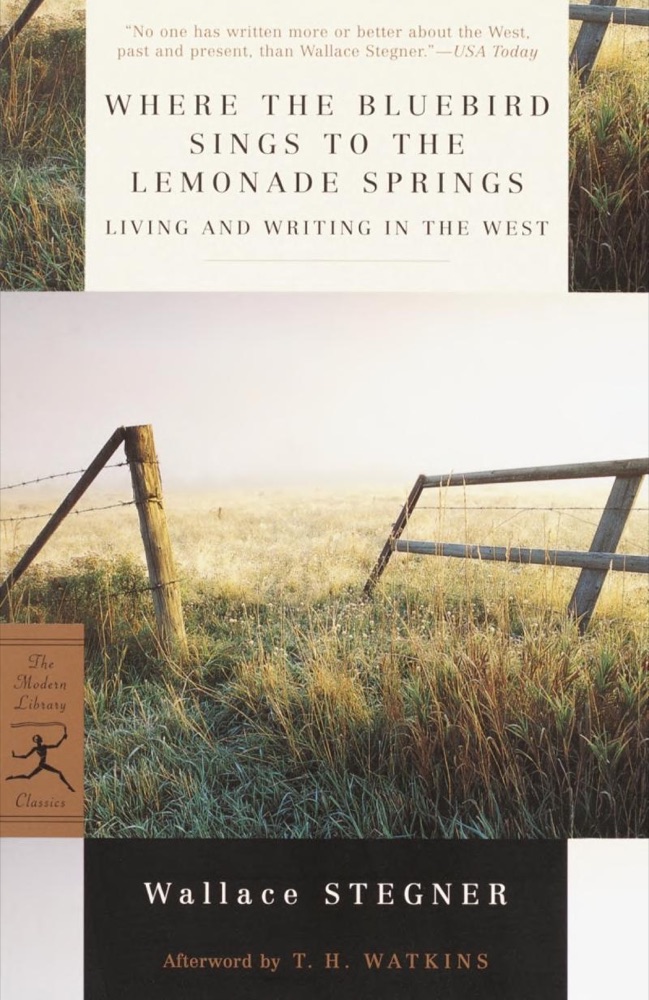 Where the Bluebird Sings to the Lemonade Springs: Living and Writing in the West
 Winter
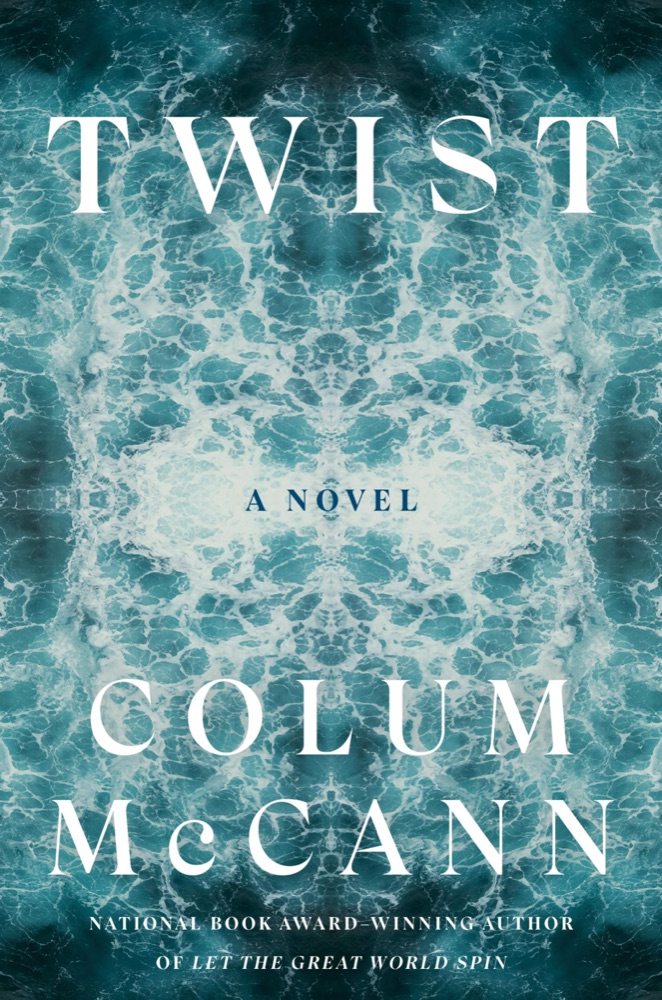 Twist
Twist
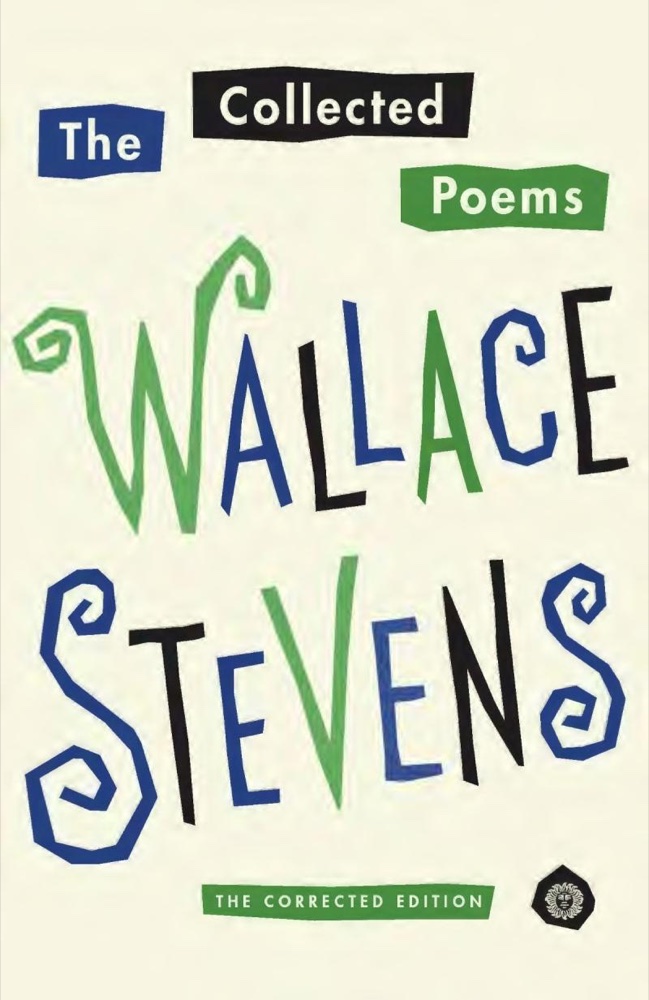 The Collected Poems
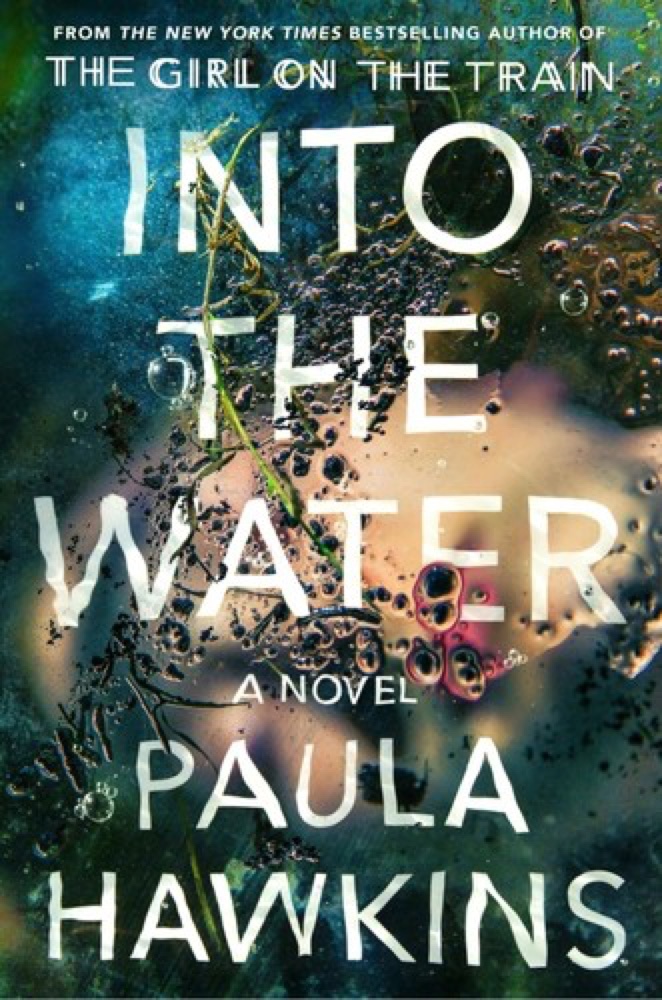 Into the Water
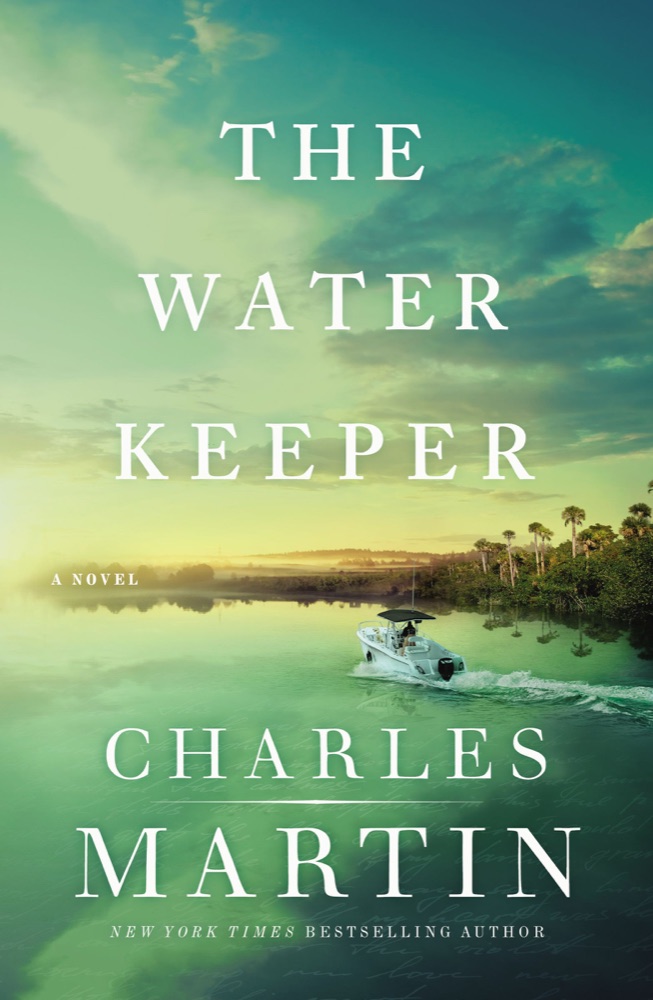 The Water Keeper
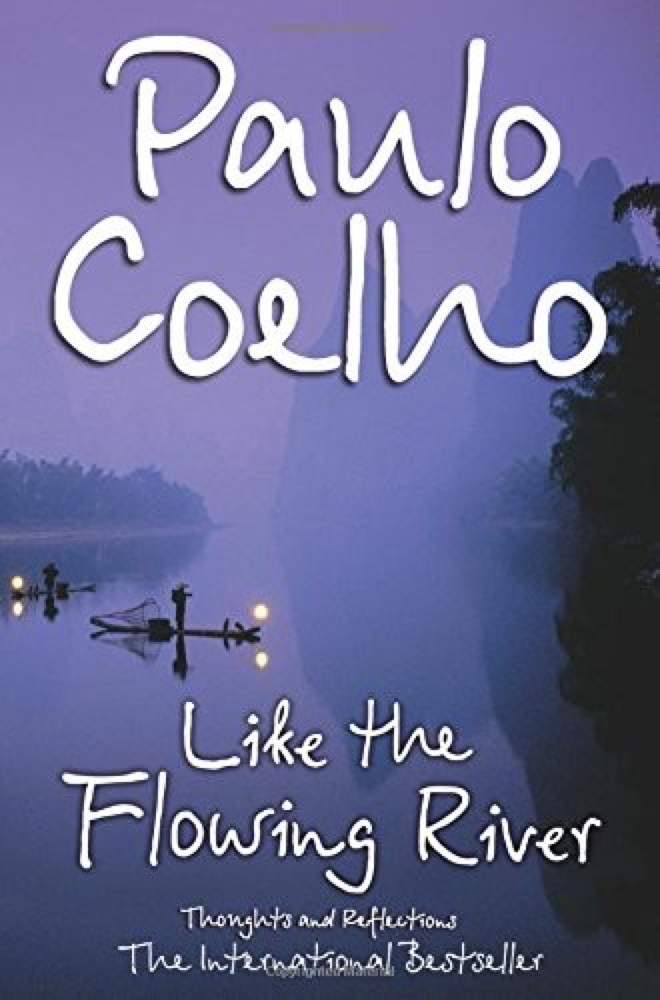 Like the Flowing River
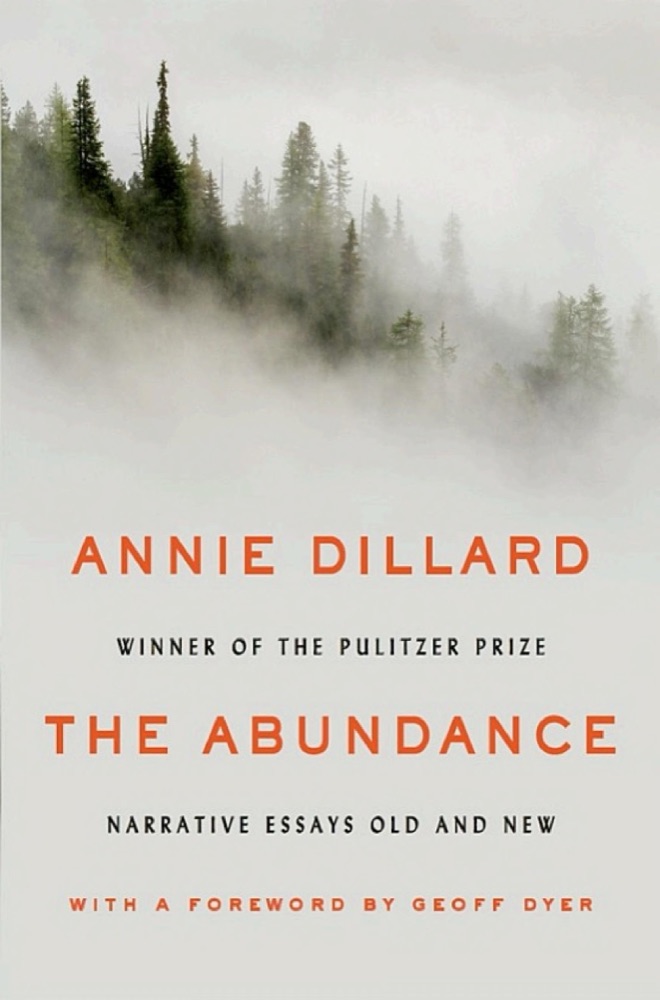 The Abundance
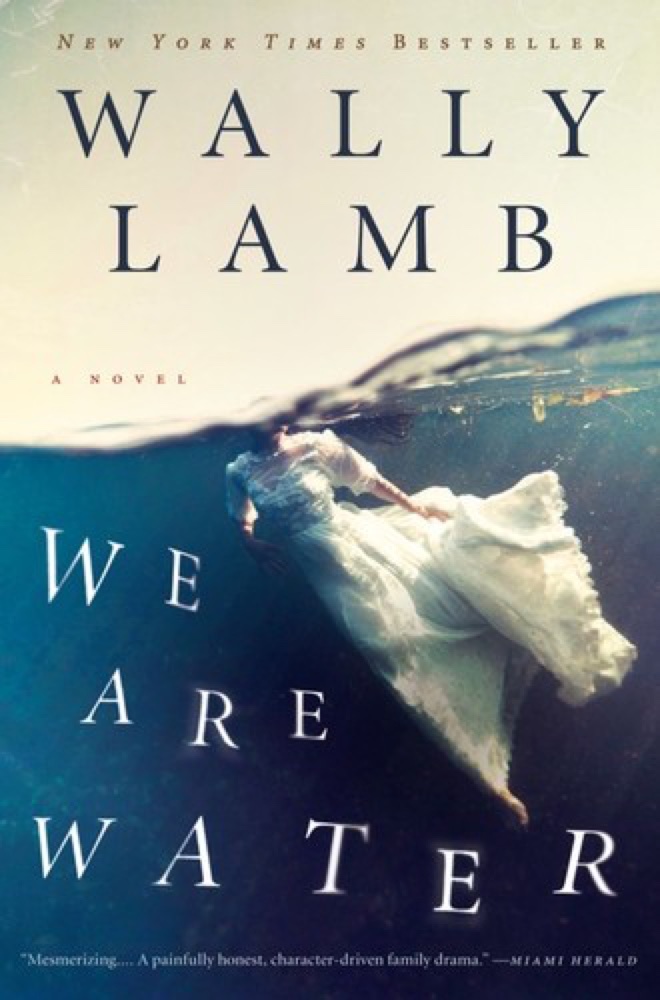 We Are Water
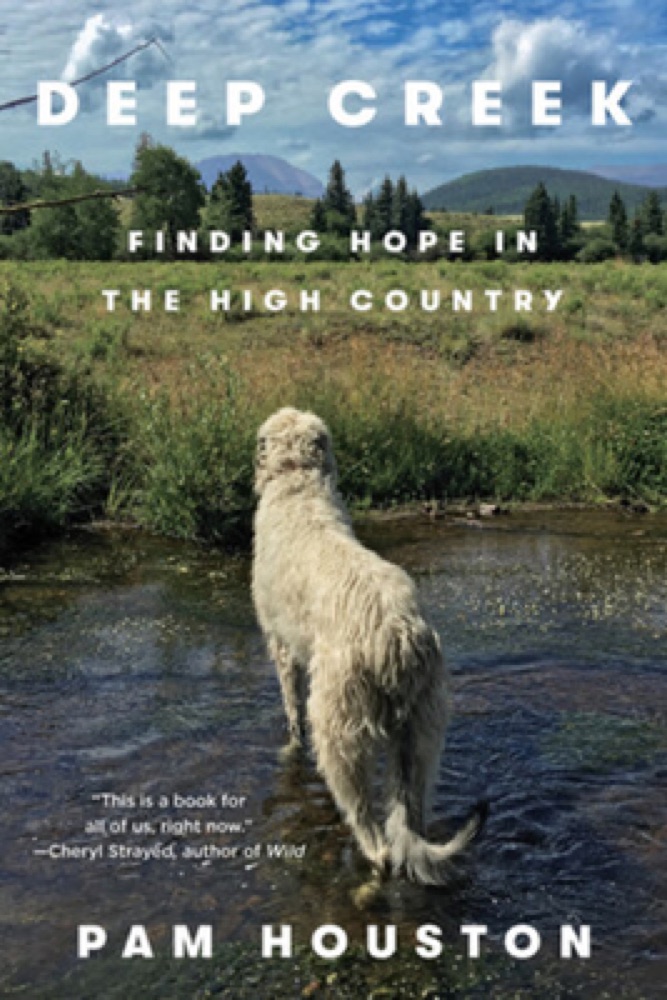 Deep Creek: Finding Hope in the High Country
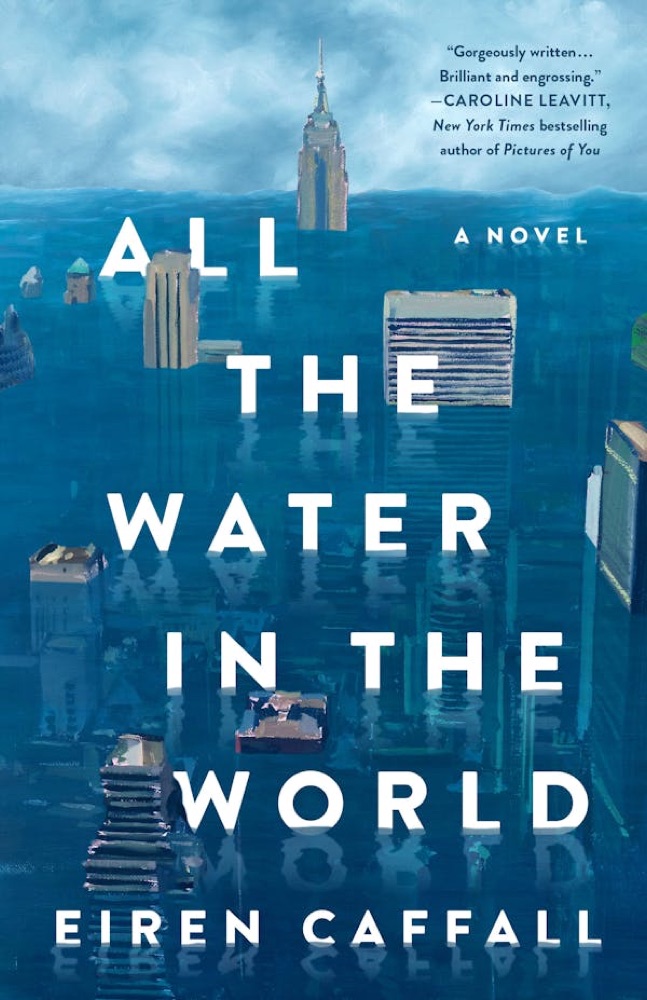 All the Water in the World
 Waterland
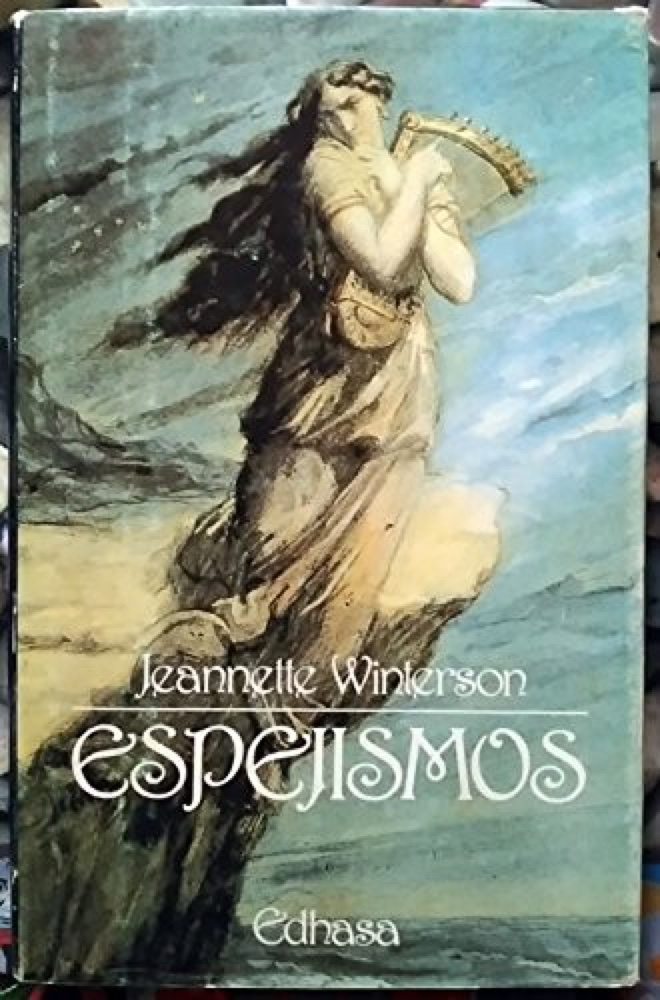 Sexing the Cherry
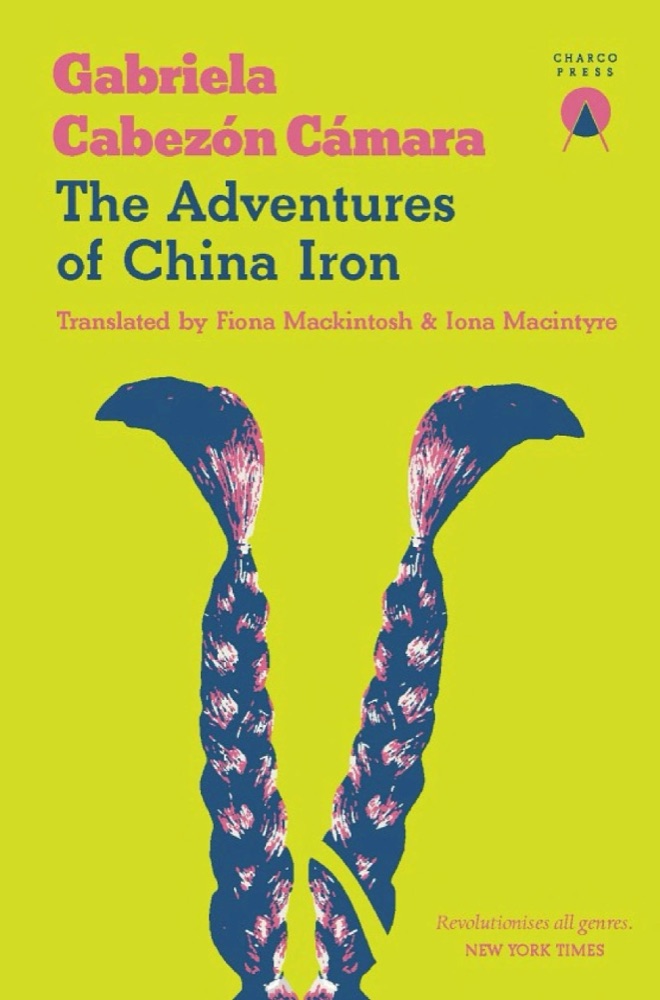 The Adventures of China Iron
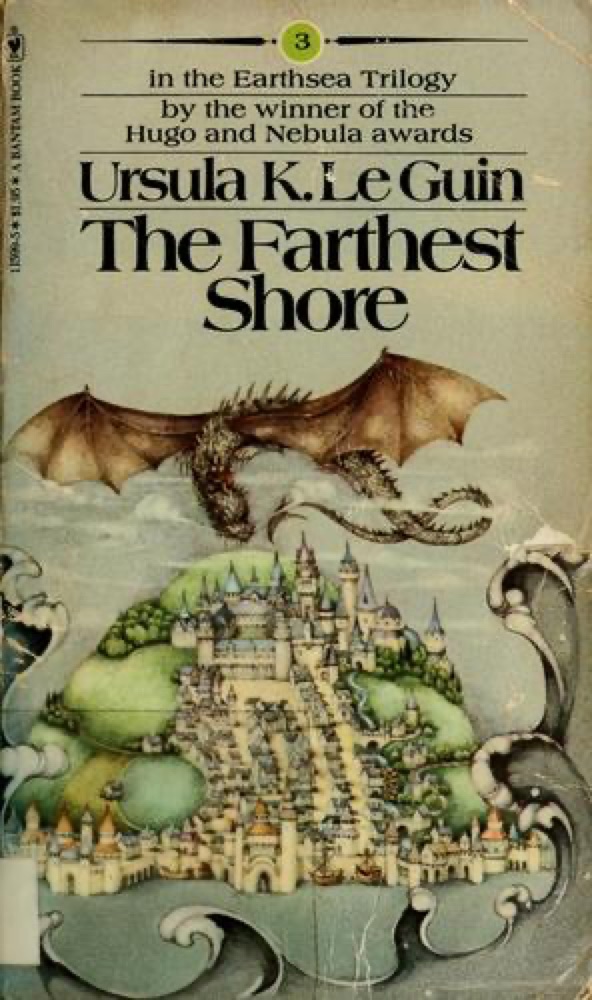 The Farthest Shore
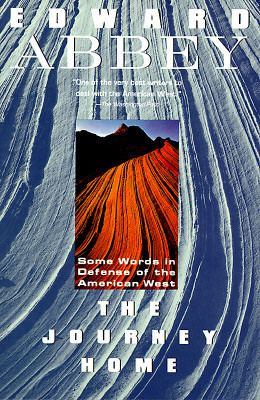 The Journey Home: Some Words in Defense of the American West
 Kafka on the Shore
 State of Wonder
 The Wild Silence
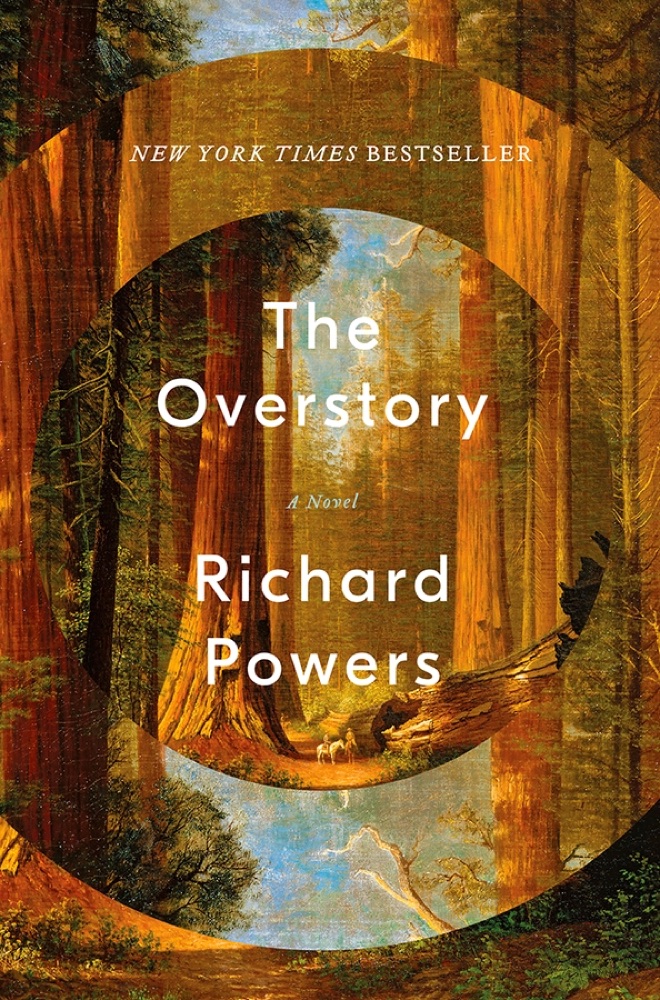 The Overstory
 Walking
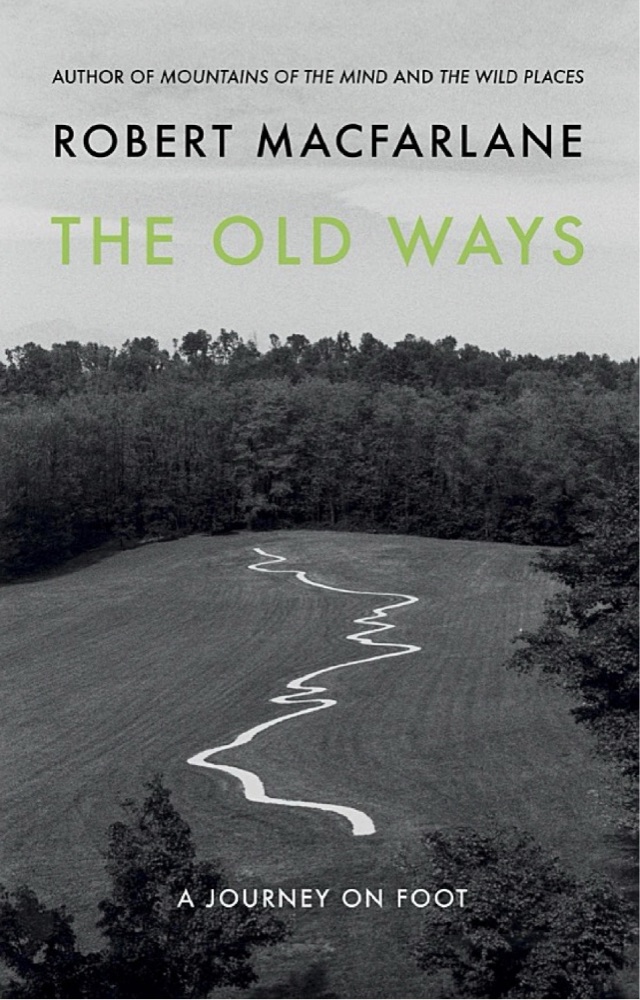 The Old Ways: A Journey on Foot
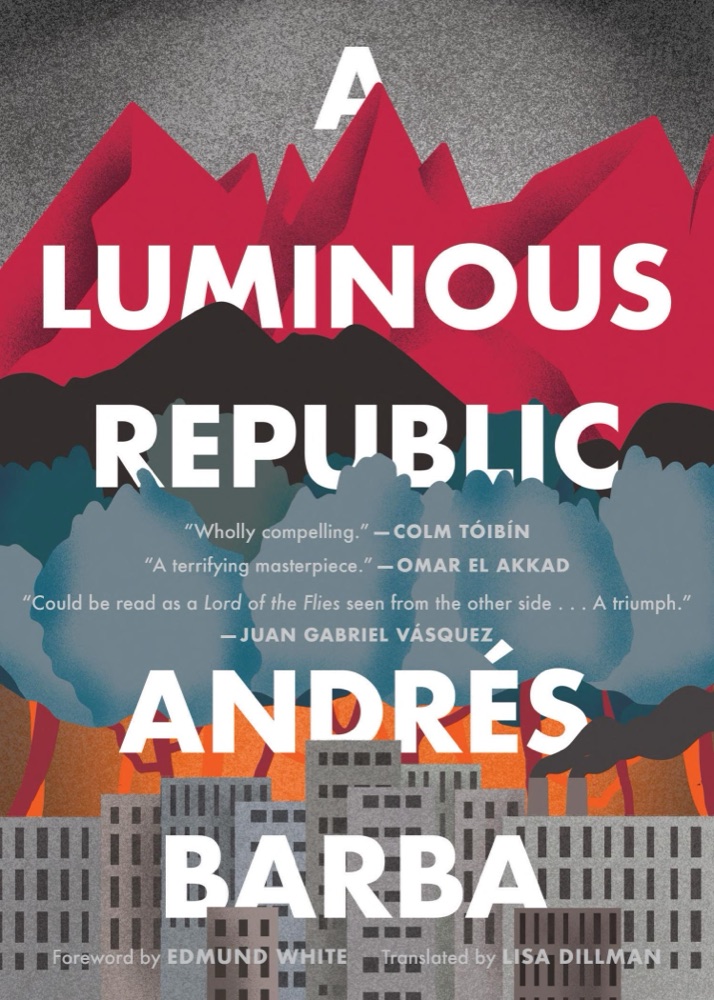 A Luminous Republic
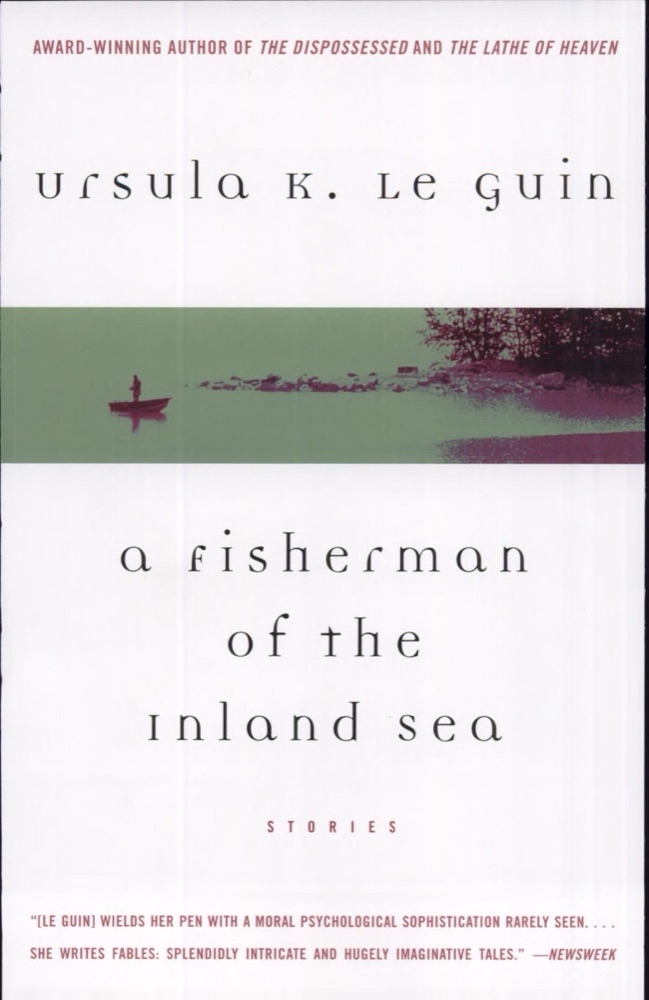 A Fisherman of the Inland Sea
 How Far the Light Reaches: A Life in Ten Sea Creatures
 Turtle Island
 The Shape of Water
 Adrift: Seventy-Six Days Lost at Sea