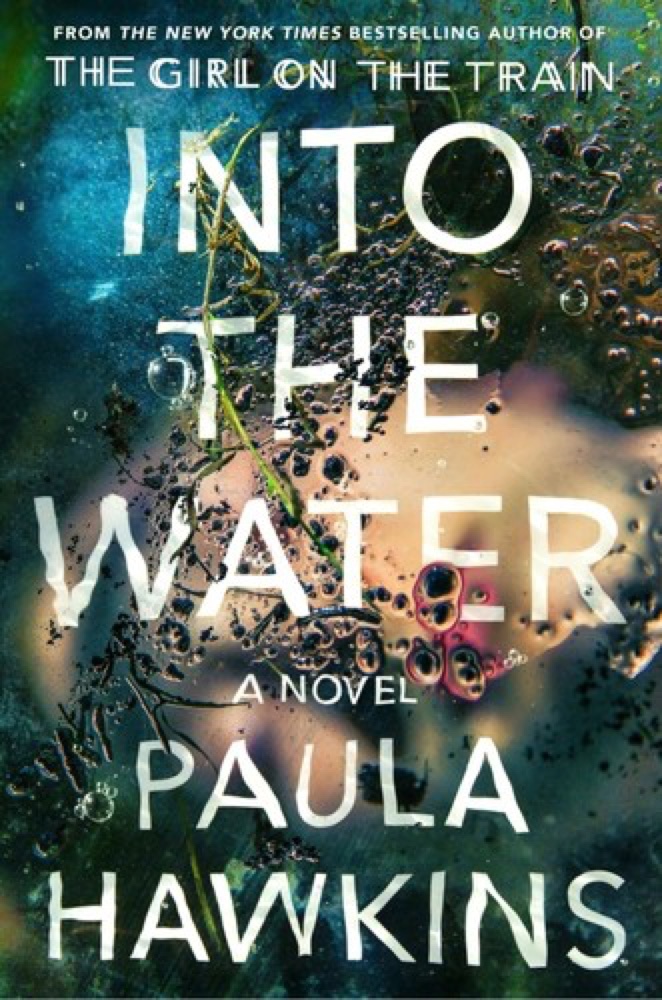

 The Girl on the Train
Quotes from the Book
Beware a calm surface—you never know what lies beneath.
Yes, it is. It’s, like, when someone has an affair, why does the wife always hate the other woman? Why doesn’t she hate her husband? He’s the one who’s betrayed her, he’s the one who swore to love her and keep her and whatever forever and ever. Why isn’t he the one who gets shoved off a fucking cliff?
The things I want to remember I can't, and the things I try so hard to forget just keep coming.
No one liked to think about the fact that the water in that river was infected with the blood and bile of persecuted women, unhappy women; they drank it every day.
She felt it when she woke, not a presence but an absence.
She had never realized before her life was torn apart how awkward grief was, how inconvenient for everyone with whom the mourner came into contact. At first it was acknowledged and respected and deferred to. But after a while it got in the way—of conversation, of laughter, of normal life.
Imagine walking past the place where you lost someone, every single day.
Anything was possible. When you hear hooves you look for horses, but you can’t discount zebras.
But then I suppose I’ve never really lost anyone. How would I know what that kind of grief feels like?
Lena's voice grew cold. "I don't understand you. I don't understand people like you, who always choose to blame the woman. If there's two people doing something wrong and one of them's a girl, it's got to be her fault, right?
The river can go back over the past and bring it all up and spit it out on the banks in full view of everyone, but people can’t.
Watching someone in the throes of raw grief is a terrible thing; the act of watching feels violent, intrusive, a violation. Yet we do it, we have to do it, all the time; you just have to learn to cope with it whatever way you can.
Beckford is not a suicide spot. Beckford is a place to get rid of troublesome women.
You stung me like that often; cruelty always was your strong suit.
they never saw what the water really was, greenish-black and filled with living things and dying things. Out
She used to think that only parents can understand the sort of love that swallows you up, but now she wondered whether it was only mothers who did.
We now know that memories are not fixed or frozen, like Proust’s jars of preserves in a larder, but are transformed, disassembled, reassembled, and recategorized with every act of recollection.
We tell our stories differently, don't we, you and I?
the horrors conjured up by the mind are always so much worse than what is.
Some say the women left something of themselves in the water; some say it retains some of their power, for ever since then it has drawn to its shores the unlucky, the desperate, the unhappy, the lost. They come here to swim with their sisters.
You were never the princess, you were never the passive beauty waiting for a prince, you were something else. You sided with darkness, with the wicked stepmother, the bad fairy, the witch.
In between them stood an elephant and she felt she ought to point it out.
...the past shooting out at me like sparrows for the hedgerow, startling and inescapable.
All this guilt, this doubt, it was corrosive. It was changing her, twisting her. She was not the woman she used to be. She could feel herself slipping, slithering as though she were shedding a skin, and she didn’t like the rawness underneath, she didn’t like the smell of it. It made her feel vulnerable, it made her feel afraid.
We now know that memories are not fixed or frozen, like Proust’s jars of preserves in a larder, but are transformed, disassembled, reassembled, and recategorized with every act of recollection. —Oliver Sacks, Hallucinations
As histórias dos adultos eram cheias de crueldades idiotas: criancinhas impedidas de entrar na escola porque tinham a cor de pele errada, gente surrada ou morta por adorar o deus errado.
There are people who are drawn to water, who retain some vestigial primal sense of where it flows. I believe that I am one of them. I am most alive when I am near the water, when I am near this water. This is the place where I learned to swim, the place where I learned to inhabit nature and my body in the most joyous and pleasurable way.
But the thing people don’t seem to realize is that I don’t want to not feel like this. How can I not feel like this? My sadness feels right. It … weighs the right amount, crushes me just enough.
¿Cómo es que puedo recordar con semejante perfección las cosas que me sucedieron cuando tenía ocho años y, en cambio, me resulta imposible recordar si he hablado o no con mis colegas sobre el cambio de fecha de la evaluación de un cliente? Las cosas que quiero recordar se me olvidan, y las que intento olvidar no dejan de acudir a mi mente.
I was running along the coastal path, clasping Mum's bracelet to my wrist. I was terrified that it was going to drop off and go sliding down the cliff into the sea. I wanted to put it in my mouth for safekeeping, like crocodiles do with their babies.
Did you know?
- "Into the Water" is Paula Hawkins's second thriller, published in 2017 after the runaway success of "The Girl on the Train."
- The novel is set in the fictional town of Beckford in Northumberland, England.
- The story is narrated through the alternating perspectives of nearly a dozen different characters.
- Film rights were acquired in 2017 by Amblin Partners, with producer Marc Platt attached.
- The book became a number-one bestseller and appeared on The New York Times fiction bestseller list for 2017.
About Paula Hawkins
Paula Hawkins (born 1972) is a British author, born and raised in Harare, Zimbabwe, who moved to London in 1989 and worked as a journalist before turning to fiction. She is best known for her 2015 international bestseller "The Girl on the Train."
More about the author →More by Paula Hawkins
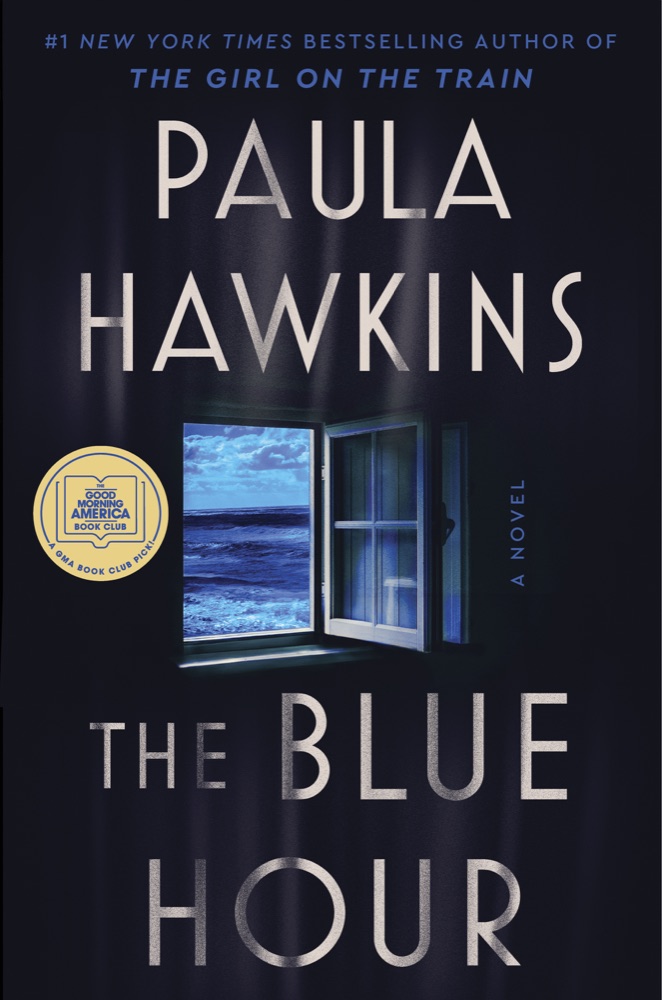

About the book
"Into the Water" is the second psychological thriller by Paula Hawkins, following her blockbuster debut "The Girl on the Train." When Nel Abbott is found dead in the river below Beckford, a fictional town in Northumberland, England, her estranged sister Jules returns to a place she swore never to see again, now responsible for Nel's teenage daughter Lena. Nel is only the latest woman to die in the stretch of water locals call the Drowning Pool, and Jules must sift through decades of the town's secrets to work out whether her sister jumped, fell, or was pushed.
Told through the alternating voices of nearly a dozen characters, the novel weaves together grief, memory, and the long history of women who have died in the Drowning Pool. Hawkins returns to themes that shaped her earlier work: unreliable recollection, the gap between how people present themselves and who they are, and the way a small community can close ranks around its own buried guilt. The shifting perspectives gradually expose how the deaths of the present are entangled with those of the past.
A number-one bestseller on both sides of the Atlantic, "Into the Water" cemented Hawkins as a leading voice in contemporary psychological suspense. Reviews were mixed, with some critics finding the large ensemble of narrators hard to keep distinct, but the book's commercial success was immense, appearing on The New York Times fiction bestseller list of 2017 and prompting an early sale of the film rights.
Key characters
- Jules AbbottThe protagonist, a woman estranged from her sister who returns to Beckford after Nel's death
- Nel AbbottJules's sister, a writer and photographer whose death in the Drowning Pool sets the story in motion
- Lena AbbottNel's grieving fifteen-year-old daughter, now in Jules's care
- DI Sean TownsendThe local detective inspector leading the investigation, carrying his own childhood trauma
- DS Erin MorganA detective sergeant recently transferred from London, bringing an outsider's perspective
- Katie WhittakerLena's closest friend, whose earlier death in the Drowning Pool devastated the town
- Patrick TownsendSean's father, a retired police officer with traditional views and failing memory
Book details
- First published
- 2017
- Length
- 400 pages
- Reading time
- 8 hours
- Author
- Paula Hawkins
- Genre
- Fiction
- Goodreads rating
- 3.59 (425k ratings) →
If you liked this, read…
- 1The Girl on the TrainHawkins's own debut, another multi-perspective psychological thriller of memory and unreliable narration
- 2The Woman in the WindowA tense domestic thriller built on an unreliable narrator and hidden secrets
- 3The DryA small-town suspense novel where an outsider's return unearths a community's buried past
Keep reading
 We Are Water
 The First Time She Drowned
 Bad Cree
 The Mermaid Chair
 The Summer Children
 The Woman Destroyed
 The Shock of the Fall
 Burial Rites
 Kala
Kala
 The Cheerleaders
 Our Wives Under the Sea
 Gerald's Game
 Freshwater
 And the Mountains Echoed
 Reconstructing Amelia
 Everything Under
 Tell No One
 Hot Milk
 Ammonite
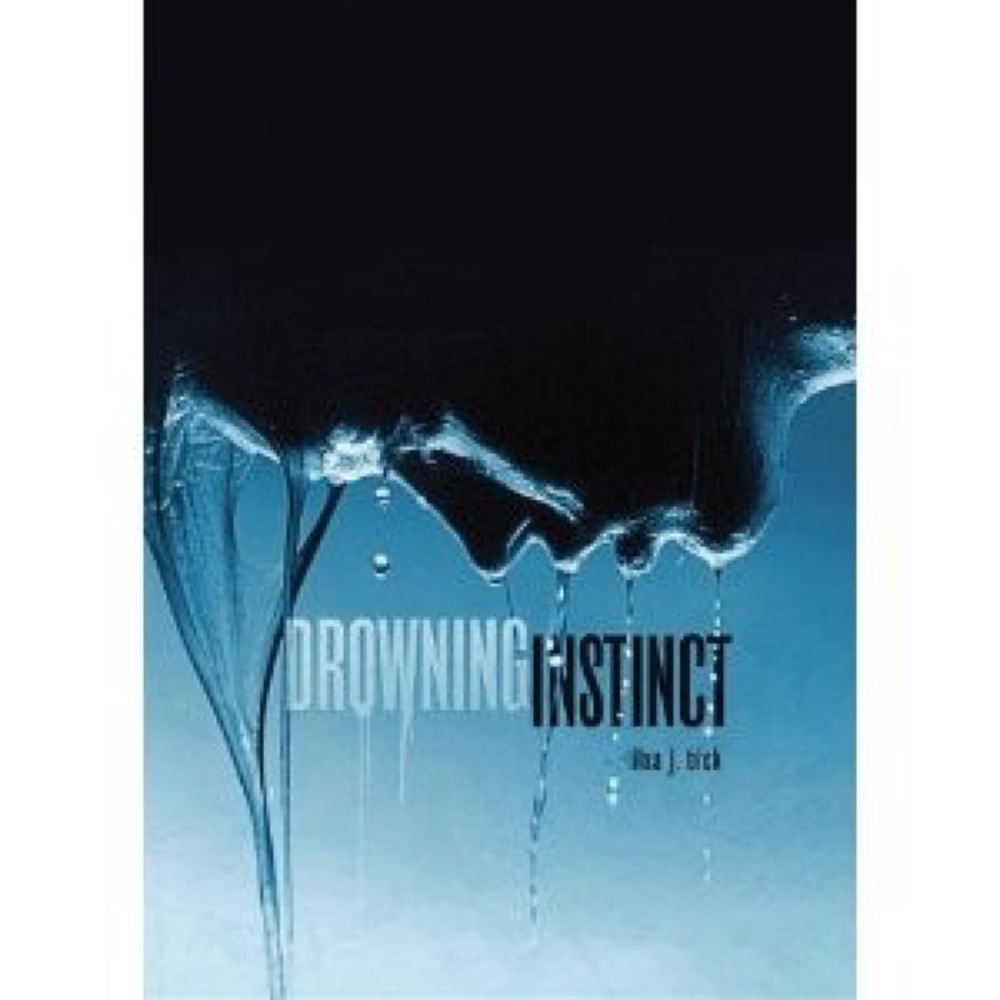 Drowning Instinct
 Chlorine
 We Were Never Here
 What Is Not Yours Is Not Yours
 Sharp Objects
 Banyan Moon
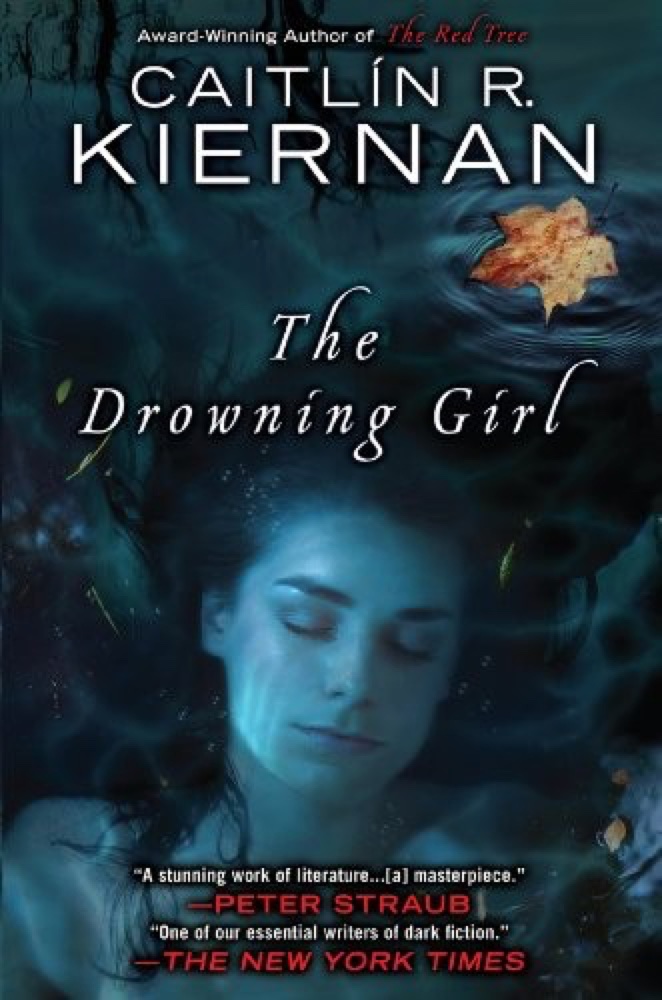 The Drowning Girl
 A Great and Terrible Beauty
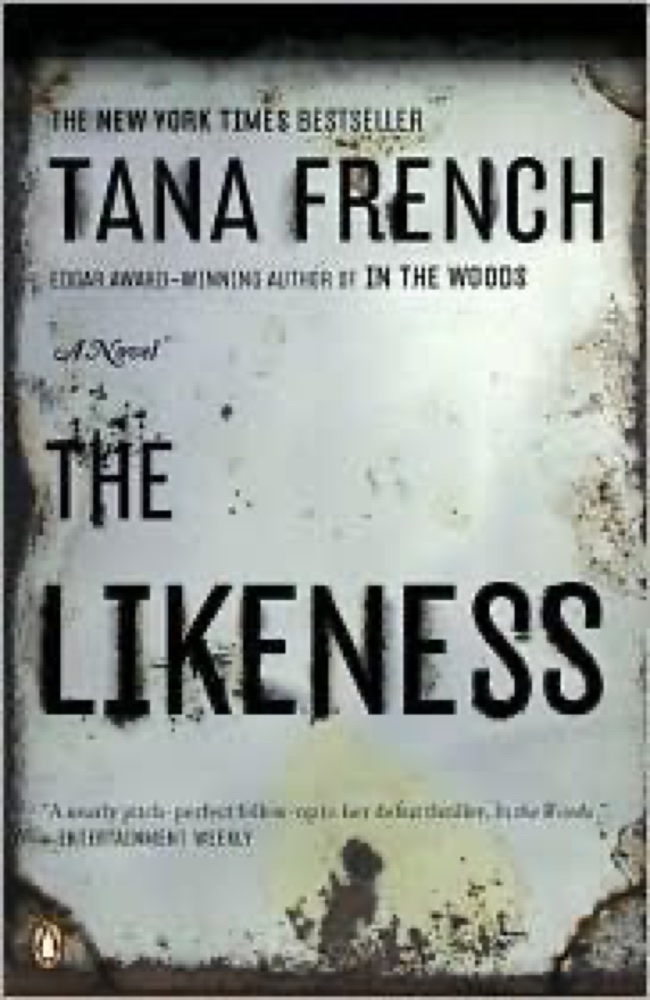 The Likeness
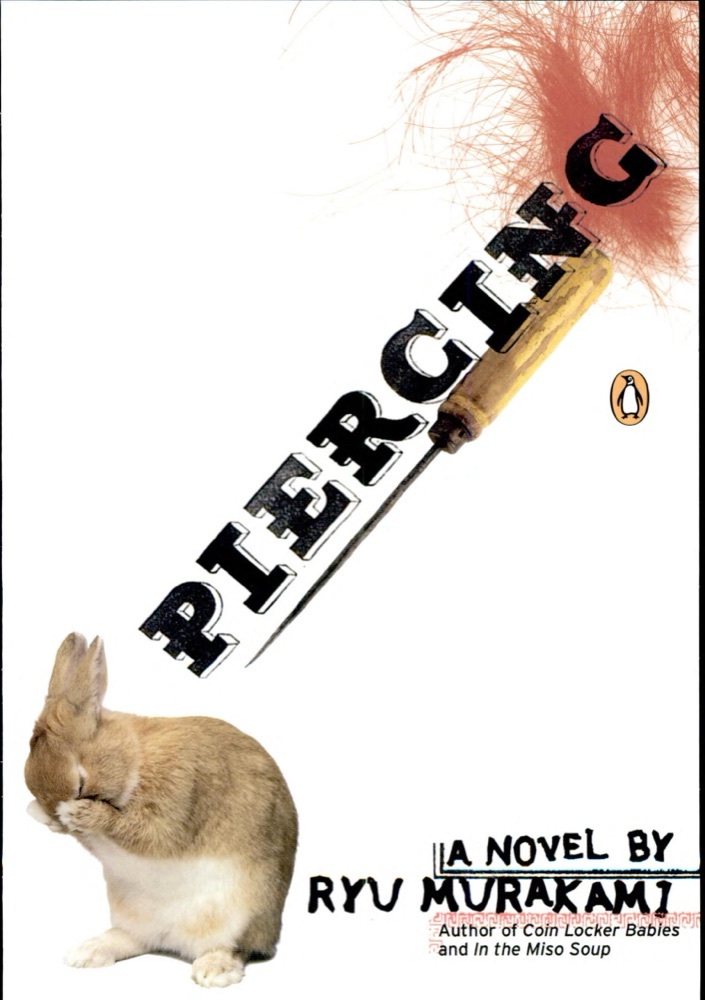 Piercing: A Novel
 The Girl Before
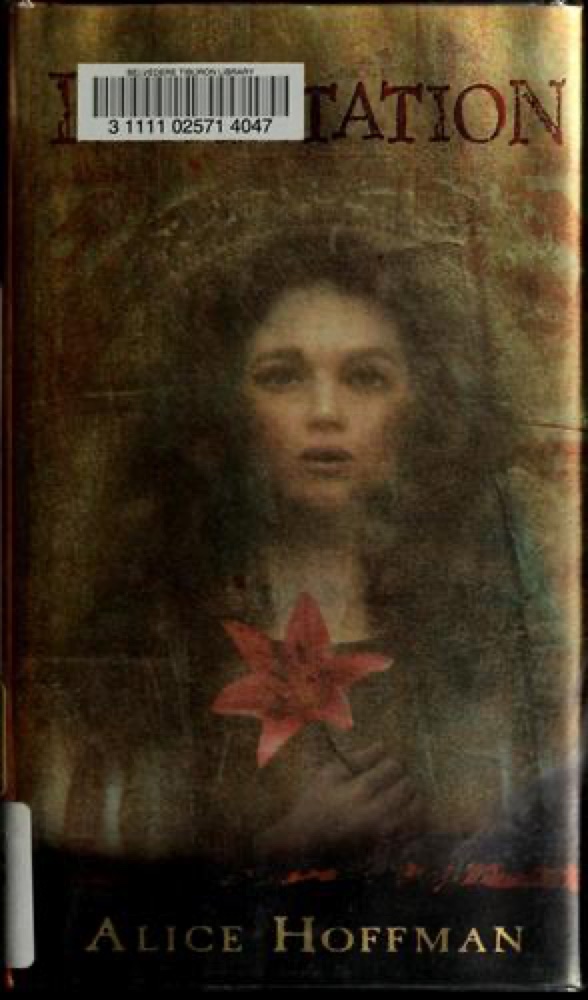 Incantation
 Bluebeard's Egg
 Lisey's Story
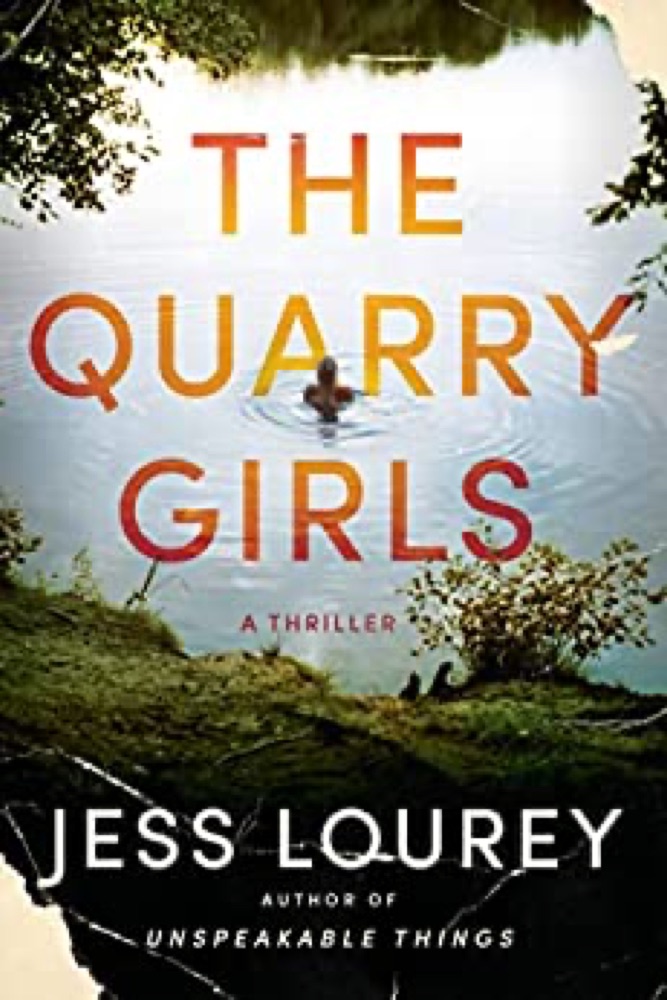 The Quarry Girls
 Memoirs of a Geisha
 The Scar
 The Death of Vivek Oji
 Swimming in the Dark
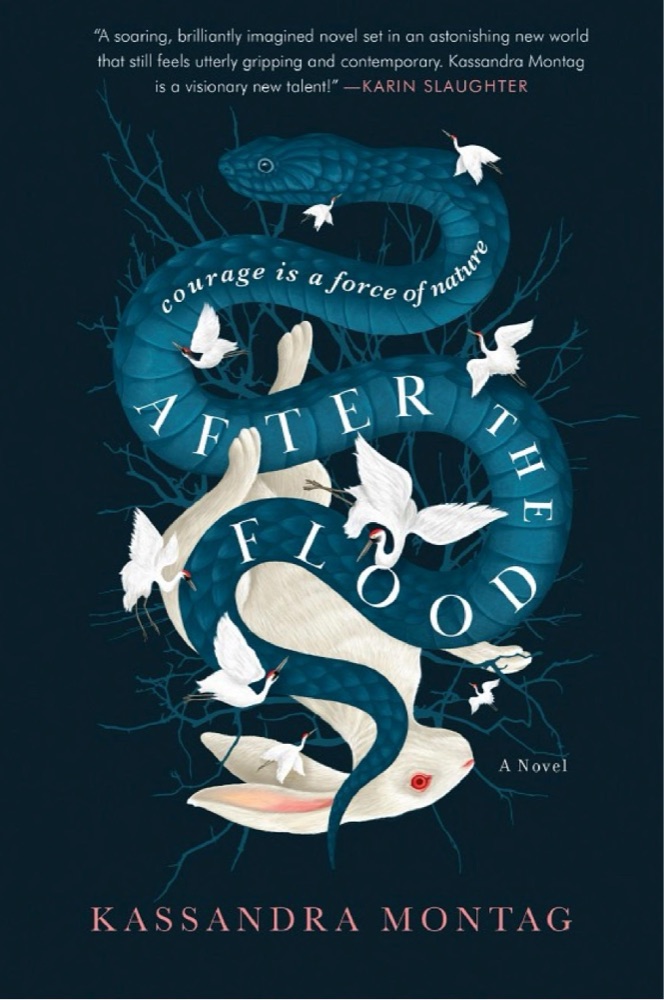 After the Flood
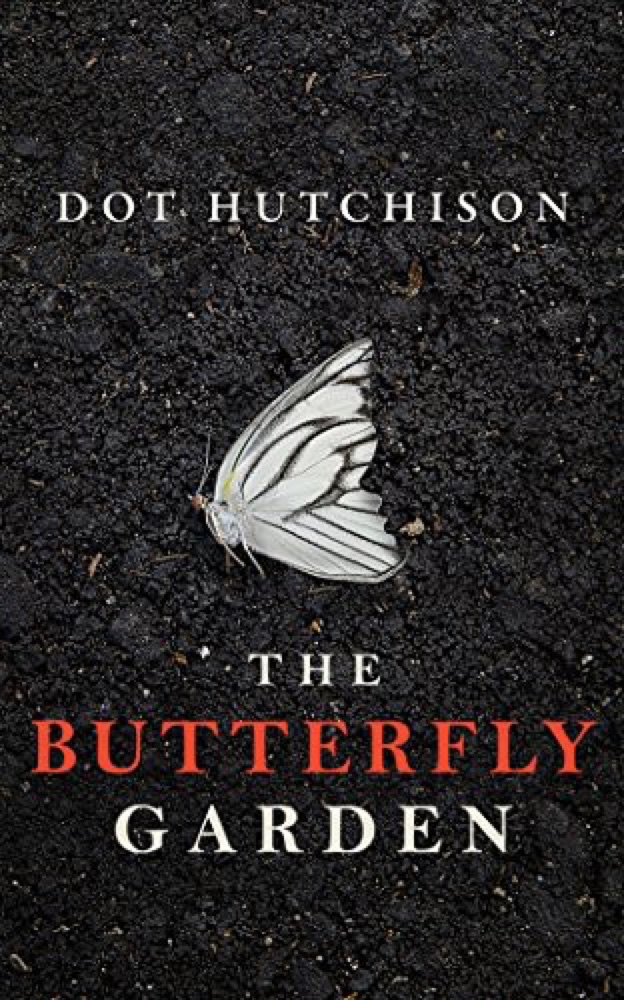 The Butterfly Garden
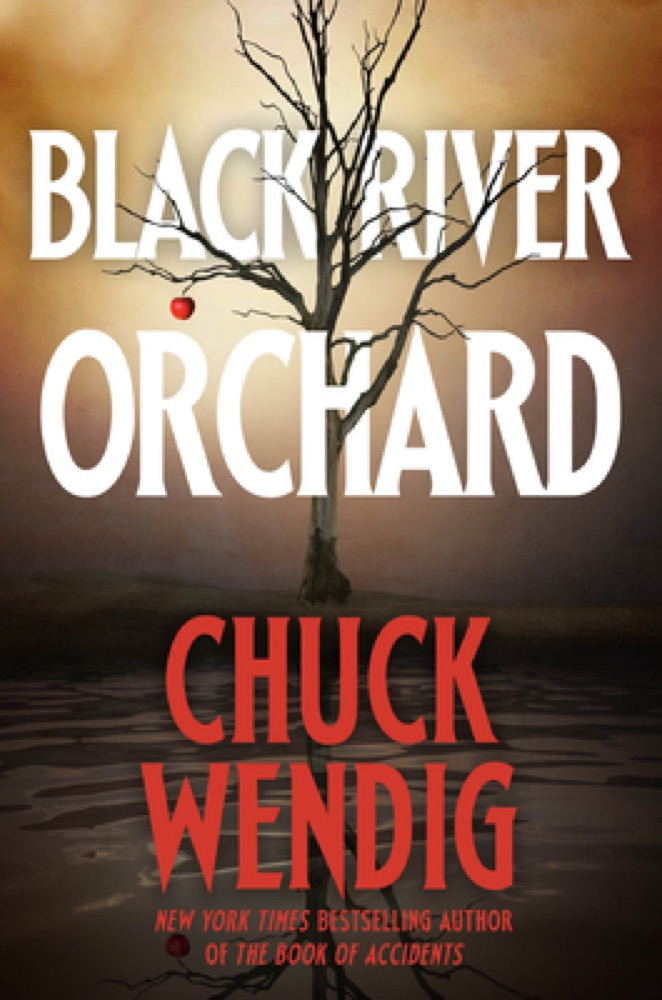 Black River Orchard
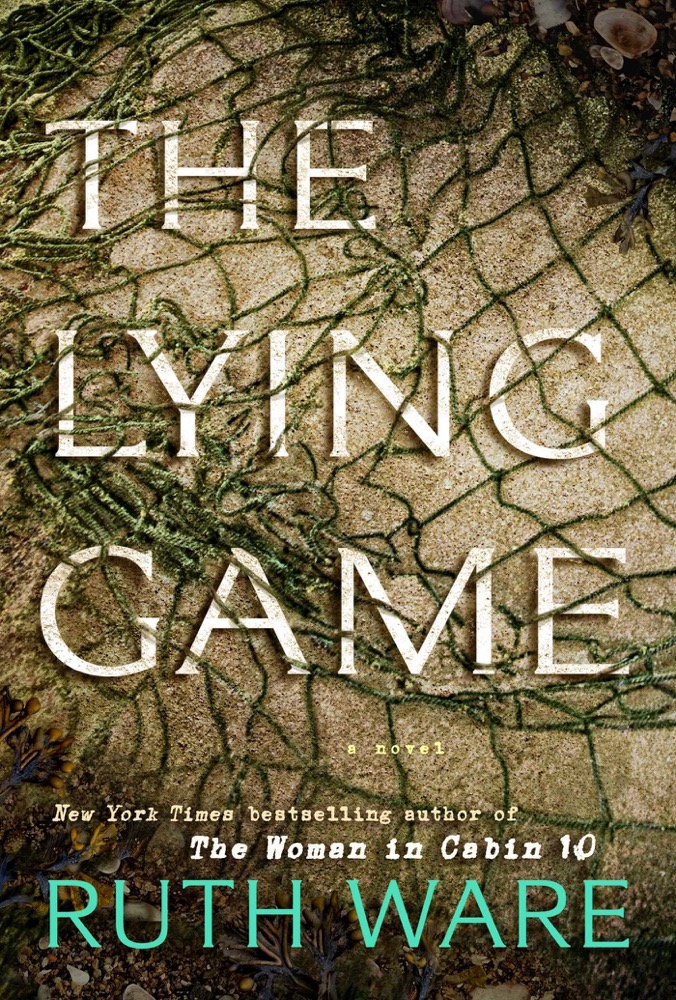 The Lying Game
 Saint X
 The Year of the Flood
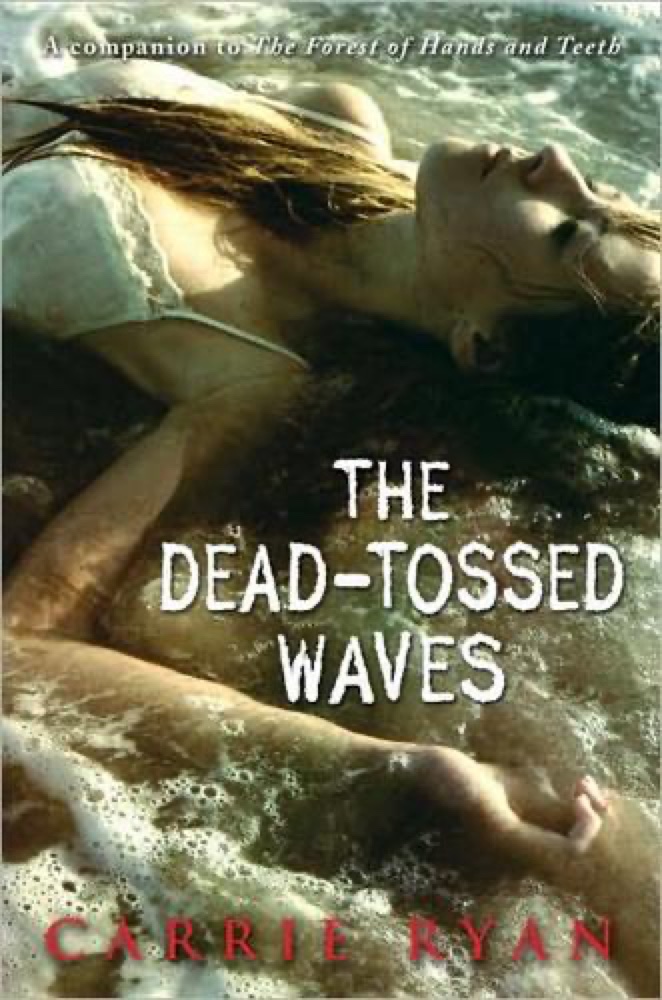 The Dead-Tossed Waves
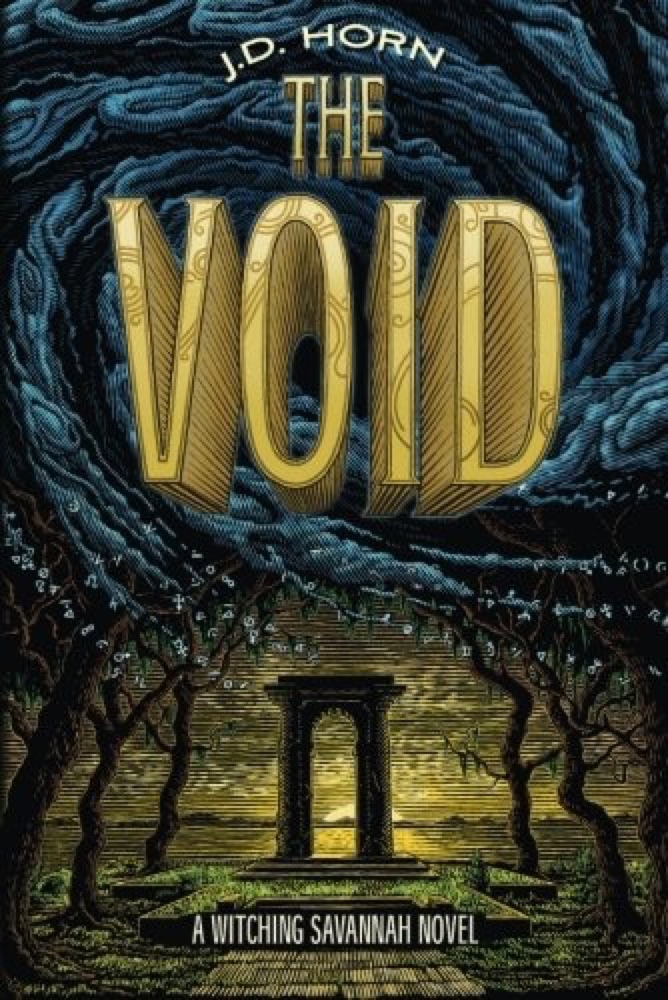 The Void
 I Hold a Wolf by the Ears: Stories
 Journey to Munich
 Her Body and Other Parties
 Never Let Me Go
 The Chronology of Water
 Mystic River
 The Hour I First Believed
 Birds of America
 Vanishing Girls
 Summer Island
 The Spear Cuts Through Water
 The Reader
 10 Minutes 38 Seconds in This Strange World