 Cold Enough for Snow
Quotes from the Book
But that was the hardest thing about death: the unrelenting march of time forward, away from the person you’ve lost.
18
What if our whole life—how we live and die—has already been decided for us? Would you want to know, if a roll of the dice or a deal of the cards could tell you the outcome? Can life be that thin, that disturbing?
8
And I searched my memory -- that thin, imperfect archive -- for where might have seen it before. [Ann Stilwell]
8
Wasn’t that, after all, why we had become academics and researchers in the first place? To discover art as a practice, not just as an artifact?
5
All we’re doing is weaving together a life. Trying to see where the different threads take us.
4
It struck me then that Rachel’s generosity—the thing I had been so taken with, the thing that seemed so genuine—was actually the source of her control. She was both benefactor and micromanager, skillfully moving us through our paces, and sheltering us with privilege while we complied. And while it was clear that she liked me, she also believed she was smarter, more capable.
3
I think I do believe that people can tell the future," I said quietly. "But I don't know why anyone wants to know how their story ends," she replied.
3
Life after parents is like a clean slate. [Rachel Mondray]
3
But my father was like the putty that had filled in the sharp cracks between my mother and me, the places where we didn’t fit, and without that putty, we kept running up against each other, all hard angles and brittleness.
2
The death of my father had unmoored her. After he was gone, the tight structure of our daily life got looser: the milk expired and was not replaced, our small patch of lawn overgrew, my mother stopped changing her sheets. And then, there would be a day during which she would whip everything back to the way it was before, a sudden tightening. But the loosening would come back. A slow easing at first, and then a swift, remorseless undoing—again and again.
2
You should be careful what you put your faith in, of course,” she continued. “Humans have a tendency to be easily romanced by the promise of knowledge.
2
I do think people can tell the future,” I said quietly. “But I don’t know why anyone wants to know how their story ends,” she replied.
2
I don’t know what will become of my life,” I said, “and I’m the one living it.
2
I had never been to Europe, but I imagined it would look something like this: shady and cobbled and Gothic. The kind of place that reminded you how temporary the human body was, but how enduring stone.
2
I think it reflects the extent to which, although the Renaissance is often considered an era of logic and science, it was easily seduced by ancient practices that didn’t include geometry and anatomy, but rather a belief in oracles and mystical traditions. In some ways it was also very”—I paused—“ anti-science. Broad strokes, of course.
2
We are, you see, both masters of our fate and at the mercy of the Moirai--the three Fates who weave our futures and cut them short. And while I still believe we can control the little things in life, those small decisions that add up to the everyday, I think, perhaps, the overall shape of our life is not ours to decide.
2
Choice is the one thing we all share. It's the ultimate level playing field.
2
Like a true cloister, it was silent save for the sound of our footsteps.
2
I knew how impossible it was for people who hadn't experienced the loss of a loved one to understand how it remade your world in terrible, strange ways. That you couldn't judge someone for how they grieved was an understanding Rachel and I shared. [Ann Stilwell]
2
Nothing, I knew, was as powerful as curiosity. I had always considered it more powerful than lust. After all, wasn't that why Adam bit into the apple? Because he was curious? Because he needed to know? For -research-. [Ann Stilwell]
2
...time made it possible to revisit even the hardest places. [Ann Stilwell]
2
I reached out to put a hand on her arm, to offer her some comfort. I knew there was nothing to say. Words weren't made to fit these holes. But I knew what it was like to lose a parent. And after yesterday, to feel that cold. [Ann Stilwell]
2
I wanted to see the places he brought home in books from the Penrose Library—the campaniles of Italy, the windswept coastline of Morocco, the twinkling skyscrapers of Manhattan. Places I could only afford to travel to on the page.
2
The first day of human life already establishes the last.
1
It just wasn't in the cards.
1
Alone, after all, was my default way of being, one of the main reasons that academia had appealed to me in the first place: the ability to be unchaperoned with captivating objects and ancient histories. This, I preferred to the idea of working in an office with small talk and endless meetings, the forced intimacy of team-building exercises. Academia did away with all that. And for that, I was grateful.
1
Rachel and Leo had shown me a different way of living, and for that, I had fallen in love with both of them. Standing at the edge of the window, looking across the lake, I was caught between the desire to destroy it all and hold on to it forever. The impulses were, I thought, the same.
1
The realization crystallized in me--that we were all out for our own best interests, our own goals and dreams. That here, in The Cloisters, although it was easy to forget we were in Manhattan, everyone was still out for themselves--on the come-up--and willing to do whatever was necessary to make that happen. Especially me.
1
I was drunk on the city itself, desperate, in some ways, to drown in it. To let the sounds and the people and the constant movement draw me into its tides and send me out to sea forever. I never felt as alive as I did when I was being tossed around by New York.
1
Watch on YouTube
About Katy Hays
We have collected 29 quotes from 1 book by Katy Hays on BookQuoters.
More about the author →About the book
“Engrossing listening” (AudioFile): Ann’s work at the Cloisters, a gothic museum of medieval art, takes a turn when she uncovers a mysterious artifact — turning academic curiosity into a deadly game of obsession… This Read With Jenna book club pick and New York Times bestseller is “captivating in every sense of the word” (New York Times bestselling author Sarah Pearse).
On the wheel of fortune, who will emerge on top... and who will die?
When Ann Stilwell arrives in New York City, she hopes to spend her summer working as a curatorial associate at the Metropolitan Museum of Art. Instead, she finds herself assigned to The Cloisters, a gothic museum and garden renowned for its collection of medieval and Renaissance art.
There she is drawn into a small circle of charismatic but enigmatic researchers, including Patrick Roland, the museum's mercurial curator who specializes in the his
The buzz
- Kirkus ReviewsReview in Kirkus Reviewsprofessional review (via Book Marks)
- Publishers WeeklyReview in Publishers Weeklyprofessional review (via Book Marks)
- DatebookReview in Datebookprofessional review (via Book Marks)
Keep reading
Cold Enough for Snow
 Warlight
 The Bookshop at Water's End
 Without Reservations: The Travels of an Independent Woman
 The Likeness
 Truth & Beauty
 The Lost Bookshop
 The Clockmaker's Daughter
 The Swan Thieves
 Outline
 What I Loved
 Now Is the Time to Open Your Heart
 Belong to Me
 My Friends
 The Glass Hotel
 Dreams of Falling
 Middlesex
 The Marriage of Opposites
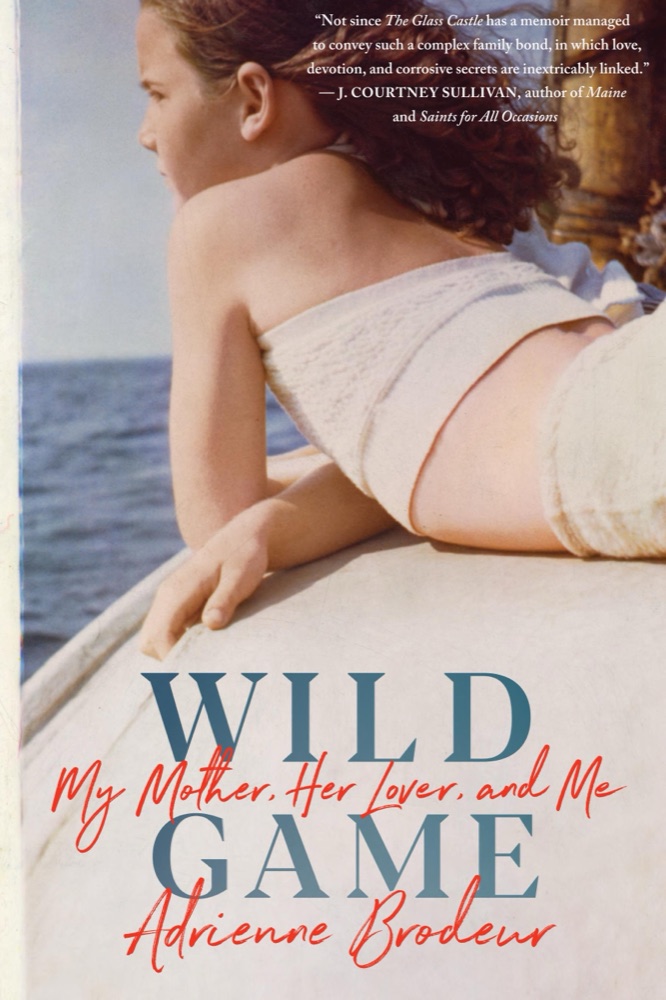 Wild Game: My Mother, Her Lover, and Me
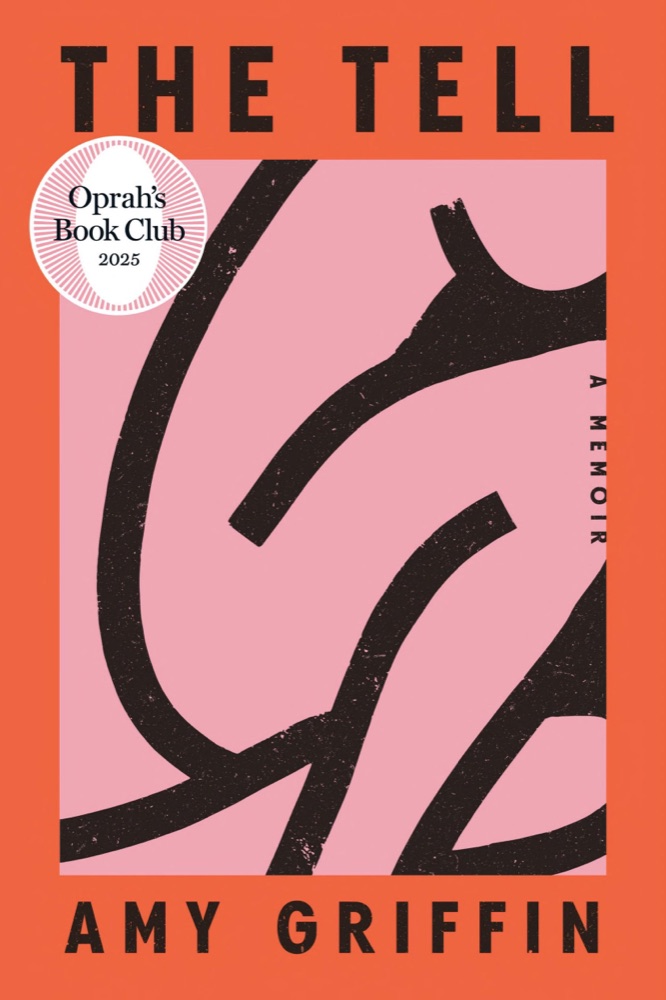 The Tell: A Memoir
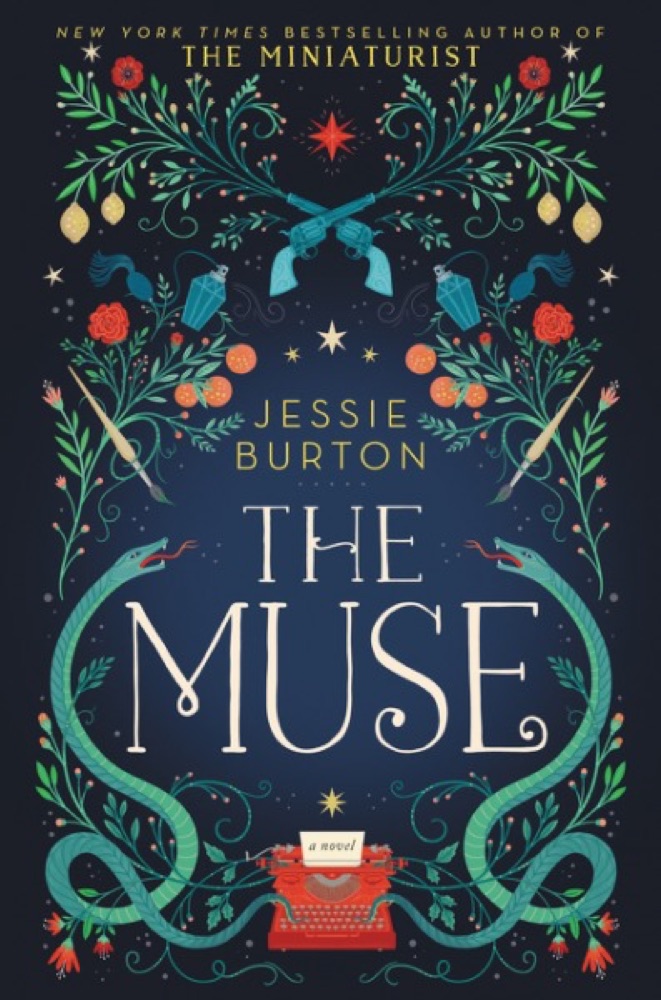 The Muse
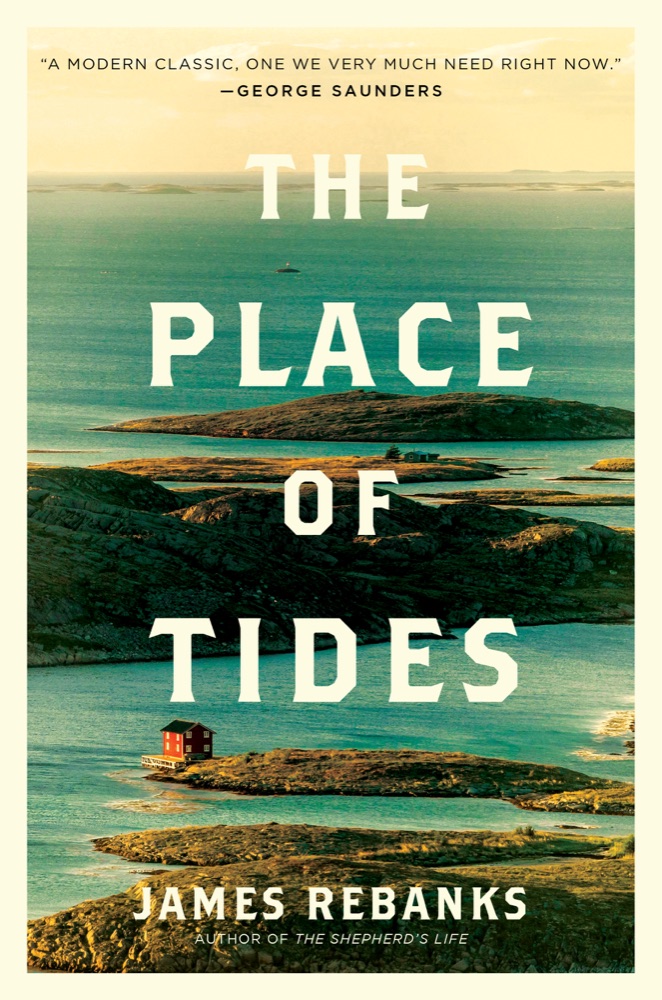 The Place of Tides
 Severance
 Library of Souls
 The Bonesetter's Daughter
 Women We Buried, Women We Burned: A Memoir
 A Brightness Long Ago
 Ghost Music
 Out of Oz
 Killing Commendatore
 The Mermaid Chair
 A Small Indiscretion
 The Girl Before
 The Stone Diaries
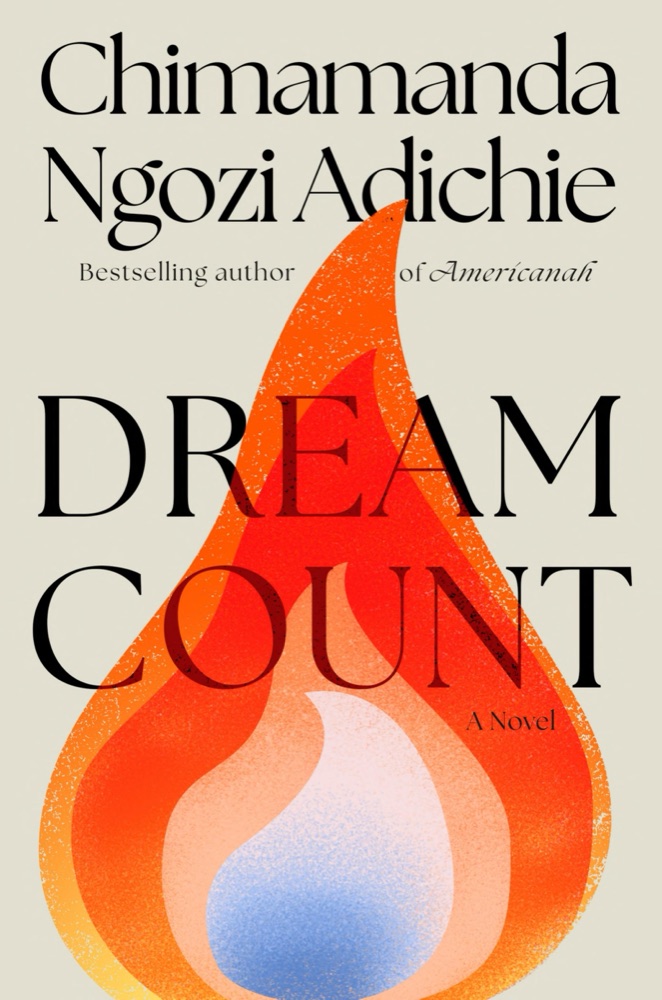 Dream Count
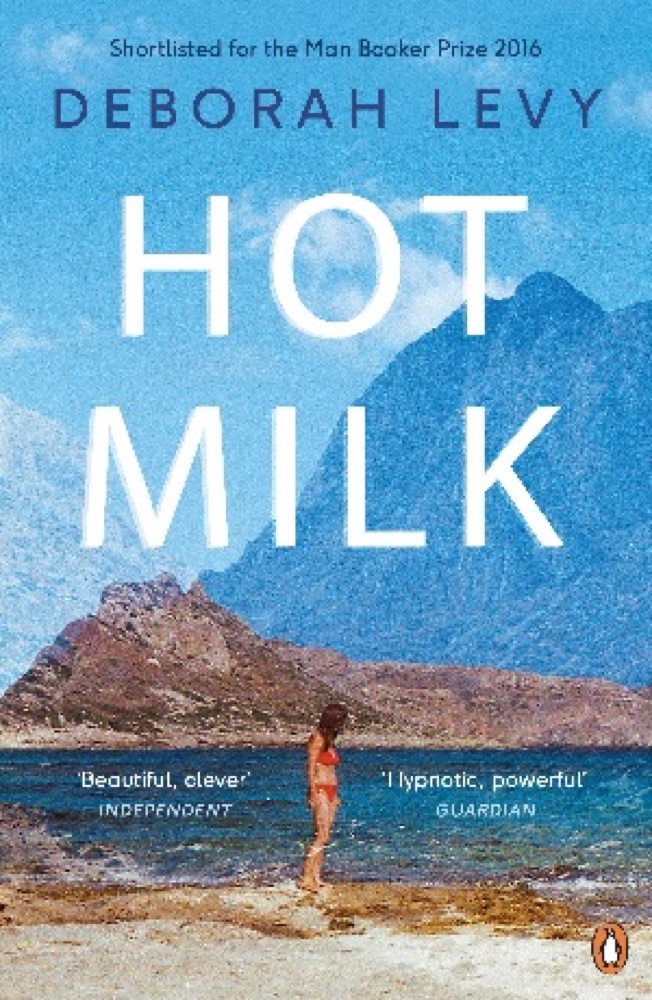 Hot Milk
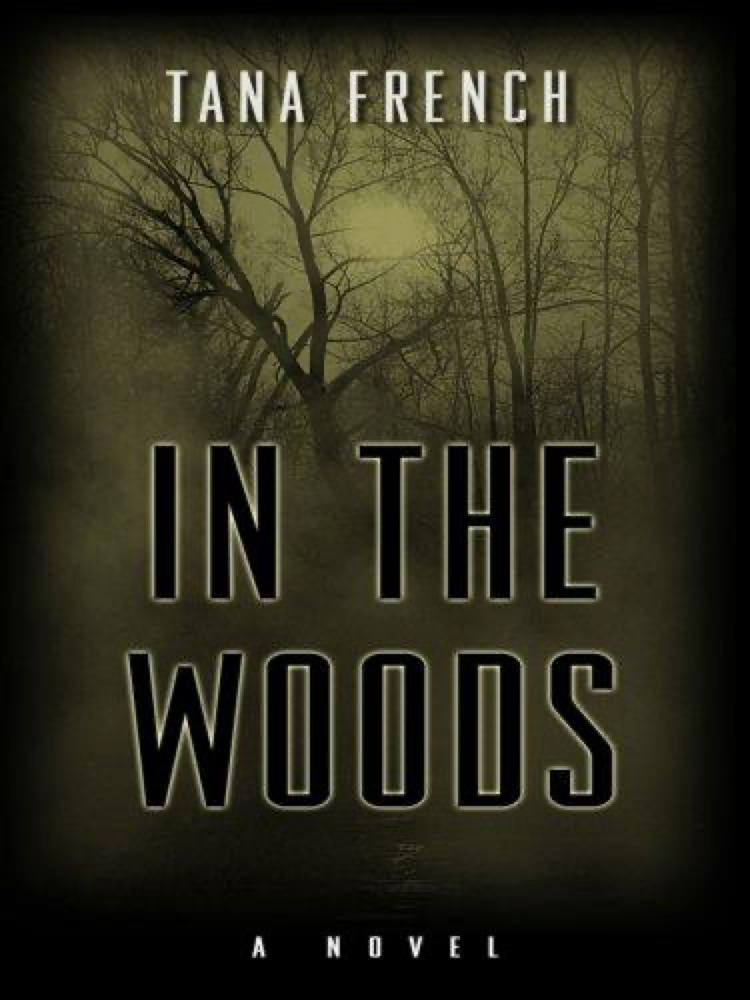 In the Woods
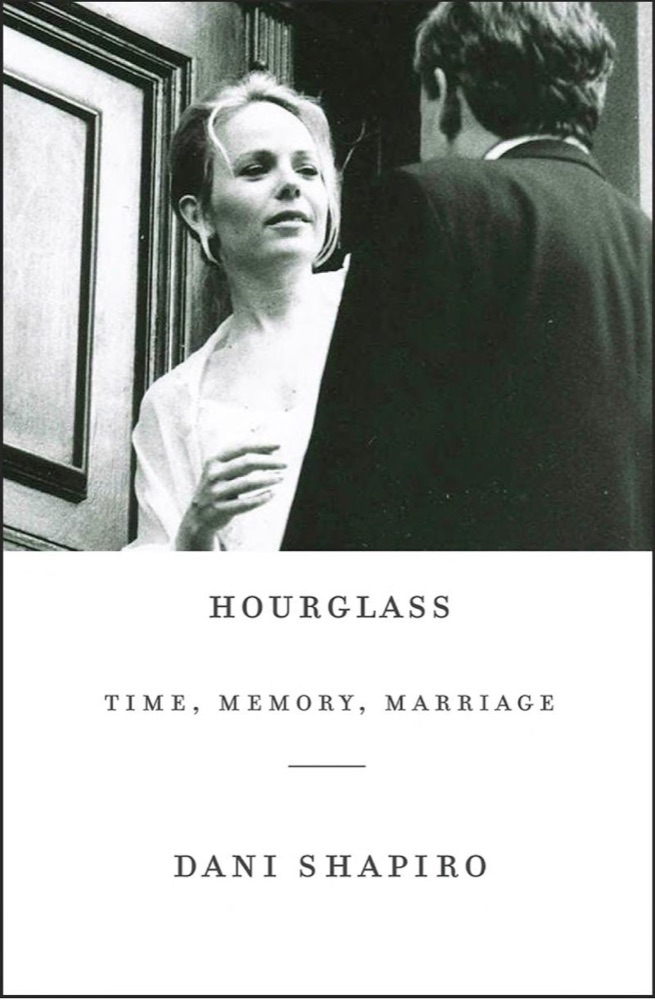 Hourglass: Time, Memory, Marriage
 Those Who Leave and Those Who Stay
 The Book of Love
 Great House
 I Hold a Wolf by the Ears: Stories
 Devotion
 Moments of Being: A Collection of Autobiographical Writing
 No One Tells You This
 The Art of Inheriting Secrets
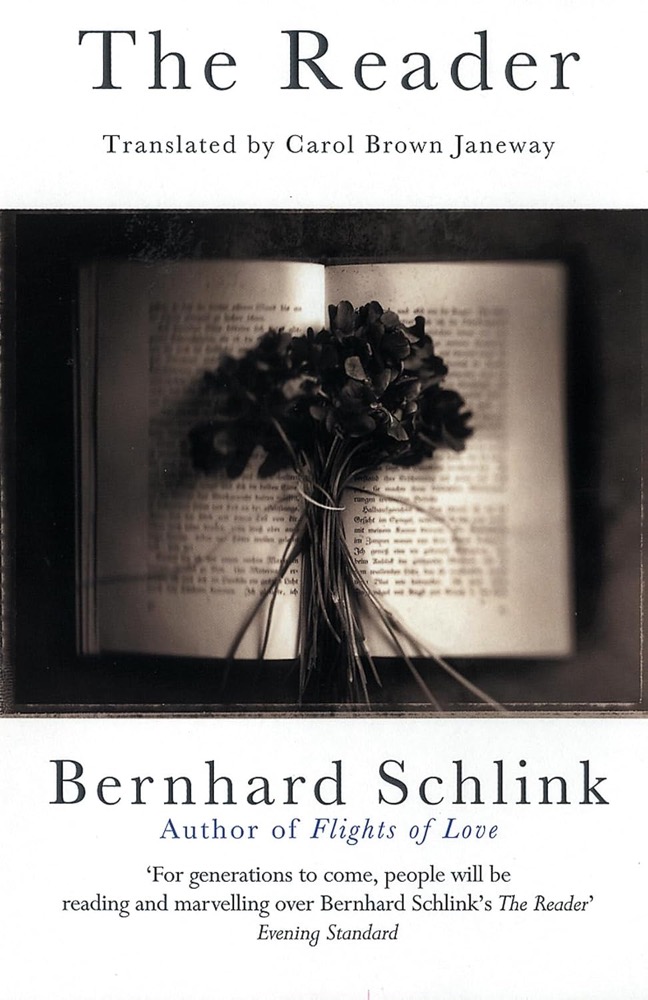 The Reader
 Moon Palace
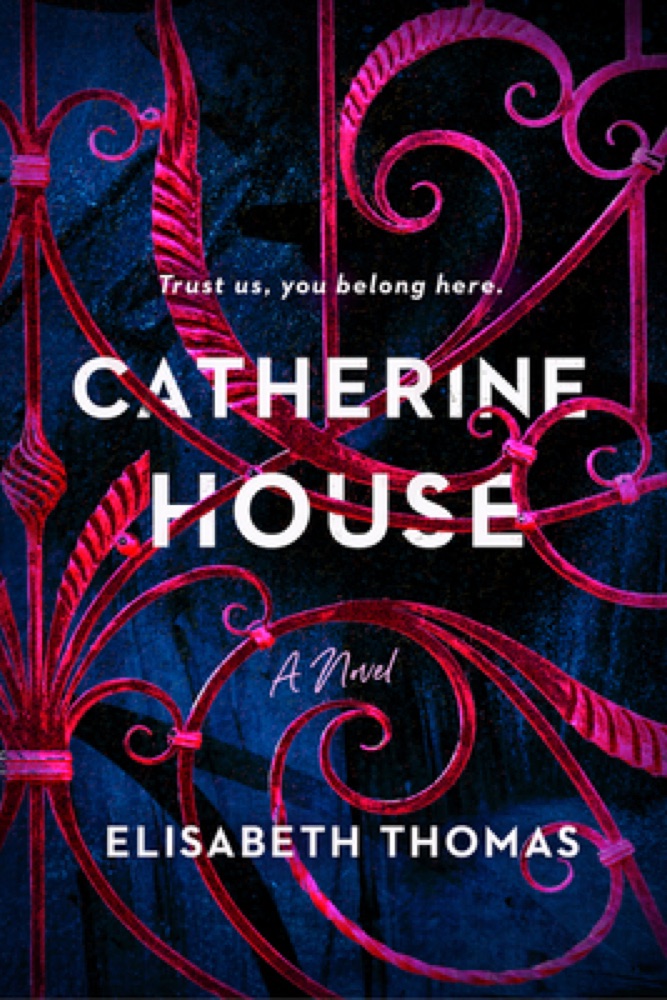 Catherine House
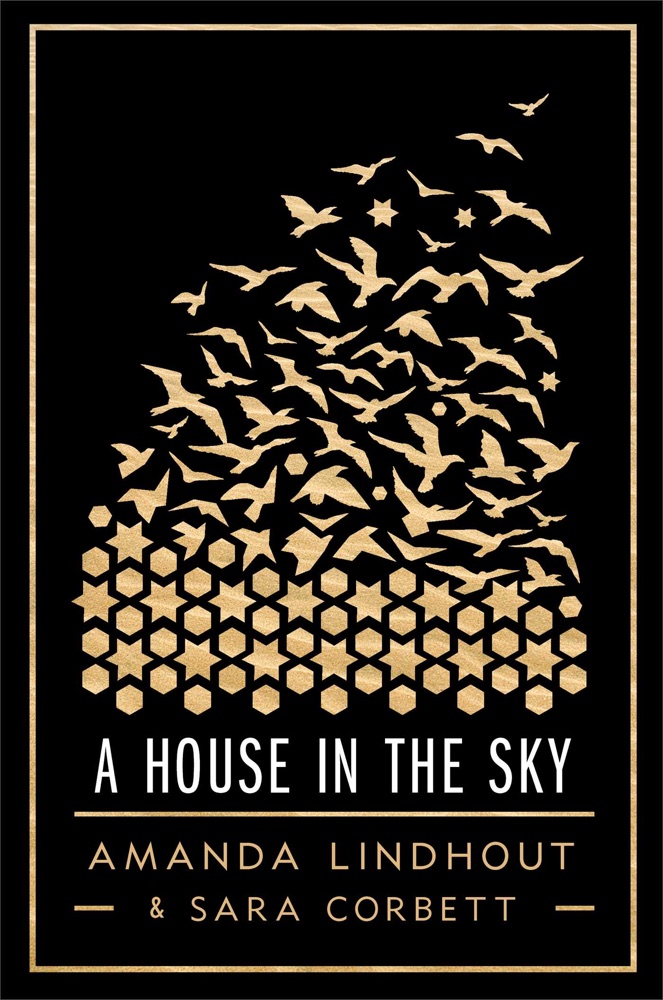 A House in the Sky
 A Thousand Acres
 Swimming in the Dark
 Let's Take the Long Way Home: A Memoir of Friendship
 Chances Are...
 Never Let Me Go
 The Sea Keeper's Daughters
 Journey to Munich
 Breaking Night: A Memoir of Forgiveness, Survival, and My Journey from Homeless to Harvard
 Year of Wonders