
 Pride and Prejudice
Quotes from the Book
The person, be it gentleman or lady, who has not pleasure in a good novel, must be intolerably stupid.
There is nothing I would not do for those who are really my friends. I have no notion of loving people by halves, it is not my nature.
It is only a novel... or, in short, only some work in which the greatest powers of the mind are displayed, in which the most thorough knowledge of human nature, the happiest delineation of its varieties, the liveliest effusions of wit and humour, are conveyed to the world in the best-chosen language
It would be mortifying to the feelings of many ladies, could they be made to understand how little the heart of a man is affected by what is costly or new in their attire... Woman is fine for her own satisfaction alone. No man will admire her the more, no woman will like her the better for it. Neatness and fashion are enough for the former, and a something of shabbiness or impropriety will be most endearing to the latter.
I cannot speak well enough to be unintelligible.
No man is offended by another man's admiration of the woman he loves; it is the woman only who can make it a torment.
If adventures will not befall a young lady in her own village, she must seek them abroad.
To look almost pretty is an acquisition of higher delight to a girl who has been looking plain the first fifteen years of her life than a beauty from her cradle can ever receive.
Oh! I am delighted with the book! I should like to spend my whole life in reading it.
The person, be it gentlemen or lady, who has not pleasure in a good novel, must be intolerably stupid.
Beware how you give your heart.
[I]t is well to have as many holds upon happiness as possible.
She was heartily ashamed of her ignorance - a misplaced shame. Where people wish to attach, they should always be ignorant. To come with a well−informed mind is to come with an inability of administering to the vanity of others, which a sensible person would always wish to avoid. A woman especially, if she have the misfortune of knowing anything, should conceal it as well as she can.
I assure you. I have no notion of treating men with such respect. That is the way to spoil them.
If I could not be persuaded into doing what I thought wrong, I will never be tricked into it.
Now I must give one smirk, and then we may be rational again." Catherine turned away her head, not knowing whether she might venture to laugh. "I see what you think of me," said he gravely -- "I shall make but a poor figure in your journal tomorrow." My journal!" Yes, I know exactly what you will say: Friday, went to the Lower Rooms; wore my sprigged muslin robe with blue trimmings -- plain black shoes -- appeared to much advantage; but was strangely harassed by a queer, half-witted man, who would make me dance with him, and distressed me by his nonsense." Indeed I shall say no such thing." Shall I tell you what you ought to say?" If you please." I danced with a very agreeable young man, introduced by Mr. King; had a great deal of conversation with him -- seems a most extraordinary genius -- hope I may know more of him. That, madam, is what I wish you to say." But, perhaps, I keep no journal." Perhaps you are not sitting in this room, and I am not sitting by you. These are points in which a doubt is equally possible. Not keep a journal! How are your absent cousins to understand the tenour of your life in Bath without one? How are the civilities and compliments of every day to be related as they ought to be, unless noted down every evening in a journal? How are your various dresses to be remembered, and the particular state of your complexion, and curl of your hair to be described in all their diversities, without having constant recourse to a journal? My dear madam, I am not so ignorant of young ladies' ways as you wish to believe me; it is this delightful habit of journaling which largely contributes to form the easy style of writing for which ladies are so generally celebrated. Everybody allows that the talent of writing agreeable letters is peculiarly female. Nature may have done something, but I am sure it must be essentially assisted by the practice of keeping a journal.
Now I must give one smirk and then we may be rational again
Where the heart is really attached, I know very well how little one can be pleased with the attention of any body else.
Friendship is really the finest balm for the pangs of disappointed love.
Miss Morland, no one can think more highly of the understanding of women than I do. In my opinion, nature has given them so much, that they never find it necessary to use more than half.
What are you thinking of so earnestly?" said he, as they walked back to the ballroom; "not of your partner, I hope, for, by that shake of the head, your meditations are not satisfactory." Catherine coloured, and said, "I was not thinking of anything." That is artful and deep, to be sure; but I had rather be told at once that you will not tell me." Well then, I will not." Thank you; for now we shall soon be acquainted, as I am authorized to tease you on this subject whenever we meet, and nothing in the world advances intimacy so much.
I am sure," cried Catherine, "I did not mean to say anything wrong; but it is a nice book, and why should not I call it so?" "Very true," said Henry, "and this is a very nice day, and we are taking a very nice walk, and you are two very nice young ladies. Oh! It is a very nice word indeed! It does for everything. Originally perhaps it was applied only to express neatness, propriety, delicacy, or refinement—people were nice in their dress, in their sentiments, or their choice. But now every commendation on every subject is comprised in that one word.
Where people are really attached, poverty itself is wealth.
She mediated, by turns, on broken promises and broken arches, phaetons and false hangings, Tilneys and trap-doors.
No one who had ever seen Catherine Morland in her infancy, would have supposed her born to be a heroine... But from fifteen to seventeen she was in training for a heroine...
But Catherine did not know her own advantages - did not know that a good-looking girl, with an affectionate heart and a very ignorant mind, cannot fail of attracting a clever young man, unless circumstances are particularly untoward.
The advantages of natural folly in a beautiful girl have been already set forth by the capital pen of a sister author; and to her treatment of the subject I will only add, in justice to men, that though to the larger and more trifling part of the sex, imbecility in females is a great enhancement of their personal charms, there is a portion of them too reasonable and too well informed themselves to desire anything more in woman than ignorance.
And from the whole she deduced this useful lesson, that to go previously engaged to a ball, does not necessarily increase either the dignity or enjoyment of a young lady.
To begin perfect happiness at the respective ages of 26 and 18 is to do pretty well
If the heroine of one novel be not patronized by the heroine of another, from whom can she expect protection and regard?
Did you know?
- The novel was originally titled "Susan" and was written in 1798-99 when Austen was in her early twenties.
- It was sold to the publisher Benjamin Crosby & Co. in 1803 for 10 pounds but was not printed during Austen's lifetime; her brother Henry later repurchased the manuscript.
- Though written first, it was among the last of Austen's novels published, appearing posthumously in 1818 together with Persuasion.
- The book is a deliberate parody of the Gothic novels fashionable in Austen's era.
About Jane Austen
Jane Austen (1775-1817) was an English novelist known for her wit and social observation, whose six major novels, including Pride and Prejudice and Emma, are cornerstones of English literature. Northanger Abbey was published posthumously in 1818.
More about the author →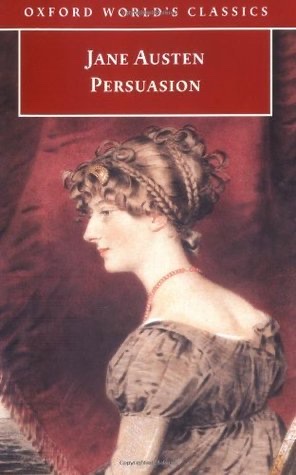
About the book
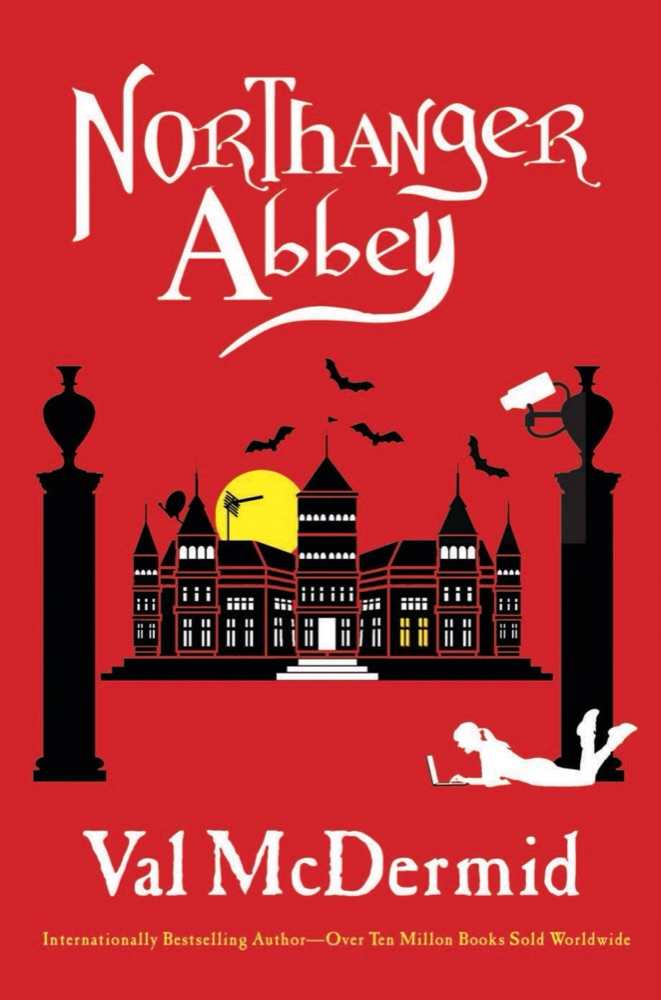
"Northanger Abbey" follows seventeen-year-old Catherine Morland, an avid reader of Gothic novels, who leaves her quiet country home for the fashionable social whirl of Bath. There she befriends the manipulative Isabella Thorpe and falls for the witty clergyman Henry Tilney, eventually accepting an invitation to stay at his family's estate, Northanger Abbey. Steeped in the sensational fiction she loves, Catherine lets her imagination run wild and suspects Henry's father, General Tilney, of a terrible secret before learning to tell fiction from reality.
At heart the novel is a lively parody of the Gothic fiction popular in Austen's day, gently mocking its cliches of decrepit castles, locked rooms, and tyrannical fathers while telling a genuine coming-of-age story. It is also a satire of high society and the marriage market, exploring the value of reading, the dangers of a distorted imagination, and a naive heroine's growth toward self-knowledge and a clearer understanding of the people around her.
Written in 1798-99 when Austen was in her early twenties, it was the first novel she completed for publication, sold to a publisher as "Susan" in 1803 but only issued posthumously in 1818 alongside "Persuasion." Though lighter than her later work, it endures as a sharp, affectionate send-up of literary fashion and remains widely read and repeatedly adapted for screen and stage.
Key characters
- Catherine MorlandNaive young protagonist and Gothic-novel enthusiast
- Henry TilneyWitty clergyman and Catherine's love interest
- Isabella ThorpeCatherine's manipulative friend in Bath
- General TilneyHenry's imposing, status-driven father
- Eleanor TilneyHenry's kind sister and Catherine's true friend
Book details
- First published
- 1818
- Length
- 260 pages
- Reading time
- 8 hours
- Author
- Jane Austen
- Genre
- Classics
- Goodreads rating
- 3.85 (466k ratings) →
- First line
- “No one who had ever seen Catherine Morland in her infancy would have supposed her born to be an heroine.”
Movie & TV adaptations
- IMDb
- IMDb
If you liked this, read…
- 1Pride and PrejudiceAnother Austen comedy of manners with a spirited heroine and courtship plot
- 2The Mysteries of UdolphoThe archetypal Gothic novel Austen affectionately parodies
Keep reading
 Emma
Emma
 Mansfield Park
Pride and Prejudice
Mansfield Park
Pride and Prejudice
 A Woman of No Importance
 Wives and Daughters
 The Portrait of a Lady
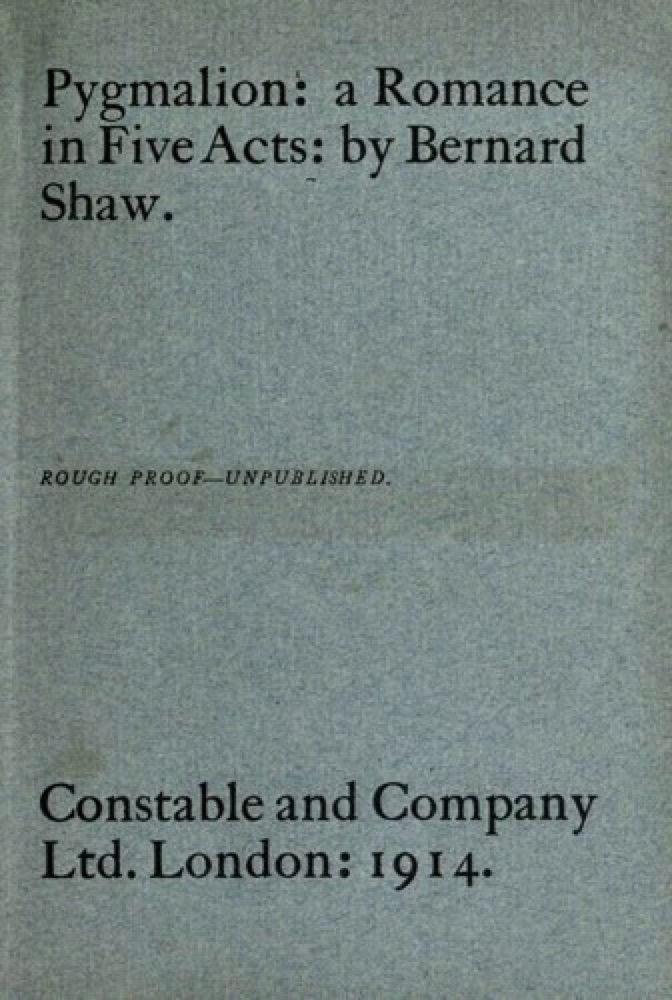 Pygmalion
 An Ideal Husband
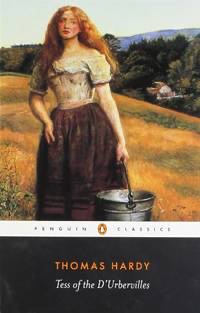 Tess of the D'Urbervilles
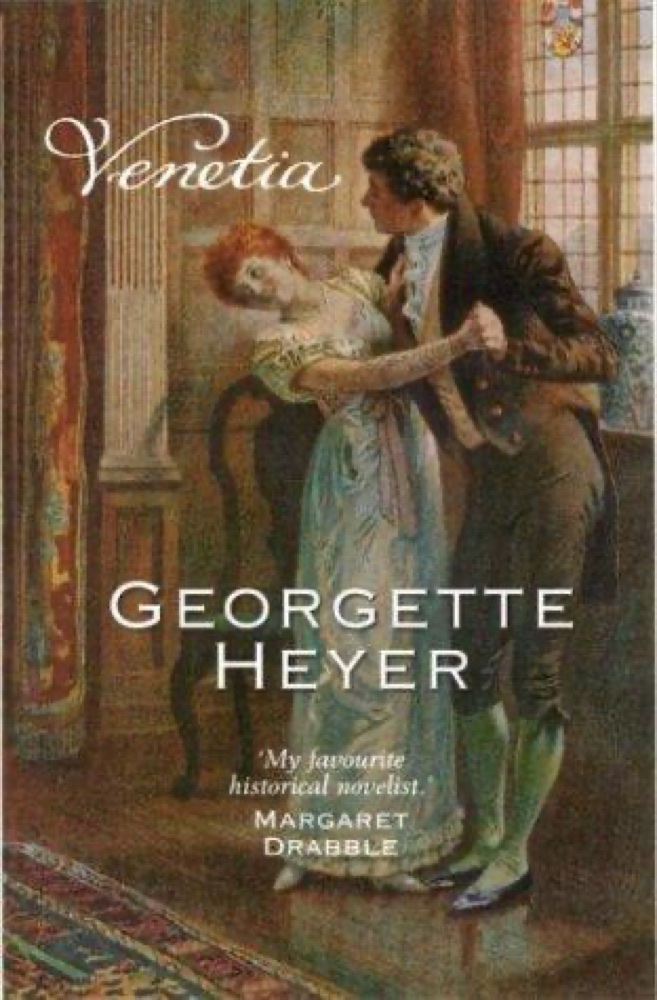 Venetia
 Agnes Grey
 Emily Climbs
 The Importance of Being Earnest
 An Old-Fashioned Girl
 A Study in Scarlet Women
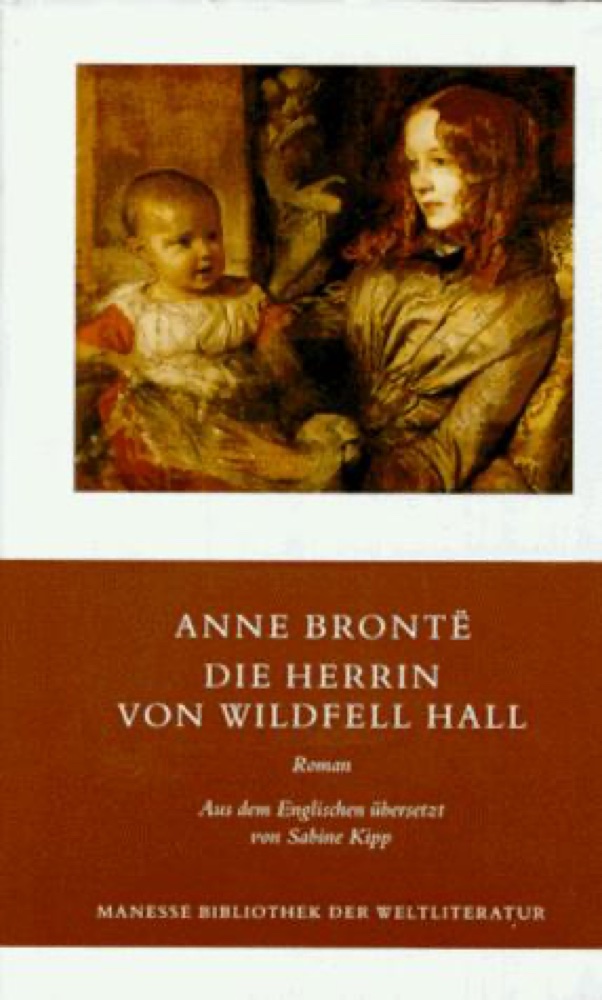 The Tenant of Wildfell Hall
 The Life of Charlotte Brontë
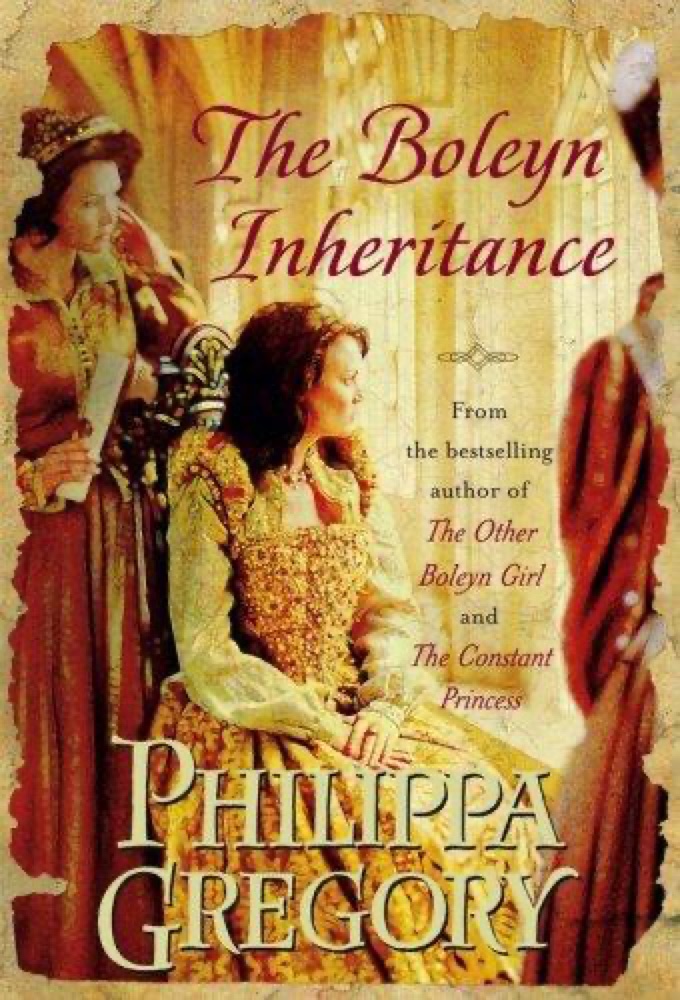 The Boleyn Inheritance
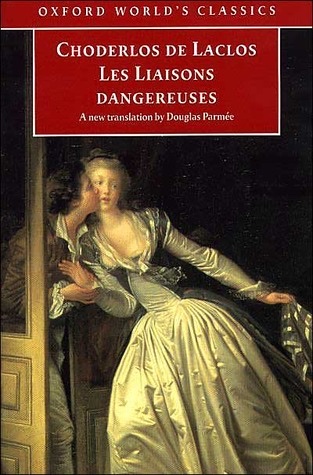 Les Liaisons dangereuses
 Shirley
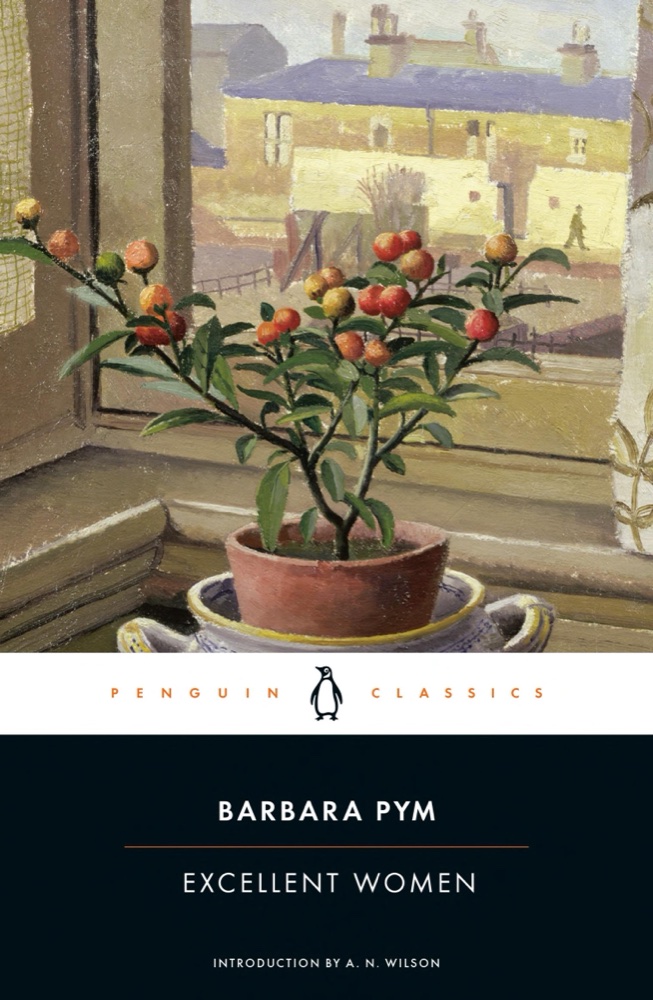 Excellent Women
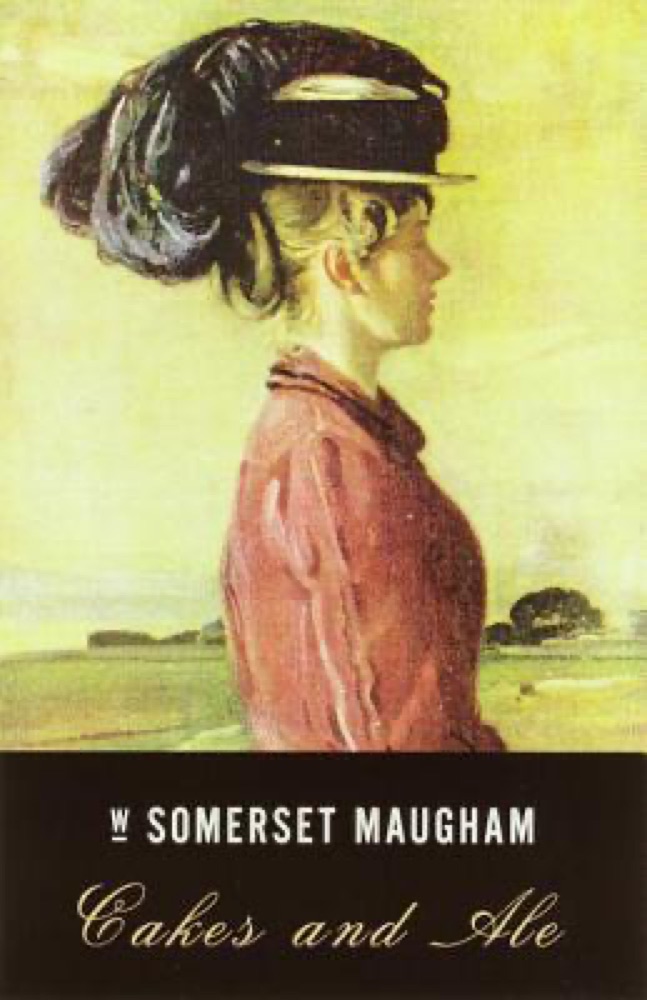 Cakes and Ale
 Vanity Fair
 The Professor
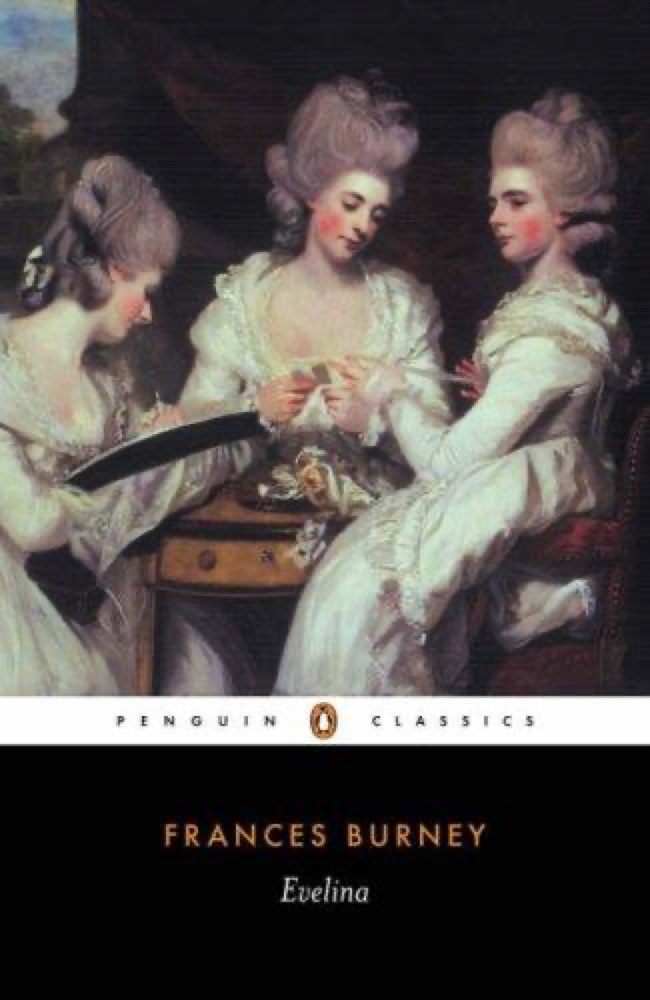 Evelina
 Clarissa, or, the History of a Young Lady
 The Painted Veil
 The Woman in White
 Anna Karenina
 A Curious Beginning
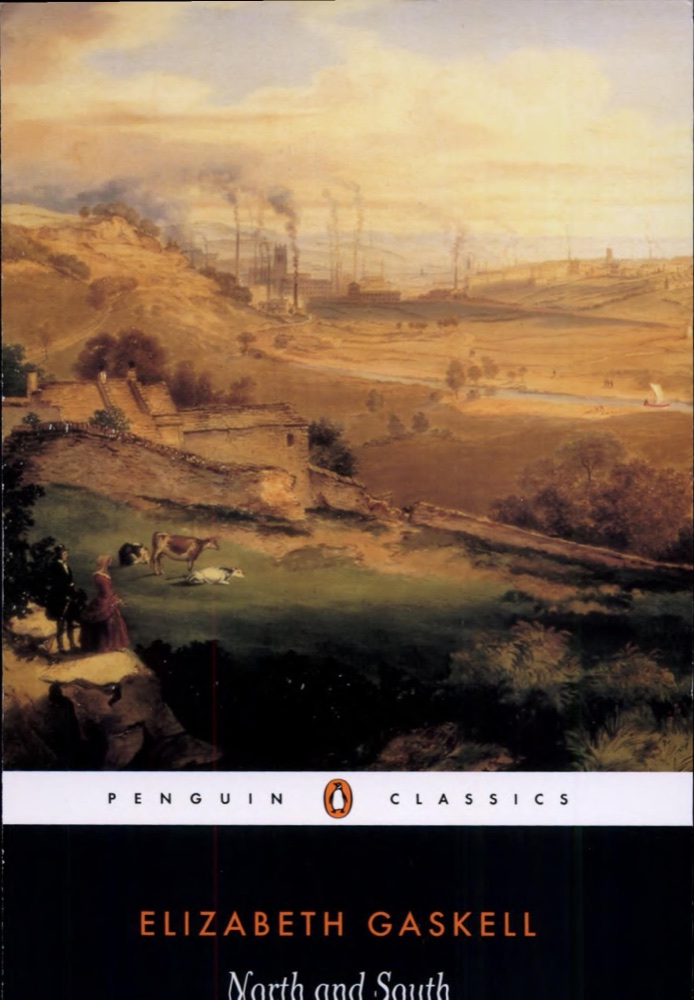 North and South
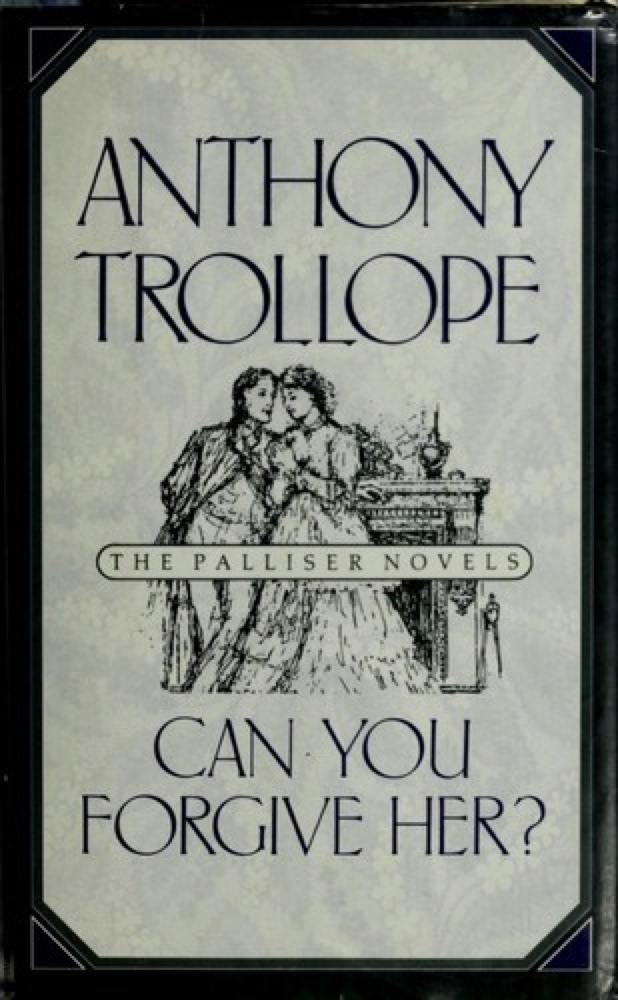 Can You Forgive Her?
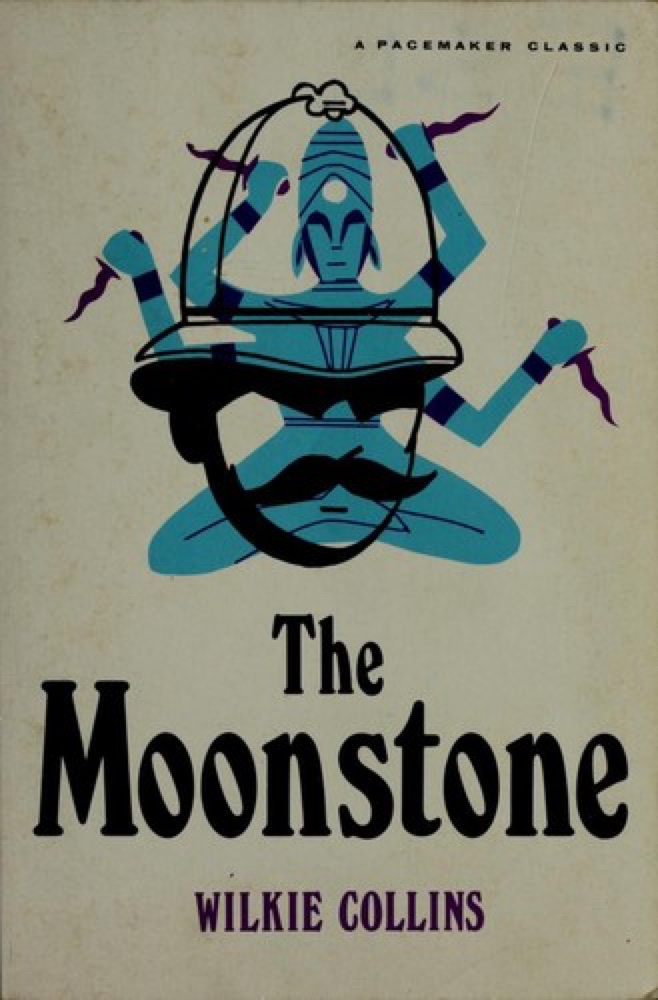 The Moonstone
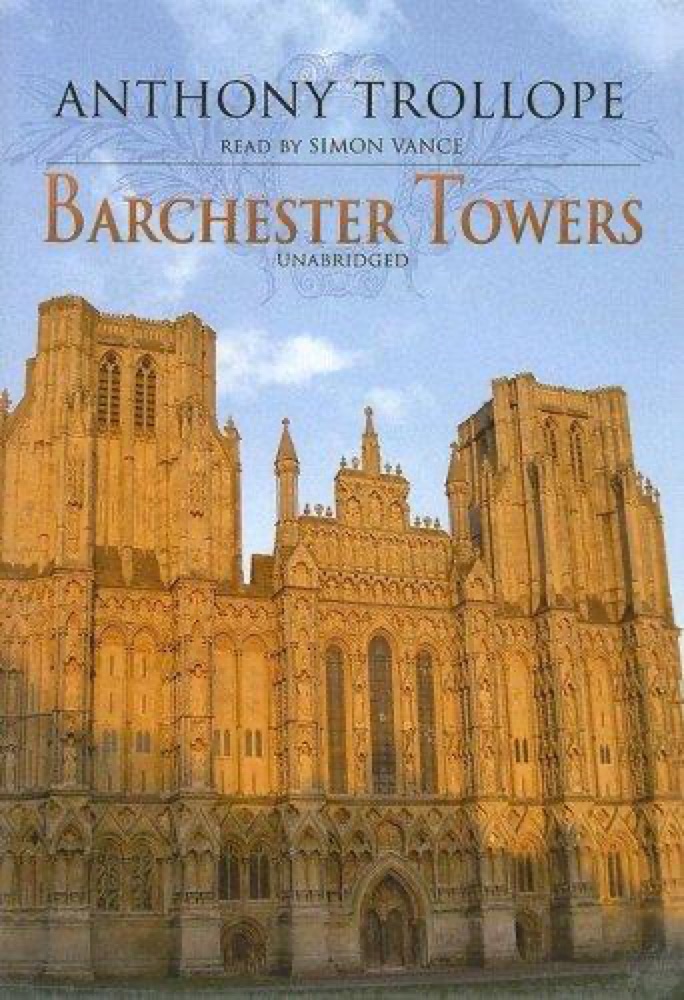 Barchester Towers
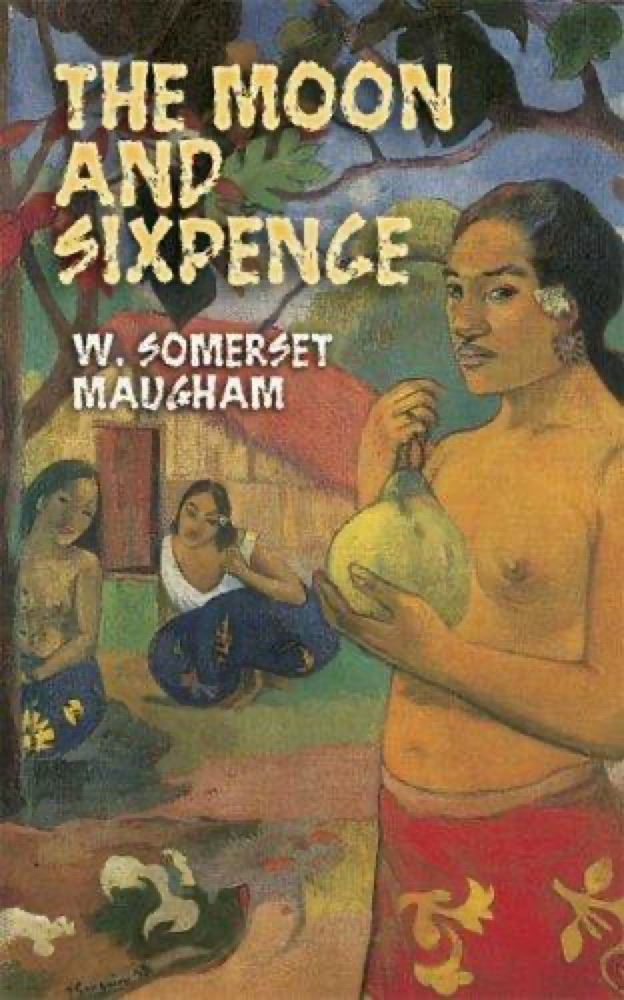 The Moon and Sixpence
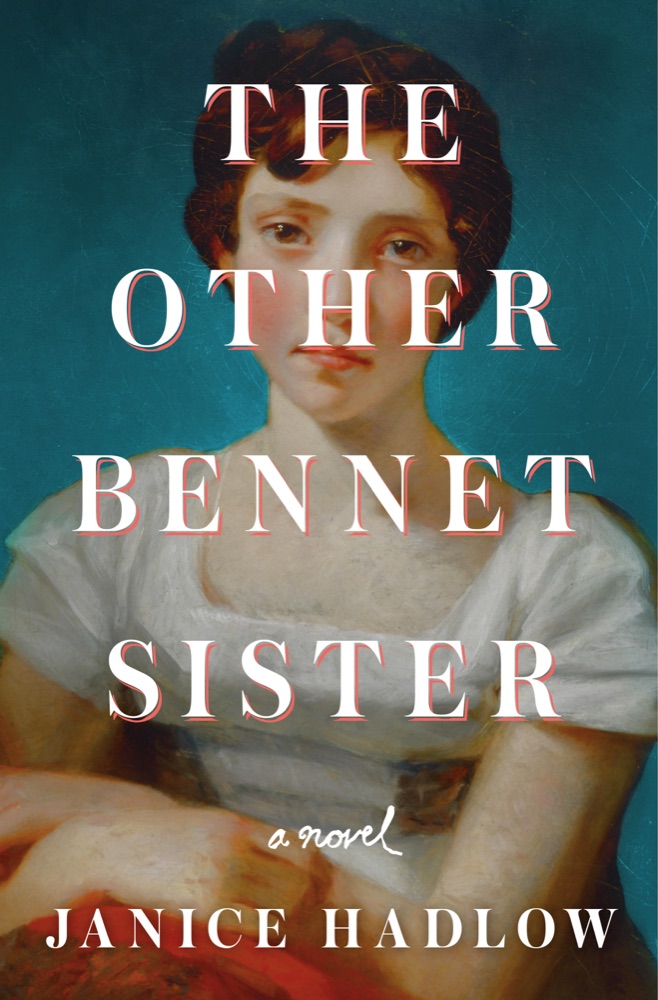 The Other Bennet Sister
 Villette
 New Grub Street
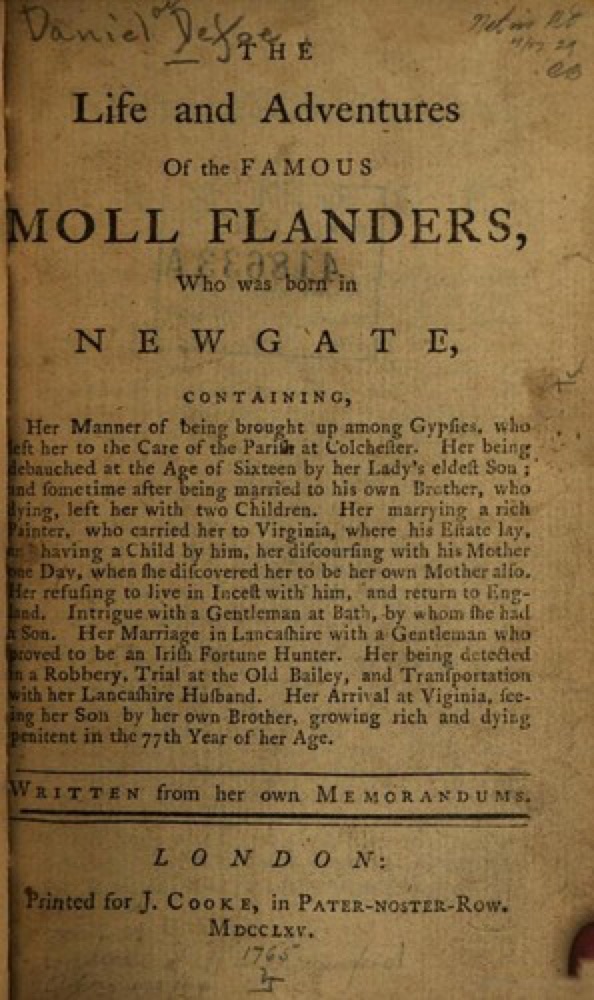 Moll Flanders
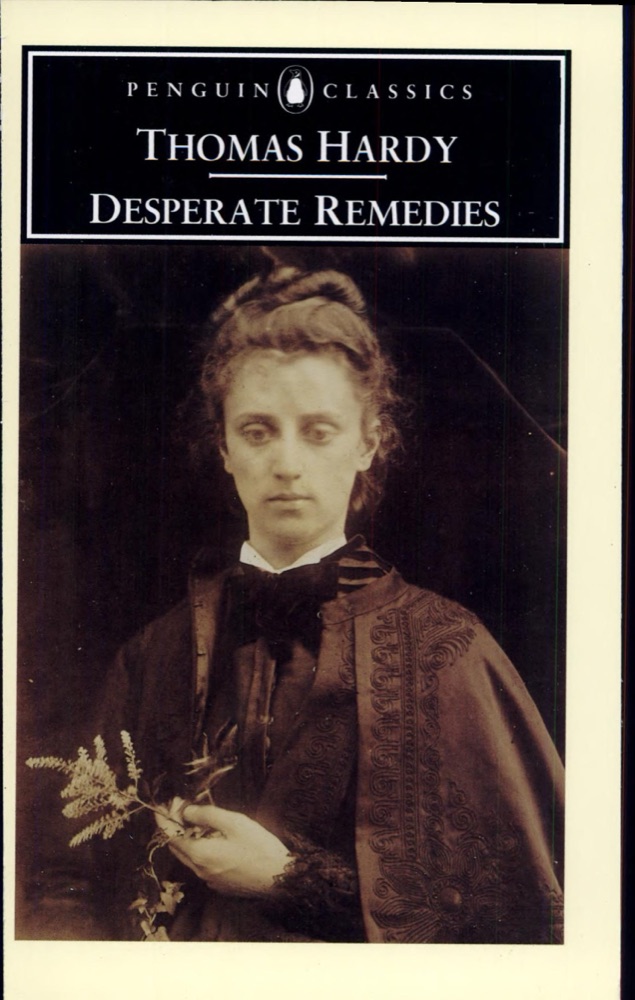 Desperate Remedies
 Mademoiselle de Maupin
 Our Mutual Friend
 Nicholas Nickleby
 The Mill on the Floss
 Wicked Becomes You
 Austenland
 Howards End
 The Taming of the Shrew
 Laughable Loves
 The Way We Live Now
 The House of Mirth
 Bleak House
 Rose in Bloom
 Flappers and Philosophers
 Lady Audley's Secret
 The Rachel Papers
 A Room with a View
![What Was She Thinking? [Notes on a Scandal]](/i/book/g/08/what-was-she-thinking-notes-on-a-scandal.jpg) What Was She Thinking? [Notes on a Scandal]
What Was She Thinking? [Notes on a Scandal]
 Main Street
 Lady Chatterley's Lover