
 Pride and Prejudice
Quotes from the Book
I hate to hear you talk about all women as if they were fine ladies instead of rational creatures. None of us want to be in calm waters all our lives.
You pierce my soul. I am half agony, half hope...I have loved none but you.
I can listen no longer in silence. I must speak to you by such means as are within my reach. You pierce my soul. I am half agony, half hope. Tell me not that I am too late, that such precious feelings are gone for ever. I offer myself to you again with a heart even more your own than when you almost broke it, eight years and a half ago. Dare not say that man forgets sooner than woman, that his love has an earlier death. I have loved none but you. Unjust I may have been, weak and resentful I have been, but never inconstant. You alone have brought me to Bath. For you alone, I think and plan. Have you not seen this? Can you fail to have understood my wishes? I had not waited even these ten days, could I have read your feelings, as I think you must have penetrated mine. I can hardly write. I am every instant hearing something which overpowers me. You sink your voice, but I can distinguish the tones of that voice when they would be lost on others. Too good, too excellent creature! You do us justice, indeed. You do believe that there is true attachment and constancy among men. Believe it to be most fervent, most undeviating, in F. W. I must go, uncertain of my fate; but I shall return hither, or follow your party, as soon as possible. A word, a look, will be enough to decide whether I enter your father's house this evening or never.
My idea of good company...is the company of clever, well-informed people, who have a great deal of conversation; that is what I call good company.' 'You are mistaken,' said he gently, 'that is not good company, that is the best.
There could have been no two hearts so open, no tastes so similar, no feelings so in unison
I do not think I ever opened a book in my life which had not something to say upon woman's inconstancy. Songs and proverbs, all talk of woman's fickleness. But perhaps you will say, these were all written by men." "Perhaps I shall. Yes, yes, if you please, no reference to examples in books. Men have had every advantage of us in telling their own story. Education has been theirs in so much higher a degree; the pen has been in their hands. I will not allow books to prove anything.
How quick come the reasons for approving what we like.
All the privilege I claim for my own sex (it is not a very enviable one: you need not covet it), is that of loving longest, when existence or when hope is gone!
One man's ways may be as good as another's, but we all like our own best.
...when pain is over, the remembrance of it often becomes a pleasure.
A man does not recover from such devotion of the heart to such a woman! He ought not; he does not.
She hoped to be wise and reasonable in time; but alas! Alas! She must confess to herself that she was not wise yet.
Let us never underestimate the power of a well-written letter.
Her pleasure in the walk must arise from the exercise and the day, from the view of the last smiles of the year upon the tawny leaves and withered hedges, and from repeating to herself some few of the thousand poetical descriptions extant of autumn--that season of peculiar and inexhaustible influence on the mind of taste and tenderness--that season which has drawn from every poet worthy of being read some attempt at description, or some lines of feeling.
Now they were as strangers; worse than strangers, for they could never become acquainted.
You pierce my soul. I am half agony, half hope. Tell me not that I am too late, that such precious feelings are gone for ever.
She had been forced into prudence in her youth, she learned romance as she grew older: the natural sequel of an unnatural beginning.
Anne hoped she had outlived the age of blushing; but the age of emotion she certainly had not.
Dare not say that man forgets sooner than woman, that his love has an earlier death.
She understood him. He could not forgive her,-but he could not be unfeeling. Though condemning her for the past, and considering it with high and unjest resentment, though perfectly careless of her, and though becoming attached to another, still he could not see her suffer, without the desire of giving her relief. It was a remainder of former sentiment; it was an impuse of pure, though unacknowledged friendship; it was a proof of his own warm and amiable heart, which she could not contemplate without emotions so compounded of pleasure and pain, that she knew not which prevailed.
His cold politeness, his ceremonious grace, were worse than anything.
They had no conversation together, no intercourse but what the commonest civility required. Once so much to each other! Now nothing! There had been a time, when of all the large party now filling the drawing-room at Uppercross, they would have found it most difficult to cease to speak to one another. With the exception, perhaps, of Admiral and Mrs. Croft, who seemed particularly attached and happy, (Anne could allow no other exception even among the married couples) there could have been no two hearts so open, no tastes so simliar, no feelings so in unison, no countenances so beloved. Now they were as strangers; nay, worse than strangers, for they could never become aquainted. It was a perpetual estrangement.
The last few hours were certainly very painful," replied Anne: "but when pain is over, the remembrance of it often becomes a pleasure. One does not love a place the less for having suffered in it, unless it has been all suffering, nothing but suffering-
If there is any thing disagreeable going on, men are always sure to get out of it.
She felt that she could so much more depend upon the sincerity of those who sometimes looked or said a careless or a hasty thing, than of those whose presence of mind never varied, whose tongue never slipped.
Men have had every advantage of us in telling their own story. Education has been theirs in so much higher a degree; the pen has been in their hands. I will not allow books to prove anything.
We certainly do not forget you, so soon as you forget us. It is, perhaps, our fate rather than our merit. We cannot help ourselves.
I am not fond of the idea of my shrubberies being always approachable.
Did you know?
- Persuasion was published in December 1817, about six months after Jane Austen's death, though its title page is dated 1818.
- It was published together in one set with Austen's earlier novel Northanger Abbey.
- It is Jane Austen's last completed novel.
- The novel's opening introduces Sir Walter Elliot as a vain man who reads no book but the Baronetage, which records his own family's rank.
- Anne Elliot, aged twenty-seven, is often noted as the oldest of Austen's heroines.
About Jane Austen
Jane Austen (1775-1817) was an English novelist known for her ironic, keenly observed novels of manners set among the English landed gentry, including Pride and Prejudice, Sense and Sensibility, and Emma. Persuasion was her final completed novel, published after her death.
More about the author →More by Jane Austen
All books by Jane Austen →
About the book
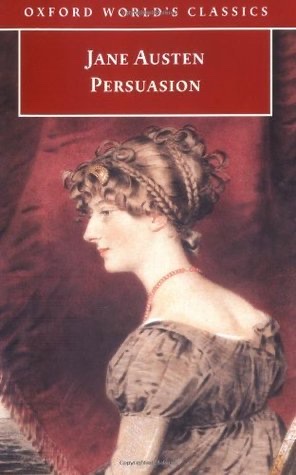
Persuasion is Jane Austen's last completed novel, published posthumously in December 1817 alongside Northanger Abbey. It follows Anne Elliot, an unmarried woman of twenty-seven, who years earlier was persuaded by a trusted family friend to break off her engagement to Frederick Wentworth, then a young naval officer of uncertain prospects. When her vain, spendthrift father is forced to let the family estate and Wentworth returns as a wealthy captain, the two are thrown back into each other's company and must navigate the possibility of a second chance at love.
At its heart the novel examines persuasion itself, weighing the value of prudent counsel against the cost of surrendering one's own judgment and desires. Austen sets the story against a shifting social landscape in which the self-satisfied, hereditary gentry of Sir Walter Elliot are quietly eclipsed by the rising, merit-earning naval class embodied by Wentworth and his fellow officers. Themes of regret, constancy, second chances, and the endurance of love across time run throughout.
Written in the last years of Austen's life, Persuasion is often praised as her most mature and autumnal work, marked by a quieter, more reflective tone than her earlier comedies. Anne Elliot has come to be regarded as one of Austen's most sympathetic heroines, and the novel remains widely read and repeatedly adapted for film, television, and stage.
Key characters
- Anne ElliotThe intelligent, undervalued second daughter of Sir Walter, unmarried at 27 after breaking her earlier engagement
- Captain Frederick WentworthA naval officer, once rejected by Anne, who returns wealthy and successful
- Sir Walter ElliotAnne's vain, extravagant baronet father whose debts force the family to let their estate
- Lady RussellAnne's late mother's close friend, who years earlier persuaded Anne to break the engagement
- Elizabeth ElliotAnne's eldest sister, proud and preoccupied with status
- Mary MusgroveAnne's younger, hypochondriac married sister
- William ElliotSir Walter's heir and cousin, who takes an interest in Anne
Book details
- First published
- 1817
- Length
- 250 pages
- Reading time
- 5 hours
- Author
- Jane Austen
- Genre
- Classics
- Goodreads rating
- 4.15 (799k ratings) →
- First line
- “Sir Walter Elliot, of Kellynch Hall, in Somersetshire, was a man who, for his own amusement, never took up any book but the Baronetage; there he found occupation for an idle hour, and consolation in a distressed one; there his faculties were roused into admiration and respect, by contemplating the limited remnant of the earliest patents; there any unwelcome sensations, arising from domestic affairs changed naturally into pity and contempt as he turned over the almost endless creations of the last century; and there, if every other leaf were powerless, he could read his own history with an interest which never failed.”
Movie & TV adaptations
- IMDb
- IMDb
- IMDb
If you liked this, read…
- 1EmmaAnother mature Austen novel of manners and self-knowledge
- 2Sense and SensibilityAusten's exploration of love, prudence, and feeling among sisters
- 3Jane EyreA quiet heroine's constancy rewarded by an enduring second-chance love
Keep reading
 Enduring Love
Pride and Prejudice
Enduring Love
Pride and Prejudice
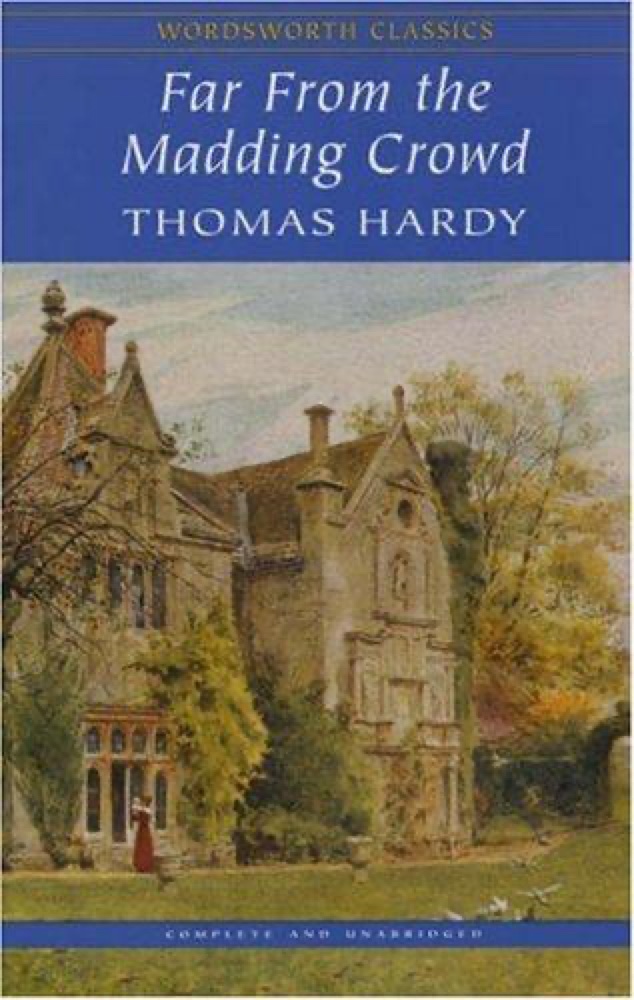 Far from the Madding Crowd
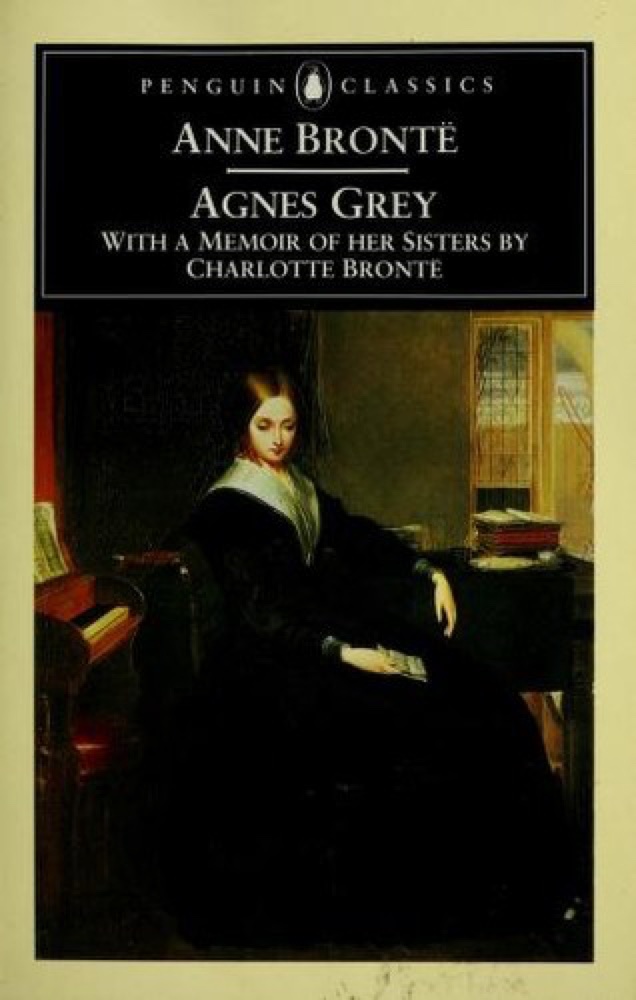 Agnes Grey
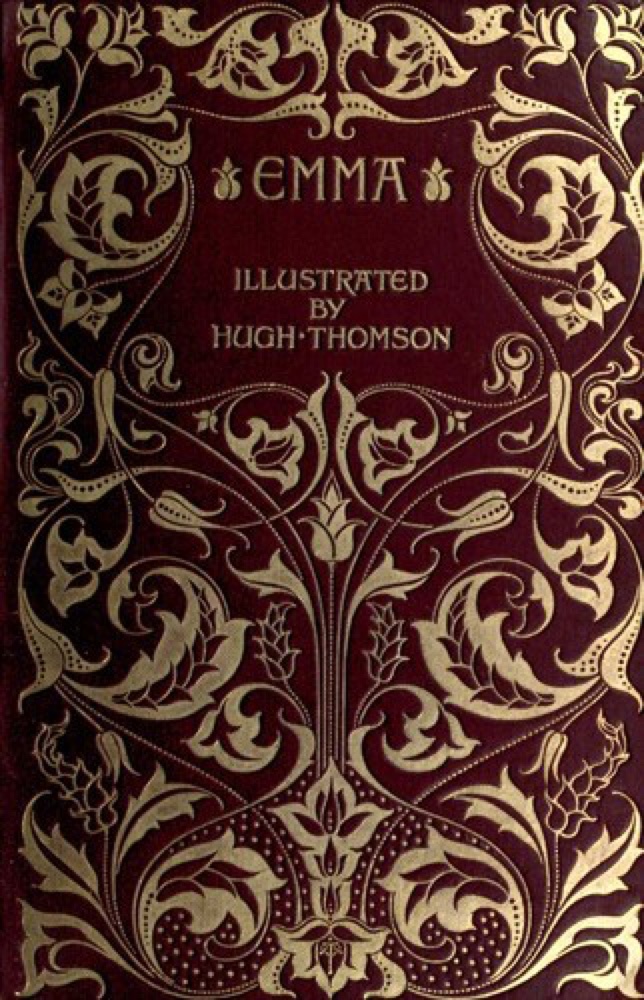 Emma
Emma
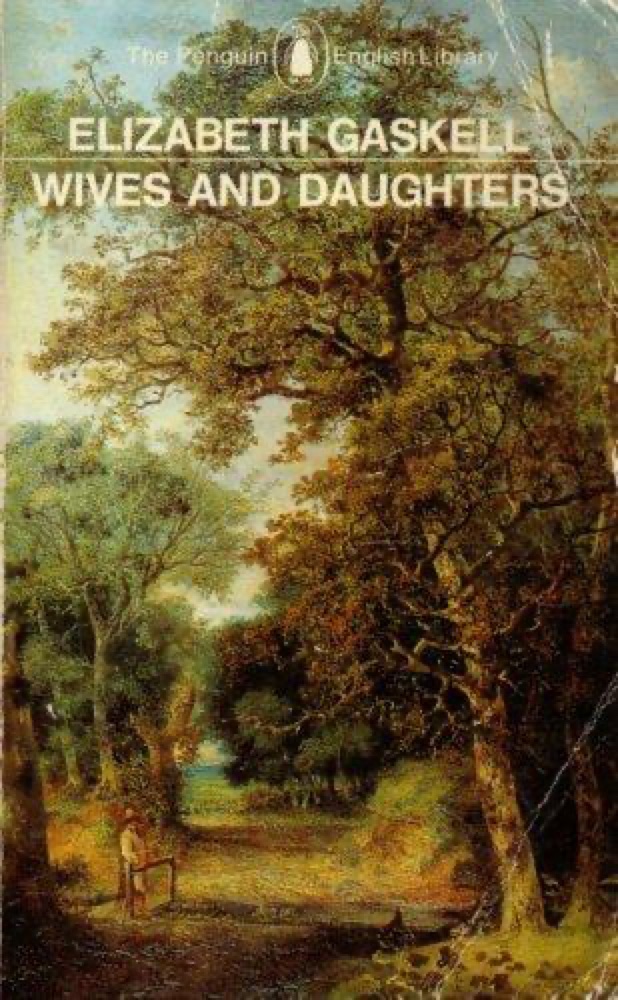 Wives and Daughters
 Shirley
 Adam Bede
 North and South
 The Woman in White
 The Tenant of Wildfell Hall
 The Proposal
 Sense and Sensibility
 Tess of the D'Urbervilles
 Tempted
 The Moonstone
 My Cousin Rachel
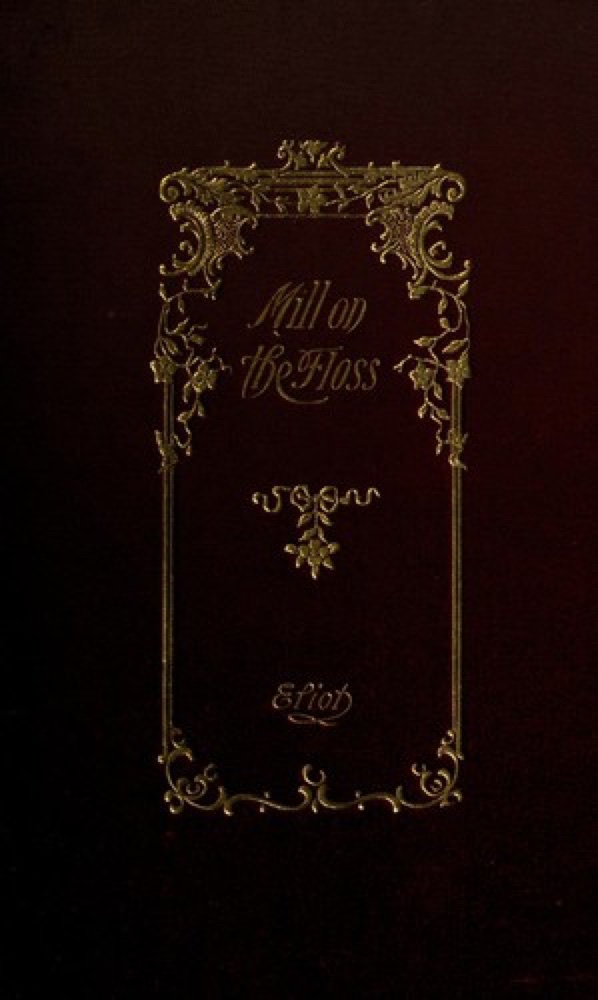 The Mill on the Floss
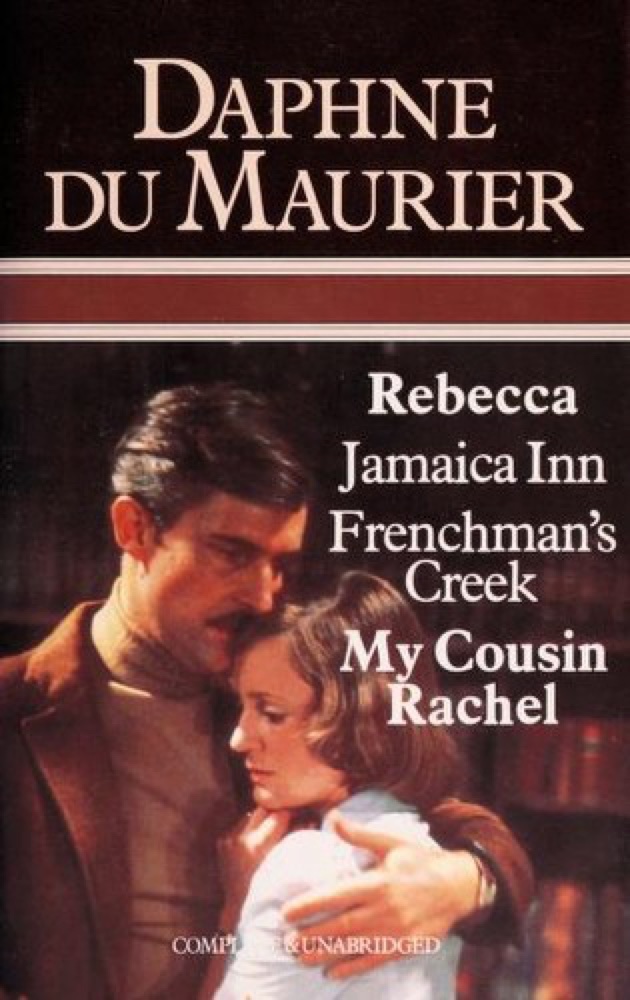 Rebecca
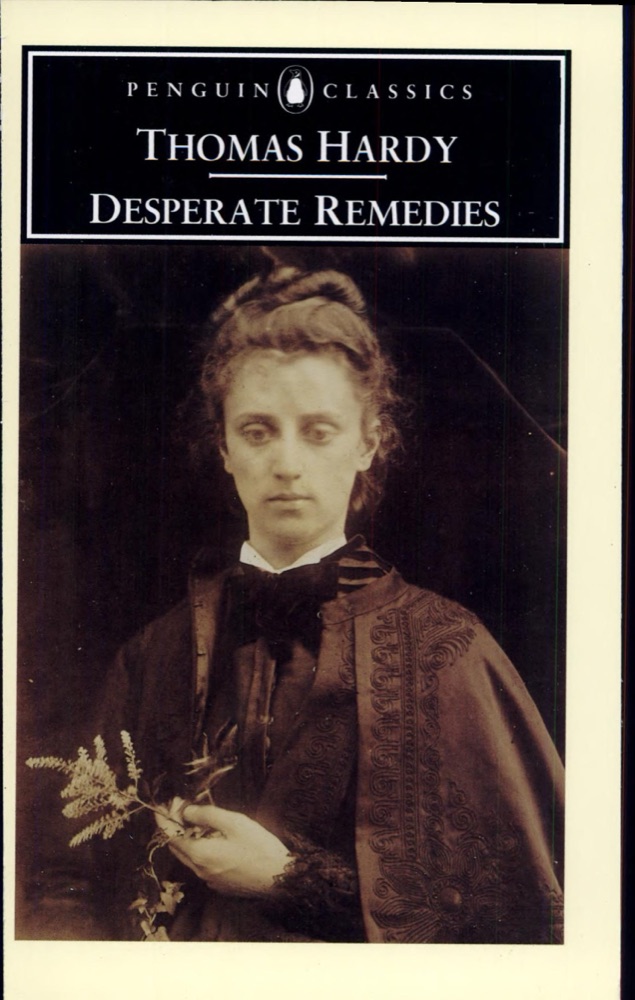 Desperate Remedies
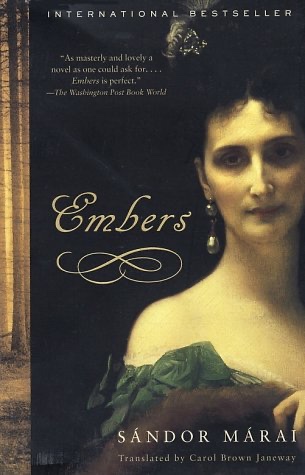 Embers
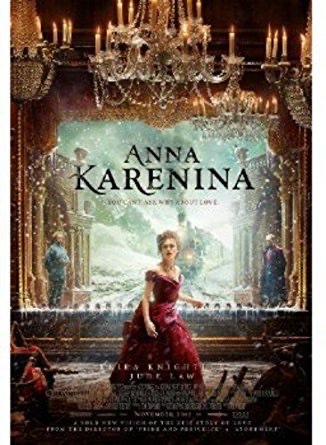 Anna Karenina
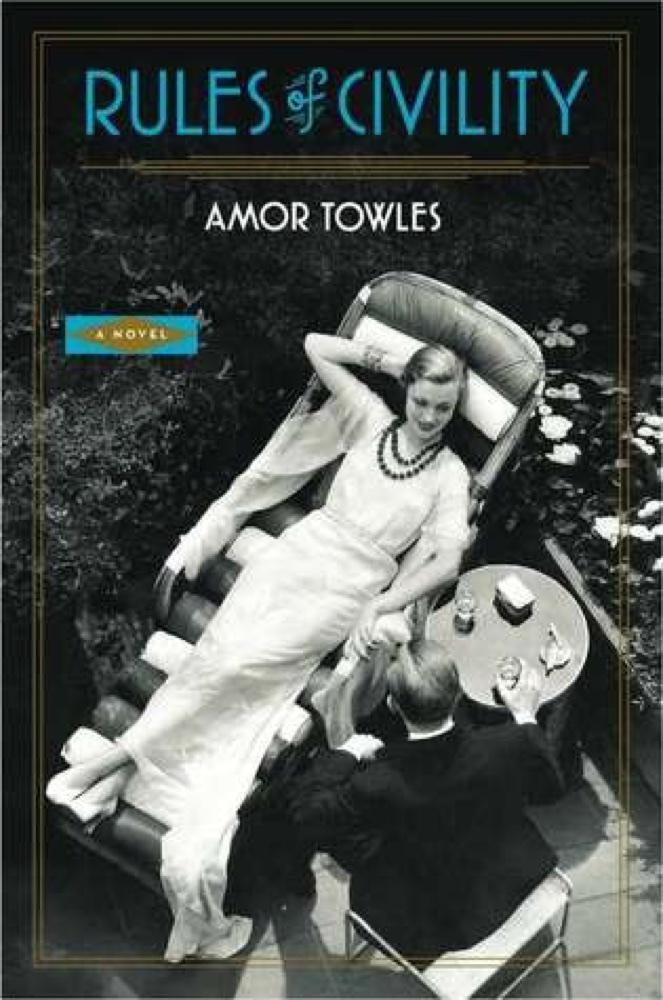 Rules of Civility
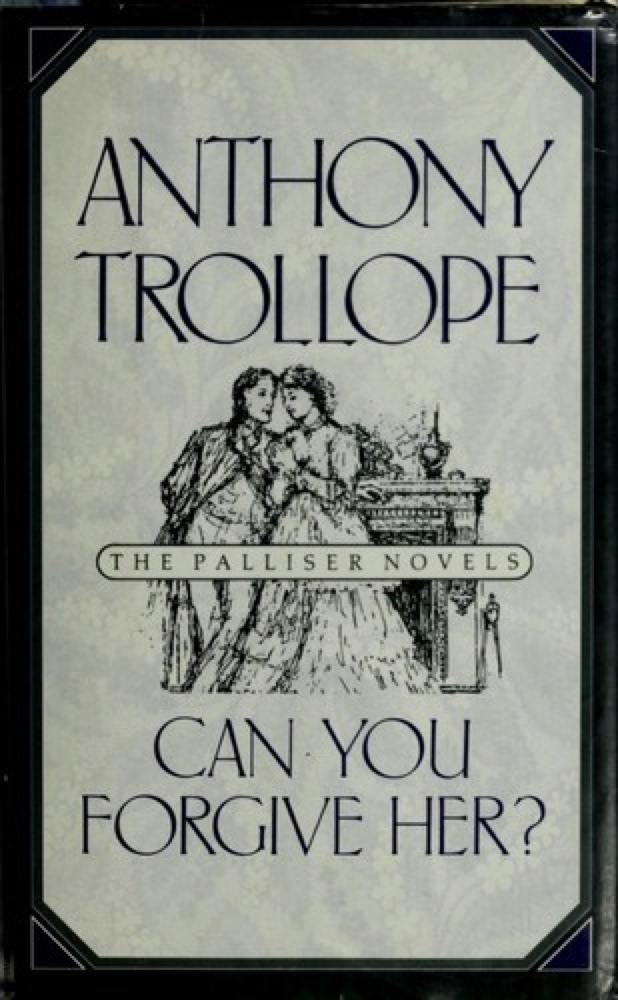 Can You Forgive Her?
 A Room with a View
 Les Liaisons dangereuses
 Howards End
 Lady Chatterley's Lover
 A Curious Beginning
 The Razor's Edge
 Checkmate
 Angle of Repose
 Middlemarch
 Venetia
 The Way We Live Now
 A Widow for One Year
 The Death of the Heart
 The Professor
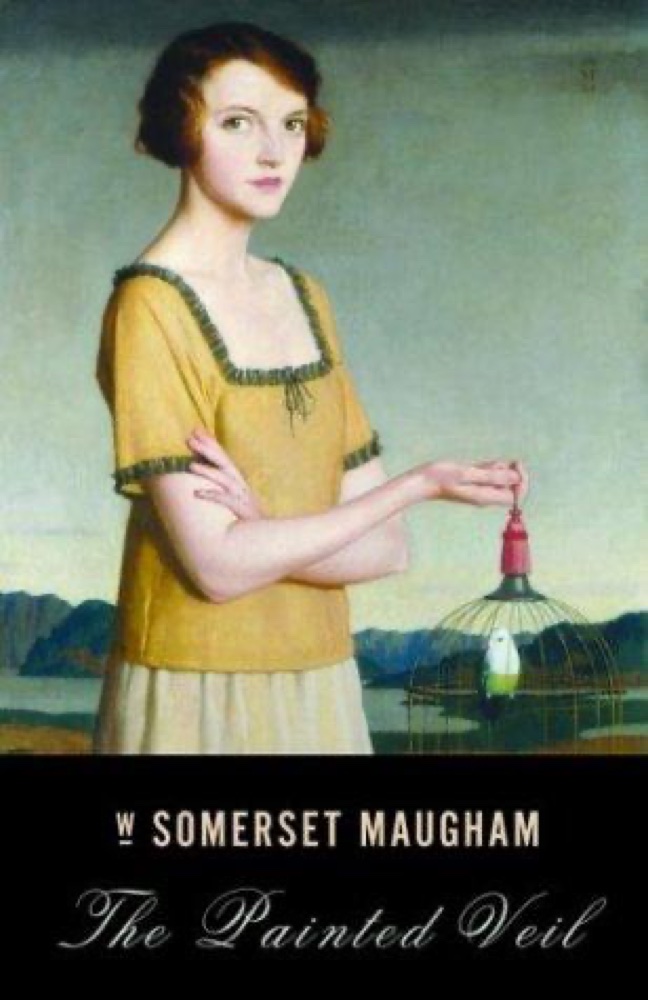 The Painted Veil
 Great Expectations
 The Women of Chateau Lafayette
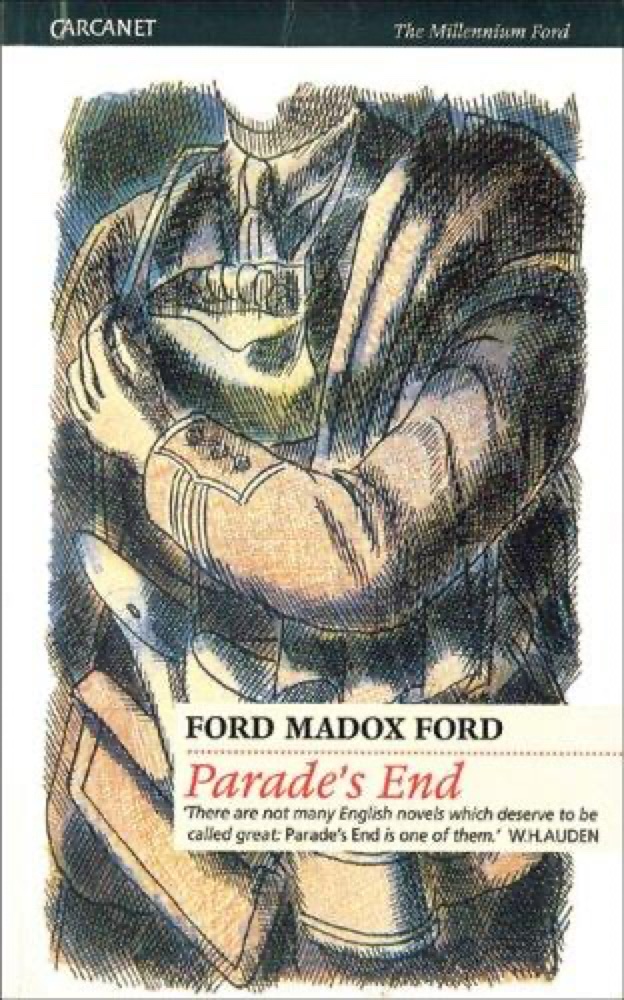 Parade's End
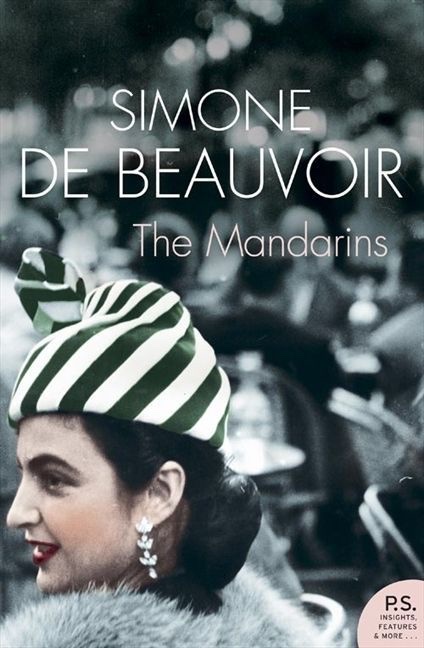 The Mandarins
 The Scarlet Letter
 The Moon and Sixpence
 The Jewel in the Crown
 A Perilous Undertaking
 Trust: Betrayed
![What Was She Thinking? [Notes on a Scandal]](/i/book/g/08/what-was-she-thinking-notes-on-a-scandal.jpg) What Was She Thinking? [Notes on a Scandal]
What Was She Thinking? [Notes on a Scandal]
 Simply Magic
 The Post-Birthday World
 Villette
 The Golden Tresses of the Dead
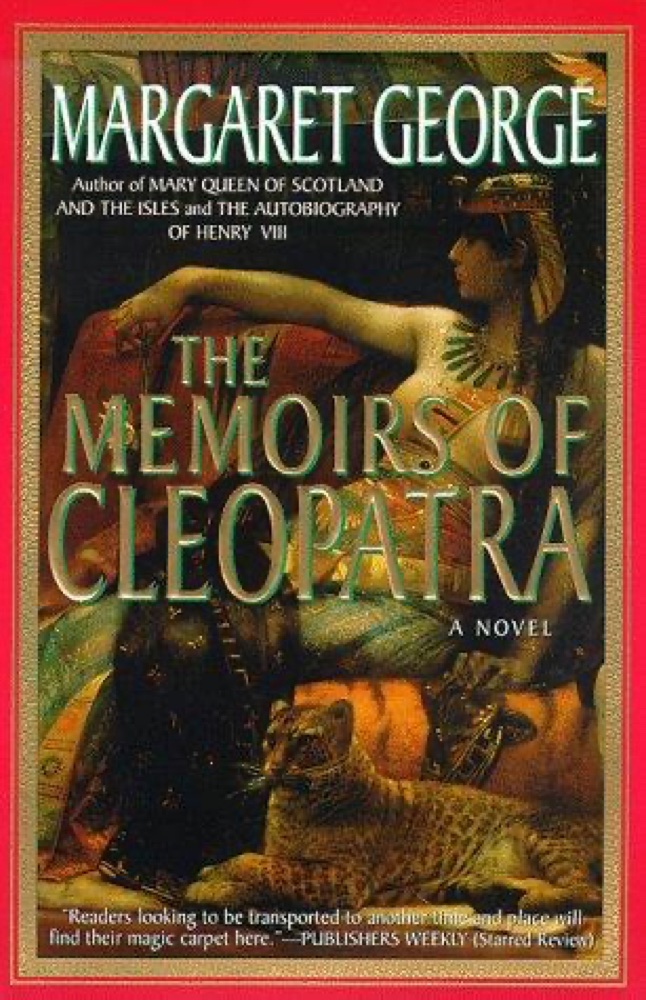 The Memoirs of Cleopatra
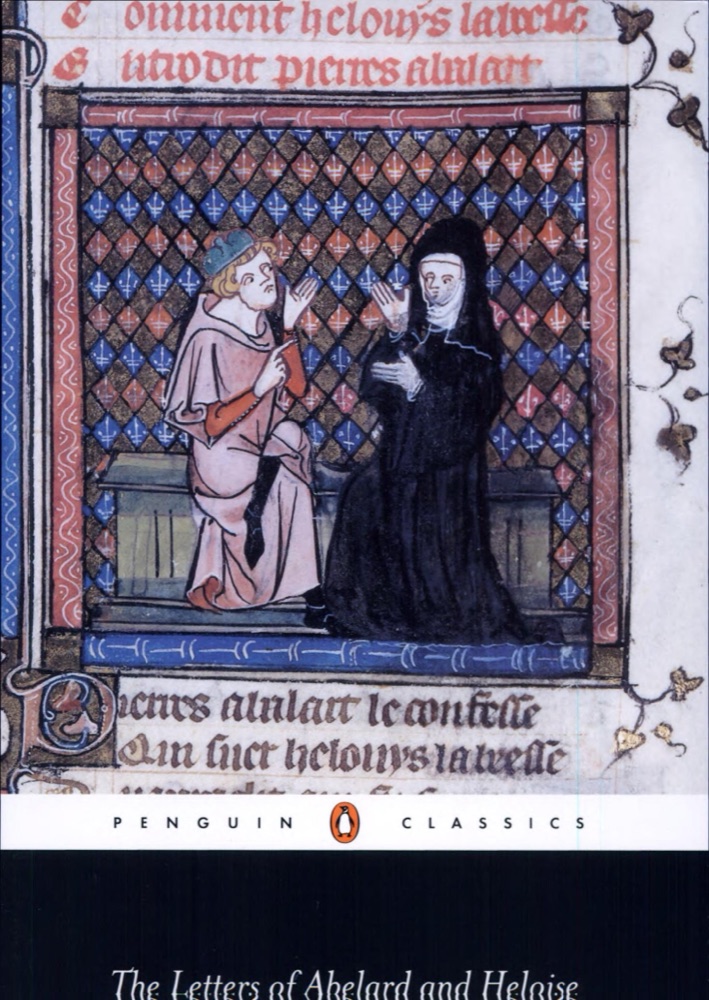 The Letters of Abélard and Héloïse
 The Life of Charlotte Brontë
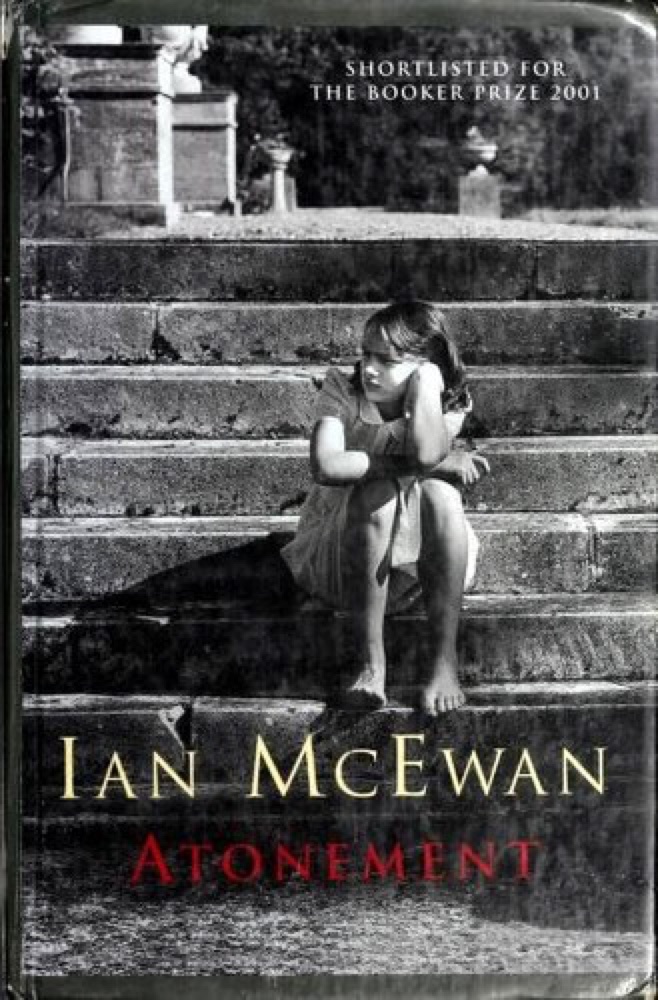 Atonement
 The Weight of Words
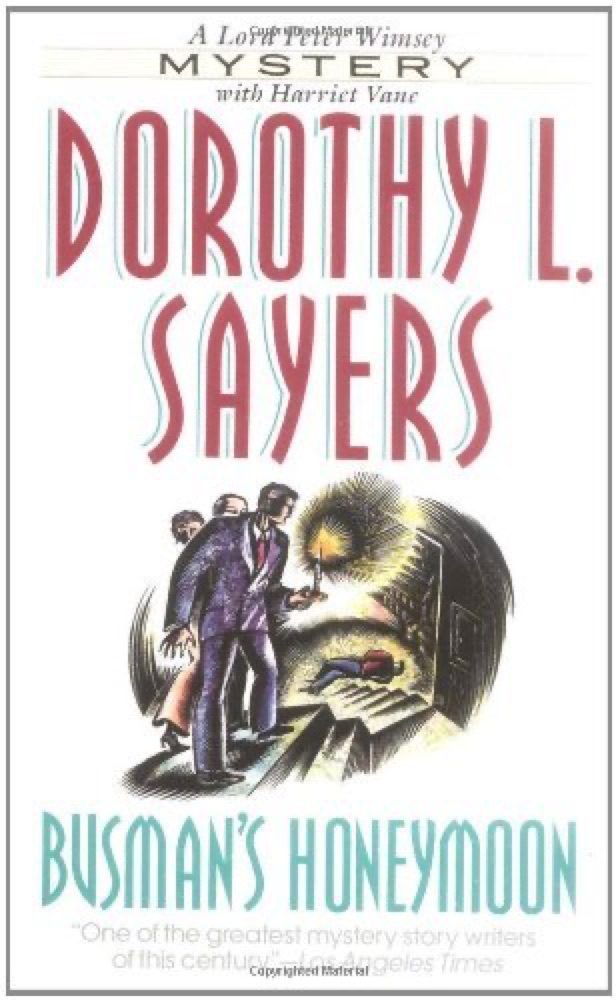 Busman's Honeymoon
 Disgrace