
 The Descent of Man
Quotes from the Book
Sarah DiMuccio, an American researcher and PhD student at New York University, published a paper in Psychology of Men & Masculinity that offered a simple, cultural definition of that type of manhood that stuck with me. Comparing the Danish idea of masculinity with the American one, she found that the major difference between them was that in Denmark, men said to 'be a man' meant not being a boy. American men said that to 'be a man' was to not be a woman. That is, Niobe Way says, where all the trouble starts. If being 'feminine' is the opposite of being a man, then many qualities that Americans associate with women (such as empathy, which shows up in boys as well as girls) are not just frowned upon, but destroyed in boyhood. 'You're only a man by not being a woman,' Way told me. 'That's basing someone's humanness on someone else's dehumanization.
8
The next time I found myself behind a woman running alone, I thought, I would do what I wished men had done for me: I would announce myself. 'Passing on your right!' I'd call. I would be careful to give her a wide berth. I would be aware that my body was, for much of the world, a weapon until proven otherwise. People sometimes think that being trans means I live 'between' worlds, but that's not exactly true. If anything, it has just created within me a potential for empathy that I must work every day, like a muscle, to grow.
5
Most of us experience gender conditioning so young—research shows it begins in infancy—that we misunderstand the relationship between nature and nurture, culture and biology, fitting in and being oneself.
4
Deconstructing the man box and the harm it causes every body, male, female, and otherwise, begins with challenging that idea and offering, in its place, the reality of our actual bodies. To build equitable relationships and societies, to create a world free of unwanted violence, to tackle the masculinity crisis—we must first acknowledge how we each are failing, right now, to see the full spectrum of humanity in ourselves and in others.
4
Boxing breaks many of the binaries that men are conditioned to believe about our bodies, our genders, ourselves. With its cover of 'realness' and violence, it provides room for what so many men lack: tenderness, and touch, and vulnerability.
3
Millennial guys seemed, to the sociologists and anthropologists who studied them, to have attitudes toward women that portended a new era of equity—especially at work. But the reality was, indeed, far more complicated. Later surveys and studies would suggest that Millennial men as a whole turned out to be as “traditional,” and even less egalitarian, in their attitudes towards gender as their fathers—which made experts eventually posit that growing up with fathers impacted by gender masculinity crisis made them more, not less, resistant to gender equality.
2
What made me feel 'real?' When Errol tied my glove on for me or poured water in my mouth, or when I tripped over the jump rope and had to begin again. I felt real when I asked for help, when I failed, when I was myself. I did not want to become a real man, I realized. I was fighting for something better.
2
People sometimes think that being trans means I live "between" worlds, but that's not exactly true. If anything, it has just created within me a potential for empathy that I must work every day, like a muscle, to grow.
1
I saw that my value depended on someone else's being less valuable: another man, a woman, a trans person who did not "pass." For me to really be a man, someone, somewhere, had to not be.
1
Though it was a relief to no longer experience a rebellion at the sight of my own face, moving through the world in my Before body had grooved my brain, and operating as if that weren't so--as if those grooves had instead been worn by thousands of wet towel snaps and gay jokes--felt as dissonant as looking in the mirror had once been. There was no language to describe my whole self that didn't put me in danger. I passed in that I allowed others to believe I had sprung, fully formed, into the man that stood before them. Passing is, after all, a social phenomenon. I did not 'pass' when I looked at myself, but I passed when others prescribed to me a boyhood I'd never had. I passed as the man others saw, and I did not dissuade them of their vision of me. I was, like everyone, passing as my most coherent translation. It was a blanket of familiarity that I put over myself, and it kept me safe.
1
To tell another man how you feel was too risky. If it fails, you’re left exposed. It struck me as impossibly sad that, so often near silence was the only witness men could provide one another without being policed.
When would I stop passing as the man others expected and just be the man I was?
Here I was. The man I was when I stopped being afraid of the man I was becoming.
It seemed to be that being in crisis was a natural reaction to being a man, any man.
Becoming men had brought up the same questions for both of us. The essential worry of all sons of bad dads. How to be a man without being like our father?
When I'd left the apartment, Jess did not tell me to be careful but wished me luck instead. It was a measure of adulthood, I thought, carrying my bag down the stairs, that no one was around anymore to worry over my body in the way a mother does. What a burden and freedom to be the sole person in charge of my safety, to risk what I wanted of it, and to be trusted to survive.
To call a man a fool is not necessarily an insult," said the philosopher Sam Keen, "for the authentic life has frequently been pictured under the metaphor of the fool. In figures such as Socrates, Christ, and the Idiot of Dostoyevsky we see that foolishness and wisdom are not always what they seem to be.
I didn't yet realize that fighting was mostly about what you did when you were overpowered. This man, backed into a corner, learning how to fight—this was a glimpse of who I was under the rubble of trauma and expectation and loss.
Race is an idea, not a fact," Nell Irvin Painter wrote in The History of White People. Regardless, race evolved through a collective complicity where virtually every wave of "white" immigrants learned to shed their old cultures. These "expansions of whiteness," Painter argues, included more and more immigrants and ethnicities until only "people of color" were left behind.
[...] passing exists because we categorize bodies into social binaries like race, class, and gender, and where there are binaries, there is usually reward (economic, social) and a price (family, community, identity) to crossing over to the "other" side.
Slowly I began to realized," [Eddie] Murphy says later in voice-over, after a white clerk won't let him pay for a newspaper, "that when white people are alone, they give things to each other for free.
[...] thinking about how I'd gotten the idea from movies that men spent a lot of time in amenable, intimate silences, laced through with well-placed words that telegraphed deep truths, like the pivotal scene in every drama about fathers and sons. I suppose I had indeed spent a lot more time not knowing what to say since my transition. Silence was a kind of defense mechanism, especially in the halting stop-and-start dialogues I found myself muscling through with uncomfortable male relatives, or other people's fathers.
I may have learned through dumb practice to walk with my chest out, just as I'd trained myself to limit exclamation points in my correspondence, but I felt all the absences my male body created too: the cool distance of friends in tough moments, stemming to some degree from the self-conscious way I held myself apart from women especially, so concerned with being perceived as a threat that I'd become a ghost instead.
I remembered, at the last moment, not to add an upward lilt to the end of my thought.
As the testosterone took hold and reshaped my body, its impact as an object in space grew increasingly bewildering: the expectation that I not be afraid juxtaposed against the fear I inspired in a woman, alone on a dark street; the silencing effect of my voice in a meeting; the unearned presumption of my competence; my power; my potential.
I thought about the advantages thrown at me for an aesthetic that looked like a birthright. I thought about passing, and how it erased a part of me, and how hormones responded to context, and how race and masculinity were inventions that benefited me, and what I could do to challenge that.
Watch on YouTube
About Thomas Page McBee
We have collected 26 quotes from 1 book by Thomas Page McBee on BookQuoters.
More about the author →About the book
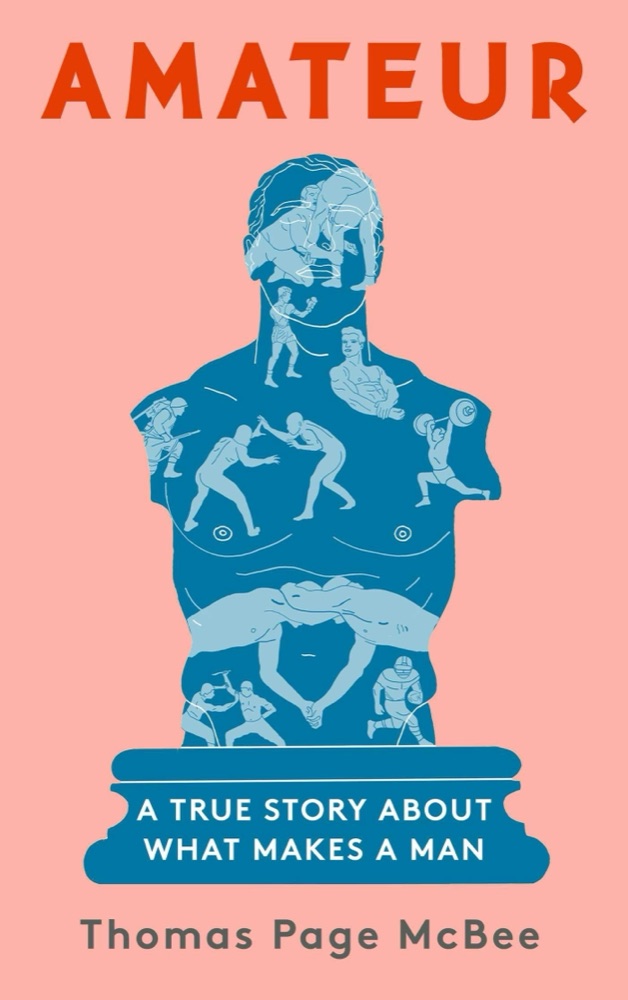
Thomas McBee, a trans man, sets out to uncover what makes a man—and what being a “good” man even means—through his experience training for and fighting in a charity boxing match at Madison Square Garden. A self-described “amateur” at masculinity, McBee embarks on a wide-ranging exploration of gender in society, examining sexism, toxic masculinity, and privilege. As he questions the limitations of gender roles and the roots of masculine aggression, he finds intimacy, hope, and even love in the experience of boxing and in his role as a man in the world.
Through interviews with experts in neuroscience, sociology, and critical race theory, he constructs a deft and thoughtful examination of the role of men in contemporary society. Amateur is a graceful and uncompromising look at gender by a fearless, fiercely honest writer.
Runtime: 3 hours and 38 minutes
Book details
- First published
- 2018
- Author
- Thomas Page McBee
- Genre
- Nonfiction
- Goodreads rating
- 4.20 (4k ratings)
The buzz
- Kirkus ReviewsReview in Kirkus Reviewsprofessional review (via Book Marks)
- Publishers WeeklyReview in Publishers Weeklyprofessional review (via Book Marks)
- Shelf AwarenessReview in Shelf Awarenessprofessional review (via Book Marks)
- NewrepublicReview in Newrepublicprofessional review (via Book Marks)
- FtReview in Ftprofessional review (via Book Marks)
- AvclubReview in Avclubprofessional review (via Book Marks)
Keep reading
The Descent of Man
 I'm Afraid of Men.
 I Heard Her Call My Name: A Memoir of Transition
 How We Fight For Our Lives
 Sissy: A Coming-of-Gender Story
 Becoming a Man: Half a Life Story
 Punch Me Up to the Gods
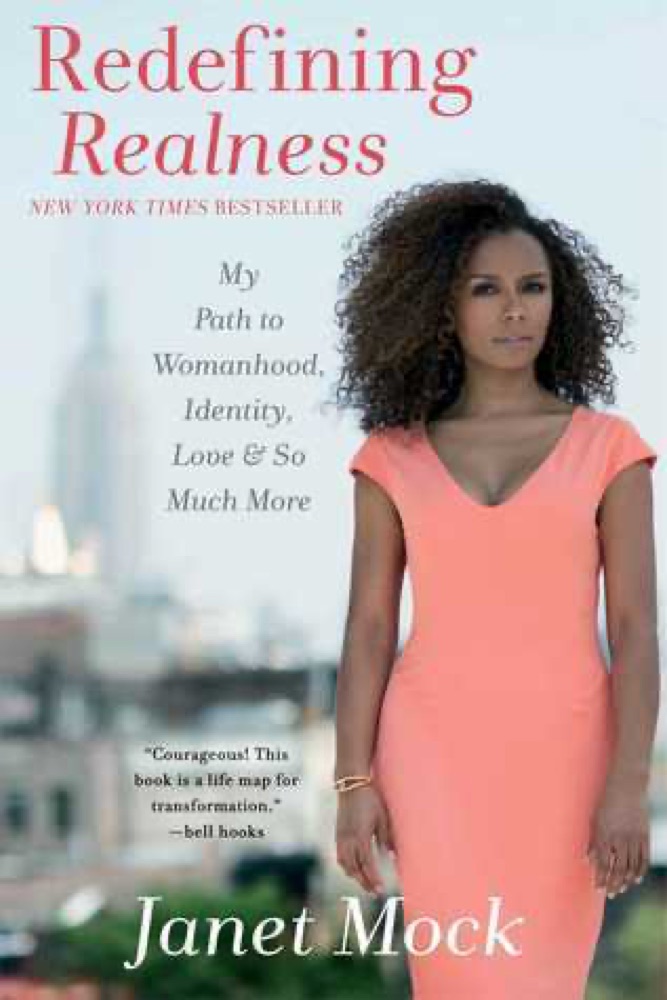 Redefining Realness: My Path to Womanhood, Identity, Love & So Much More
 The Argonauts
 They Called Us Exceptional: And Other Lies That Raised Us
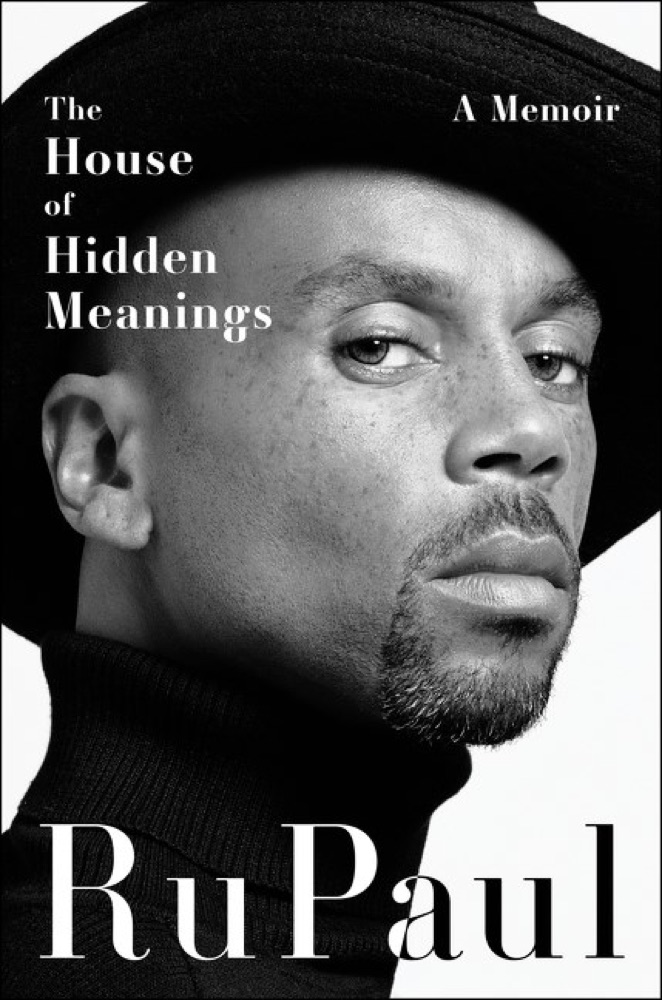 The House of Hidden Meanings
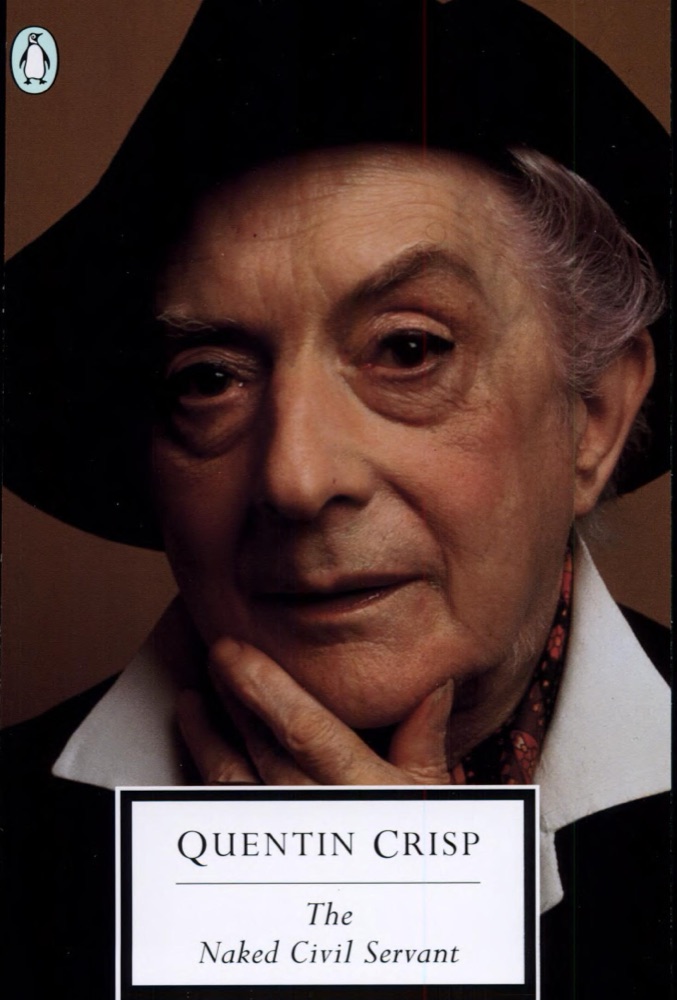 The Naked Civil Servant
 Detransition, Baby
 Self
Self
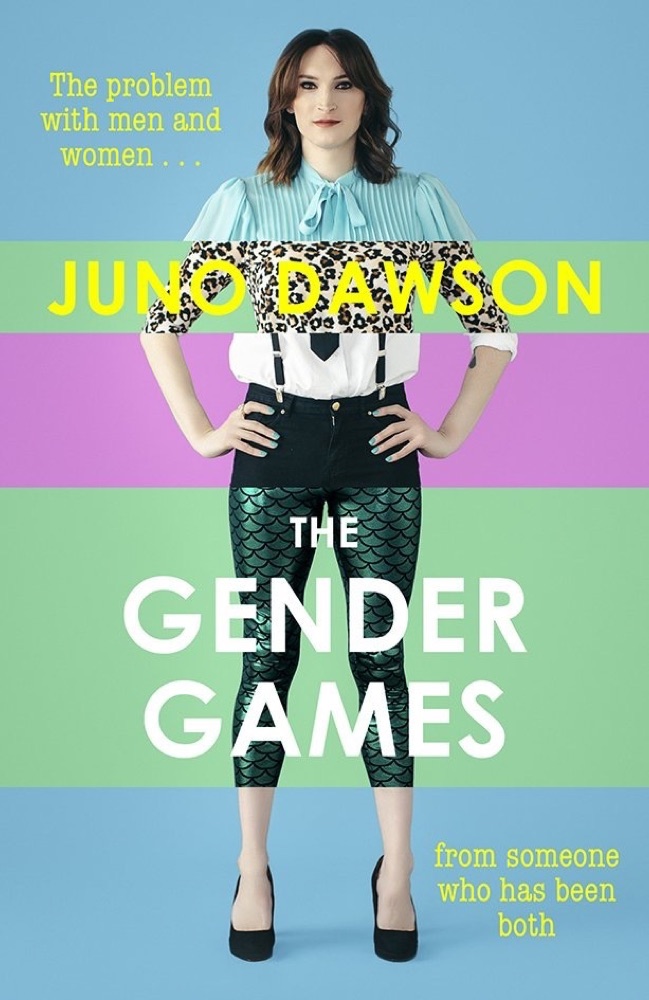 The Gender Games: The Problem with Men and Women, from Someone Who Has Been Both
 Anthropology of an American Girl
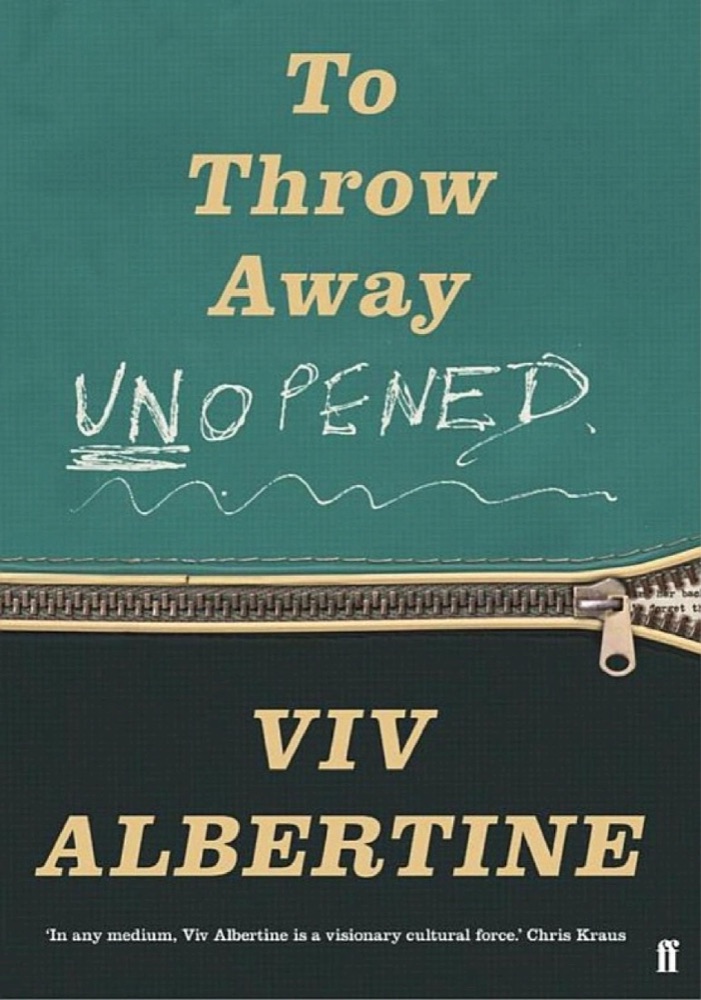 To Throw Away Unopened
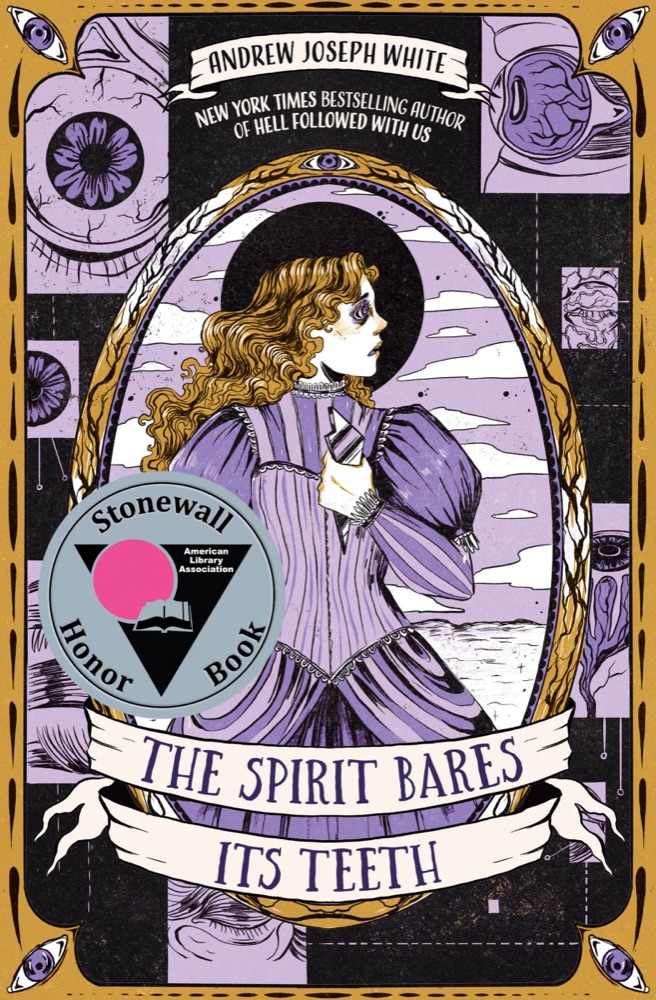 The Spirit Bares Its Teeth
 The Game: Penetrating the Secret Society of Pickup Artists
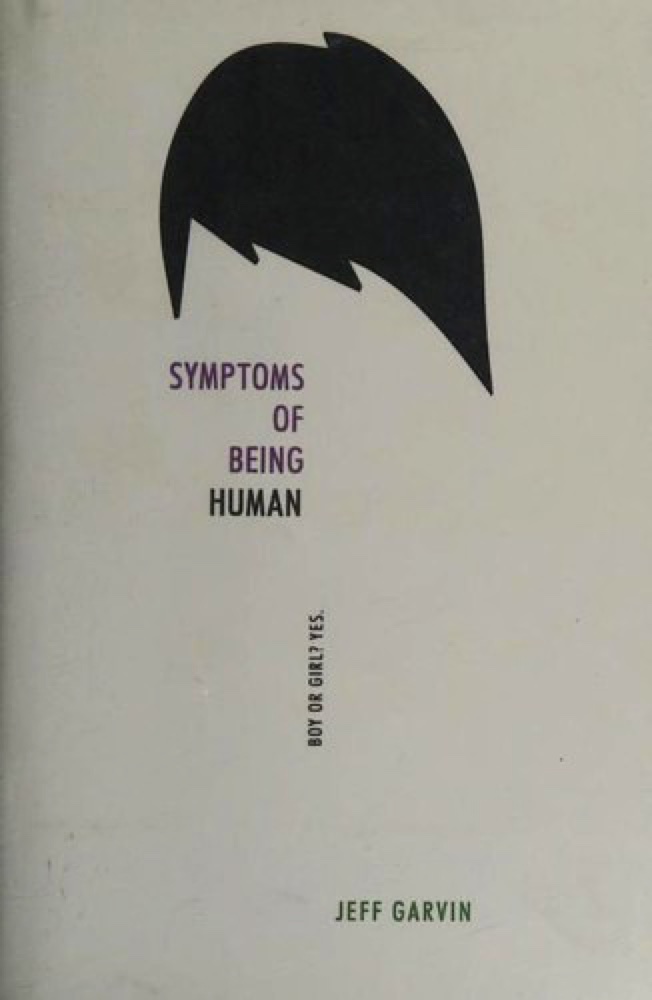 Symptoms of Being Human
 All Fours
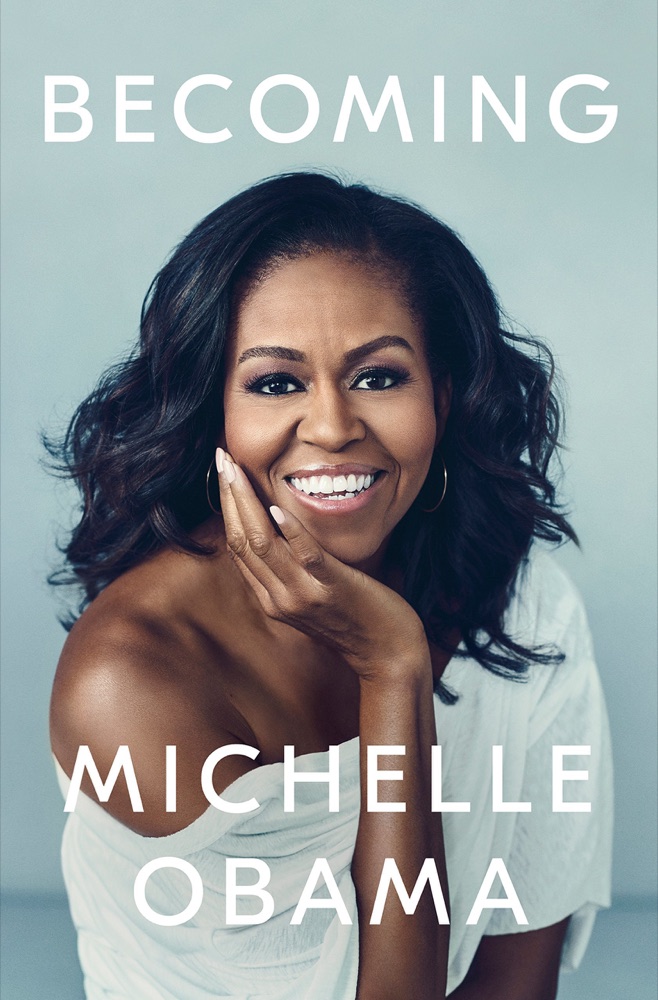 Becoming
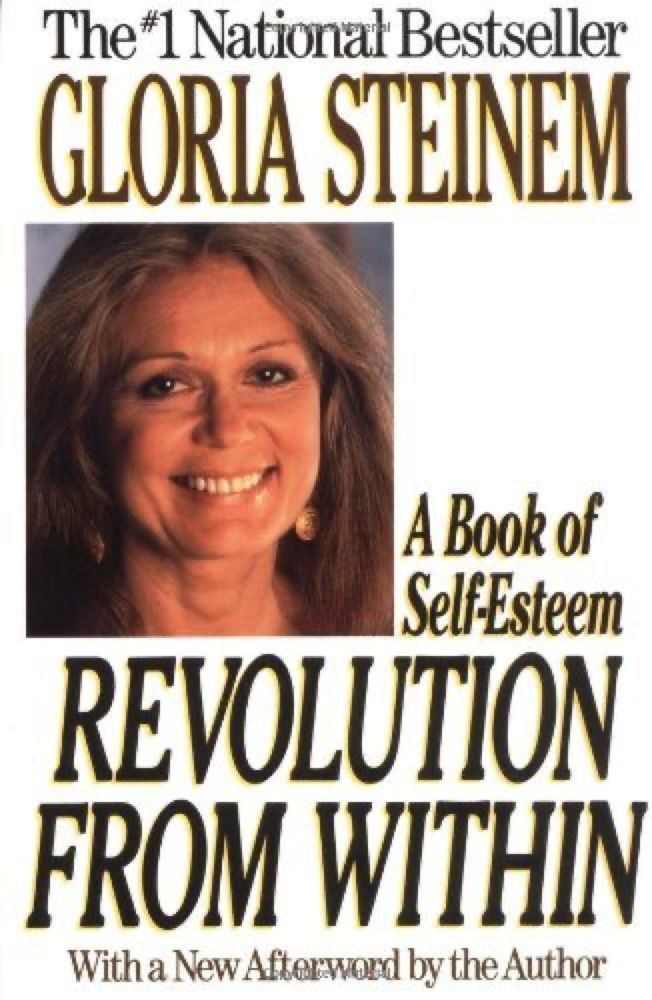 Revolution from Within: A Book of Self-Esteem
 Unbearable Lightness: A Story of Loss and Gain
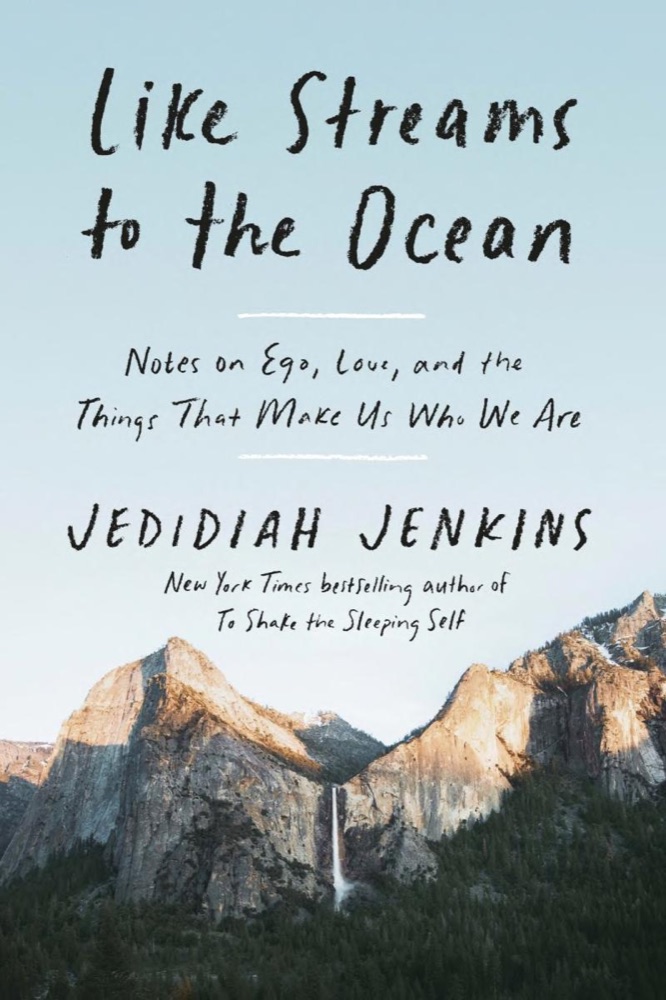 Like Streams to the Ocean: Notes on Ego, Love, and the Things That Make Us Who We Are
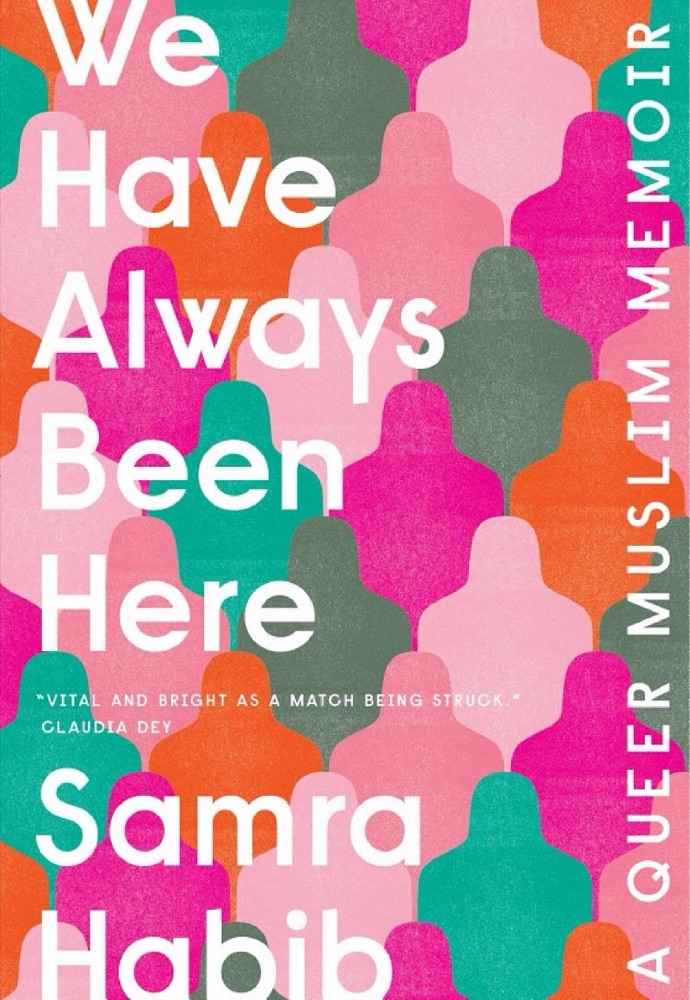 We Have Always Been Here: A Queer Muslim Memoir
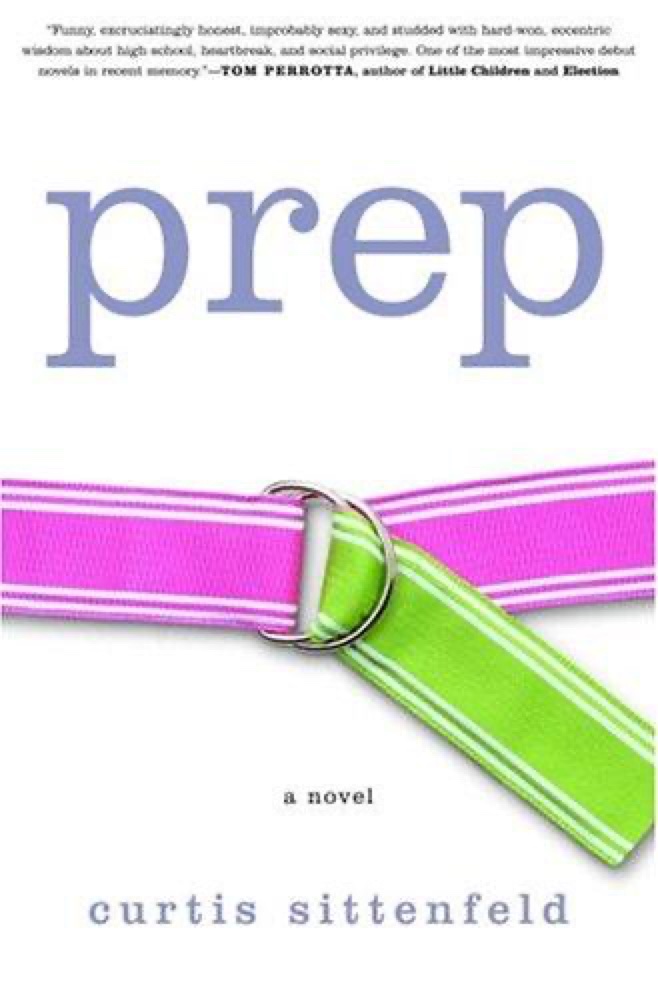 Prep
Prep
 Where Am I Now?
 My Body
 Whipping Girl: A Transsexual Woman on Sexism and the Scapegoating of Femininity
 Stone Butch Blues
 Trick Mirror: Reflections on Self-Delusion
 Aftermath: On Marriage and Separation
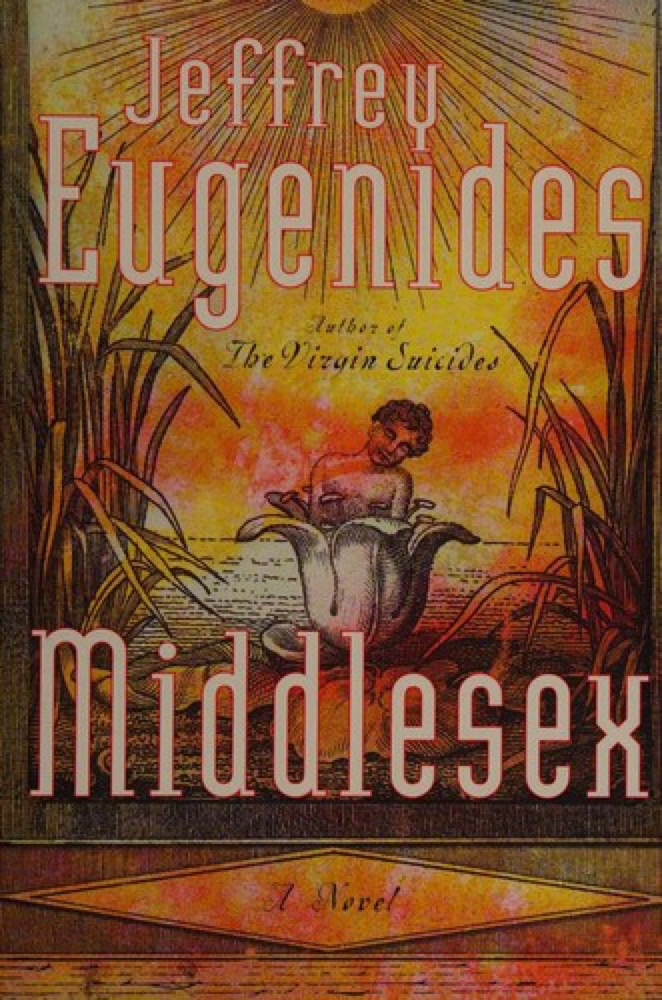 Middlesex
 Finding My Way: A Memoir
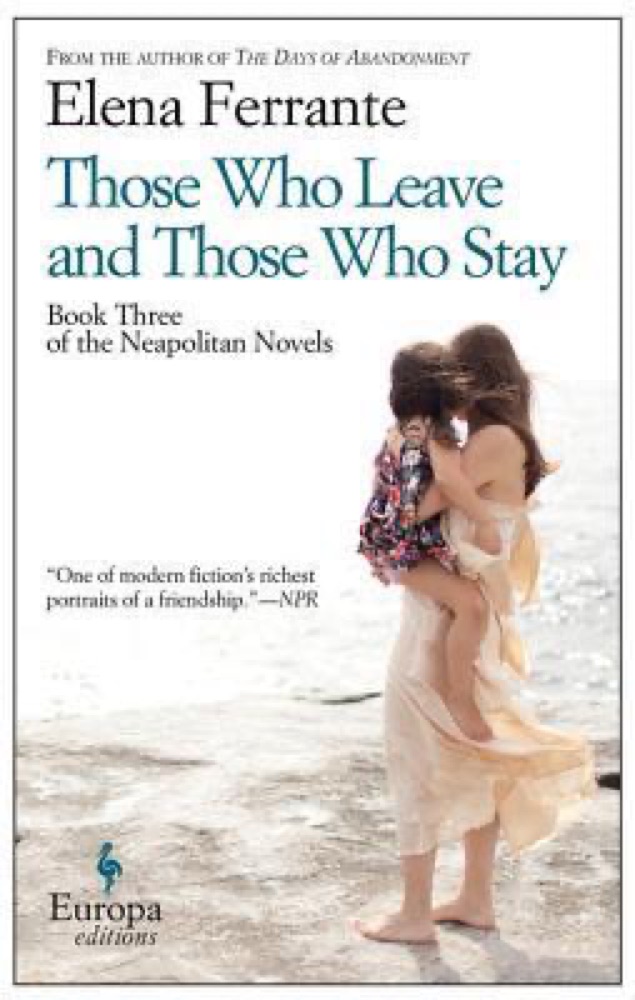 Those Who Leave and Those Who Stay
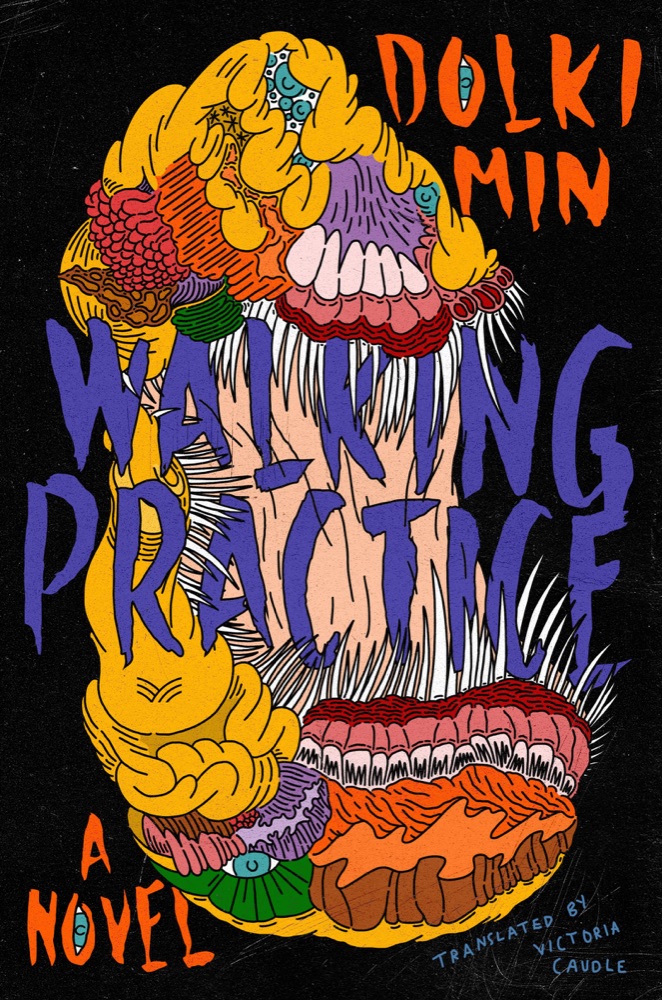 Walking Practice
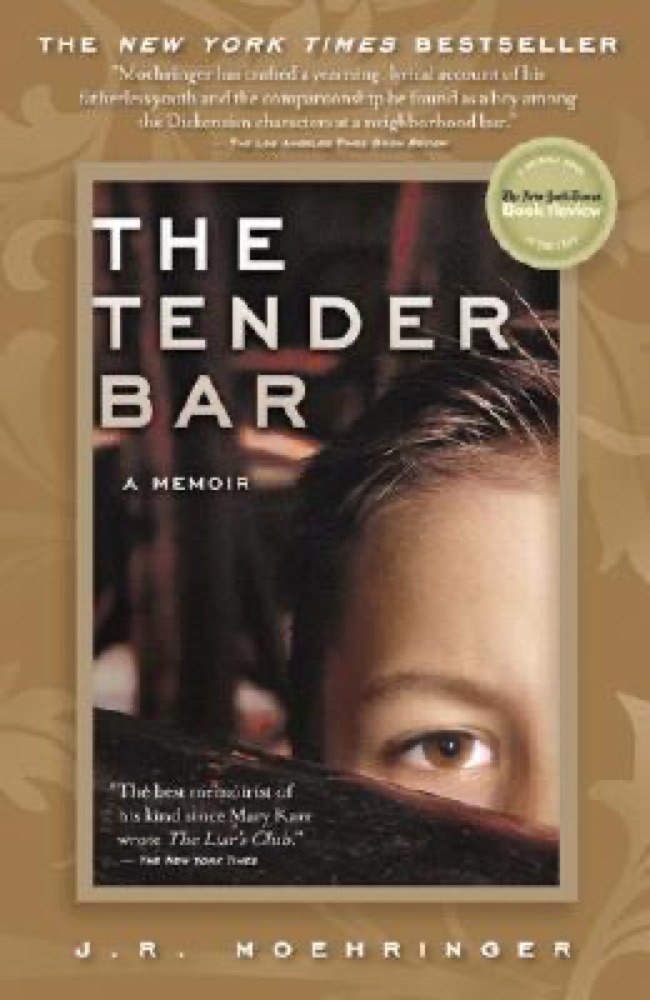 The Tender Bar
 Life Will Be the Death of Me: . . . and you too!
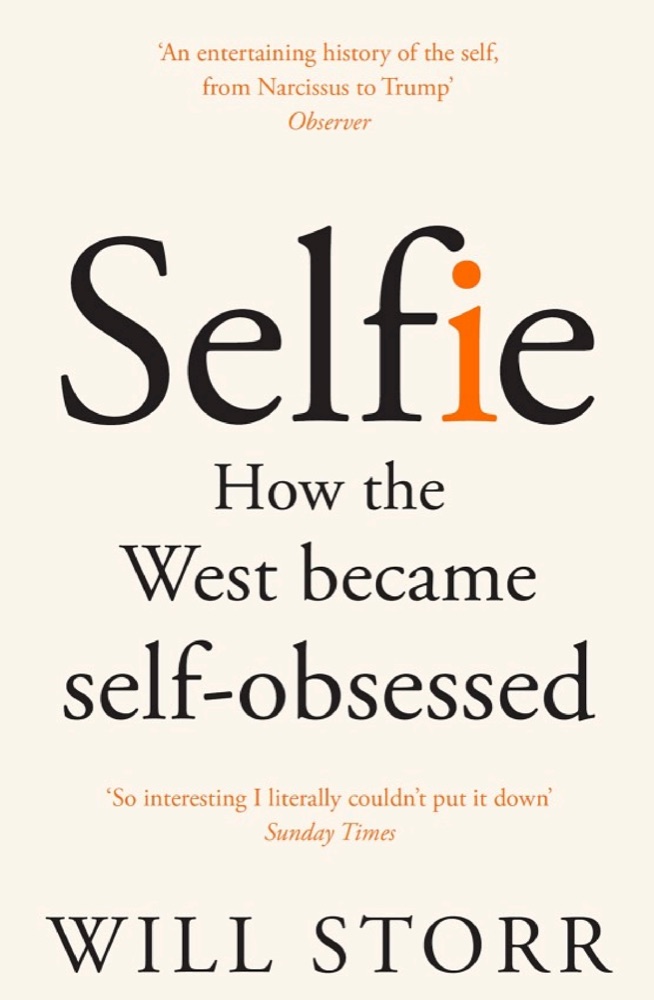 Selfie: How the West Became Self-Obsessed
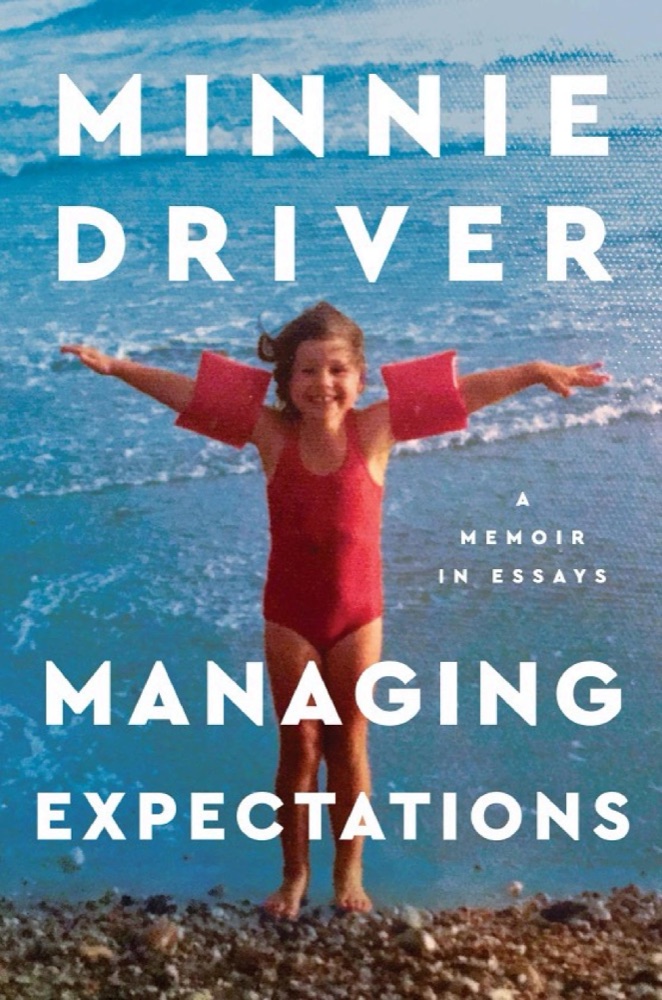 Managing Expectations: A Memoir in Essays – A Poignant Collection of Personal Stories on Acting, Failure, and Motherhood's Joy
 Lives of Girls and Women
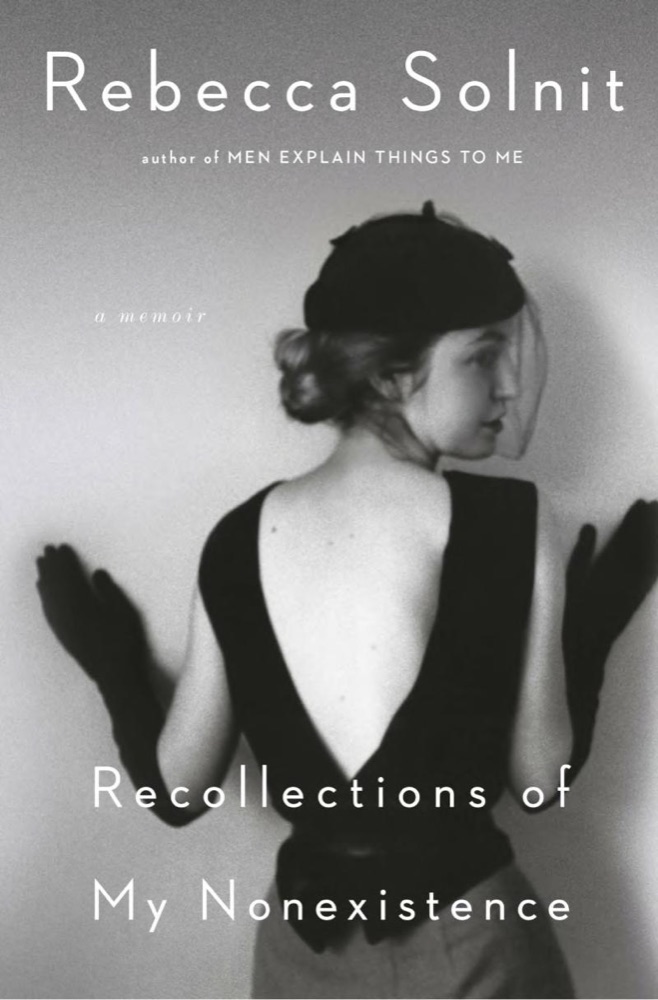 Recollections of My Nonexistence: A Memoir
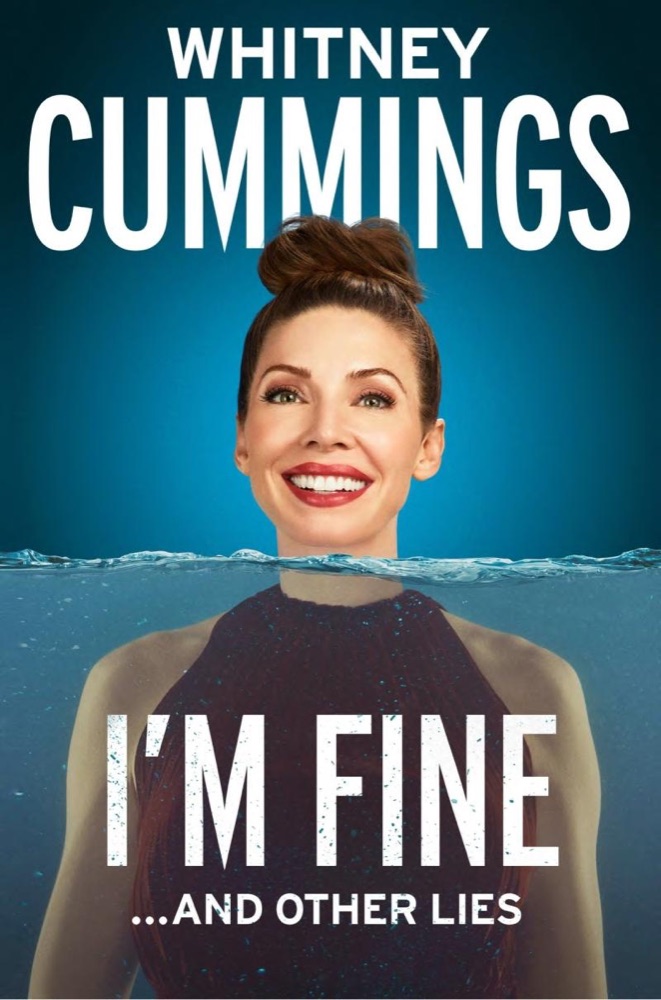 I'm Fine...And Other Lies
 Boy Erased: A Memoir of Identity, Faith, and Family
 Notes of a Crocodile
 Homebody: A Graphic Memoir of Gender Identity Exploration
 Autobiography of a Face
 The Folded Clock: A Diary
 The Story of a New Name
 Regeneration
 Men We Reaped
 Unicorn: The Memoir of a Muslim Drag Queen
 Things My Son Needs to Know About the World
 The Measure of a Man: A Spiritual Autobiography
 Riding the Elephant: A Memoir of Altercations, Humiliations, Hallucinations, and Observations
 The Mother of All Questions
 Openly Straight
 Hunger Makes Me a Modern Girl
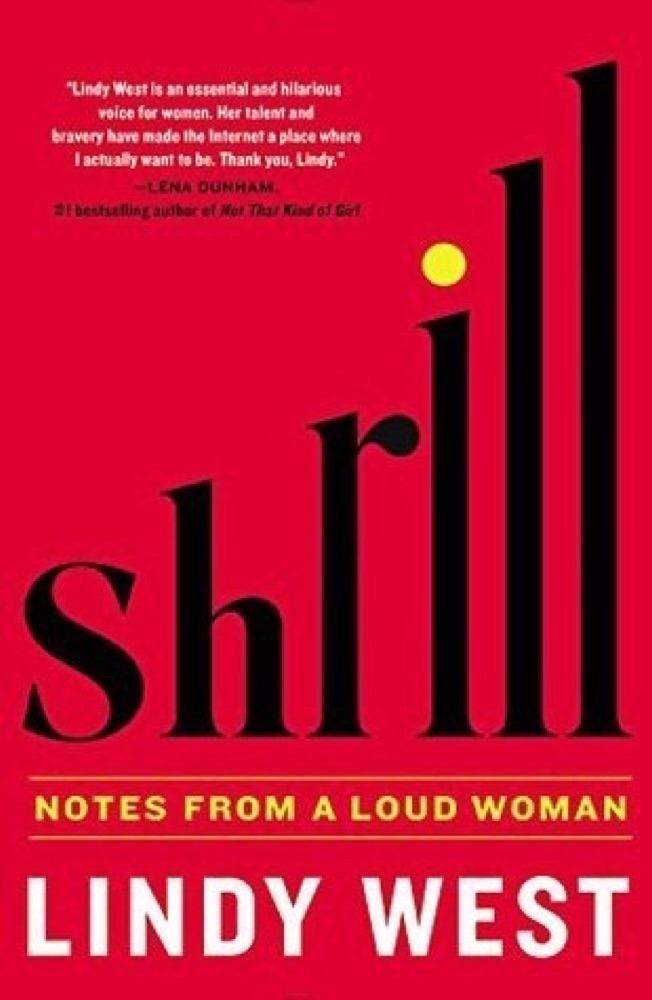 Shrill: Notes from a Loud Woman