
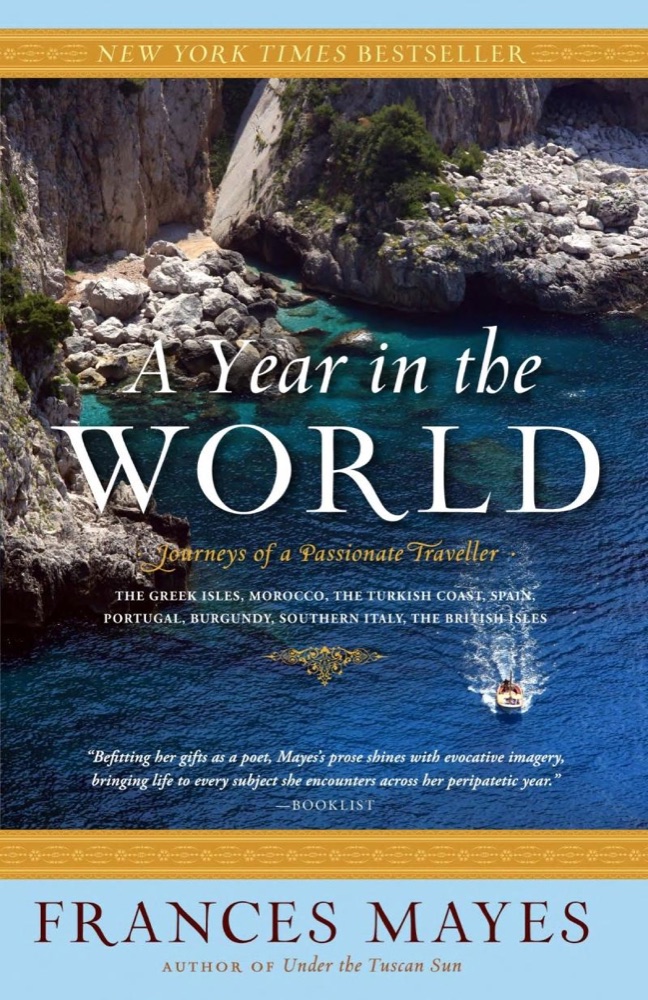
 A Year in the World: Journeys of a Passionate Traveller
Quotes from the Book
Life offers you a thousand chances... all you have to do is take one.
Any arbitrary turning along the way and I would be elsewhere; I would be different.
Where you are is who you are. The further inside you the place moves, the more your identity is intertwined with it. Never casual, the choice of place is the choice of something you crave.
There is no technique, there is just the way to do it. Now, are we going to measure or are we going to cook?
I had the urge to examine my life in another culture and move beyond what I knew.
A Chinese poet many centuries ago noticed that to re-create something in words is like being alive twice.
Splendid to arrive alone in a foreign country and feel the assault of difference. Here they are all along, busy with living; they don't talk or look like me. The rhythm of their day is entirely different; I am foreign.
Do you know the most surprising thing about divorce? It doesn't actually kill you. Like a bullet to the heart or a head-on car wreck. It should. When someone you've promised to cherish till death do you part says "I never loved you," it should kill you instantly. You shouldn't have to wake up day after day after that, trying to understand how in the world you didn't know. The light just never went on, you know. I must have known, of course, but I was too scared to see the truth. Then fear just makes you so stupid.
Like fanning through a deck of cards, my mind flashes on the thousand chances, trivial to profound, that converged to re-create this place. Any arbitrary turning along the way and I would be elsewhere; I would be different. Where did the expression "a place in the sun" first come from? My rational thought process cling always to the idea of free will, random event; my blood, however, streams easily along a current of fate.
Sometimes the valley below is like a bowl filled up with fog. I can see hard green figs on two trees and pears on a tree just below me. A fine crop coming in. May summer last a hundred years.
Whatever a guidebook says, wether or not you leave somewhere with a sense of the place is entirely a matter of smell and instinct.
We were given one country and we've set up in another.
My idea of heaven still is to drive the gravel farm roads of Umbria and Tuscany, very pleasantly lost.
Although he's slight, he has that wiry strength that seems to come more from will than muscle.
The queen bee's life is totally overrated. All she does is lay eggs, lay eggs. She takes one nuptial flight. That one stuns her with enough fertile power to be trapped in the hive forever. The workers—the sexually undeveloped females—have the best life. They have fields of flowers to roll in. Imagine turning over and over inside a rose.
They all agree, Italy is not what it used to be. What is? All my adult life I've heard how Silicon Valley used to be all orchards, how Atlanta used to be genteel, how publishing used to be run by gentlemen, how houses used to cost what a car costs now. All true, but what can you do but live now?
What a strange mind, to cover the real thing with an imitation of something real.
A lifelong insomniac, I sleep like one newly dead every night and dream deeply harmonious dreams of swimming along with the current in a clear green river, playing and at home in the water. On the first night, I dreamed that the real name of the house was not Bramasole but Cento Angeli, One Hundred Angels, and that I would discover them one by one. Is it bad luck to change the name of a house, as it is to rename a boat? As a trepid foreigner, I wouldn't. But for me, the house now has a secret name as well as its own name.
We pass the apartment we rented five years ago, when I swore off Florence. In summer, wads of tourists clog the city as if it's a Renaissance theme park. Everyone seems to be eating. That year, a garbage strike persisted for over a week and I began to have thoughts of plague when I passed heaps of rot spilling out of bins. I was amazed that long July when waiters and shopkeepers remained as nice as they did, given what they had to put up with. Everywhere I stepped I was in the way. Humanity seemed ugly—the international young in torn T-shirts and backpacks lounging on steps, bewildered bus tourists dropping ice cream napkins in the street and asking, “How much is that in dollars?” Germans in too-short shorts letting their children terrorize restaurants. The English mother and daughter ordering lasagne verdi and Coke, then complaining because the spinach pasta was green. My own reflection in the window, carrying home all my shoe purchases, the sundress not so flattering. Bad wonderland. Henry James in Florence referred to “one's detested fellow-pilgrim.” Yes, indeed, and it's definitely time to leave when one's own reflection is included. Sad that our century has added no glory to Florence—only mobs and lead hanging in the air.
Stone houses, terrace walls, city walls, streets. Plant any rose and you hit four or five big ones. All the Etruscan sarcophagi with likenesses of the dead carved on top in realistic, living poses must have come out of the most natural transference into death they could imagine. After lifetimes of dealing with stone, why not, in death, turn into it?
Finally I caught on that what you buy today is ready—picked or dug this morning at its peak. This also explained another puzzle; I never understood why Italian refrigerators are so minute until I realized that they don't store food the way we do. The Sub-Zero giant I have at home begins to seem almost institutional compared to the toy fridge I now have here.
You never know, of course, when you write a book what its fate will be. Sink out of sight, soar to the sun–who knows. I love this quote from Frances Mayes. It pretty much sums up the Great Unknown of book writing.
Instead of winding and skirting, Roman roads tend to go straight to the top. The chariots were light and the shortest distance between two points seemed to have governed their surveyors. I've read that some of their roadbeds go down twelve feet.
Even gelato, which used to be divine all over Italy, is not dependably good anymore.
We feel prepared to face the reality of restoration. We walk into town for coffee and telephone Piero Rizzatti, the geometra. The translations “draftsman” or “surveyor” don't quite explain what a geometra is, a professional without an equivalent in the United States—a liaison among owner, builders, and town planning officials. Ian has assured us that he is the best in the area, meaning also that he has the best connections and can get the permits quickly.
He's delighted to read what the mayor of Naples says about driving there. Naples is the most chaotic city for drivers on earth. Ed loved it—he got to drive on the sidewalk while the pedestrians filled the street. “A green light is a green light, avanti, avanti,” the mayor explained. “A red light—just a suggestion.” And yellow? he was asked. “Yellow is for gaiety.
As they clean the walls with wet cloths and sponges, they uncover the earlier paints, most prevalent a stark blue that must have been inspired by Mary's blue robes. Renaissance painters could get that rare color only from ground lapis lazuli brought from quarries in what is now Afghanistan.
Don't plant any Peace roses,” a friend and connoisseur of roses advised. “They're such a cliché.” But not only are they dazzling, the vanilla cream, peach, and rosy blush colors repeat the colors of the house.
The bricked-up fourteenth-century “doors of the dead” are still visible. These ghosts of doors beside the main entrance were designed, some say, to take out the plague victims—bad luck for them to exit by the main entrance. I notice in the regular doors, people often leave their keys in the lock.
I'm mixed on figs. The fleshy quality feels spooky. In Italian, il fico, fig, has a slangy turn into la fica, meaning vulva. Possibly because of the famous fig leaf exodus from Eden, it seems like the most ancient of fruits. Oddest, too—the fig flower is inside the fruit. To pull one open is to look into a complex, primitive, infinitely sophisticated life cycle tableau.
Did you know?
- The villa Mayes restored is named Bramasole, which she translates as something that yearns for the sun.
- Bramasole is located in the hills near the town of Cortona in Tuscany.
- Mayes bought the abandoned villa in 1989 and documented its restoration in the memoir.
- The book includes dozens of seasonal Italian recipes alongside its narrative.
- It remained on the New York Times bestseller list for more than two years.
- The memoir has been translated into more than fifty languages.
About Frances Mayes
Frances Mayes (born 1940 in Fitzgerald, Georgia) is an American poet, essayist, and memoirist who was a longtime professor of creative writing at San Francisco State University, where she directed the Poetry Center. She is best known for her bestselling Tuscany memoirs beginning with Under the Tuscan Sun.
More about the author →More by Frances Mayes
A Year in the World: Journeys of a Passionate Traveller
About the book
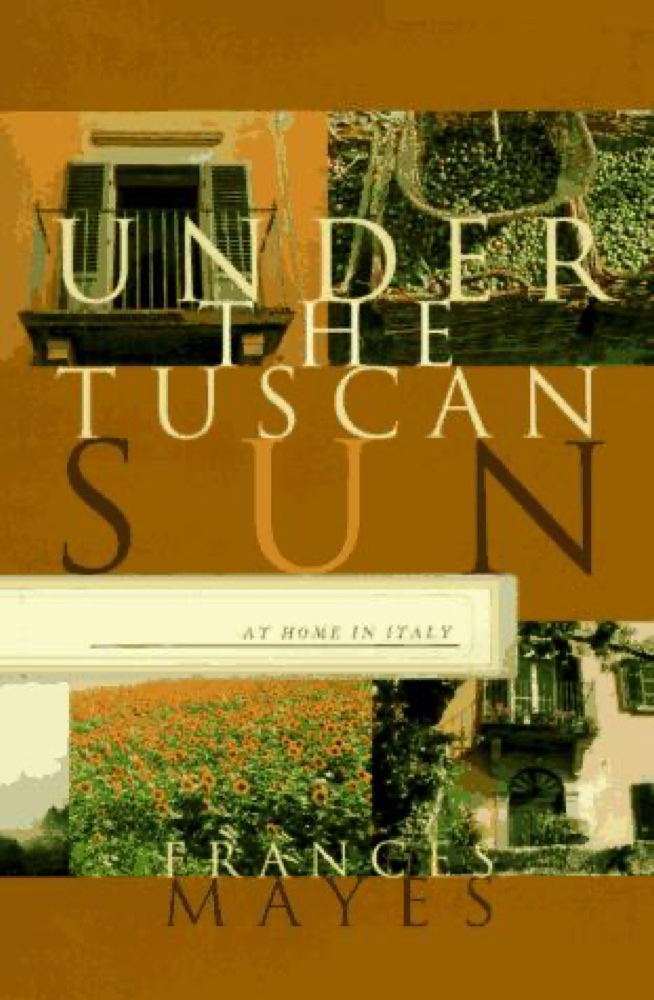
Under the Tuscan Sun: At Home in Italy is a 1996 memoir by the American poet and travel writer Frances Mayes. It recounts how she and her partner buy and painstakingly restore Bramasole, a long-abandoned villa in the hills near Cortona, in the Italian region of Tuscany. Woven through the account of renovation, gardening, and settling into a foreign place are dozens of seasonal Italian recipes and reflections on daily life in the countryside.
More than a house-restoration story, the book is a meditation on making a home in an unfamiliar culture and on the pleasures of food, landscape, language, and slowness. Mayes writes in a sensory, lyrical style, and the villa's name, Bramasole, which she translates as a yearning for the sun, becomes a recurring emblem for the book's themes of renewal and self-discovery.
Under the Tuscan Sun became a surprise bestseller, remaining on the New York Times list for well over two years and helping to popularize the genre of the expatriate-in-Italy memoir. It was translated into more than fifty languages and inspired a 2003 feature film directed by Audrey Wells and starring Diane Lane. Mayes went on to write further books set in Tuscany, beginning with the companion volume Bella Tuscany.
Book details
- First published
- 1996
- Length
- 280 pages
- Reading time
- 5 hours
- Author
- Frances Mayes
- Genre
- Nonfiction
- Goodreads rating
- 3.77 (331k ratings) →
Series & reading order
- 1 Under the Tuscan Sun
- 2 Bella Tuscany
Movie & TV adaptations
- IMDb
If you liked this, read…
- 1A Year in ProvencePeter Mayle's classic memoir of restoring a home and adapting to rural life in southern France.
- 2Bella TuscanyMayes's own companion memoir returning to Bramasole and Tuscan life.
- 3Eat, Pray, LoveAnother bestselling memoir of self-discovery, travel, and food, partly set in Italy.
Keep reading
A Year in the World: Journeys of a Passionate Traveller
 Where Angels Fear to Tread
 A Room with a View
 North of Beautiful
 Dandelion Wine
 Out of Oz
 Skinny Legs and All
 Flights
 Q & A
Q & A
 The Gone-Away World
 Another Roadside Attraction
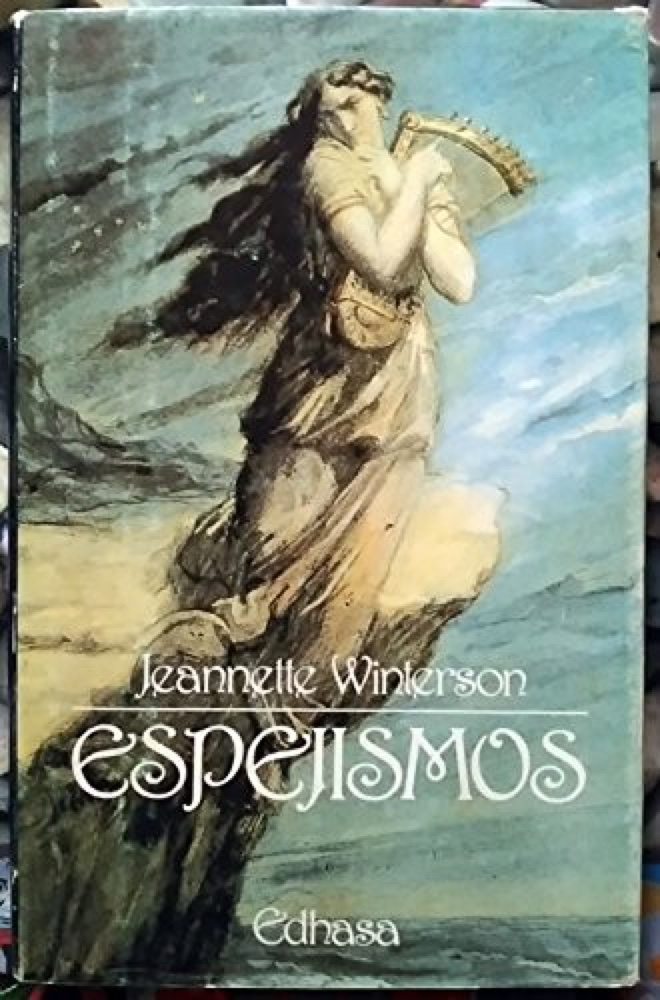 Sexing the Cherry
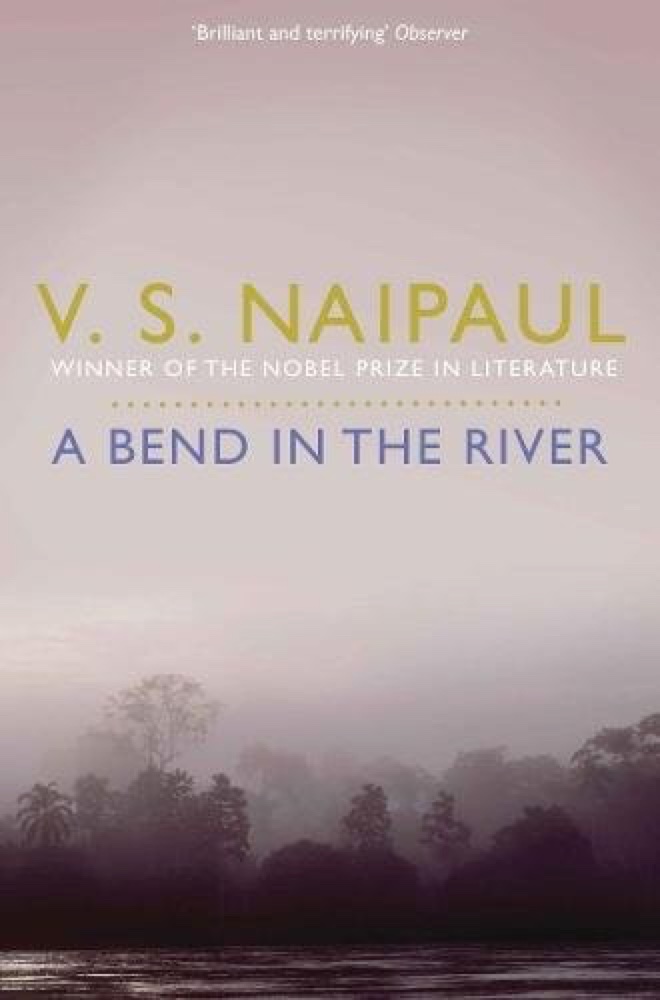 A Bend in the River
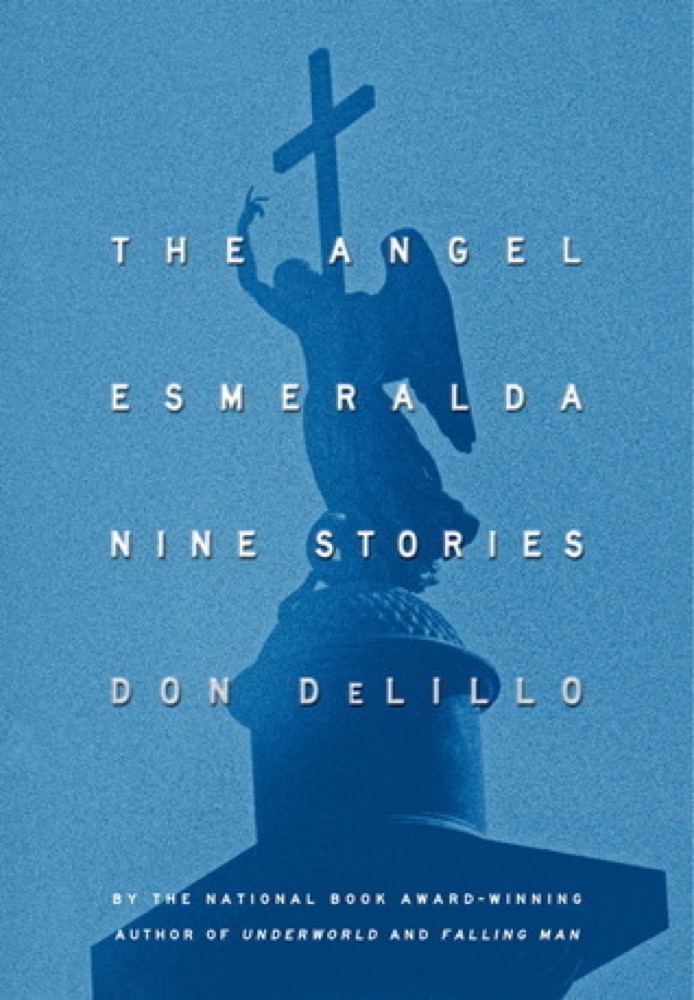 The Angel Esmeralda
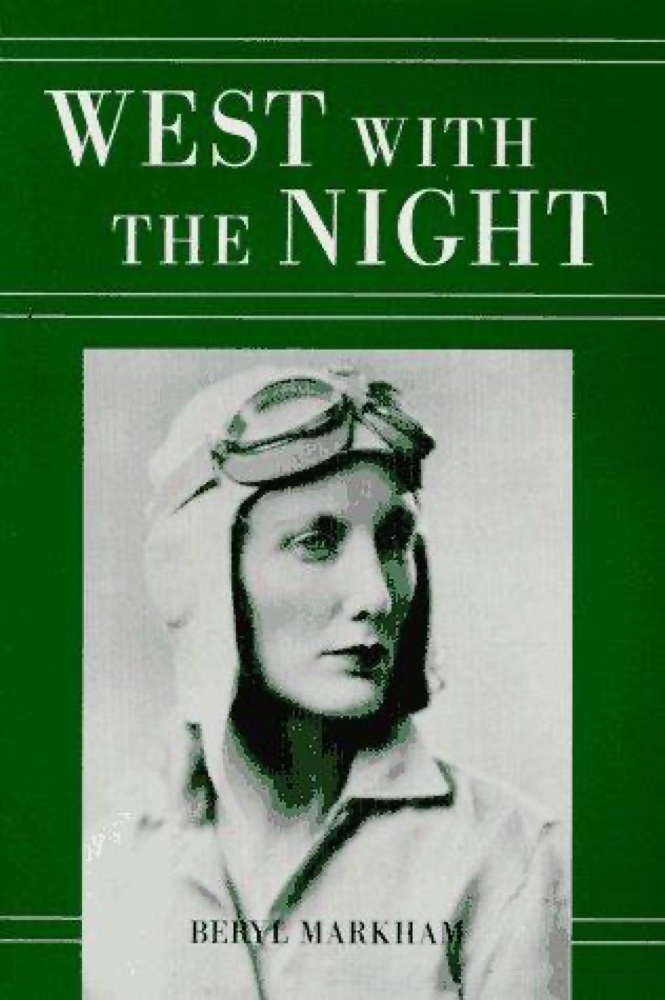 West with the Night
 Plainwater: Essays and Poetry
 Angle of Repose
 Travels with Charley: In Search of America
 Middlesex
 One Italian Summer
 Underworld
 My Father's House
 The Sea, the Sea
 Neither Here nor There: Travels in Europe
 Bright Lights, Big City
 A Thousand Days in Tuscany: A Bittersweet Adventure
 Fugitive Pieces
 Killing Commendatore
 O Pioneers!
 The Bedlam Stacks
 I'm a Stranger Here Myself: Notes on Returning to America after Twenty Years Away
 The Telling Room: A Tale of Love, Betrayal, Revenge, and the World's Greatest Piece of Cheese
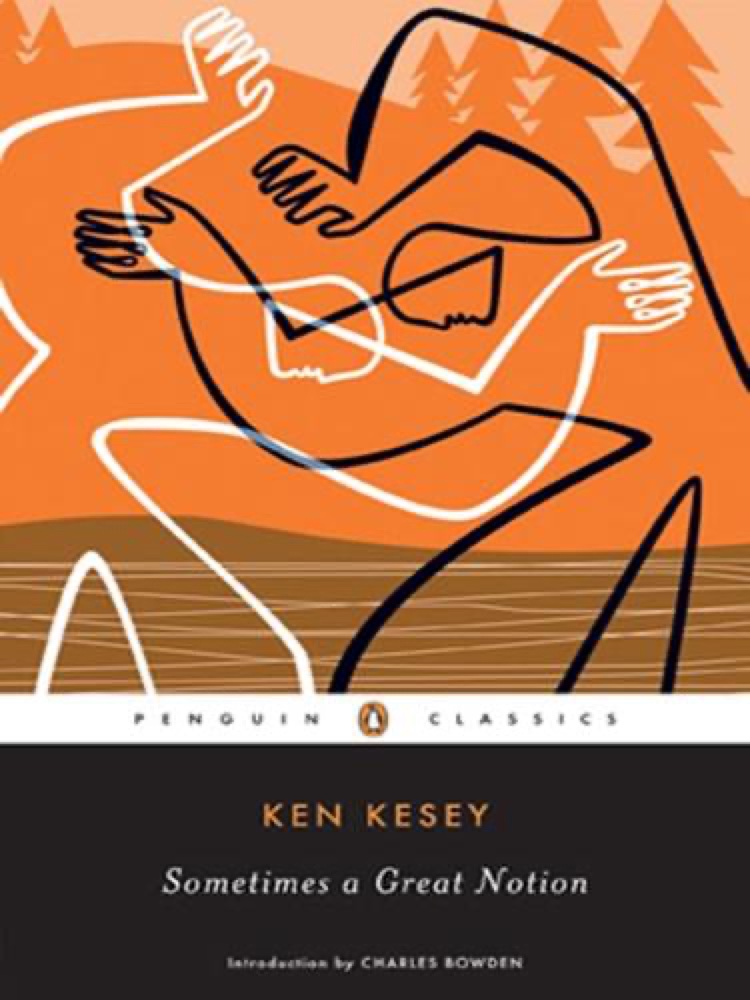 Sometimes a Great Notion
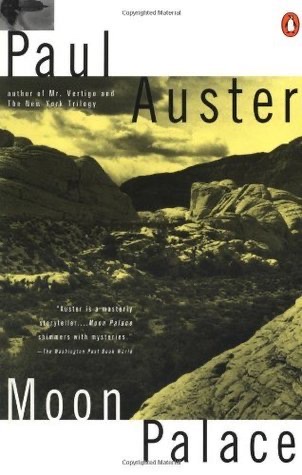 Moon Palace
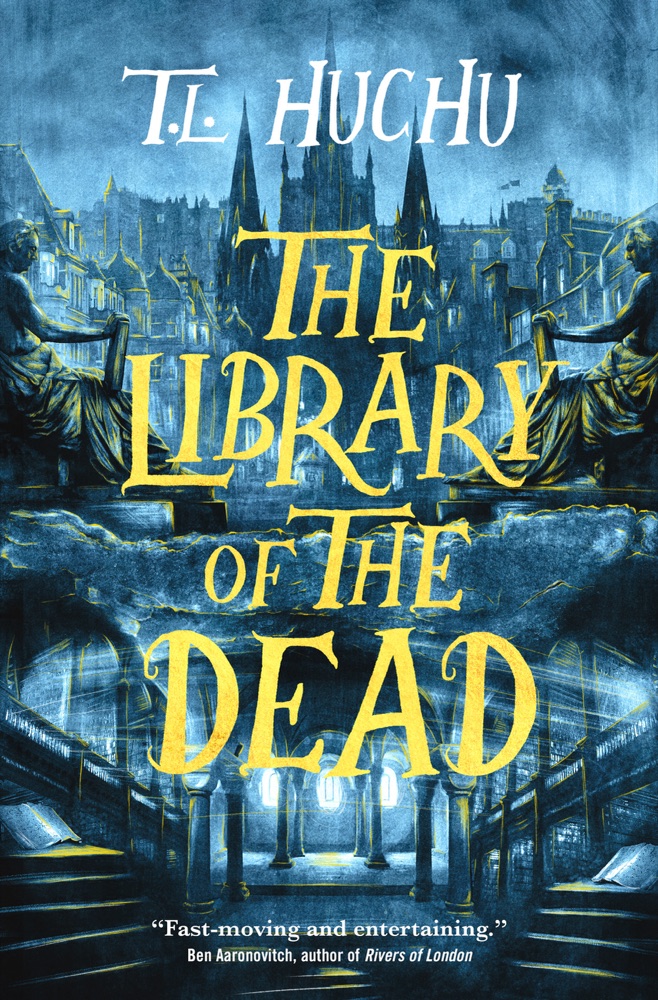 The Library of the Dead
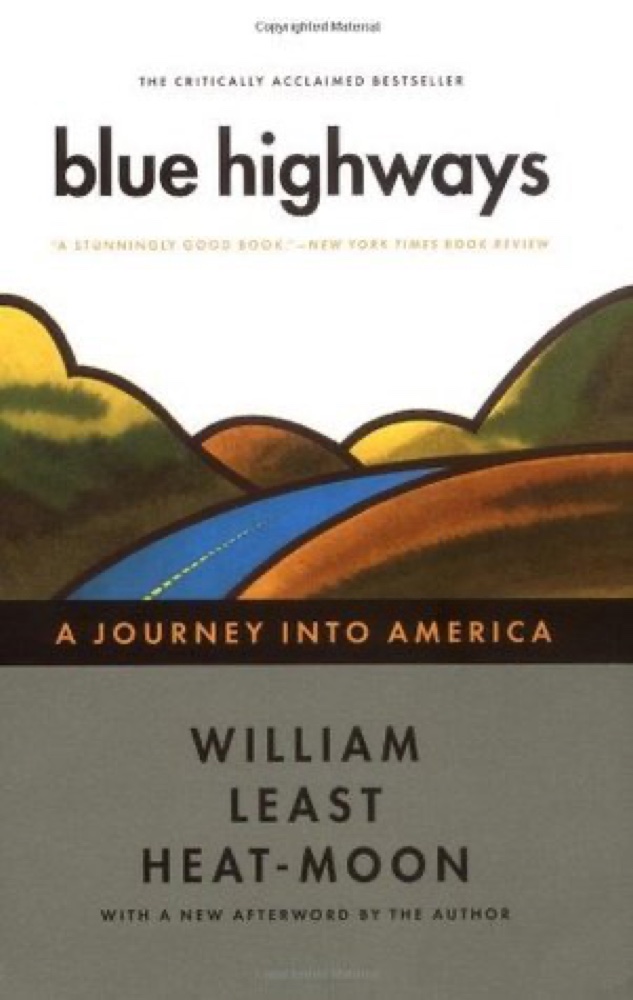 Blue Highways
 Hard-Boiled Wonderland and the End of the World
 Henderson the Rain King
 Beautiful Ruins
 Rosemary and Rue
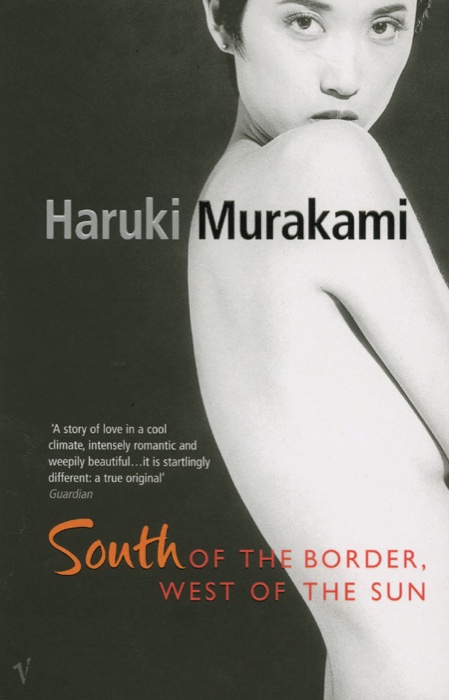 South of the Border, West of the Sun
 View with a Grain of Sand: Selected Poems
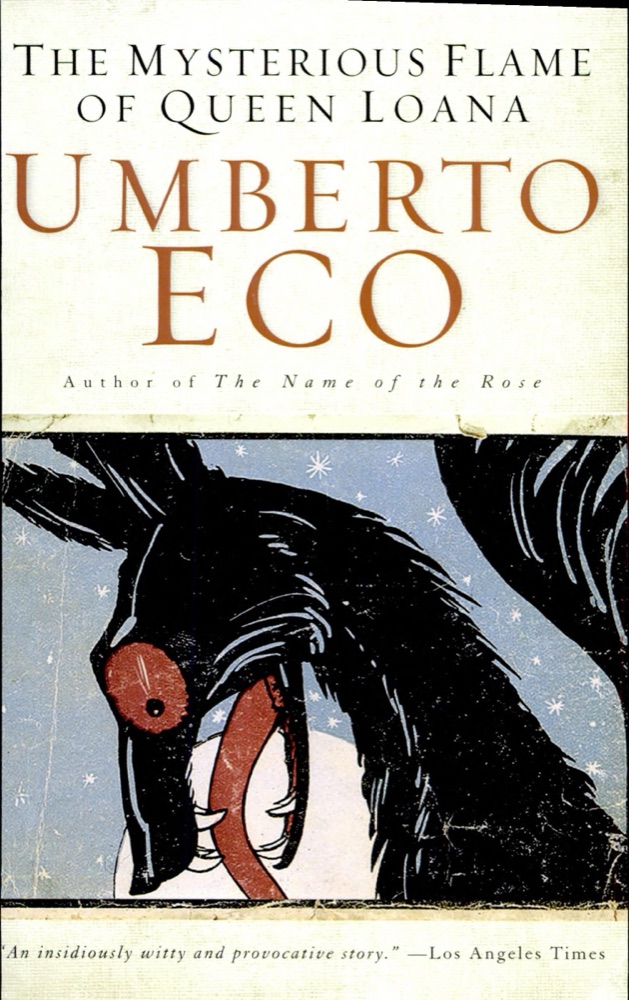 The Mysterious Flame of Queen Loana
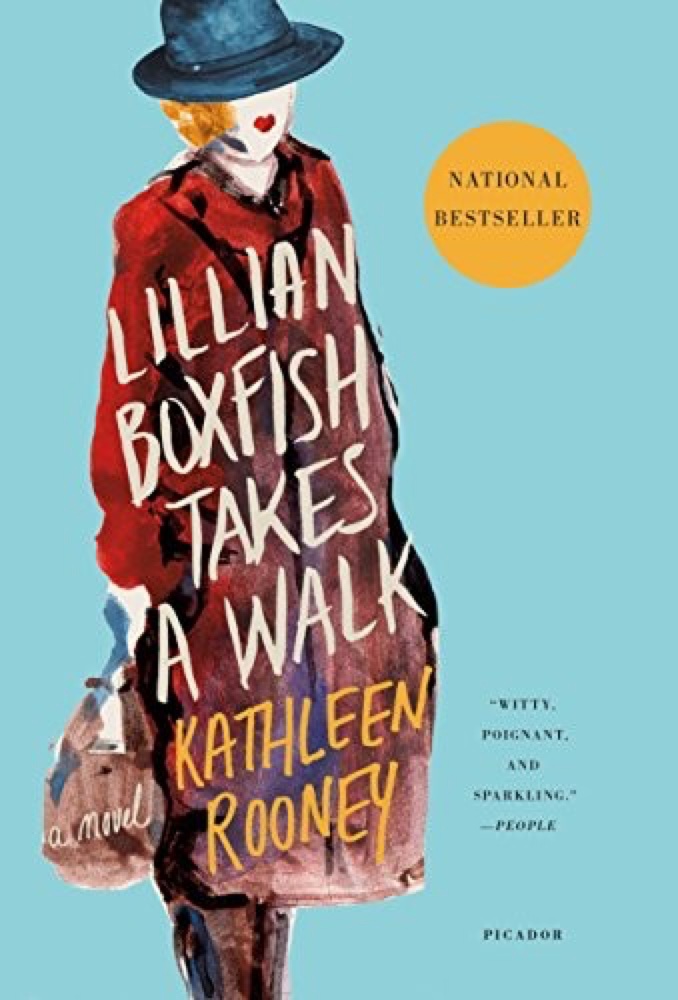 Lillian Boxfish Takes a Walk
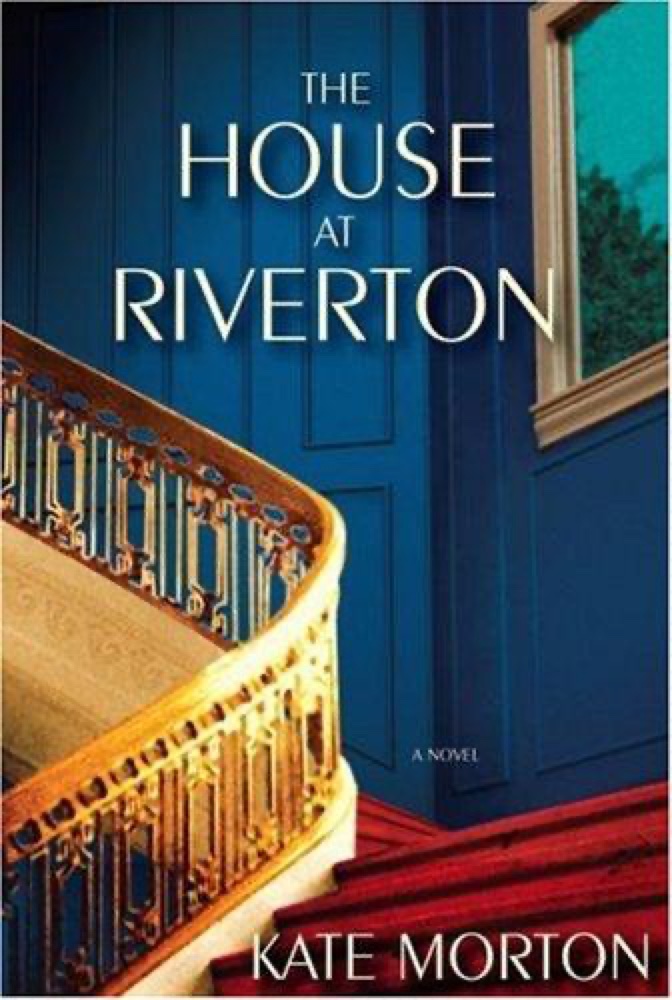 The House at Riverton
 The Etched City
 The Art of Inheriting Secrets
 Pilgrim at Tinker Creek
 Different Seasons
 Chocolat
 The Ground Beneath Her Feet
 Speaking from Among the Bones
 Year of the Monkey
 Open City
 The Tent
 Moth Smoke
 Outrun the Moon
 Sweetbitter
 Dhalgren
 Senlin Ascends