
 The Remains of the Day
Quotes from the Book
Memories, even your most precious ones, fade surprisingly quickly. But I don’t go along with that. The memories I value most, I don’t ever see them fading.
I keep thinking about this river somewhere, with the water moving really fast. And these two people in the water, trying to hold onto each other, holding on as hard as they can, but in the end it's just too much. The current's too strong. They've got to let go, drift apart. That's how it is with us. It's a shame, Kath, because we've loved each other all our lives. But in the end, we can't stay together forever.
Sometimes I get so immersed in my own company, if I unexpectedly run into someone I know, it's a bit of a shock and takes me a while to adjust.
We took away your art because we thought it would reveal your souls. Or to put it more finely, we did it to prove you had souls at all.
What I'm not sure about, is if our lives have been so different from the lives of the people we save. We all complete. Maybe none of us really understand what we've lived through, or feel we've had enough time.
I half closed my eyes and imagined this was the spot where everything I'd ever lost since my childhood had washed up, and I was now standing here in front of it, and if I waited long enough, a tiny figure would appear on the horizon across the field and gradually get larger until I'd see it was Tommy, and he'd wave, and maybe even call.
It was like when you make a move in chess and just as you take your finger off the piece, you see the mistake you've made, and there's this panic because you don't know yet the scale of disaster you've left yourself open to.
You have to accept that sometimes that's how things happen in this world. People's opinions, their feelings, they go one way, then the other. It just so happens you grew up at a certain point in this process.
It never occurred to me that our lives, until then so closely interwoven, could unravel and separate over a thing like that. But the fact was, I suppose, there were powerful tides tugging us apart by then, and it only needed something like that to finish the task. If we'd understood that back then-who knows?-maybe we'd have kept a tighter hold of one another.
All children have to be deceived if they are to grow up without trauma.
You say you’re sure? Sure that you’re in love? How can you know it? You think love is so simple?
That was the only time, as I stood there, looking at that strange rubbish, feeling the wind coming across those empty fields, that I started to imagine just a little fantasy thing, because this was Norfolk after all, and it was only a couple of weeks since I’d lost him. I was thinking about the rubbish, the flapping plastic in the branches, the shore-line of odd stuff caught along the fencing, and I half-closed my eyes and imagined this was the spot where everything I'd ever lost since my childhood had washed up, and I was now standing here in front of it, and if I waited long enough, a tiny figure would appear on the horizon across the field, and gradually get larger until I'd see it was Tommy, and he'd wave, maybe even call. The fantasy never got beyond that --I didn't let it-- and though the tears rolled down my face, I wasn't sobbing or out of control. I just waited a bit, then turned back to the car, to drive off to wherever it was I was supposed to be.
She always wanted to believe in things.
Because maybe, in a way, we didn't leave it behind nearly as much as we might once have thought. Because somewhere underneath, a part of us stayed like that: fearful of the world around us, and no matter how much we despised ourselves for it--unable quite to let each other go.
The problem, as I see it, is that you've been told and not told. You've been told, but none of you really understand, and I dare say, some people are quite happy to leave it that way.
I keep thinking about this river somewhere, with the water moving really fast. And these two people in the water, trying to hold onto each other, holding on as hard as they can, but in the end it’s just too much. The current’s too strong. They’ve got to let go, drift apart.
Maybe from as early as when you're five or six, there's been a whisper going at the back of your head, saying: “One day, maybe not so long from now, you'll get to know how it feels.” So you're waiting, even if you don't quite know it, waiting for the moment when you realise that you really are different to them; that there are people out there, like Madame, who don't hate you or wish you any harm, but who nevertheless shudder at the very thought of you – of how you were brought into this world and why – and who dread the idea of your hand brushing against theirs. The first time you glimpse yourself through the eyes of a person like that, it's a cold moment. It's like walking past a mirror you've walked past every day of your life, and suddenly it shows you something else, something troubling and strange.
I saw a new world coming rapidly. More scientific, efficient, yes. More cures for the old sicknesses. Very good. But a harsh, cruel, world. And I saw a little girl, her eyes tightly closed, holding to her breast the old kind world, one that she knew in her heart could not remain, and she was holding it and pleading, never to let her go.
Poor creatures. What did we do to you? With all our schemes and plans?
You're always in a rush, or else you're too exhausted to have a proper conversation. Soon enough, the long hours, the traveling, the broken sleep have all crept into your being and become part of you, so everyone can see it, in your posture, your gaze, the way you move and talk.
When we lost something precious, and we'd looked and looked and still couldn't find it, then we didn't have to be completely heartbroken. We still had that last bit of comfort, thinking one day, when we grow up, and we were free to travel around the counry, we would always go and find it in Norfolk...And that's why years and years later, that day Tommy and I found another copy of that lost tape of mine in a town on the Norfolk coast, we didn't just think it pretty funny; we both felt deep down some tug, some old wish to believe again in something that was once close to our hearts.
That's most interesting. But I was no more a mind-reader then than today. I was weeping for an altogether different reason. When I watched you dancing that day, I saw something else. I saw a new world coming rapidly. More scientific, efficient, yes. More cures for the old sicknesses. Very good. But a harsh, cruel world. And I saw a little girl, her eyes tightly closed, holding to her breast the old kind world, one that she knew in her heart could not remain, and she was holding it and pleading, never to let her go. That is what I saw. It wasn't really you, what you were doing, I know that. But I saw you and it broke my heart. And I've never forgotten.
You need to remember that. If you’re to have decent lives, you have to know who you are and what lies ahead of you, every one of you.
Memory is quite central for me. Part of it is that I like the actual texture of writing through memory...
Your life must now run the course that's been set for it.
We all complete. Maybe none of us really understand what we've lived through, or feel we've had enough time.
It had never occurred to me that our lives, which had been so closely interwoven, could unravel with such speed. If I’d known, maybe I’d have kept tighter hold of them, and not let unseen tides pull us apart.
A part of us stayed like that: fearful of the world around us, and-no matter how much we despised ourselves for it-unable quite to let each other go.
A few minutes later, he said suddenly: 'Kath, can we stop? I'm sorry, I need to get out a minute.' ...I could make out in the mid-distance, near where the field began to fall away, Tommy's figure, raging, shouting, flinging his fists and kicking out. I caught a glimpse of his face in the moonlight, caked in mud and distorted with fury, then I reached for his failing arms and held on tight. He tried to shake me off, but I kept holding on, until he stopped shouting and I felt the fight go out of him. Then I realised he too had his arms around me. And so we stood together like that, at the top of the field, for what seemed like ages, not saying anything, just holding each other, while the wind kept blowing and blowing at us, tugging our clothes, and for a moment, it seemed like we were holding onto each other because that was the only way to stop us being swept away into the night.
And so we stood together like that, at the top of that field for what seemed like ages, not saying anything, just holding each other, while the wind kept blowing and blowing at us, tugging our clothes, and for a moment, it seemed like we were holding onto each other because that was the only way to stop us from being swept away into the night.
Did you know?
- The novel was shortlisted for the 2005 Man Booker Prize.
- TIME magazine named it the best novel of 2005 and later listed it among the 100 best English-language novels published since 1923.
- It was shortlisted for the 2006 Arthur C. Clarke Award, a science fiction prize.
- The story is set in an alternate version of late-twentieth-century England.
- Its author, Kazuo Ishiguro, received the Nobel Prize in Literature in 2017.
About Kazuo Ishiguro
Kazuo Ishiguro is a British novelist born in Nagasaki, Japan, in 1954, whose family moved to England in 1960. He won the Man Booker Prize for The Remains of the Day (1989) and was awarded the Nobel Prize in Literature in 2017.
More about the author →More by Kazuo Ishiguro
All books by Kazuo Ishiguro →
About the book
Never Let Me Go is Kazuo Ishiguro's 2005 novel narrated by Kathy H., a thirty-one-year-old "carer" looking back on her childhood at Hailsham, a secluded English boarding school. As she recalls her intense friendships with Ruth and Tommy, the reader gradually pieces together the school's quiet, unsettling purpose: its pupils are clones raised to donate their vital organs as young adults. Set in an alternate late-twentieth-century England, the book unfolds not as a thriller but as an elegiac memory-piece, revealing its premise slowly through the ordinary textures of school life, first love, and the small cruelties of growing up.
Beneath its speculative frame, the novel is preoccupied with memory, mortality, and what it means to be fully human. Ishiguro uses the students' constrained fate to examine how people accept the limits set on their lives, the consolations of art and love, and the ways we tell ourselves stories to make loss bearable. The muted, understated voice of Kathy—reticent, forgiving, precise about small details—turns the horror of the situation into something closer to quiet grief, asking why the characters do not rebel and what dignity means when time is short.
Widely regarded as one of Ishiguro's finest works, Never Let Me Go was shortlisted for the 2005 Man Booker Prize and the 2006 Arthur C. Clarke Award, and TIME named it the best novel of 2005 and later included it among the 100 best English-language novels since 1923. It was adapted into a 2010 film and later stage and television versions, and it remains a touchstone in discussions of literary science fiction, bioethics, and the emotional cost of a life foreclosed. Ishiguro was awarded the Nobel Prize in Literature in 2017.
Key characters
- Kathy H.Narrator and protagonist, a carer reflecting on her past
- RuthKathy's close, sometimes domineering childhood friend
- TommyA fellow student whom Kathy loves
- Miss EmilyThe head guardian of Hailsham
- Madame (Marie-Claude)A visitor who collects the students' artwork
- Miss LucyA guardian who tries to tell the students the truth about their future
Book details
- First published
- 2005
- Length
- 288 pages
- Reading time
- 5 hours
- Author
- Kazuo Ishiguro
- Genre
- Fiction
- Goodreads rating
- 3.85 (894k ratings) →
- First line
- “My name is Kathy H. I'm thirty-one years old, and I've been a carer now for over eleven years.”
Movie & TV adaptations
- IMDb
If you liked this, read…
- 1The Remains of the DayIshiguro's Booker-winning novel with a similarly restrained, memory-driven narrator
- 2Klara and the SunIshiguro's later novel exploring humanity and personhood through non-human characters
- 3Brave New WorldA classic dystopia questioning engineered human lives and social control
Keep reading
 The Dead-Tossed Waves
 The Likeness
 Swimming in the Dark
 Enduring Love
 Crossed
 We Are Okay
 Perfect Ruin
 First Love
 I Keep My Exoskeletons to Myself
 What I Loved
 Belong to Me
 Requiem
 Dreams of Falling
 A Walk to Remember
 A Long Way Gone
 If Tomorrow Doesn't Come
 After the Flood
 The Names They Gave Us
 Where One Goes
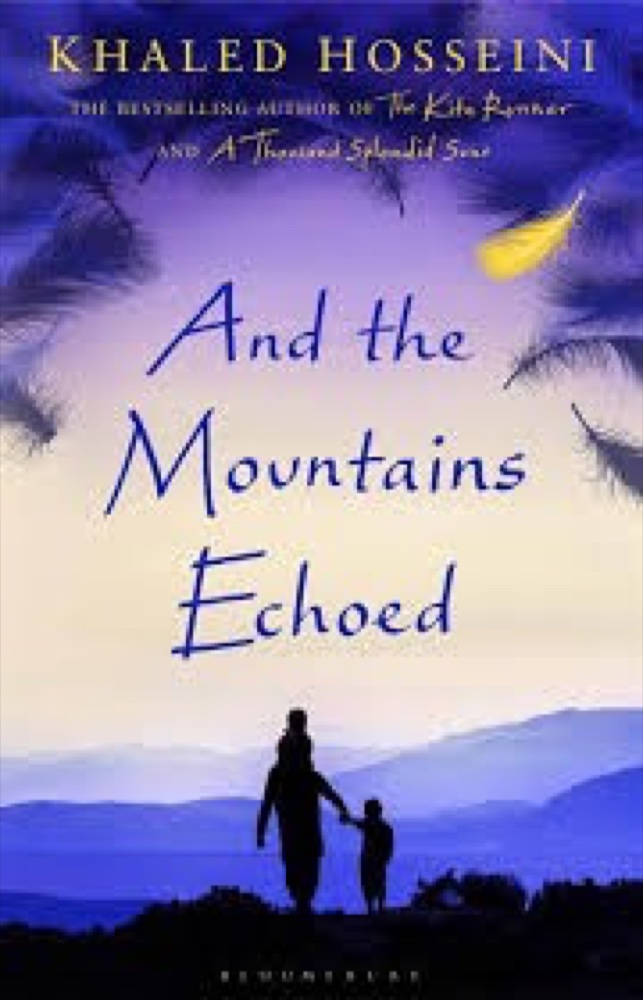 And the Mountains Echoed
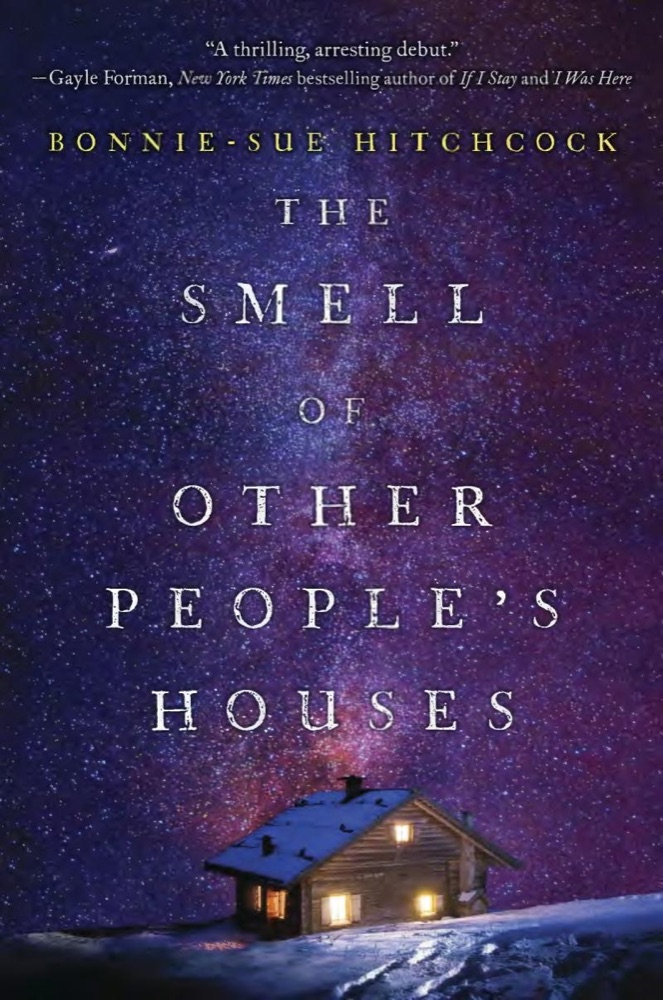 The Smell of Other People's Houses
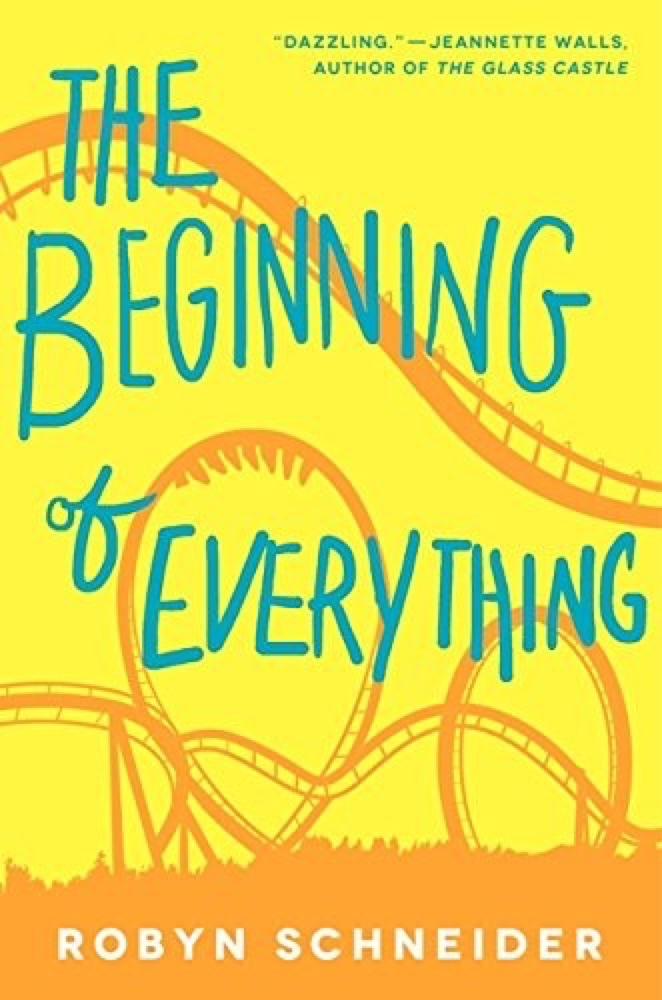 The Beginning of Everything
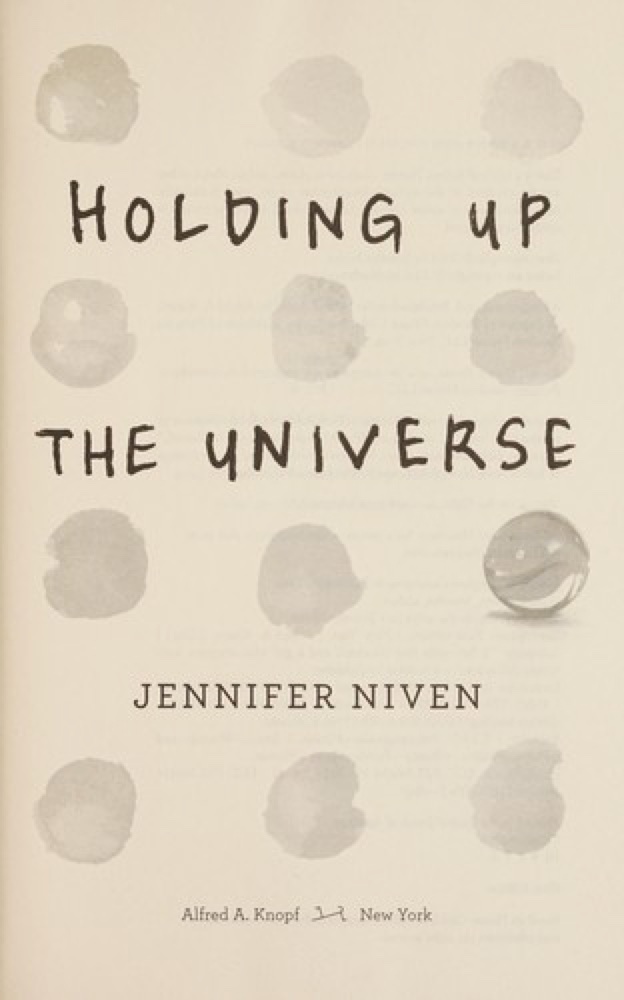 Holding Up the Universe
 Sweethearts
 After You
 The Forest of Hands and Teeth
 Rebecca
 Before I Fall
 The Shock of the Fall
 What Is the What
 The Lake
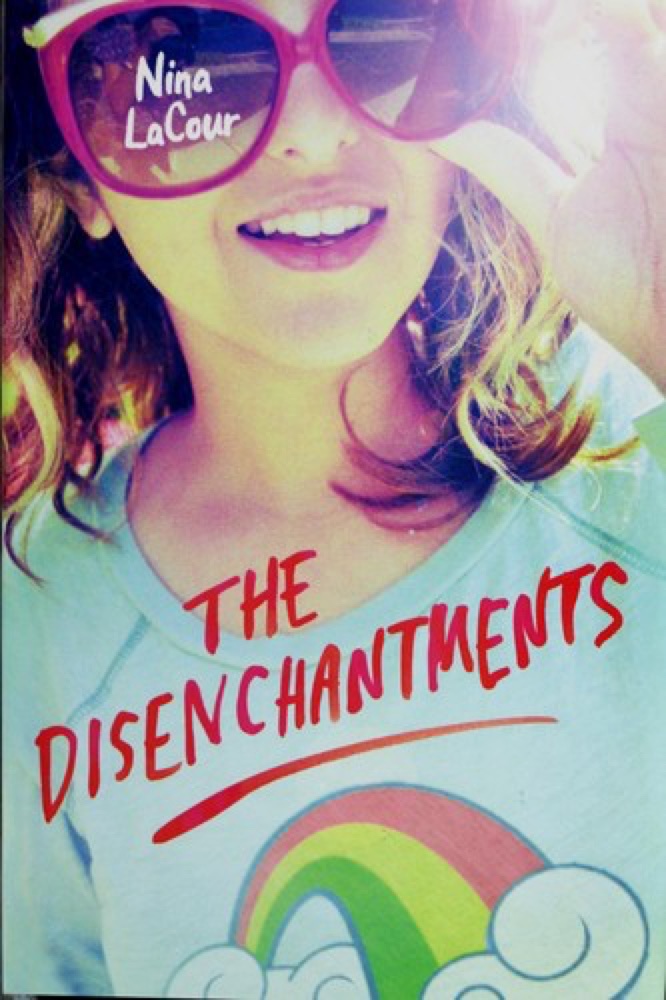 The Disenchantments
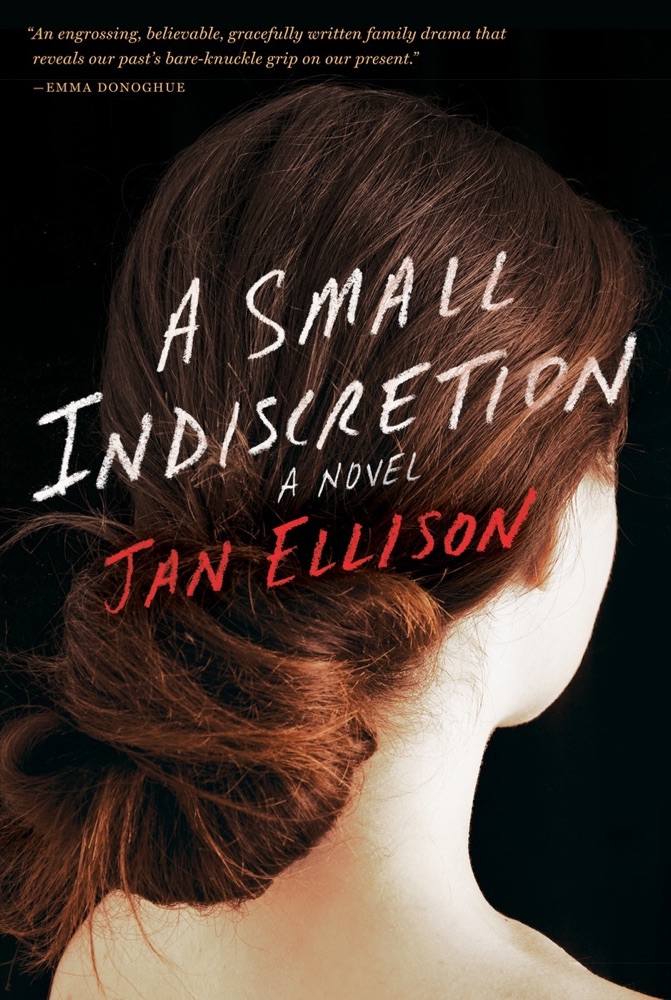 A Small Indiscretion
 Incantation
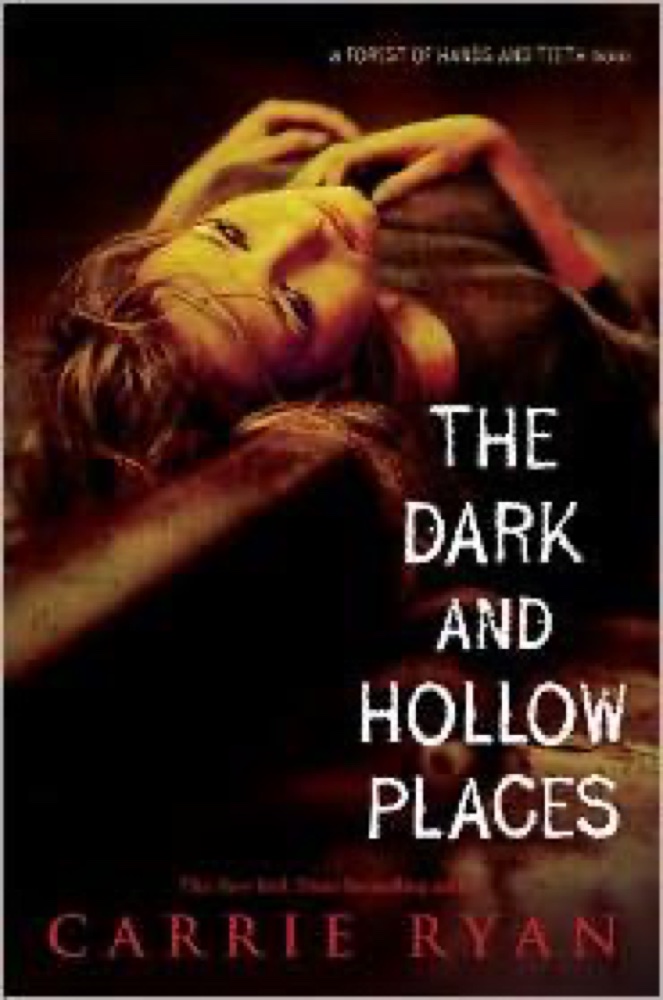 The Dark and Hollow Places
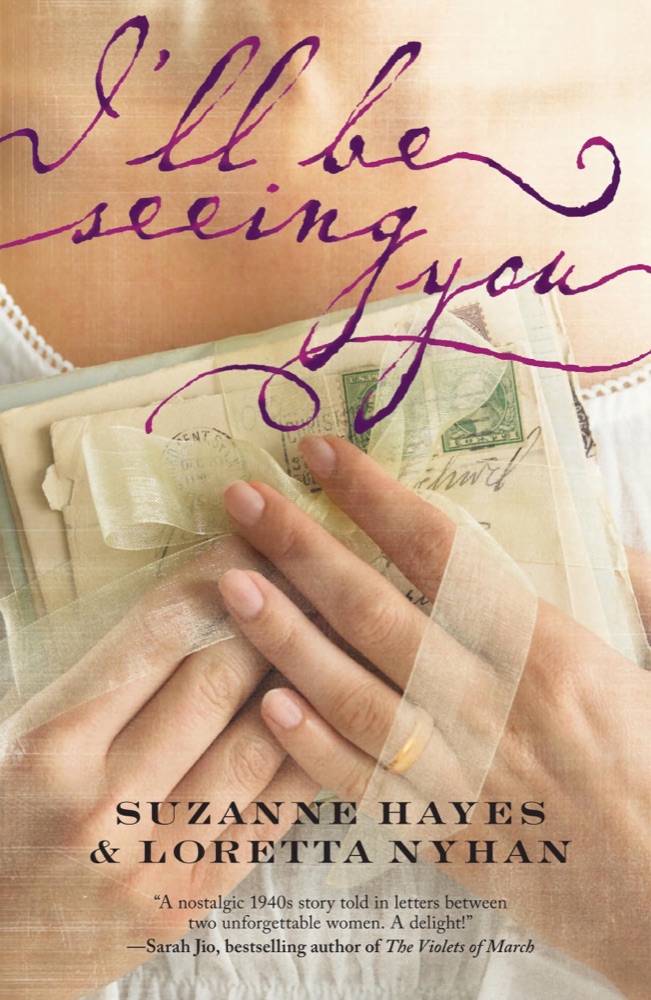 I'll Be Seeing You
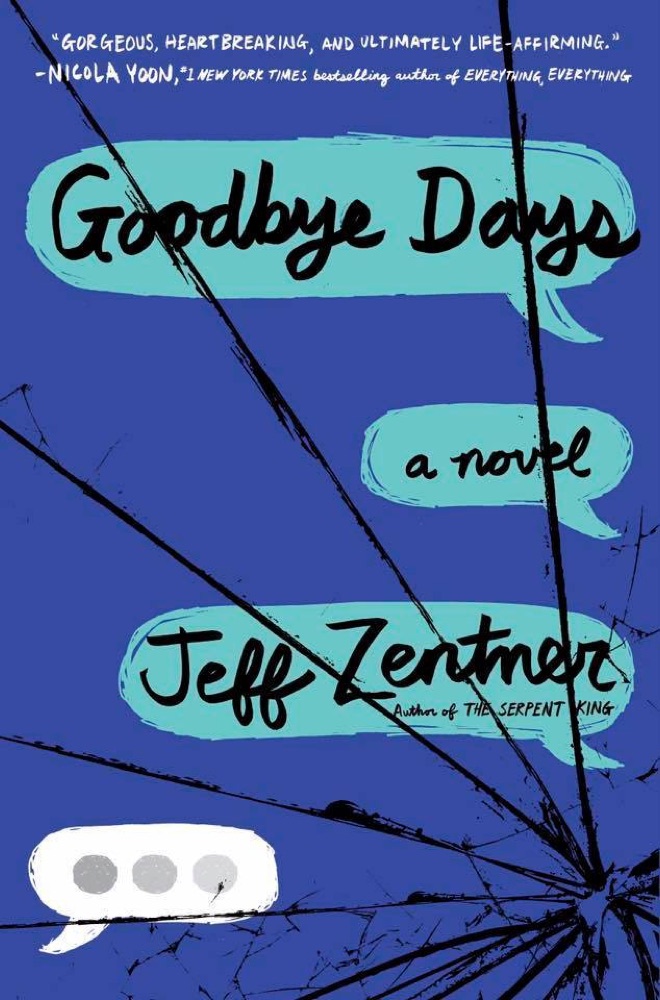 Goodbye Days
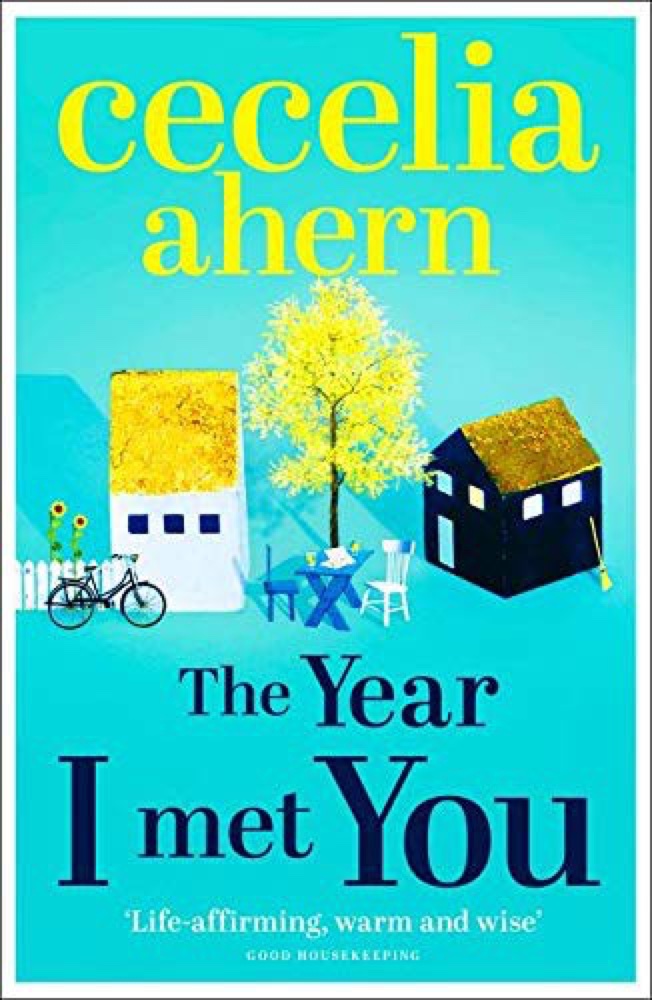 The Year I Met You
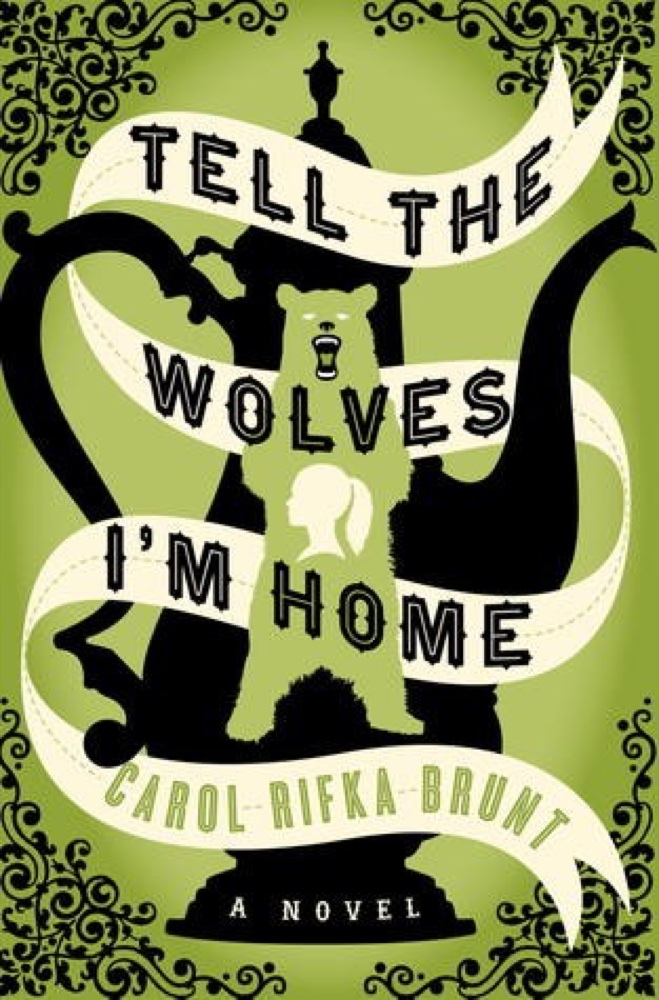 Tell the Wolves I'm Home
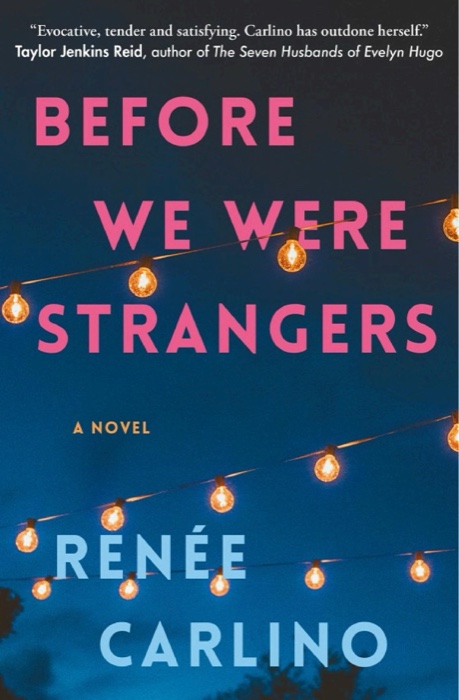 Before We Were Strangers
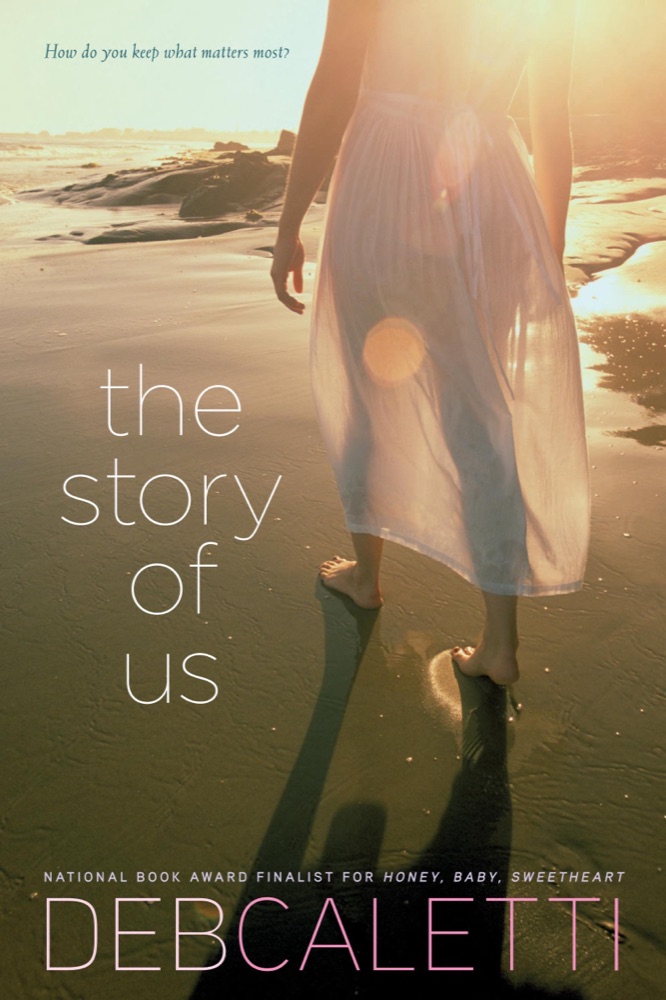 The Story of Us
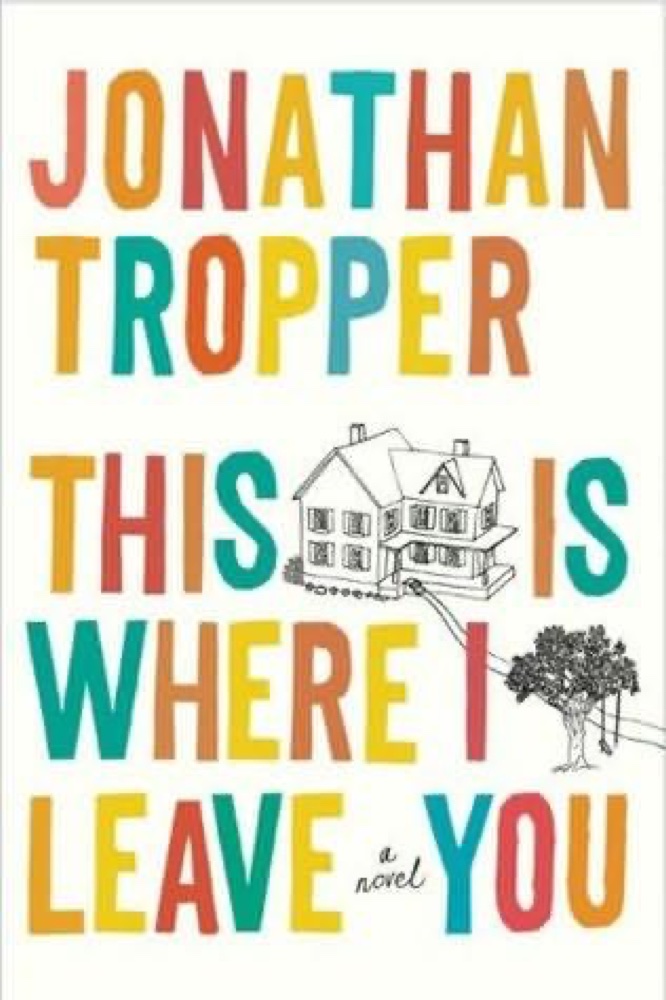 This is Where I Leave You
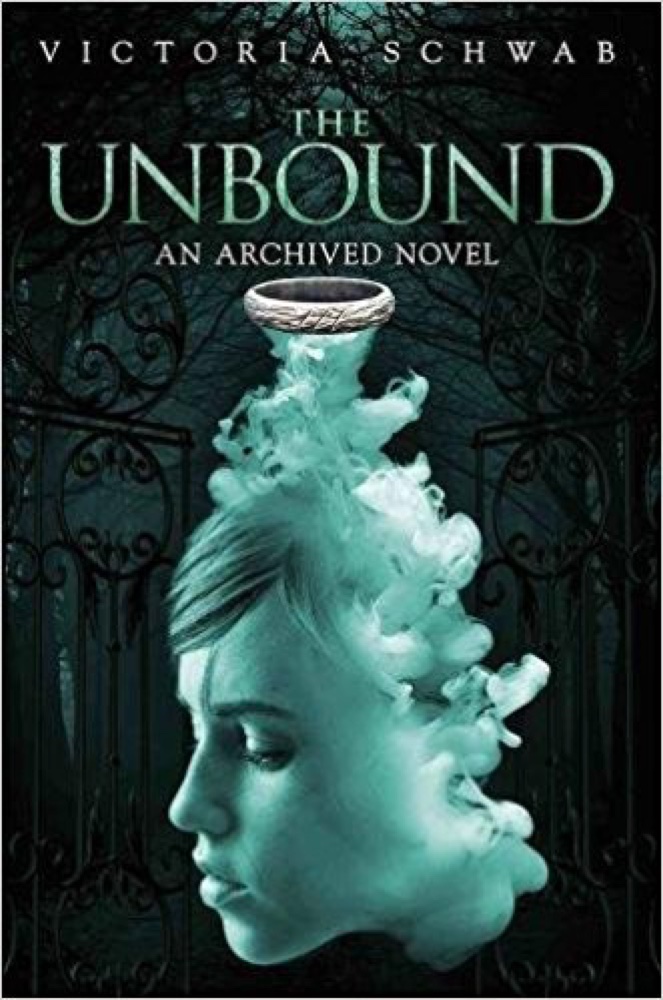 The Unbound
 Second Glance
 The Gap of Time
 No One Belongs Here More Than You
 Broken Country
 The Universe of Us
 The Death of Vivek Oji
 How I Live Now
 Someone Like You
 Ghost Music
 Change of Heart
 Noughts & Crosses
 1Q84
1Q84
 Middlesex
 Memoirs of a Geisha
 The Girl Before
 The Valley of Amazement
 The Lies About Truth