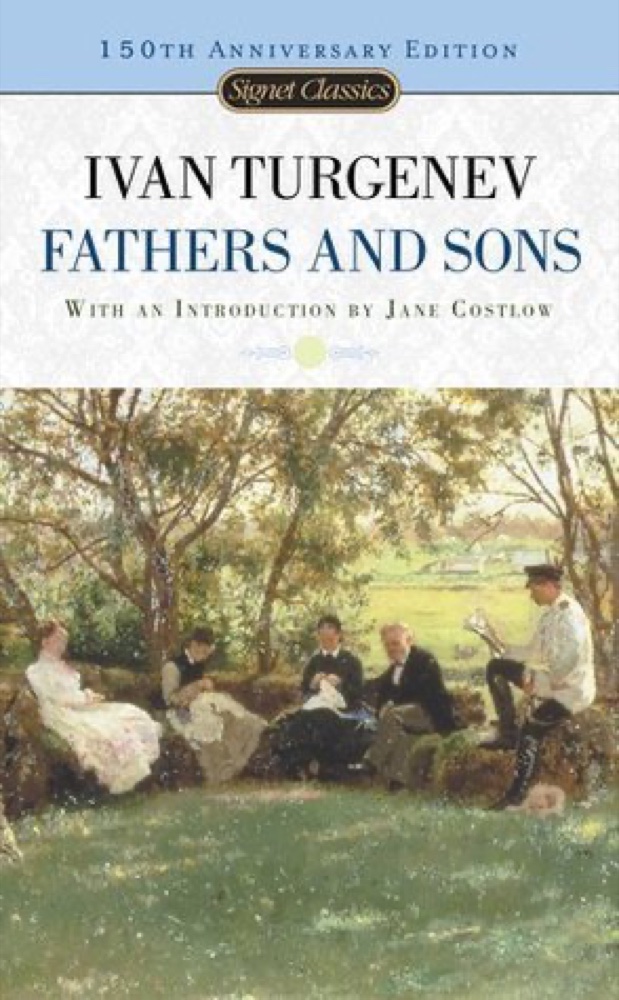
 Fathers and Sons
Quotes from the Book
That's a beautiful speech, but nobody's listening. Let's go.
28
I intended that when the curtain went up the scene should confront the public like the exaggerating mirror in the stories of Madame Leprince de Beaumont, in which the depraved saw themselves with dragons' bodies, or bulls' horns, or whatever corresponded to their particular vice. It is not surprising that the public should have been aghast at the sight of its other self, which it had never before been shown completely. This ignoble other-self, as Monsieur Catulle Mendes has excellently said, is composed "of eternal human imbecility, eternal lust, eternal gluttony, the vileness of instinct magnified into tyranny; of the sense of decency, the virtues, the patriotism & the ideals peculiar to those who have just eaten their fill." Really, these are hardly the constituents for an amusing play, & the masks demonstrate that the comedy must at the most be the macabre comedy of an English clown, or of a Dance of Death.
9
If I ever meet him in a dark alley he'll have one hell of a fifteen minutes.
2
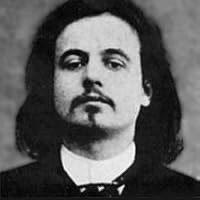
[Alfred] Jarry’s teaching could be summarized thus: every man is capable of showing his contempt for the cruelty and stupidity of the universe by making his own life a poem of incoherence and absurdity.
2
As to the action which is about to begin, it takes place in Poland – that is to say, nowhere
1
Ah, crap! Isn't Wrong worth the same as Right?
1
Just as the poppy and the dandelion are scythed down in the flower of their youth by the pitiless scythe of the pitiless scyther who pitilessly scythes their pitiful pans, so poor Renski has played the pretty poppy’s pitiful part.
About Alfred Jarry
We have collected 7 quotes from 1 book by Alfred Jarry on BookQuoters.
More about the author →About the book
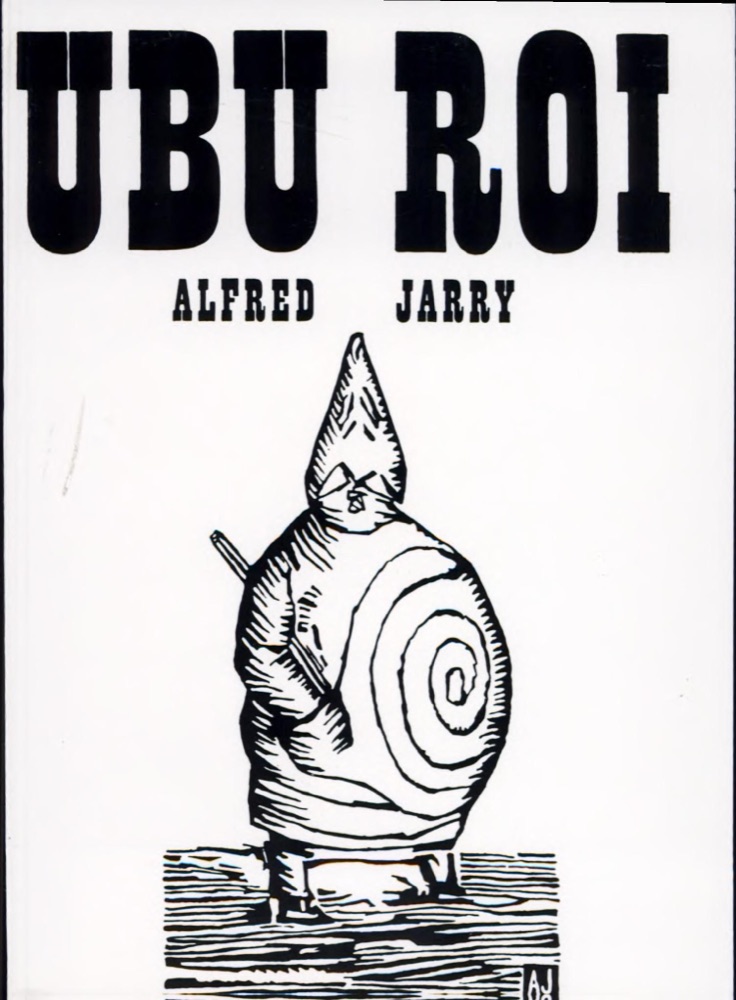
A stunning, controversial work that immediately outraged audiences with its scatological references during the 1896 premiere, Ubu Roi satirizes the tendency of the successful bourgeois to abuse his authority and become irresponsibly complacent. One of the most extraordinary events of the late nineteenth century in Paris was the opening on December 11, 1896, at the Théâtre de l’Oeuvre, of Alfred Jarry’s play Ubu Roi . The audience was scandalized by this revolutionary satire, developed from a schoolboy farce, which began with a four-letter word, defied all the traditions of the stage, and ridiculed the established values of bourgeois society. Barbara Wright’s witty translation of this riotous work is accompanied with drawings by Franciszka Themerson. Two previously untranslated essays in which Jarry explains his theories of the drama have also been included. More than 200 black-and-white
Book details
- First published
- 1896
- Author
- Alfred Jarry
- Genre
- Classics
- Goodreads rating
- 3.54 (8k ratings)
Keep reading
Fathers and Sons
 Selected Poems
 Point Counter Point
 Scaramouche
 The Gadfly
 The Red and the Black
 The Man Who Laughs
 Gaudy Night
 Dead Souls
 Nights at the Circus
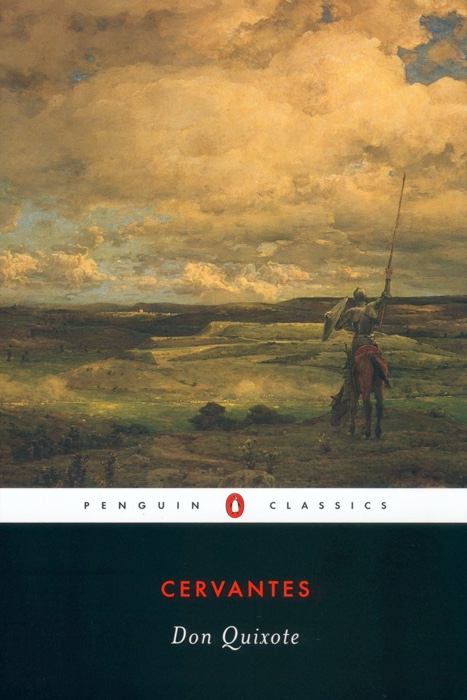 Don Quixote
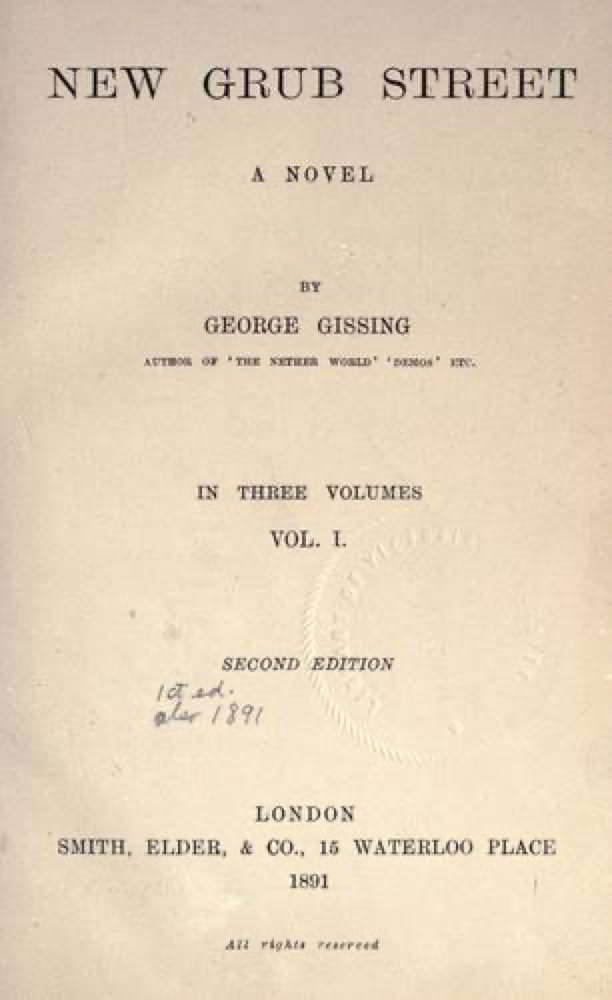 New Grub Street
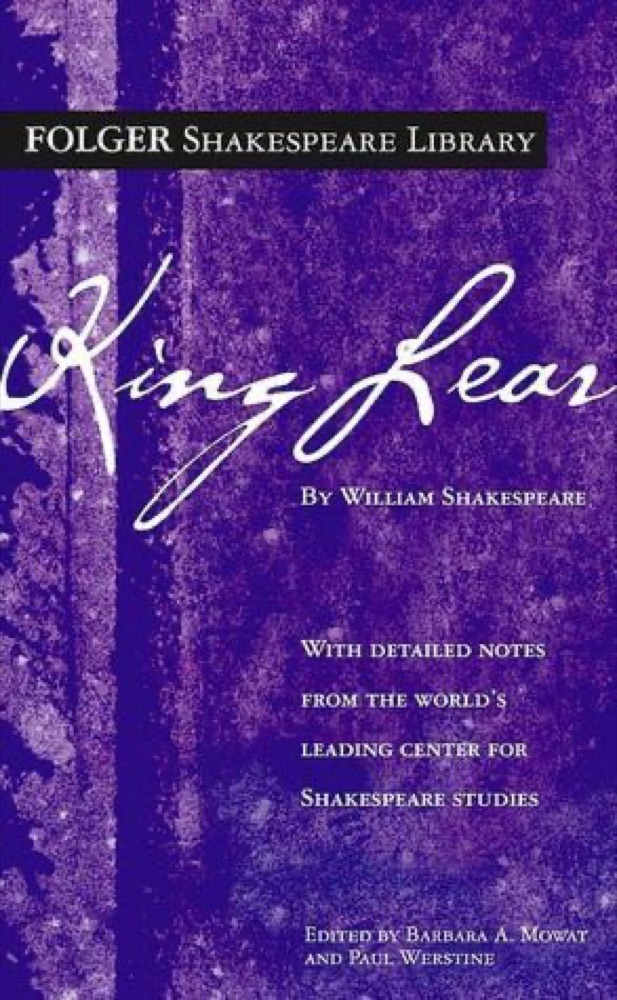 King Lear
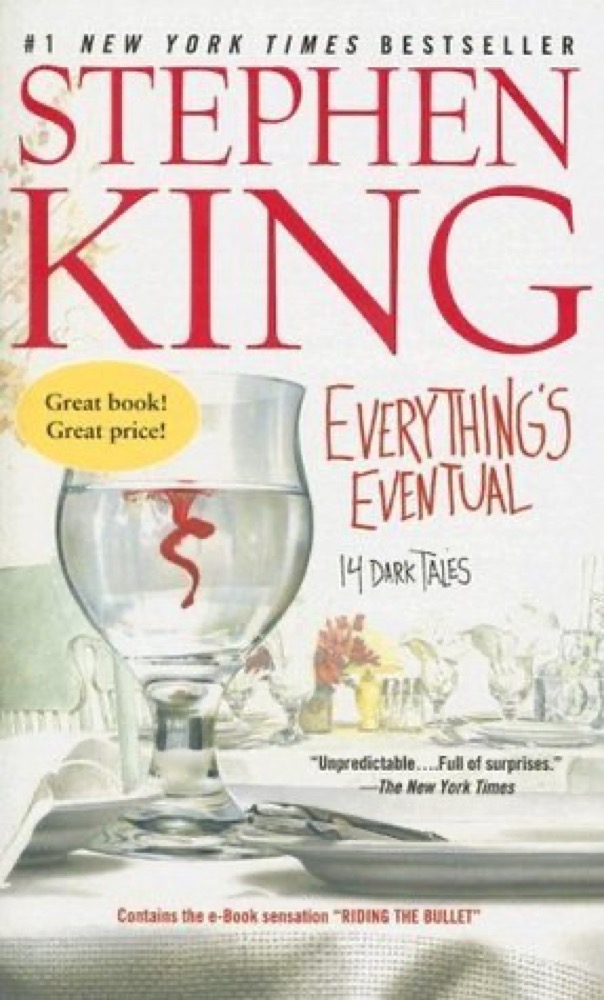 Everything's Eventual
 Complete Works of Oscar Wilde
 The Last Mortal Bond
 Macbeth
 Everything's Eventual
 Something Rotten
 Lord Arthur Savile's Crime and Other Stories
 The Black Prism
 Man and Superman
 The Oedipus Cycle: Oedipus Rex/Oedipus at Colonus/Antigone
 The Mime Order
 The Duchess of Malfi
 The Man Who Was Thursday
 Rabbit, Run
 The Way of Shadows
 Crime and Punishment
 Dhalgren
 That Hideous Strength
 The Secret Agent
 Fool
Fool
 City of Glass
 At Swim-Two-Birds
 Senlin Ascends
 Titus Groan
 The Adolescent
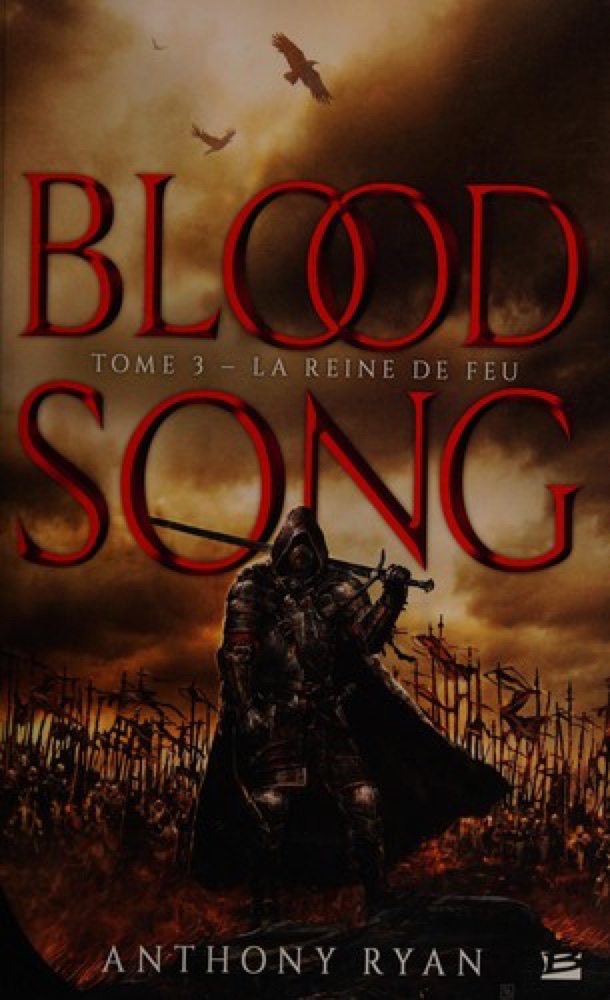 Blood Song
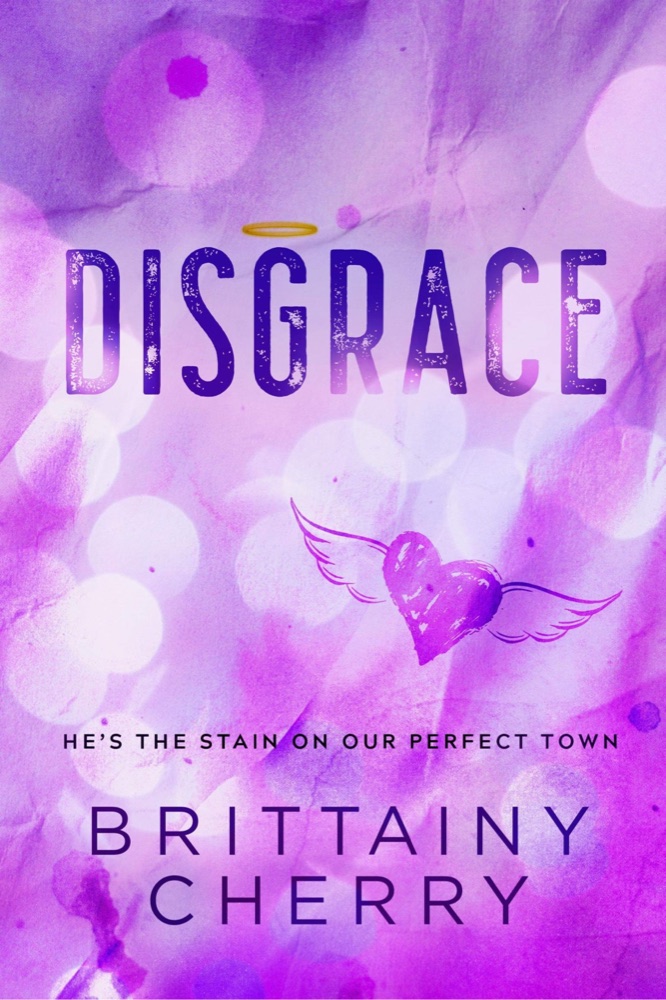 Disgrace
 The White Devil
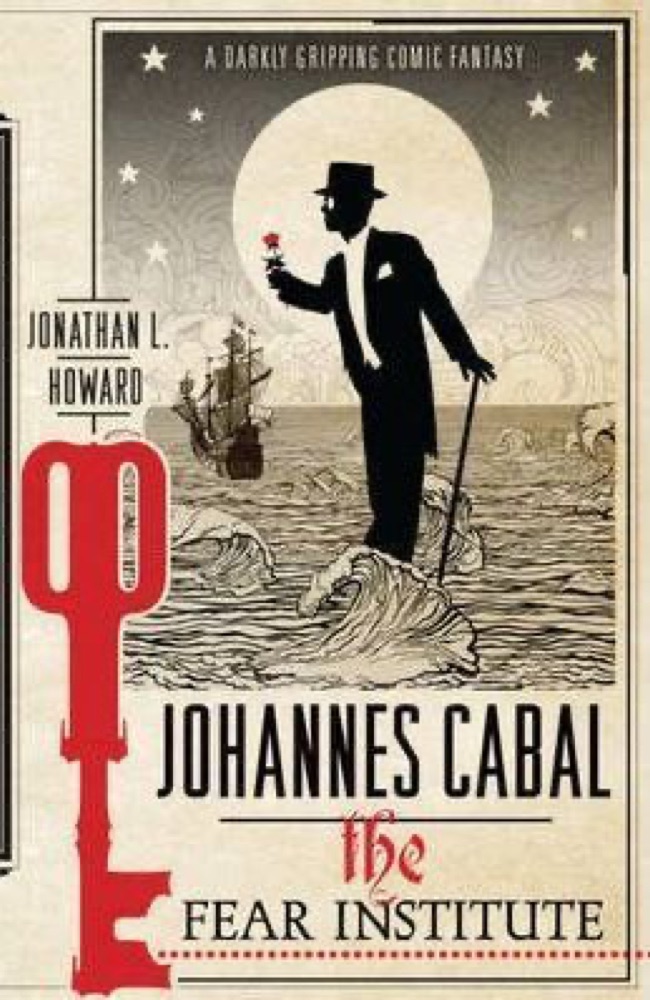 The Fear Institute
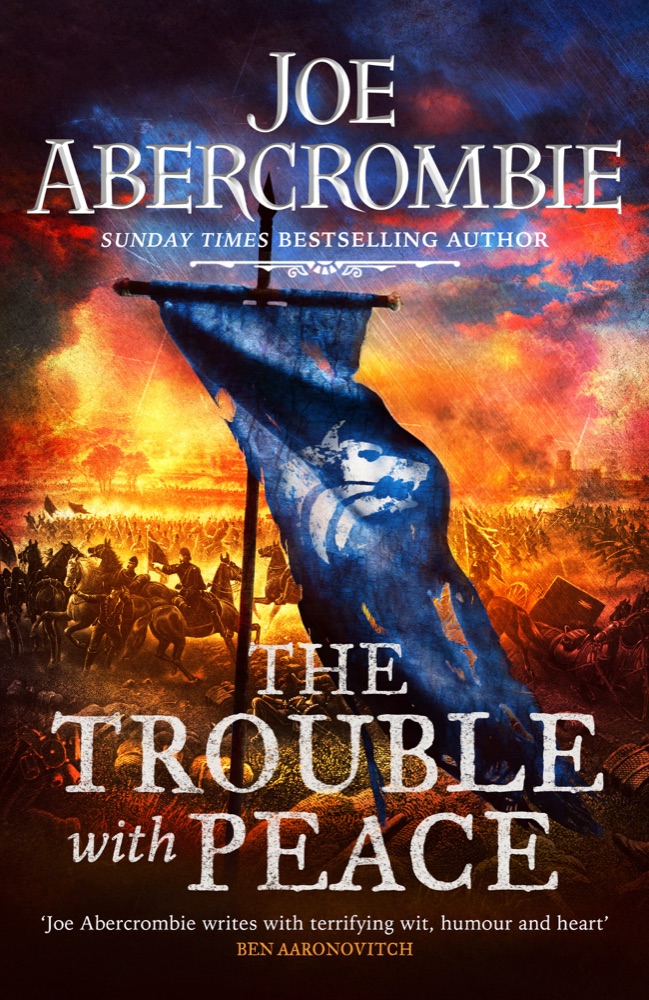 The Trouble with Peace
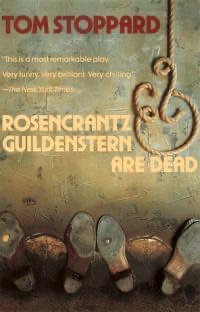 Rosencrantz and Guildenstern Are Dead
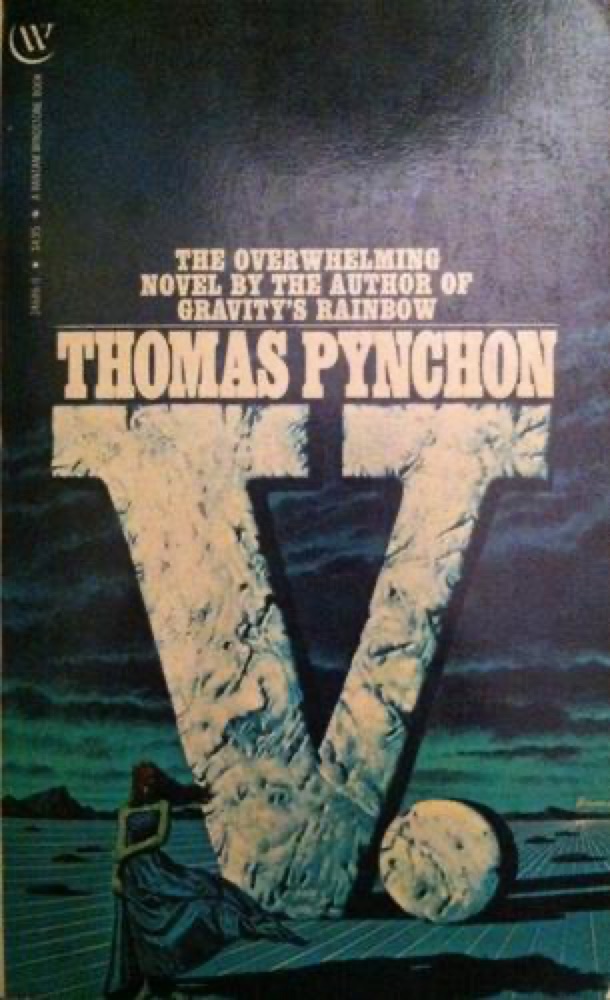 V.
V.
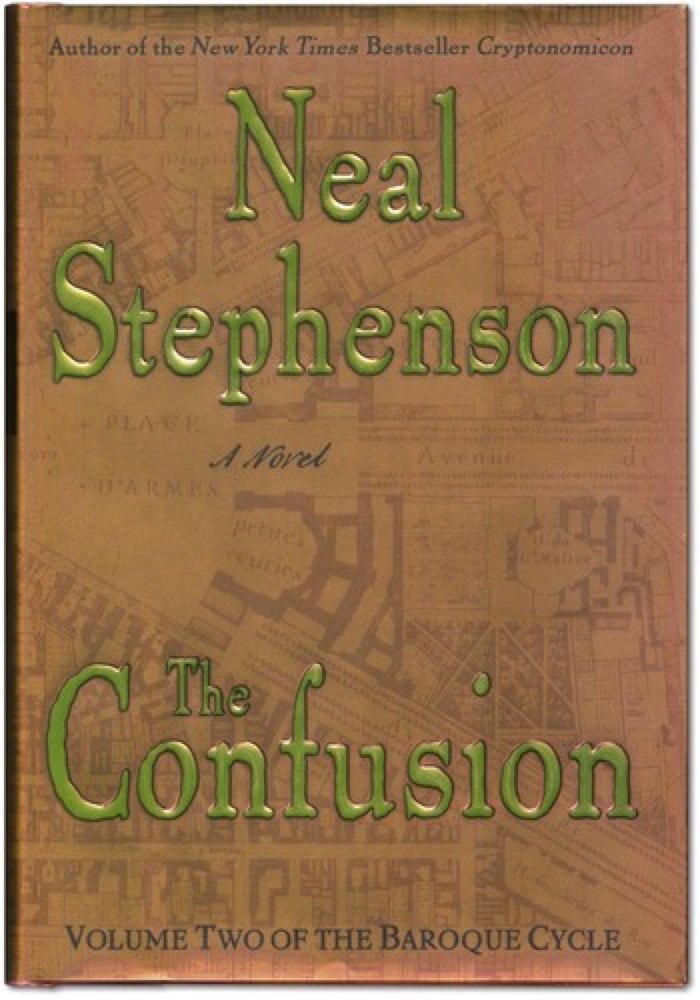 The Confusion
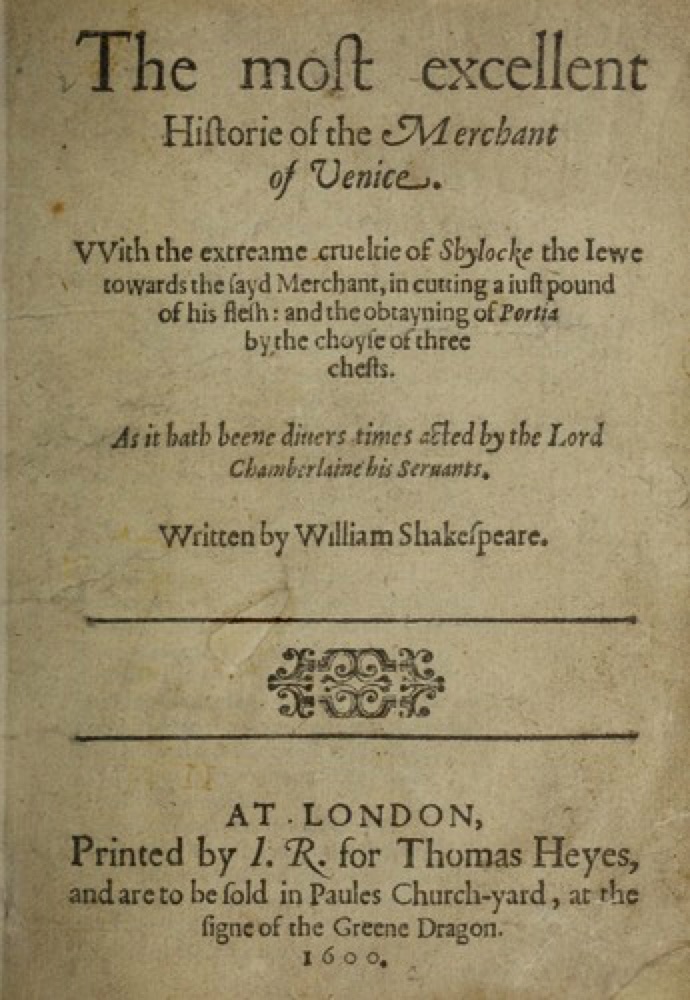 The Merchant of Venice
 Antic Hay
 The Stories of Vladimir Nabokov
 The Anomaly
 The Napoleon of Notting Hill
 The Walking Drum
 The Prague Cemetery
 Cultural Amnesia: Necessary Memories from History and the Arts
 Crome Yellow
 Selected Stories of Anton Chekhov
 Decline and Fall
 Les Chants de Maldoror
 Gravity's Rainbow
 Bleak House