
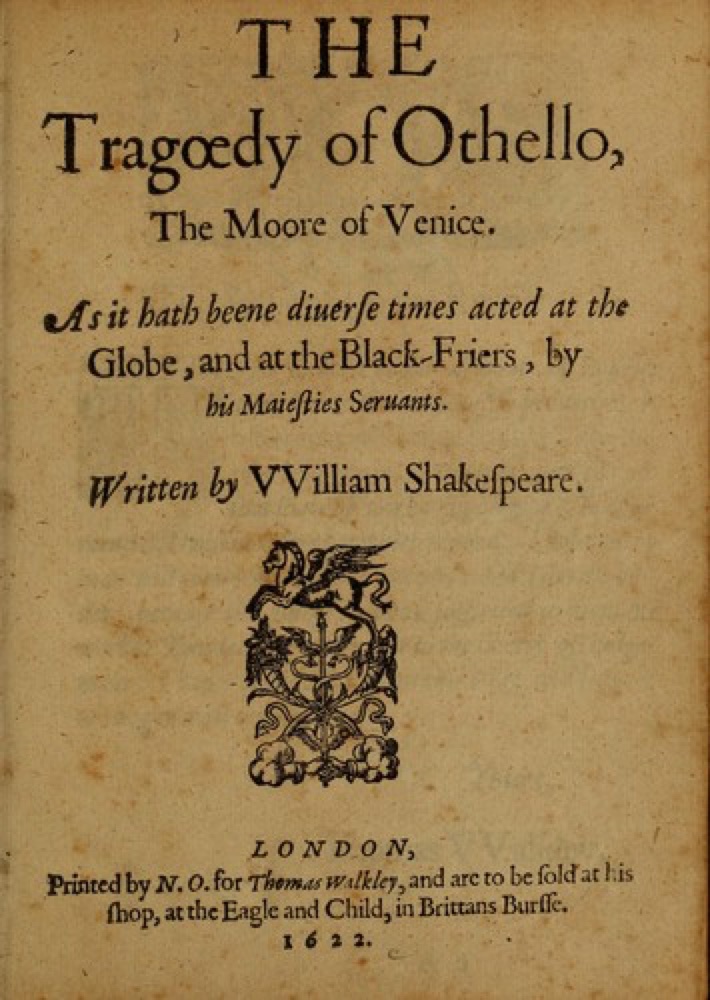
 Othello
Quotes from the Book
You speak an infinite deal of nothing.
All that glisters is not gold; Often have you heard that told: Many a man his life hath sold But my outside to behold: Gilded tombs do worms enfold.
With mirth and laughter let old wrinkles come.
How far that little candle throws his beams! So shines a good deed in a weary world.
I am not bound to please thee with my answers.
The devil can cite Scripture for his purpose.
If you prick us, do we not bleed? if you tickle us, do we not laugh? if you poison us, do we not die? and if you wrong us, shall we not revenge?". - (Act III, scene I).
love is blind and lovers cannot see the pretty follies that themselves commit
The quality of mercy is not strain'd, It droppeth as the gentle rain from heaven Upon the place beneath: it is twice blest; It blesseth him that gives and him that takes: 'Tis mightiest in the mightiest: it becomes The throned monarch better than his crown; His sceptre shows the force of temporal power, The attribute to awe and majesty, Wherein doth sit the dread and fear of kings; But mercy is above this sceptred sway; It is enthroned in the hearts of kings, It is an attribute to God himself; And earthly power doth then show likest God's When mercy seasons justice.
The devil can cite Scripture for his purpose. An evil soul producing holy witness Is like a villain with a smiling cheek, A goodly apple rotten at the heart. O, what a goodly outside falsehood hath!
The man that hath no music in himself, Nor is not moved with concord of sweet sounds, Is fit for treasons, stratagems, and spoils; The motions of his spirit are dull as night, And his affections dark as Erebus. Let no such man be trusted. Mark the music.
To bait fish withal: if it will feed nothing else, it will feed my revenge. He hath disgraced me, and hindered me half a million; laughed at my losses, mocked at my gains, scorned my nation, thwarted my bargains, cooled my friends, heated mine enemies; and what's his reason? I am a Jew. Hath not a Jew eyes? hath not a Jew hands, organs,dimensions, senses, affections, passions? Fed with the same food, hurt with the same weapons, subject to the same diseases, healed by the same means, warmed and cooled by the same winter and summer, as a Christian is? If you prick us, do we not bleed? If you tickle us, do we not laugh? If you poison us, do we not die? And if you wrong us, shall we not revenge? If we are like you in the rest, we will resemble you in that. If a Jew wrong a Christian, what is his humility? Revenge. If a Christian wrong a Jew, what should his sufferance be by Christian example? Why, revenge. The villany you teach me, I will execute, and it shall go hard but I will better the instruction.
The quality of mercy is not strained. It droppeth as the gentle rain from heaven Upon the place beneath. It is twice blessed: It blesseth him that gives and him that takes. 'Tis mightiest in the mightiest. It becomes The thronèd monarch better than his crown. His scepter shows the force of temporal power, The attribute to awe and majesty Wherein doth sit the dread and fear of kings, But mercy is above this sceptered sway. It is enthronèd in the hearts of kings. It is an attribute to God himself. And earthly power doth then show likest God’s When mercy seasons justice. Therefore, Jew, Though justice be thy plea, consider this- That in the course of justice none of us Should see salvation. We do pray for mercy, And that same prayer doth teach us all to render The deeds of mercy. I have spoke thus much To mitigate the justice of thy plea, Which if thou follow, this strict court of Venice Must needs give sentence 'gainst the merchant there.
All that glisters is not gold; Often have you heard that told: Many a man his life has sold But my outside to behold: Gilded tombs do worms enfold Had you been as wise as bold, Your in limbs, in judgment old, Your answer had not been in'scroll'd Fare you well: your suit is cold.' Cold, indeed, and labour lost: Then, farewell, heat and welcome, frost!
One half of me is yours, the other half is yours, Mine own, I would say; but if mine, then yours, And so all yours.
I hold the world but as the world, Gratiano, A stage where every man must play a part, And mine a sad one.
Tell me where is fancy bred, Or in the heart, or in the head?
If to do were as easy as to know what were good to do, chapels had been churches, and poor men’s cottages princes’ palaces. It is a good divine that follows his own instructions: I can easier teach twenty what were good to be done, than be one of the twenty to follow mine own teaching.
All that glisters is not gold.
By my soul I swear, there is no power in the tongue of man to alter me.
Hath not a Jew eyes? Hath not a Jew hands, organs, dimensions, senses, affections, passions? ...If you poison us, do we not die? And if you wrong us, shall we not revenge? If we are like you in the rest, we will resemble you in that. If a Jew wrong a Christian, what is his humility? Revenge. If a Christian wrong a Jew, what should his sufferance be by Christian example?
How sweet the moonlight sleeps upon this bank! Here will we sit and let the sounds of music Creep in our ears: soft stillness and the night Become the touches of sweet harmony. Sit, Jessica. Look how the floor of heaven Is thick inlaid with patines of bright gold: There's not the smallest orb which thou behold'st But in his motion like an angel sings, Still quiring to the young-eyed cherubins; Such harmony is in immortal souls; But whilst this muddy vesture of decay Doth grossly close it in, we cannot hear it." - Lorenzo, Acte V, Scene 1
Madam, you have bereft me of all words, Only my blood speaks to you in my veins,
The sins of the father are to be laid upon the children.
The moon shines bright. In such a night as this. When the sweet wind did gently kiss the trees and they did make no noise, in such a night...
All that glisters is not gold,
I hold the world but as the world, Gratiano!
In sooth I know not why I am so sad. It wearies me, you say it wearies you; But how I caught it, found it, or came by it, What stuff 'tis made of, whereof it is born, I am to learn;...
Did you know?
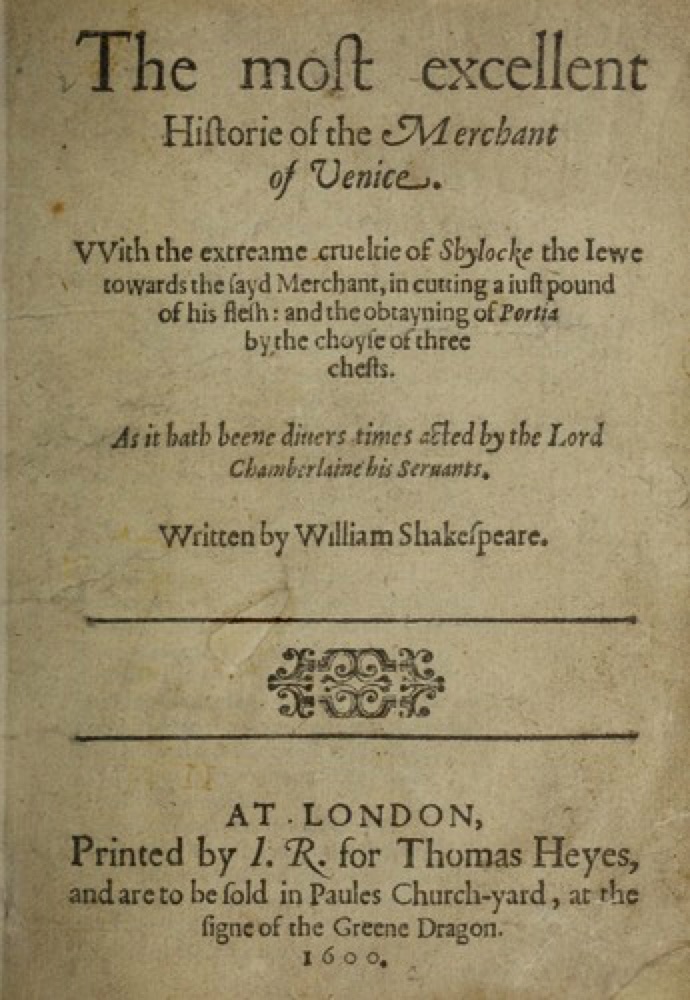
- The play is believed to have been written between 1596 and 1598 and was first printed in quarto in 1600.
- The earliest surviving record of a performance is at the court of King James I in the spring of 1605.
- The test of the three caskets derives from the medieval tale collection Gesta Romanorum.
- Portia disguises herself as a male lawyer named Balthazar to argue Antonio's case in court.
- The play contains two of Shakespeare's most quoted speeches: Portia's 'quality of mercy' and Shylock's 'Hath not a Jew eyes?'
- The 2004 film adaptation featured Al Pacino as Shylock.
About William Shakespeare
William Shakespeare (1564-1616) was an English playwright, poet, and actor, widely regarded as the greatest writer in the English language. Born in Stratford-upon-Avon, he wrote roughly 38 plays and 154 sonnets and was a leading member of the acting company the Lord Chamberlain's Men (later the King's Men).
More about the author →More by William Shakespeare
All books by William Shakespeare →
About the book
"The Merchant of Venice" is a play by William Shakespeare, believed to have been written between 1596 and 1598 and first printed in quarto in 1600. In Venice, the merchant Antonio borrows three thousand ducats from the Jewish moneylender Shylock so that his friend Bassanio can court the wealthy heiress Portia. The bond carries a grim penalty: if the loan is not repaid on time, Shylock may claim a pound of Antonio's flesh. When Antonio's ships are reported lost at sea and he defaults, the dispute moves to a courtroom, where Portia, disguised as a lawyer, saves him by arguing that Shylock may take flesh but not a drop of blood.
Classified as a comedy in the First Folio, the play braids together the flesh-bond plot, Portia's suitors and the test of the three caskets (gold, silver, and lead), and the elopement of Shylock's daughter Jessica with Lorenzo. Its enduring power, however, comes from its darker material and its two most famous speeches: Portia's meditation on 'the quality of mercy' and Shylock's insistence on his shared humanity, 'Hath not a Jew eyes?' These set the play's Christian rhetoric of mercy against demands for strict justice, while its treatment of love, friendship, money, and prejudice resists easy comic resolution.
The Merchant of Venice remains one of Shakespeare's most performed and most debated works, largely because of Shylock. Long argued over as either an antisemitic caricature or a sympathetic, tragic outsider, the character has been reinterpreted across centuries of performance, and the play has been staged, filmed, and adapted many times. Its lasting critical controversy over how it depicts Jewish identity and discrimination has kept it central to discussions of prejudice on stage.
Key characters
- AntonioThe melancholy Venetian merchant who pledges a pound of his flesh as security for a loan
- ShylockA Jewish moneylender who demands the bond's forfeit and is the play's central, contested figure
- PortiaA wealthy heiress who, disguised as a lawyer, defeats Shylock's claim in court
- BassanioAntonio's friend and Portia's suitor, on whose behalf the loan is taken
- JessicaShylock's daughter, who elopes with the Christian Lorenzo
- GratianoA friend of Antonio and Bassanio who woos Portia's maid Nerissa
Book details
- First published
- 1600
- Author
- William Shakespeare
- Genre
- Classics
- Goodreads rating
- 3.77 (206k ratings) →
- First line
- “In sooth I know not why I am so sad,”
Movie & TV adaptations
- IMDb
If you liked this, read…
- 1OthelloAnother Shakespeare play centered on an outsider figure and prejudice in Venice
- 2The Jew of MaltaChristopher Marlowe's earlier play with a scheming Jewish protagonist, a likely influence
Keep reading
 Twelfth Night
 The Complete Works
 Faust
Faust
 The Spanish Tragedy
 Love's Labour's Lost
 Don Juan
 The Satyricon
 The Duchess of Malfi
 Purgatorio
 The Oedipus Cycle: Oedipus Rex/Oedipus at Colonus/Antigone
 Paladin of Souls
 The Canterbury Tales
 Our Mutual Friend
 The Arabian Nights
 The Virginian
 Bring Up the Bodies
 Abarat
 Empire of the Vampire
 The Moonstone
 The Crucible
 Art and Lies
 The Gadfly
 Uncle Tom's Cabin
 Don Quixote
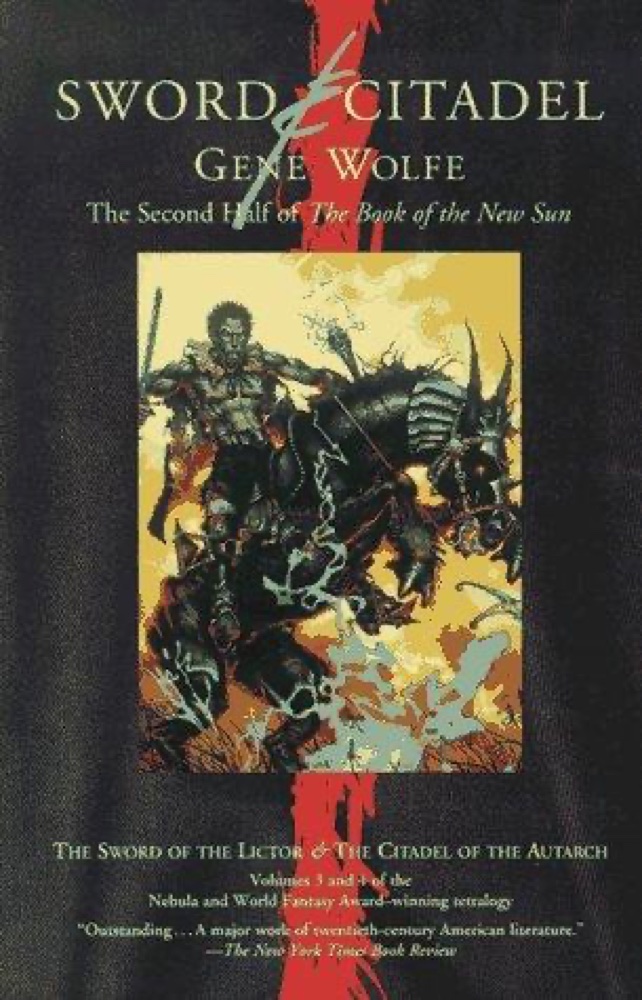 Sword & Citadel
 Nicholas Nickleby
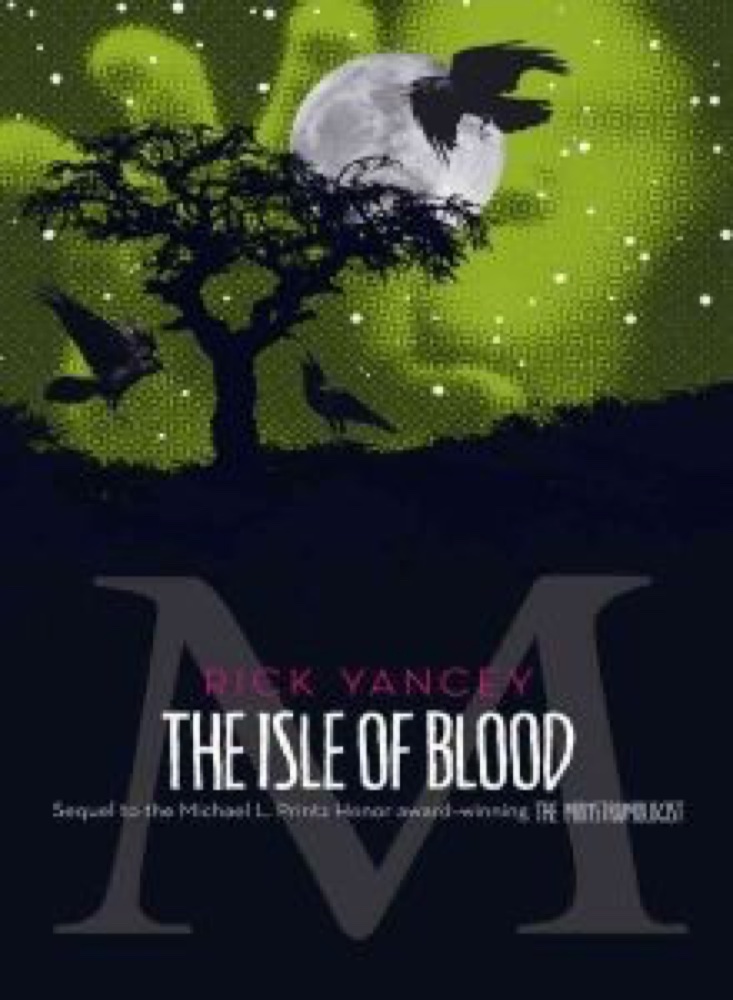 The Isle of Blood
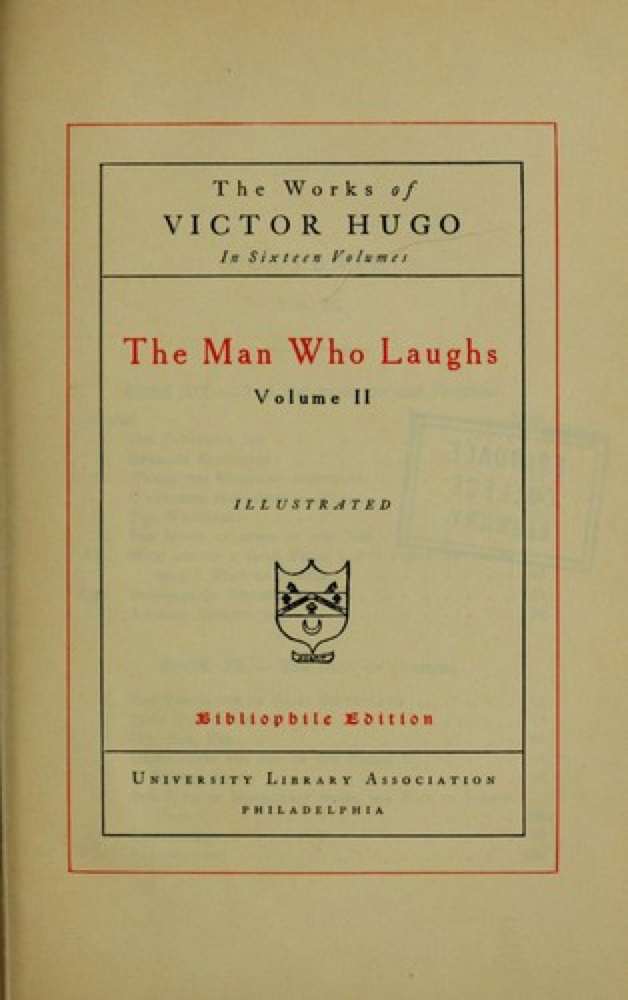 The Man Who Laughs
 The Book of Mirdad: The Strange Story of a Monastery Which Was Once Called the Ark
 Shirley
 Perelandra
 Sheever's Journal, Diary of a Poison Master
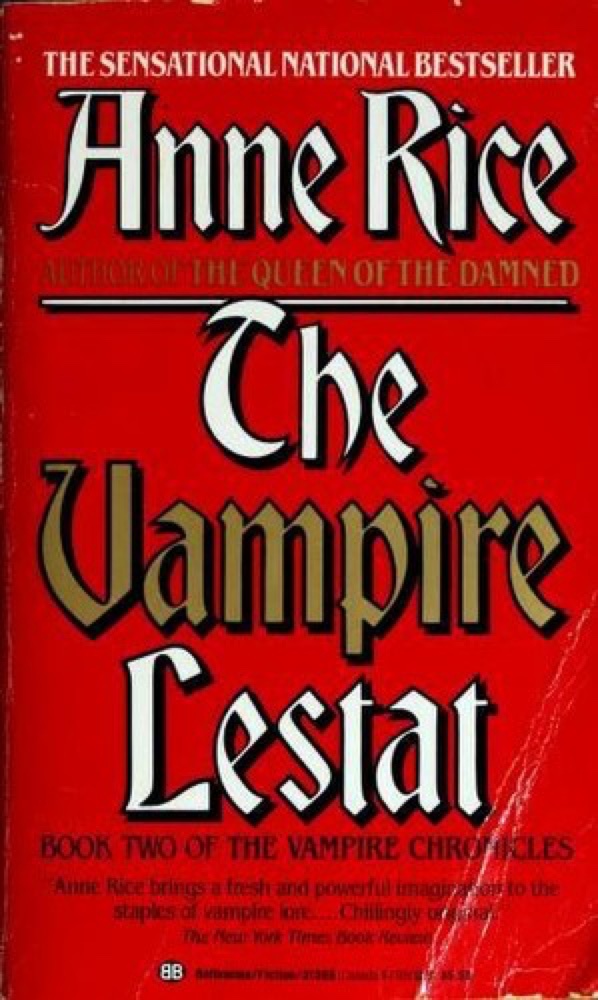 The Vampire Lestat
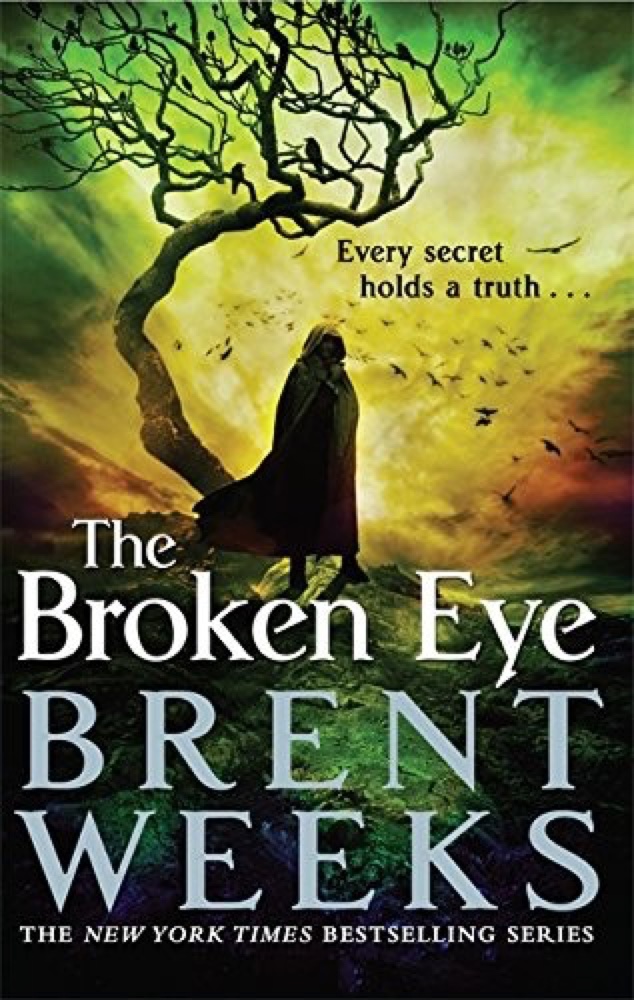 The Broken Eye
 A Room with a View
 The White Devil
 Songs of Innocence and of Experience
 Les Misérables
 The Curse of Chalion
 Lord Jim
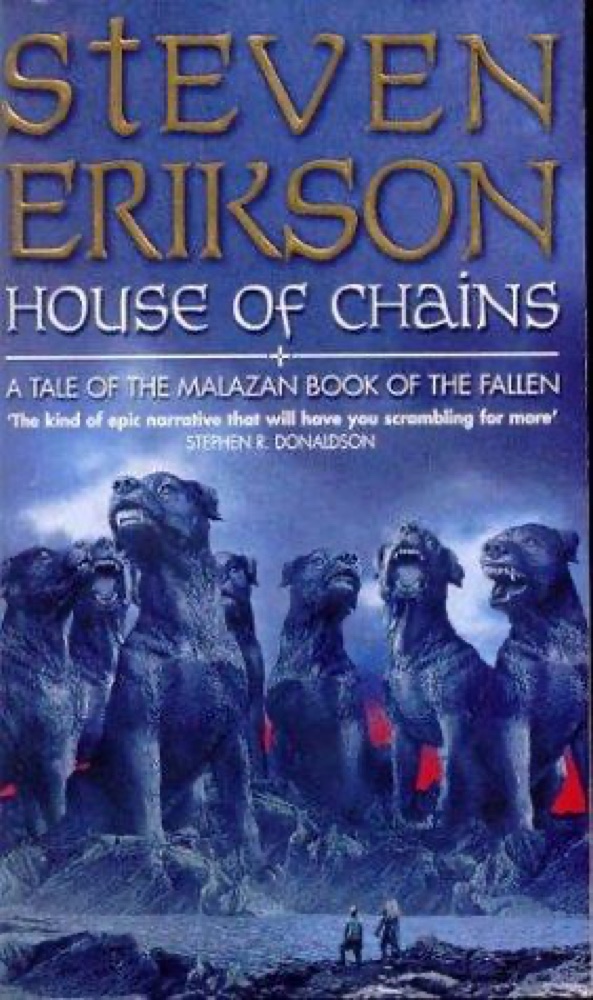 House of Chains
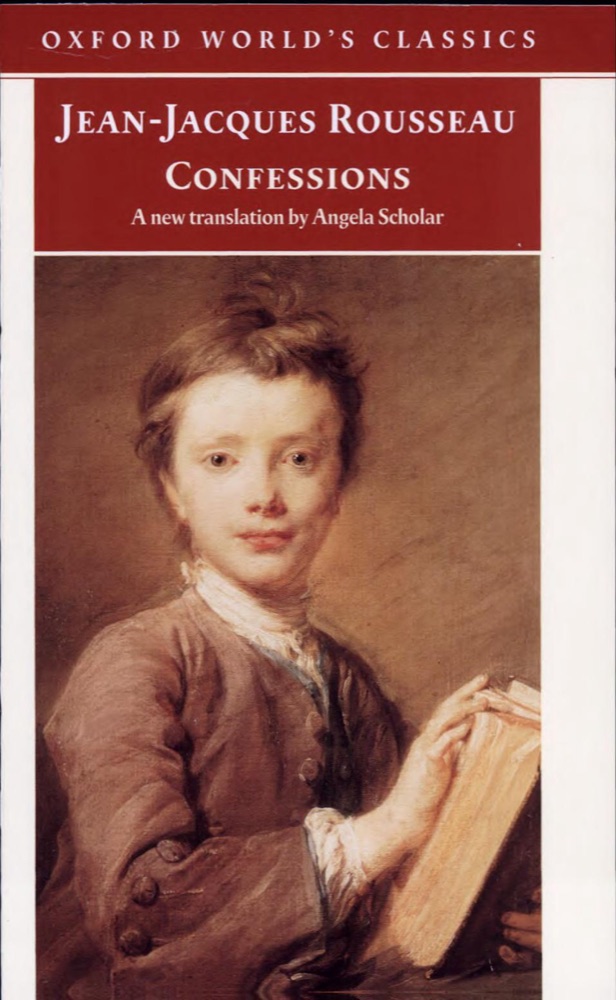 Confessions
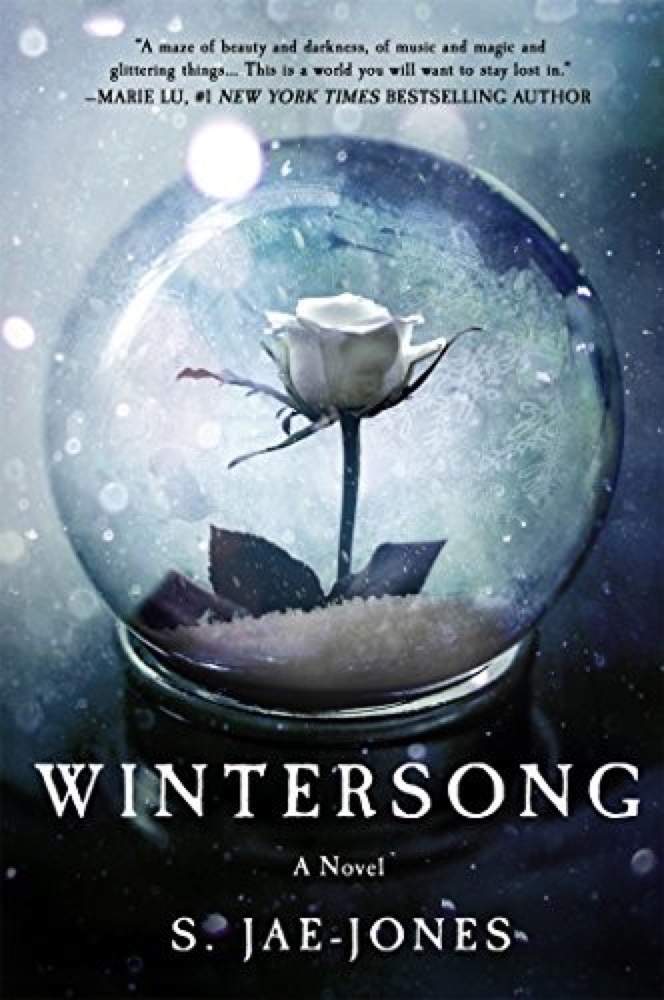 Wintersong
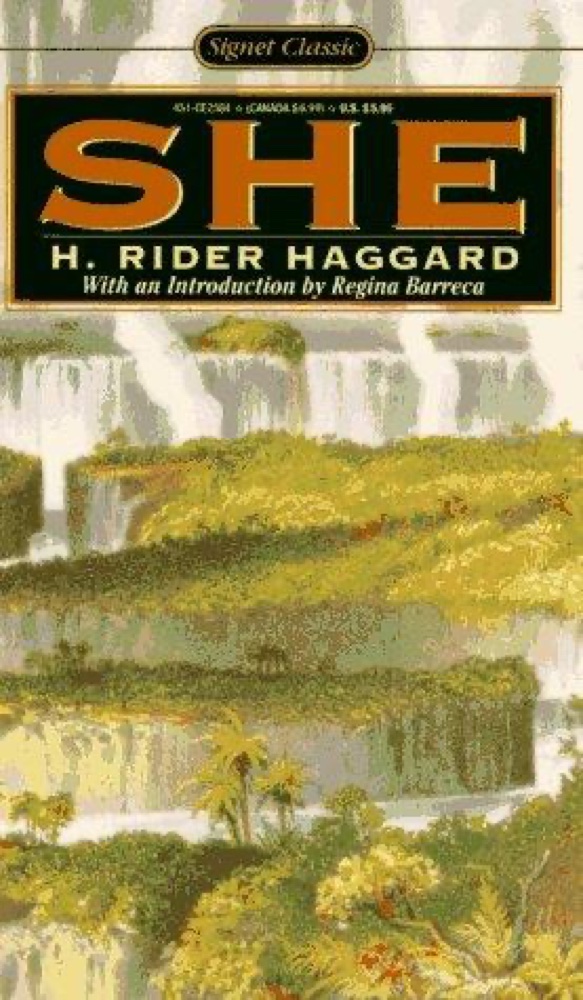 She
She
 Man and Superman
 The Thousand Autumns of Jacob de Zoet
 Mary Barton
 The Queen of the Damned
 Spoon River Anthology
 The Conference of the Birds
 His Dark Materials
 Ulysses
 A Canticle for Leibowitz
 The Treasured Writings of Kahlil Gibran
 Bleak House
 The Letters of Abélard and Héloïse
 No Exit and Three Other Plays
 Lord of Light
 The Man in the Iron Mask
 At Swim-Two-Birds