
 Othello
Quotes from the Book
Exit, pursued by a bear.
374
A sad tale's best for winter: I have one of sprites and goblins.
302
Though I am not naturally honest, I am sometimes so by chance.
116
I do feel it gone, But know not how it went
85
What a fool honesty is.
70
It is an heretic that makes the fire, Not she which burns in't.
40
a wild dedication of yourselves To undiscovered waters, undreamed shores.
26
I have drunk and seen the spider.
25
There's some ill planet reigns: I must be patient till the heavens look With an aspect more favourable. Good my lords, I am not prone to weeping, as our sex Commonly are; the want of which vain dew Perchance shall dry your pities: but I have That honourable grief lodged here which burns Worse than tears drown: beseech you all, my lords, With thoughts so qualified as your charities Shall best instruct you, measure me; and so The king's will be perform'd!
16
What you do Still betters what is done. When you speak, sweet. I'ld have you do it ever: when you sing, I'ld have you buy and sell so, so give alms, Pray so; and, for the ordering your affairs, To sing them too: when you do dance, I wish you A wave o' the sea, that you might ever do Nothing but that; move still, still so, And own no other function: each your doing, So singular in each particular, Crowns what you are doing in the present deed, That all your acts are queens.
14
they have seem'd to be together, though absent; shook hands, as over a vast; and embrac'd as it were from the ends of opposed winds.
11
Here's flowers for you; hot lavender, mints, savory, marjoram; The marigold.
10
We were, fair queen, / Two lads that thought there was no more behind / But such a day to-morrow as to-day, / And to be boy eternal.
9
Well may I get aboard. [He sees a bear.] This is the chase: I am gone for ever! [Exist pursued by a bear.]
9
Here come those I have done good to against my will,
8
A gross hag And, lozel, thou art worthy to be hang'd, That wilt not stay her tongue. ANTIGONUS ~ Hang all the husbands That cannot do that feat, you'll leave yourself Hardly one subject.
6
O, that is entertainment My bosom likes not, nor my brows!
5
I may be negligent, foolish, and fearful; In every one of these no man is free...
5
One good deed dying tongueless slaughters a thousand waiting upon that.
4
He says he loves my daughter. I think so too, for never gazed the moon upon the water as he'll stand and read as 'twere my daughter's eyes; and, to be plain, I think there is not half a kiss to choose who loves another best.
4
CAMILLO Swear his thought over By each particular star in heaven and By all their influences, you may as well Forbid the sea for to obey the moon As, or by oath remove, or counsel shake The fabric of his folly, whose foundation Is pil'd upon his faith, and will continue The standing of his body.
4
but I am sure ’t is safer to Avoid what’s grown than question how ’t is born.
3
You pay a great deal too dear for what's given freely.
3
Good my lord, be cured Of this diseased opinion, and betimes. For 'tis most dangerous.
3
To vice you to't, that you have touch'd his queen Forbiddenly.
3
To302 what we wildly do, so we profess Ourselves to be the slaves of chance, and flies Of every wind that blows.
2
I am gone for ever. [Exit, pursued by a bear,
2
Not so: I am as ignorant in that as you In so entitling me, and no less honest Than you are mad; which is enough, I ’ll warrant, As this world goes, to pass for honest.
2
He makes a July’s day short as December,
2
Watch on YouTube
About William Shakespeare
We have collected 956 quotes from 39 books by William Shakespeare on BookQuoters.
More about the author →More by William Shakespeare
All books by William Shakespeare →
About the book
You can find an alternative cover for this ISBN here.
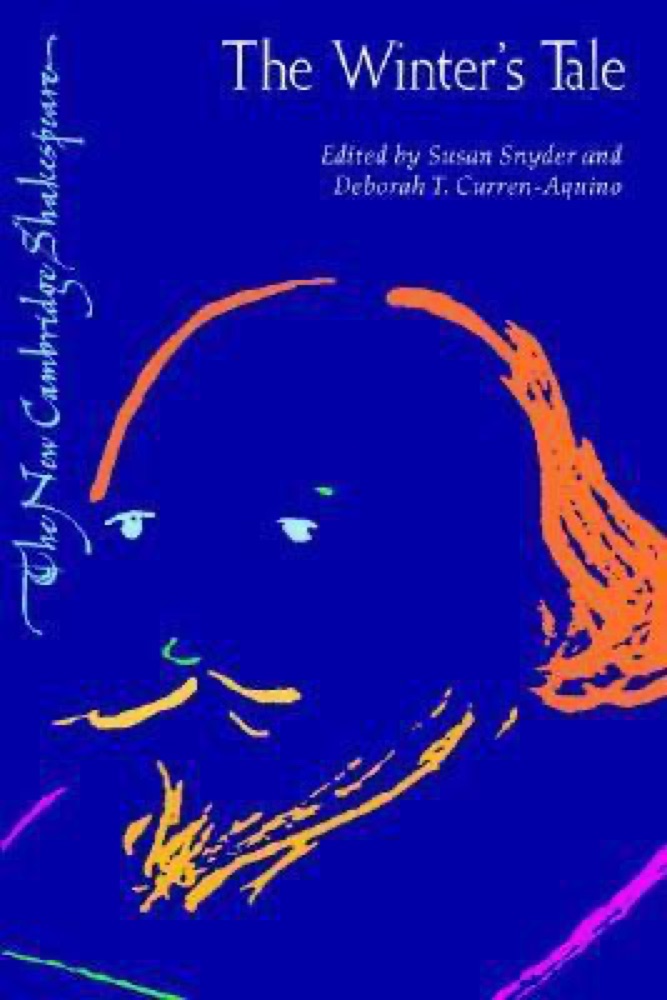
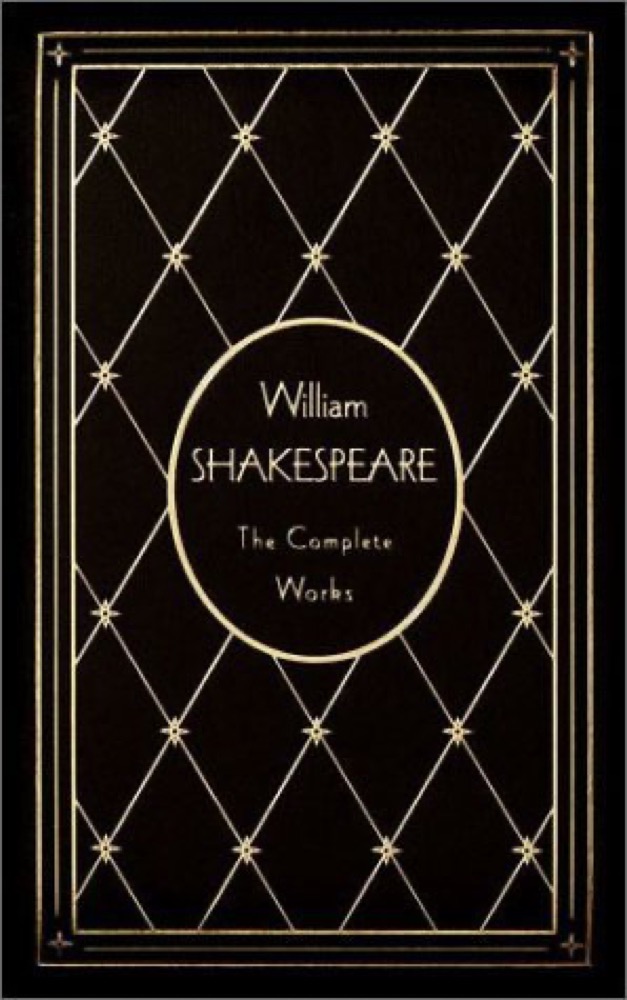
The New Cambridge Shakespeare appeals to students worldwide for its up-to-date scholarship and emphasis on performance. The series features line-by-line commentaries and textual notes on the plays and poems and an extensive introduction. The Winter's Tale is one of Shakespeare's most varied, theatrically self-conscious, and emotionally wide-ranging plays. Much of the play's copiousness inheres in its generic intermingling of tragedy, comedy, romance, pastoral, and the history play. In addition to dates and sources, the introduction attends to iterative patterns, the nature and cause of Leontes' jealousy, the staging and meaning of the bear episode, and the thematic and structural implications of the figure of Time. Special attention is paid to the ending and its tempered happiness. Performance history is integrated throughout the i
Book details
- First published
- 1623
- Author
- William Shakespeare
- Genre
- Classics
- Goodreads rating
- 3.71 (38k ratings)
Keep reading
 Much Ado About Nothing
 Richard III
 Coriolanus
 Don Juan
 Faust
Faust
 Our Mutual Friend
 Don Quixote
 The Spanish Tragedy
 No Exit and Three Other Plays
 Sheever's Journal, Diary of a Poison Master
 Checkmate
 The Satyricon
 Assassin's Quest
 The Arabian Nights
 Jude the Obscure
 The Oedipus Cycle: Oedipus Rex/Oedipus at Colonus/Antigone
 Moby-Dick
 The Duchess of Malfi
 Twenty Years After
 Bleak House
 The Weight of Words
 The Complete Poems
 Shirley
 Sword & Citadel
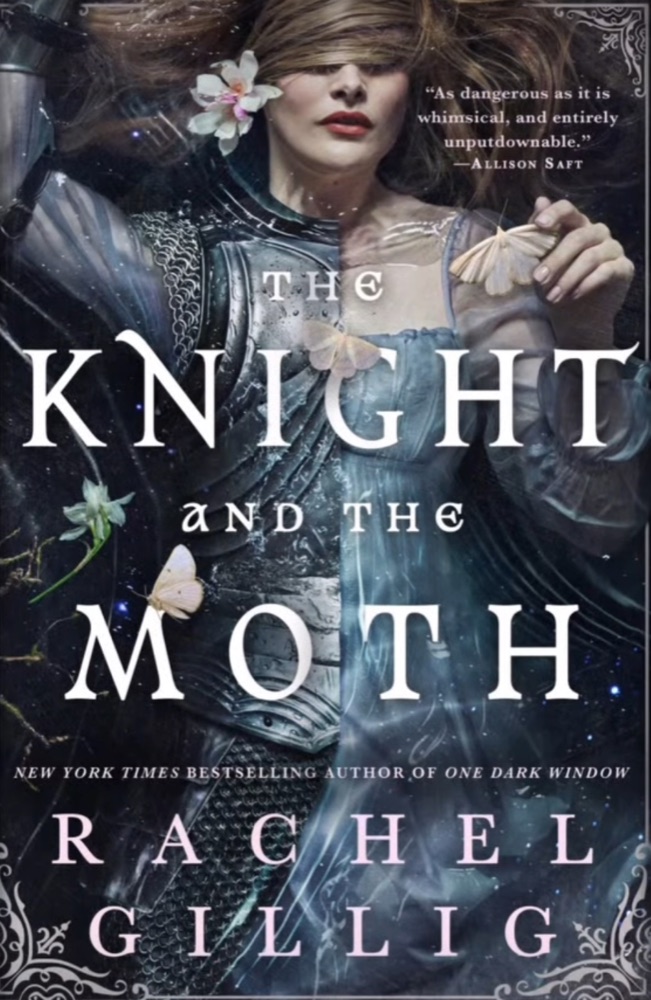 The Knight and the Moth
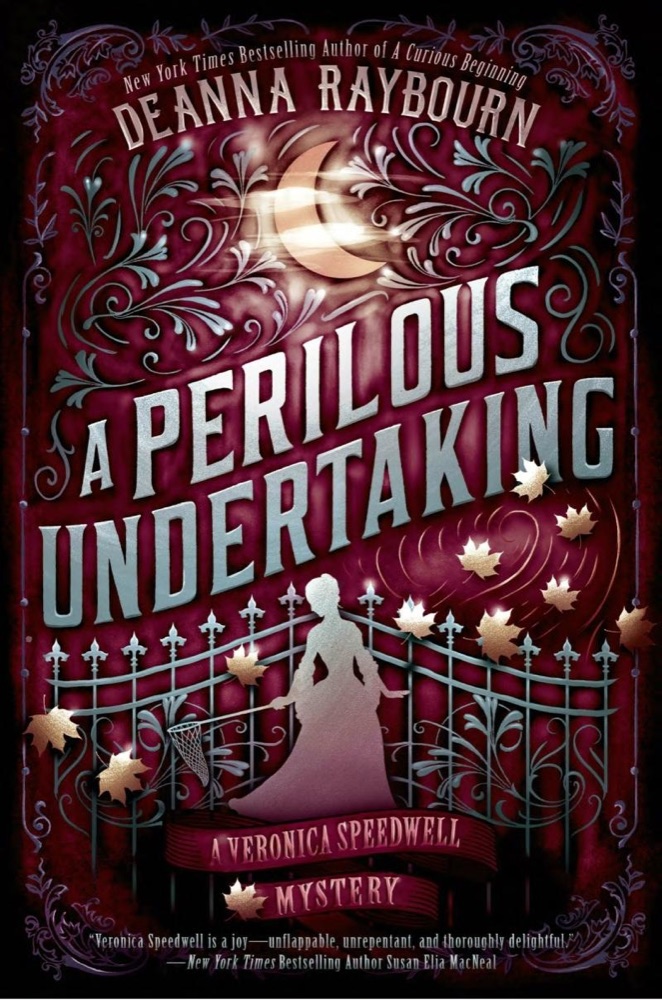 A Perilous Undertaking
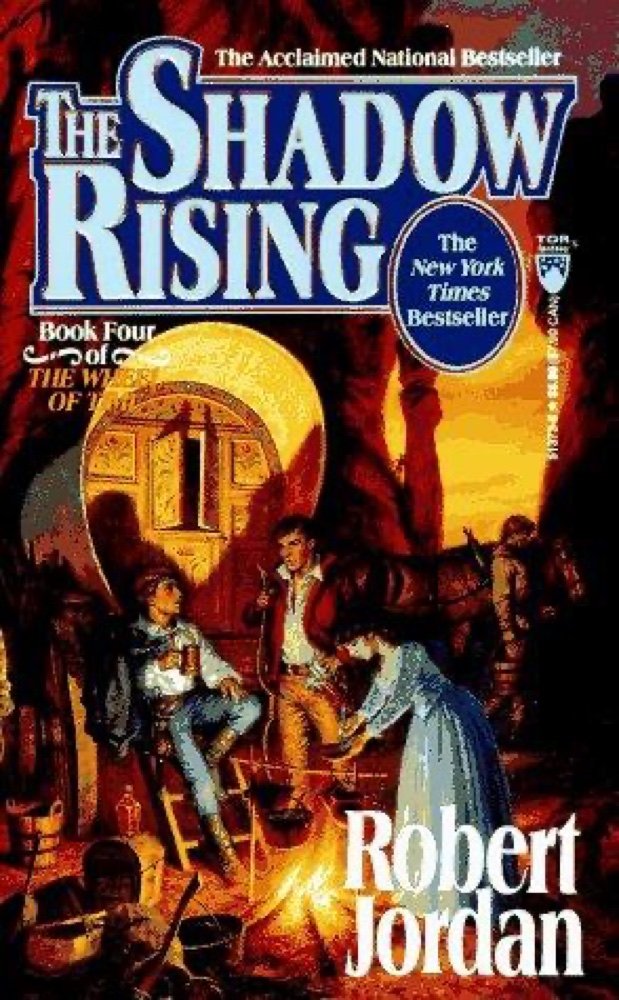 The Shadow Rising
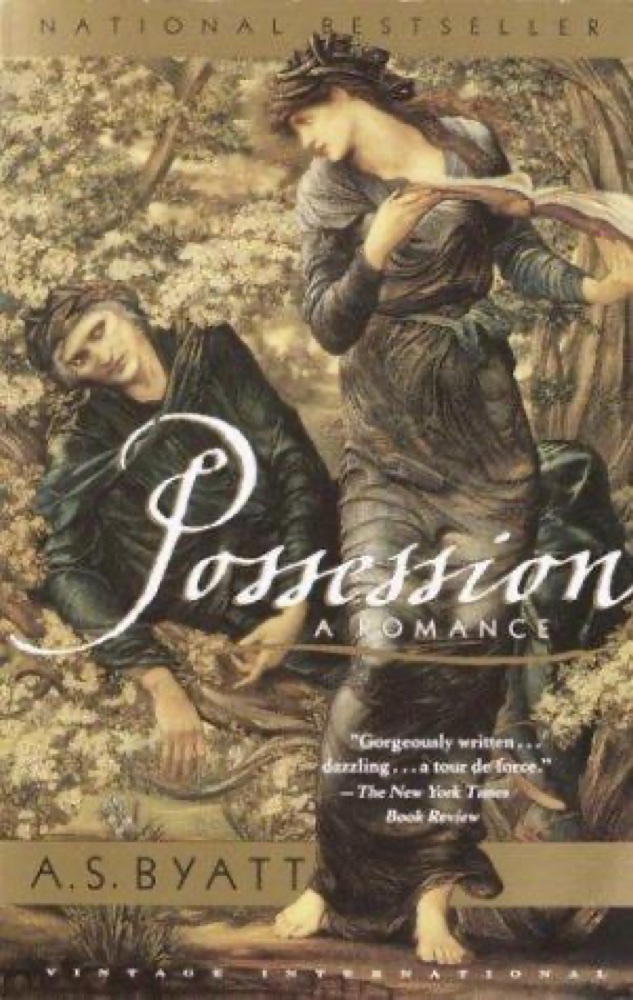 Possession
 The Gadfly
 Spoon River Anthology
 At Swim-Two-Birds
 Sexing the Cherry
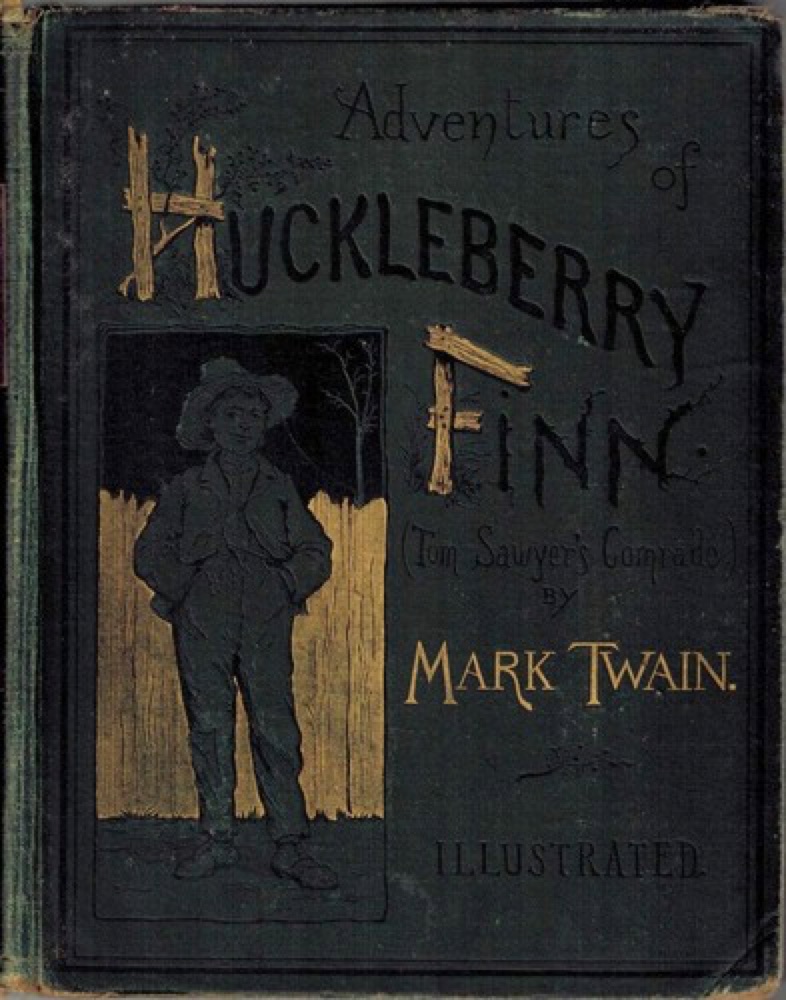 Adventures of Huckleberry Finn
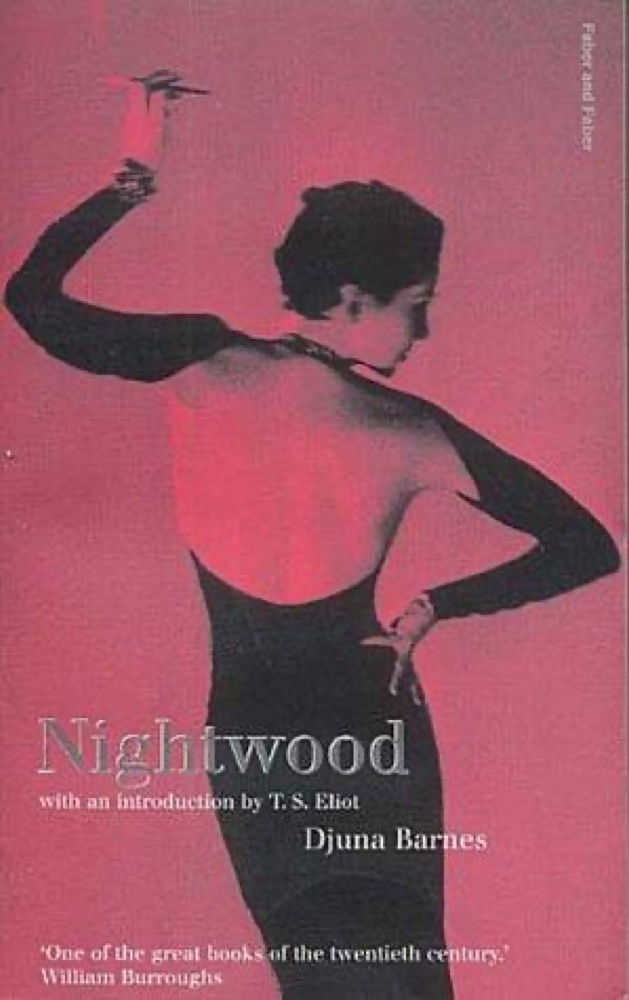 Nightwood
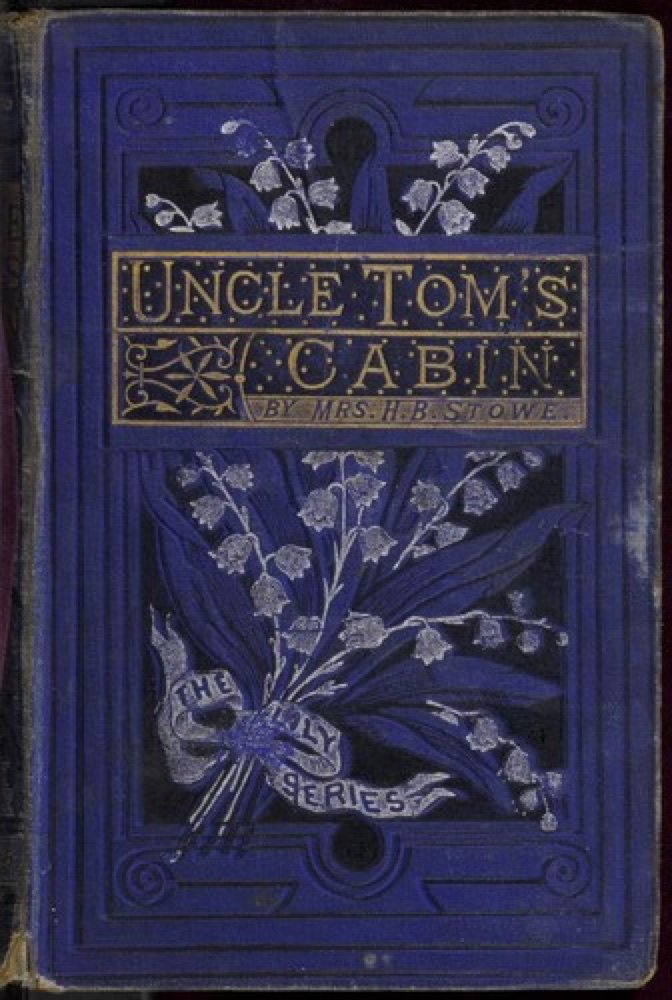 Uncle Tom's Cabin
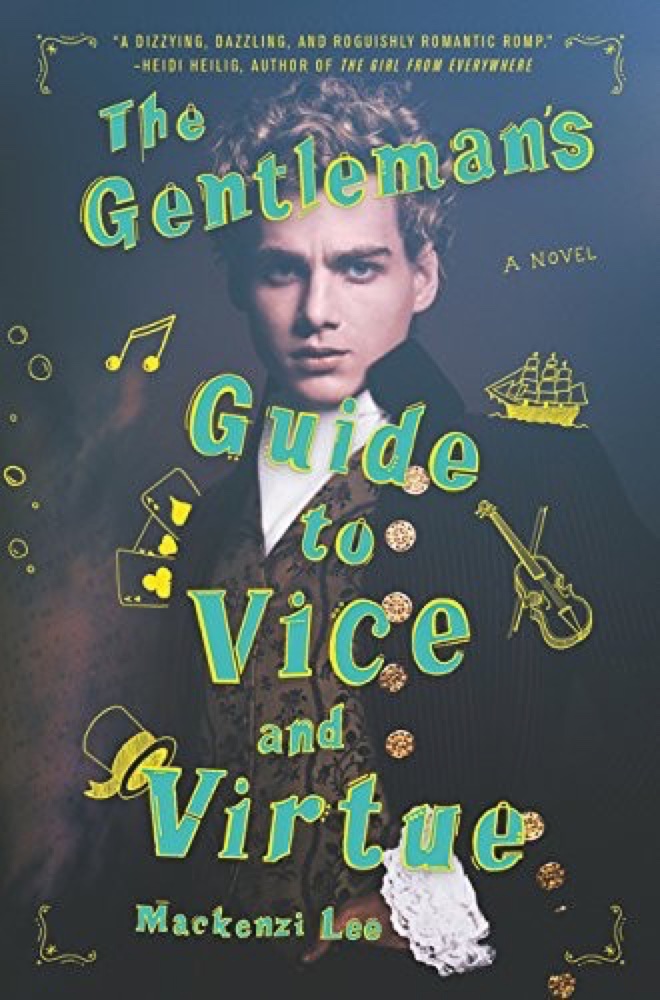 The Gentleman's Guide to Vice and Virtue
 Brute: Poems
 The Complete Poems of Emily Dickinson
 Complete Poems
 No Name
 The Moonstone
 Burial Rites
 The Curse of Chalion
 The Way We Live Now
 Out of Oz
 Pale Fire
 Lord Jim
 Flappers and Philosophers
 Crown Duel
 In the Night Garden
 Beyond the Shadows
 Selected Poems
 Wide Sargasso Sea
 The Broken Eye
 View with a Grain of Sand: Selected Poems
 Gaudy Night
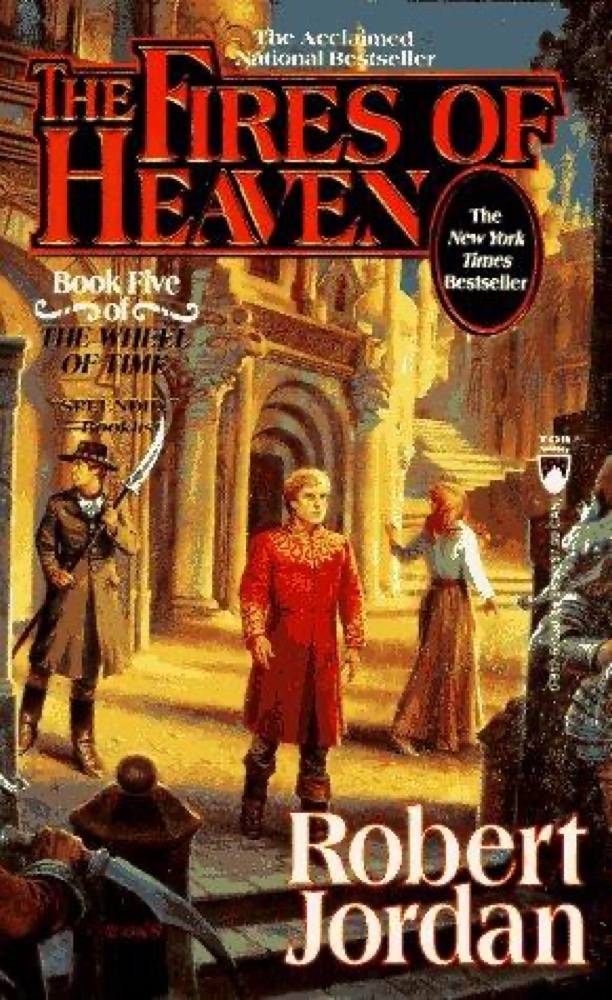 The Fires of Heaven
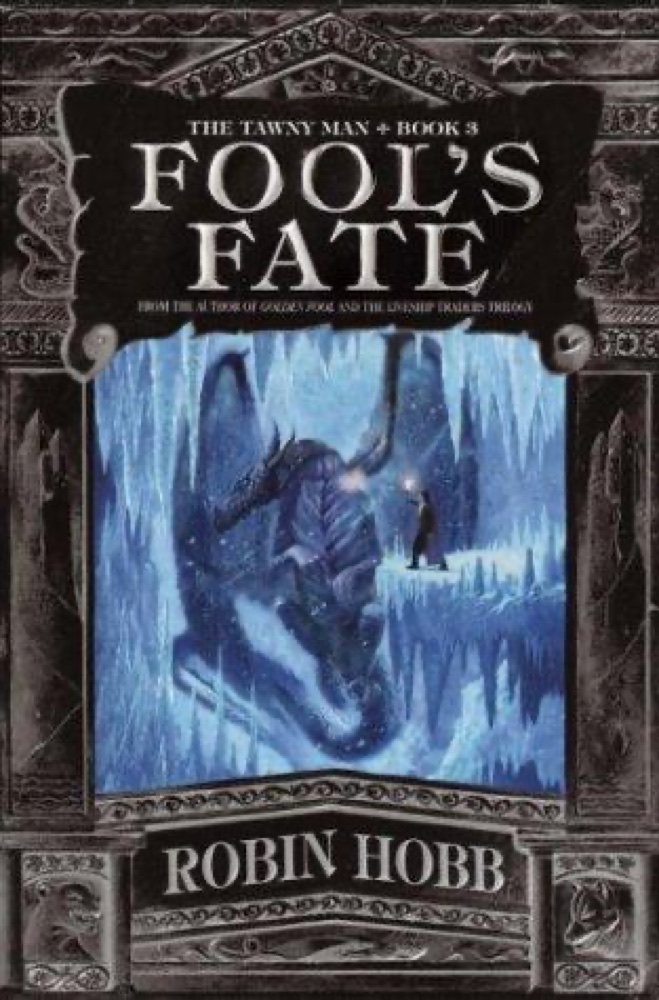 Fool's Fate
 Daniel Deronda
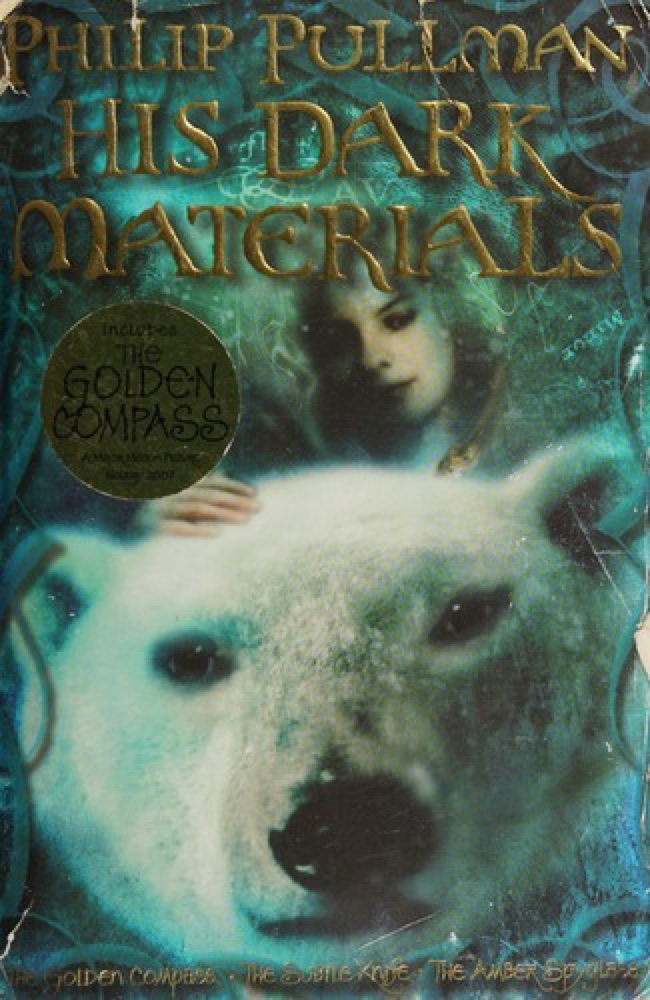 His Dark Materials