
 Othello
Quotes from the Book
Sigh no more, ladies, sigh no more, Men were deceivers ever,- One foot in sea and one on shore, To one thing constant never.
I can see he's not in your good books,' said the messenger. 'No, and if he were I would burn my library.
I had rather hear my dog bark at a crow, than a man swear he loves me.
Let me be that I am and seek not to alter me.
I do love nothing in the world so well as you- is not that strange?
Some Cupid kills with arrows, some with traps.
He that hath a beard is more than a youth, and he that hath no beard is less than a man. He that is more than a youth is not for me, and he that is less than a man, I am not for him.
For which of my bad parts didst thou first fall in love with me?
When I said I would die a bachelor, I did not think I should live till I were married.
There was a star danced, and under that was I born.
I wish my horse had the speed of your tongue.
Why, what's the matter, That you have such a February face, So full of frost, of storm and cloudiness?
Thou and I are too wise to woo peaceably.
I love you with so much of my heart that none is left to protest.
BEATRICE Against my will I am sent to bid you come in to dinner. BENEDICK Fair Beatrice, I thank you for your pains. BEATRICE I took no more pains for those thanks than you take pains to thank me: if it had been painful, I would not have come. BENEDICK You take pleasure then in the message? BEATRICE Yea, just so much as you may take upon a knife's point ... You have no stomach, signior: fare you well. Exit BENEDICK Ha! 'Against my will I am sent to bid you come in to dinner;' there's a double meaning in that...
A miracle. Here's our own hands against our hearts. Come, I will have thee, but by this light I take thee for pity. Beatrice: I would not deny you, but by this good day, I yield upon great persuasion, and partly to save your life, for I was told you were in a consumption. Benedick: Peace. I will stop your mouth.
What, my dear Lady Disdain! are you yet living? Beatrice: Is it possible disdain should die while she hath such meet food to feed it as Signior Benedick?
Silence is the perfectest herault of joy. I were but little happy if I could say how much.
Then is courtesy a turncoat. But it is certain I am loved of all ladies, only you excepted: and I would I could find in my heart that I had not a hard heart; for, truly, I love none. Beatrice: A dear happiness to women: they would else have been troubled with a pernicious suitor. I thank God and my cold blood, I am of your humour for that: I had rather hear my dog bark at a crow than a man swear he loves me. -Much Ado About Nothing
For it falls out That what we have we prize not to the worth Whiles we enjoy it, but being lacked and lost, Why, then we rack the value, then we find The virtue that possession would not show us While it was ours.
Officers, what offence have these men done? DOGBERRY Marry, sir, they have committed false report; moreover, they have spoken untruths; secondarily, they are slanders; sixth and lastly, they have belied a lady; thirdly, they have verified unjust things; and, to conclude, they are lying knaves.
I will live in thy heart, die in thy lap, and be buried in thy eyes—and moreover, I will go with thee to thy uncle’s.
Tax not so bad a voice to slander music any more than once.
LEONATO Well, niece, I hope to see you one day fitted with a husband. BEATRICE Not till God make men of some other metal than earth. Would it not grieve a woman to be overmastered with a pierce of valiant dust? to make an account of her life to a clod of wayward marl? No, uncle, I'll none: Adam's sons are my brethren; and, truly, I hold it a sin to match in my kindred.
You are thought here to the most senseless and fit man for the job.
Is it not strange that sheep's guts could hail souls out of men's bodies?
For man is a giddy thing, and this is my conclusion.
Ha. "Against my will I am sent to bid you come into dinner." There's a double meaning in that. -Benedick (Much Ado)
LEONATO Well, then, go you into hell? BEATRICE No, but to the gate; and there will the devil meet me, like an old cuckold, with horns on his head, and say 'Get you to heaven, Beatrice, get you to heaven; here's no place for you maids:' so deliver I up my apes, and away to Saint Peter for the heavens; he shows me where the bachelors sit, and there live we as merry as the day is long.
Did you know?
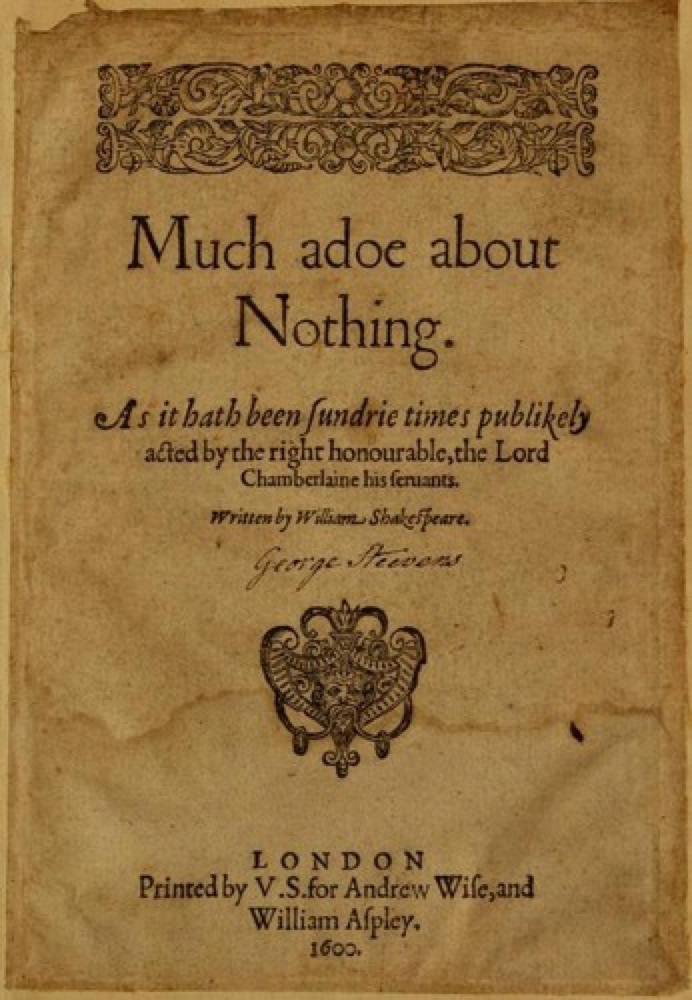
- The play is thought to have been written in 1598-1599 and was first printed in quarto in 1600.
- The 1600 quarto was printed by Valentine Simmes for the stationers Andrew Wise and William Aspley.
- The title puns on "nothing" and "noting," which sounded alike in Elizabethan English, reflecting the play's focus on overhearing and gossip.
- It was later included in the First Folio of 1623.
- The witty pairing of Beatrice and Benedick quickly became the main interest of the play, overshadowing the Hero-Claudio plot.
About William Shakespeare
William Shakespeare (1564-1616) was an English playwright, poet, and actor, widely regarded as the greatest writer in the English language. Based in London and associated with the Lord Chamberlain's Men, he wrote some 38 plays and 154 sonnets.
More about the author →More by William Shakespeare
All books by William Shakespeare →
About the book
Much Ado About Nothing is one of William Shakespeare's most frequently performed comedies, believed to have been written in 1598-1599 and first published in a quarto edition in 1600. Set in Messina, Sicily, it interweaves two romances: the young count Claudio's courtship of Hero, daughter of the governor Leonato, and the sparring "merry war" of wit between Beatrice and Benedick, two determined singles who scorn love and each other. The villain Don John, illegitimate brother of Prince Don Pedro, schemes to ruin Claudio and Hero's match, while friends conspire in a happier deception to trick Beatrice and Benedick into admitting their mutual love.
The play turns on the pun in its title: in Elizabethan pronunciation "nothing" sounded like "noting," and the comedy is built around noting, or overhearing, eavesdropping, gossip, and misperception. Deception drives both plots, benign in the case of the friends who play Cupid for Beatrice and Benedick, and malicious in Don John's slander of Hero. Alongside its themes of trickery and mistaken identity, the play examines honor, reputation, gender expectations, and the perils of believing appearances over evidence, with the bungling constable Dogberry and his watch ultimately stumbling into the truth.
Though the Hero and Claudio storyline follows a conventional comic pattern, it is the verbal fencing of Beatrice and Benedick that made the play endure, becoming its chief attraction almost from the start. The roles have drawn celebrated actors across centuries, and the comedy has been widely adapted for the screen, most notably in Kenneth Branagh's 1993 film and Joss Whedon's 2012 modern-dress version. It remains a cornerstone of the Shakespearean comic repertoire.
Key characters
- BeatriceSharp-witted niece of Leonato who scorns marriage
- BenedickA soldier and confirmed bachelor locked in a war of wits with Beatrice
- HeroLeonato's gentle daughter, courted by Claudio
- ClaudioA young count of Florence who falls for Hero
- Don PedroPrince of Aragon who helps arrange the matches
- Don JohnDon Pedro's illegitimate brother and the play's villain
- DogberryBumbling constable of the Messina night watch
Book details
- First published
- 1600
- Author
- William Shakespeare
- Genre
- Classics
- Goodreads rating
- 4.06 (262k ratings) →
- First line
- “I learn in this letter that Don Pedro of Arragon comes this night to Messina.”
Movie & TV adaptations
- IMDb
- IMDb
If you liked this, read…
- 1Twelfth NightAnother Shakespeare comedy of disguise, mistaken identity, and love
- 2As You Like ItA romantic Shakespeare comedy of wit and courtship registered alongside it in 1600
- 3A Midsummer Night's DreamA comedy driven by love, mischief, and playful deception
Keep reading
 Twelfth Night
Othello
Twelfth Night
Othello
 Jude the Obscure
 Don Juan
 The Taming of the Shrew
 Our Mutual Friend
 Fool
Fool
 Pride and Prejudice
 Wives and Daughters
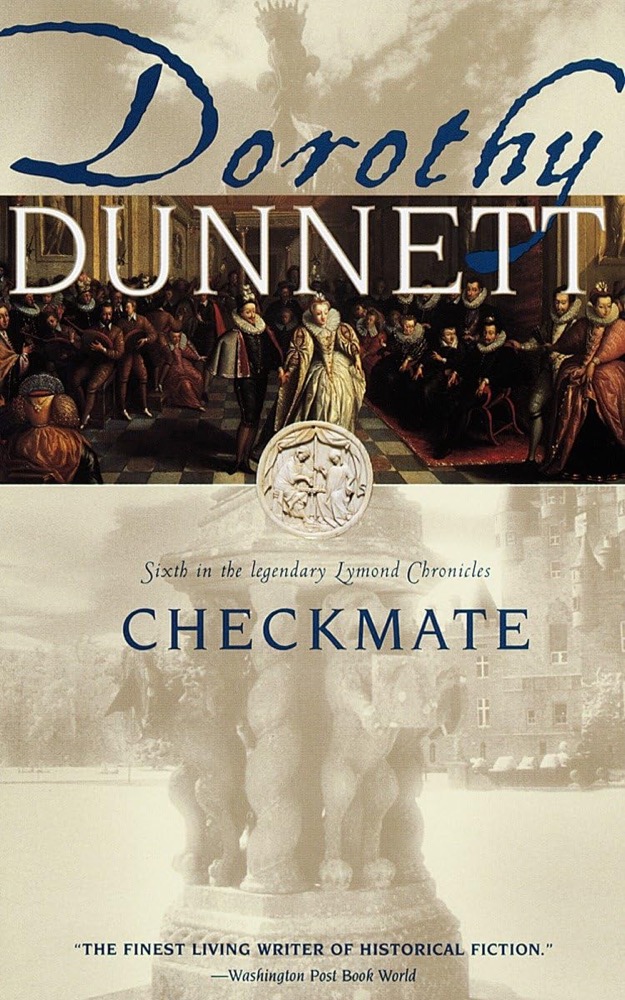 Checkmate
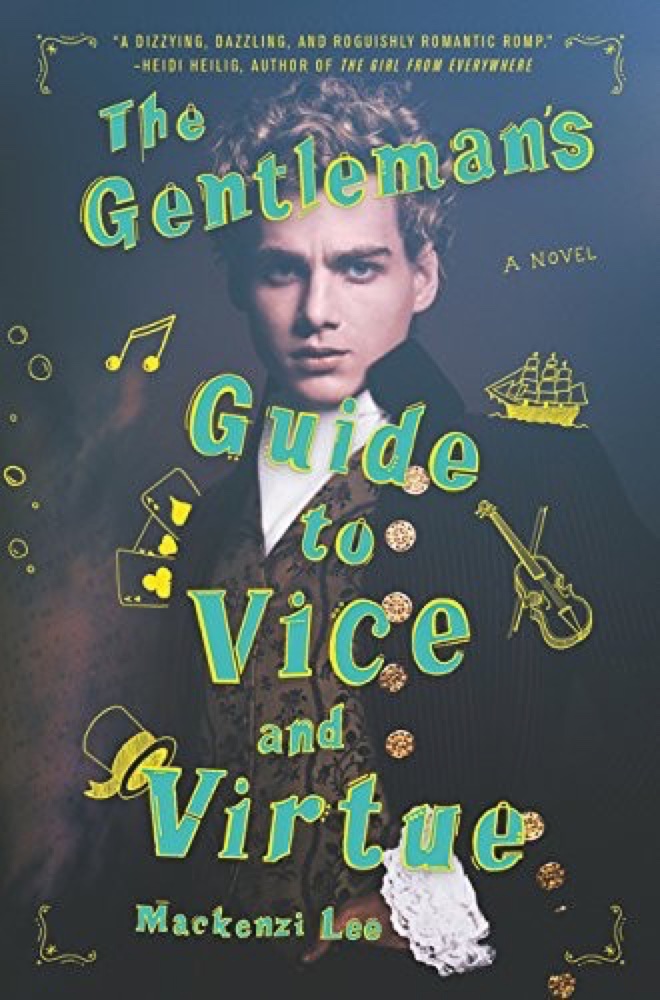 The Gentleman's Guide to Vice and Virtue
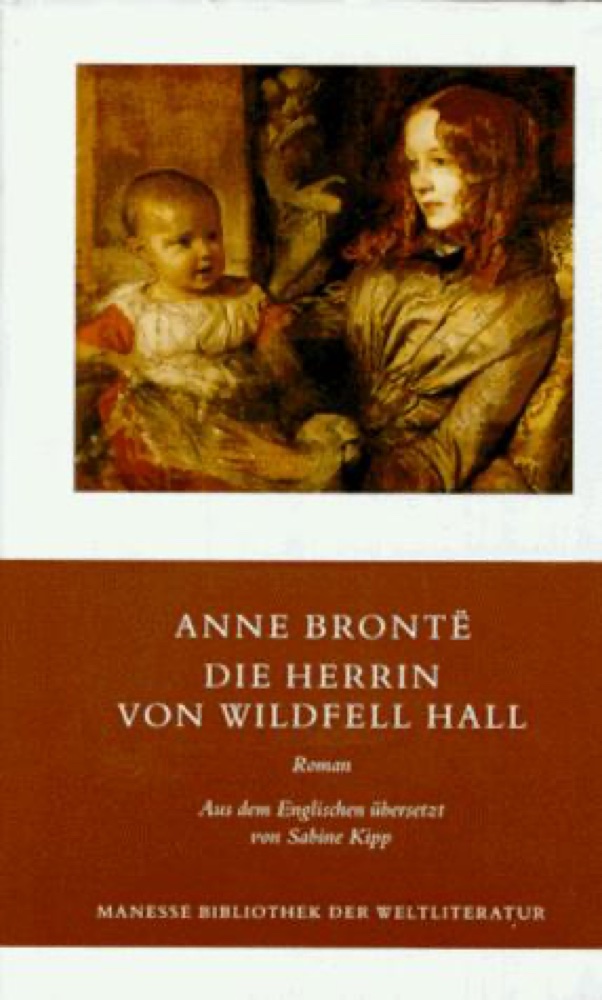 The Tenant of Wildfell Hall
 Shirley
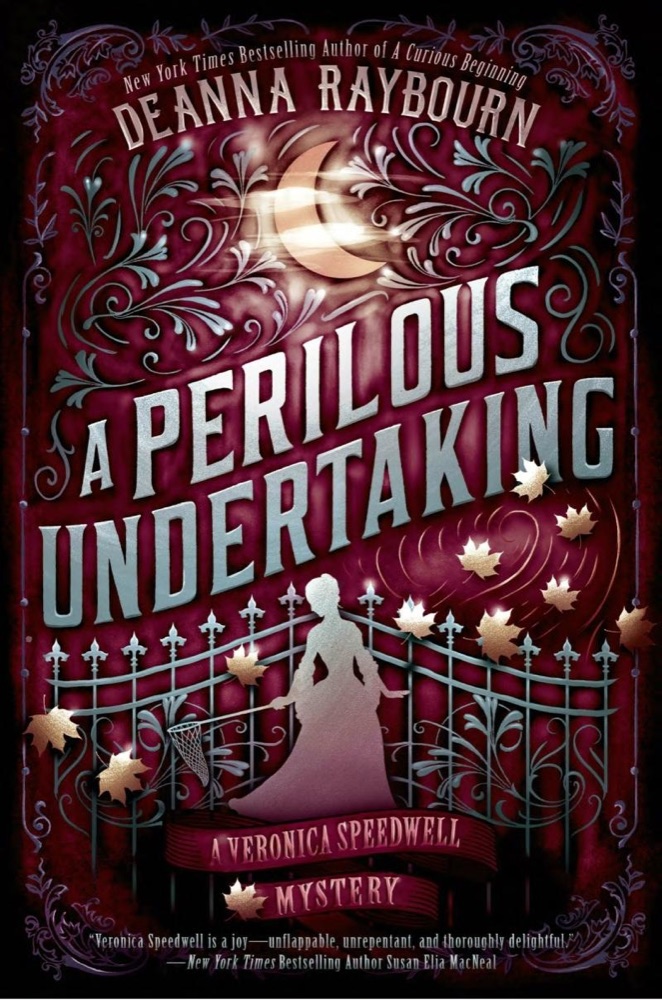 A Perilous Undertaking
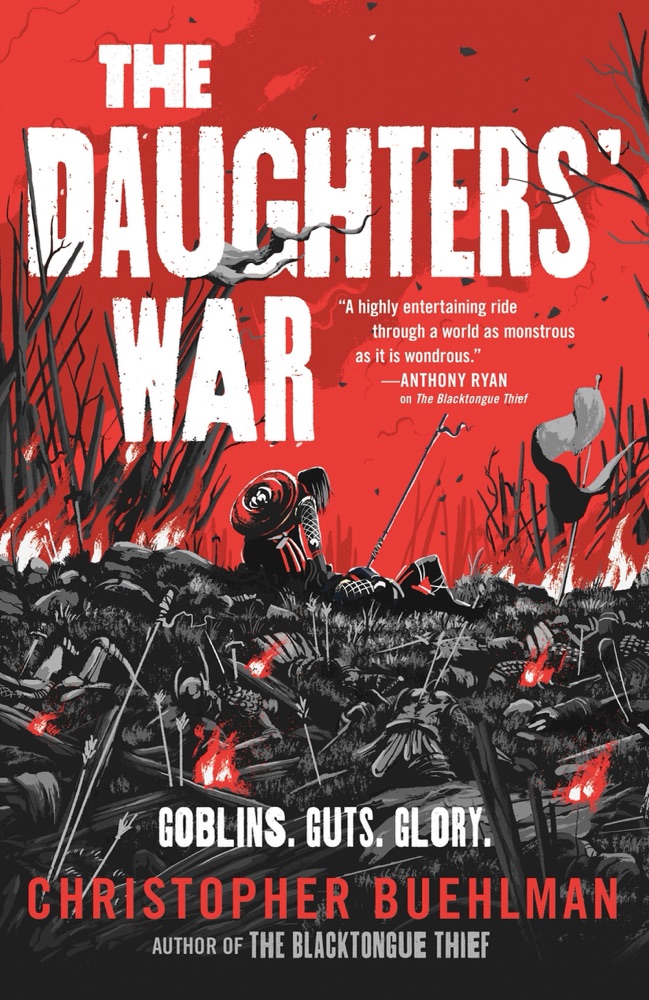 The Daughters' War
 Juliet
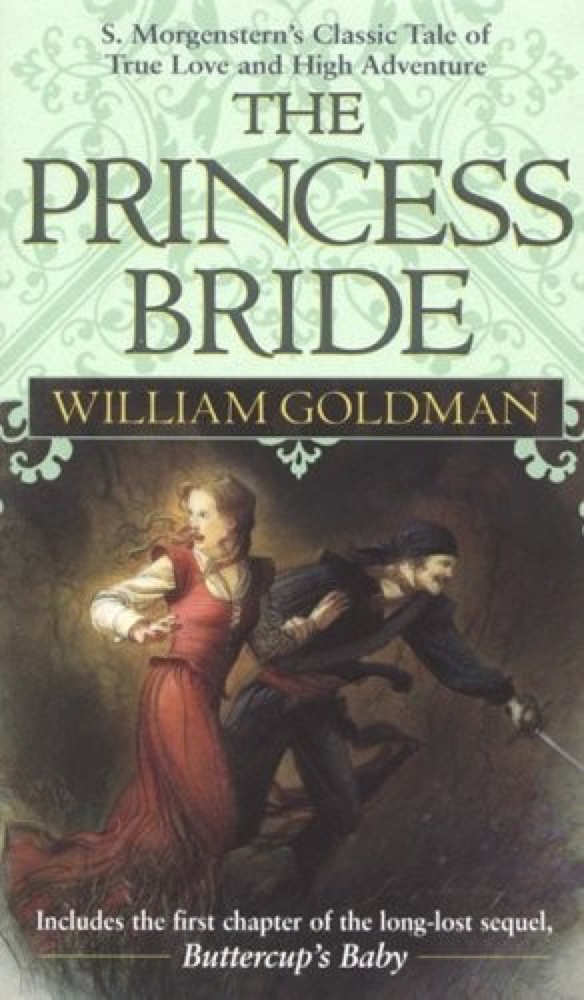 The Princess Bride
 Pygmalion
 Emma
Emma
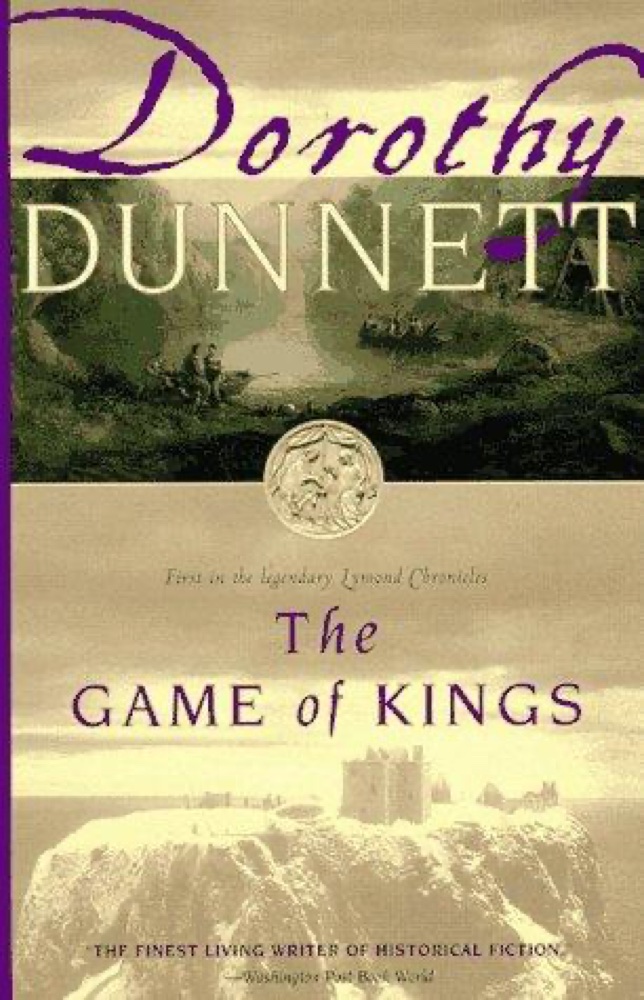 The Game of Kings
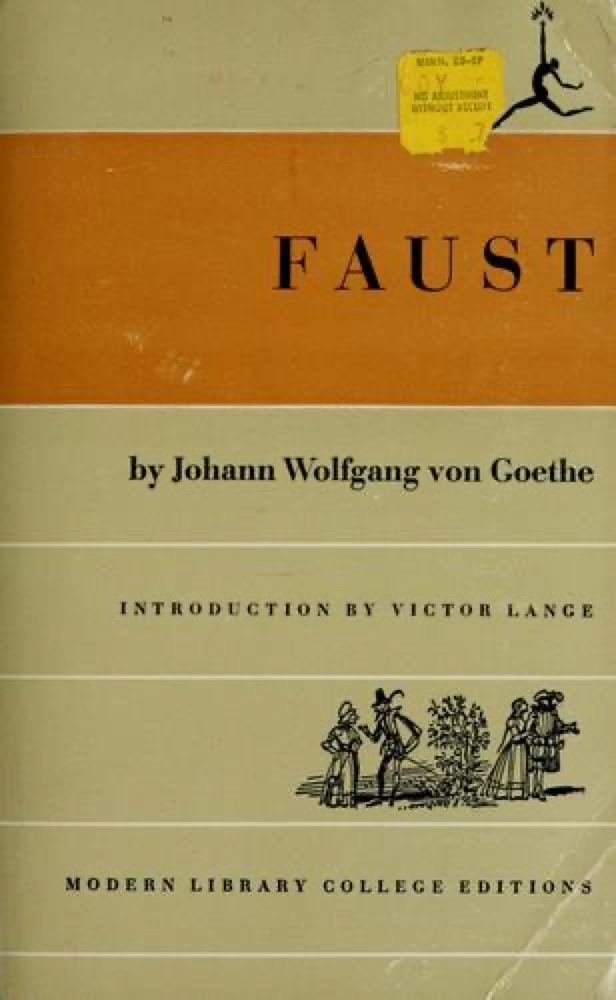 Faust
Faust
 The Gadfly
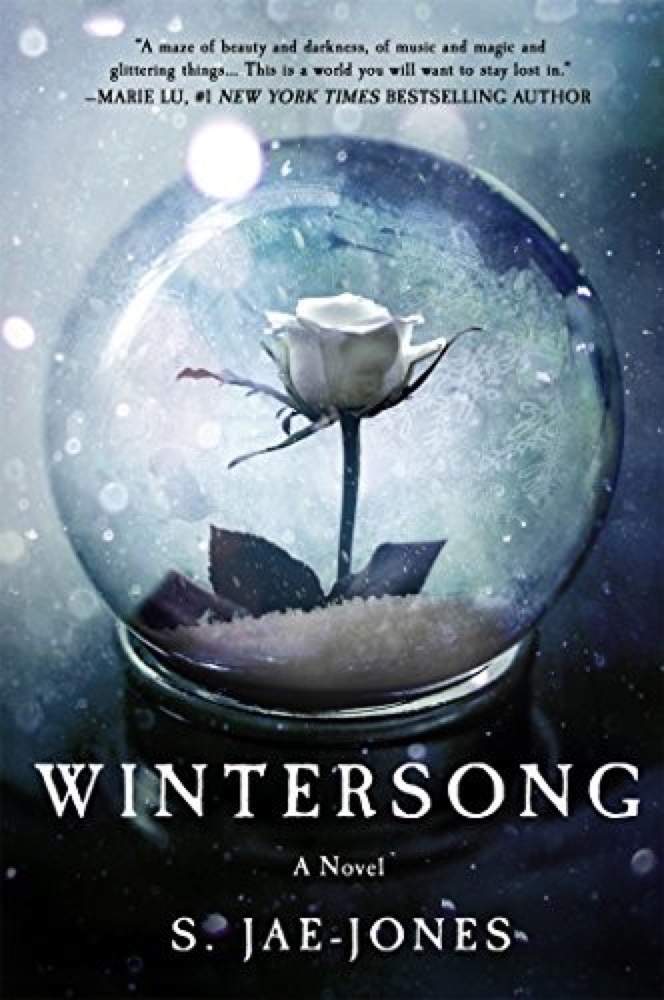 Wintersong
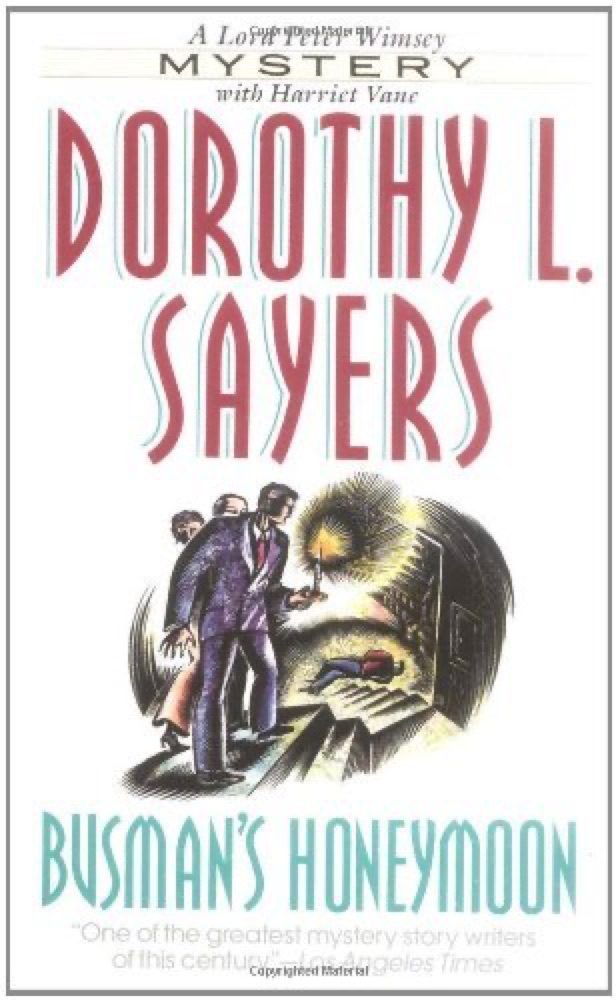 Busman's Honeymoon
 Clarissa, or, the History of a Young Lady
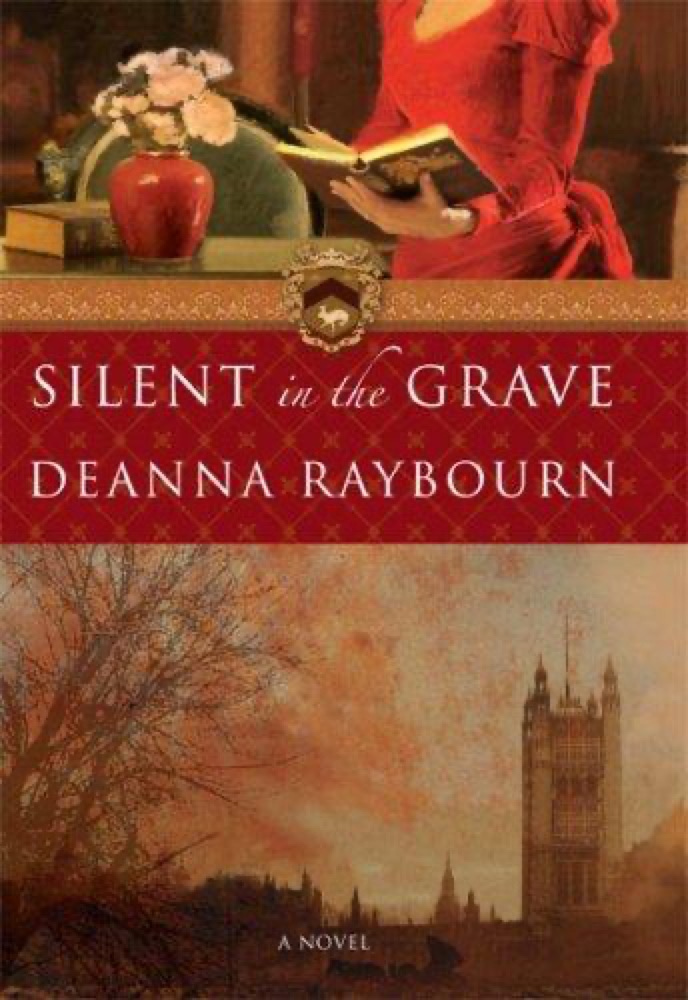 Silent in the Grave
 The Spanish Tragedy
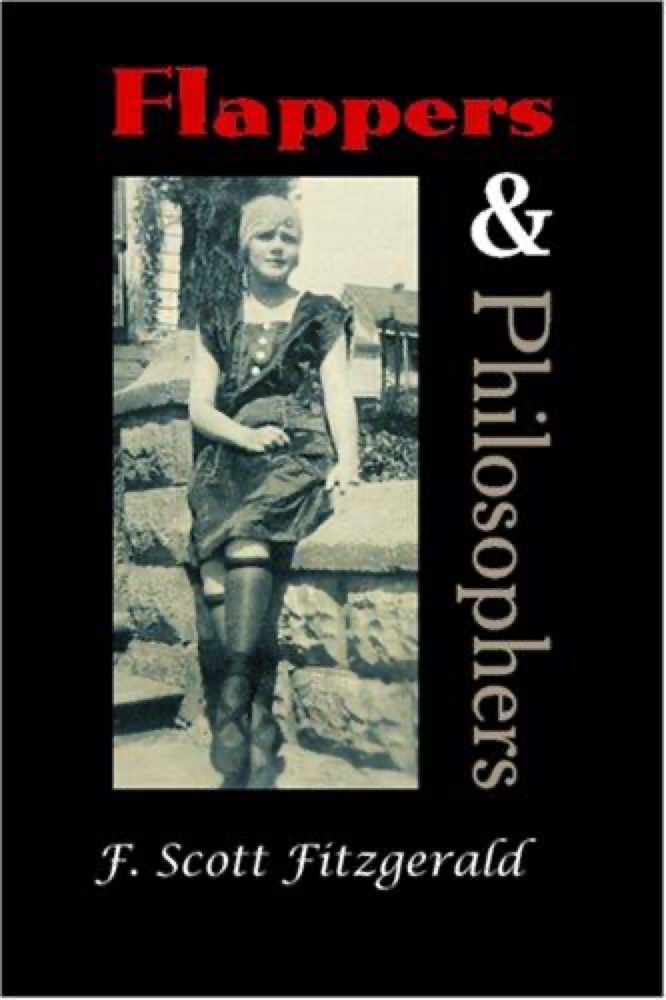 Flappers and Philosophers
 Heartless
 No Exit and Three Other Plays
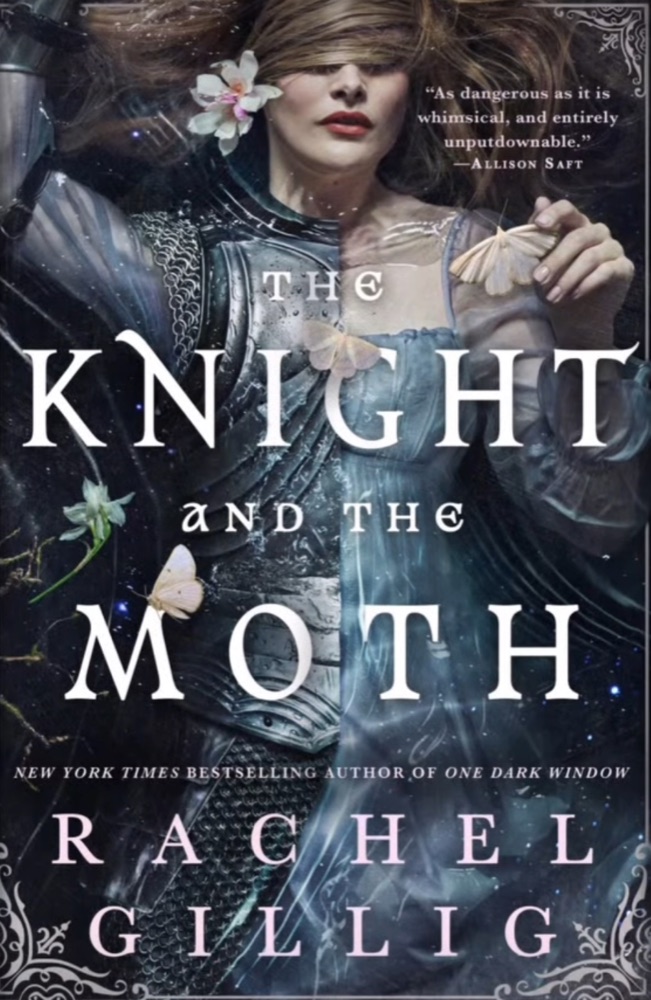 The Knight and the Moth
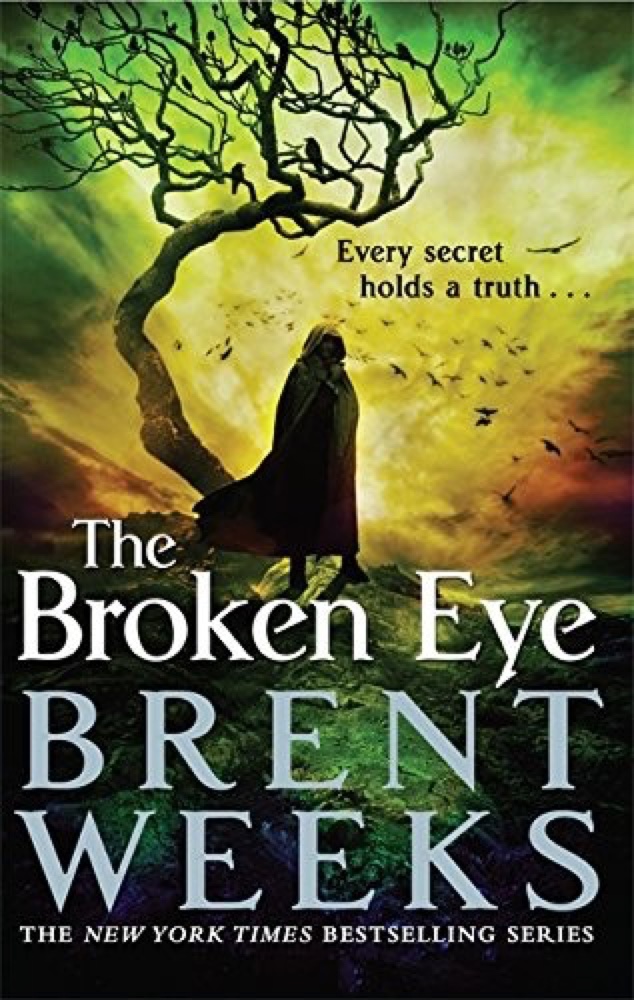 The Broken Eye
 The Importance of Being Earnest
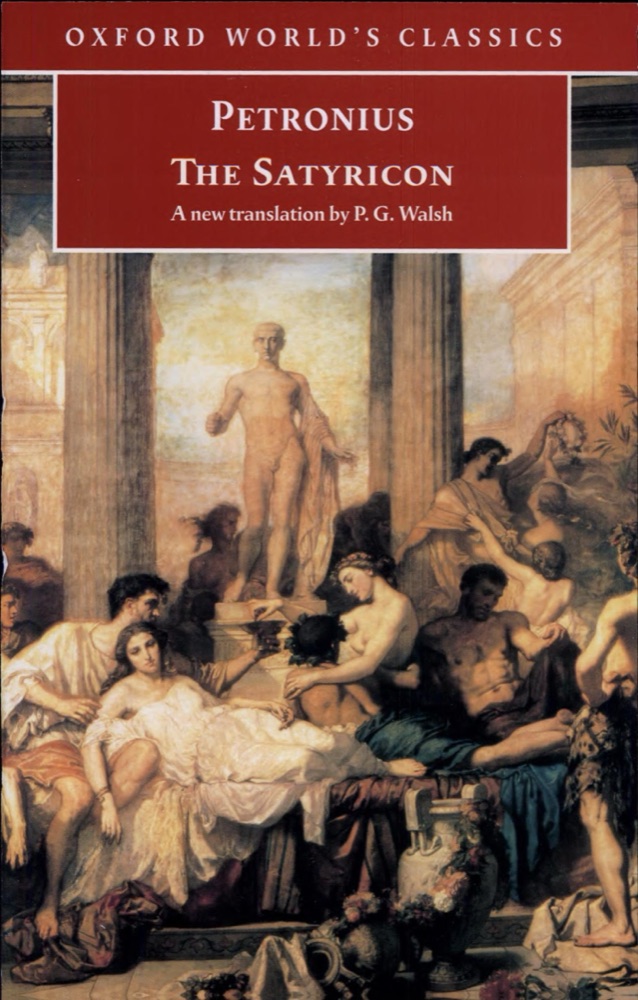 The Satyricon
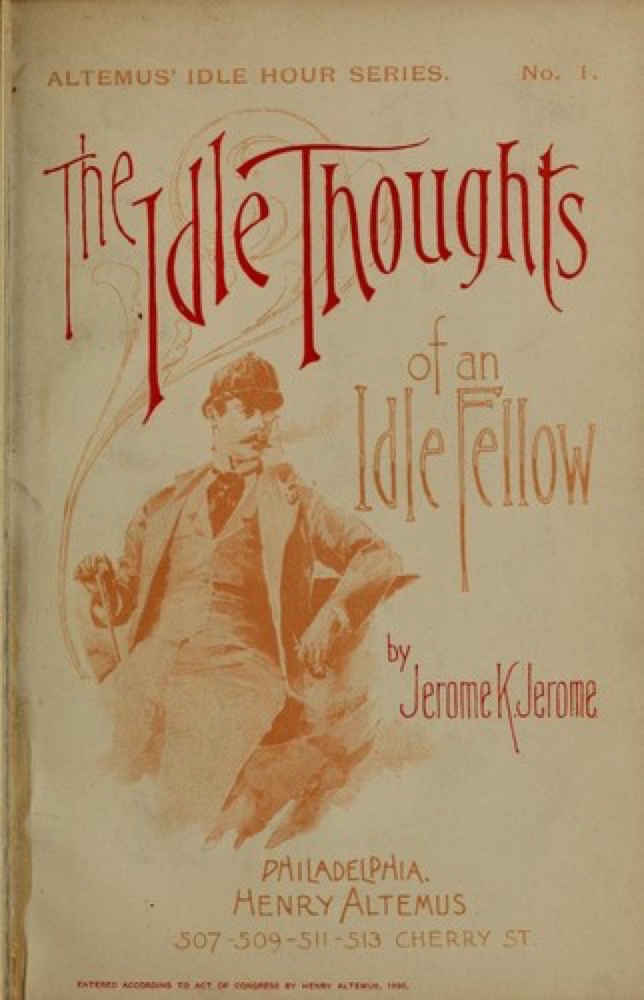 Idle Thoughts of an Idle Fellow
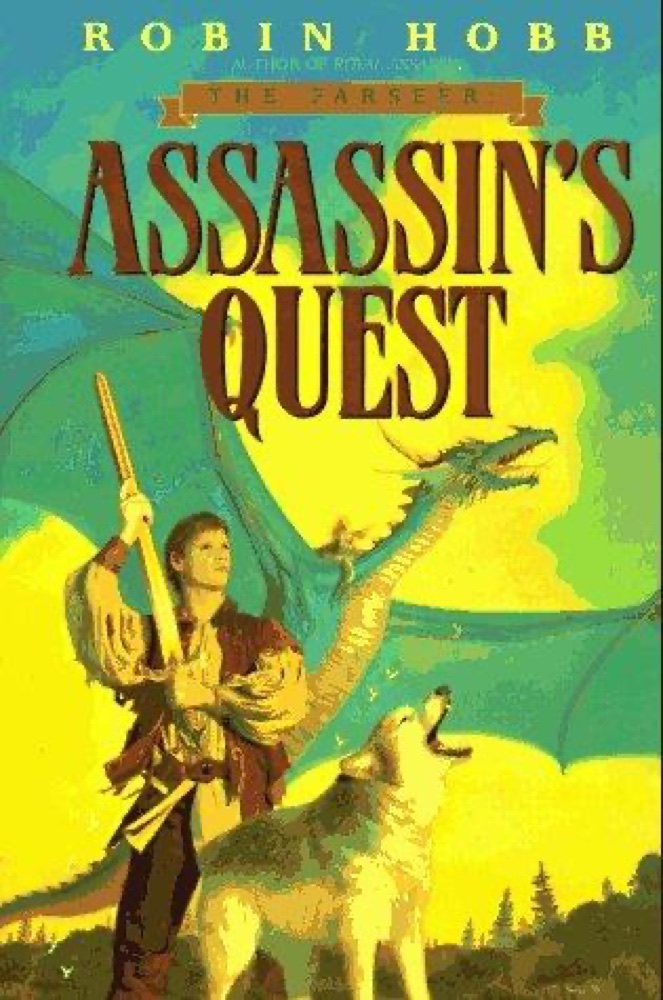 Assassin's Quest
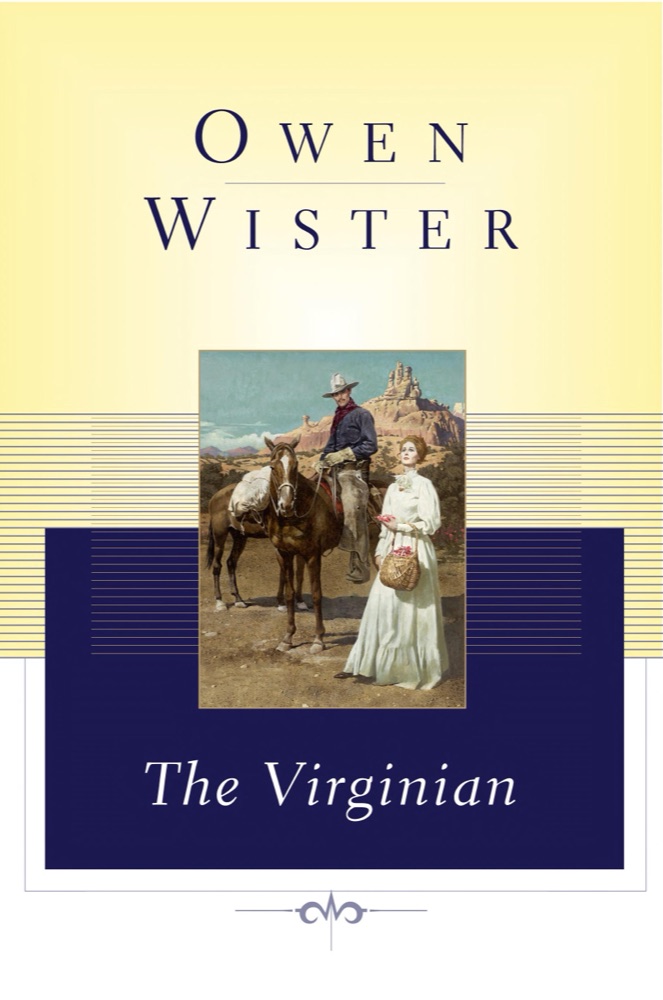 The Virginian
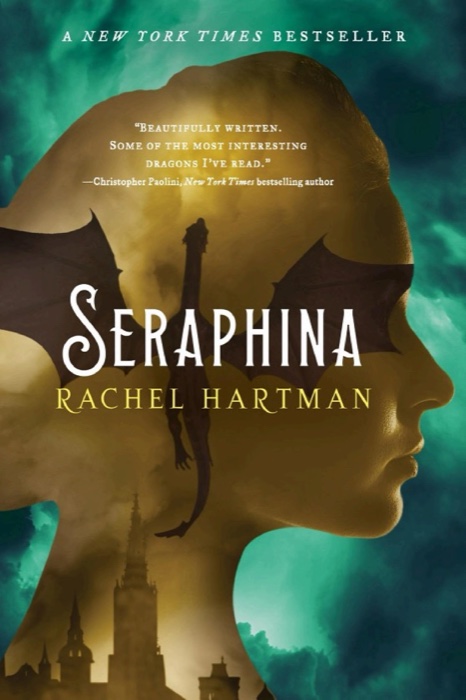 Seraphina
 Chime
Chime
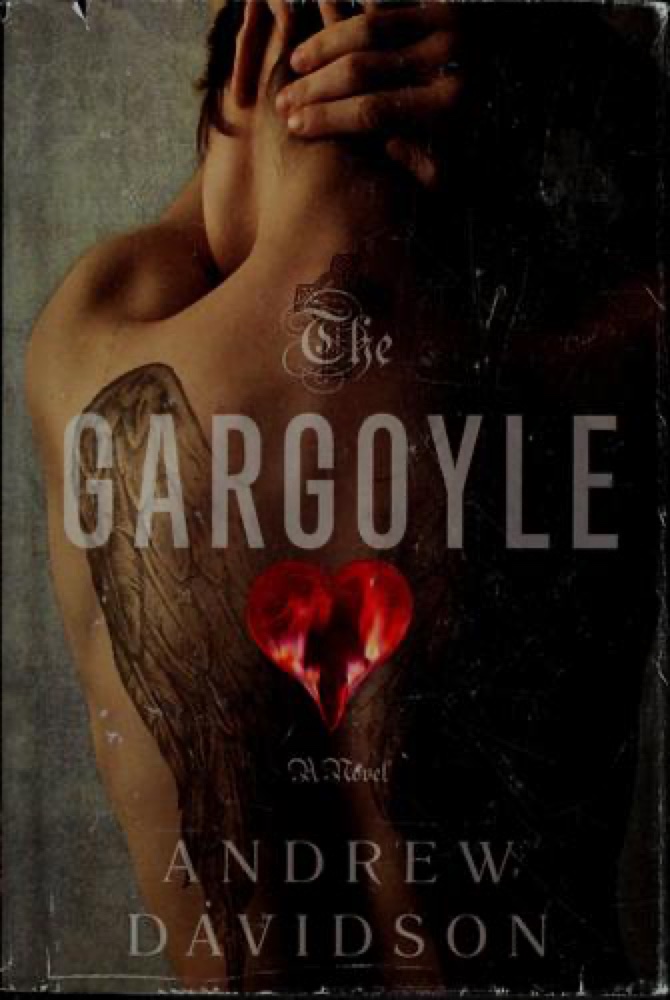 The Gargoyle
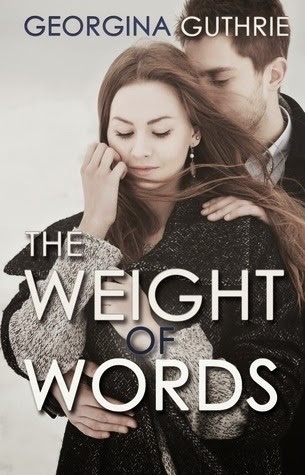 The Weight of Words
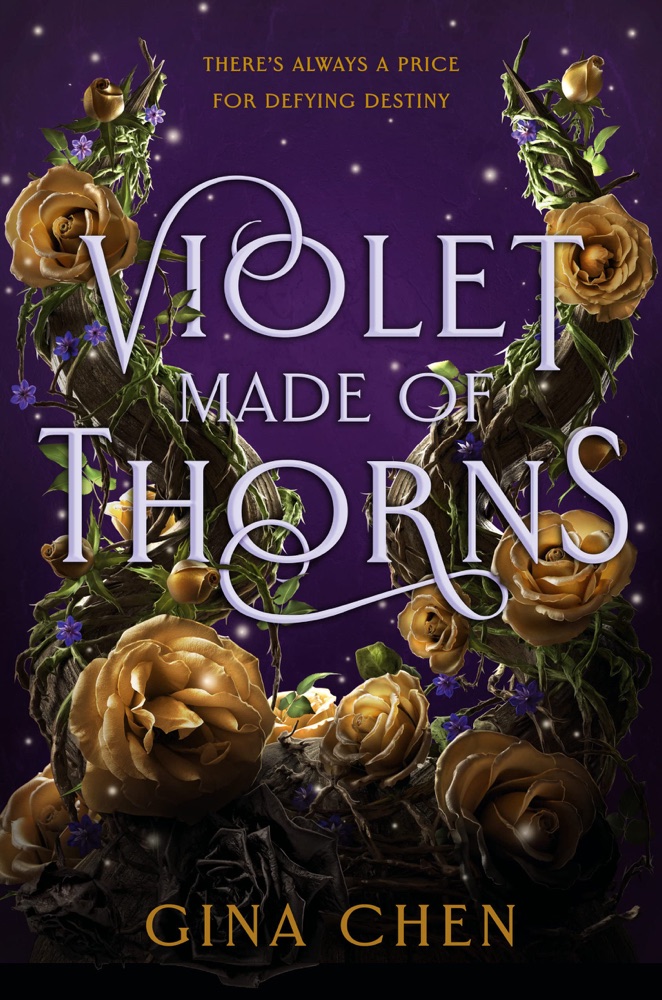 Violet Made of Thorns
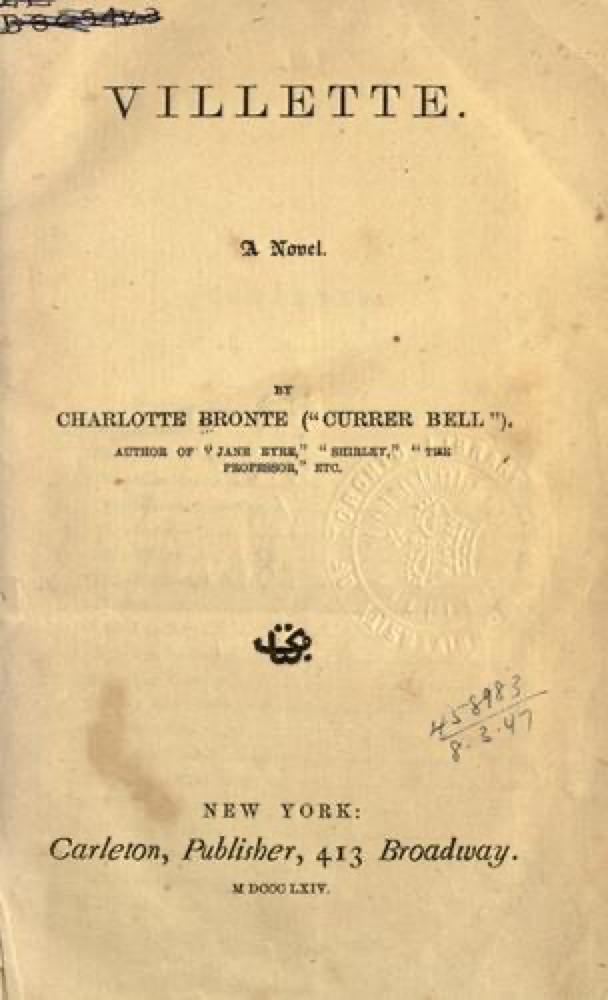 Villette
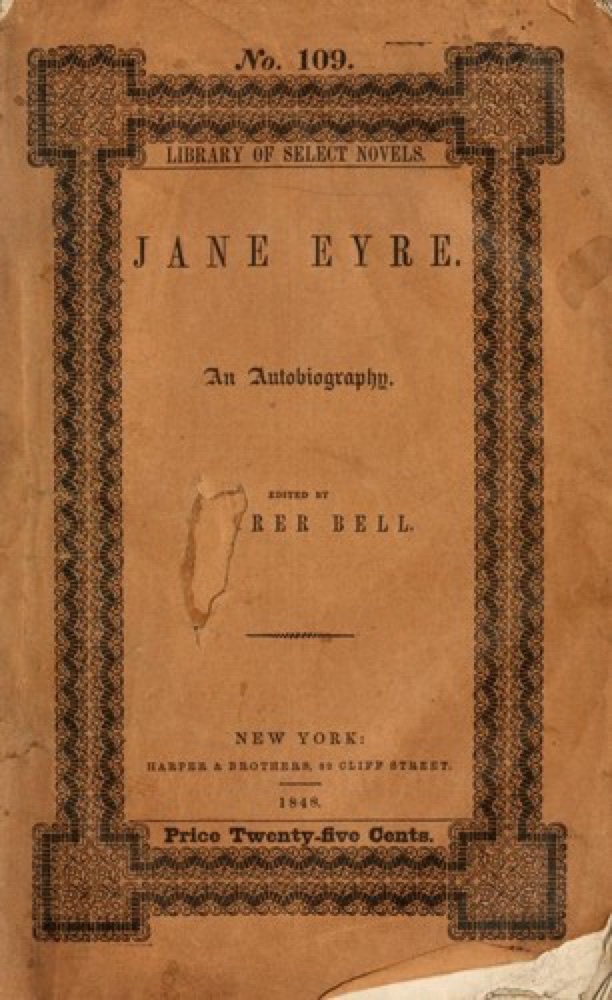 Jane Eyre
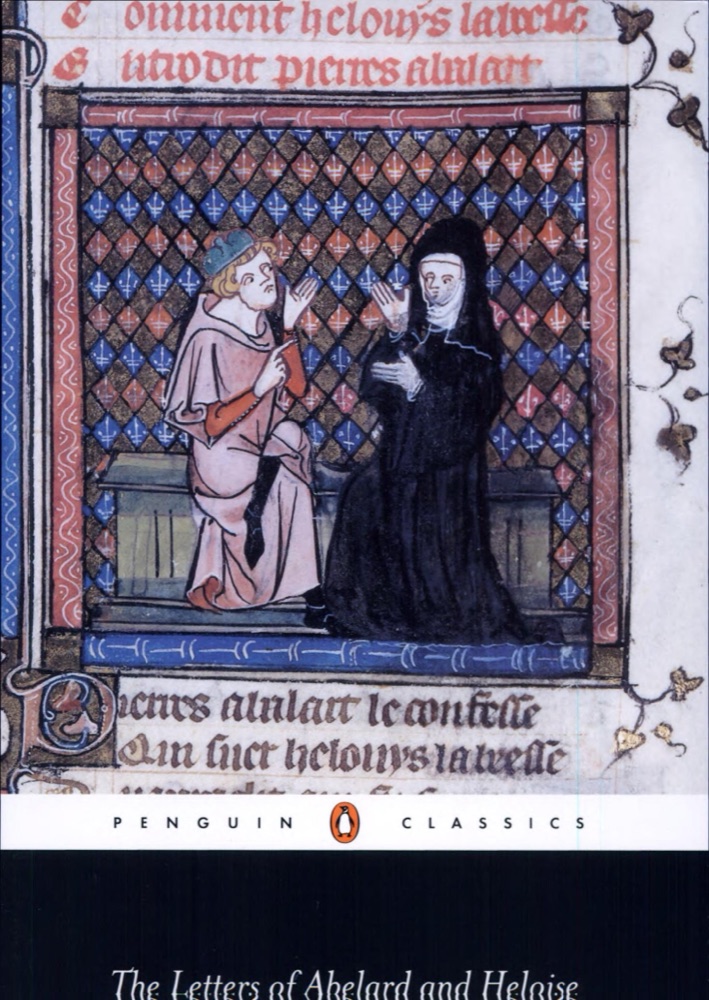 The Letters of Abélard and Héloïse
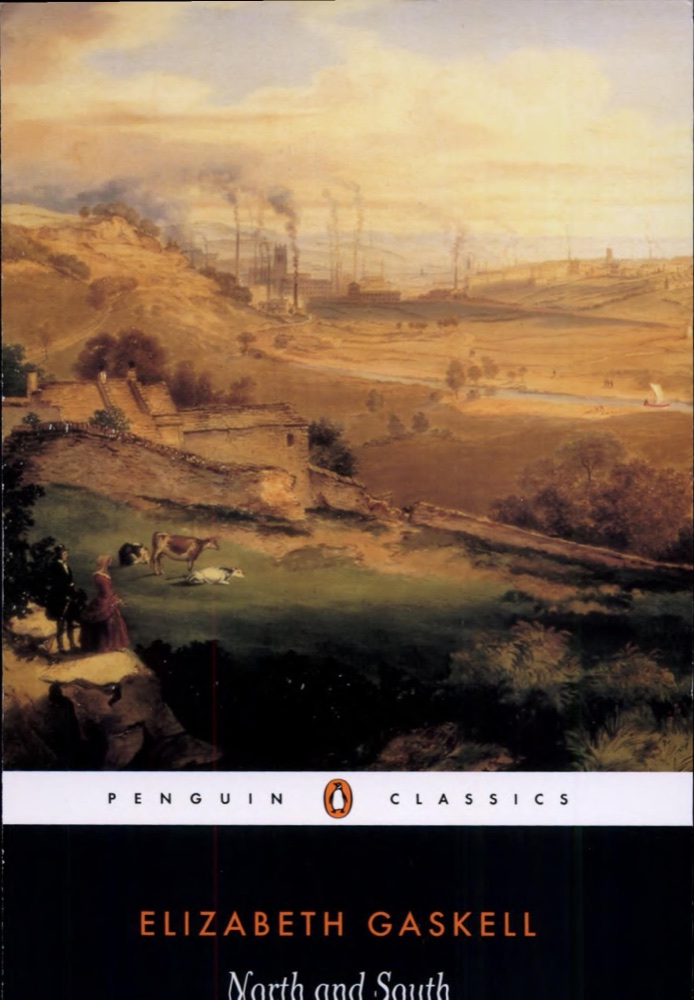 North and South
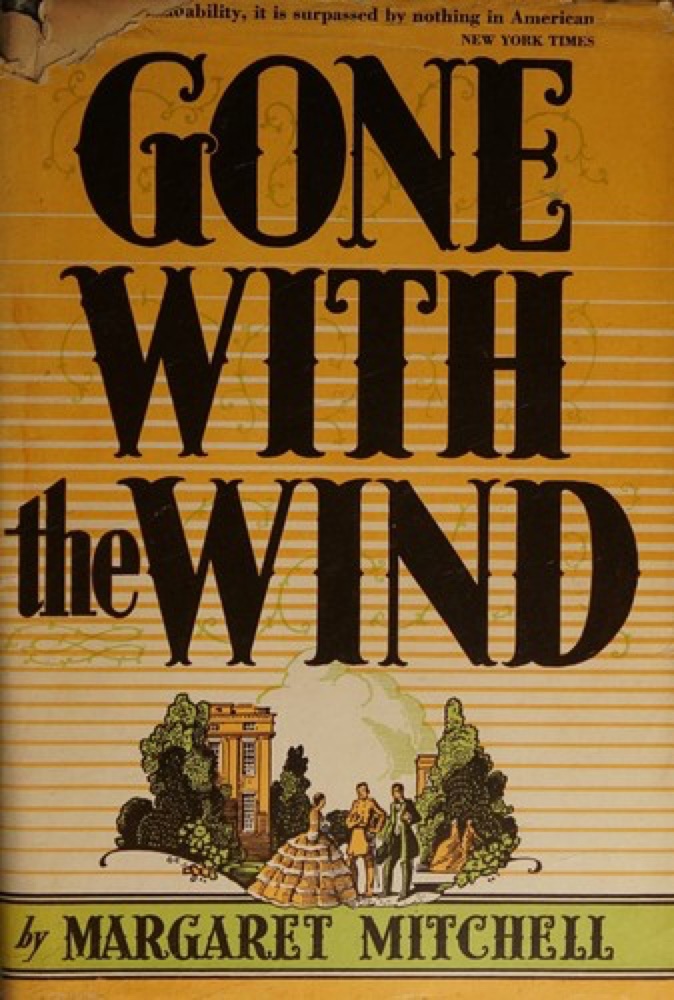 Gone with the Wind
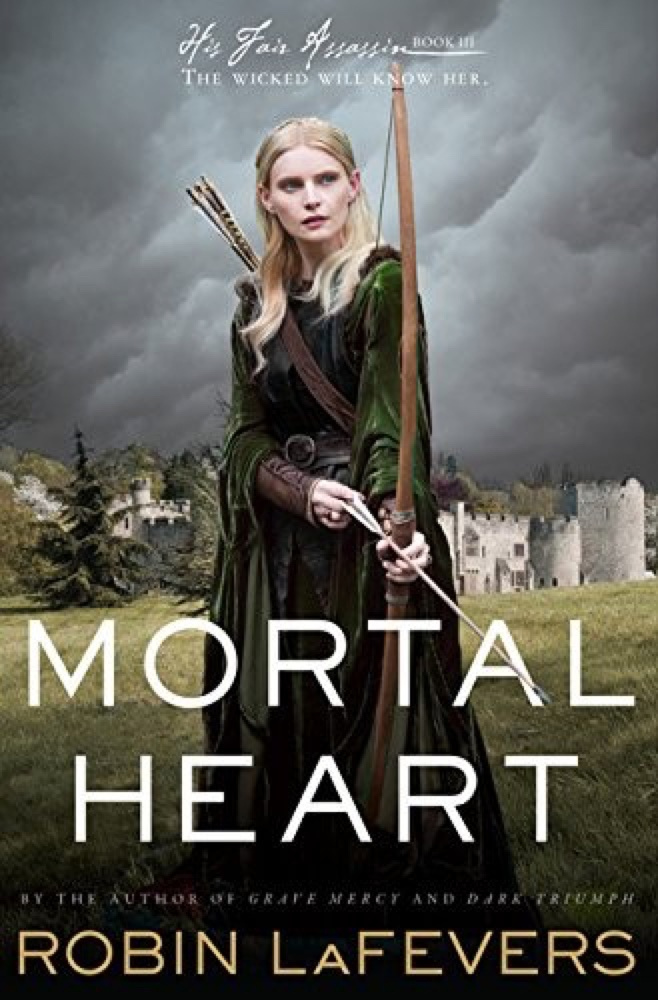 Mortal Heart
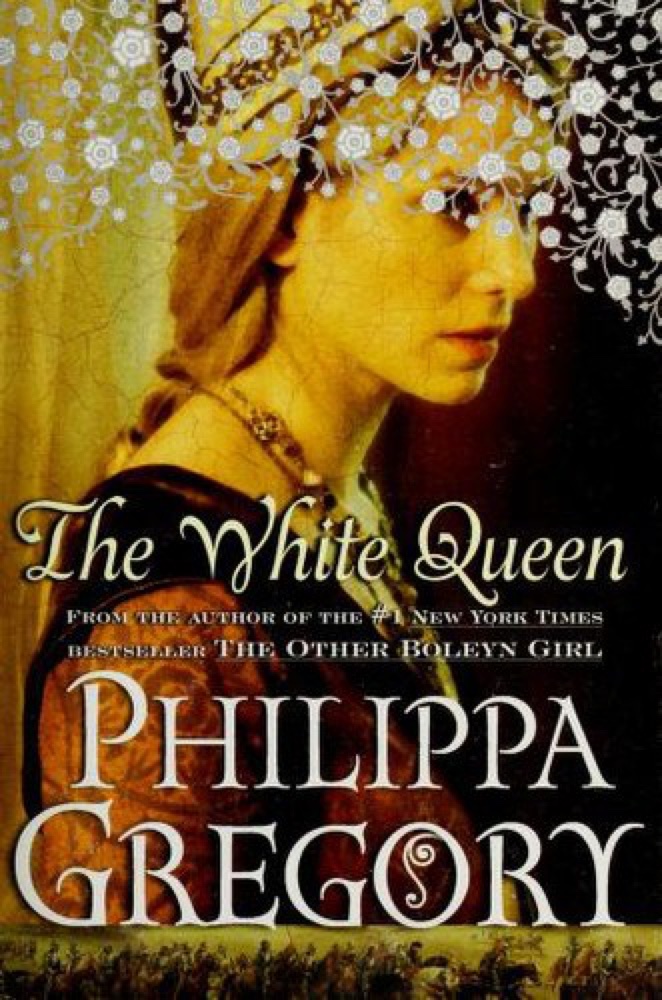 The White Queen
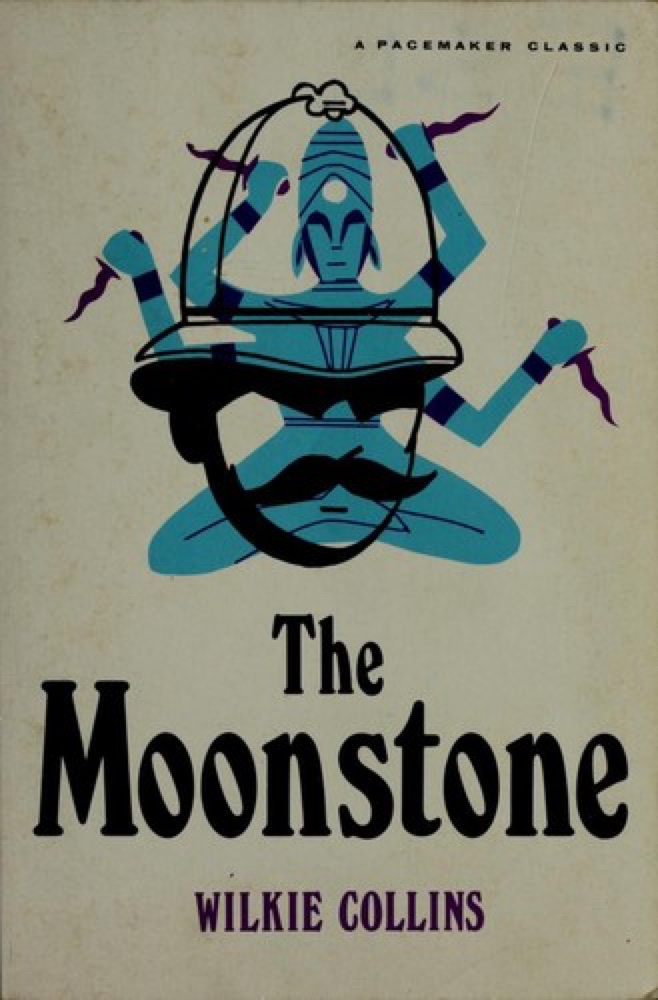 The Moonstone
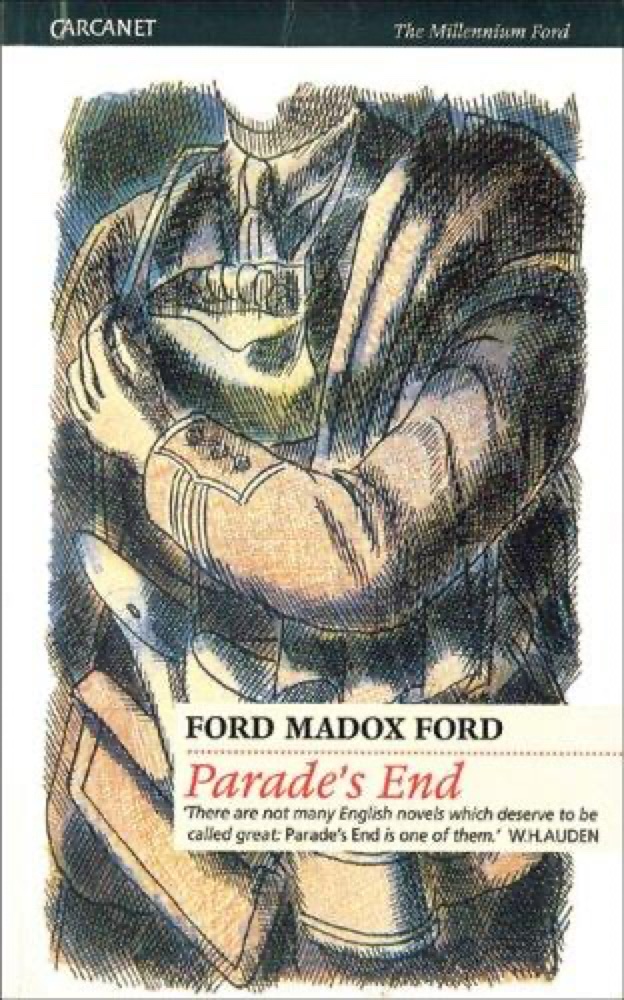 Parade's End
 The Shadow Rising
 Maurice
 Crown Duel
 Immortal Beloved
 As Meat Loves Salt
 Sheever's Journal, Diary of a Poison Master
 Beautiful Losers
 A Spear of Summer Grass
 Spoon River Anthology