
 Bradbury Stories: 100 of His Most Celebrated Tales
Quotes from the Book
You, Book! You are the only one who won't deceive, won't attack, won't insult, won't abandon! You're quiet - but you laugh, shout, and sing: you're obedient - but you amaze, tease, and entice; you're small, but you contain countless peoples. Nothing but a handful of letters, that's all, but if you feel like it, you can turn heads, confuse, spin, cloud, make tears spring to the eyes, take away the breath, the entire soul will stir in the wind like a canvas, will rise in waves and flap its wings!
31
...a book is a delicate friend, a white bird, an exquisite being, afraid of water. Darling things! Afraid of water, of fire, They shiver in the wind. Clumsy, crude human fingers leave bruises on them that'll never fade! Never! Some people touch books without washing their hands! Some underline things in ink! Some even tear pages out!
15
That's what poems are for, so you don't understand a thing.
14
The world may perish, but the meat grinder is indestructible.
5
I only wanted books—nothing more—only books, only words, it was never anything but words—give them to me, I don’t have any! Look, see, I don’t have any! Look, I’m naked, barefoot, I’m standing before you—nothing in my pants pockets, nothing under my shirt or under my arm! They’re not stuck in my beard! Inside—look—there aren’t any inside either—everything’s been turned inside out, there’s nothing there! Only guts! I’m hungry! I’m tormented!... What do you mean there’s nothing? Then how can you talk and cry, what words are you frightened with, which ones do you call out in your sleep? Don’t nighttime cries roam inside you, a thudding twilight murmur, a fresh morning shriek? There they are words—don’t you recognize them? They’re writhing inside you, trying to get out! There they are! They’re yours! From wood, stone, roots, growing in strength, a dull mooing and whining in the gut is trying to get out; a piece of tongue curls, the torn nostrils swell in torment. That’s how the bewitched, beaten, and twisted snuffle with a mangy wail, their boiled white eyes locked up in closets, their vein torn out, backbone gnawed; that’s right, that’s how your pushkin writhe, or mushkin—what is in my name for you?—pushkin-mushkin, flung upon the hillock like a shaggy black idol, forever flattened by fences, up to his ears in di, the pushkin-stump, legless, six-fingered, biting his tongue, nose in his chest—and his head can’t be raised!—pushkin, tearing off the poisoned shirt, ropes, chains, caftan, noose, that wooden heaviness: let me out, let me out! What is in my name for you? Why does the wind spin in the gully? How many roads must a man walk down? What do you want, old man? Why do you trouble me? My Lord, what is the matter? Ennui, oh, Nin! Grab the inks and cry! Open the dungeon wide! I’m here! I’m innocent! I’m with you! I’m with you!
4
You read, move your lips, figure out the words, and it's like you're in two places at the same time: you're sitting or lying with your legs curled up, your hand groping in the bowl, but you can see different worlds, far-off worlds that maybe never existed but still seem real. You run or sail or race in a sleigh--you're running away from someone, or you yourself have decided to attack--your heart thumps, life flies by, and it's wondrous: you can live as many different lives as there are books to read.
4
RENDELET Mivel hogy én volnék Fjodor Kuzmics Kablukov, áldassék a nevem, a Legnagyobb Mirza, éljek sokáig, Főttitkár és Akadémikus és Hős és Tengernagy és Ács, és mivel állandóan az emberek jóllétén buzgólkodok, ezennel elrendelem. • Hát eszembe jutott még valami már majnem elfelejtettem annyira lefoglaltak az államügyek: • Március nyolcadika szintén Ünnep Nemzetközi Nőnap. • De ez azér nem munkaszüneti nap. • Szóval dolgozni menni kelletik, de lehet csak úgy ímmel-ámmal. • A Nőnap az pediglen olyasmi mint az Asszonyünnep. • Ezen a napon minden asszonyt tisztelni és becsülni kelletik mer ők a Feleség és Anya és Nagymama és Unokahúgocska vagy másvalamiféle Jányka azt mindet tisztelni kelletik. • Ezen az Ünnepen se ütni, se verni őket nem szabad meg semmi más efféle szokásos dolgot se nem, hanem hogy a Feleség és Anya és Nagymama és Unokahúgocska meg másvalamiféle Jányka jókor reggel fölkeljen azt pirogot süssön meg fánkot meg mindenféle eztazt meg mindent szépen elmosson a padlót felsöpörje kifényesíccse a padokat hozzon vizet a kútról azt abba mossa ki az alsóruhát meg a felsőruhát mindet meg akinek szőnyegei vannak aztat is jól porolja ki mer különben ismerlek benneteket azt akkora lesz a por a gunyhóba, hogy foghatod befele az orrod. Meg fát is hasogasson és fűtsön be a fürdőbe és jól mosakodjon meg. Gazdagon terítse meg az asztalt fánkokkal meg mindenféle ennivaló maradhatott még megévetlenül az Újévről azt azt is mindet rakja ki az asztalra. • Mikor megjöttök munkából, köszöntsétek a Feleséget és Anyát és Nagymamát és Unokahúgocskát meg másvalamiféle Jánykát mindet a Nőnap alkalmából. • Aztat mondjátok: „Kívánok neked Feleség és Anya és Nagymama és Unokahúgocska vagy másvalamiféle Jányka boldogságot az életben sikereket a munkában békés eget a fejed fölött.” • Minden nőt, legyen akár Szomszéd vagy bárki, ugyanezekkel a szavakkal udvariasan köszönteni kelletik. • Után aztán énekelj-mulass, egyél amit akarsz, érezd jól magad, de csak mértékkel.
2
Golbuchiks? Golbuchiks are ashes, entrails, dung, stove smoke, clay, and they’ll all return to clay. They’re full of dirt, candle oil, droppings, dust. You, O Book, my pure, shining precious, my golden singing promise, my dream, a distant call— O tender specter, happy chance, Again I heed the ancient lore, Again with beauty rare in stance, You beckon from the distant shore!
2
and what's inside her? A meaty darkness, squeaking bones, strings of guts, and nothing else. She laughs, she's scared, she frowns -- but does she really have any feelings? Thoughts?
1
Well, it means that man is the crossroads of two abysses, equally bottomless and equally inaccessible: the outer and inner worlds… Our life, young man, consists of the search for this book
1
Heavenly streams poured down, piercing the snow. It looked like someone had punctured it and blackened it with stone nails. The earth showed through in some places. Last year’s rubbish surfaced on all the streets, in all the yards.
1
- and even if someone told us we'd forget
1
[comrades] are ashes, entrails, dung, stove smoke, clay, and they’ll all return to clay. They’re full of dirt, candle oil, droppings, dust. You, O Book, my pure, shining precious, my golden singing promise, my dream, a distant call— O tender specter, happy chance, Again I heed the ancient lore, Again with beauty rare in stance, You beckon from the distant shore!” You, Book! You are the only one who won't deceive, won't attack, won't insult, won't abandon! You're quiet--but you laugh, shout, and sing; you're obedient--but you amaze, tease and entice; you're small but you contain countless peoples. Nothing but a handful of letters, that's all, but if you feel like it, you can turn heads, confuse, spin, cloud, make tears spring to the eye, take away the breath, the entire soul will stir in the wind like a canvas, will rise in the waves and flap its wings! Sometimes a kind of wordless feeling tosses and turns in the chest, pounds its fists on the door, the walls: I'm suffocating! Let me out! How can you let that feeling out, all fuzzy and naked? What words ca you dress it in? We don't have any words, we don't know! Just like wild animals, or a blindlie bird, or a mermaid--no words, just a bellowing. But you open a book--and there they are, fabulous, flying words: O city! O wind! O snowstorms and blizzards! O azure abyss all raveled and tattered! Here am I! I'm blameless! I'm with you forever... ...Or there's bile and sadness and bitterness. The emptiness dries your eyes out and you search for the words, and here they are: But is the world not all alike? From the Cabbala of Chaldaic signs Throughout the ages, now and ever more, To the sky where the even star shines. The same old wisdom--born of ashes, And in that wisdom, like our twin, The face of longing, frailty, fear, and sin, Stares straight across the ages at us.
1
Hey, what’re you up to?” cried Benedikt, rubbing his eye. “Nothing!” they answered from above. “Why didn’t you burn up? “Didn’t feel like it! Just didn’t feeeeel like it!” “So you mean you didn’t die? Huh? Or did you?” “Figure it out as best you can!
I only wanted books – nothing more – only books, only words, it was never anything but words – give them to me, I don’t have any! Look, see, I don’t have any! Look, I’m naked, barefoot, I’m standing before you – nothing in my pants pockets, nothing under my shirt or under my arm! They’re not stuck in my beard! Inside – look – there aren’t any inside either – everything’s been turned inside out, there’s nothing there! Only guts! I’m hungry! I’m tormented!... What do you mean there’s nothing? Then how can you talk and cry, what words are you frightened with, which ones do you call out in your sleep? Don’t nighttime cries roam inside you, a thudding twilight murmur, a fresh morning shriek? There they are, words – don’t you recognize them? They’re writhing inside you, trying to get out! There they are! They’re yours! From wood, stone, roots, growing in strength, a dull mooing and whining in the gut is trying to get out; a piece of tongue curls, the torn nostrils swell in torment. That’s how the bewitched, beaten, and twisted snuffle with a mangy wail, their boiled white eyes locked up in closets, their vein torn out, backbone gnawed; that’s right, that’s how your pushkin writhed, or mushkin – what is in my name for you? – pushkin-mushkin, flung upon the hillock like a shaggy black idol, forever flattened by fences, up to his ears in dill, the pushkin-stump, legless, six-fingered, biting his tongue, nose in his chest – and his head can’t be raised! – pushkin, tearing off the poisoned shirt, ropes, chains, caftan, noose, that wooden heaviness: let me out, let me out! What is in my name for you? Why does the wind spin in the gully? How many roads must a man walk down? What do you want, old man? Why do you trouble me? My Lord, what is the matter? Ennui, oh, Nina! Grab the inks and cry! Open the dungeon wide! I’m here! I’m innocent! I’m with you! I’m with you!
Let him stand there strong and safe, his legs in chains, his head in the clouds, his face to the south, to the endless steppe, to the far-off dark blue seas.
There you go,” muttered Father-in-law. “No more tyranny allowed! It was just getting too darn fashionable!
Don’t try to catch me, I’m just a little guy.
Clear and simple. The soul was icy clean. No neuroses now.
The singing went so well, such a languid lightness set in, such a sense of accord, such wings, it felt like the smoky izba wasn’t an izba, but a meadow, like nature raised her head, turned to look, opened her mouth in surprise and listened, and tears kept on falling and falling from her eyes. Like the Princess Bird forgot her beautiful self for a minute and set her brilliant gaze on the singers in amazement. Like they hadn’t just been arguing, their hearts incensed, hadn’t exchanged angry looks and put on grimaces of mutual disdain; like their hands hadn’t been itching to punch the other guy in the kisser so he wouldn’t look at me like that, so that he didn’t make faces, didn’t talk through his teeth, didn’t hold his nose! It’s hard to stay mad when you’re singing: if you open your mouth the wrong way, you’ll ruin the song.
He grew heavier. Not even so much from food as from heavy thoughts. It was like his soul had been stuffed with rags, snippets of cloth and lint: it was hot, itchy, and stifling. Lie down or stand up, no peace to be found.
She didn’t answer. She wasn’t dead, was she?... Ay, she was dead. Jeez! What from? It was kind of unpleasant… Dying sure wasn’t fun, not like playing dead.
Sometimes a kind of wordless feeling tosses and turns in the chest, pounds its fists on the door, the walls: I’m suffocating! Let me out! How can you let that feeling out, all fuzzy and naked? What words can you dress it in?
He had everything in books, rolled up, buried in little secret boxes: Sea and meadow, deep blue and sandy winds, foul winds and snow, and the wind they call Zephyr. Starless nights and nights of passion, velvety nights and sleepless nights! Southern, white, pink, sweet as could be, dreamy, draining nights! Golden and silver stars, blue and green as sea salt, shooting and falling stars, foreboding stars, glittering diamond and lone stars, stars that herald woe, and stars that shine like beacons -- there you go, beacons! All the vessels on all the seas, all the kisses, islands, roads and all the cities those roads lead to, all the city gates, nooks, crannies, dungeons and tunnels, towers, flags, all the golden curls and jet black braids, the thunder and clash of arms, the clouds, the steppes, and again the wind, sea, and stars! he didn't need anything else, it was all here!
Then there's "Questions of Literature." Benedikt took a look at it: no questions at all, any answers. The issue with questions must have got lost. Too bad.
Let him stand, his head lowered, listening to the mice scurrying, the breeze blowing, to life hurrying somewhere, it just goes on and on, on and on, day in and day out! Day in and day out!
Of course, if someone hurts me or my body, it's not funny. I get mad, no kidding. But that's if it's me. If it's someone else, it's funny. Why? Because me -- that's me; and him -- that's not me, it's him. But the Oldeners say: Oh, horrors!
Watch on YouTube
About Tatyana Tolstaya
We have collected 27 quotes from 1 book by Tatyana Tolstaya on BookQuoters.
More about the author →About the book
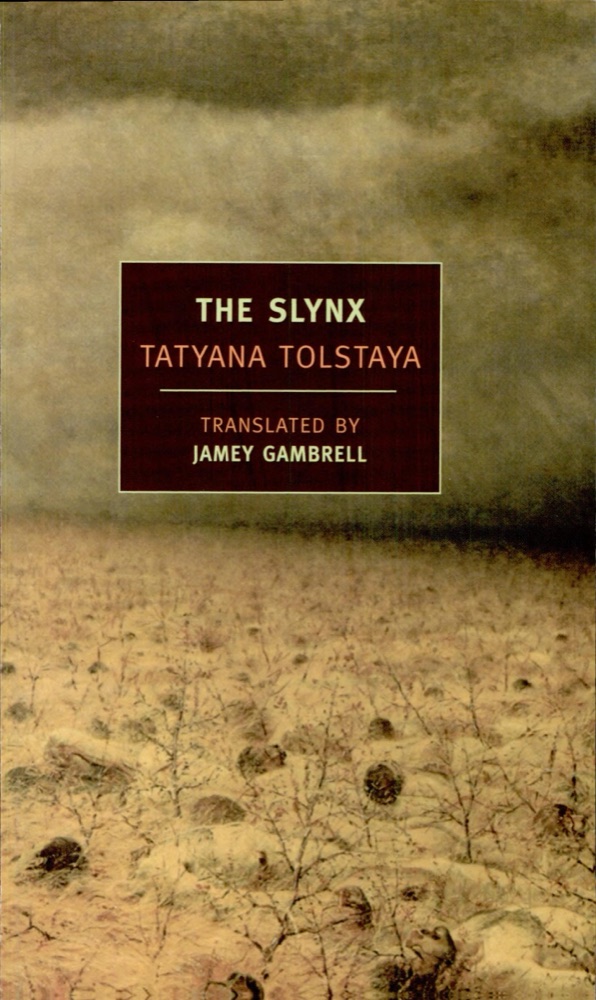
Two hundred years after civilization ended in an event known as the Blast, Benedikt isn't one to complain. He's got a job — transcribing old books and presenting them as the words of the great new leader, Fyodor Kuzmich, Glorybe — and though he doesn't enjoy the privileged status of a Murza, at least he's not a serf or a half-human four-legged Degenerator harnessed to a troika. He has a house, too, with enough mice to cook up a tasty meal, and he's happily free of mutations: no extra fingers, no gills, no cockscombs sprouting from his eyelids. And he's managed — at least so far — to steer clear of the ever-vigilant Saniturions, who track down anyone who manifests the slightest sign of Freethinking, and the legendary screeching Slynx that waits in the wilderness beyond.
Book details
- First published
- 1999
- Author
- Tatyana Tolstaya
- Genre
- Fiction
- Goodreads rating
- 3.81 (6k ratings)
Keep reading
Bradbury Stories: 100 of His Most Celebrated Tales
 I Have No Mouth & I Must Scream
 Notes of a Dirty Old Man
 The Illustrated Man
 Plainwater: Essays and Poetry
 The Enchanted
 The Tunnel
 Something Wicked This Way Comes
 Sexus
Sexus
 Abarat
 Inkspell
 Inkdeath
 Absalom, Absalom!
 Good Bones and Simple Murders
 Sword & Citadel
 Selected Stories
 Today I Wrote Nothing: The Selected Writings
 Mister Pip
 Leviathan
 Edinburgh
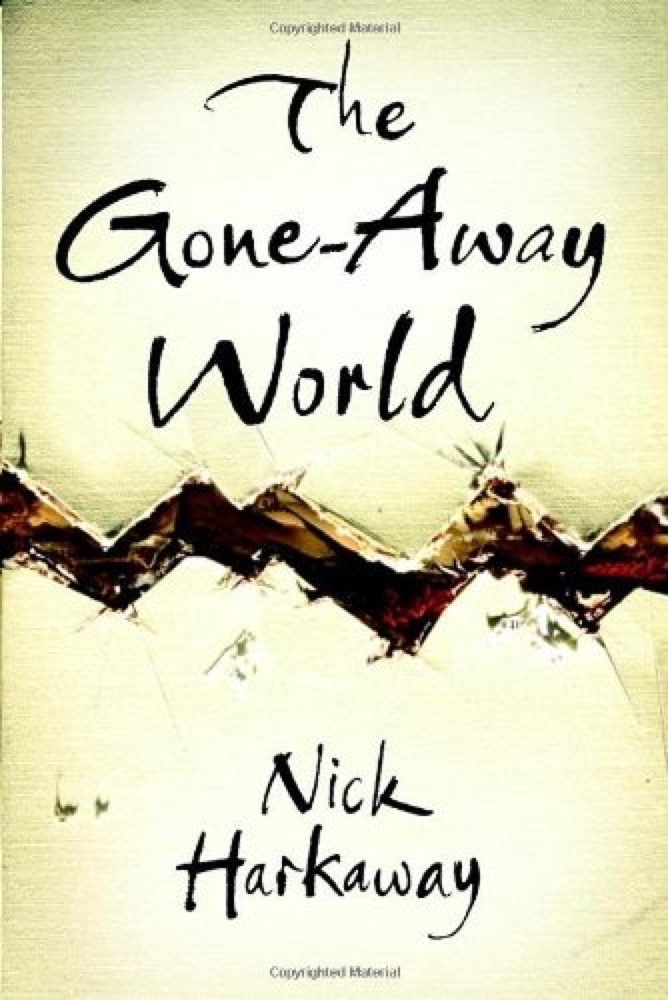 The Gone-Away World
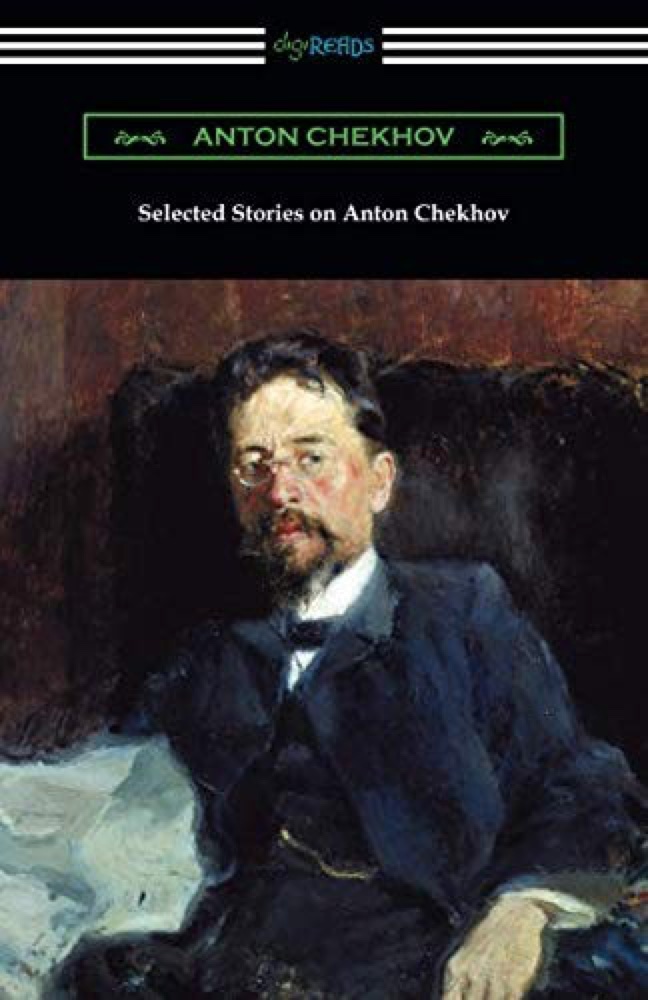 Selected Stories of Anton Chekhov
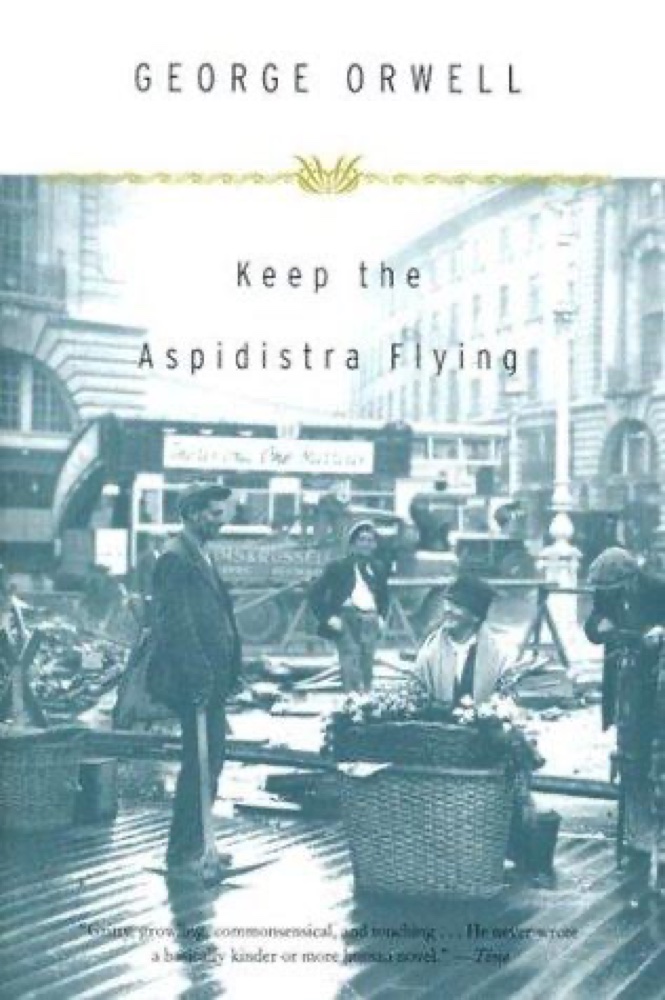 Keep the Aspidistra Flying
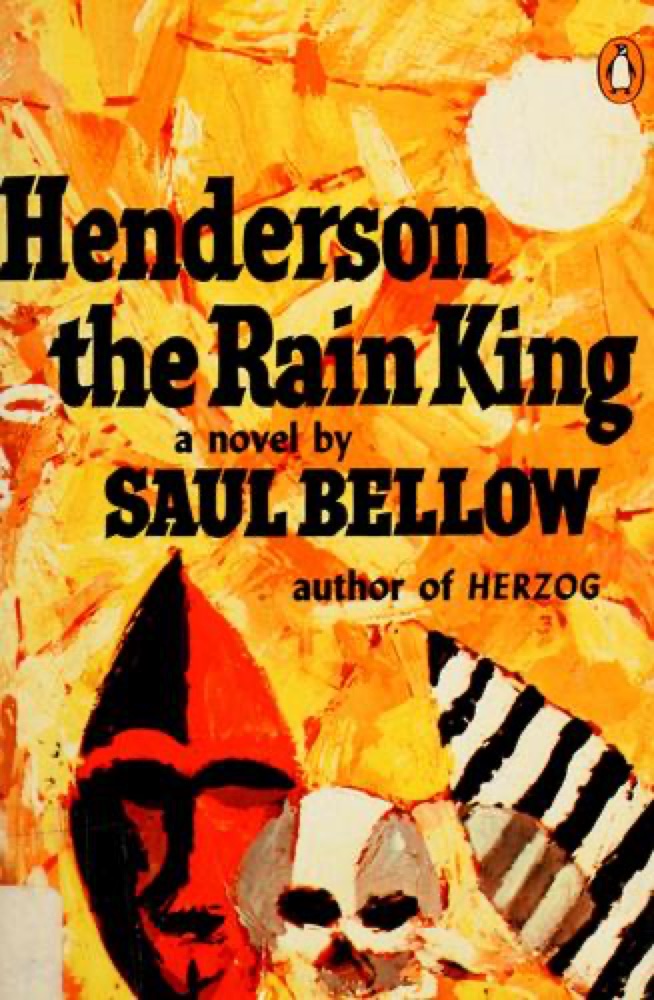 Henderson the Rain King
 The Complete Stories
 The Complete Short Stories
 City of Thieves
 In the Heart of the Heart of the Country and Other Stories
 The Sandman: Endless Nights
 The Graveyard Book
 People of the Book
 Miss Lonelyhearts
 The Name of the Wind
 Omensetter's Luck
 Betting on the Muse: Poems & Stories
 The Notebooks of Malte Laurids Brigge
 The Broken Eye
 The Emperor of Gladness
 The Dream Songs
 A Single Man
 His Dark Materials
 Independent People
 London Fields
 Pandemonium
 The Vampire Lestat
 The Raw Shark Texts
 Atemschaukel
 Notes From The Tilt-A-Whirl: Wide-Eyed Wonder in God's Spoken World
 The Dragonbone Chair
 Lord of Shadows
 The Telling
 There but for the
 All of Us: The Collected Poems
 Always Coming Home
 Johnny Panic and the Bible of Dreams: Short Stories, Prose and Diary Excerpts
 The Crippled God
 Dearly
 Beauty and the Mustache
 The Plover
 The Blind Assassin