
 The Post-Birthday World
Quotes from the Book
...You can only subject people to anguish who have a conscience. You can only punish people who have hopes to frustrate or attachments to sever; who worry what you think of them. You can really only punish people who are already a little bit good.
I thought at the time that I couldn't be horrified anymore, or wounded. I suppose that's a common conceit, that you've already been so damaged that damage itself, in its totality, makes you safe.
Children live in the same world we do. To kid ourselves that we can shelter them from it isn't just naive it's a vanity.
It's far less important to me to be liked these days than to be understood.
You can call it innocence, or you can call it gullibility, but Celia made the most common mistake of the good-hearted: she assumed that everyone else was just like her.
In a country that doesn't discriminate between fame and infamy, the latter presents itself as plainly more achievable.
Though surely to avoid attachments for fear of loss is to avoid life.
Expectations are dangerous when they are both too high and unformed.
I didn't care about anything. And there's a freedom in apathy, a wild, dizzying liberation on which you can almost get drunk. You can do anything. Ask Kevin.
The discovery that heartbreak is indeed heartbreaking consoles us about our humanity.
I realize it's commonplace for parents to say to their child sternly, 'I love you, but I don't always like you.' But what kind of love is that? It seems to me that comes down to, 'I'm not oblivious to you - that is, you can still hurt my feelings - but I can't stand having you around.' Who wants to be loved like that? Given a choice, I might skip the deep blood tie and settle for being liked. I wonder if wouldn't have been more moved if my own mother had taken me in her arms and said, 'I like you.' I wonder if just enjoying your kid's company isn't more important.
Yet if there's no reason to live without a child, how could there be with one? To answer one life with a successive life is simply to transfer the onus of purpose to the next generation; the displacements amounts to a cowardly and potentially infinite delay. Your children's answer, presumably, will be to procreate as well, and in doing so to distract themselves, to foist their own aimlessness onto their offspring.
Okay, it's like this. You wake up, you watch TV, and you get in the car and you listen to the radio. You go to your little job or your little school, but you're not going to hear about that on the 6:00 news, since guess what. Nothing is really happening. You read the paper, or if you're into that sort of thing you read a book, which is just the same as watching only even more boring. You watch TV all night, or maybe you go out so you can watch a movie, and maybe you'll get a phone call so you can tell your friends what you've been watching. And you know, it's got so bad that I've started to notice, the people on TV? Inside the TV? Half the time they're watching TV. Or if you've got some romance in a movie? What to they do but go to a movie? All those people, Marlin," he invited the interviewer in with a nod. "What are they watching?" After an awkward silence, Marlin filled in, "You tell us, Kevin." "People like me.
Funny how you dig yourself into a hole by the teaspoon.
I was mortified by the prospect of becoming hopelessly trapped in someone else's story.
Holocausts do not amaze me. Rapes and child slavery do not amaze me. And Franklin, I know you feel otherwise, but Kevin does not amaze me. I am amazed when I drop a glove in the street and a teenager runs two blocks to return it. I am amazed when a checkout girl flashes me a wide smile with my change, though my own face had been a mask of expedience. Lost wallets posted to their owners, strangers who furnish meticulous directions, neighbors who water each other's houseplants - these things amaze me.
How lucky we are, when we're spared what we think we want!
Teachers were both blamed for everything that went wrong with kids and turned to for their every salvation. This dual role of scapegoat and savior was downright messianic but even Jesus was probably paid better.
People seem to get used to anything, and it is a short step from adaptation to attachment.
But indifference would ultimately commend itself as a devastating weapon.
It's always the mother's fault, ain't it?" she said softly, collecting her coat. "That boy turn out bad cause his mama a drunk, or she a junkie. She let him run wild, she don't teach him right from wrong. She never home when he back from school. Nobody ever say his daddy a drunk, or his daddy not home after school. And nobody ever say they some kids just damned mean. ...
Only a country that feels invulnerable can afford political turmoil as entertainment.
That boy hardly needed a mask when his naked face was already impenetrable.
I was suffering from the delusion that it's the thought that counts.
Kevin was a shell game in which all three cups were empty.
It's an apathy so absolute that it's like a hole you might fall in.
Funny how the nature of a normal day is the first memory to fade.
Built like an oak tree, against which I could pitch my pillow and read; mornings, I could curl into the crook of your branches.
We'd been assured it wouldn't be painful, though she might experience 'discomfort,' a term beloved of the medical profession that seems to be a synonym for agony that isn't yours.
Had I catalogued the downsides of parenthood, "son might turn out to be a killer" would never have turned up on the list. Rather, it might have looked something like this: 1. Hassle. 2. Less time just the two of us. (Try no time just the two of us.) 3. Other people. (PTA meetings. Ballet teachers. The kid's insufferable friends and their insufferable parents.) 4. Turing into a cow. (I was slight, and preferred to stay that way. My sister-in-law had developed bulging varicose veins in her legs during pregnancy that never retreated, and the prospect of calves branched in blue tree roots mortified me more than I could say. So I didn't say. I am vain, or once was, and one of my vanities was to feign that I was not.) 5. Unnatural altruism: being forced to make decisions in accordance with what was best for someone else. (I'm a pig.) 6. Curtailment of my traveling. (Note curtailment. Not conclusion.) 7. Dementing boredom. (I found small children brutally dull. I did, even at the outset, admit this to myself.) 8. Worthless social life. (I had never had a decent conversation with a friend's five-year-old in the room.) 9. Social demotion. (I was a respected entrepreneur. Once I had a toddler in tow, every man I knew--every woman, too, which is depressing--would take me less seriously.) 10. Paying the piper. (Parenthood repays a debt. But who wants to pay a debt she can escape? Apparently, the childless get away with something sneaky. Besides, what good is repaying a debt to the wrong party? Only the most warped mother would feel rewarded for her trouble by the fact that at last her daughter's life is hideous, too.)
Did you know?
- The novel is written entirely as letters from the narrator, Eva, to her estranged husband, Franklin.
- It won the 2005 Orange Prize for Fiction, now known as the Women's Prize for Fiction.
- The story is set in the aftermath of a school massacre committed by Eva and Franklin's son, Kevin.
- It was adapted into a 2011 film directed by Lynne Ramsay, starring Tilda Swinton as Eva.
- The book has sold over a million copies worldwide despite a slow initial start.
About Lionel Shriver
Lionel Shriver is an American author and journalist, born in North Carolina in 1957. She wrote several novels before achieving broad recognition with We Need to Talk About Kevin, which won the 2005 Orange Prize for Fiction.
More about the author →More by Lionel Shriver
All books by Lionel Shriver →

About the book
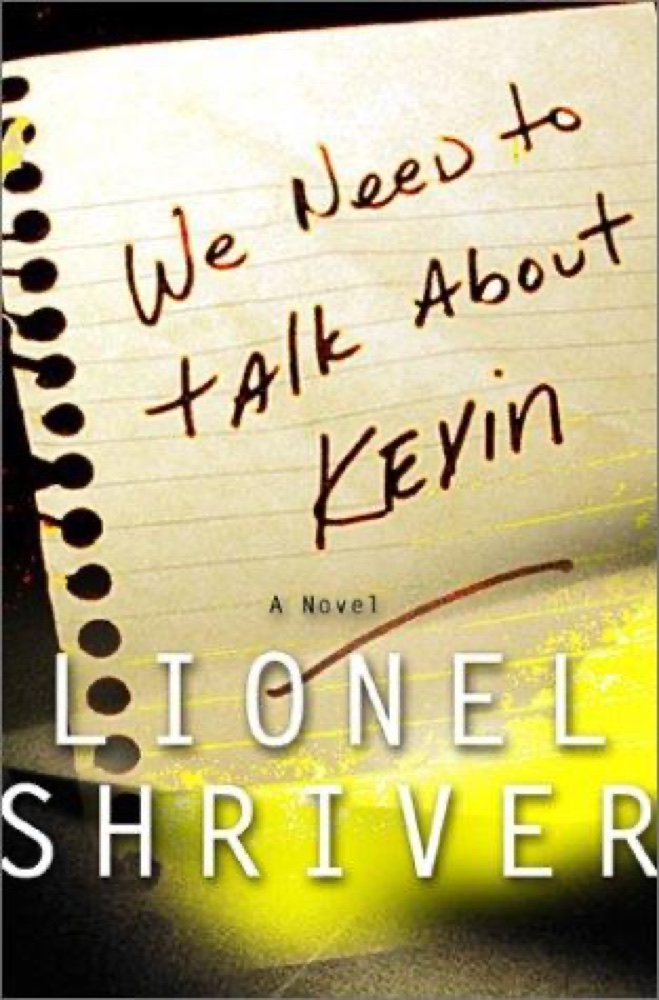
We Need to Talk About Kevin is a 2003 novel by Lionel Shriver, told as a series of letters from Eva Khatchadourian to her estranged husband, Franklin. In them, Eva reconstructs her ambivalence about becoming a mother and her fraught relationship with their son, Kevin, in the aftermath of the school massacre he committed two days before his sixteenth birthday. The epistolary form lets Eva circle back over her marriage, her abandoned travel-writing career, and the question of whether she saw the catastrophe coming.
The novel probes maternal ambivalence, nature versus nurture, and the apportioning of blame after an act of horrific violence. Because everything is filtered through Eva's guilt-ridden, self-questioning voice, the reader is never given a settled answer as to whether Kevin was born damaged or made so, and how much responsibility Eva herself bears. Shriver uses the taboo of a mother who cannot love her child to interrogate cultural assumptions about parenthood and unconditional love.
The book became an international bestseller and won the 2005 Orange Prize for Fiction (now the Women's Prize), bringing Shriver wide recognition after a slow start in sales. Its unsettling treatment of a fictional high-school shooting and of maternal doubt made it a frequent book-club and discussion title, and it was adapted into a 2011 film directed by Lynne Ramsay and starring Tilda Swinton.
Key characters
- Eva KhatchadourianNarrator and mother; a former travel writer reckoning with her son's crime
- Kevin KhatchadourianEva and Franklin's son, who commits a school massacre
- Franklin PlaskettEva's husband and Kevin's father, who resists seeing anything wrong with Kevin
- CeliaEva and Franklin's younger daughter
Book details
- First published
- 2003
- Length
- 400 pages
- Reading time
- 24 hours
- Author
- Lionel Shriver
- Genre
- Fiction
- Goodreads rating
- 4.08 (220k ratings) →
- First line
- “Dear Franklin, I'm unsure why one trifling incident this afternoon has moved me to write to you.”
Movie & TV adaptations
- IMDb
If you liked this, read…
- 1Defending JacobA parent confronts the possibility that their child committed a terrible crime
- 2Lionel Shriver's So Much for ThatAnother socially probing, morally complex novel by the same author
Keep reading
 A Fraction of the Whole
 We Are All Completely Beside Ourselves
![What Was She Thinking? [Notes on a Scandal]](/i/book/g/08/what-was-she-thinking-notes-on-a-scandal.jpg) What Was She Thinking? [Notes on a Scandal]
What Was She Thinking? [Notes on a Scandal]
 Infinite Jest
 The Sweet Hereafter
 By Nightfall
 The Winter of Our Discontent
 The Likeness
 Special Topics in Calamity Physics
 Ilustrado
 Bruiser
 The Story of the Lost Child
 The Brothers K
 The Human Stain
 Release
 The Story of a New Name
 In the Miso Soup
 The Fall of Babel
 Suspect
 The Mandarins
 Without Merit
 The Nix
 Revolutionary Road
 An Absolutely Remarkable Thing
 They Call Her Dirty Sally
 Paper Towns
 The Sympathizer
 The Quiet American
 The Year of the Flood
 Rot & Ruin
 The Green Mile
 The Jewel in the Crown
 Ordinary People
 Hold Tight
 We Learn Nothing
 A Stolen Life
 The Handmaid's Tale
 Tricks for Free
 Oblivion
 UnWholly
 Autobiography
 The Children of Men
 Drowning Instinct
 How to Be Good
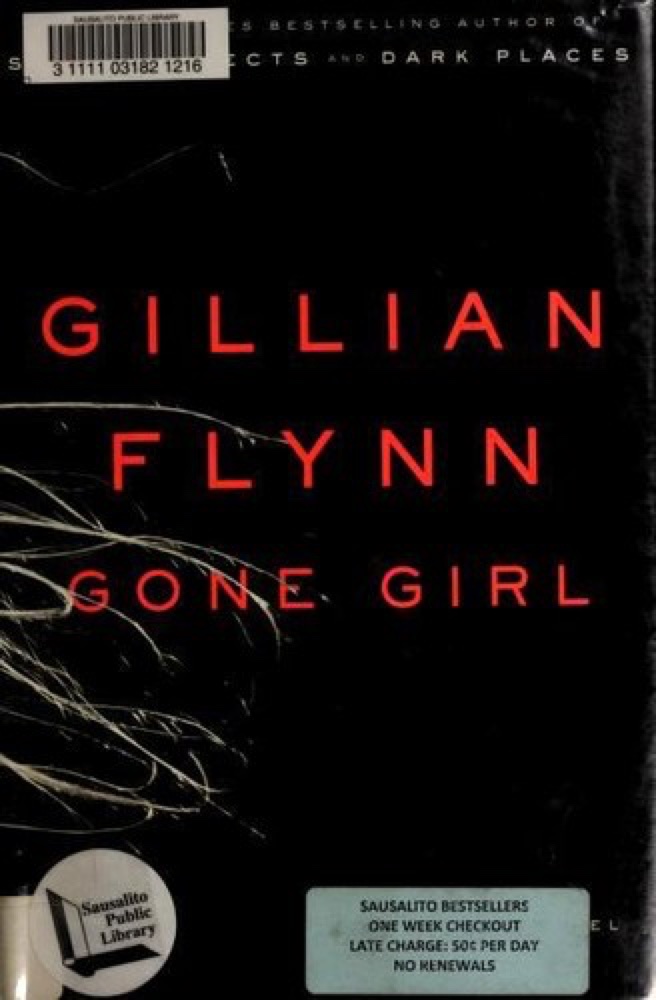 Gone Girl
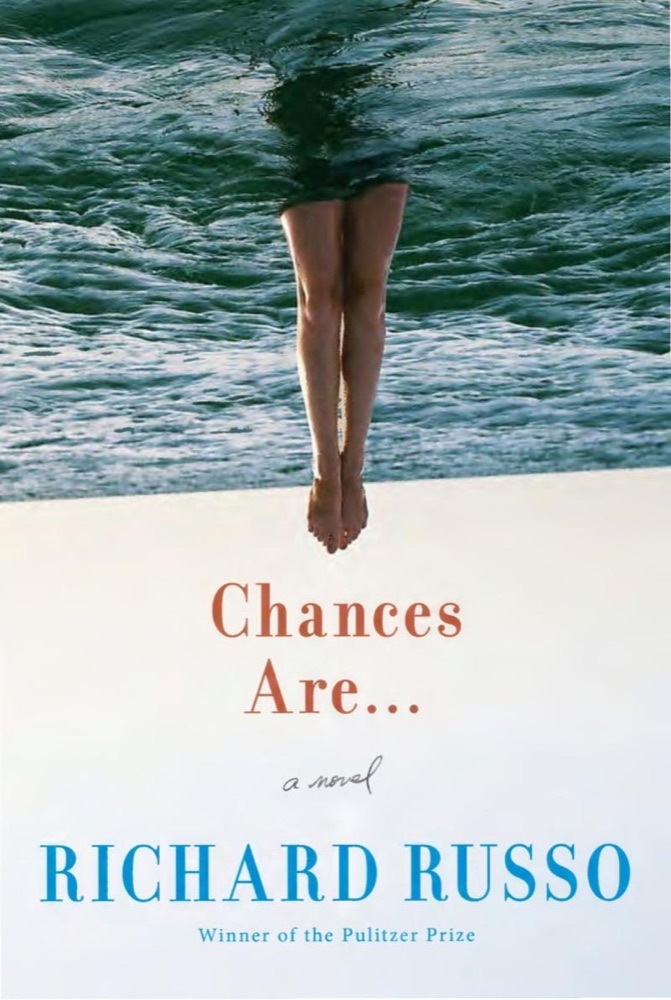 Chances Are...
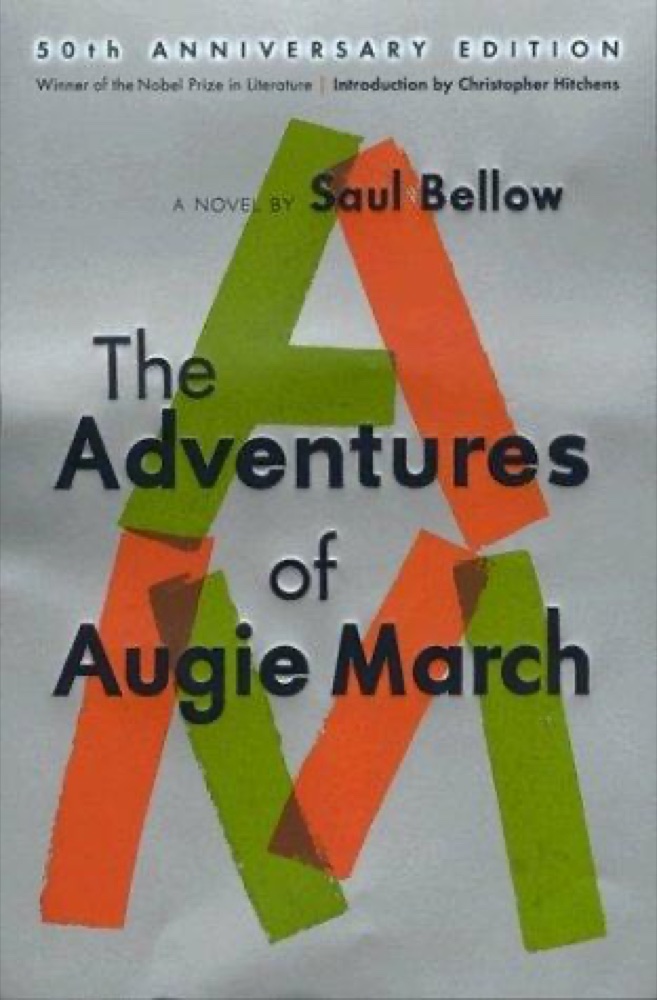 The Adventures of Augie March
 False Memory
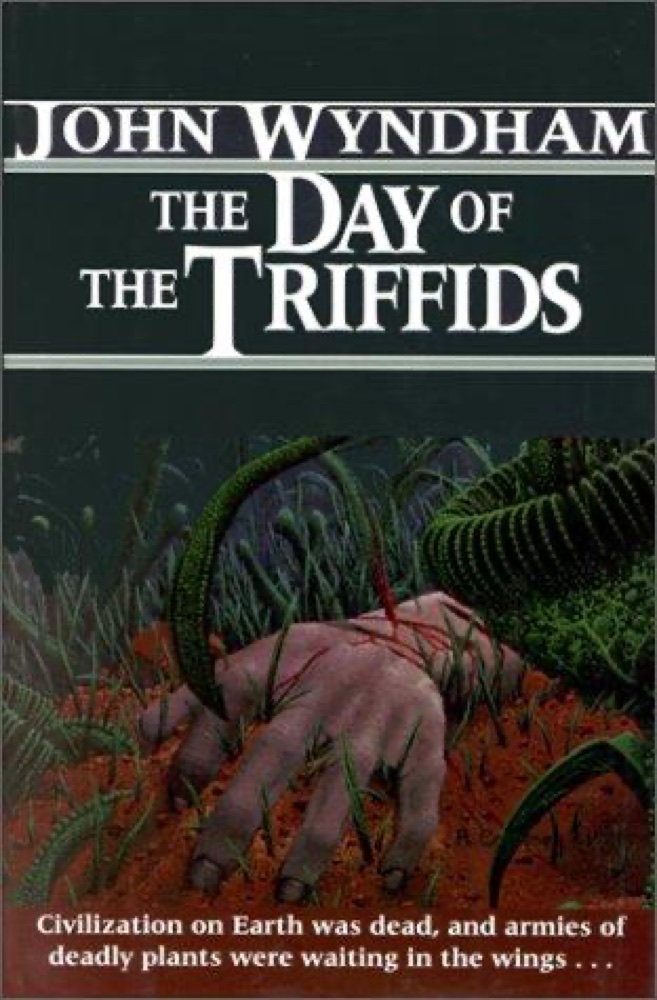 The Day of the Triffids
 Gaudy Night
 The Beginning of Everything
 The Imperfectionists
 The Adolescent
 Coinman: An Untold Conspiracy
 The Tsar of Love and Techno
 The Bone Clocks
 One Hundred Names
 Perfect Match
 We Were Liars