
 Mr. Fox
Quotes from the Book
I know how betrayal and disillusionment feel, when someone who could give you the world refuses even a tiny piece of it.
The goal with teenagers is simply getting through it alive, with no permanent damage.
The Chicago winter is harsh. But every now and then God blesses us with a thirty-or forty-degree day to remind us that misery comes and goes.
But he holds me so tightly that for a moment, the emotions are at bay. The sadness and fear, the regret and the loathing. He bottles them up inside his arms so that for a split second I don’t have to be the one carrying the weight of them. For this moment, the burden is his.
Teenagers believe they’re invincible—nothing bad can happen. It isn’t until later that we realize that bad things do, in fact, happen.
That I love her. That I’m sorry.
As it was, being a bad mother was child’s play compared to being a good mother, which was an incessant struggle, a lose-lose situation 24 hours a day; long after the kids were in bed the torment of what I did or didn’t do during those hours we were trapped together would scourge my soul.
We fall into oblivion this way, into a world where nothing matters. Nothing but us.
The weathermen warn us for days of the impending snowstorm that's to arrive Thursday night. The grocery stores have run out of bottle water as people prepare to take shelter in their homes; my God, I think, it's winter, an annual certainty, not the atomic bomb.
His arms wrap around me from behind, and my heart rhythm slows to a steady jog. His chin rests on the top of my head, and my breath comes back to me, oxygen filling my lungs.
She said something to you and you smiled and I thought to myself that I'd never seen anything so... I don't know... I'd never seen anything so beautiful in my life.
What did you want?” she asks. What I wanted was a dad. Someone to take care of my mother and me, so I didn’t have to do it myself. But what I tell her is Atari.
There was a time in my life when the eyes of men followed me. When men thought I was beautiful. When I passed through a room on the arm of James Dennett and every man and his covetous wife turned to stare. I feel the detective’s arms around me still, the reassurance and compassion, the warmth of his flesh. But now he stands feet away and I find myself staring at the floor. His hand comes to my chin. He lifts my face, forces me to see him. “Mrs. Dennett,” he says, and then he starts again, knowing I’m not quite looking. I can’t. I’m too ashamed to see what’s in his eyes. “Eve.” I look and there’s no anger, no scorn. “There isn’t anything in the world that I’d rather do. It’s just that...under the circumstances...” I nod. I know. “You’re an honorable man,” I say. “Or a good liar.
She says that the sky was the color of persimmon and sangria, shades of red only God could make.
The ducks and geese fly overhead. Everyone is leaving me.
Beethoven wrote Für Elise around 1810, though Elise was actually supposed to be Therese, a woman he was to marry in the same year. Before
But mostly I think of the things I didn’t do.
I didn't set out to be a bad mother, however. It just happened. As it was, being a bad mother was child's play compared to being a good mother, which was an incessant struggle, a lose-lose situation 24 hours a day; long after the kids were in bed the torment of what I did or didn't do during those hours we were trapped together would scourge my soul.
According to research, people who live with animals have decreased anxiety and lower blood pressure. They have lower cholesterol. They are more relaxed and less stressed and are, overall, in better health. Unless of course you have a dog who pees uncontrollably wherever it wishes or eats your furniture to shreds.
She’s disoriented, her visions cluttered, random memories running adrift in her mind.
But if I wanted to atone, I would have bought her that sketch pad.
an artist. My mother’s deluded sense of reality.” What pisses me off is that she talks like she got the short end of the stick. Like her life is full of hard knocks. She doesn’t have a fucking clue what tough luck is like. I think of the mint-green trailer home, of sitting out a storm in a makeshift shelter while we watched our home blow over. “I’m supposed to feel sorry for you?” I ask. A bird begins to warble. In the distance, another returns its call. Her voice is quiet. “I never asked you to feel sorry for me. You asked a question. I gave you an answer,” she confides. “You’re just full of self-pity, aren’t you?” “It isn’t like that.” “Always the victim.” I’m unsympathetic. This girl doesn’t know a damn thing about tough luck. “No,” she hisses at me. She thrusts the fishing rod into my hands. “Take it,” she says. She unzips
Mi intuición, sin embargo, me dice que algo le ha sucedido a mi hija. Algo malo.
I've been following her for the last few days. I know where she buys her groceries where she has her dry cleaning done, where she works. I've never spoken to her. I wouldn't recognize the sound of her voice. I don't know the color of her eyes or what they look like when she's scared. But I will.
She says that she used to enjoy, when darkness set in, when the outside world changed. She describes it for me: the way the streetlights and buildings twinkled in the night sky. She says that she liked the anonymity of it, and all the possibilities that developed when the sun went to sleep. But now the darkness terrifies her, all the nameless things on the other side of the silk drapes.
I watch the way her skin becomes red from the cold. The way her hair blows around in the breeze. She tucks it behind an ear, hoping to contain it, but it doesn't work. Not all things like to be contained.
I wonder if she could ever this right. This scene. In her sketch pad. The shape of the blue lake and the leaves spilled across the ground. The forest-green pine and evergreen trees. The enormous sky. Could she ever get the wind whipping through the remains of trees? Could she draw the cold air that eats at our hands and ears until they burn?
But he holds me so tightly that for a moment, the emotions are at bay. The sadness and fear, the regret and the loathing. He bottles them up inside his arms so that for a split second I don't have to be the one carrying the weight of them. For this moment, the burden is his.
Did you know?
- The Good Girl was Mary Kubica's debut novel, published on July 29, 2014.
- The story is told through alternating perspectives and a split 'before' and 'after' timeline centered on Mia's rescue.
- Mia herself narrates for the first time only in the final scenes of the novel.
- The book was published by MIRA, an imprint of Harlequin.
- Mary Kubica's novels have since been translated into more than thirty languages and sold millions of copies worldwide.
About Mary Kubica
Mary Kubica is an American author of psychological thrillers. The Good Girl was her debut novel, and she has since become a New York Times and USA Today bestselling author whose work has been translated into more than thirty languages.
More about the author →About the book
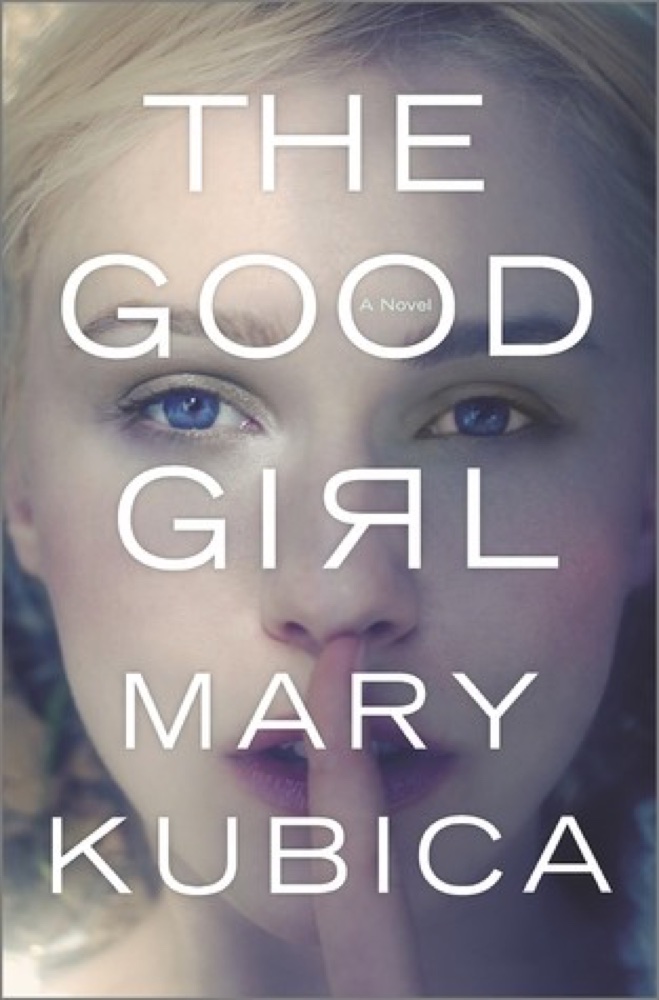
The Good Girl is Mary Kubica's 2014 debut psychological thriller. It follows Mia Dennett, the rebellious daughter of a prominent Chicago judge who works as an inner-city art teacher. One night, after her on-again, off-again boyfriend fails to show at a bar, Mia leaves with an enigmatic stranger named Colin Thatcher. Colin had been hired to abduct her as part of an extortion plot and hand her over to his employers, but instead he takes an unexpected turn and hides her in a secluded cabin in rural Minnesota, evading both the police and his dangerous superiors.
The narrative unfolds through alternating perspectives and a fractured timeline, moving between the moments before and after Mia's rescue and centering on the return of her memory after weeks of amnesia. Mia's mother, Eve, and detective Gabe Hoffman work desperately to find her, while the reader pieces together what happened in the cabin. Kubica builds suspense by withholding Mia's own voice until late in the book, using the gap between the 'before' and 'after' sections to keep the truth of events uncertain.
Marketed as a compulsive debut in the vein of domestic suspense, The Good Girl explores family dysfunction, class, and the hidden fault lines beneath a seemingly perfect family. Its success launched Mary Kubica's career as a bestselling thriller writer whose books have since been translated into more than thirty languages and sold millions of copies worldwide.
Key characters
- Mia DennettYoung art teacher and daughter of a Chicago judge who is abducted
- Colin ThatcherThe enigmatic stranger hired to abduct Mia who instead hides her away
- Eve DennettMia's mother, determined to find her missing daughter
- James DennettMia's father, a prominent Chicago judge
- Gabe HoffmanDetective investigating Mia's disappearance
- Grace DennettMia's sister
Book details
- First published
- 2014
- Length
- 352 pages
- Reading time
- 13 hours
- Author
- Mary Kubica
- Genre
- Fiction
- Goodreads rating
- 3.80 (291k ratings) →
If you liked this, read…
- 1Gone GirlA twist-driven psychological thriller about a family and a marriage that is not what it seems
- 2The Girl on the TrainDomestic suspense with unreliable memory and shifting perspectives
Keep reading
Mr. Fox
 Lisey's Story
 The Help
 Good Me, Bad Me
 The Siren
 All the Ugly and Wonderful Things
 Belong to Me
 We Are Okay
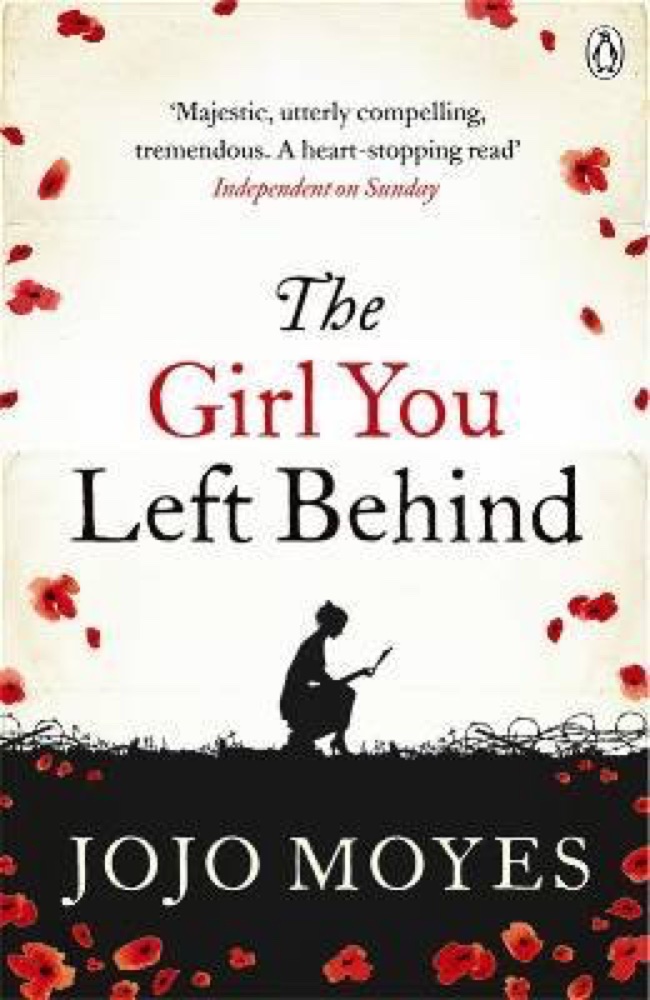 The Girl You Left Behind
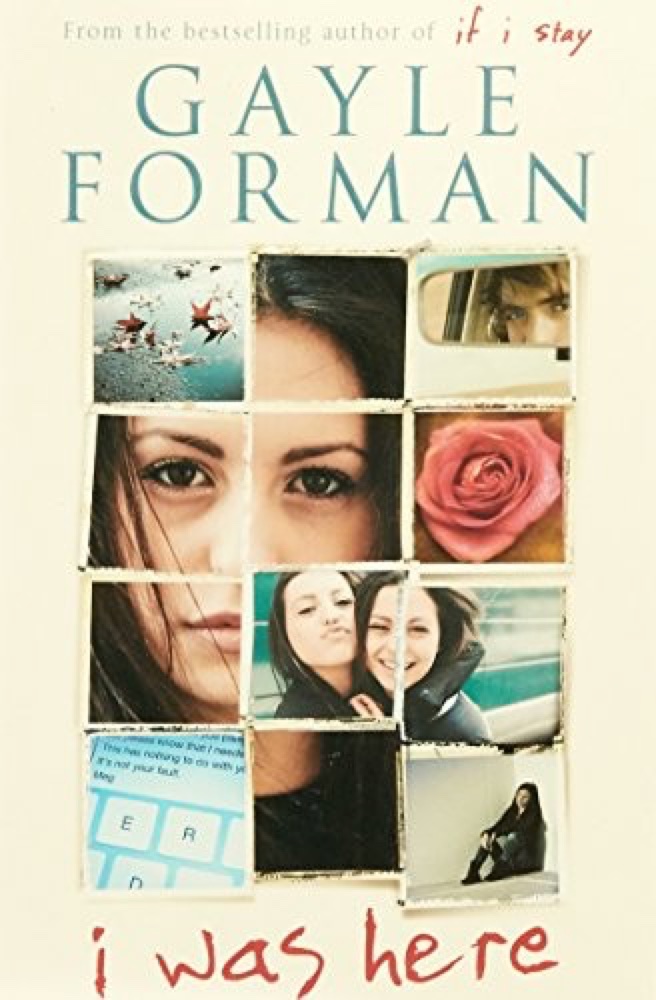 I Was Here
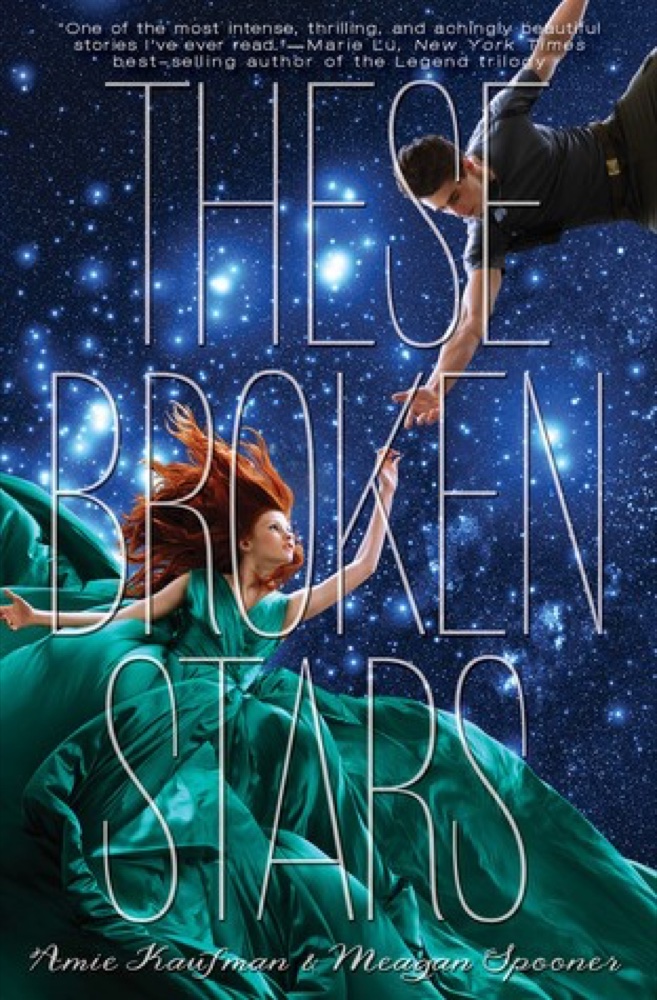 These Broken Stars
 Honey
Honey
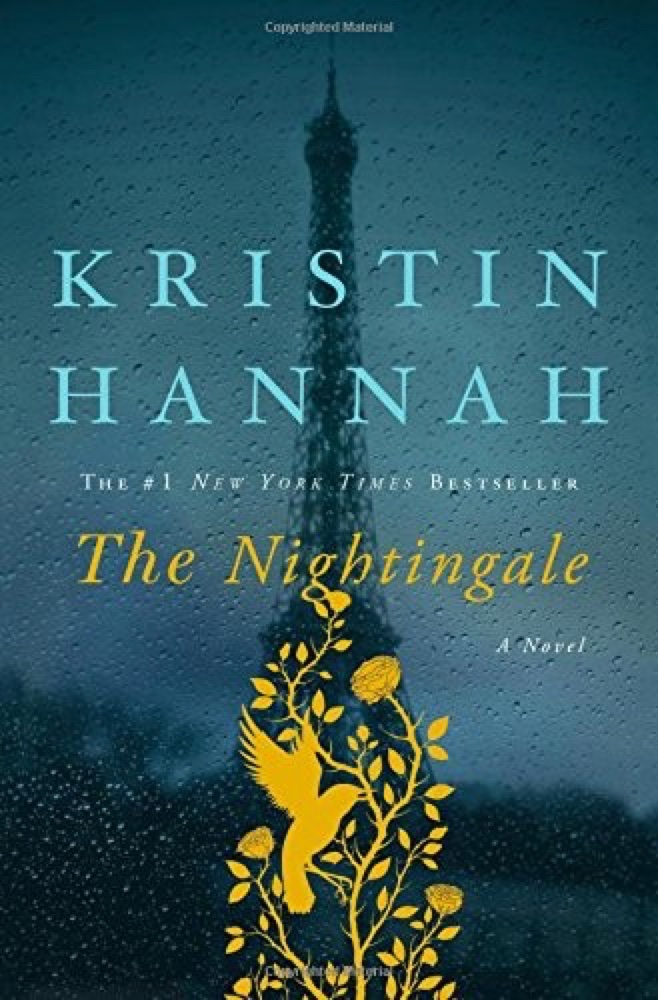 The Nightingale
 Her Body and Other Parties
 Dare Me
 Breakable
 Rebecca
 Light in the Shadows
 Looking for Alaska
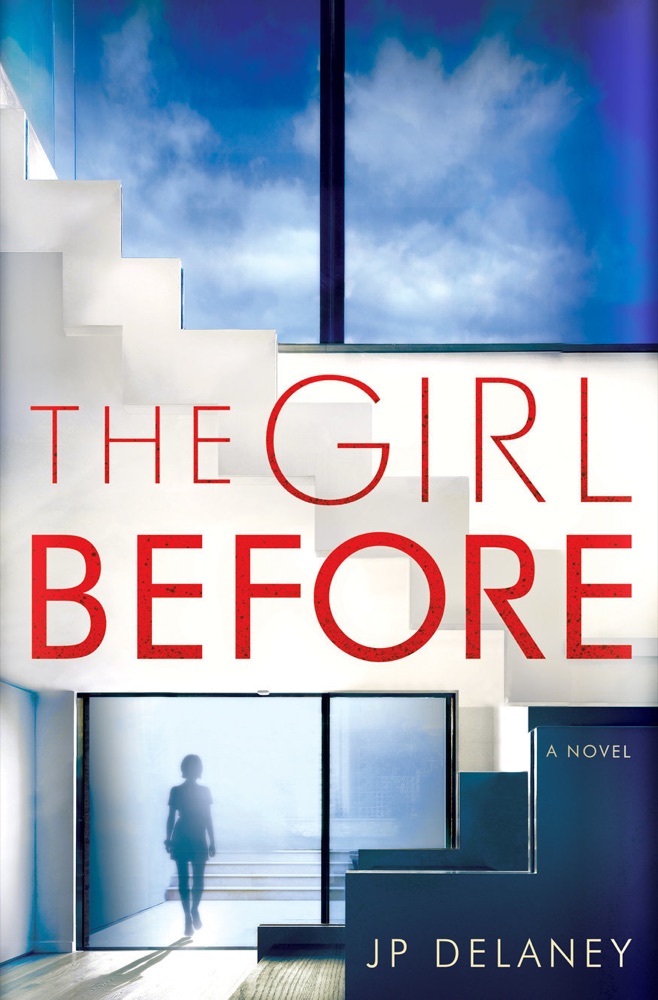 The Girl Before
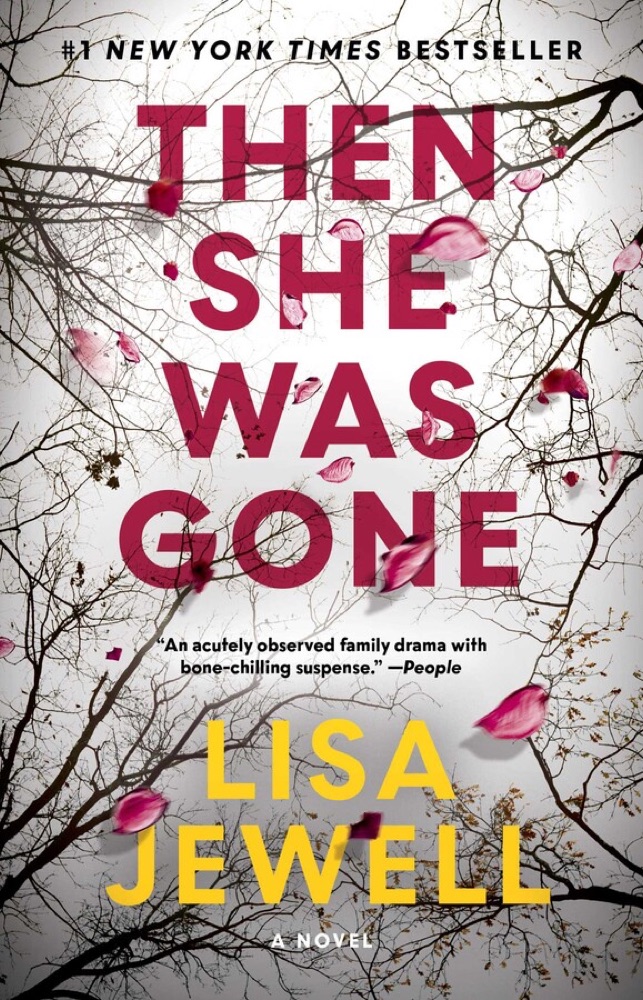 Then She Was Gone
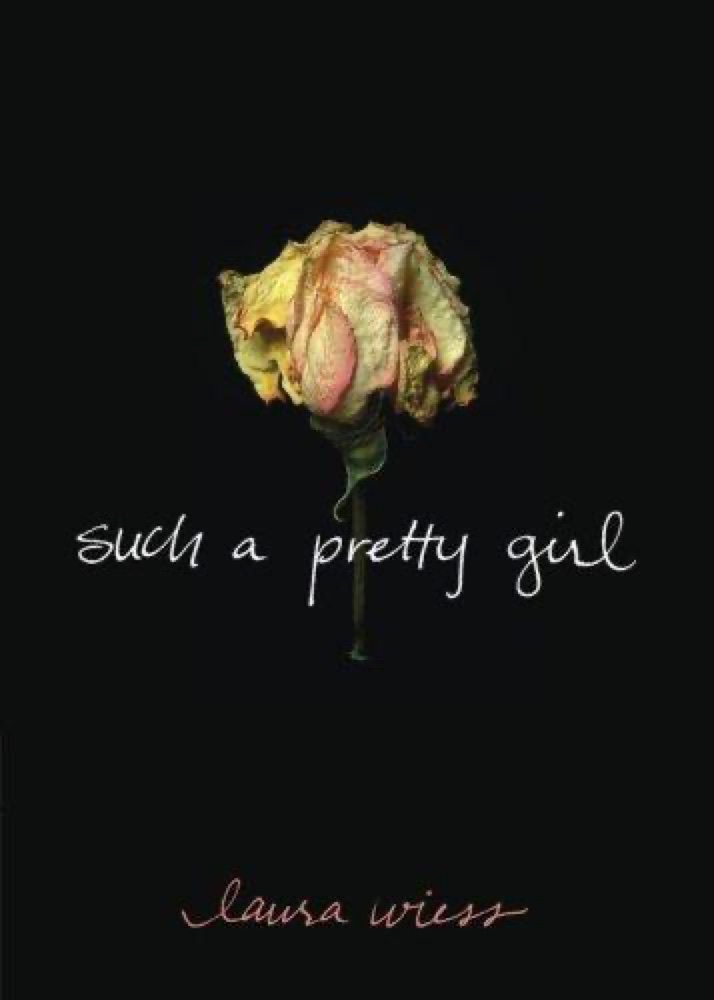 Such a Pretty Girl
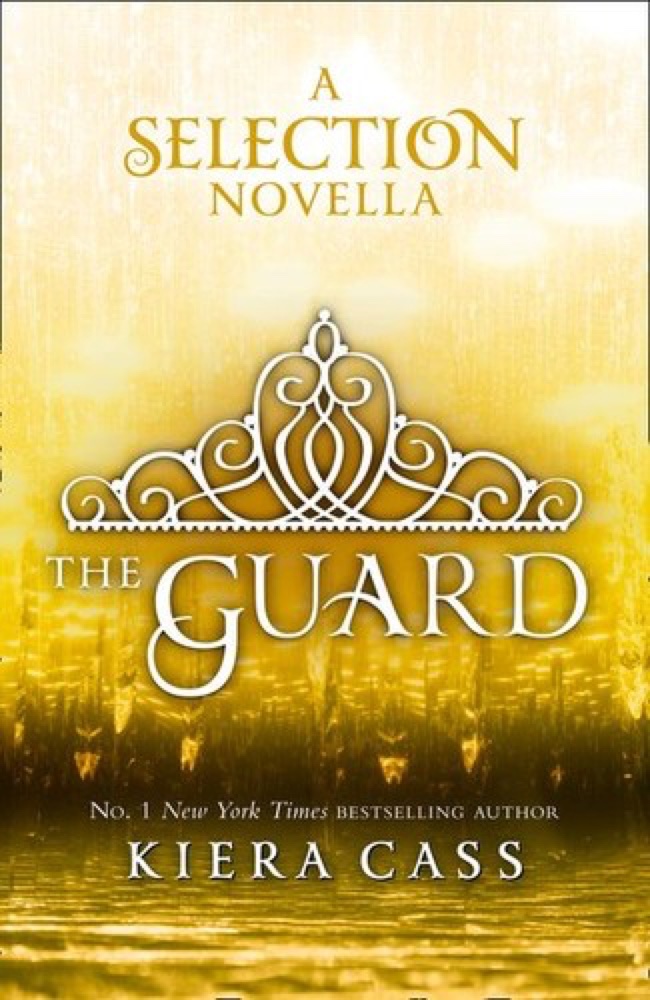 The Guard
 The First Bad Man
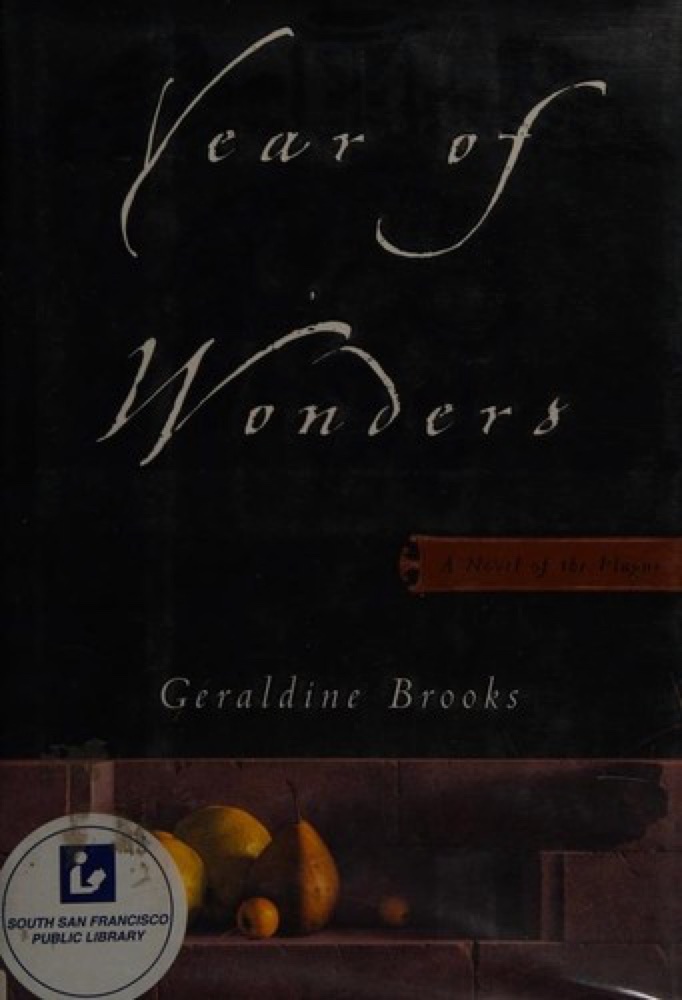 Year of Wonders
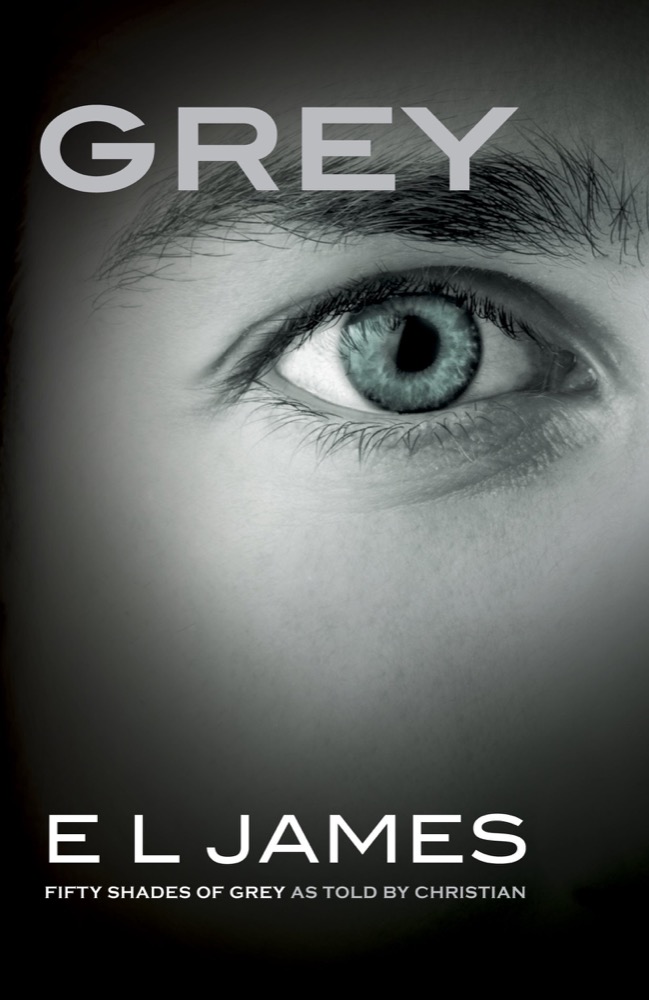 Grey
Grey
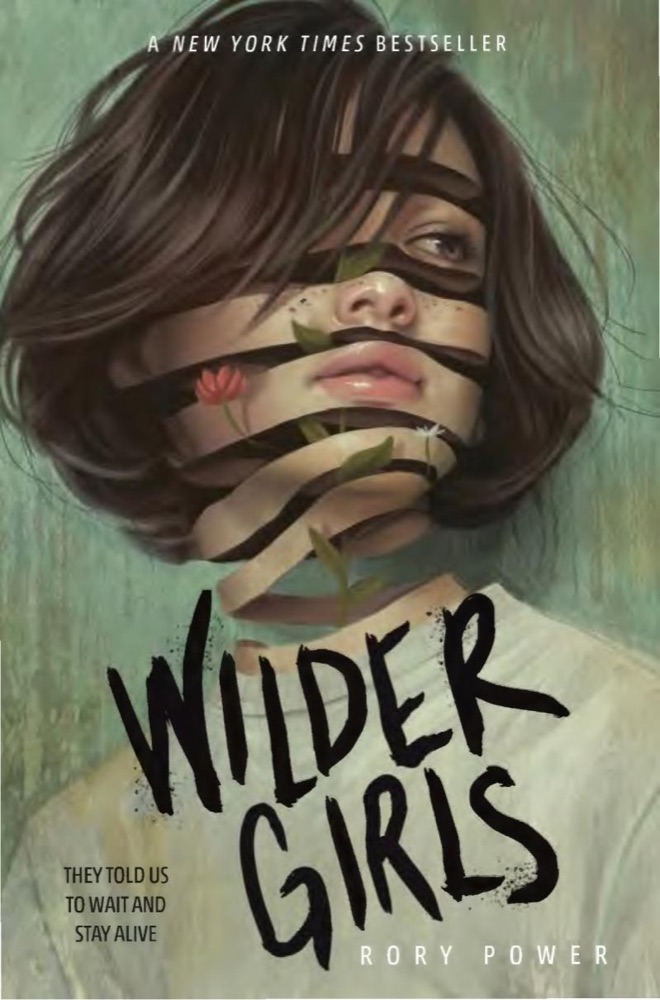 Wilder Girls
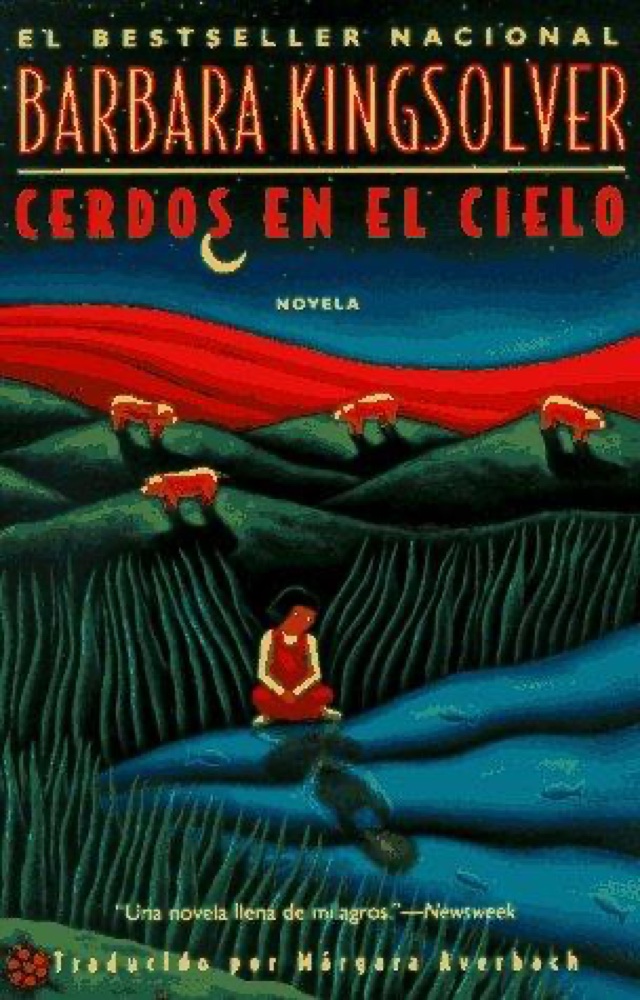 Pigs in Heaven
 Getting the Girl
 The Witching Hour
 Where She Went
 I Keep My Exoskeletons to Myself
 Winter Solstice
 The Sea of Tranquility
 You Know Where to Find Me
 Chasing Brooklyn
 Slide
Slide
 Linger
 Banyan Moon
 Good For You
 Two Serious Ladies
 The Void
 If Tomorrow Doesn't Come
 Cam Girl
 American Wife
 Hot Milk
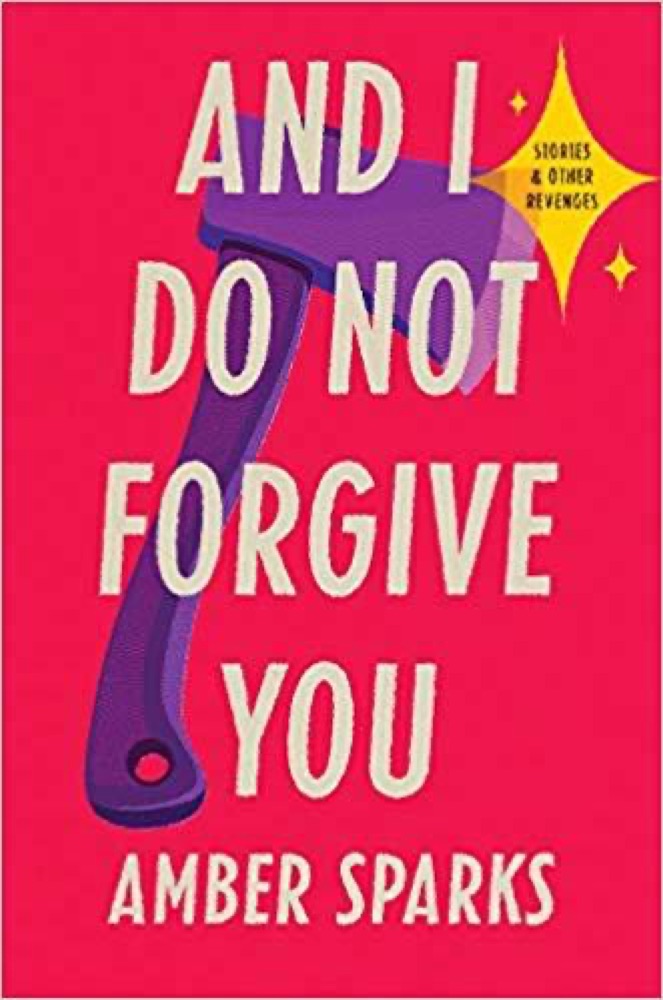 And I Do Not Forgive You: Stories & Other Revenges
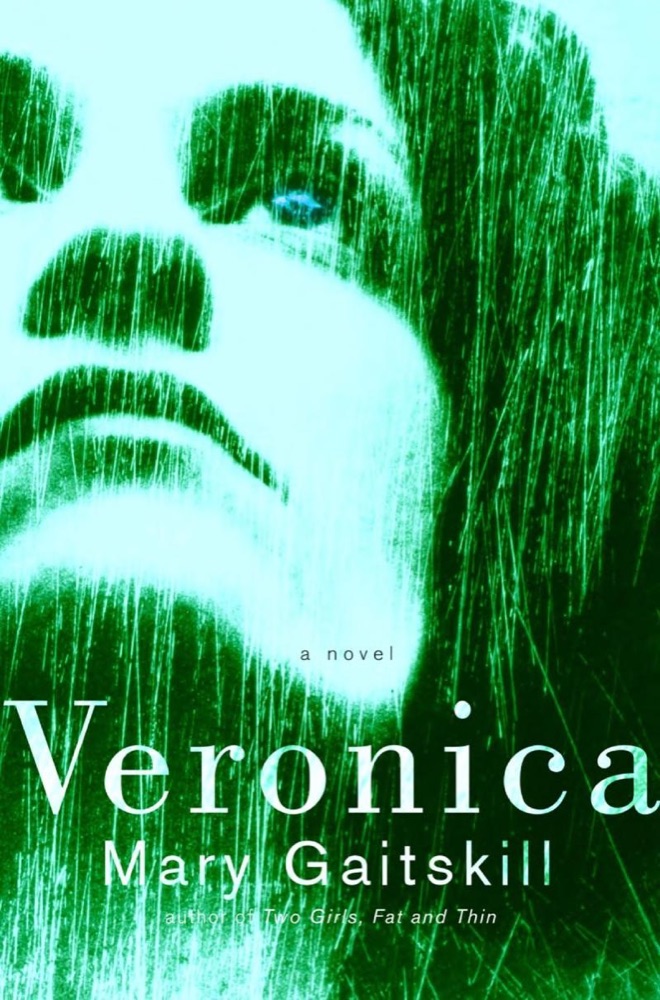 Veronica
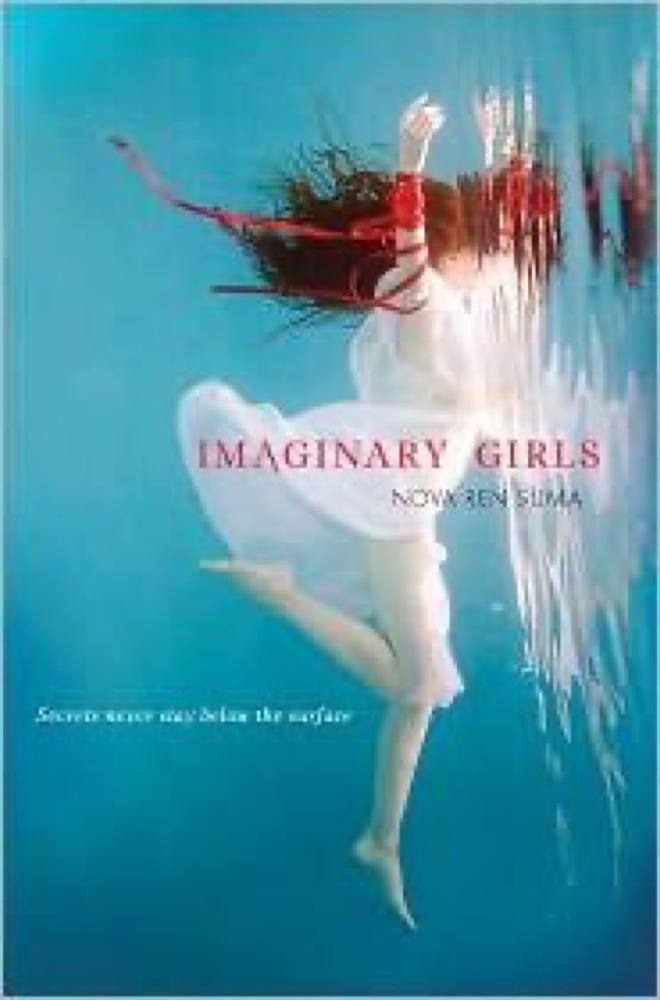 Imaginary Girls
 Beautiful Creatures
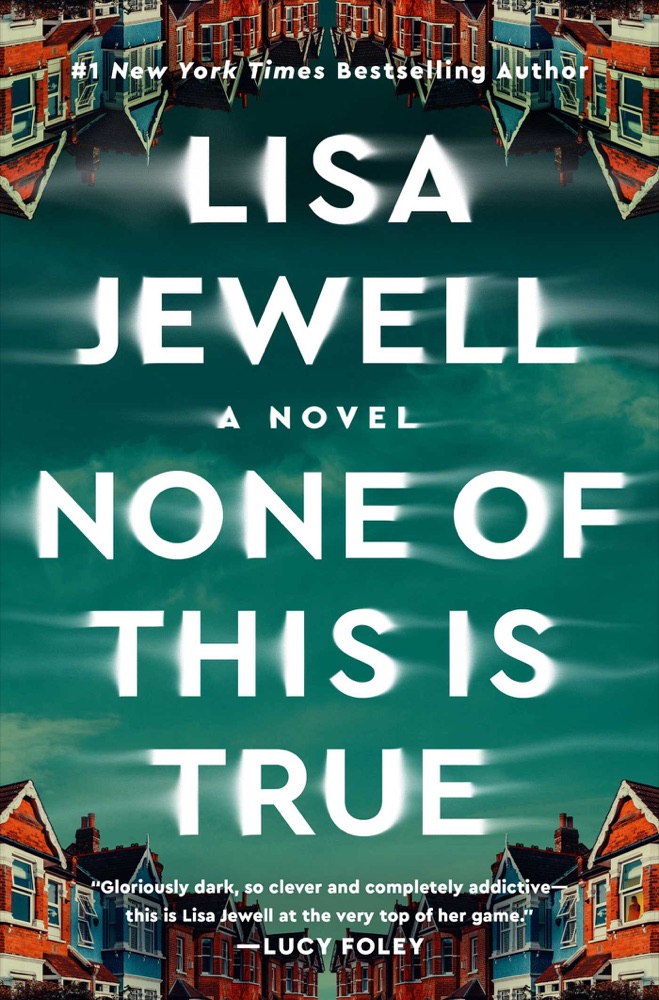 None of This Is True
 White Oleander
 The Reader
 The English Patient
 Lila
Lila
 Believe Me
 Hana
Hana
 The Return
 Where One Goes
 Into the Free