 The Simple Faith of Mister Rogers: Spiritual Insights from the World's Most Beloved Neighbor
Quotes from the Book
You rarely have time for everything you want in this life, so you need to make choices. And hopefully your choices can come from a deep sense of who you are.
25
Mister Rogers speaks directly into the camera to the little children who are quietly, intently watching: “It helps to say that you’re sad. Often it even helps to cry . . . let people know how you feel.” This is Rogers’s signature message: feelings are all right, whatever is mentionable is manageable, however confusing and scary life may become. Even with death and loss and pain, it’s okay to feel all of it, and then go on.
15
You don't set out to be rich and famous; you set out to be helpful.
14
It always helps to have people we love beside us when we have to do difficult things in life. —FRED ROGERS
12
The real issue in life is not how many blessings we have, but what we do with our blessings. Some people have many blessings and hoard them. Some have few and give everything away.
11
His lesson is as simple and direct as Fred was: Human kindness will always make life better.
7
What a difference one person can make in the life of another. It's almost as if he had said, 'I like you just the way you are.' - Fred Rogers
7
Our job in life,” he said at a graduation ceremony at Thiel College in Greenville, Pennsylvania, early in his career, in 1969, “is to help people realize how rare and valuable each one of us really is—that each of us has something that no one else has—or ever will have—something inside which is unique to all time. It’s our job to encourage each other to discover that uniqueness, and to provide ways of developing its expression.
6
Good people aren't always good. They just try to be.
5
The directions weren't written in invisible ink on the back of my diploma. They came ever so slowly for me; and ever so firmly I trusted that they would emerge. All I can say is, it's worth the struggle to discover who you really are.
5
Fred Rogers never—ever—let the urgency of work or life impede his focus on what he saw as basic human values: integrity, respect, responsibility, fairness and compassion, and of course his signature value, kindness.
4
One of the most radical figures of contemporary history never ran a country or led a battle. . . . He became a legend by wearing a cardigan and taking off his shoes. . . . Rogers was a genius of empathy . . . fearless enough to be kind.
4
In a now-famous Rogers dictum, delivered in speeches and in his books, he advises adults: “Please, think of the children first. If you ever have anything to do with their entertainment, their food, their toys, their custody, their day care, their health, their education – please listen to the children, learn about them, learn from them.
4
In a speech given at an academic conference at Yale University in 1972, Fred Rogers said, “The impact of television must be considered in the light of the possibility that children are exposed to experiences which may be far beyond what their egos can deal with effectively. Those of us who produce television must assume the responsibility for providing images of trustworthy available adults who will modulate these experiences and attempt to keep them within manageable limits.” Which is exactly what Rogers himself had tried to do with the production of Mister Rogers' Neighborhood.
4
And now here is my secret, a very simple secret: It is only with the heart that one can see rightly; what is essential is invisible to the eye.
3
I’m very much interested in choices, and what it is and who it is that enable us human beings to make the choices we make all though our lives. What choices lead to ethnic cleansing? What choices lead to healing? What choices lead to the destruction of the environment, the erosion of the Sabbath, suicide bombings, or teenagers shooting teachers? What choices encourage heroism in the midst of chaos?
3
For his part, Fred McFeely always made sure his grandson knew, directly and sincerely, how much he enjoyed his company. "Freddy, you make my day very special," McFeely frequently told the shy little boy, reminding him of his importance to the adults in his life.
3
There are, essentially, two compelling reasons why I believe the reading public should care about Fred and his work: First, he recognized the critical importance of learning during the earliest years. No one better understood how essential it is for proper social, emotional, cognitive, and language development to take place in the first few years of life. And no one did more to convince a mass audience in America of the value of early education. Second, he provided, and continues to provide, exemplary moral leadership. Fred Rogers advanced humanistic values because of his belief in Christianity, but his spirituality was completely eclectic; he found merit in all faiths and philosophies. His signature value was human kindness; he lived it and he preached it, to children, to their parents, to their teachers, to all of us everywhere who could take the time to listen.
3
You know, I loved children, I loved drama, I loved music, I loved whimsy, I loved puppetry." - Fred Rogers
2
Let people know how you feel.” This is Rogers’s signature message: feelings are all right, whatever is mentionable is manageable, however confusing and scary life may become. Even with death and loss and pain, it’s okay to feel all of it, and then go on. Fred Rogers
2
The white spaces between words are more important than the text, because they give you time to think about what you’ve read.”23 All his career, he emphasized the importance of listening; he felt that silence is a gift, as is what he called “graceful receiving.
2
Every original and innovator doesn’t have to have psychedelic hair. There’s a cliché version of who’s an original. It’s always somebody making a lot of noise, and being disruptive of some status quo. His originality spoke for itself.
2
Almost from the time he arrived in Hanover, New Hampshire, the gangly, somewhat nerdy, and idealistic young Fred Rogers felt out of place. By the time the bitter New Hampshire winter set in—lots of mornings below zero—he was miserable. Fred and Dartmouth were a mismatch from the first.
1
Many a young man has been led by such insecurities away from his passions toward something seemingly more secure.
1
Mister Rogers took his viewers on this little journey to show that even in the face of death, things move ahead. That's the essential message as he sits by the fish grave. Rogers never told grieving children that everything will be all right: no such simplistic reassurances. Instead he shared his feelings about death and loss, and the extraordinary truth, reaffirmed repeatedly throughout the program, that life does go on.
1
We can't always know what's behind a child's question. But if we let a child know we respect the question, we're letting that child know that we respect him or her. What a powerful way to say, 'I care about you!' - Fred Rogers
1
Mister Rogers’ Neighborhood won four Emmy awards, and Rogers himself was presented with a Lifetime Achievement Award at the 1997 Daytime Emmys, a scene that Junod describes movingly in his profile. After Fred Rogers went onstage to accept the award, he bowed and said into the microphone, “All of us have special ones who have loved us into being. Would you just take, along with me, ten seconds to think of the people who have helped you become who you are? . . . Ten seconds of silence.” Then, as Tom Junod recounted, “He lifted his wrist, and looked at the audience, and looked at his watch, and said softly, ‘I’ll watch the time,’ and there was, at first, a small whoop from the crowd, a giddy, strangled hiccup of laughter, as people realized that he wasn’t kidding, that Mister Rogers was not some convenient eunuch but rather a man, an authority figure who actually expected them to do what he asked . . . and so they did. “One second, two seconds, three seconds . . . and now the jaws clenched, and the bosoms heaved, and the mascara ran, and the tears fell upon the beglittered gathering like rain leaking down a crystal chandelier, and Mister Rogers finally looked up from his watch and said, ‘May God be with you’ to all his vanquished children.
1
Fred was deeply wounded when one of those friends decided that it offended his sense of ethics to socialize with people who came from a background of privilege and wealth. He dropped Fred, which, to Joanne’s annoyance, further worried Fred about his family’s money.
1
The conversations in poor families tended to be more perfunctory—“don’t do that, come here, put on your coat”—while in middle-class families they were richer, more discursive, and exploratory, employing a dramatically larger number of words. The result: The poor children in the study, published in 1995, had little more than a quarter of the vocabulary of the middle-class kids by the time they got to public school, and they arrived at kindergarten far behind and far less ready to learn.
1
Nothing can replace the influence of unconditional love in the life of a child. . . . Children love to belong, they long to belong.
1
Watch on YouTube
About Maxwell King
About the book
Fred Rogers (1928–2003) was an enormously influential figure in the history of television and in the lives of tens of millions of children. As the creator and star of Mister Rogers’ Neighborhood, he was a champion of compassion, equality, and kindness. Rogers was fiercely devoted to children and to taking their fears, concerns, and questions about the world seriously.
The Good Neighbor, the first full-length biography of Fred Rogers, tells the story of this utterly unique and enduring American icon. Drawing on original interviews, oral histories, and archival documents, Maxwell King traces Rogers’s personal, professional, and artistic life through decades of work, including a surprising decision to walk away from the show to make television for adults, only to return to the neighborhood with increasingly sophisticated episodes, written in collaboration with experts on childhood develo
Book details
- First published
- 2018
- Author
- Maxwell King
- Genre
- Biography
- Goodreads rating
- 3.99 (30k ratings)
The buzz
- The Washington PostReview in The Washington Postprofessional review (via Book Marks)
- Kirkus ReviewsReview in Kirkus Reviewsprofessional review (via Book Marks)
- Publishers WeeklyReview in Publishers Weeklyprofessional review (via Book Marks)
- BookPageReview in BookPageprofessional review (via Book Marks)
- NybooksReview in Nybooksprofessional review (via Book Marks)
- Post GazetteReview in Post Gazetteprofessional review (via Book Marks)
Keep reading
The Simple Faith of Mister Rogers: Spiritual Insights from the World's Most Beloved Neighbor
 The World According to Mister Rogers: Important Things to Remember
 The Autobiography of Eleanor Roosevelt
 The Measure of a Man: A Spiritual Autobiography
 A Beautiful Day in the Neighborhood: The Poetry of Mister Rogers
 If This Isn't Nice, What Is?: Advice for the Young
 The Bassoon King: My Life in Art, Faith, and Idiocy
 The Lincoln Highway
 The Rainbow Comes and Goes: A Mother and Son on Life, Love, and Loss
 You Learn by Living: Eleven Keys for a More Fulfilling Life
 Gifted Hands: The Ben Carson Story
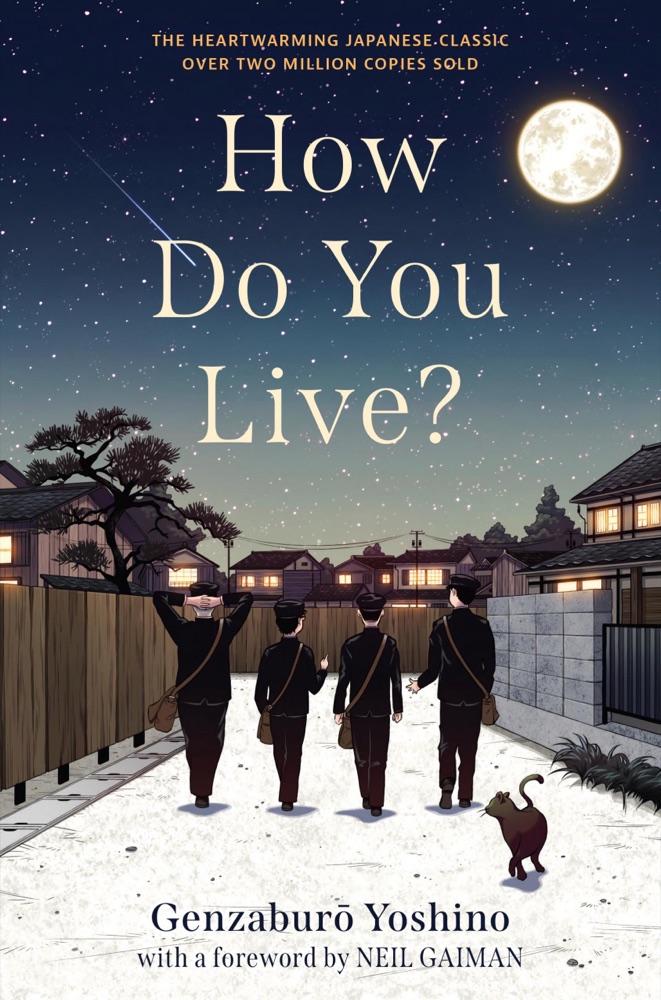 How Do You Live?
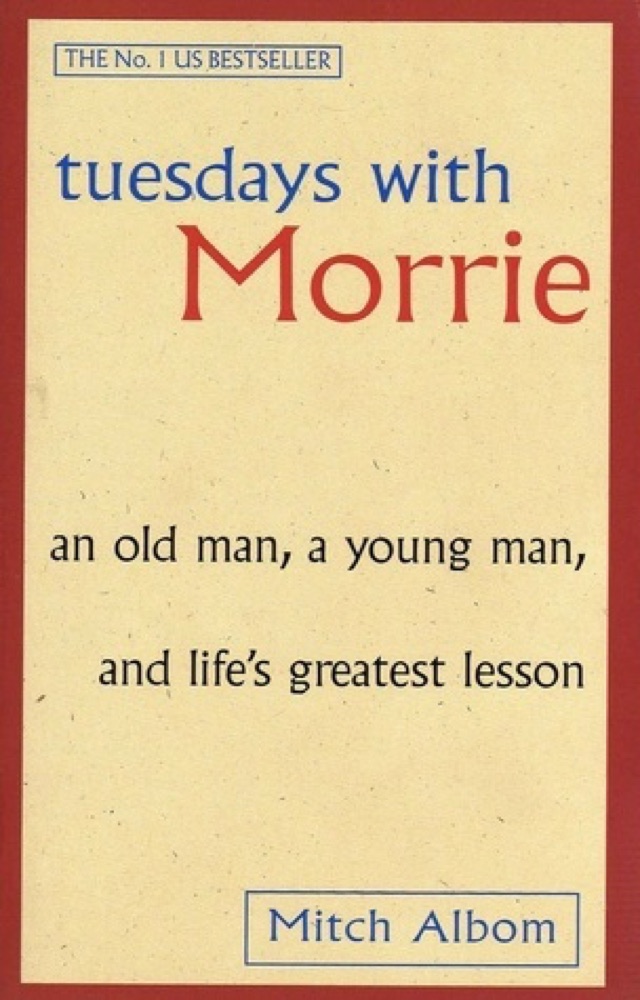 Tuesdays with Morrie
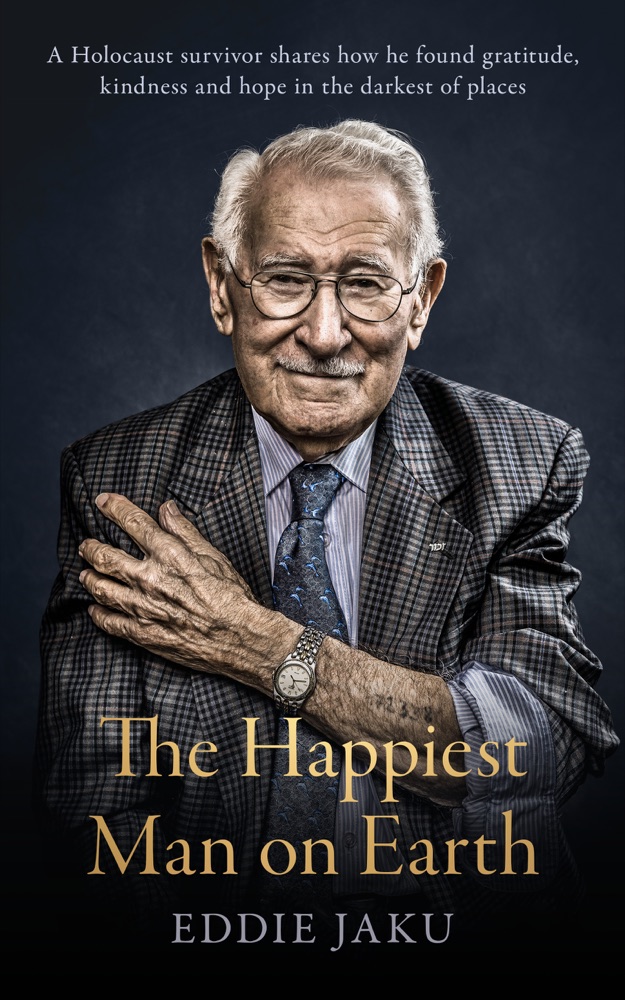 The Happiest Man on Earth
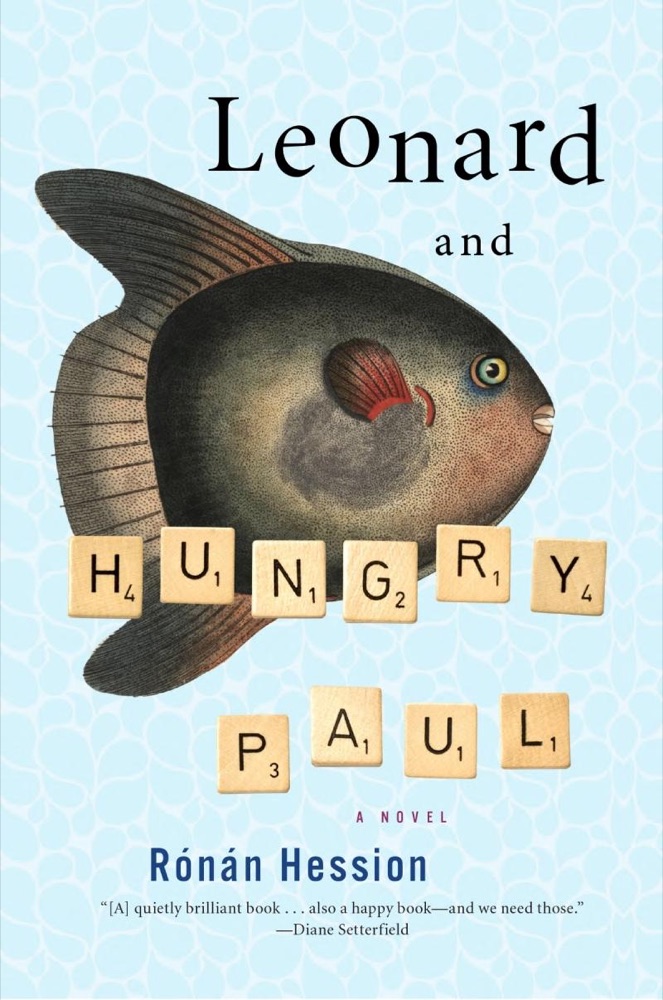 Leonard and Hungry Paul
 Becoming
 The Human Comedy
 My Beloved World
 Letter to My Daughter
 Me: Stories of My Life
 Thrive: The Third Metric to Redefining Success and Creating a Life of Well-Being, Wisdom, and Wonder
 Behold the Dreamers
 Will
Will
 The Answer Is…: Reflections on My Life
 A Promised Land
 My Lucky Life in and Out of Show Business
 Have You Seen Luis Velez?
 The Ultimate Gift
 All the Colors of the Dark
 Born to Run
 Children of the Mind
 Dewey: The Small-Town Library Cat Who Touched the World
 God Bless You, Mr. Rosewater
 These Precious Days: Essays
 Boy's Life
 The 7 Habits Of Highly Effective Teens
 A Little Life
 An Invisible Thread
 The Other Wes Moore: One Name, Two Fates
 Good Dirt
 Born a Crime: Stories From a South African Childhood
 How to Stop Worrying and Start Living
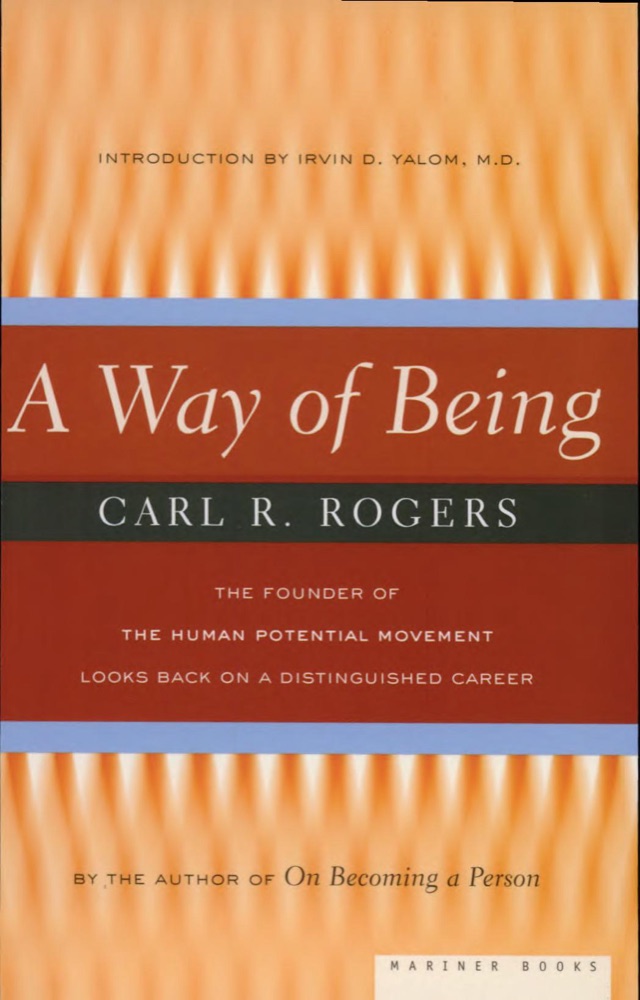 A Way of Being
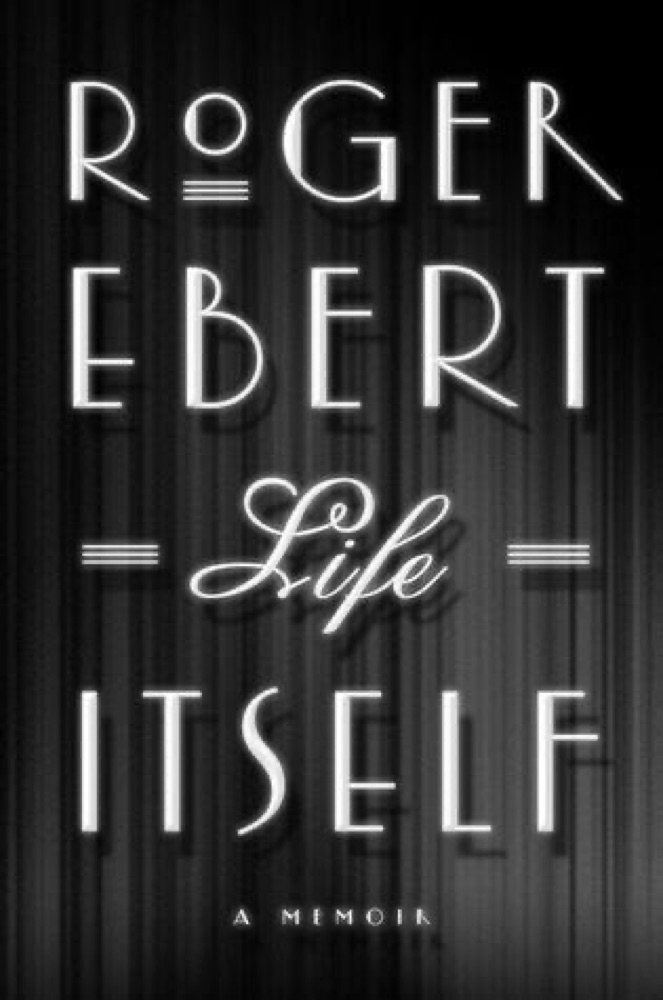 Life Itself
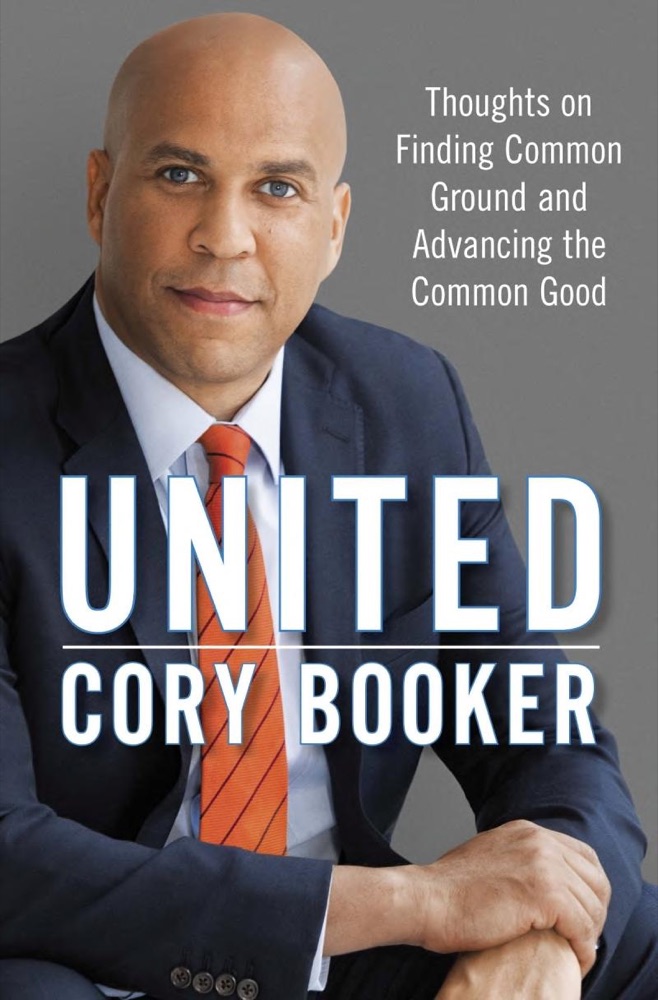 United: Thoughts on Finding Common Ground and Advancing the Common Good
 The House in the Cerulean Sea
 Freedom
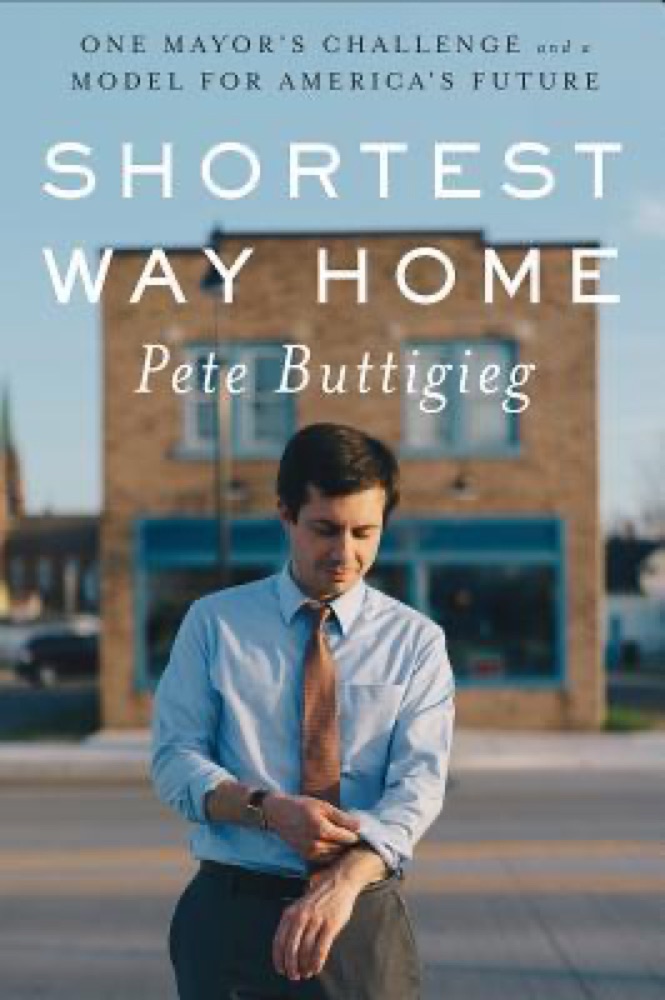 Shortest Way Home: One Mayor's Challenge and a Model for America's Future
 Scenes from My Life: A Memoir
 The Blue Sweater: Bridging the Gap Between Rich and Poor in an Interconnected World
 The Secret Letters of the Monk Who Sold His Ferrari
 Working: People Talk About What They Do All Day and How They Feel About What They Do
 I Take My Coffee Black: Reflections on Tupac, Musical Theater, Faith, and Being Black in America
 How Adam Smith Can Change Your Life: An Unexpected Guide to Human Nature and Happiness
 A Circle of Quiet
 To Kill a Mockingbird
 The Heart and the Fist: The Education of a Humanitarian, the Making of a Navy SEAL