 The Holy Longing: The Search for a Christian Spirituality
Quotes from the Book
Maybe, sometimes, in the midst of things going terribly wrong, something is going just right.
21
We cling to things, people, beliefs, and behaviors not because we love them, but because we are terrified of losing them.
11
This deepening of love is the real purpose of the dark night of the soul. The dark night helps us become who we are created to be: lovers of God and one another.
9
True love is like some infinite way of being that we become part of: a flowing energy of willingness, an eternal yes resounding with every heartbeat.
8
Life is not a matter of reaching a stagnant end point, but is rather an ongoing process in which one, hopefully and with grace, grows ever more deeply in love.
7
In a spiritual sense, the objects of our attachments and addictions become idols. We give them our time, energy, and attention whether we want to or not, even—and often especially—when we are struggling to rid ourselves of them. We want to be free, compassionate, and happy, but in the face of our attachments we are clinging, grasping, and fearfully self-absorbed.
6
The dawn is an awakening to a deepening realization of who we really are in and with God and the world, and of what has been going on within us in the night.
5
the dark night of the soul is an ongoing transition from compulsively trying to control one’s life toward a trusting freedom and openness to God and the real situations of life.
5
But one thing is certain: the process of freedom is one of subtraction—we are left more empty than when we began.
5
God darkens our awareness in order to keep us safe. When we cannot chart our own course, we become vulnerable to God’s protection, and the darkness becomes a “guiding night,” a “night more kindly than the dawn.
5
Liberation, whether experienced pleasurably or painfully, always involves relinquishment, some kind of loss.
5
We may yearn to “let go and let God,” but it usually doesn’t happen until we have exhausted our own efforts.
4
If we are honest, I think we have to admit that we will likely try to sabotage any movement toward true freedom. If we really knew what we were called to relinquish on this journey, our defenses would never allow us to take the first step. Sometimes the only way we can enter the deeper dimensions of the journey is by being unable to see where we’re going.
4
The glory of God is a human being fully alive. —Ireneaus1
3
The dark night is a profoundly good thing. It is an ongoing spiritual process in which we are liberated from attachments and compulsions and empowered to live and love more freely.
3
At the outset I must confess that I am no longer very good at telling the difference between good things and bad things. Of course there are many events in human history that can only be labeled as evil, but from the standpoint of inner individual experience the distinction has become blurred for me. Some things start out looking great but wind up terribly, while other things seem bad in the beginning but turn out to be blessings in disguise. I was diagnosed with cancer in 1995, which I thought was a bad thing. But the experience brought me closer to God and to my loved ones than I'd ever been, and that was wonderfully good. The chemotherapy felt awful, but it resulted in a complete cure, which I decided was good. I later found out it may also have caused the heart disease that now has me waiting for a heart transplant. At some point I gave up trying to decide what's ultimately good or bad. I truly do not know....Although not knowing may itself seem like a bad thing, I am convinced it is one of the great gifts of the dark night of the soul. To be immersed in mystery can be very distressing at first, but over time I have found immense relief in it. It takes the pressure off. I no longer have to worry myself to death about what I did right or wrong to cause a good or bad experience-because there really is no way of knowing. I don't have to look for spiritual lessons in every trouble that comes along. There have been many spiritual lessons to be sure, but they've given to me in the course of life; I haven't had to figure out a single one.
2
The active night of the spirit is characterized by similar disciplines and restraints applied to the intellect, memory, will, and imagination. John’s primary example here is of practicing the virtues. He says that the three theological virtues (faith, hope, and love) are instrumental in freeing the spirit from its attachments. Faith darkens and empties the intellect, hope frees the memory, and love liberates the will.
2
The word comes from Latin roots com and templum, “with” and “temple.
2
Constance FitzGerald, a contemporary Carmelite authority on John’s theology, points out John’s assertion that this divine inflow is the “loving Wisdom of God.” Specifically, she says, it is the active presence of Jesus Christ as Wisdom, as divine Sophia. Thus, “Dark night is not primarily some thing, an impersonal darkness like a difficult situation or distressful psychological condition, but someone, a presence leaving an indelible imprint on the human spirit and consequently on one’s entire life.
2
It is not that they are unconcerned with social liberation and justice, but that they are convinced such transformation will happen only through the changing of individual hearts.
2
The spiritual life for Teresa and John has nothing to do with actually getting closer to God. It is instead a journey of consciousness. Union with God is neither acquired nor received; it is realized, and in that sense it is something that can be yearned for, sought after, and—with God’s grace—found.
2
It is impossible for anyone to adequately express the deep movements of love within the spiritual life. It cannot be done by words, by art, or by any way other than the love with which one lives one’s life.
2
The darkness of the night implies nothing sinister, only that the liberation takes place in hidden ways, beneath our knowledge and understanding.
2
One of the biggest lessons-and another gift of the dark night-is the realization that I'm not as much in control of life as I'd like to be. This is not an easy learning, especially for take-charge people like me, people who think the can-and more important, should-be in control of things. Other people are more naturally able to go with the flow of life. They deal with things as best they can and then go on to the next moment. They too have their dark nights, but they don't pester themselves. Either way, each experience of the dark night gives its gifts, leaving us freer than we were before, more available, more responsive, and more grateful. Like not knowing and lack of control, freedom and gratitude are abiding characteristics of the dark night. But they don't arrive until the darkness passes. They come with the dawn.
1
Before, one needed God as the agent of recovery, the divine dispenser of grace. Now this need is developing into a love for God as God’s self. This is a beautiful happening, but it brings with it a new relinquishment that can feel deeply threatening. Along with the sweetness of emerging love comes a certain shakiness about recovery. Recovery is no longer the single most important thing in life. Something else has taken its place, and the fear of relapse grows.
1
the dark night is nothing other than our ongoing relationship with the Divine.
1
Regardless of when and how it happens, the dark night of the soul is the transition from bondage to freedom in prayer and in every other aspect of life.
1
Thou hast made us for Thyself, and our hearts are restless until they rest in Thee.
1
Although a few such characterizations (such as introversion and extraversion) have statistical validity, most do not.
A second change is the classical transition from meditation to contemplation in prayer and the equivalent movement in the rest of life: a metamorphosis of the soul from autonomous self-determination to self-giving willingness to be led.
About Gerald G. May
About the book
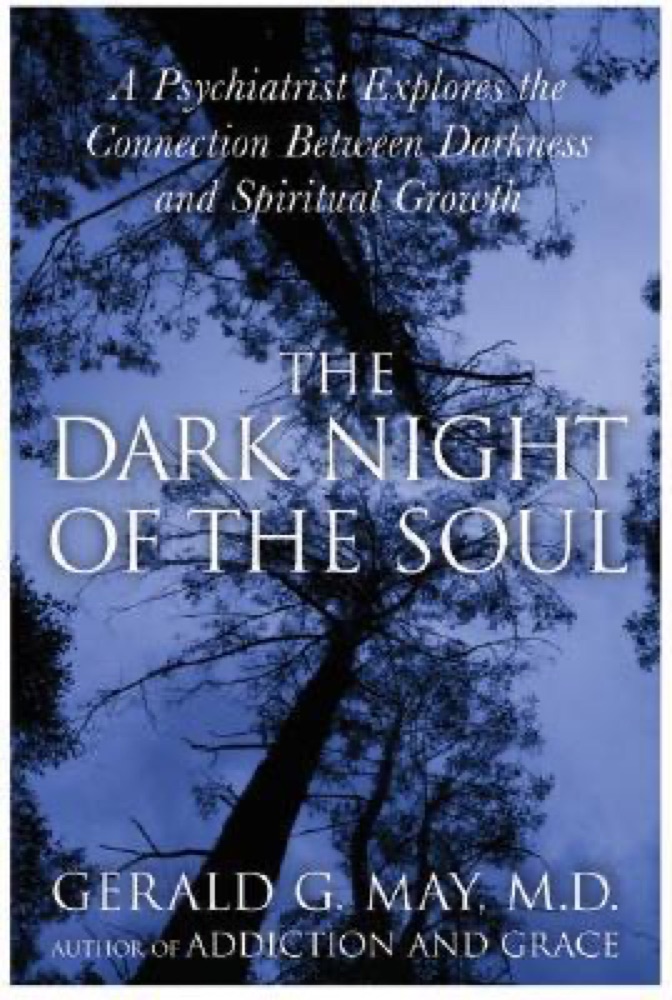
A distinguished psychiatrist, spiritual counsellor and bestselling author shows how the dark sides of the spiritual life are a vital ingredient in deep, authentic, healthy spirituality. Gerald G. May, MD, one of the great spiritual teachers and writers of our time, argues that the dark 'shadow' side of the true spiritual life has been trivialised and neglected to our serious detriment. Superficial and naively upbeat spirituality does not heal and enrich the soul. Nor does the other tendency to relegate deep spiritual growth to only mystics and saints. Only the honest, sometimes difficult encounters with what Christian spirituality has called and described in helpful detail as 'the dark night of the soul' can lead to true spiritual wholeness. May emphasises that the dark night is not necessarily a time of suffering and near despair, but a time of deep transition, a search for new orientat
Book details
- First published
- 2004
- Author
- Gerald G. May
- Genre
- Nonfiction
- Goodreads rating
- 4.02 (3k ratings)
Keep reading
The Holy Longing: The Search for a Christian Spirituality
 The Book of Awakening: Having the Life You Want by Being Present to the Life You Have
 The Journey Home
 Everything Belongs: The Gift of Contemplative Prayer
 The God Who Weeps: How Mormonism Makes Sense of Life
 Breathing Underwater: Spirituality and the 12 Steps
 Learning to Walk in the Dark
 The Sacred Romance: Drawing Closer to the Heart of God
 The Spiral Staircase: My Climb Out of Darkness
 Anam Cara: A Book of Celtic Wisdom
 New Seeds of Contemplation
 Finding Meaning in the Second Half of Life: How to Finally, Really Grow Up
 Emotionally Healthy Spirituality: Unleash A Revolution In Your Life in Christ
 The Life You've Always Wanted: Spiritual Disciplines for Ordinary People
 The Sacred Romance Drawing Closer To The Heart Of God
 Prayer in the Night: For Those Who Work or Watch or Weep
 Care of the Soul: A Guide for Cultivating Depth and Sacredness in Everyday Life
 No Man Is an Island
 A Hidden Wholeness: The Journey Toward an Undivided Life : Welcoming the soul and weaving community in a wounded world
 A Return to Love: Reflections on the Principles of "A Course in Miracles"
 Renovation of the Heart: Putting On the Character of Christ
 One Thousand Gifts: A Dare to Live Fully Right Where You Are
 Dusk, Night, Dawn: On Revival and Courage
 Interior Castle
 Hippie
 Reaching Out: The Three Movements of the Spiritual Life
 The Deeply Formed Life: Five Transformative Values to Root Us in the Way of Jesus
 True Refuge: Finding Peace and Freedom in Your Own Awakened Heart
 Tattoos on the Heart: The Power of Boundless Compassion
 Anatomy of the Spirit: The Seven Stages of Power and Healing
 The Varieties of Religious Experience
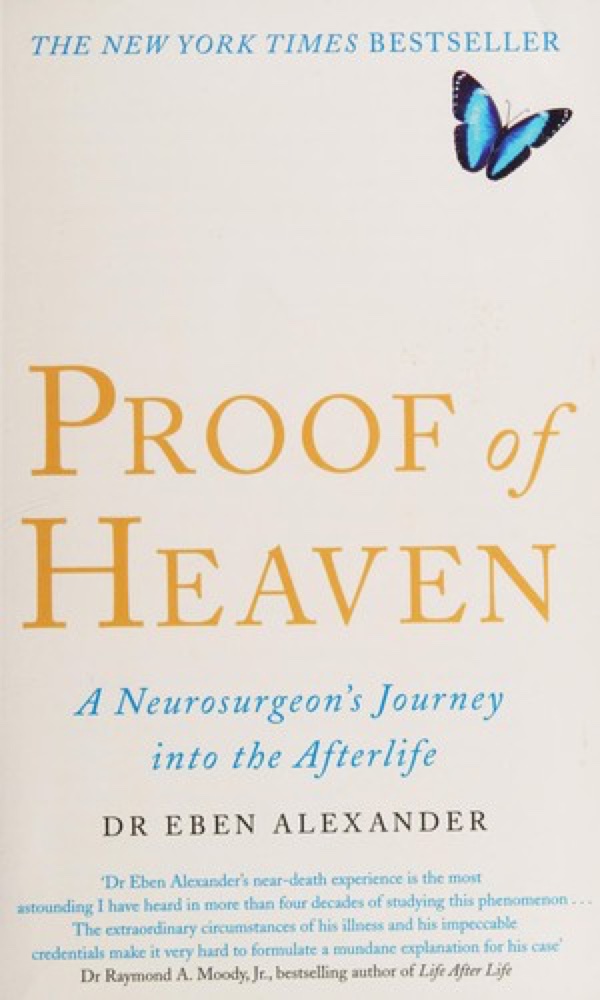 Proof of Heaven: A Neurosurgeon's Journey into the Afterlife
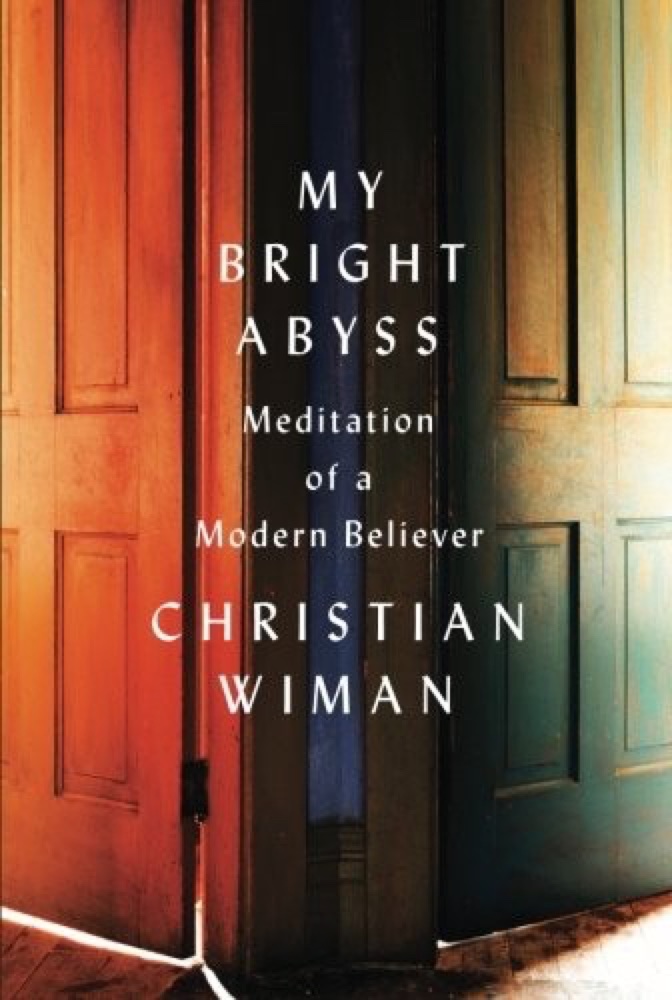 My Bright Abyss: Meditation of a Modern Believer
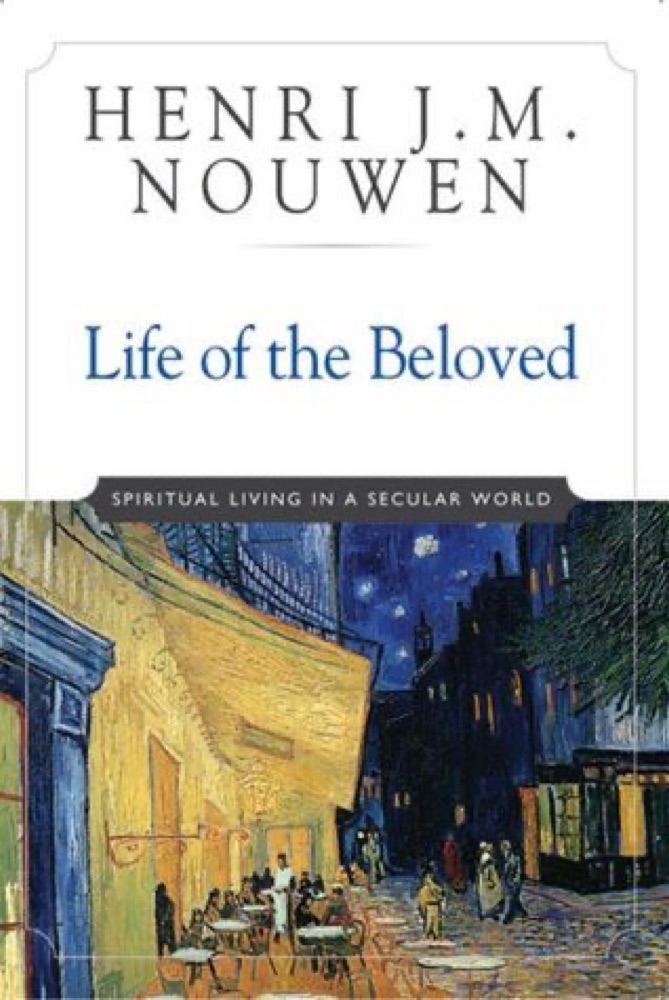 Life of the Beloved: Spiritual Living in a Secular World
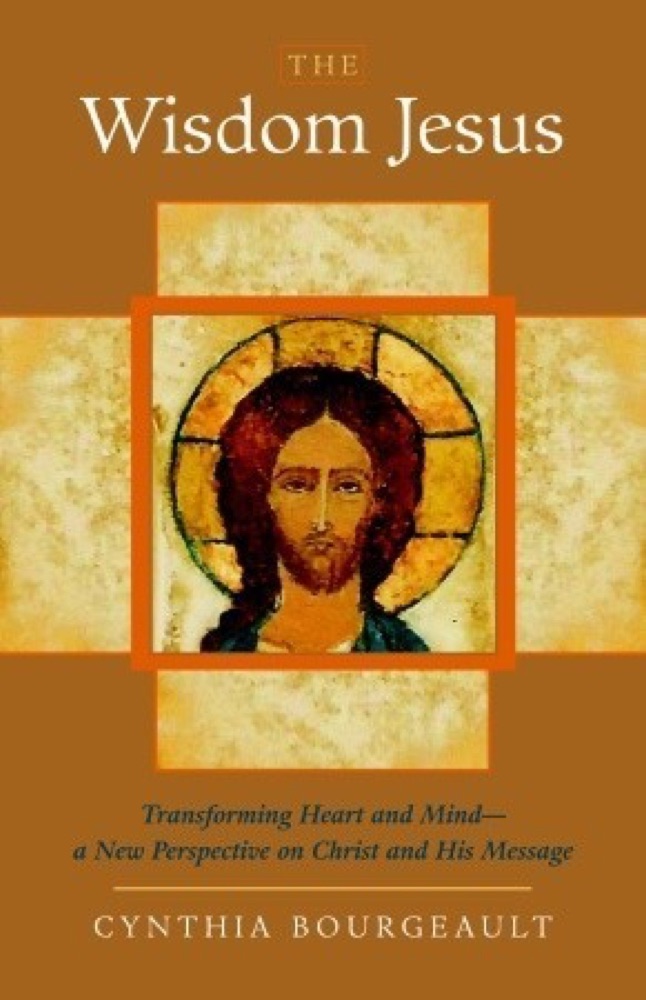 The Wisdom Jesus: Transforming Heart and Mind
 Thoughts in Solitude
 WayMaker: Finding the Way to the Life You’ve Always Dreamed Of
 Barking to the Choir: The Power of Radical Kinship
 Kitchen Table Wisdom: Stories that Heal
 Plan B: Further Thoughts on Faith
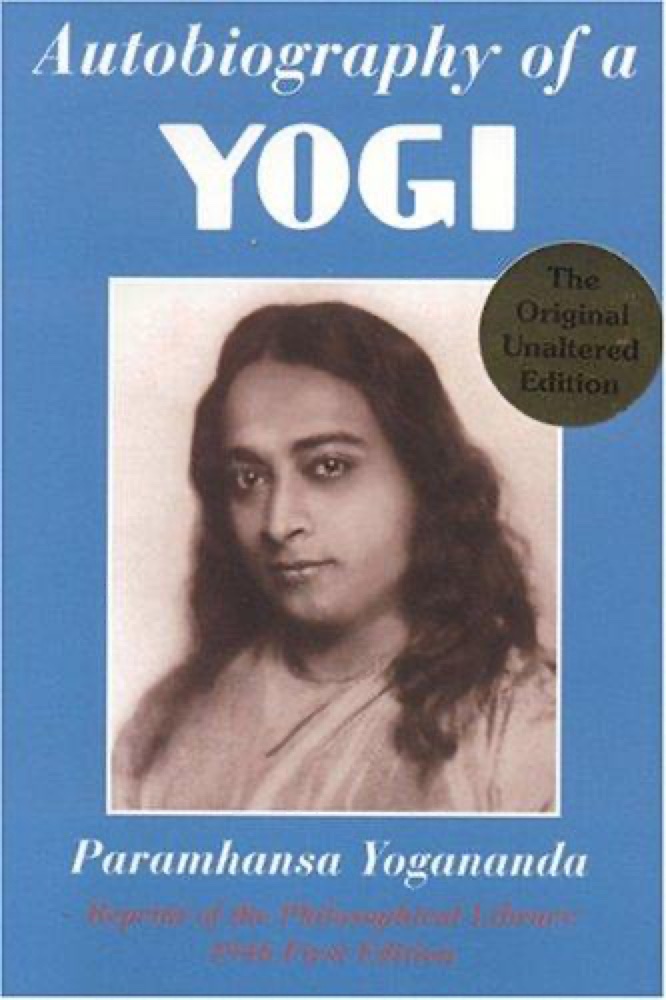 Autobiography of a Yogi
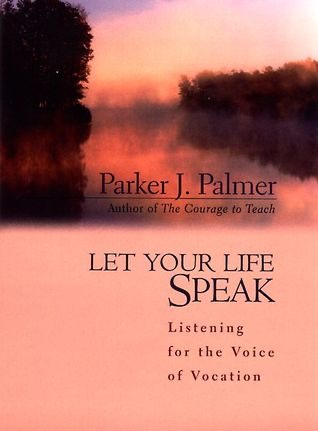 Let Your Life Speak: Listening for the Voice of Vocation
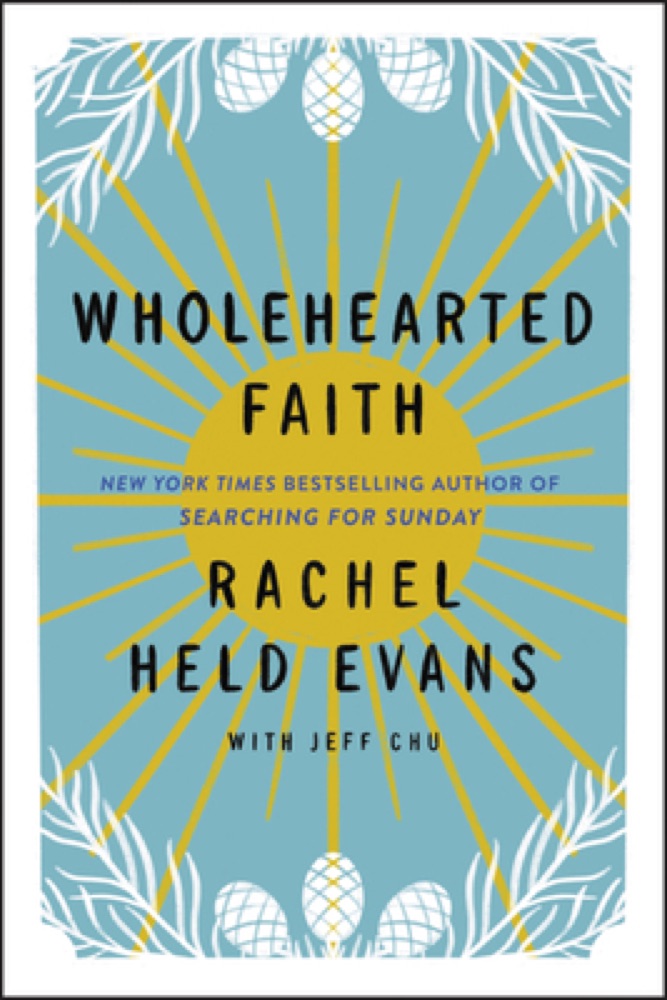 Wholehearted Faith
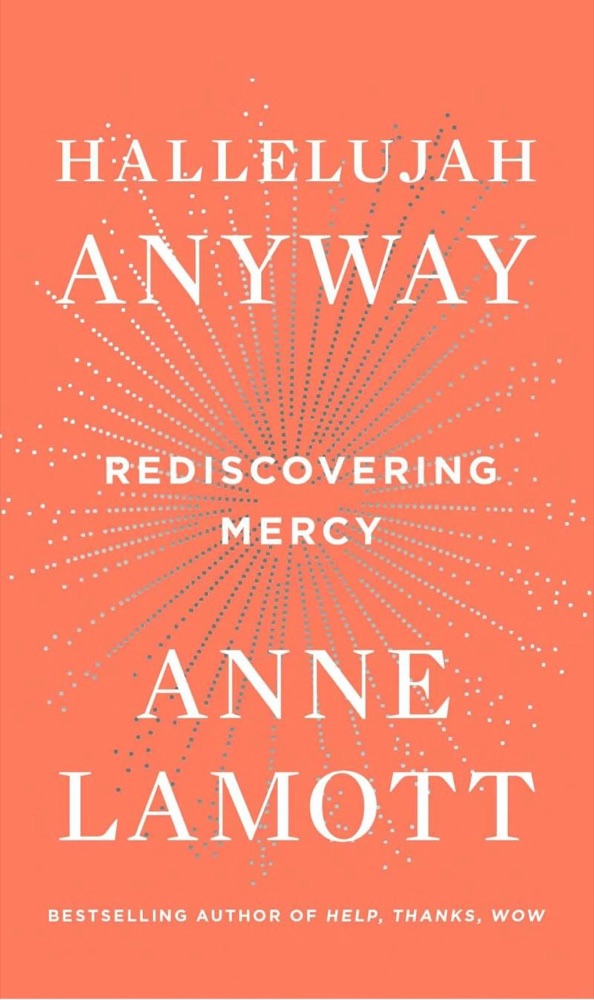 Hallelujah Anyway: Rediscovering Mercy
 Abba's Child: The Cry of the Heart for Intimate Belonging
 A Severe Mercy: A Story of Faith, Tragedy and Triumph
 Ordinary Grace
 Modern Man in Search of a Soul
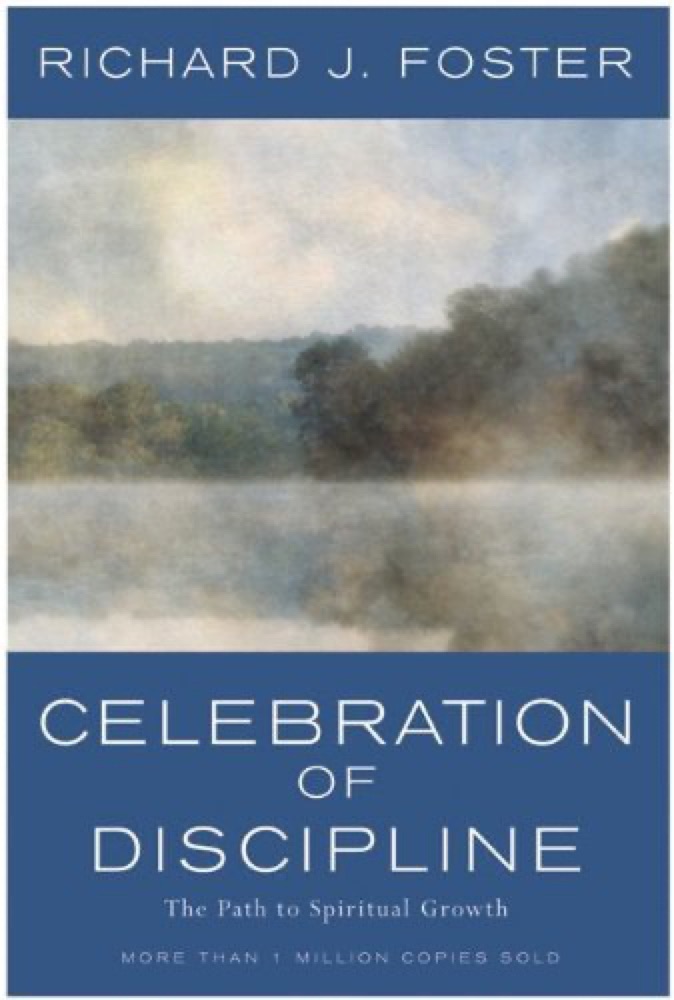 Celebration of Discipline: The Path to Spiritual Growth
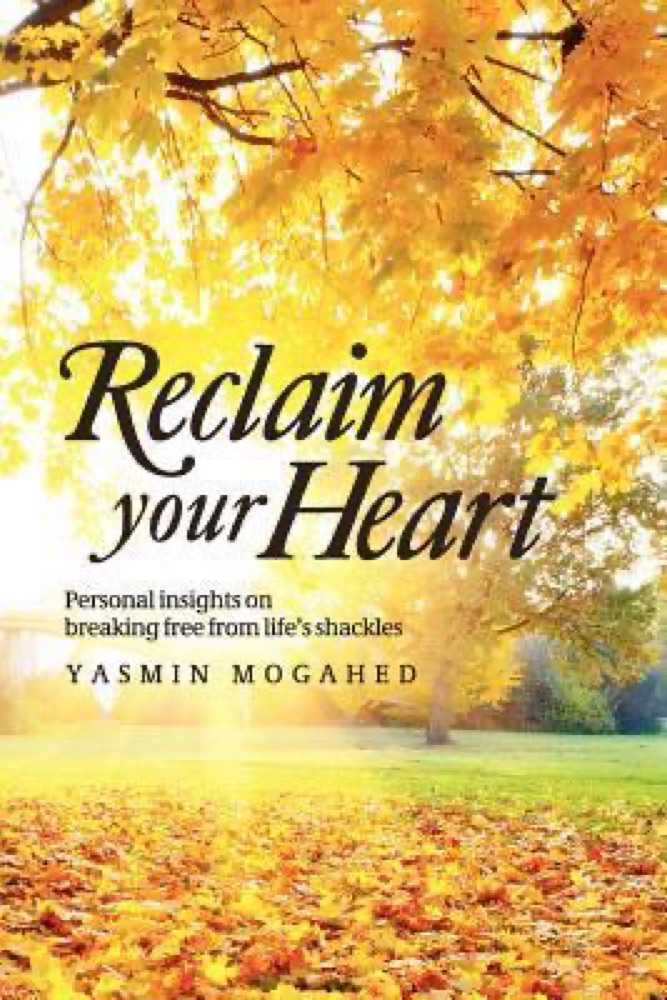 Reclaim Your Heart: Personal Insights on Breaking Free from Life's Shackles
 Brida
Brida
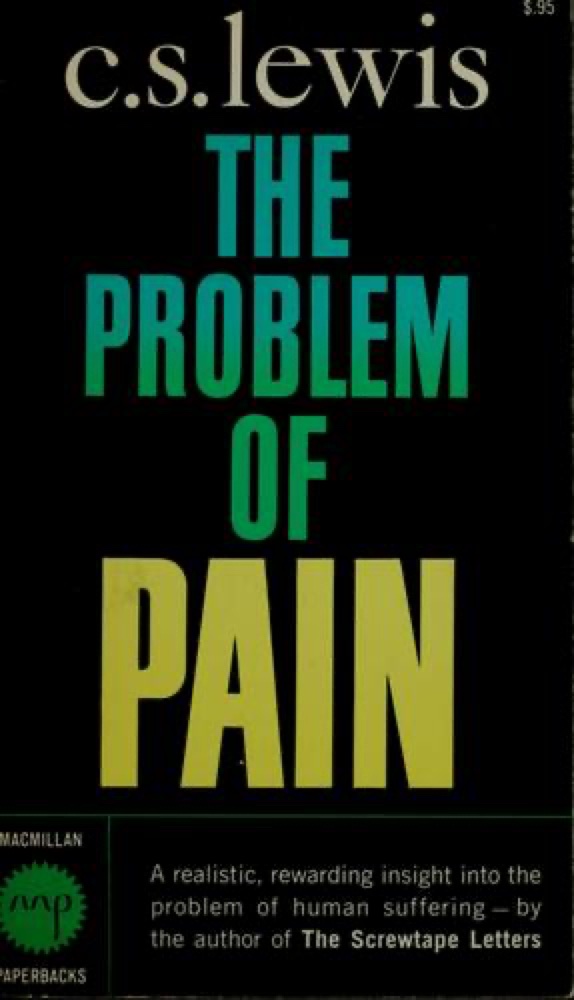 The Problem of Pain
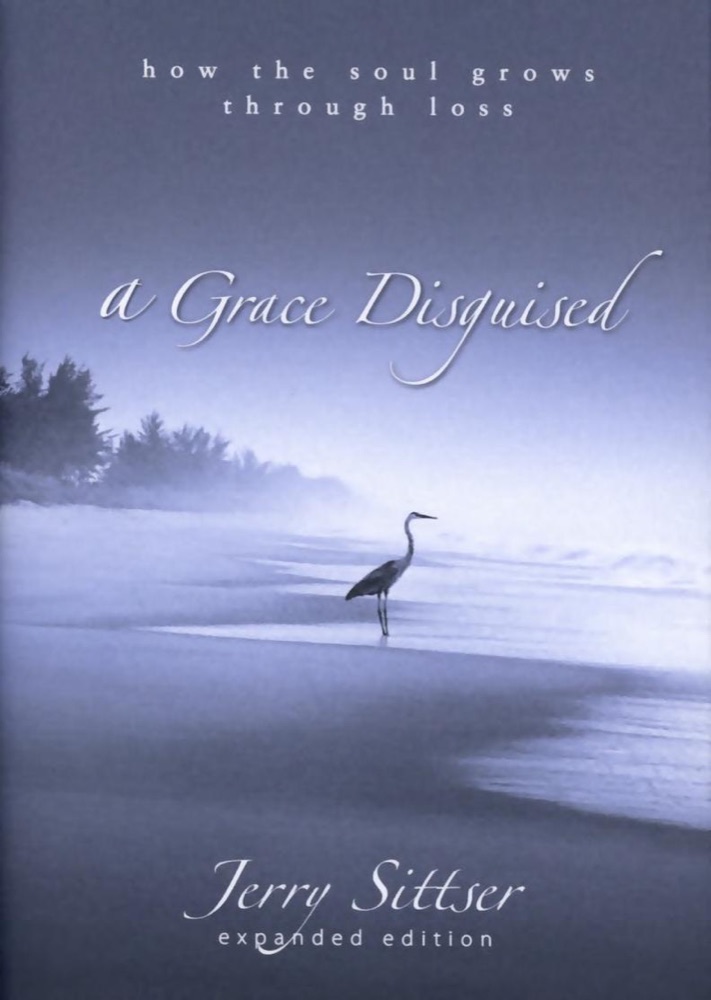 A Grace Disguised: How the Soul Grows through Loss
 The Cloister Walk
 Sacred Journey of the Peaceful Warrior
 The Mountain Shadow
 This Here Flesh: Spirituality, Liberation, and the Stories That Make Us
 Gravity and Grace