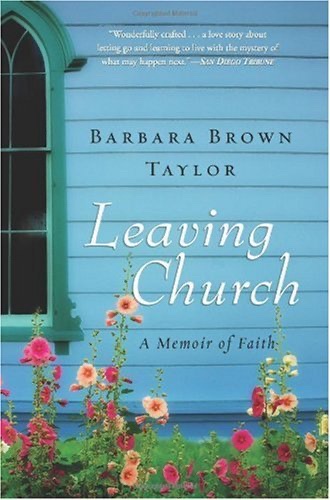
 Leaving Church: A Memoir of Faith
Quotes from the Book
I have learned things in the dark that I could never have learned in the light, things that have saved my life over and over again, so that there is really only one logical conclusion. I need darkness as much as I need light.
62
...new life starts in the dark. Whether it is a seed in the ground, a baby in the womb, or Jesus in the tomb, it starts in the dark.
54
The only real difference between Anxiety and Excitement was my willingness to let go of Fear.
31
Who would stick around to wrestle a dark angel all night long if there were any chance of escape? The only answer I can think of is this: someone in deep need of blessing; someone willing to limp forever for the blessing that follows the wound.
19
We cannot live in a world that is interpreted for us by others. An interpreted world is not a hope. Part of the terror is to take back our own listening. To use our own voice. To see our own light. —Hildegard of Bingen
18
There is a light that shines in the darkness, which is only visible there.
15
After years of being taught that the way to deal with painful emotions is to get rid of them, it can take a lot of reschooling to learn to sit with them instead, finding out from those who feel them what they have learned by sleeping in the wilderness that those who sleep in comfortable houses may never know.
14
those of us who wish to draw near to God should not be surprised when our vision goes cloudy, for this is a sign that we are approaching the opaque splendor of God. If we decide to keep going beyond the point where our eyes or minds are any help to us, we may finally arrive at the pinnacle of the spiritual journey toward God, which exists in complete and dazzling darkness.
14
I cannot say for sure when my reliable ideas about God began to slip away, but the big chest I used to keep them in is smaller than a shoebox now. Most of the time, I feel so ashamed about this that I do not own up to it unless someone else mentions it first. Then we find a quiet place where we can talk about what it is like to feel more and more devoted to a relationship that we are less and less able to say anything about.
14
If I have any expertise, it is in the realm of spiritual darkness: fear of the unknown, familiarity with divine absence, mistrust of conventional wisdom, suspicion of religious comforters, keen awareness of the limits of all language about God and at the same time shame over my inability to speak of God without a thousand qualifiers, doubt about the health of my soul, and barely suppressed contempt for those who have no such qualms. These are the areas of my proficiency.
12
I always wondered why it took "three days" for significant things to happen in the Bible--Jonah spent three days in the belly of the whale, Jesus spent three days in the tomb, Paul spent three days blind in Damascus--and now I know. From earliest times, people learned that was how long they had to wait in the dark before the sliver of the new moon appeared in the sky. For three days every month they practiced resurrection.
11
I wish I could turn to the church for help, but so many congregations are preoccupied with keeping the lights on right now that the last thing they want to talk about is how to befriend the dark.
10
As many years as I have been listening to Easter sermons, I have never heard anyone talk about that part. Resurrection is always announced with Easter lilies, the sound of trumpets, bright streaming light. But it did not happen that way. If it happened in a cave, it happened in complete silence, in absolute darkness, with the smell of damp stone and dug earth in the air. Sitting deep in the heart of Organ Cave, I let this sink in: new life starts in the dark. Whether it is a seed in the ground, a baby in the womb, or Jesus in the tomb, it starts in the dark.
9
Or my eyes go back to seeing it that way. When I entered the cave hoping for a glimpse of celestial brightness, it never occurred to me that it might be so small. But here it is, not much bigger than a mustard seed—everything I need to remember how much my set ideas get in my way. While I am looking for something large, bright, and unmistakably holy, God slips something small, dark, and apparently negligible in my pocket. How many other treasures have I walked right by because they did not meet my standards? At least one of the day’s lessons is about learning to let go of my bright ideas about God so that my eyes are open to the God who is.
9
During the day it is hard to remember that all the stars in the sky are out there all the time, even when I am too blinded by the sun to see them.
9
A few years ago, Ed and I were exploring the dunes on Cumberland Island, one of the barrier islands between the Atlantic Ocean and the mainland of south Georgia. He was looking for the fossilized teeth of long-dead sharks. I was looking for sand spurs so that I did not step on one. This meant that neither of us was looking very far past our own feet, so the huge loggerhead turtle took us both by surprise. She was still alive but just barely, her shell hot to the touch from the noonday sun. We both knew what had happened. She had come ashore during the night to lay her eggs, and when she had finished, she had looked around for the brightest horizon to lead her back to the sea. Mistaking the distant lights on the mainland for the sky reflected on the ocean, she went the wrong way. Judging by her tracks, she had dragged herself through the sand until her flippers were buried and she could go no farther. We found her where she had given up, half cooked by the sun but still able to turn one eye up to look at us when we bent over her. I buried her in cool sand while Ed ran to the ranger station. An hour later she was on her back with tire chains around her front legs, being dragged behind a park service Jeep back toward the ocean. The dunes were so deep that her mouth filled with sand as she went. Her head bent so far underneath her that I feared her neck would break. Finally the Jeep stopped at the edge of the water. Ed and I helped the ranger unchain her and flip her back over. Then all three of us watched as she lay motionless in the surf. Every wave brought her life back to her, washing the sand from her eyes and making her shell shine again. When a particularly large one broke over her, she lifted her head and tried her back legs. The next wave made her light enough to find a foothold, and she pushed off, back into the water that was her home. Watching her swim slowly away after her nightmare ride through the dunes, I noted that it is sometimes hard to tell whether you are being killed or saved by the hands that turn your life upside down.
8
The real problem has far less to do with what is really out there than it does with our resistance to finding out what is really out there.
8
One of the main things that tip people toward garden-variety depression, she says, is a “low tolerance for sadness.” It is the inability to bear dark emotions that causes many of our most significant problems, in other words, and not the emotions themselves. When we cannot tolerate the dark, we try all kinds of artificial lights, including but not limited to drugs, alcohol, shopping, shallow sex, and hours in front of the television set or computer. There are no dark emotions, Greenspan says—just unskillful ways of coping with emotions we cannot bear. The emotions themselves are conduits of pure energy that want something from us: to wake us up, to tell us something we need to know, to break the ice around our hearts, to move us to act.
7
I noted that it is sometimes hard to tell whether you are being killed or saved by the hands that turn your life upside down.
7
Even when light fades and darkness falls--as it does every single day, in every single life--God does not turn the world over to some other deity...Here is the testimony of faith; darkness is not dark to God; the night is as bright as the day.
6
To know the dark, go dark. Go without sight, and find that the dark, too, blooms and sings. —Wendell Berry
6
Busy? The word loses all meaning under the canopy of this sky.
6
Pema Chödrön did not become one of my teachers until I had almost finished writing, but she diagnosed the problem so well that I can no longer say it without her help. We are all so busy constructing zones of safety that keep breaking down, she says, that we hardly notice where all the suffering is coming from. We keep thinking that the problem is out there, in the things that scare us: dark nights, dark thoughts, dark guests, dark emotions. If we could just defend ourselves better against those things, we think, then surely we would feel more solid and secure. But of course we are wrong about that, as experience proves again and again. The real problem has far less to do with what is really out there than it does with our resistance to finding out what is really out there. The suffering comes from our reluctance to learn to walk in the dark.
5
Instead, I have learned things in the dark that I could never have learned in the light, things that have saved my life over and over again, so that there is really only one logical conclusion. I need darkness as much as I need light.
5
our comfort or discomfort with the outer dark is a good barometer of how we feel about the inner kind.
5
Sometimes I wondered if it even mattered whether our communion cups were filled with consecrated wine or draft beer, as long as we bent over them long enough to recognize each other as kin.
5
According to a recent article in the New York Times, few parents expose their children to those works in the original these days, and some of their reasons make sense. Who wants children growing up with the idea that stepmothers are wicked, ugly people are evil, women can get by on their beauty, and princesses are all white? At the same time, I worry about children who grow up thinking that every story has a happy ending and no one gets permanently hurt along the way.
5
I learned that sadness does not sink a person; it is the energy a person spends trying to avoid sadness that does that.
4
Our Lady of the Underground never asks me to choose between day and night. If I want to flourish I need the ever-changing light of darkness as much as I need the full of light of day. Give your heart to them both, she says. When I complain that I cannot see as well at night as I can during the days, she tells me this is a good thing. Maybe it will slow you down. When I tell her that I cannot get as much done at night because darkness makes me sleepy, she says yes, that is the plan. Maybe you will get some rest. When I point out that slowing down just makes me think about things I would rather not think about, she laughs. Do you think that not thinking about them will make them go away?
4
Maybe that is the difference between pastoral counselors and spiritual directors. We go to counselors when we want help getting out of caves. We go to directors when we are ready to be led farther in. I
4
Watch on YouTube
About Barbara Brown Taylor
We have collected 90 quotes from 3 books by Barbara Brown Taylor on BookQuoters.
More about the author →More by Barbara Brown Taylor
Leaving Church: A Memoir of Faith
 Holy Envy: Finding God in the Faith of Others
About the book
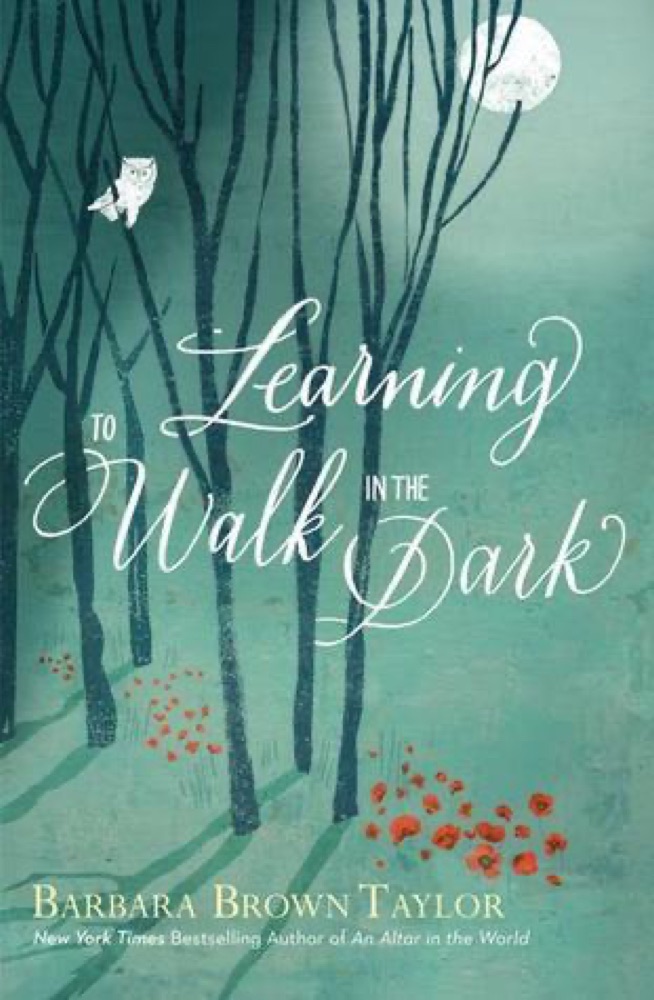
From the New York Times bestselling author of An Altar in the World, Barbara Brown Taylor’s Learning to Walk in the Dark provides a way to find spirituality in those times when we don’t have all the answers.
Taylor has become increasingly uncomfortable with our tendency to associate all that is good with lightness and all that is evil and dangerous with darkness. Doesn’t God work in the nighttime as well? In Learning to Walk in the Dark, Taylor asks us to put aside our fears and anxieties and to explore all that God has to teach us “in the dark.” She argues that we need to move away from our “solar spirituality” and ease our way into appreciating “lunar spirituality” (since, like the moon, our experience of the light waxes and wanes). Through darkness we find courage, we understand the world in new ways, and we feel God’s presence around us, guiding us through things seen and unseen.
Book details
- First published
- 2014
- Author
- Barbara Brown Taylor
- Genre
- Nonfiction
- Goodreads rating
- 4.03 (10k ratings)
Keep reading
 The Lamplighters
 The Dark Night of the Soul: A Psychiatrist Explores the Connection Between Darkness and Spiritual Growth
 Sacred Journey of the Peaceful Warrior
 The Moth Presents All These Wonders: True Stories About Facing the Unknown
 Prayer in the Night: For Those Who Work or Watch or Weep
 Dusk, Night, Dawn: On Revival and Courage
 Acceptance
 A Sudden Light
 A Ring of Endless Light
 The Burning Girls
 We Are All the Same in the Dark
 One Door Away from Heaven
 Plan B: Further Thoughts on Faith
 Corrag
 Stitches: A Handbook on Meaning, Hope, and Repair
 The Exorcist
 The Dark and Hollow Places
 The Sparrow
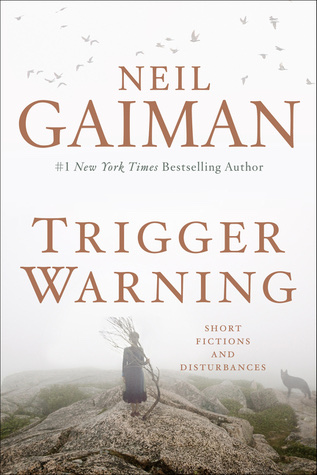 Trigger Warning: Short Fictions and Disturbances
 After Dark
 Jayber Crow
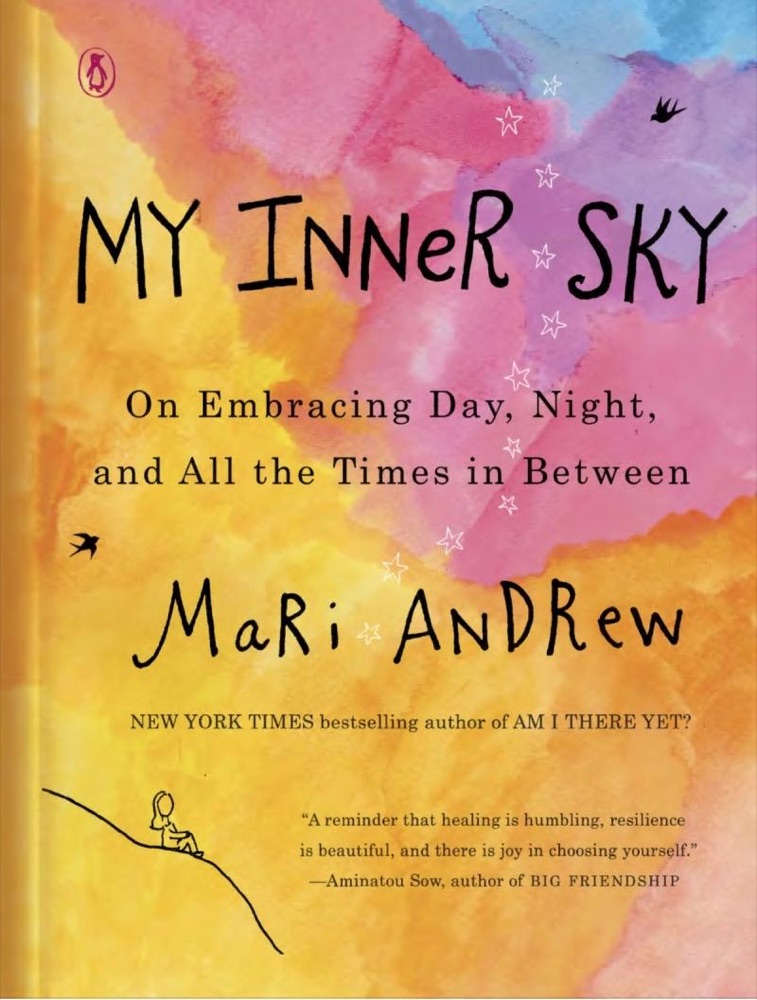 My Inner Sky: On Embracing Day, Night, and All the Times in Between
 To The Bright Edge of the World
 Night Train to Lisbon
 The Book of Awakening: Having the Life You Want by Being Present to the Life You Have
 Christy
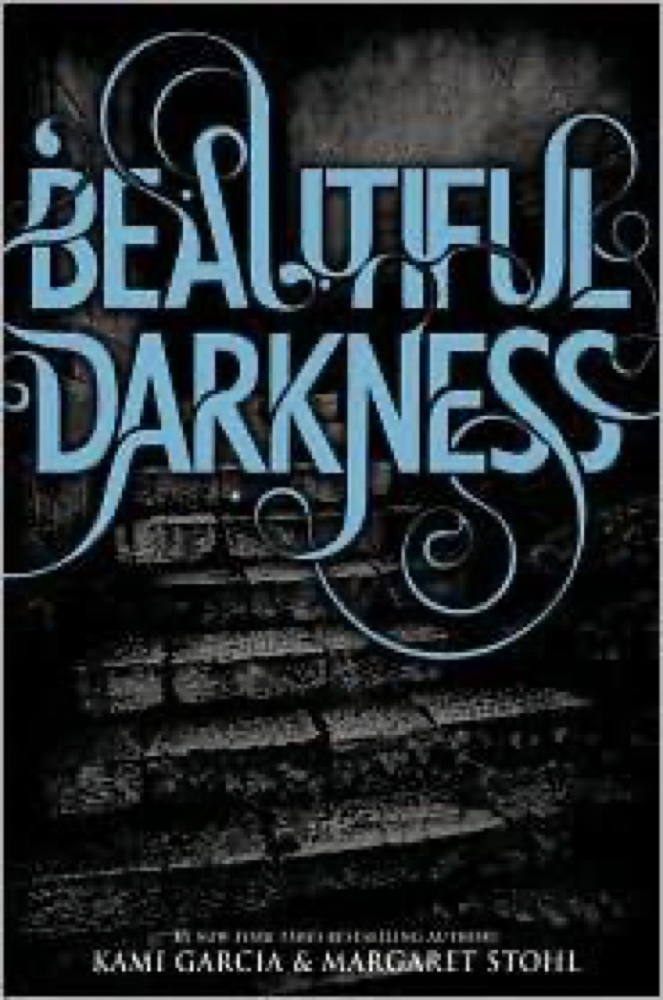 Beautiful Darkness
 Devotion
 Ordinary Grace
 Odd Hours
 The Gay Science
 Dawn
Dawn
 Night
Night
 Dust Tracks on a Road
 A Grief Observed
 Life After Death
 Children of God
 Sexing the Cherry
 West with the Night
 Henderson the Rain King
 Island
 Blue Like Jazz: Nonreligious Thoughts on Christian Spirituality
 Brida
Brida
 All My Knotted-Up Life: A Memoir
 Surrender: 40 Songs, One Story
 Imagine Me Gone
 Pilgrim at Tinker Creek
 Change of Heart
 Hey Nostradamus!
 Future Home of the Living God
 Spring
 Yoga Bitch: One Woman's Quest to Conquer Skepticism, Cynicism, and Cigarettes on the Path to Enlightenment
 The Spiral Staircase: My Climb Out of Darkness
 Carry On, Warrior: Thoughts on Life Unarmed
 Why Religion? A Personal Story
 The World and Other Places: Stories
 Drive Your Plow Over the Bones of the Dead
 The Goldfinch
 Millennium Approaches
 The Stranger in the Lifeboat