
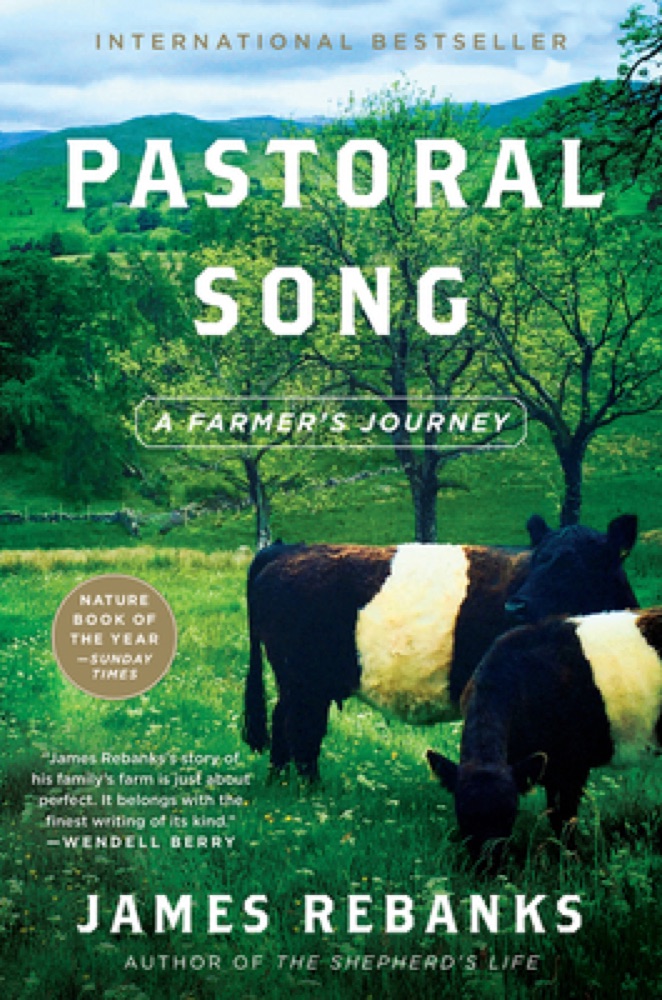
 Pastoral Song: A Farmer’s Journey
Quotes from the Book
We cannot be what we are and what we aspire to be at the same time, something in us has to die for something else to be born.
2
Human life is full of projection, like we are constantly being filmed in the movie of our own lives. We endlessly shape and reshape our own stories to make ourselves feel relevant or seen - desperate to be the major character. But we don't end up feeling seen, we end up drowning in noise, because everyone else is as desperate to be heard as we are. The world has become a mad shouting match, making us distracted and anxious.
2
There is a point where hard work and striving flips from something noble, making the lives of the people around you better, to something too intense, making their lives worse, and for a year or two I'd been on the wrong side of that line.
2
There is no end to learning... When we were young, the old folk seemed to know everything. I had imagined a moment when you felt wise, that you had learnt it all... We are all just children. We never know enough. Not even half of it.
2
A story is rarely as simple as it seems. We are all a bundle of virtues and vices, strengths and flaws, hopes and fears.
2
He reminded me of my childhood when we had roamed for miles to catch fish in little streams, and the whole world was no bigger than where we could get with our bicycles.
1
We were soon far out on the water beneath the bluest of skies. As we sailed away we talked about the sea. I said it was hard to worry about something that looked so perfect, when we could not see below the surface or see the damage we had done. Anna looked at me and was solemn. Nothing was quite the same as it was in the old days, she said. The giant seabird colonies to the north were one by one falling silent, as the birds failed to breed. But, she said quietly, we must not give up.
1
A raven passed over idly and was given the banging-pans treatment too: it got a shock and tumbled as though it had been attacked by a peregrine, then recovered its dignity and headed away.
1
They saw themselves as the last of their kind. Some, particularly the old men, were almost proud to be taking their knowledge to the grave with them. Anna thought that was stupid: knowledge was for passing on, not burying; for the living, not the dead. Others, though, shared what they knew.
1
We walked through the rubbish vomited up by the choking sea. There were blue plastic ropes, tennis balls, green and white torn fishing nets, cyclists’ reusable water bottles, and endless Coke, Fanta, and Pepsi bottles.
1
Anna reminded me that the first rule of living is to live. To see, hear, smell, touch, and taste the world. The more I tuned in, the closer Anna and I were growing as friends. I was beginning a journey back to the person I had once been – and needed to be again.
1
Anna’s life here was, I was coming to see, devoted to paying attention to – or, more than that, being completely committed to – the beauty of the world before her. She seemed to have done it by cultivating an extraordinary form of independence from other people, their values, and their noise. She used every ounce of her wilfulness to shut out the world and concentrate on these simple things.
1
On the way, she showed me a pile of feathers: the remains of a goose killed by a sea eagle. She said an ancient tug-of-war took place here each day between those that would bring their young into the world, and those that killed them to live. The whole sea estate was like a watery Serengeti.
1
I was tempted to turn the calendar on the kitchen wall to May, but noticed that it had been hung years ago. Time was losing its old meaning.
1
The episode seemed to confirm her judgement on the modern world: they’d take everything you had and then make a slave of you.
1
ourselves feel relevant or seen – desperate to be the major character. But we don’t end up feeling seen
Our lives are a series of choices – about what we do
He didn’t know how to be old and let go of things.
What had once been mocked as backwards was now admired and respected.
Did you know?
- The book chronicles a season Rebanks spent on Fjaeroy, a small island in Norway's Vega archipelago, just south of the Arctic Circle.
- It centers on Anna Masoy, one of Norway's last traditional 'duck women,' who tends wild eider ducks and harvests their down.
- Eiderdown is gathered from the soft feathers the female ducks pluck from their own breasts to line their nests.
- Rebanks describes himself as interested in 'the history of the nobodies'-overlooked people whose quiet labour sustains a place.
- The UK edition was published by Allen Lane in October 2024; the US edition followed from HarperCollins in July 2025.
About James Rebanks
James Rebanks is a farmer and writer from the Lake District in northern England, where his family has farmed for generations. He is the author of the bestselling books The Shepherd's Life and English Pastoral.
More about the author →More by James Rebanks
Pastoral Song: A Farmer’s Journey
About the book
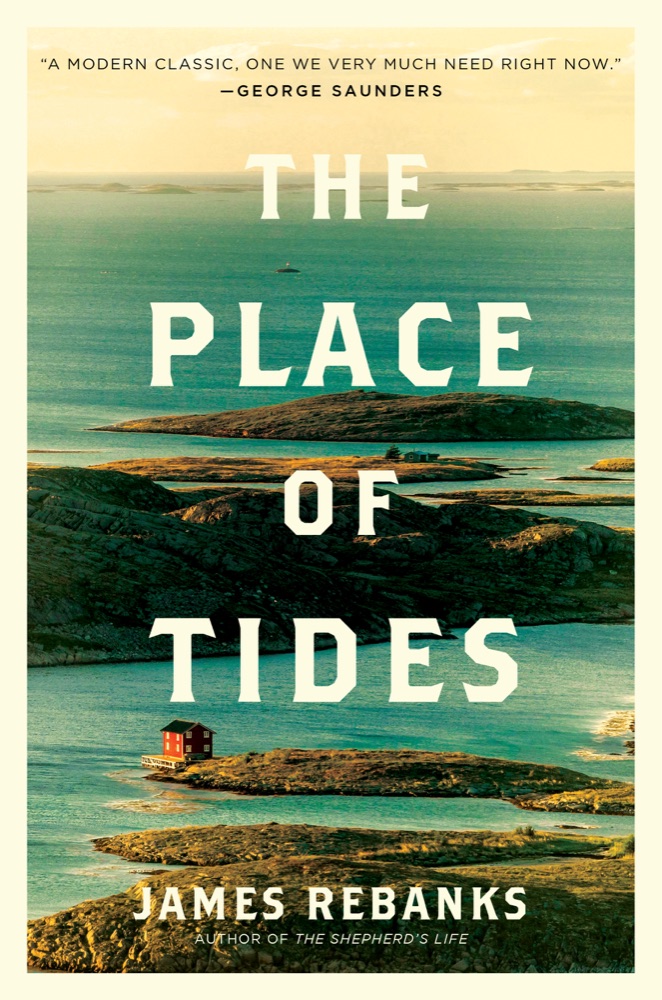
The Place of Tides is a reflective nonfiction memoir by the English farmer and writer James Rebanks. It recounts the season he spent on Fjaeroy, a tiny island in the Vega archipelago off the west coast of Norway, just south of the Arctic Circle, living and working alongside Anna Masoy, one of Norway's last traditional 'duck women.' For generations these women have tended wild eider ducks, building and maintaining their seaweed nests, guarding them from predators, and afterwards harvesting and painstakingly cleaning the soft down the birds pluck from their breasts to line those nests.
At its heart the book is about slowness, attention, and a still-essential way of living that resists the demands of the modern world. Rebanks arrives unmoored and exhausted in the wake of his father's death and the pressures of farming life, and through the discipline of repetitive, purposeful labour alongside Anna and her friend Ingrid he finds a kind of reset. It is nature writing that doubles as a meditation on work, mentorship, ageing, and what Rebanks calls 'the history of the nobodies'-the overlooked people whose quiet craft sustains a place.
Published to wide acclaim, the book was praised by reviewers as serene, lyrical, and quietly profound, and it was shortlisted for the Edward Stanford Travel Writing Awards. It follows Rebanks's bestselling earlier books The Shepherd's Life and English Pastoral, and was received as a worthy continuation of his work on land, labour, and tradition.
Book details
- First published
- 2024
- Length
- 304 pages
- Reading time
- 7 hours
- Author
- James Rebanks
- Genre
- Nonfiction
- Goodreads rating
- 4.23 (7k ratings)
Critical reception
- Kirkus Reviews described it as a serene, reflective memoir of Rebanks's stay with Anna Masoy collecting eiderdown.
- The book was shortlisted for the Edward Stanford Travel Writing Awards.
- Reviewers widely praised it as lyrical and quietly profound nature writing about a vanishing way of life.
The buzz
- The Washington PostIn 'The Place of Tides,' James Rebanks finds an age-old way of life2025Acclaimed nature writer's encounter with a memorable woman in Norway's Vega archipelago
- The Christian Science MonitorA burned-out nature writer gets a radical reset breeding ducks2025On renewal and purposeful simplicity learned from a Norwegian duck caretaker
- Kirkus ReviewsThe Place of Tides2025Calls it a serene, reflective memoir of life harvesting eiderdown
Keep reading
 A Brightness Long Ago
 The Sea Keeper's Daughters
 The Clockmaker's Daughter
 This Is Happiness
 The Cat's Table
 Canada
 Dream Count
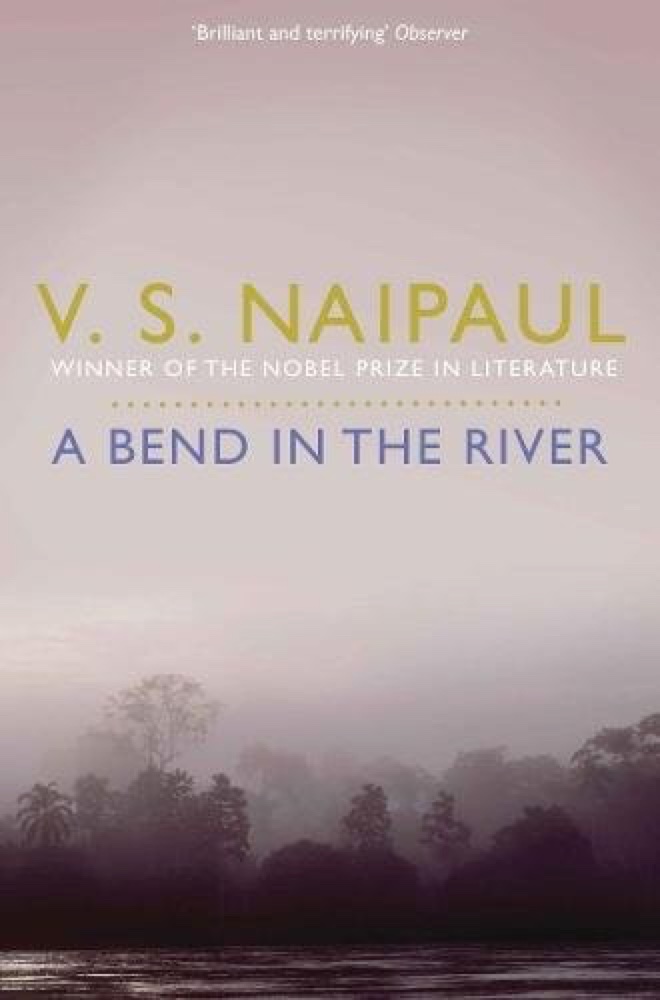 A Bend in the River
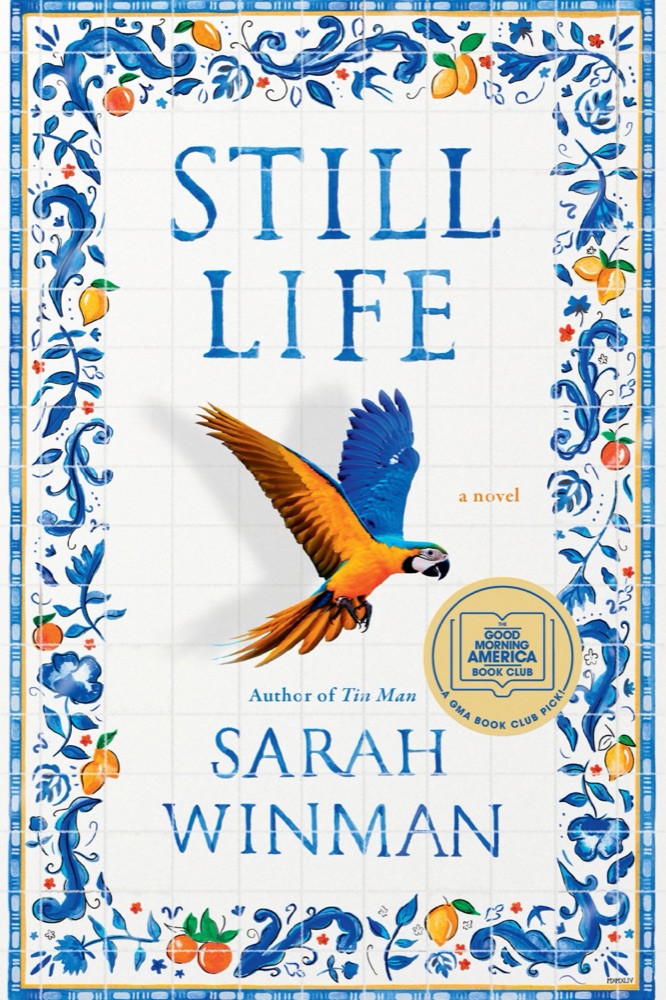 Still Life
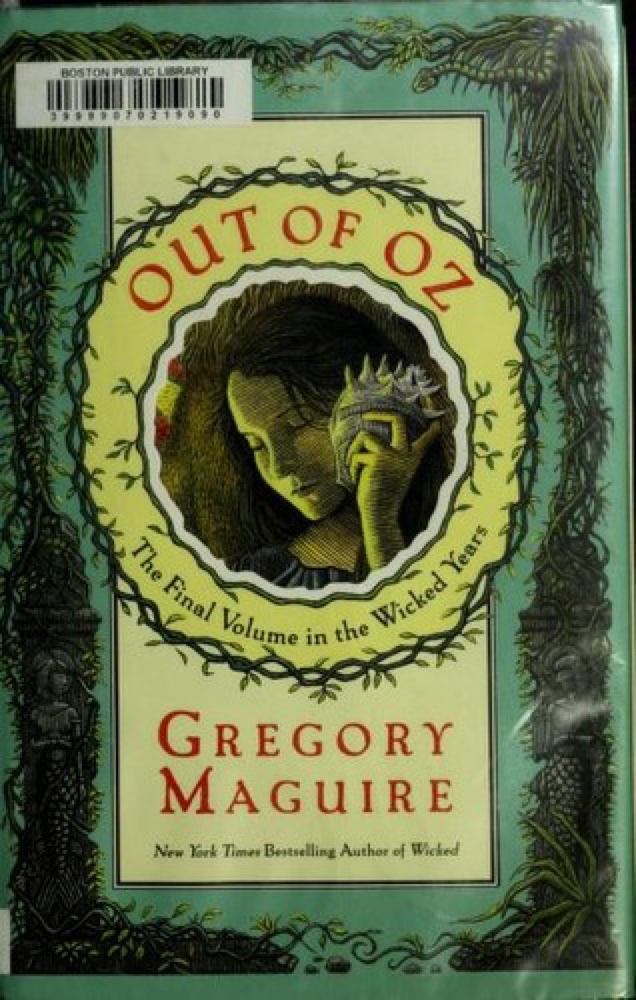 Out of Oz
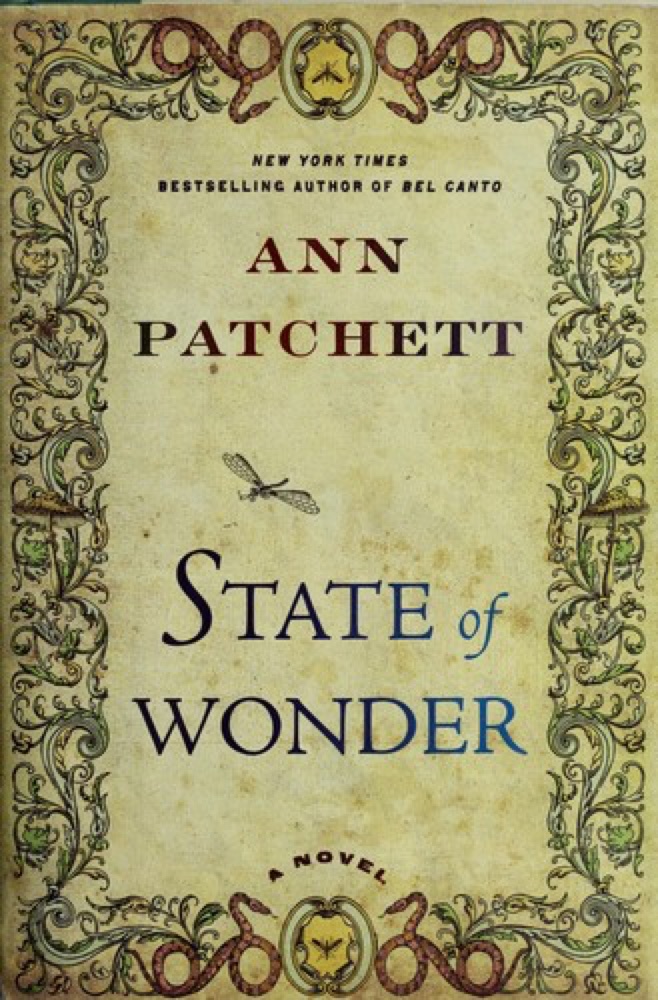 State of Wonder
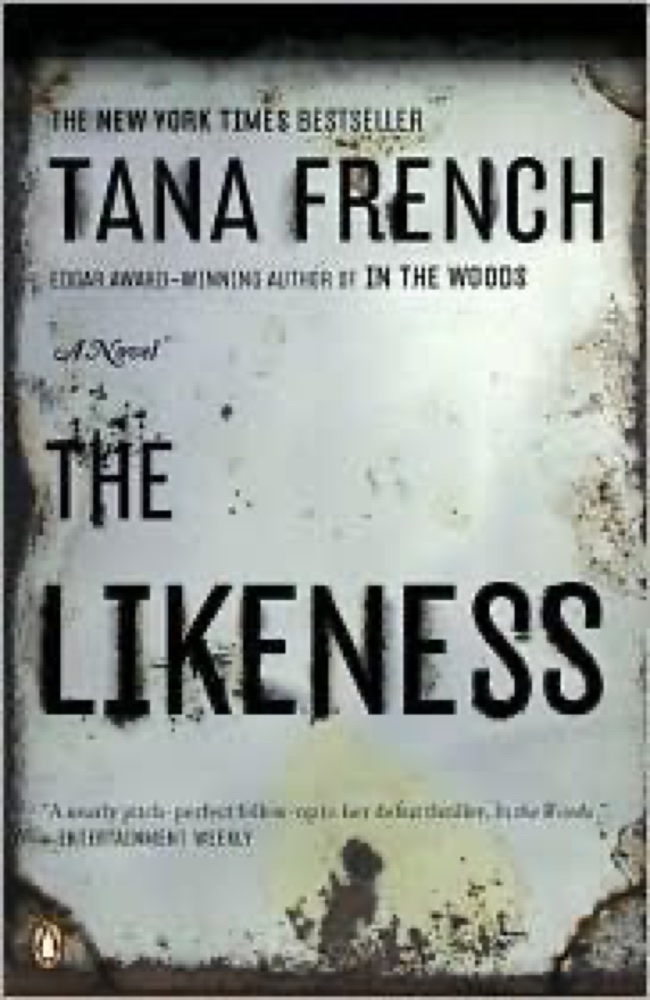 The Likeness
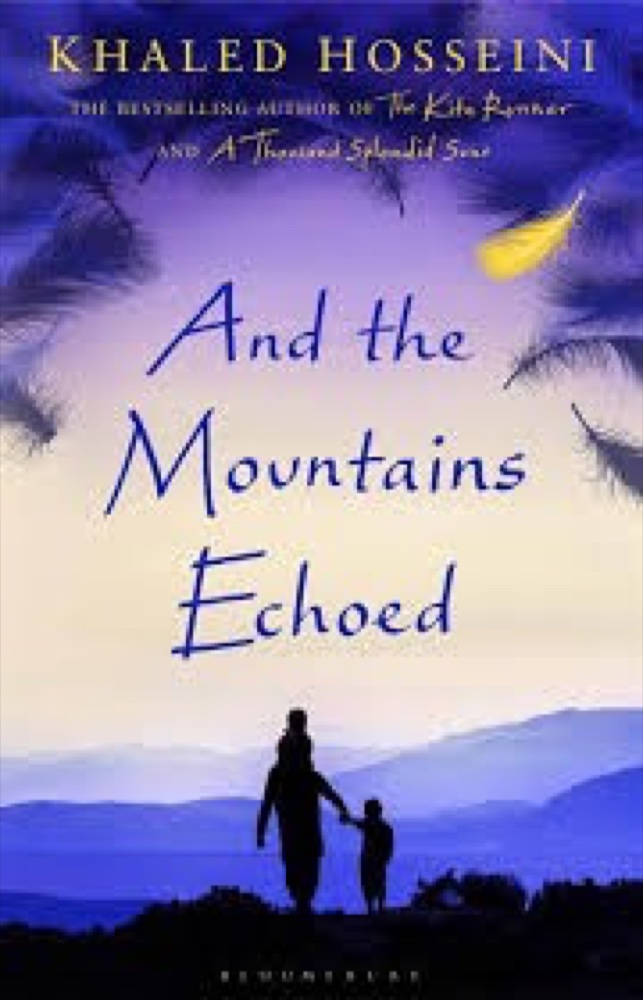 And the Mountains Echoed
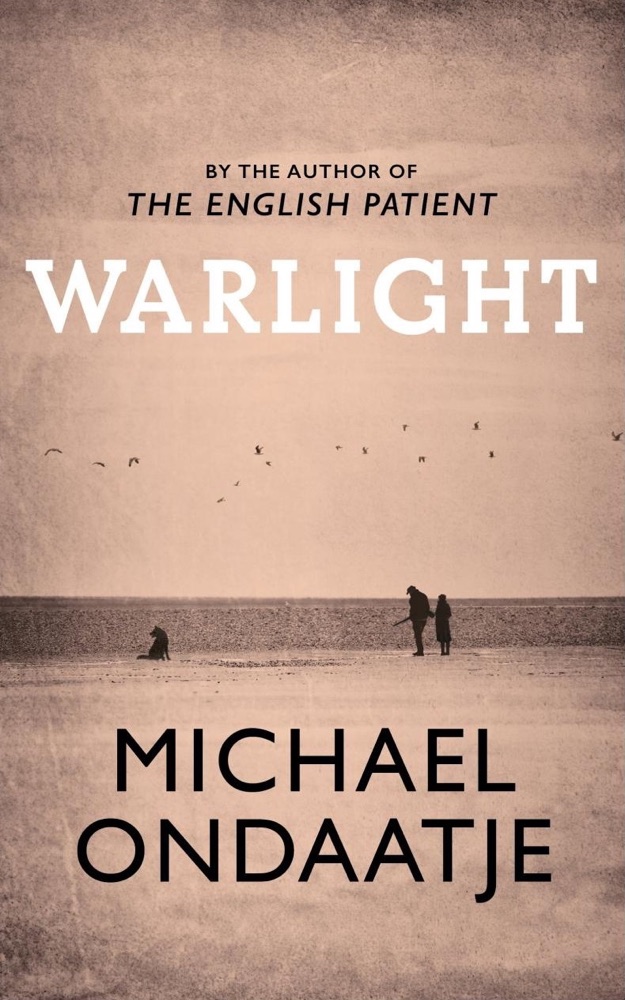 Warlight
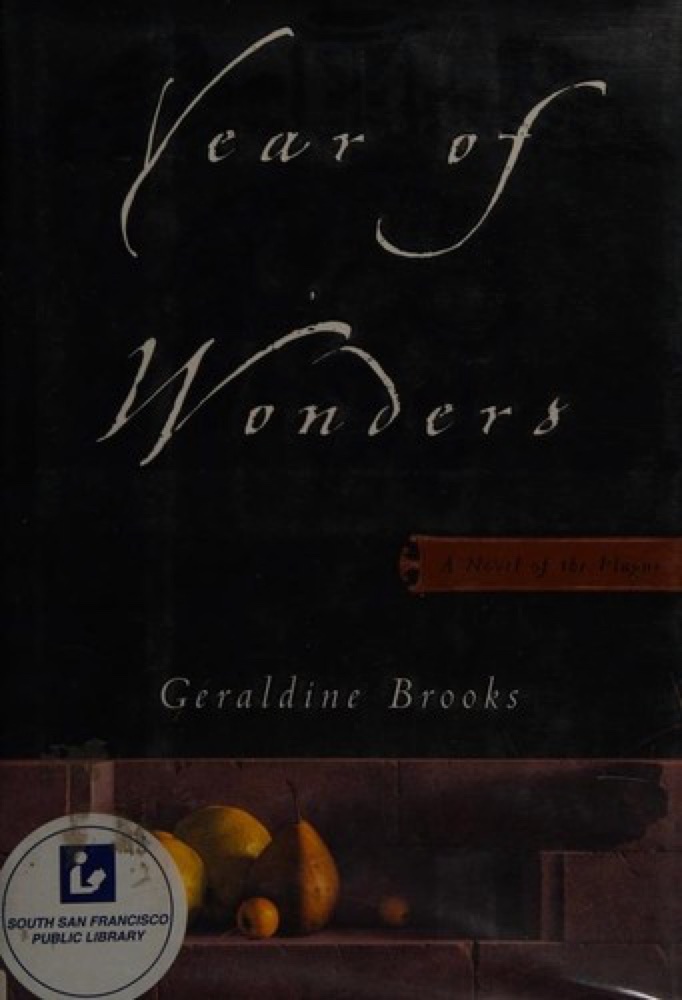 Year of Wonders
 We All Looked Up
 Little Monsters
 The Novel Habits of Happiness
 The Stardust Grail
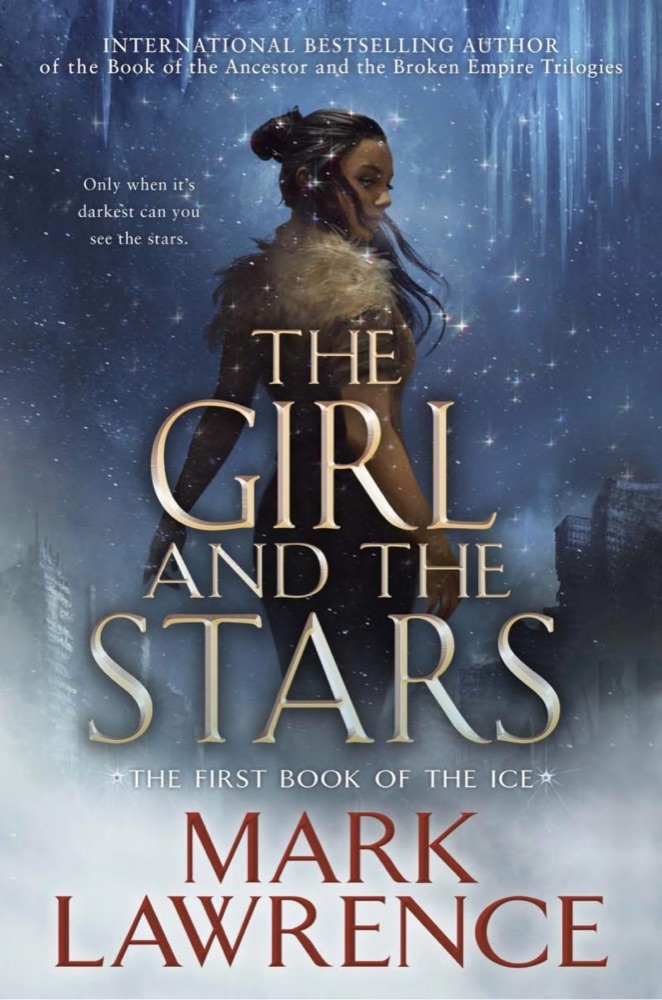 The Girl and the Stars
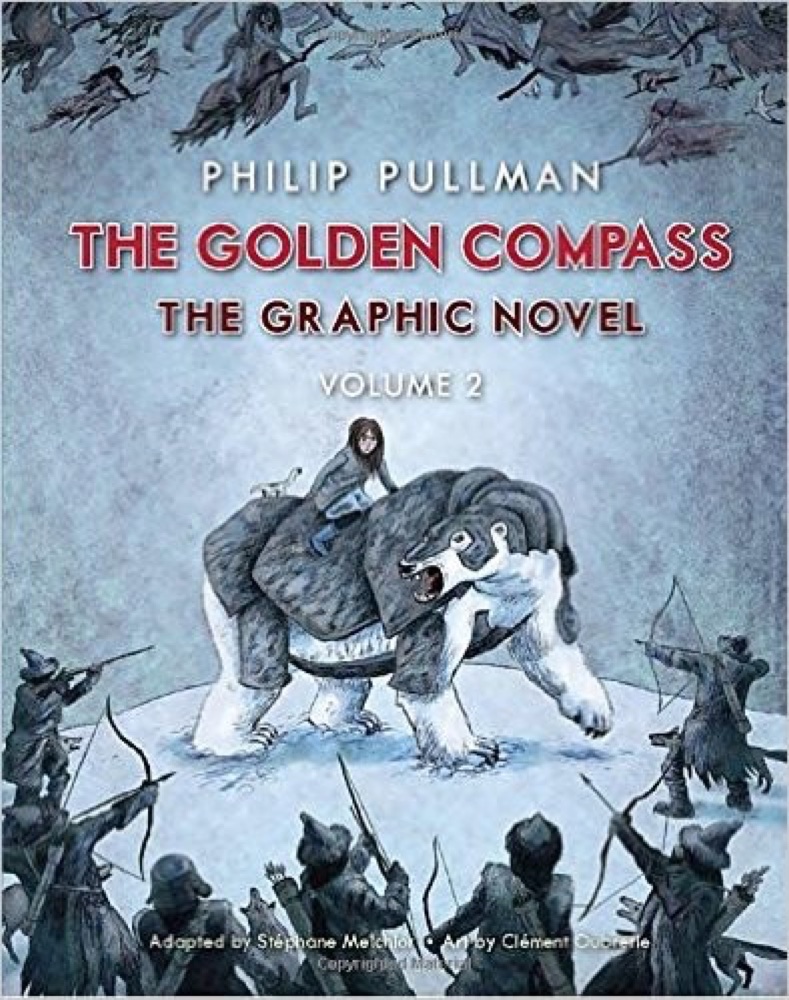 The Golden Compass
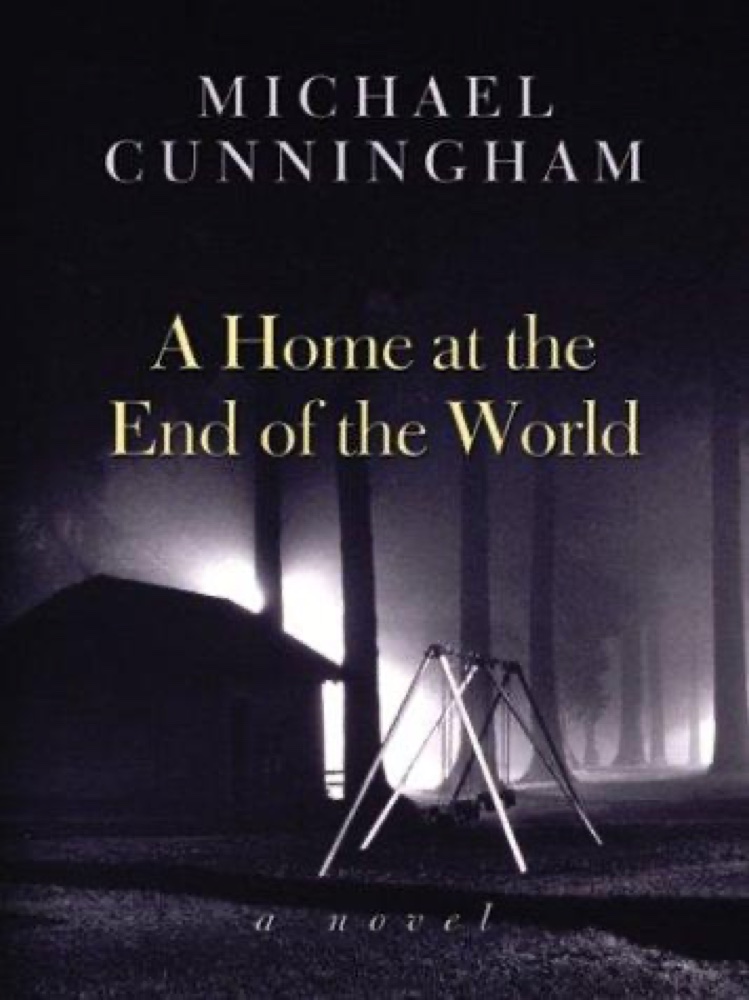 A Home at the End of the World
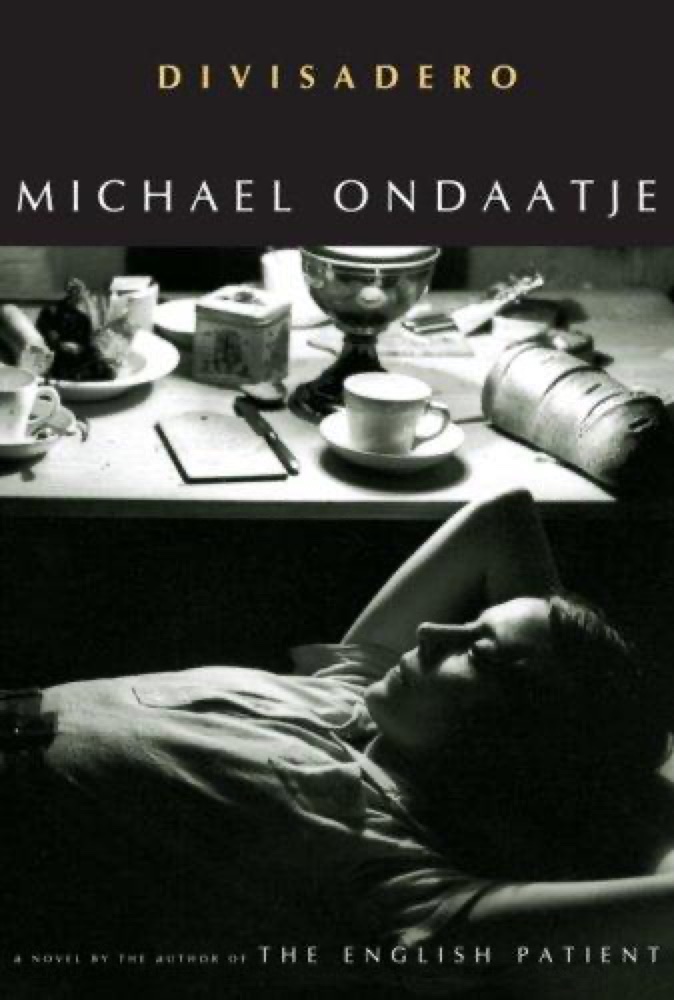 Divisadero
 Life After Life
 How High We Go in the Dark
 H is for Hawk
 Now Is the Time to Open Your Heart
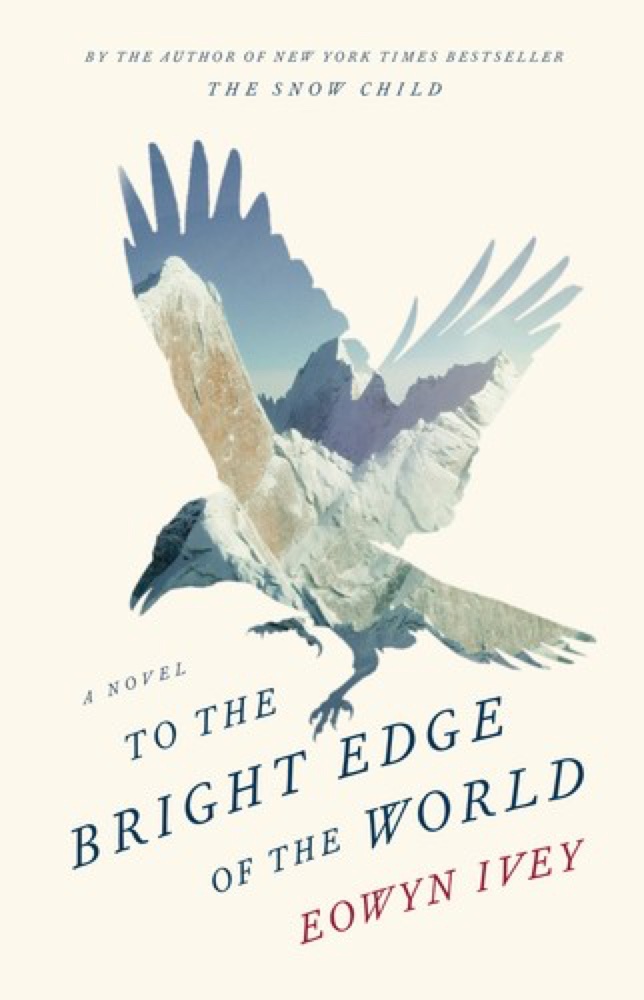 To The Bright Edge of the World
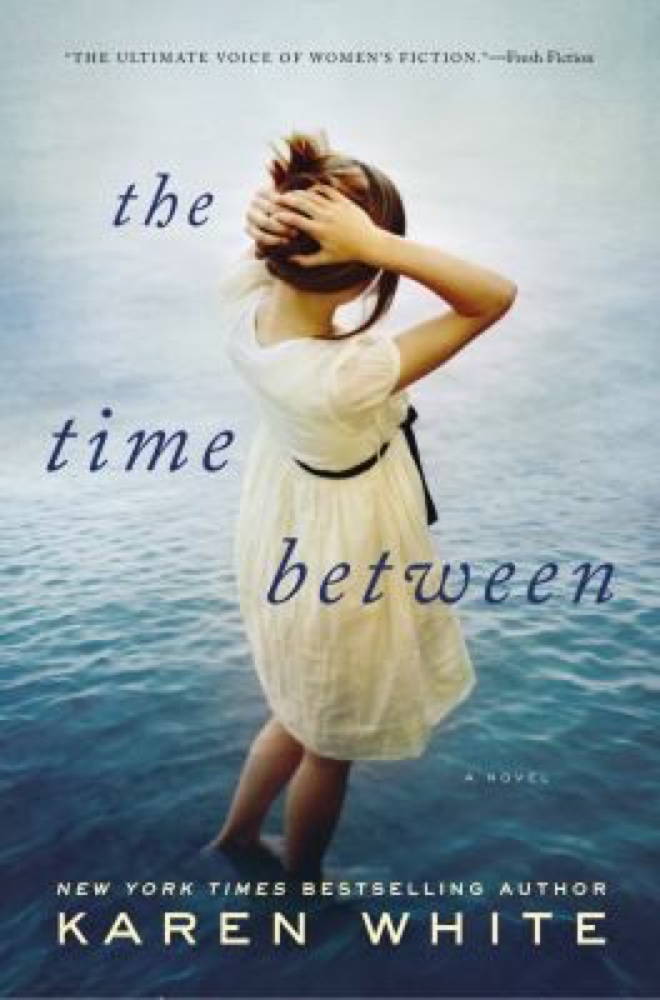 The Time Between
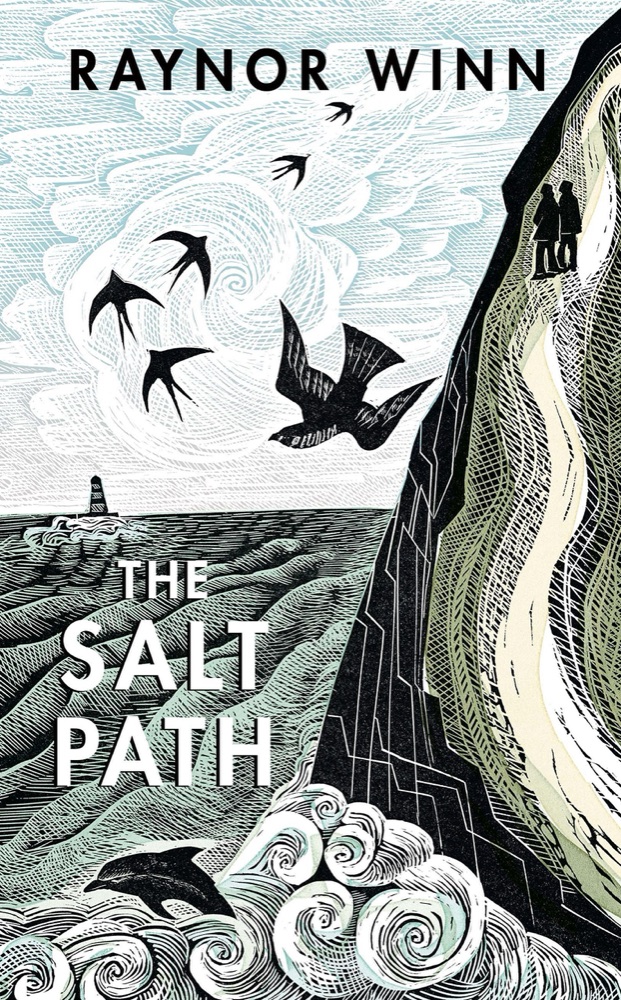 The Salt Path
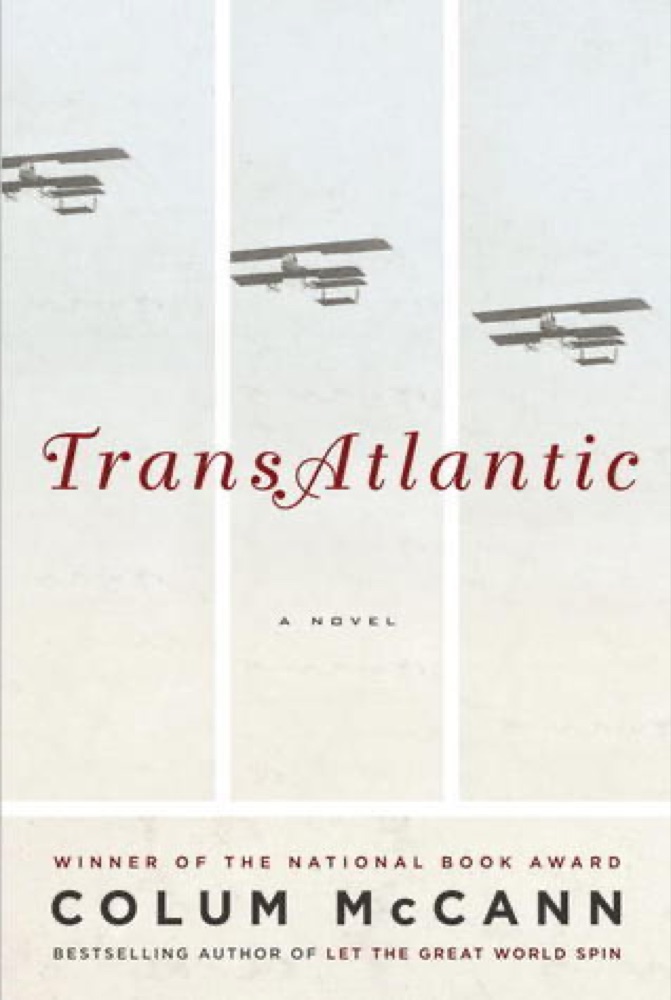 TransAtlantic
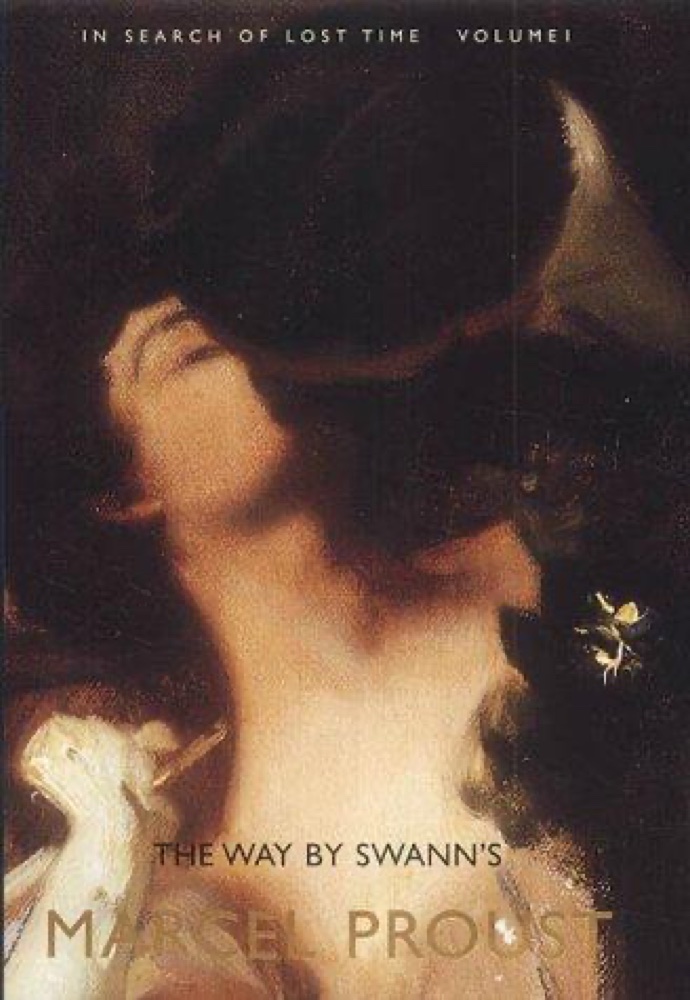 In Search of Lost Time
 The Wind-Up Bird Chronicle
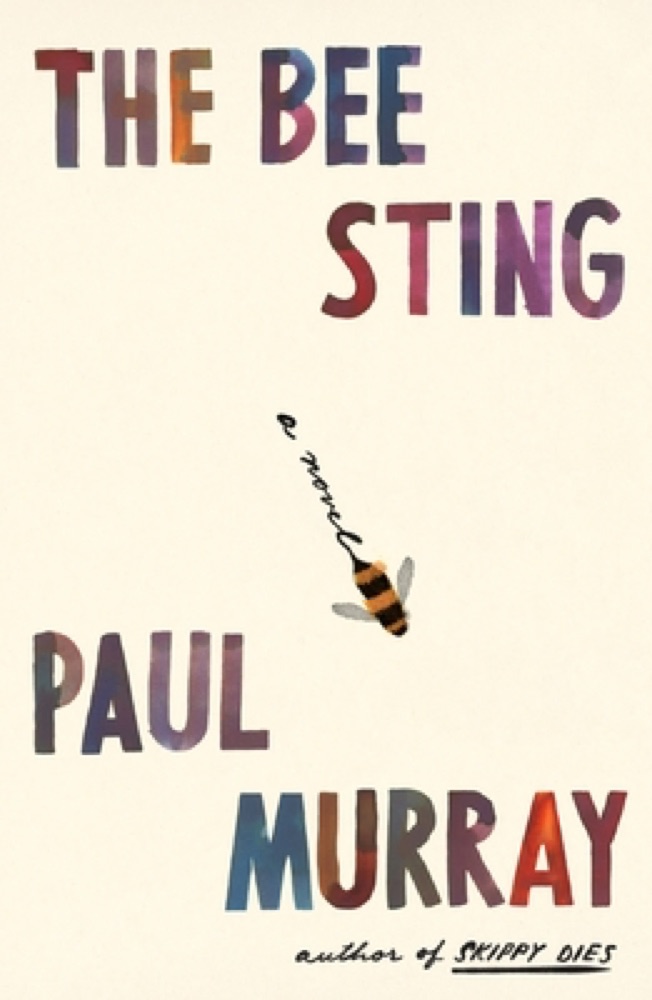 The Bee Sting
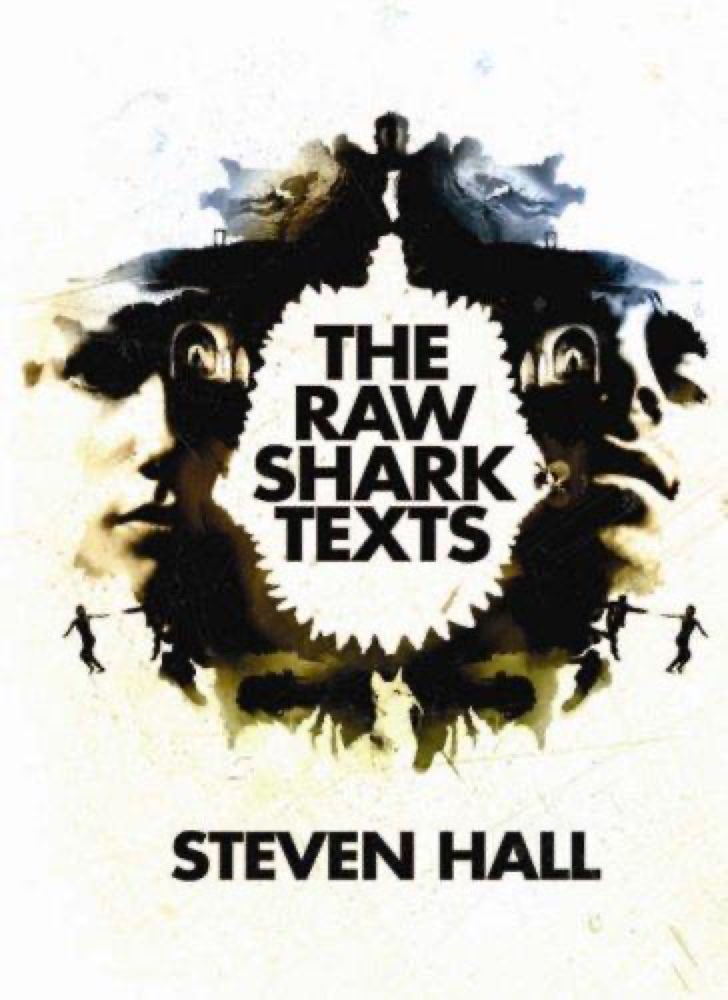 The Raw Shark Texts
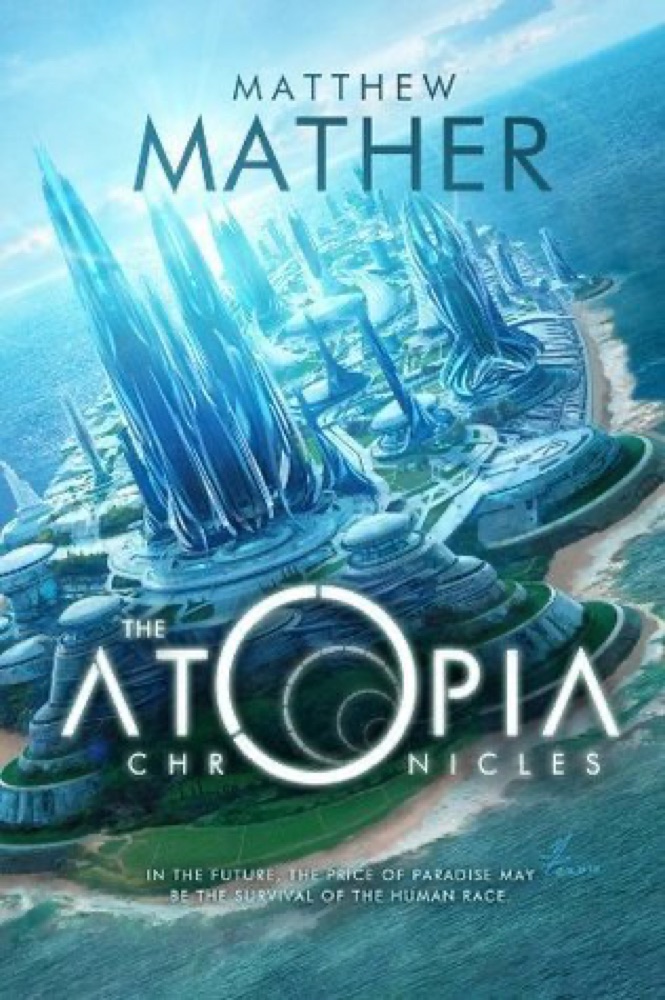 The Atopia Chronicles
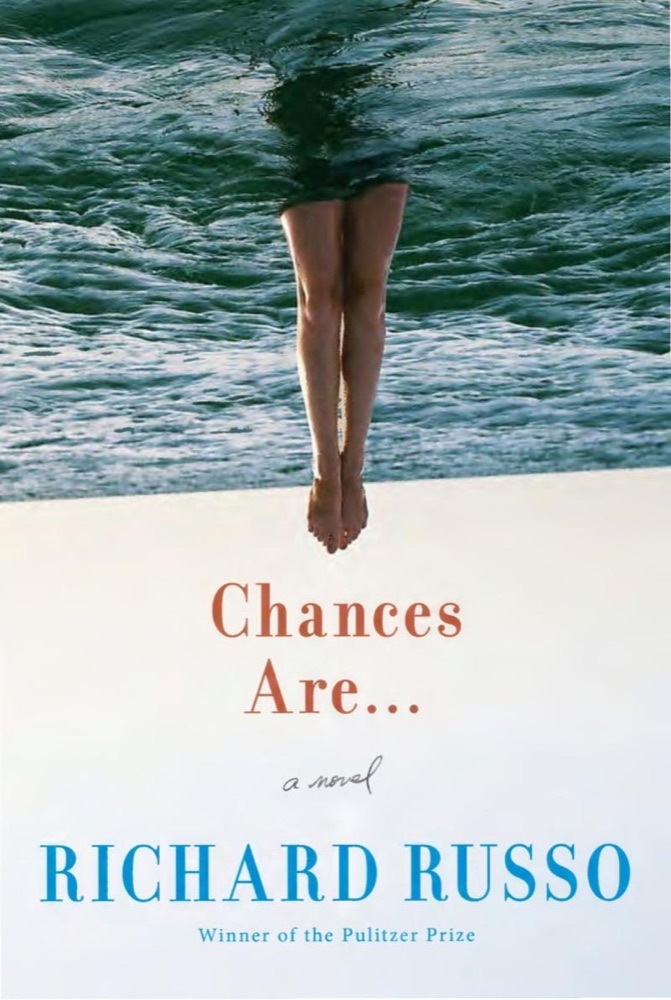 Chances Are...
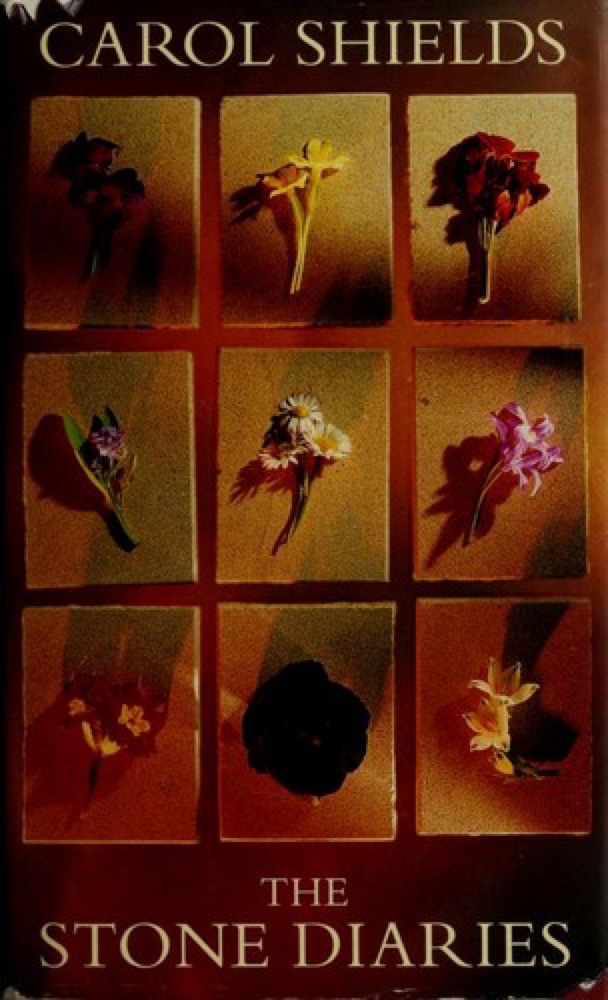 The Stone Diaries
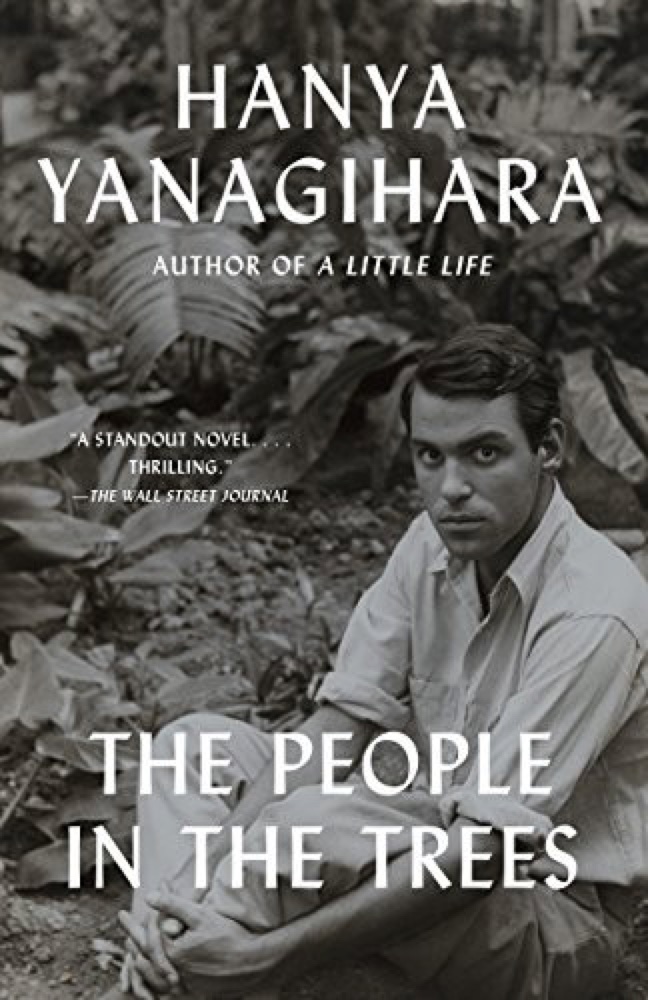 The People in the Trees
 The Sea, the Sea
 The Story of the Lost Child
 The Plover
 Speaking Bones
 A Boy and His Dog at the End of the World
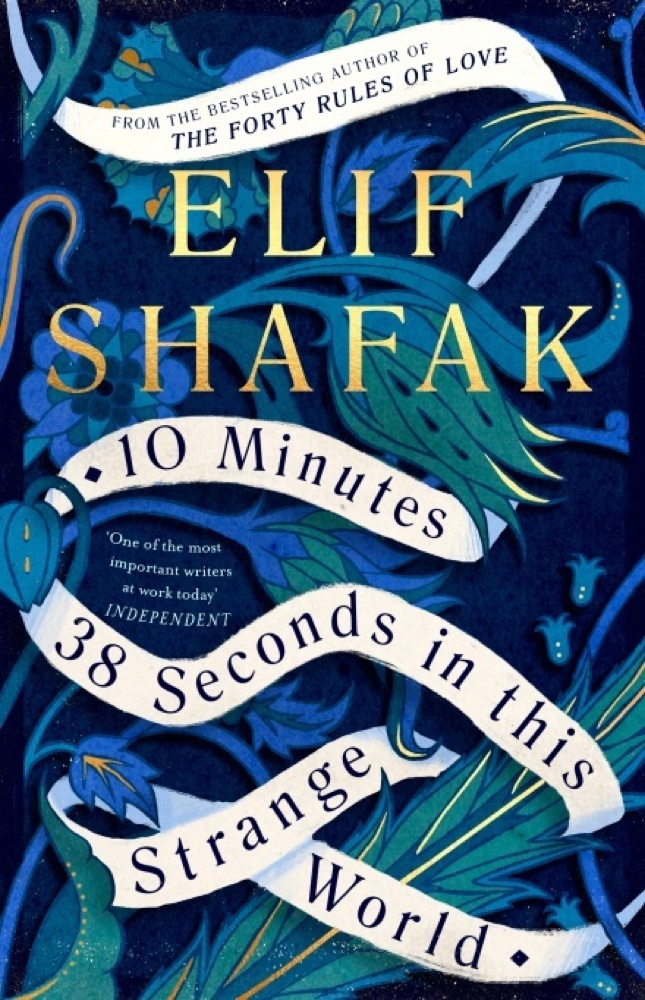 10 Minutes 38 Seconds in This Strange World
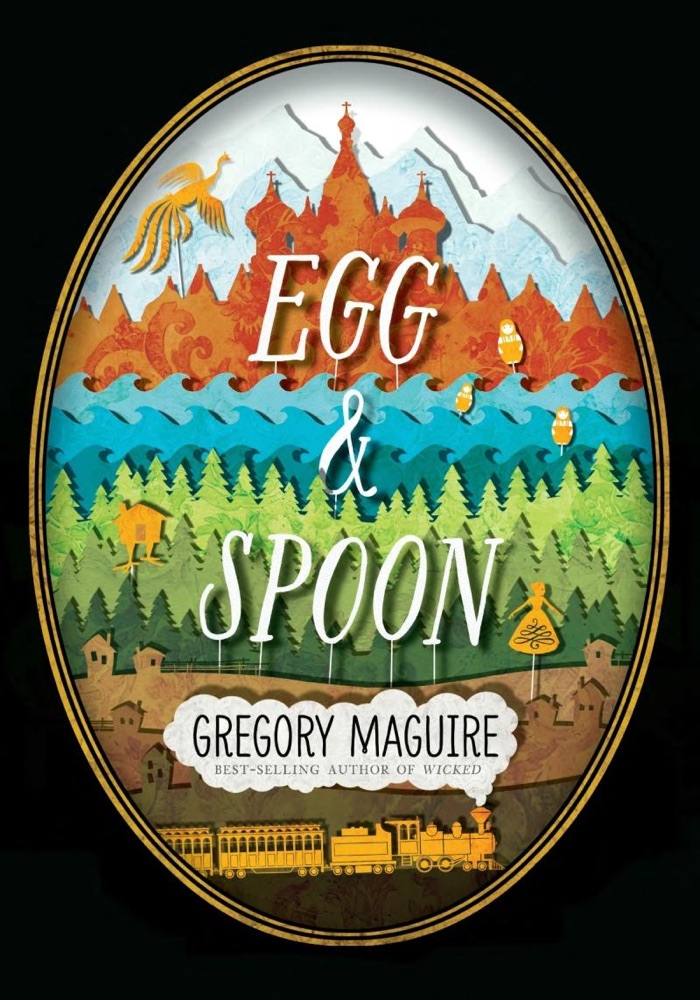 Egg & Spoon
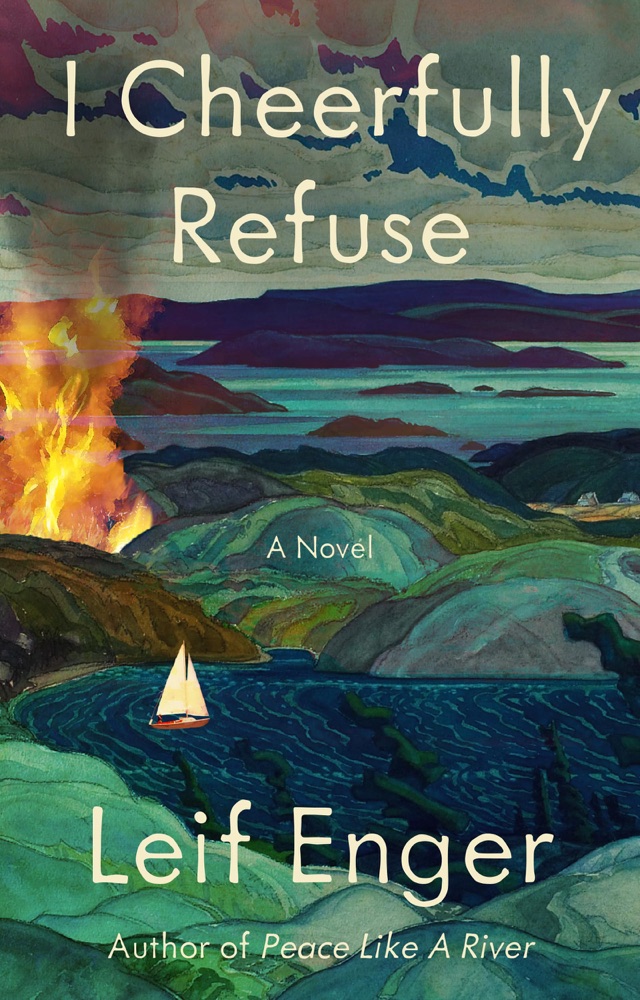 I Cheerfully Refuse
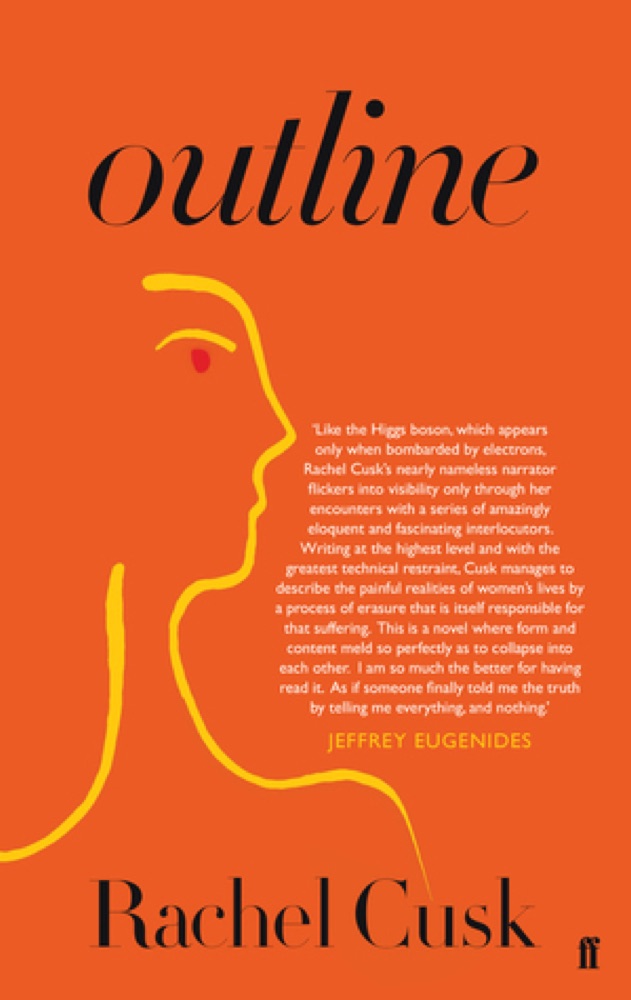 Outline
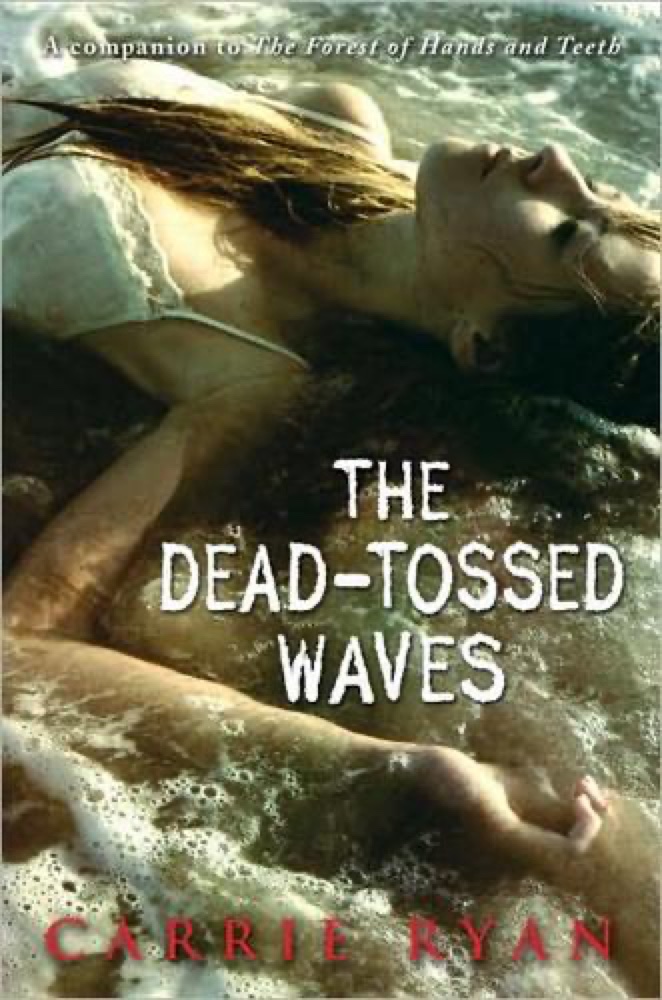 The Dead-Tossed Waves
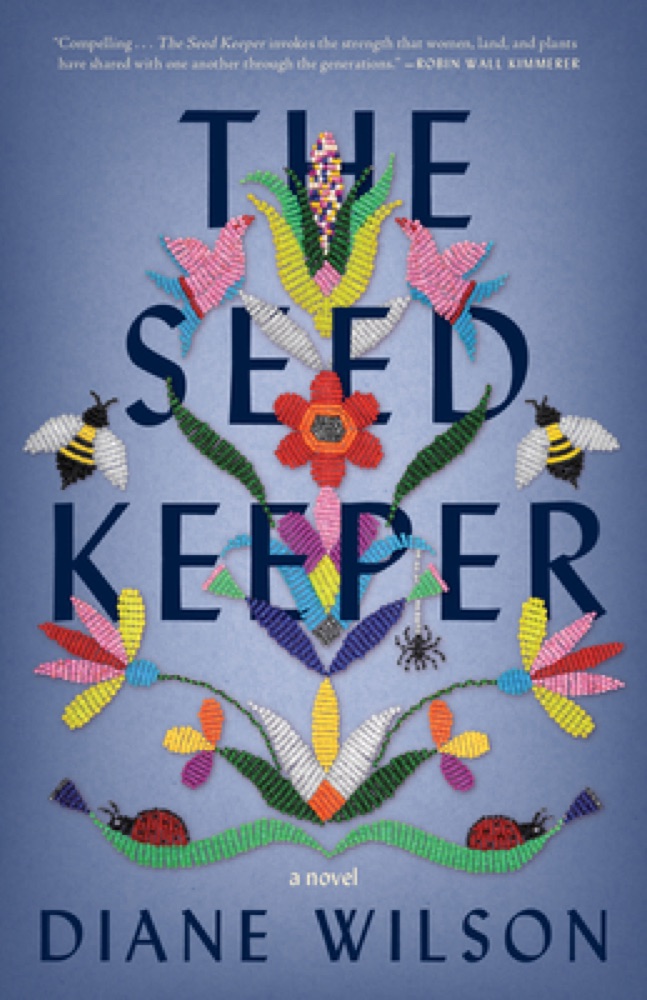 The Seed Keeper
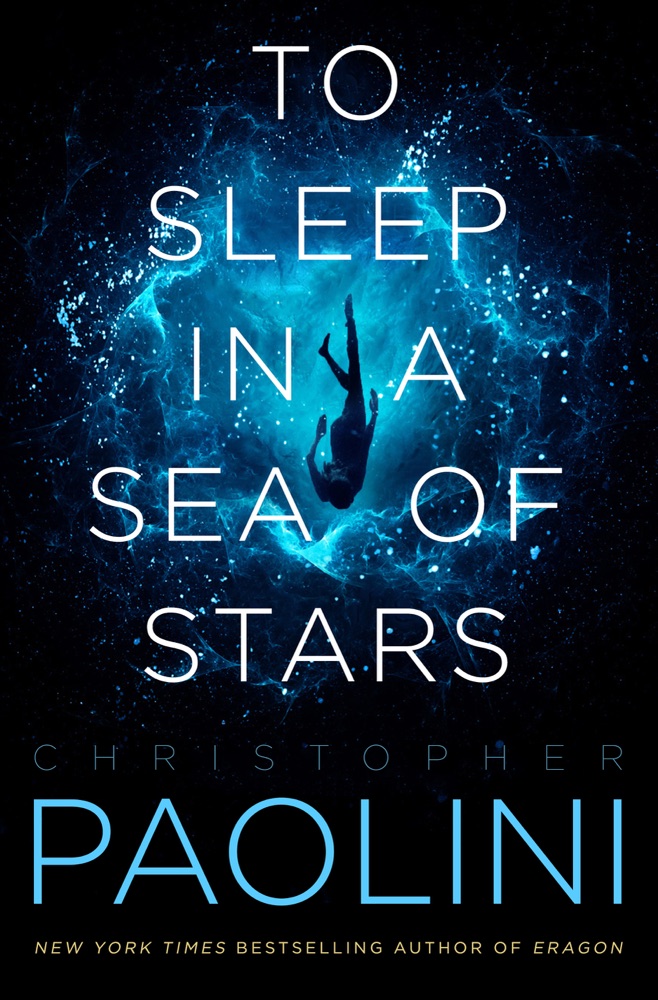 To Sleep in a Sea of Stars
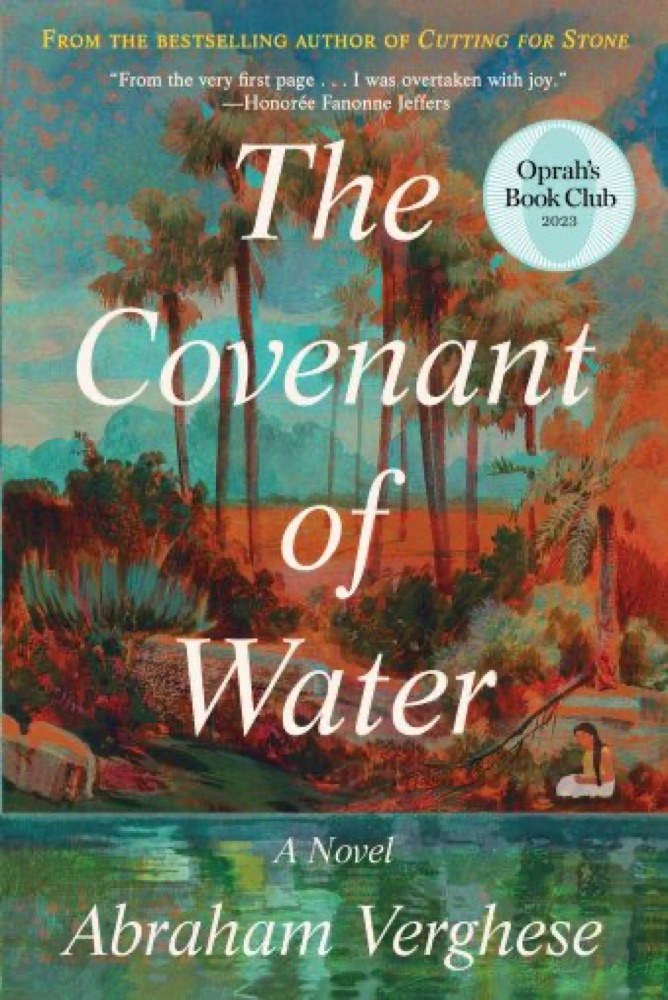 The Covenant of Water
 The Story of a New Name
 Winter
 My Friends
 In Ascension
 The Hour I First Believed
 House of Trelawney
 The Glass Hotel
 West with the Night