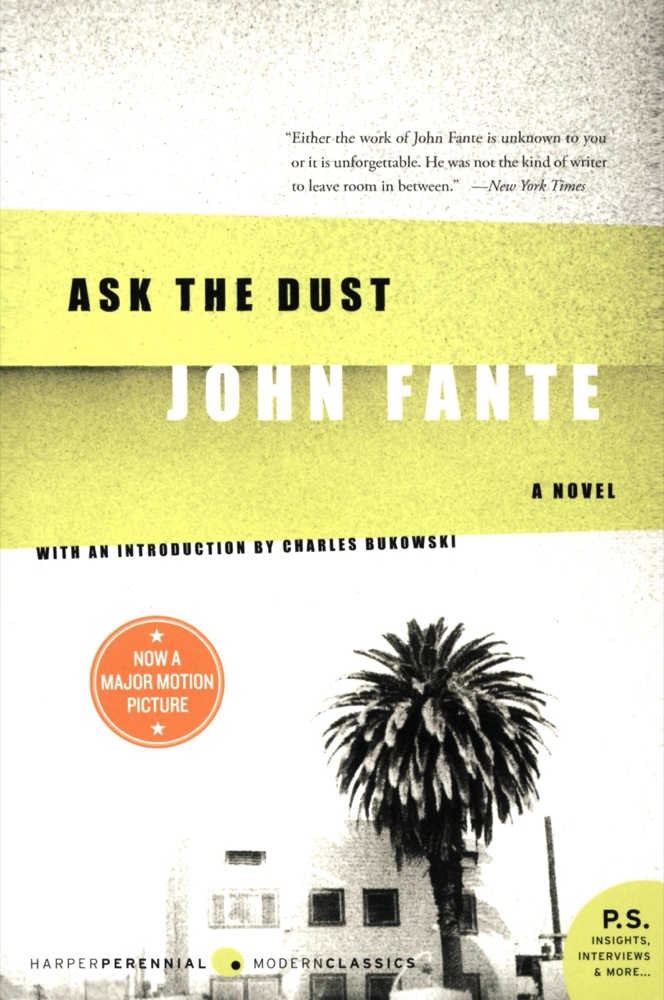
 Ask the Dust
Quotes from the Book
Nor did he give a damn for the world either, or the universe, or heaven or hell. But he liked women.
66
Then it happened. One night as the rain beat on the slanted kitchen roof a great spirit slipped forever into my life. I held his book in my hands and trembled as he spoke to me of man and the world, of love and wisdom, pain and guilt, and I knew I would never be the same. His name was Fyodor Mikhailovich Dostoyevsky. He knew more of fathers and sons than any man in the world, and of brothers and sisters, priests and rogues, guilt and innocence. Dostoyevsky changed me. The Idiot, The Possessed, The Brothers Karamazov, The Gambler. He turned me inside out. I found I could breathe, could see invisible horizons. The hatred for my father melted. I loved my father, poor, suffering, haunted wretch. I loved my mother too, and all my family. It was time to become a man, to leave San Elmo and go out into the world. I wanted to think and feel like Dostoyevsky. I wanted to write. The week before I left town the draft board summoned me to Sacramento for my physical. I was glad to go. Someone other than myself could make my decisions. The army turned me down. I had asthma. Inflammation of the bronchial tubes. “That’s nothing. I’ve always had it.” “See your doctor.” I got the needed information from a medical book at the public library. Was asthma fatal? It could be. And so be it. Dostoyevsky had epilepsy, I had asthma. To write well a man must have a fatal ailment. It was the only way to deal with the presence of death.
21
It is better to die of drink then to die of thirst.
15
When your weakness are your strengths, you cry.
8
Nobody crossed him without a battle. He disliked almost everything, particularly his wife, his children, his neighbours, his church, his priest, his town, his state, his country, and the country from which he emigrated. Nor did he give a damn for the world either, or the sun or the stars, or the universe, or heaven or hell. But he liked women.
6
By Franklin Roosevelt's time Hilda Dietrich was forty, a housewife and mother, married to the Reverend Herman Dietrich, pastor of the Lutheran church. Like her husband, who said as much from his pulpit, Mrs Dietrich was fully persuaded that Italians were creatures with African blood, that all Italians carried knives, and that the country was in the clutches of the Mafia. It was no extremist theory. A lot of worried people believed it, particularly Italian-Americans.
3
Leave town, Henry. Leave before they trap you
3
When your weaknesses are your strenghts, you cry. For crying disconcerts people, they don't know how to handle it; they are expecting violence and suddenly it vanishes in a pool of tears.
3
When your weaknesses are your strengths, you cry. For crying disconcerts people, they don’t know how to handle it; they are expecting violence and suddenly it vanishes in a pool of tears.
2
The kitchen. La cucina, the true mother country, this warm cave of the good witch deep in the desolate land of loneliness, with pots of sweet potions bubbling over the fire, a cavern of magic herbs, rosemary and thyme and sage and oregano, balm of lotus that brought sanity to lunatics, peace to the troubled, joy to the joyless, this small twenty-by-twenty world, the altar a kitchen range, the magic circle a checkered tablecloth where the children fed, the old children, lured back to their beginnings, the taste of mother's milk still haunting their memories, fragrance in the nostrils, eyes brightening, the wicked world receding as the old mother witch sheltered her brood from the wolves outside.
2
I figli erano i chiodi che lo tenevano crocefisso a mia madre.
About John Fante
We have collected 62 quotes from 4 books by John Fante on BookQuoters.
More about the author →More by John Fante
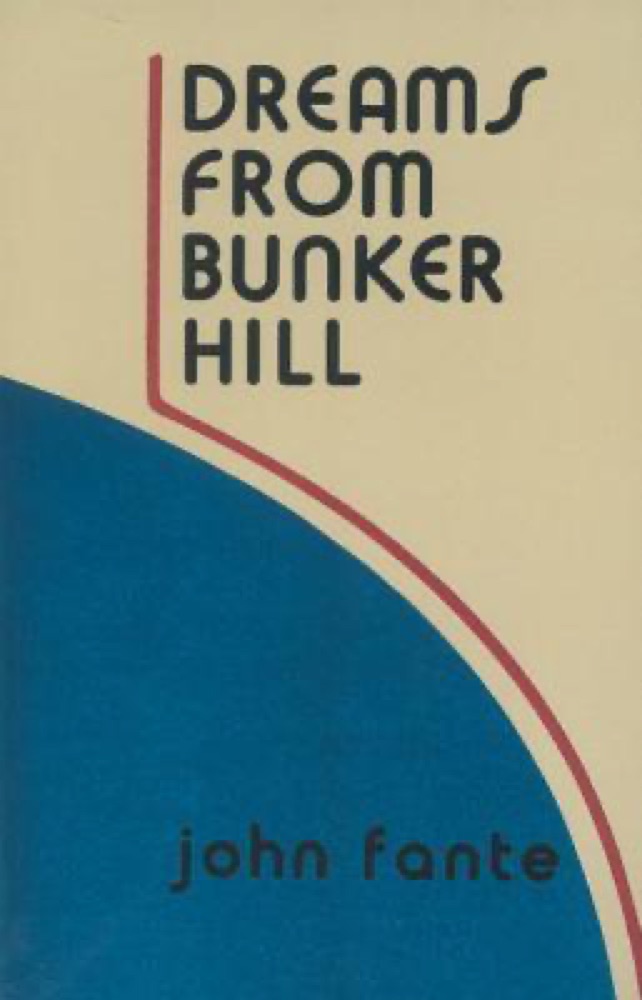
About the book
Henry Molise, a 50 year old, successful writer, returns to the family home to help with the latest drama; his aging parents want to divorce. Henry's tyrannical, brick laying father, Nick, though weak and alcoholic, can still strike fear into the hearts of his sons. His mother, though ill and devout to her Catholicism, still has the power to comfort and confuse her children. This is typical of Fante's novels, it's autobiographical, and brimming with love, death, violence and religion. Writing with great passion Fante powerfully hits home the damage family can wreck upon us all.
Book details
- First published
- 1977
- Author
- John Fante
- Genre
- Fiction
- Goodreads rating
- 4.16 (7k ratings)
Keep reading
 Christmas Holiday
 Flow My Tears, the Policeman Said
 The Broken Eye
 The Once and Future King
 Love
Love
 The Enchantress of Florence
 The Great Santini
 The Tender Bar
 Life and Fate
 White Teeth
 The Man Who Loved Children
 Blood of Elves
 Arch of Triumph
 The Left Hand of God
 The Devil's Star
 Where Angels Fear to Tread
 Sign Here
 Moth Smoke
 The Finkler Question
 The Gadfly
 The Story of the Lost Child
 Sword & Citadel
 The Snowman
 Shirley
 Forge of Darkness
 Giovanni's Room
 Lightning
 The Power and the Glory
 The Hundred Thousand Kingdoms
 The Day of the Locust
 My Childhood
 Uncle Silas
 From Here to Eternity
 Farewell Waltz
 The Eighth Life
 Bastard Out of Carolina
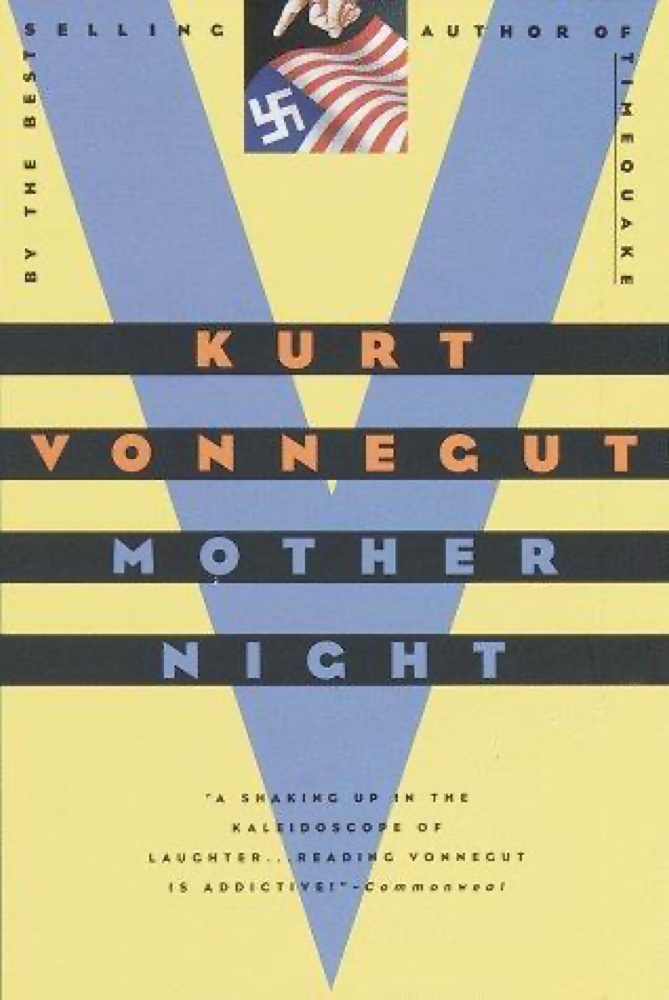 Mother Night
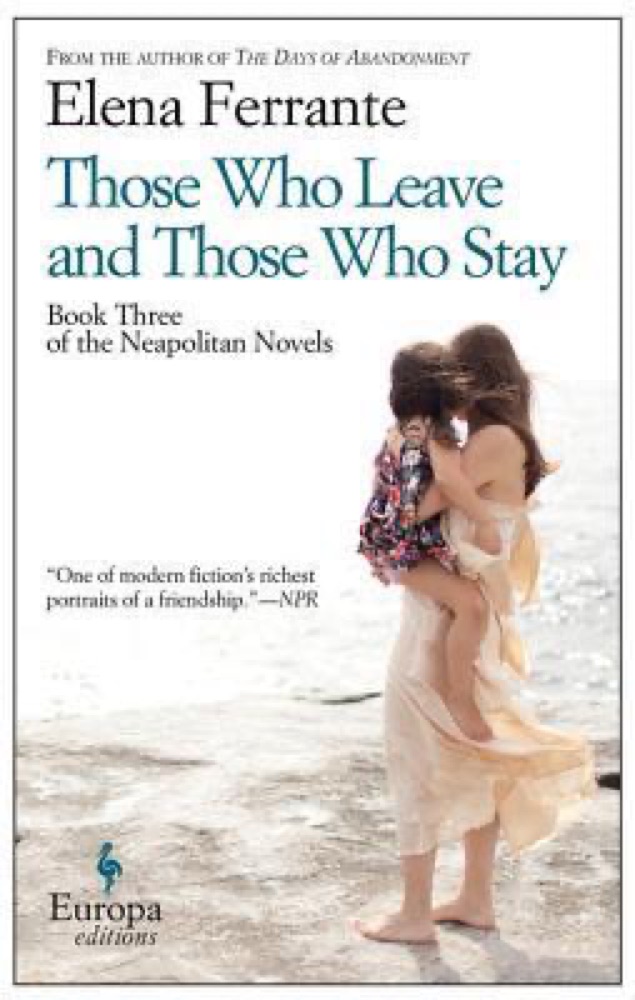 Those Who Leave and Those Who Stay
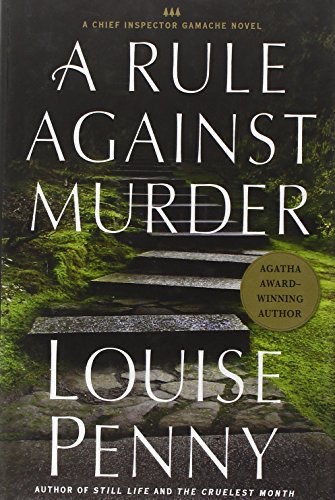 A Rule Against Murder
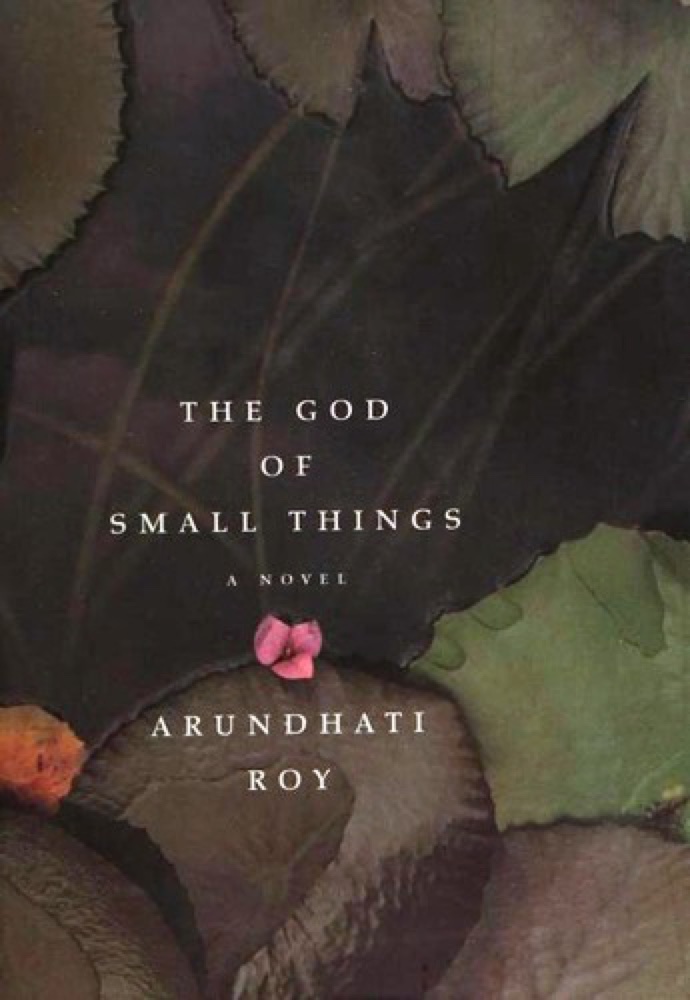 The God of Small Things
 Fall of Light
 The Women's Room
 Fifty Beasts to Break Your Heart: And Other Stories
 The Naked and the Dead
 Something Wicked This Way Comes
 Cursed Bunny
 Betty
Betty
 Sleeping Beauties
 Styxx
Styxx
 People of the Book
 Best Served Cold
 Gathering Darkness
 Juliet
 The Invasion of the Tearling
 A Fatal Grace
 Fall on Your Knees
 Henderson the Rain King
 Uncle Tom's Cabin
 Beneath a Scarlet Sky
 A Soldier of the Great War