

 Bastard Out of Carolina
Quotes from the Book
It is splendid—to be—loved! If we only—can—live up—to the thoughts—of us—by them—that love us!
Life is nothing but rags and tags and filthy rags at that. Why was I ever born?
What a dreary stodgy world of adults the children saw when they went out!
Who tarnishes, assaults, threatens, hates the spirit of man is guilty of crime.
Pale as a candle flame in the dusk, tallow-pale, he stalked along, holding her hand, and Louie looked up and beyond him at the enfeebled stars. Thus, for many years, she had seen her father's head, a ghostly earth flame against the heavens, from her little height. Sam looked down on the moon of her face; the dayshine was enough still to light the eyeballs swimming up to him.
All the June Saturday afternoon Sam Pollit's children were on the lookout for him as they skated round the dirt sidewalks and seamed old asphalt of R Street and Reservoir Road that bounded the deep-grassed acres of Tohoga House, their home.
I do not know how I got through without breaking down, without my heart bursting from sorrow and shame.
Tolstoy said that “each unhappy family is unhappy in a way of its own—
men call it the tyranny of tears, it is an iron tyranny- no man could be so cruel, so devishlish,as a woman with her weakness, recrimination, convenient ailments, nerves and tears. We men are all weak as water before the primitive devices of Eve. I was patient at first, many years. '
He talks about human equality, the rights of man, nothing but that. How about the rights of woman, I’d like to scream at him. It’s fine to be a great democrat when you’ve a slave to rub your boots on.
By smiling, we turn devils into angels, enemies into friends; the cup of poison becomes the loving cup.
Where, in all the self-righteous lying world, could she turn for a friend? She even thought angrily of her children—they were simply eating up her flesh as they had when they were at the breast, no less.
You ought to have had a man to make you wash floors and kick you in the belly when you didn’t hurry up for him,” said Henny with all the hate of a dozen years. “I’m as rotten as she is—I’ve had men too—I’ve gone trailing my draggletail in all sorts of low dives—I’ve taken money from a man to keep his children—I’m a cheat and a liar and a dupe and a weak idiot and there’s nothing too low for me, but I’m still ‘mountains high’ above you and your sickly fawning brother who never grew up—I’m better than you who go to church and than him who is too good to go to church, because I’ve done everything. I’ve been dirty and low and done things you’re both too stupid and too cowardly to do, but however low I am, I’m not so filthy crawling in the stench of the gutter, I haven’t got a heart of stone, I don’t sniff, sniff, sniff when I see a streetwalker with a ragged blouse, too good to know what she is: I hate her but I hate myself.
[...] she had written Clare a letter in school yesterday afternoon and delivered it herself on the way home. In this letter she had mildly said, «Everyone thinks I am sullen, surly, sulky, grim; but I am the two hemispheres of Ptolemaic marvels, I am lost Atlantis risen from the sea, the Western Isles of infinite promise, the apples of the Hesperides and daily make the voyage to Cytherea, island of snaky trees and abundant shade with leaves large and dripping juice, the fruit that is my heart, but I have a thousand hearts hung on every trees, yes, my heart drips alone every fence paling. I am mad with my heart which beats too much in the world and falls in love at every instant with every reflection that glimmers in it.» And much more of this, which she was accustomed to write to Clare, stuff almost without meaning, but yet which seemed to have the entire meaning of life for her, and which made Clare exclaim a dozen times, «Oh, Louie, I can’t believe it, when I get your letters, you are the same person: when I meet you at school I keep looking at you in surprise!»
When we are born, we are studied, and deviations, if noxious to the species, are suppressed; good deviations are preserved. And furthermore, we bear our formula on our arm band!
Her poverty was naked on the empty streets, and if no one walked abroad she felt all the more ghastly, like a wretched sinner in the sight of God.
she saw her husband for the first time: she had married a child whose only talent was an air of engaging helplessness by which he got the protection of certain goodhearted people—
She was an old-fashioned woman. She had the calm of frequentation; she belonged to this house and it to her. Though she was a prisoner in it, she possessed it. She and it were her marriage. She was indwelling in every board and stone of it: every fold in the curtains had a meaning (perhaps they were so folded to hide a darn or stain); every room was a phial of revelation to be poured out some feverish night in the secret laboratories of her decisions, full of living cancers of insult, leprosies of disillusion, abscesses of grudge, gangrene of nevermore, quintan fevers of divorce, and all the proliferating miseries, the running sores and thick scabs, for which (and not for its heavenly joys) the flesh of marriage is so heavily veiled and conventually interned.
Hair under the arms, for example, he said, should never be removed, for nature had put it there, and evidently it had some use. She had suddenly said, “You have too many children, Mr. Pollit.
In our early days she went with me to the eugenics meetings, but that period soon ended.
the world would not let him rave, this was the great injustice he suffered from: he stalked up and down being angry, in futility;
I love you, I love men and women, I love little children and all innocent things, I love, I feel I am love itself—how could I pick out a woman who would hate me so much!
Of course, the morning, every morning, was full of such incidents. That was family life. They were all able to get through the day without receiving any particular wounds; every such thing left its tiny scar, but their infant skins healed with wonderful quickness.
Sam faced something he had never conceived of in all his life—the triumph of calumny.
it was the rotten fabric woven by evil, the overnight sham bulwarks of enemies of the people; it would burn to ash at the match of truth.
Good digestion is for the bovine.
Our old age is perhaps life’s decision about us—” or, worse, the decision we have made about ourselves without ever realizing we were making it.
you do not know what she did not only to me but to the little children. She has tortured them, turned them against me, lied to them,
she is never more herself than when she destroys herself.
Watch on YouTube
About Christina Stead
We have collected 29 quotes from 1 book by Christina Stead on BookQuoters.
More about the author →Book details
- Author
- Christina Stead
- Genre
- Classics
- Goodreads rating
- 3.56 (5k ratings) →
Keep reading
Bastard Out of Carolina
 Incidents in the Life of a Slave Girl
 The Story of the Lost Child
 The Liars' Club
 The Pursuit of Love
 Uncle Silas
 The Stories of John Cheever
 Sophie's Choice
 The Prince of Tides
 The Story of a New Name
 The Daughter of Doctor Moreau
 The Children Act
 Ada, or Ardor: A Family Chronicle
 Nightwood
 Gaudy Night
 Of Human Bondage
 The Poet Empress
 The Prophets
 I Never Promised You a Rose Garden
 The Heart's Invisible Furies
 The Ministry of Fear
 After Leaving Mr. Mackenzie
 Mother Night
 The Power and the Glory
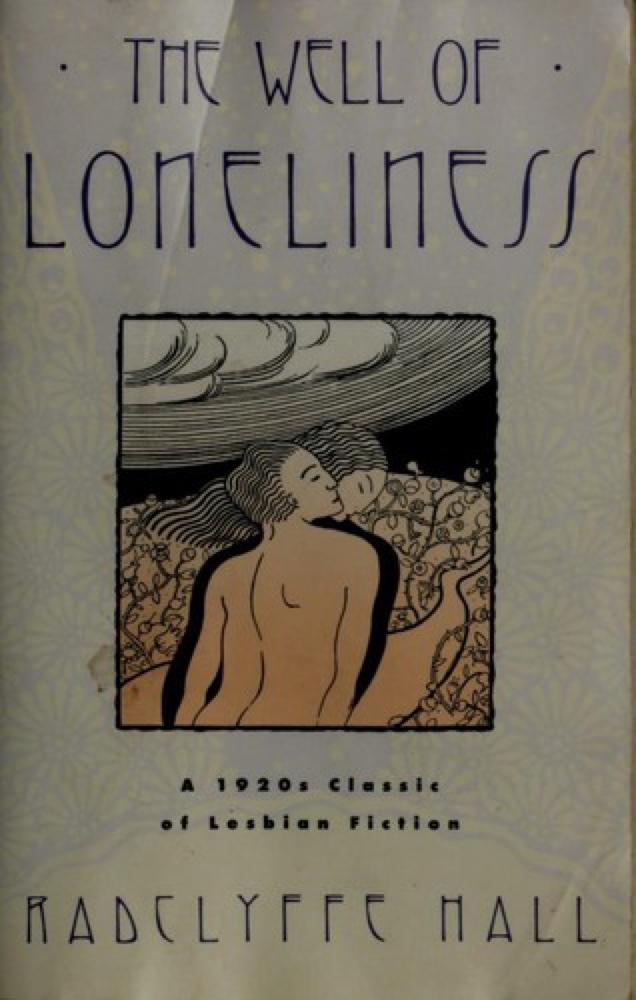 The Well of Loneliness
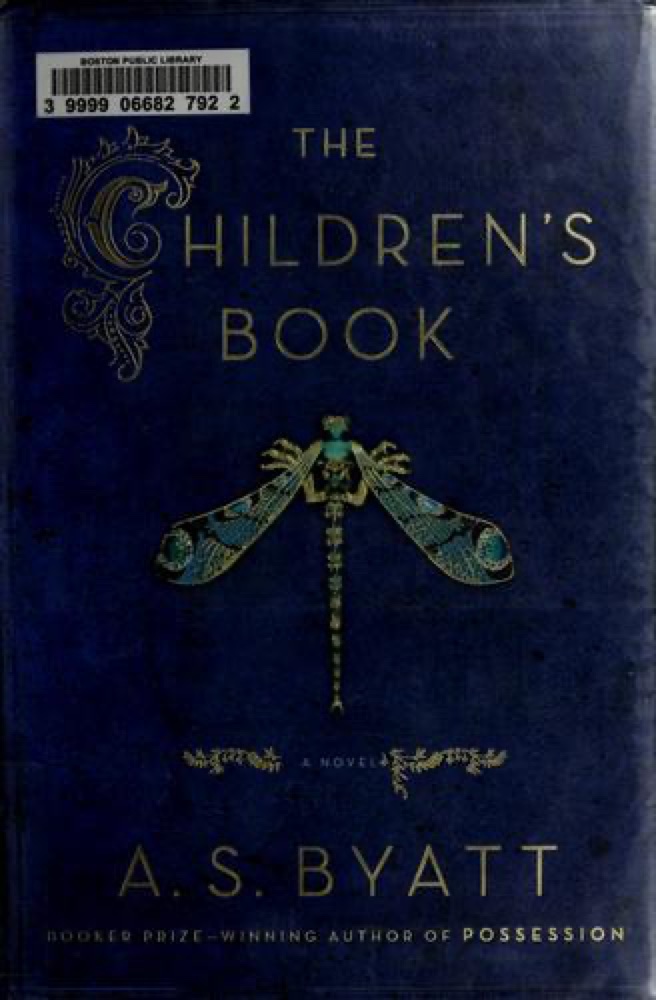 The Children's Book
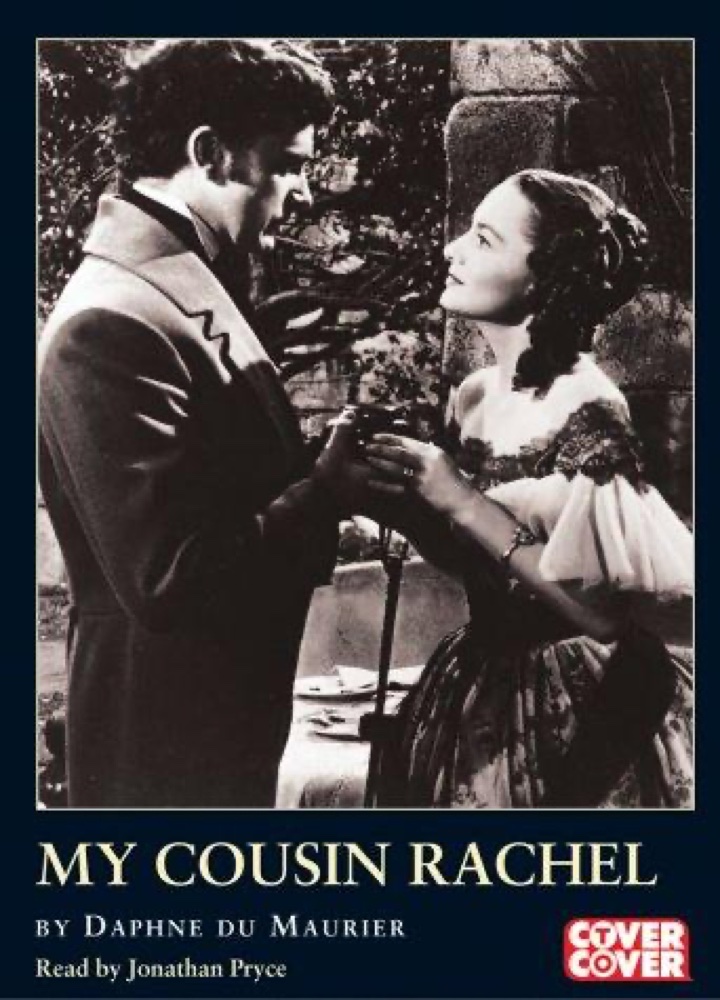 My Cousin Rachel
 Bad Blood
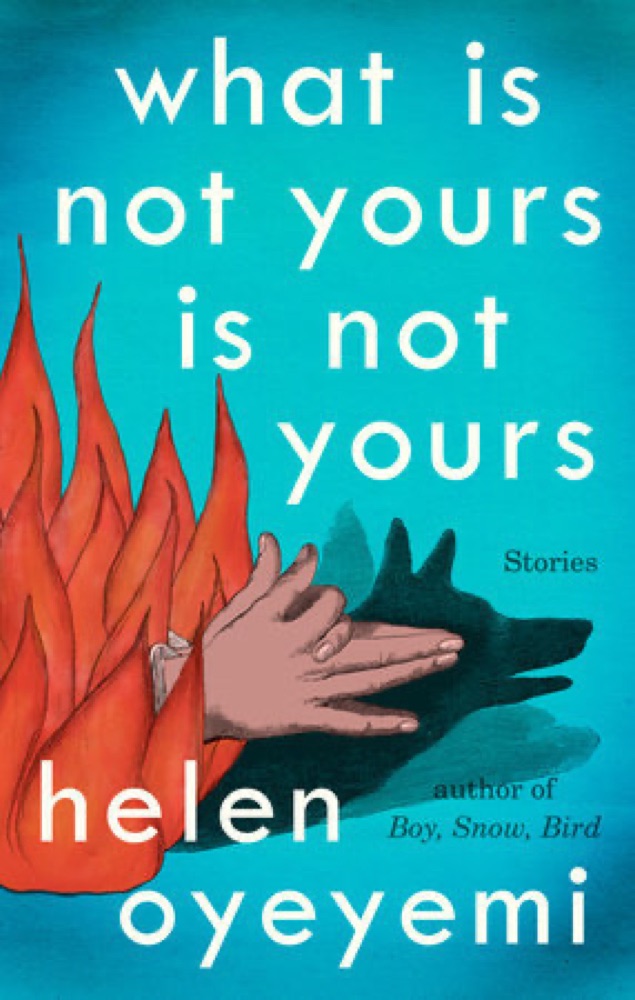 What Is Not Yours Is Not Yours
 The Cuckoo's Calling
 The Round House
 A Good Man is Hard to Find and Other Stories
 North and South
 Laddie: A True Blue Story
 The Devil and the Dark Water
 How Beautiful We Were
 When We Lost Our Heads
 Rainbow Black
 The Casual Vacancy
 The Woman Destroyed
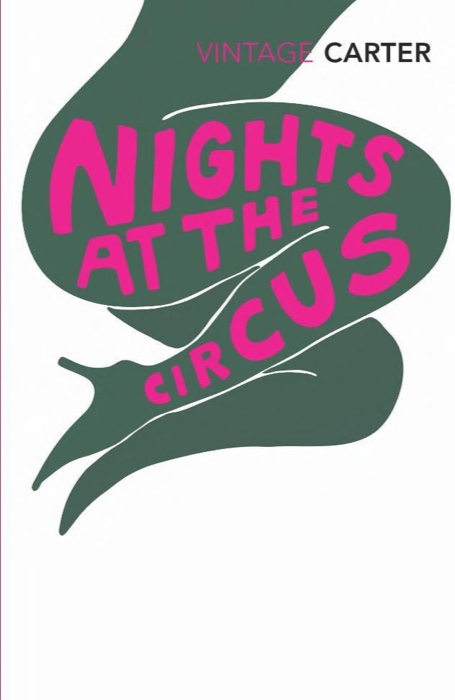 Nights at the Circus
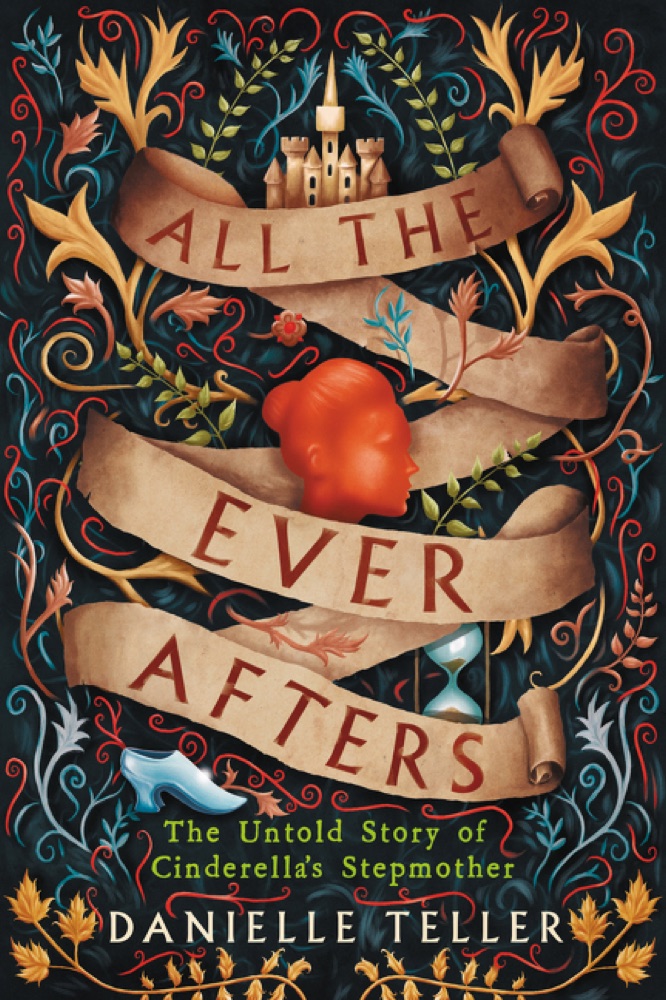 All the Ever Afters: The Untold Story of Cinderella’s Stepmother
 The Damnation Game
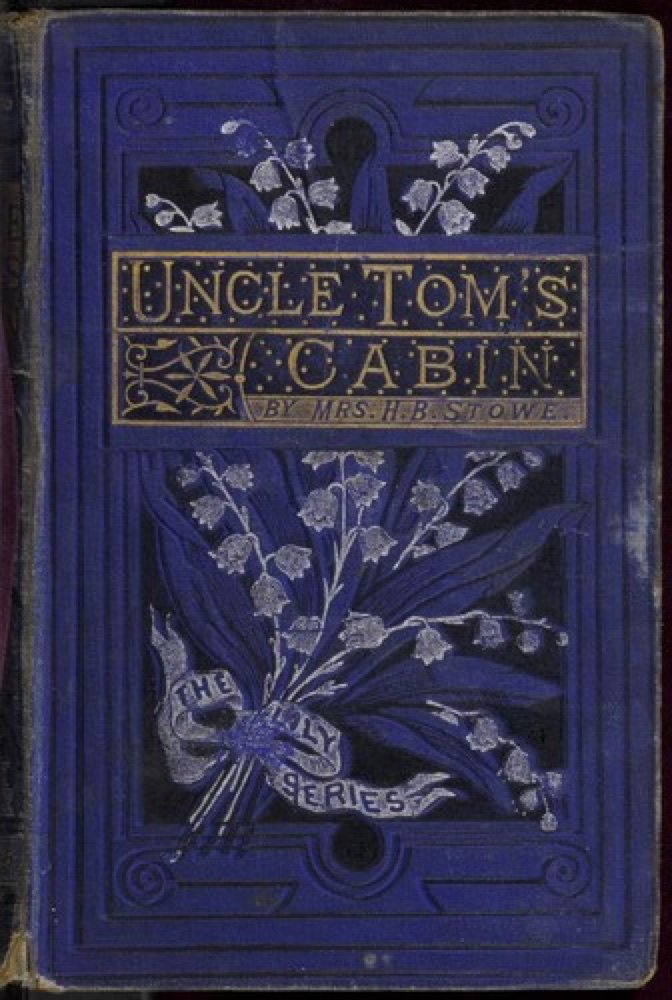 Uncle Tom's Cabin
 The Way We Live Now
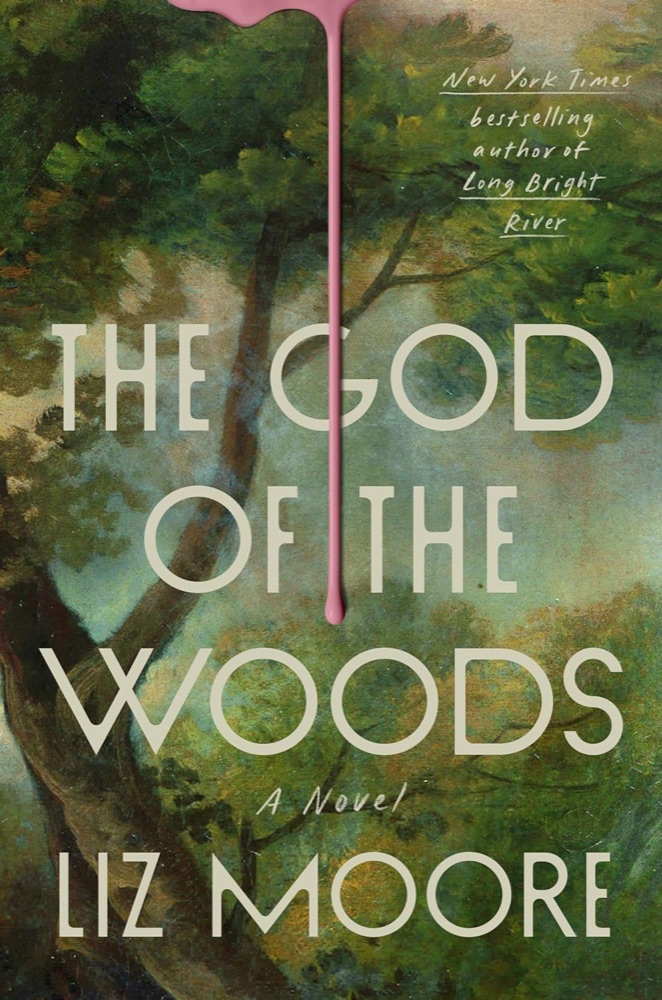 The God of the Woods
 The Return of The Soldier
 Dubliners
 The House of the Seven Gables
 Case Histories
 Brideshead Revisited: The Sacred and Profane Memories of Captain Charles Ryder
 Giovanni's Room
 The House of Mirth
 The Sweetness of Water
 Little Monsters
 Career of Evil
 The Naked and the Dead
 Thrice the Brinded Cat Hath Mew'd
 The Age of Innocence