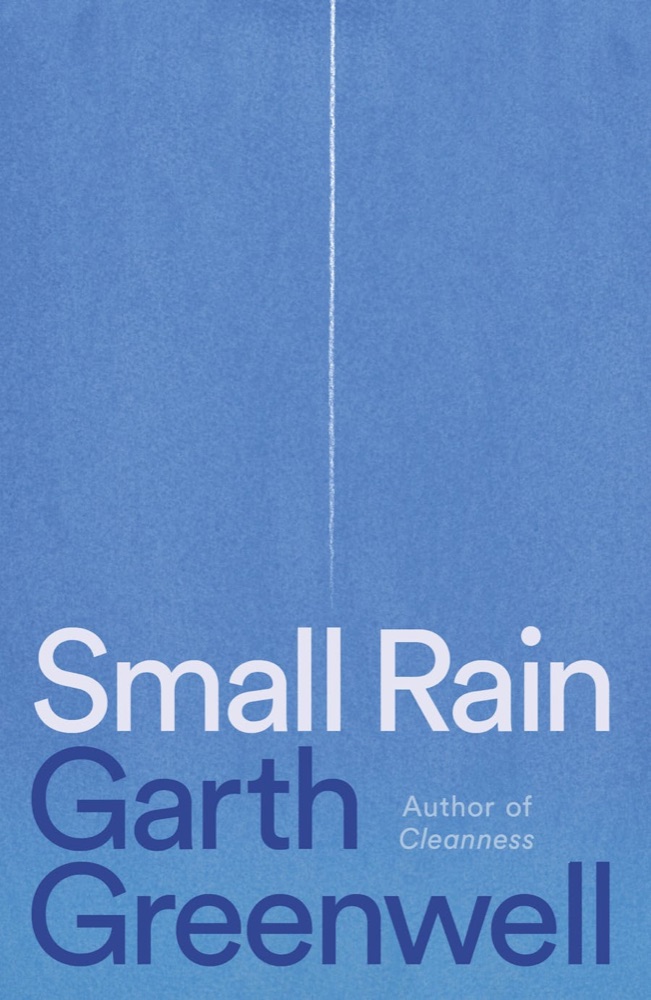
 Small Rain
Quotes from the Book
Love isn’t just a matter of looking at someone, I think now, but also of looking with them, of facing what they face.
37
He had always been alone, I thought, gazing at a world in which he had never found a place and that was now almost perfectly indifferent to him; he was incapable even of disturbing it, of making a sound it could be bothered to hear.
20
I fell back from him then, I lay next to him thinking, as I had had cause to think before, of how helpless desire is outside its little theater of heat, how ridiculous it becomes the moment it isn't welcomed, even if that welcome is contrived.
19
As we joined the line of people getting off at the last stop before Sofia, I looked once more at the little boy, whom I felt I would never forget, though maybe it wasn't exactly him I would remember, I thought, but the use I would make of him. I had my notes, I knew I would write a poem about him, and then it would be the poem I remembered, which would be both true and false at once, the image I made replacing the real image. Making poems was a way of loving things, I had always thought, of preserving them, of living moments twice; or more than that, it was a way of living more fully, of bestowing on experience a richer meaning. But that wasn't what it felt like when I looked back at the boy, wanting a last glimpse of him; it felt like a loss. Whatever I could make of him would diminish him, and I wondered whether I wasn't really turning my back on things in making them into poems, whether instead of preserving the world I was taking refuge from it.
14
But then there’s something theatrical in all our embraces, I think, as we weigh our responses against those we perceive or project; always we desire too much or not enough, and compensate accordingly.
12
What would it mean to do enough, I wondered, as I had wondered before about that obligation to others that sometimes seems so clear and sometimes disappears altogether, so that now we owe nothing, anything we give is too much, and now our debt is beyond all counting.
11
That's all care is, I thought, it's just looking at a thing long enough, why should it be a question of scale? This seemed like a hopeful thought at first, but then it's hard to look at things, or to look at them truly, and we can't look at many at once, and it's so easy to look away.
11
Making poems was a way of loving things, I had always thought, of preserving them, of living moments twice; or more than that, it was a way of living more fully, of bestowing on experience a richer meaning. But
10
As I walked along that path, I felt drawn from myself, elated, struck stupidly good for a moment by the extravagant beauty of the world.
9
You can't speak to him, he said, if you speak to him, if you give any sign to him at all, he will come back; he has to stop existing for you.
8
Sometimes we talked the whole night long, as one does only in adolescence or very early in love. I was happy, but also I felt an anxiety that gnawed at me and for which I could find no cause, that gnawed at me more deeply precisely because I could find no cause.
7
words in a foreign language never wound us like words in the language to which we’re born. But
6
I passed people shopping or walking their dogs, and young people, university students maybe, busy about their lives, so that the streets I walked seemed vibrant to me, more vibrant than my own. But then almost everywhere I went I imagined a place more accommodating of the life I wanted, as if happiness were a matter of streets or parks, as maybe to a point it is; and with R. away for so long I was accustomed to thinking of my real life existing in some distant place or future time, projecting forward in a way that I was afraid might keep me from living fully where I was.
4
K. hung his arm around my neck. It was a casual gesture but one I wasn’t used to, and I was almost frightened by the happiness that overtook me, that filled me up and charged me and at the same time carried a thread; it was too unrestrained, there was nothing to keep it in check. I felt solid again as I walked with him, more certain of myself than I had been for years, with his arm around my neck and my own slung at his waist We knocked against each other but what did it matter, there was no one to see us, we moved with an awkward freedom but a freedom nonetheless.
4
Like everything else in my past he was part of the story that had led us to each other; it’s a way of being in love, I think, to see the past like that.
4
Whatever the weather I went out and wandered, and now I wandered with K.; I introduced him to my solitude and he deepened it without disturbance.
3
I had been sick before, of course, but this felt more than sickness, like a physical confirmation of shame.
3
I realized that my pleasure wasn't lessened by his absence, that what was surely a betrayal (we had our contract, though it had never been signed, never set in words at all) had only refined our encounter, allowing him to become more vividly present to me even as I was left alone on my stained knees, and allowing me, with all the freedom of fantasy, to make of him what I would.
3
They embraced for a long time, a kind of physical contact seldom seen in public, maybe seen only between parents and their very young children, an intimacy confident of absolute possession... [h]ow quickly those embraces would pass. They would take on different meanings as the child grew older, they would become impermissible; the same touch that here warmed our hearts would just in a few years elicit our disapproval, our concern, finally our scorn. And so it is, I thought then, as the man and child released each other and moved away from the water, so it is that at the very moment we come into full consciousness of ourselves what we experience is leave-taking and a loss we seek the rest of our lives to restore.
2
How easily we are made to feel, I thought, and with what little foundation, with no foundation at all. At
2
What had I done but extend my rootlessness, the series of false starts that became more difficult to defend as I got older? I think I hoped I would feel new in a new country, but I wasn’t new here, and if there was comfort in the idea that my habitual unease had a cause, that if I was ill-fitted to the place there was good reason, it was a false comfort, a way of running away from real remedy. But
2
What tale of the two years did the sight of me tell?
2
But I'm your son, which was my only appeal and the last thing I would say. He made a dismissive sound, almost a laugh, and then he spoke again, with a snarling voice I had never heard before, he said The hell you are. He went on, he spoke without stopping, A faggot, he said, if I had known you would never have been born. You disgust me, he said, do you know that, you disgust me, how could you be my son? As I listened to him say these things it was as though even as I laid claim to myself I found there was nothing to claim, nothing or next to nothing, as though I were dissolving and my tears were the outward sign of that dissolution.
2
He caught me and held my gaze without welcome or warmth or any hint of what we had shared, and my sense of having violated something, of having looked where I shouldn't have faded, as I understood that this was what he wanted me to see all along, that I was there not as guard but as audience. I was there to see how different from me he was, how free of the foulness my father had shown him; and now that I had seen it, I knew our friendship had run its course.
2
Eu ouvia essas histórias com avidez, mas também com cautela; sabia que elas podiam me arrastar de volta ao que eu havia deixado, que tinham profundezas nas quais eu podia me perder.
1
I’ve sought it ever since, I think, the combination of exclusion and desire I felt in his room, beneath the pain of exclusion the satisfaction of desire; sometimes I think it’s the only thing I’ve sought.
1
but how could I explain to R., especially to him, the feeling of inevitability I had whenever Mitko appeared, as though we were in a story that had already been written.
1
though I thought of him often, though he appeared in dreams from which I woke more excited than I was by anything in my waking life, I didn’t regret what I had done. I had missed him, but more than missing him I had been relieved that he was gone.
1
Watch on YouTube
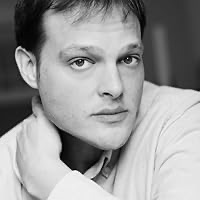
About Garth Greenwell
We have collected 36 quotes from 2 books by Garth Greenwell on BookQuoters.
More about the author →More by Garth Greenwell
Small Rain
About the book
On an unseasonably warm autumn day, an American teacher enters a public bathroom beneath Sofia’s National Palace of Culture. There he meets Mitko, a charismatic young hustler, and pays him for sex. He returns to Mitko again and again over the next few months, drawn by hunger and loneliness and risk, and finds himself ensnared in a relationship in which lust leads to mutual predation, and tenderness can transform into violence. As he struggles to reconcile his longing with the anguish it creates, he’s forced to grapple with his own fraught history, the world of his southern childhood where to be queer was to be a pariah. There are unnerving similarities between his past and the foreign country he finds himself in, a country whose geography and griefs he discovers as he learns more of Mitko’s own narrative, his private history of illness, exploitation, and disease.
What Belongs to You i
Book details
- First published
- 2016
- Author
- Garth Greenwell
- Genre
- Fiction
- Goodreads rating
- 3.78 (16k ratings)
The buzz
- The New York TimesReview in The New York Timesprofessional review (via Book Marks)
- The New YorkerReview in The New Yorkerprofessional review (via Book Marks)
- The Washington PostReview in The Washington Postprofessional review (via Book Marks)
- The Wall Street JournalReview in The Wall Street Journalprofessional review (via Book Marks)
- The GuardianReview in The Guardianprofessional review (via Book Marks)
- VultureReview in Vultureprofessional review (via Book Marks)
Keep reading
 Stag's Leap: Poems
 What I Loved
 Love in the Big City
 Couplets
 Tonight I'm Someone Else: Essays
 What I Was
 The Blindfold
 Swimming in the Dark
 Outline
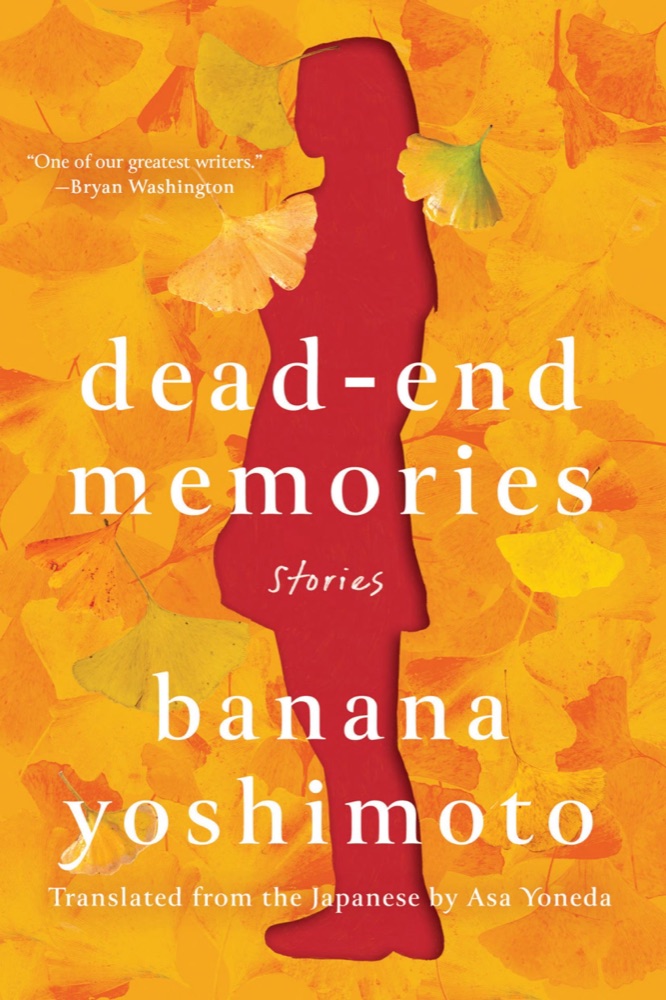 Dead-End Memories: Stories
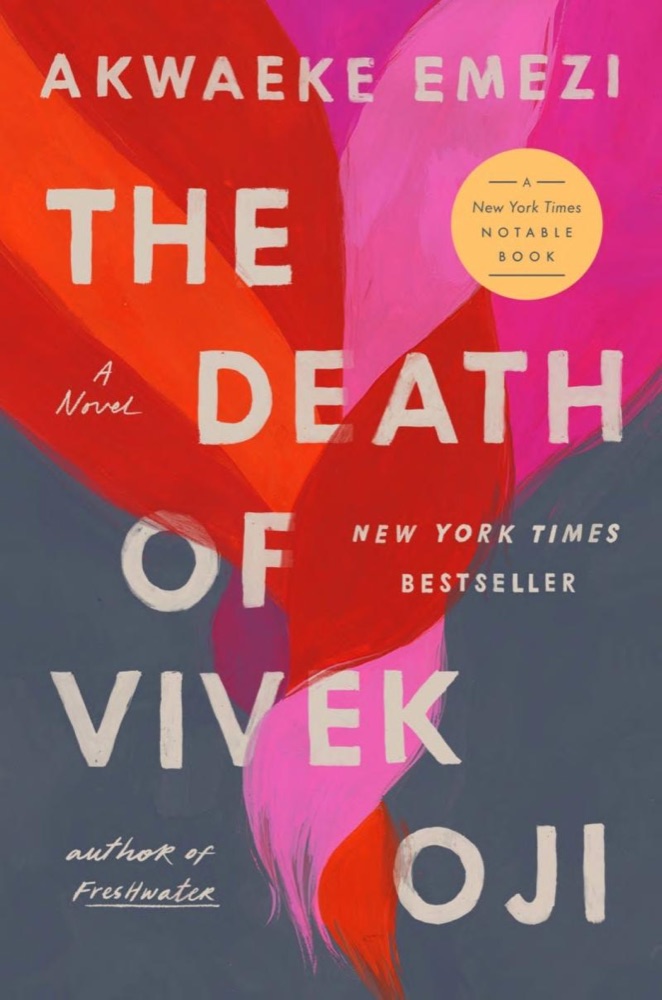 The Death of Vivek Oji
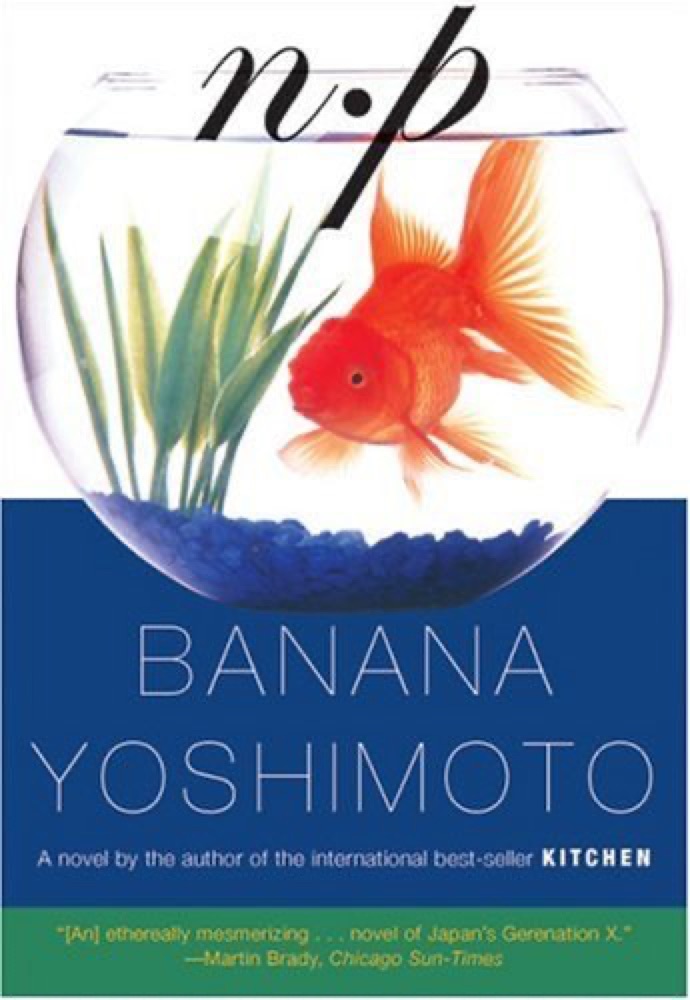 N.P
N.P
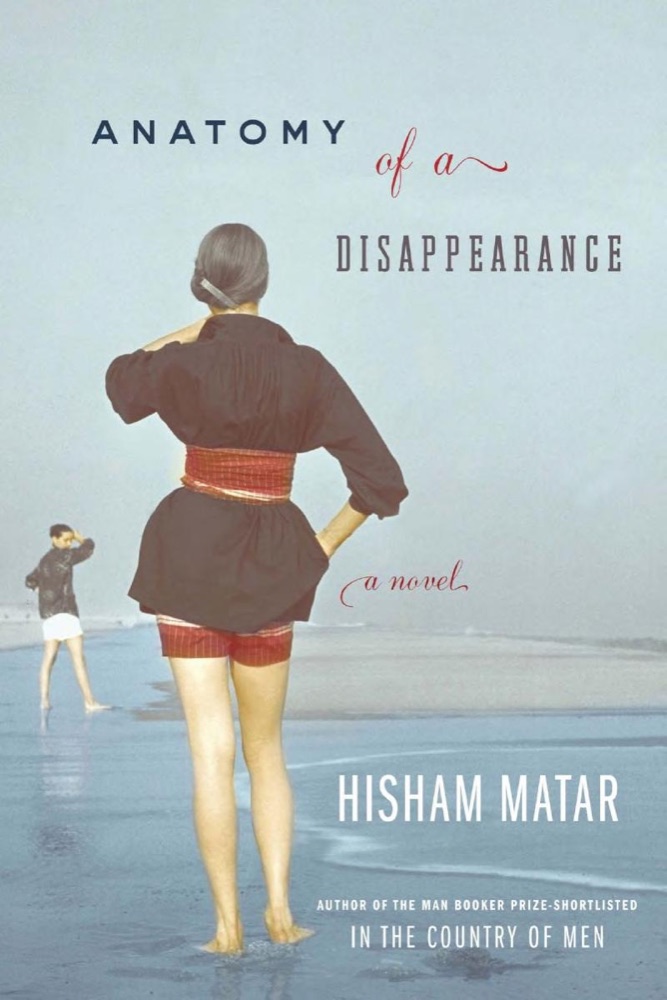 Anatomy of a Disappearance
 Nights in Rodanthe
 Thirst for Salt
 Great House
 Monkey Grip
 Those Who Leave and Those Who Stay
 Cold Enough for Snow
 Asleep
 I Keep My Exoskeletons to Myself
 Acts of Desperation
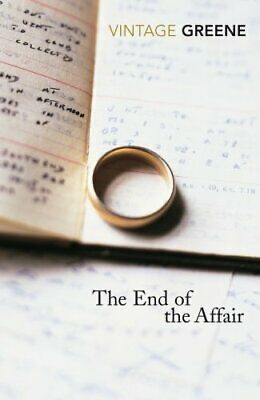 The End of the Affair
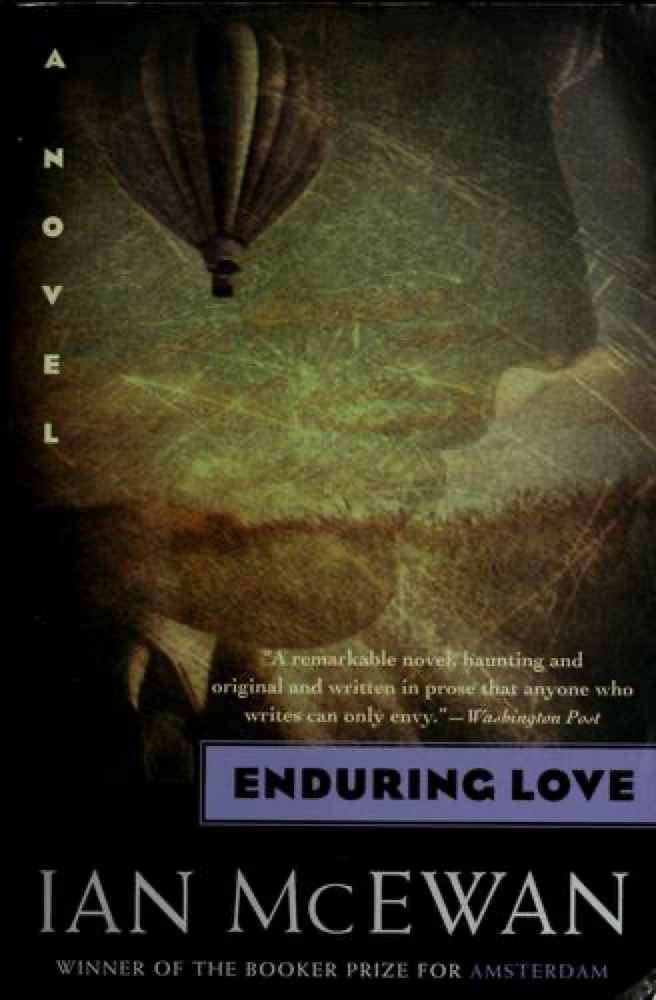 Enduring Love
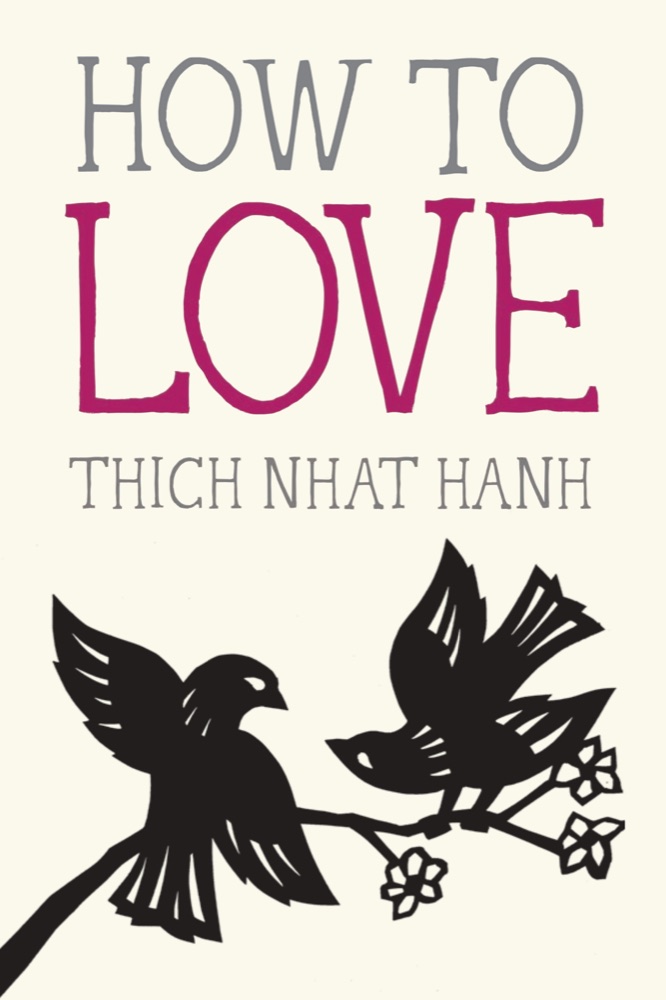 How to Love
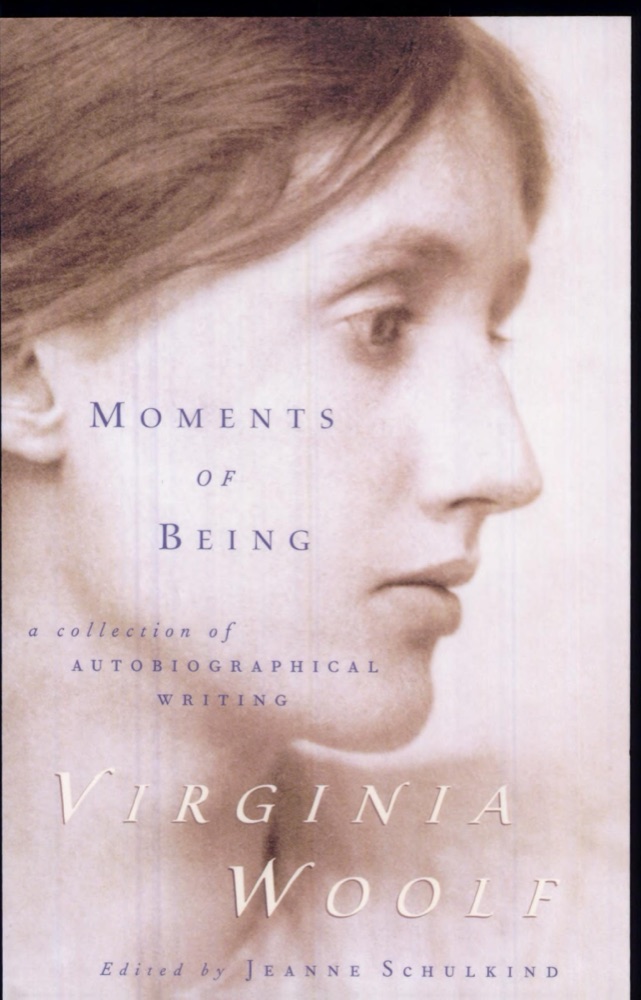 Moments of Being: A Collection of Autobiographical Writing
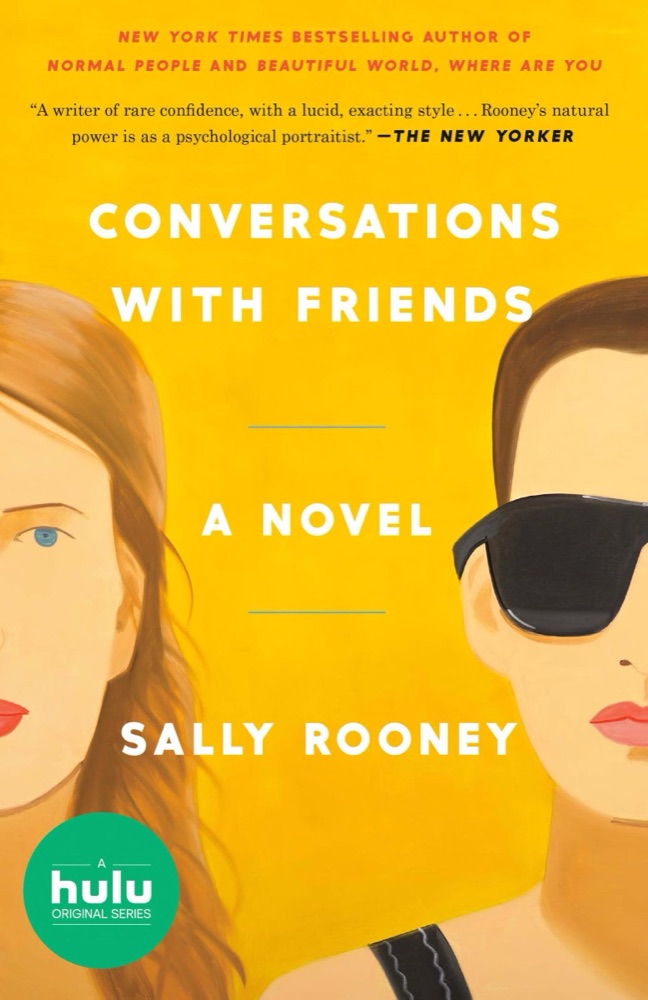 Conversations with Friends
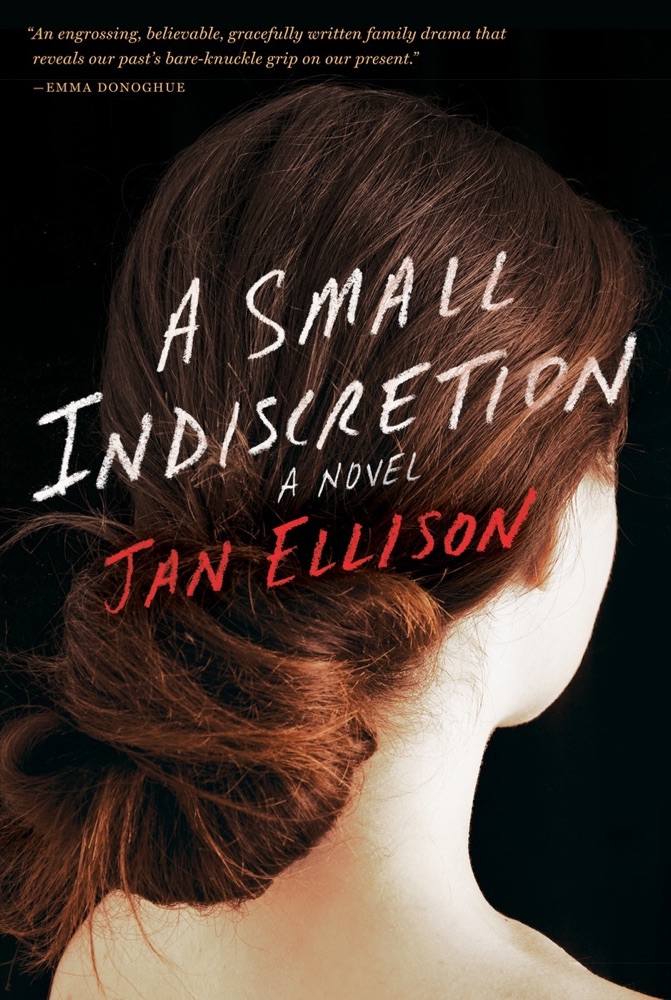 A Small Indiscretion
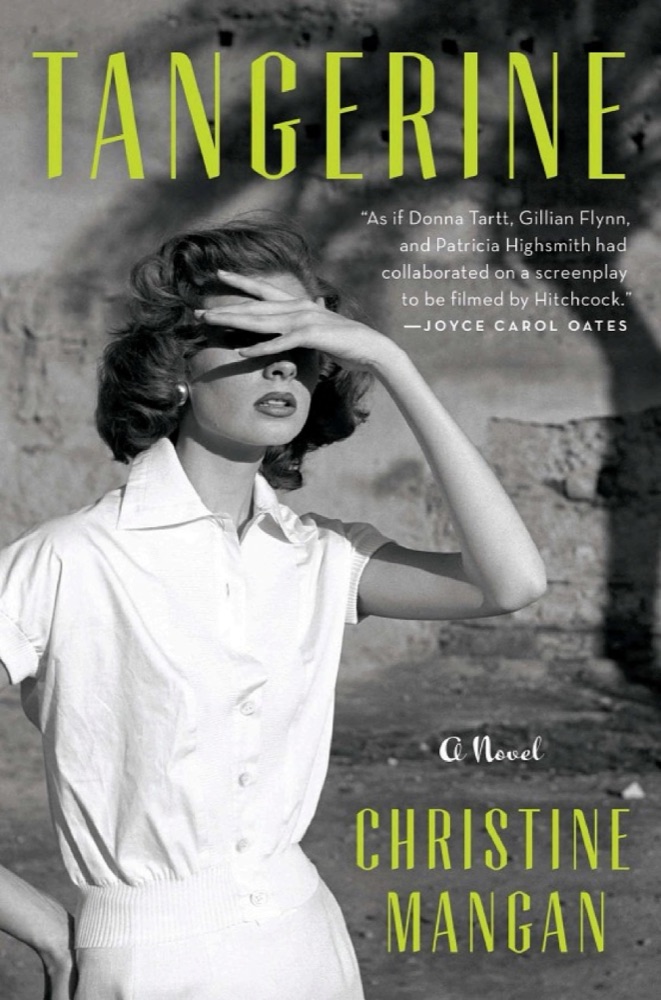 Tangerine
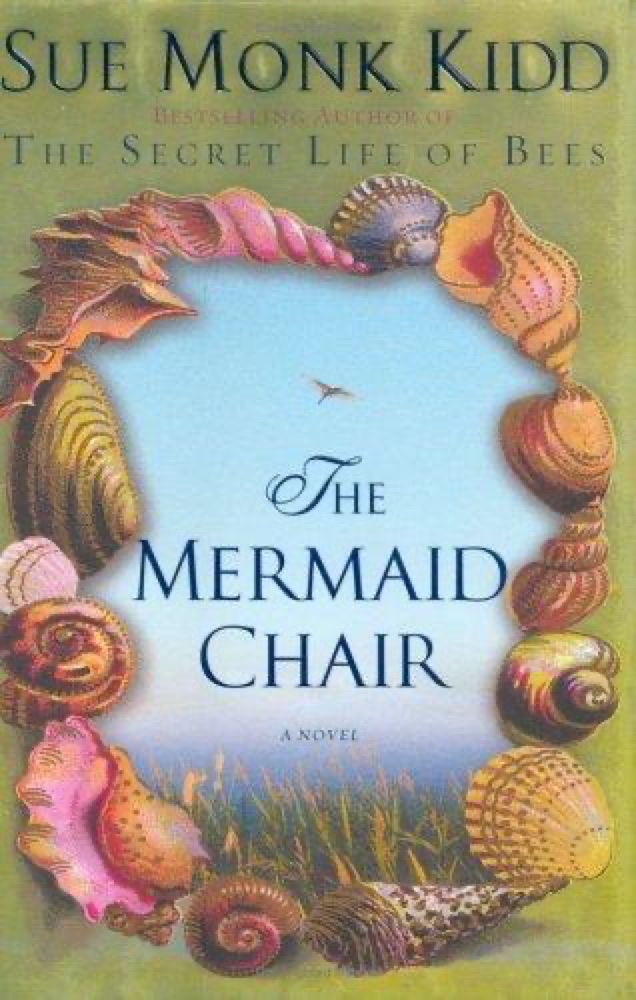 The Mermaid Chair
 The Story of a New Name
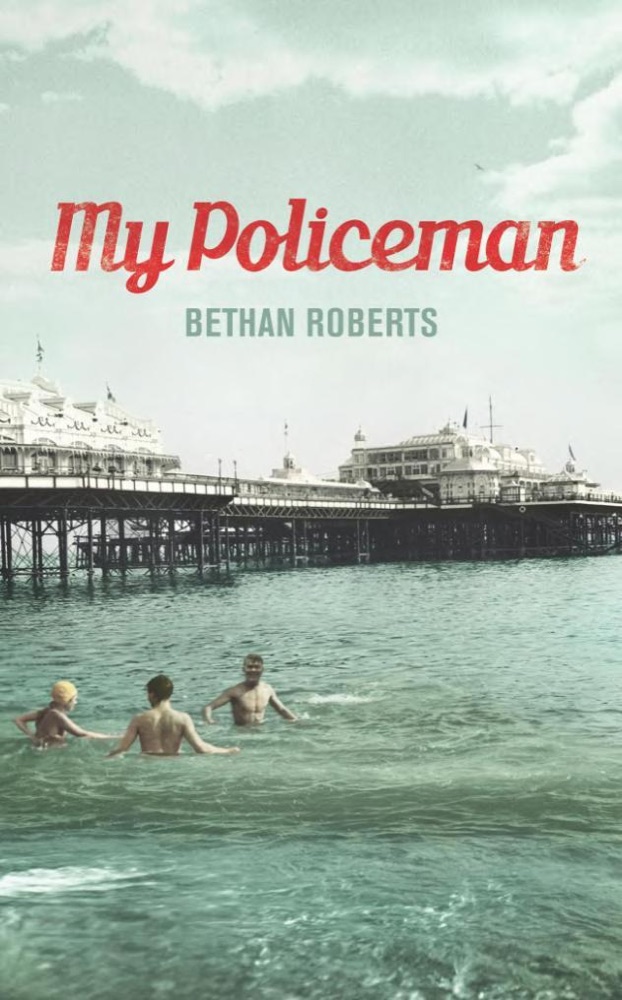 My Policeman
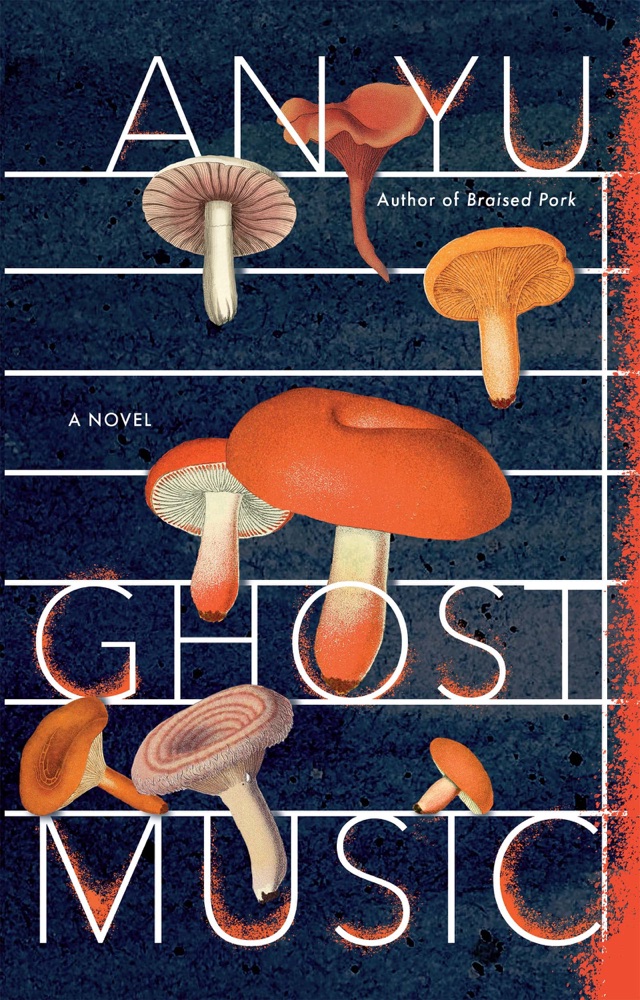 Ghost Music
 A Thousand Acres
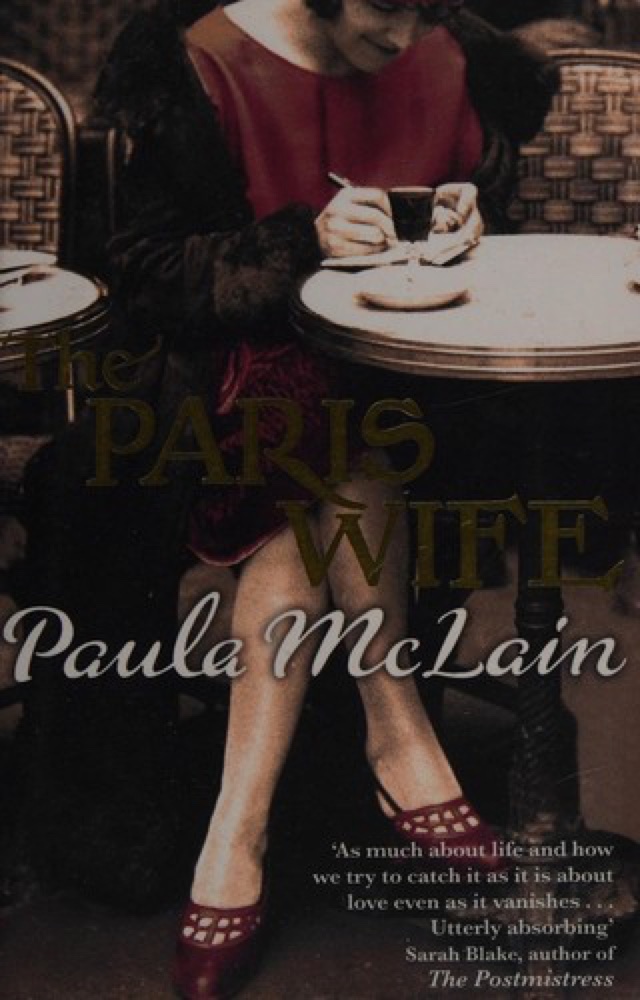 The Paris Wife
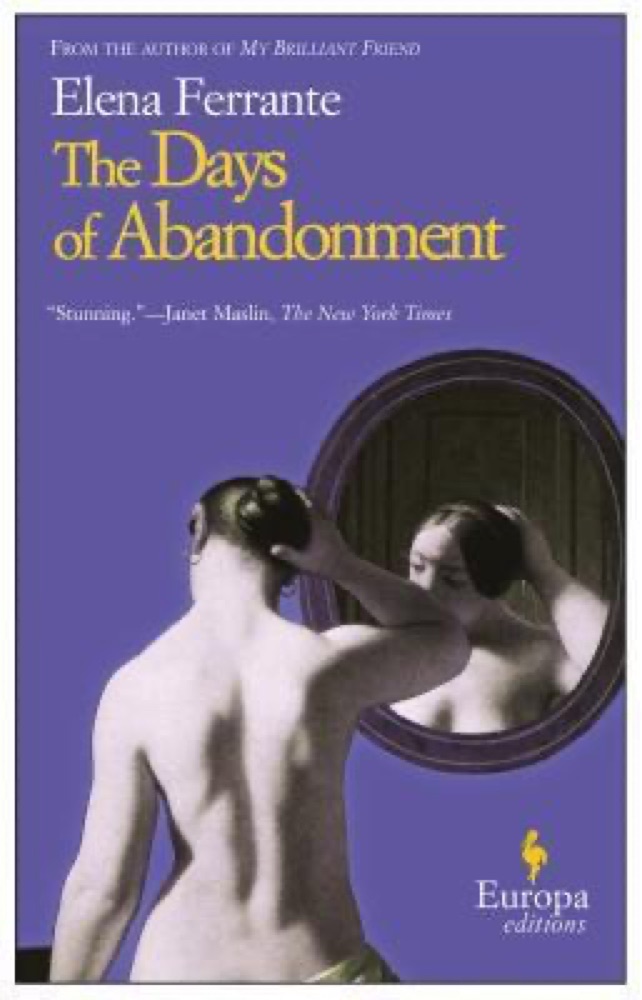 The Days of Abandonment
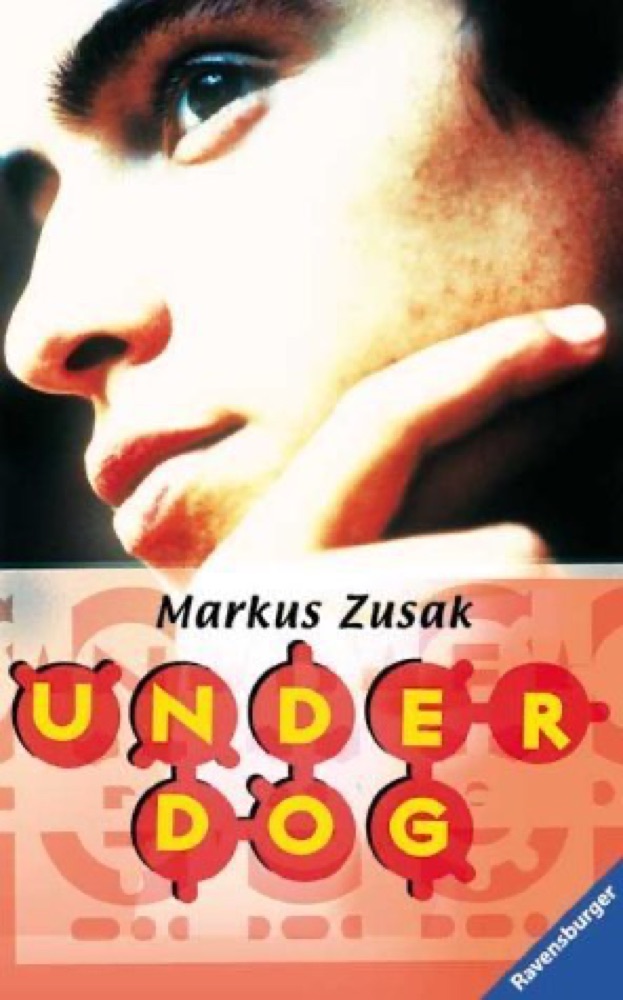 Underdog
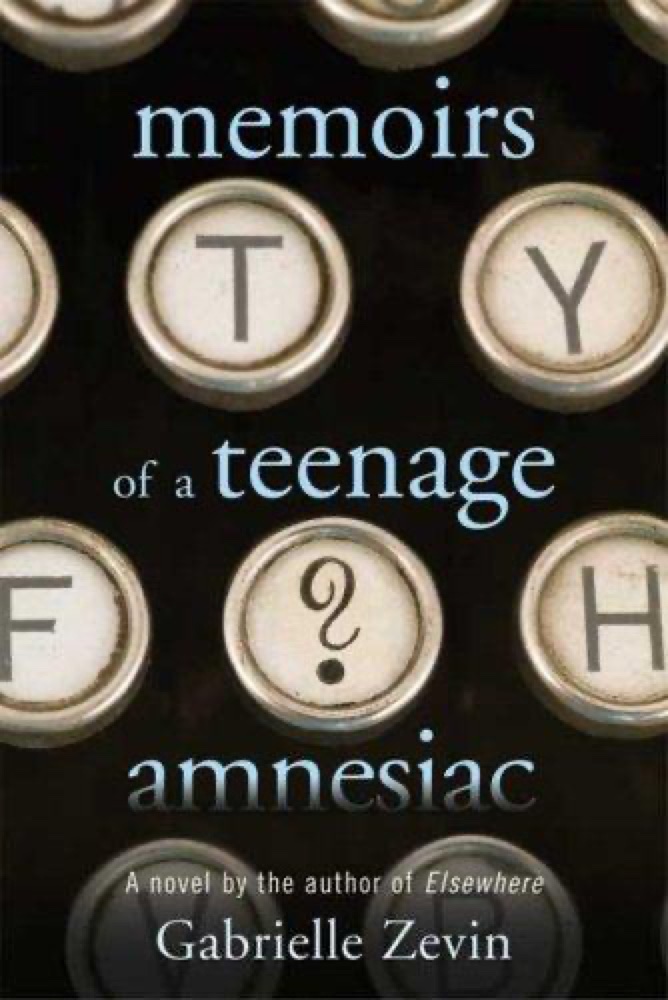 Memoirs of a Teenage Amnesiac
 Mr. Fox
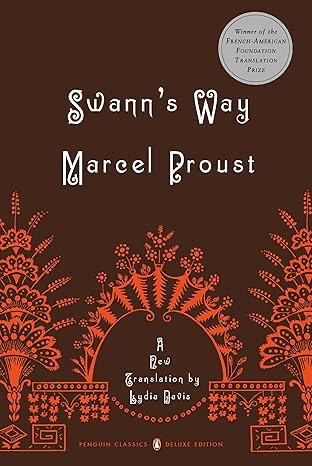 Swann's Way
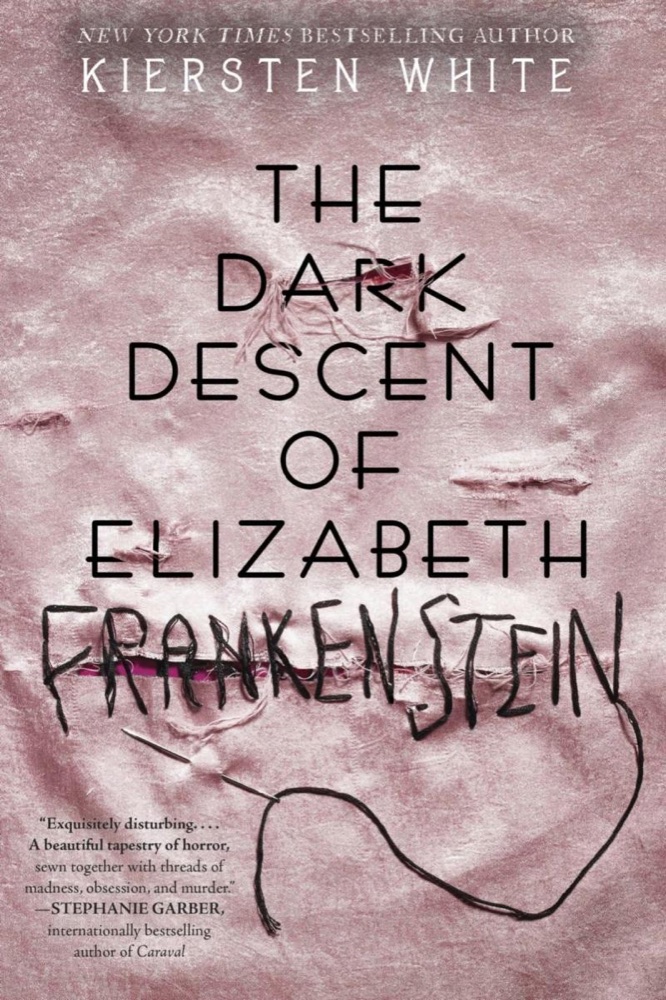 The Dark Descent of Elizabeth Frankenstein
 To Paradise
 Look at Me
 The Marriage of Opposites
 The Likeness
 Lunar Park
 Dream Count
 The Stranger
 Prime of Life
 A Room Made of Leaves
 The Binding
 Confessions
 The Collected Stories
 Moon Palace
 The Reader
 When God Was a Rabbit
 Just Ignore Him
 The Lost Bookshop
 Brideshead Revisited: The Sacred and Profane Memories of Captain Charles Ryder
 Rebecca