
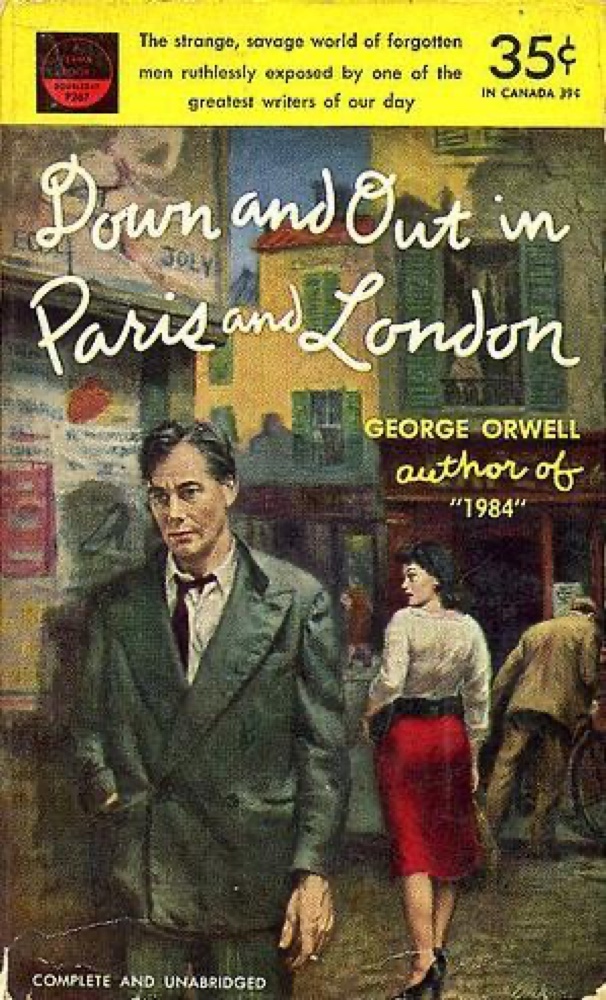
 Down and Out in Paris and London
Quotes from the Book
He wears a mask, and his face grows to fit it.
411
When the white man turns tyrant, it is his own freedom that he destroys.
50
I often wondered whether any of the others grasped that I had done it solely to avoid looking a fool.
19
A story always sounds clear enough at a distance, but the nearer you get to the scene of events the vaguer it becomes.
18
And it is a great thing to die in your own bed, though it is better still to die in your boots.
16
The main motive for "non-attachment" is a desire to escape from the pain of living, and above all from love, which, sexual or non-sexual, is hard work.
14
In Moulmein, in lower Burma, I was hated by large numbers of people – the only time in my life that I have been important enough for this to happen to me.
10
At that distance, peacefully eating, the elephant looked no more dangerous than a cow. I thought then and I think now that his attack of “must” was already passing off; in which case he would merely wander harmlessly about until the mahout came back and caught him. Moreover, I did not in the least want to shoot him. I decided that I would watch him for a little while to make sure that he did not turn savage again, and then go home. But at that moment I glanced round at the crowd that had followed me. It was an immense crowd, two thousand at the least and growing every minute. It blocked the road for a long distance on either side. I looked at the sea of yellow faces above the garish clothes-faces all happy and excited over this bit of fun, all certain that the elephant was going to be shot. They were watching me as they would watch a conjurer about to perform a trick. They did not like me, but with the magical rifle in my hands I was momentarily worth watching. And suddenly I realized that I should have to shoot the elephant after all. The people expected it of me and I had got to do it; I could feel their two thousand wills pressing me forward, irresistibly. And it was at this moment, as I stood there with the rifle in my hands, that I first grasped the hollowness, the futility of the white man’s dominion in the East. Here was I, the white man with his gun, standing in front of the unarmed native crowd — seemingly the leading actor of the piece; but in reality I was only an absurd puppet pushed to and fro by the will of those yellow faces behind. I perceived in this moment that when the white man turns tyrant it is his own freedom that he destroys. He becomes a sort of hollow, posing dummy, the conventionalized figure of a sahib. For it is the condition of his rule that he shall spend his life in trying to impress the “natives,” and so in every crisis he has got to do what the “natives” expect of him. He wears a mask, and his face grows to fit it. I had got to shoot the elephant. I had committed myself to doing it when I sent for the rifle. A sahib has got to act like a sahib; he has got to appear resolute, to know his own mind and do definite things. To come all that way, rifle in hand, with two thousand people marching at my heels, and then to trail feebly away, having done nothing — no, that was impossible. The crowd would laugh at me. And my whole life, every white man’s life in the East, was one long struggle not to be laughed at.
8
For it is the condition of his rule that he shall spend his life trying to impress the 'natives,' and so in every crisis he has got to do what the 'natives' expect of him... A sahib has got to act like a sahib; he has got to appear resolute, to know his own mind and do definite things.
5
Never tell me, by the way, that the dead look peaceful. Most of the corpses I have seen looked devilish.
3
The Dickens essay was an attempt to worry away at why he was such a successful writer and is the longest in this collection. But it is infused with the same spirit of personal engagement as everything else. It is that amazing ability to make you believe that you would have felt as he [George Orwell] felt that is his genius.
1
For years i had been resolved - unconsciously at first, but consciously later on - that when once my scholarship was won i would 'slack off' and cram no longer. This resolve, by the way, was so fully carried out that between the ages of thirteen and twenty-two or three i hardly ever did a stroke of avoidable work.
1
Watch on YouTube
About George Orwell
We have collected 242 quotes from 10 books by George Orwell on BookQuoters.
More about the author →More by George Orwell
All books by George Orwell →
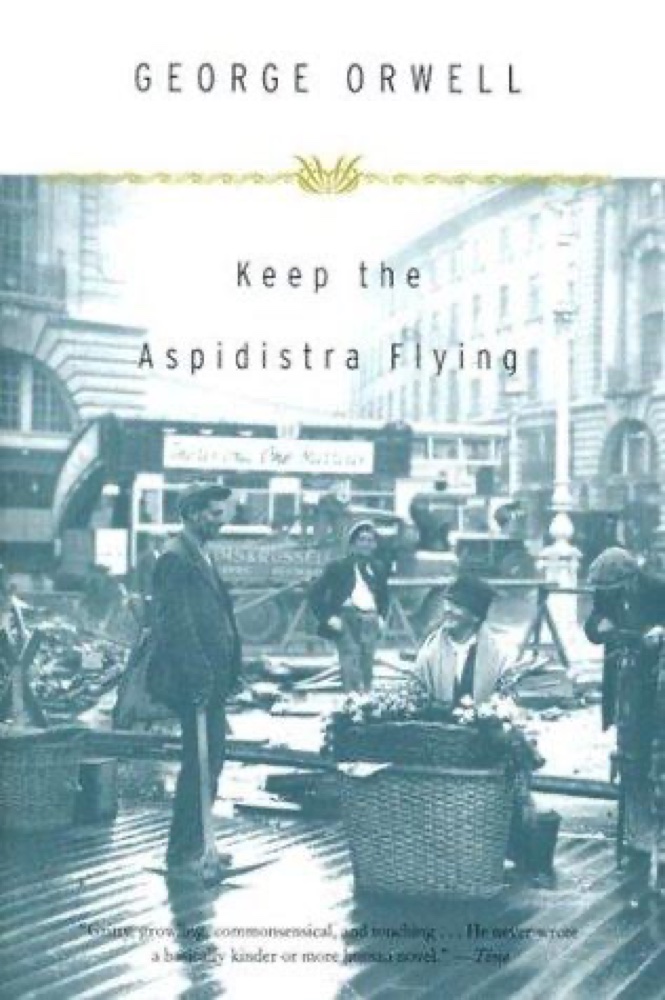
About the book
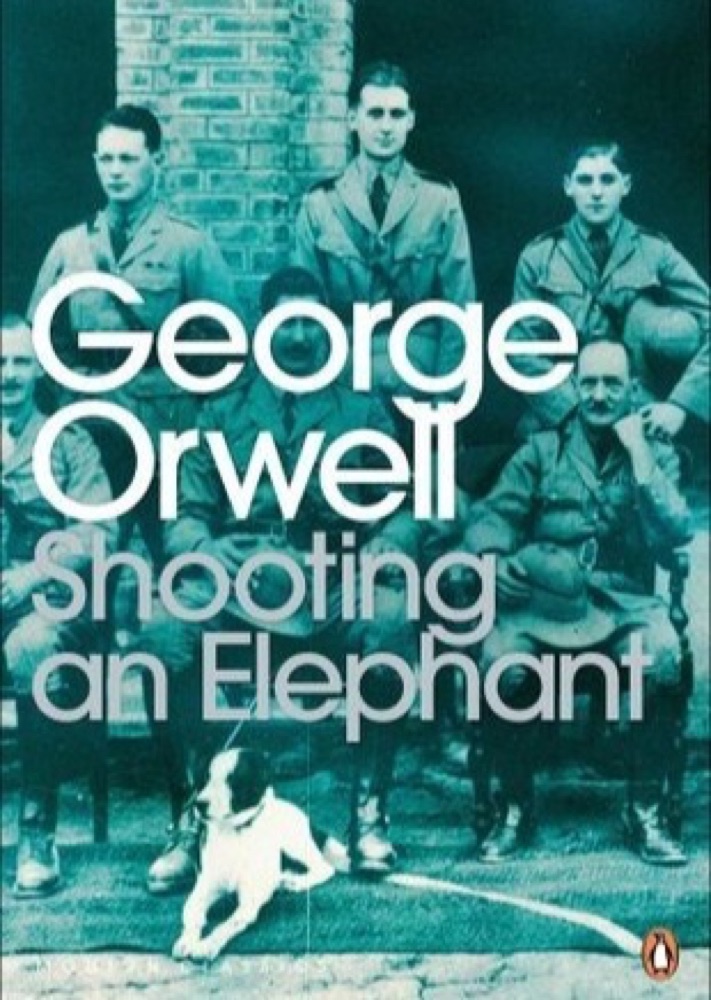
This is an alternate cover edition of Shooting an Elephant.
"Shooting an Elephant" is Orwell's searing and painfully honest account of his experience as a police officer in imperial Burma; killing an escaped elephant in front of a crowd 'solely to avoid looking a fool'. The other masterly essays in this collection include classics such as "My Country Right or Left", "How the Poor Die" and "Such, Such were the Joys", his memoir of the horrors of public school, as well as discussions of Shakespeare, sleeping rough, boys' weeklies, and a spirited defence of English cooking. Opinionated, uncompromising, provocative, and hugely entertaining, all show Orwell's unique ability to get to the heart of any subject.
Book details
- First published
- 1931
- Author
- George Orwell
- Genre
- Nonfiction
- Goodreads rating
- 4.04 (13k ratings)
Keep reading
 The Honourable Schoolboy
 The Ministry of Fear
 The Untouchable
 The Fall of Babel
 Royal Assassin
 The Jewel in the Crown
 Revolutionary Road
 The Story of the Lost Child
 The Naked and the Dead
 Call for the Dead
 The Eyes of the Dragon
 I Am Pilgrim
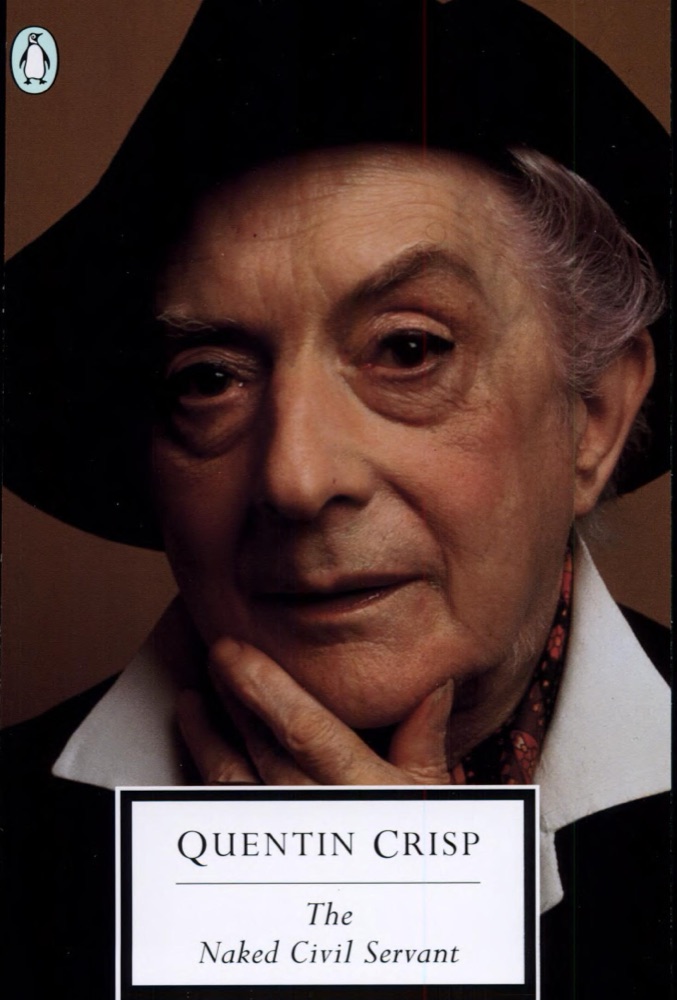 The Naked Civil Servant
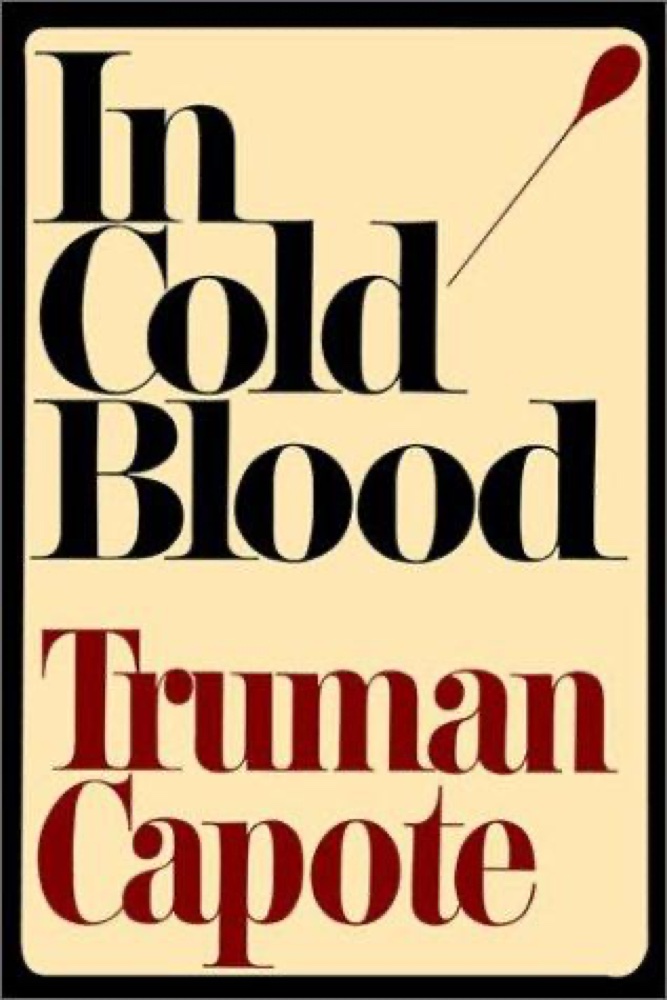 In Cold Blood
 The Son
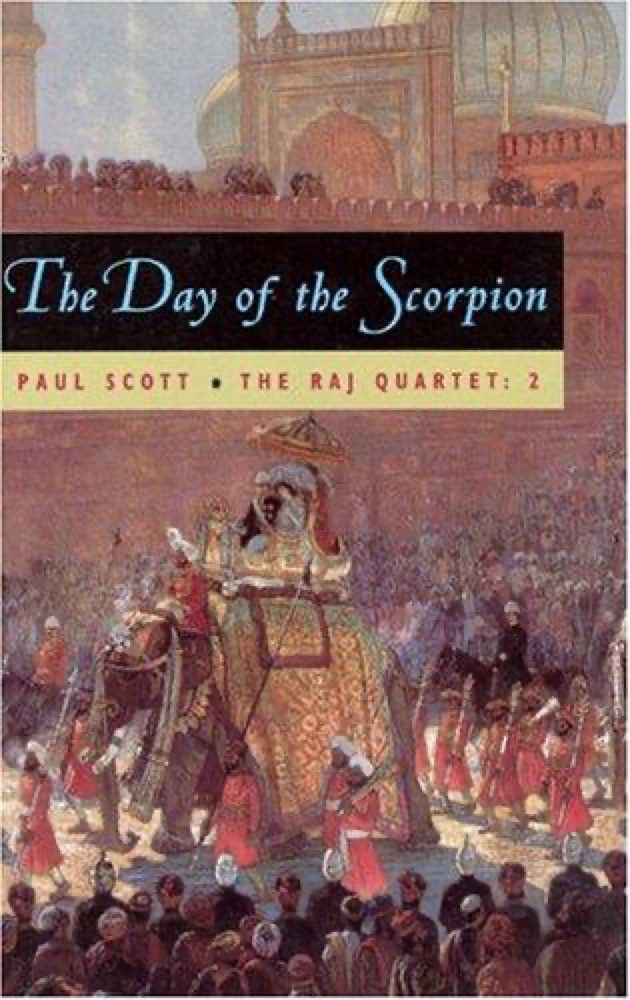 The Day of the Scorpion
 Senlin Ascends
 Roughing It
 Alias Grace
 The Third Policeman
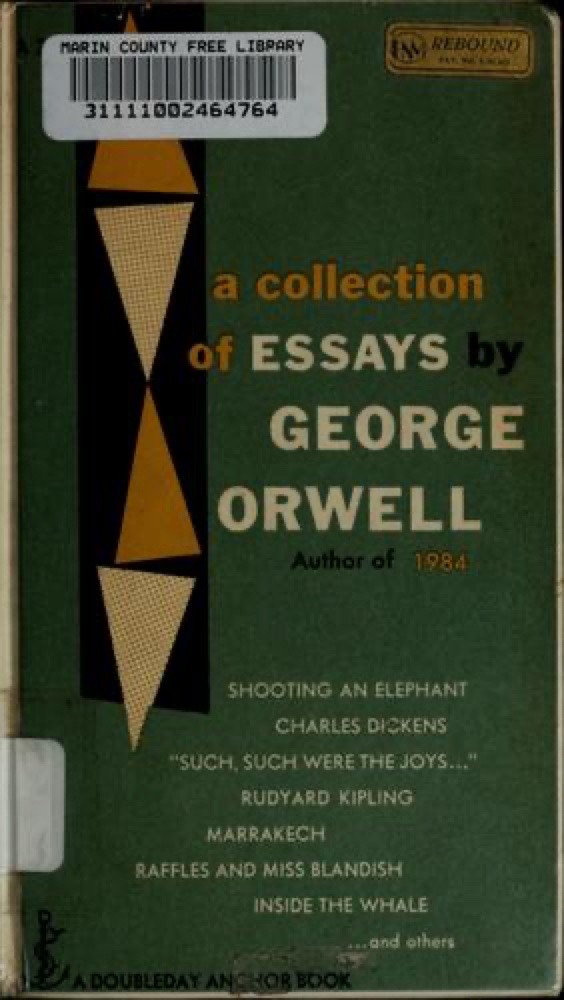 A Collection of Essays
 A Bend in the River
 The Mysterious Mr. Quin
 Open City
 Tigerman
 The Bedlam Stacks
 Light in August
 A Rule Against Murder
 Another Country
 An Instance of the Fingerpost
 Freedom
 The Tunnel
 The Absolutist
 Essays of E.B. White
 My Friends
 The Fall
 Mohawk
 The Sympathizer
 Lovecraft Country
 The Shadow Land
 The Proud Tower: A Portrait of the World Before the War, 1890-1914
 Anthills of the Savannah
 Sometimes a Great Notion
 From Here to Eternity
 The Fear Institute
 Ragtime
 The Great Mistake
 The Glass Palace
 The Secret Agent
 Native Son
 The Cat's Table
 The Mirror & the Light
 The Long Way Home
 The Brutal Telling
 March
March
 The Quiet American
 The Corrections
 The Blade Itself
 A Connecticut Yankee in King Arthur's Court