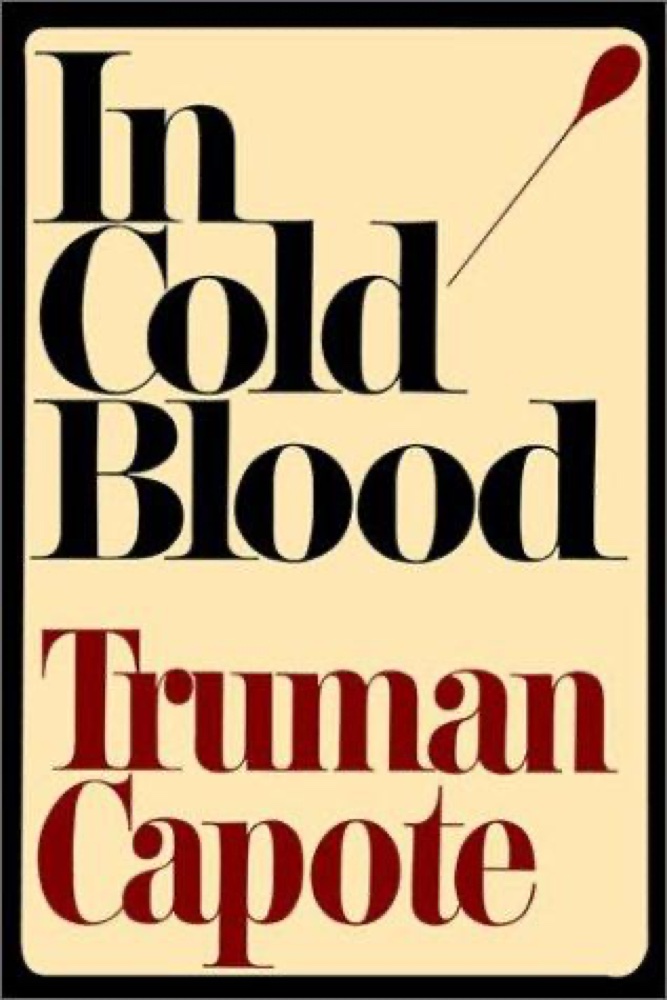

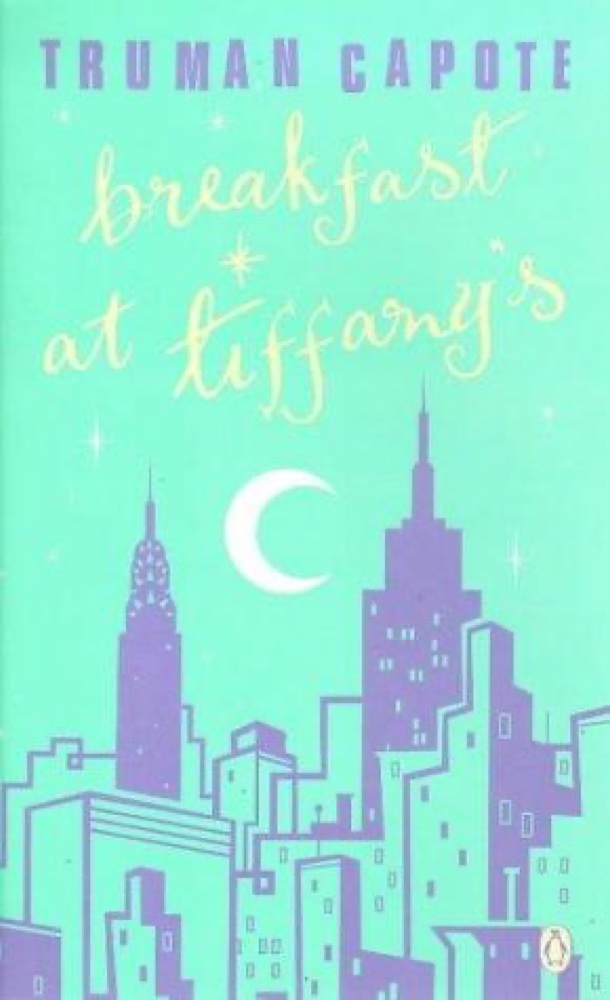
 Breakfast at Tiffany's
Quotes from the Book
The village of Holcomb stands on the high wheat plains of western Kansas, a lonesome area that other Kansans call “out there.
It is no shame to have a dirty face- the shame comes when you keep it dirty.
As long as you live, there's always something waiting; and even if it's bad, and you know it's bad, what can you do? You can't stop living.
Just remember: If one bird carried every grain of sand, grain by grain, across the ocean, by the time he got them all on the other side, that would only be the beginning of eternity.
Imagination, of course, can open any door - turn the key and let terror walk right in.
You are a man of extreme passion, a hungry man not quite sure where his appetite lies, a deeply frustrated man striving to project his individuality against a backdrop of rigid conformity. You exist in a half-world suspended between two superstructures, one self-expression and the other self-destruction. You are strong, but there is a flaw in your strength, and unless you learn to control it the flaw will prove stronger than your strength and defeat you. The flaw? Explosive emotional reaction out of all proportion to the occasion. Why? Why this unreasonable anger at the sight of others who are happy or content, this growing contempt for people and the desire to hurt them? All right, you think they're fools, you despise them because their morals, their happiness is the source of your frustration and resentment. But these are dreadful enemies you carry within yourself--in time destructive as bullets. Mercifully, a bullet kills its victim. This other bacteria, permitted to age, does not kill a man but leaves in its wake the hulk of a creature torn and twisted; there is still fire within his being but it is kept alive by casting upon it faggots of scorn and hate. He may successfully accumulate, but he does not accumulate success, for he is his own enemy and is kept from truly enjoying his achievements.
I thought that Mr. Clutter was a very nice gentleman. I thought so right up to the moment that I cut his throat.
I've tried to believe, but I don't, I can't, and there's no use pretending.
It is easy to ignore the rain if you have a raincoat
The enemy was anyone who was someone he wanted to be or who had anything he wanted to have.
There’s got to be something wrong with us. To do what we did.
Those fellows, they're always crying over killers. Never a thought for the victims.
There is considerable hypocrisy in conventionalism. Any thinking person is aware of this paradox; but in dealing with conventional people it is advantageous to treat them as though they were not hypocrites. It isn't a question of faithfulness to your own concepts; it is a matter of compromise so that you can remain an individual without the constant threat of conventional pressures.
Her bedroom window overlooked the garden, and now and then, usually when she was "having a bad spell," Mr. Helm had seen her stand long hours gazing into the garden, as though what she saw bewitched her. ("When I was a girl," she had once told a friend, "I was terribly sure trees and flowers were the same as birds or people. That they thought things, and talked among themselves. And we could hear them if we really tried. It was just a matter of emptying your head of all other sounds. Being very quiet and listening very hard. Sometimes I still believe that. But one can never get quiet enough...")
Then starting home, he walked toward the trees, and under them, leaving behind him the big sky, the whisper of wind voices in the wind-bent wheat.
Like the waters of the river, like the motorists on the highway, and like the yellow trains streaking down the Santa Fe tracks, drama, in the shape of exceptional happenings, had never stopped there.
I believe in hanging. Just so long as I'm not the one being hanged.
You want not to give a damn, to exist without responsibility, without faith or friends or warmth.
Two features in his personality make-up stand out as particularly pathological. The first is his ‘paranoid’ orientation toward the world. He is suspicious and distrustful of others, tends to feel that others discriminate against him, and feels that others are unfair to him and do not understand him. He is overly sensitive to criticism that others make of him, and cannot tolerate being made fun of. He is quick to sense slight or insult in things others say, and frequently may misinterpret well-meant communications. He feels the great need of friendship and understanding, but he is reluctant to confide in others, and when he does, expects to be misunderstood or even betrayed. In evaluating the intentions and feelings of others, his ability to separate the real situation from his own mental projections is very poor. He not infrequently groups all people together as being hypocritical, hostile, and deserving of whatever he is able to do to them. Akin to this first trait is the second, an ever -present, poorly controlled rage--- easily triggered by any feelings of being tricked, slighted, or labeled inferior by others. For the most part, his rages in the past have been directed at authority figures (297).
They shared a doom against which virtue was no defense
Imagination, of course, can open any door—turn the key and let terror walk right in.
The walls of the cell fell away, the sky came down, I saw the big yellow bird.
One day she told the class, ‘Nancy Clutter is always in a hurry, but she always has time. And that’s one definition of a lady.’
Time rarely weighed upon him, for he had many methods of passing it.
The village of Holcomb stands on the high wheat plains of western Kansas, a lonesome area that other Kansans call ‘out there.’ . . .The land is flat, the views are awesomely extensive; horses, herds of cattle, a white cluster of grain elevators rising as gracefully as Greek temples are visible long before a traveler reaches them.
In school we only learn to recognize the words and to spell but the application of these words to real life is another thing that only life and living can give us.
Sorrow and profound fatigue are at the heart of Dewey's silence. It had been his ambition to learn "exactly what happened in that house that night." Twice now he'd been told, and the two versions were very much alike, the only serious discrepancy being that Hickock attributed all four deaths to Smith, while Smith contended that Hickock had killed the two women. But the confessions, though they answered questions of how and why, failed to satisfy his sense of meaningful design. The crime was a psychological accident, virtually an impersonal act; the victims might as well have been killed by lightning. Except for one thing: they had experienced prolonged terror, they had suffered. And Dewey could not forget their sufferings. Nonetheless, he found it possible to look at the man beside him without anger - with, rather, a measure of sympathy - for Perry Smith's life had been no bed of roses but pitiful, an ugly and lonely progress toward one mirage and then another. Dewey's sympathy, however, was not deep enough to accommodate either forgiveness or mercy. He hoped to see Perry and his partner hanged - hanged back to back.
A sensible question, as Mrs. Clare, an admirer of logic, though a curious interpreter of it, was driven to admit.
Did you know?
- The book recounts the real 1959 murders of the Clutter family in Holcomb, Kansas.
- Capote researched the case with the assistance of his childhood friend, novelist Harper Lee.
- Capote described the work as a "nonfiction novel," a form applying novelistic technique to factual reporting.
- The narrative was first serialized in The New Yorker in 1965 before its book publication in 1966.
- Capote reportedly spent about six years on the project and compiled thousands of pages of notes.
- The book is widely regarded as a foundational work of the modern true-crime genre and of New Journalism.
About Truman Capote
Truman Capote (1924-1984) was an American author known for fiction and nonfiction including Breakfast at Tiffany's and In Cold Blood. He was a prominent figure in mid-twentieth-century American letters and helped pioneer the nonfiction novel.
More about the author →More by Truman Capote
Breakfast at Tiffany's
 Other Voices, Other Rooms
 The Grass Harp, Including A Tree of Night and Other Stories
 A Christmas Memory
About the book
In Cold Blood is Truman Capote's account of the 1959 murders of four members of the Clutter family on their farm outside the small town of Holcomb, in western Kansas. Capote reconstructs the crime and its aftermath in narrative form, following the victims, the two drifters who killed them, the townspeople, and the investigators who pursued the case. Capote called the book a "nonfiction novel," applying the techniques of fiction to rigorously reported fact, drawing on years of interviews and research he conducted with the help of his friend Harper Lee.
The book braids together several strands: the lives of the murdered Clutters, the histories and psychology of the killers, and the long police investigation and legal proceedings that followed. In doing so it probes questions of violence, chance, punishment, and the gap between the settled world of a farming community and the two rootless men who shattered it. Capote spent roughly six years on the project and reportedly compiled thousands of pages of notes.
First serialized in The New Yorker and published as a book by Random House in 1966, In Cold Blood was a critical and commercial sensation and became one of the foundational works of the true-crime genre and of the literary movement later known as New Journalism. It remains among the best-selling true-crime titles ever written and has been adapted to film and television, cementing its place as a landmark of twentieth-century American nonfiction.
Key characters
- Herbert ClutterProsperous Kansas farmer and head of the murdered family
- Bonnie ClutterHerbert's wife and one of the victims
- Nancy ClutterThe Clutters' teenage daughter and a victim
- Kenyon ClutterThe Clutters' teenage son and a victim
- Perry SmithOne of the two drifters who committed the murders
- Richard "Dick" HickockThe other of the two men who committed the murders
- Alvin DeweyKansas Bureau of Investigation agent who led the case
Book details
- First published
- 1966
- Length
- 343 pages
- Reading time
- 6 hours
- Author
- Truman Capote
- Genre
- Classics
- Goodreads rating
- 4.09 (748k ratings) →
- First line
- “The village of Holcomb stands on the high wheat plains of western Kansas, a lonesome area that other Kansans call "out there."”
Movie & TV adaptations
- IMDb
- IMDb
If you liked this, read…
- 1Helter SkelterLandmark true-crime account of a notorious American murder case
- 2The Executioner's SongNovelistic nonfiction treatment of a real murderer and his crimes
Keep reading
 I Am Pilgrim
 Uncle Tom's Cabin
 Light in August
 Crime and Punishment
 The Damnation Game
 The Jewel in the Crown
 The Naked and the Dead
 Snow Falling on Cedars
 The Quiet Game
 Wayward
 The Killing Kind
 The Chocolate War
 The Ministry of Fear
 A Rule Against Murder
 Bag of Bones
 The Whisper Man
 The Kite Runner
 And the Mountains Echoed
 The Quiet American
 Rot & Ruin
 Flight Behavior
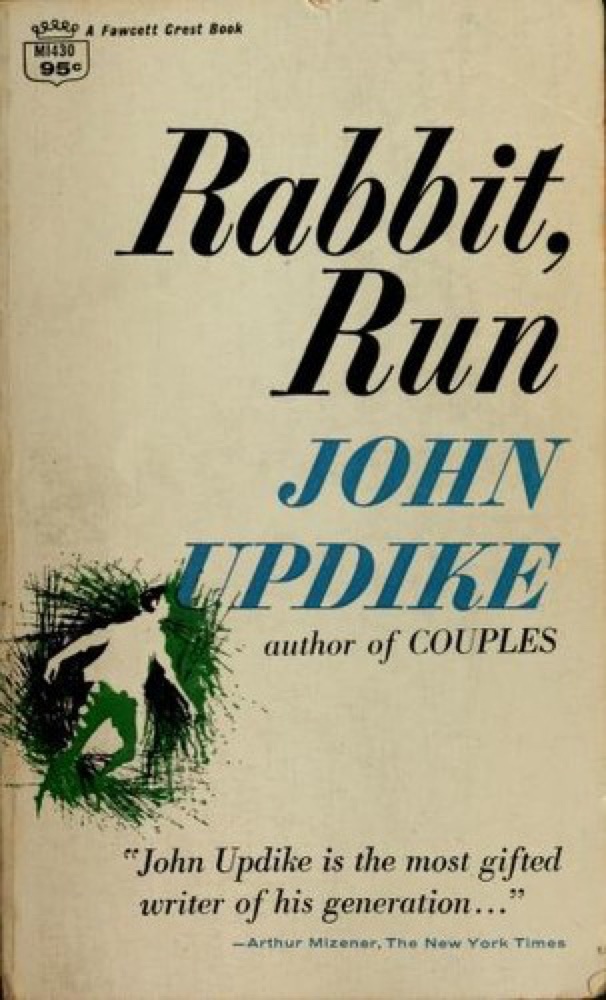 Rabbit, Run
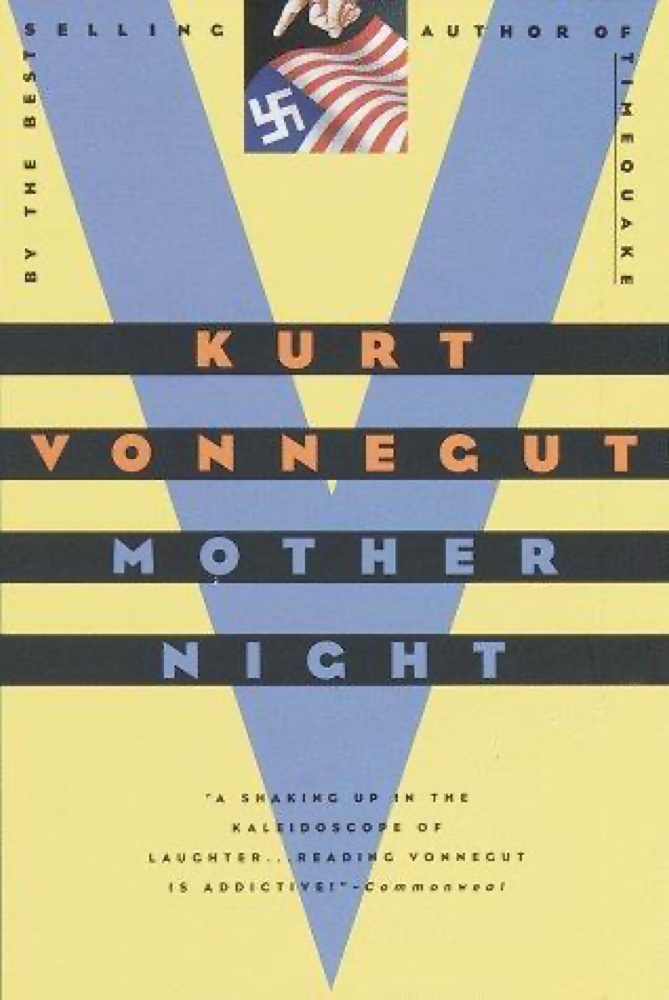 Mother Night
 Alias Grace
 The Son
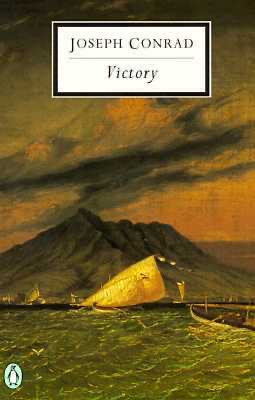 Victory
 The Testaments
 Call for the Dead
 Wizard and Glass
 Dead Souls
 False Memory
 The Hour I First Believed
 Cold Mountain
 Full Dark, No Stars
 The Brutal Telling
 Birdsong
 A Thousand Moons
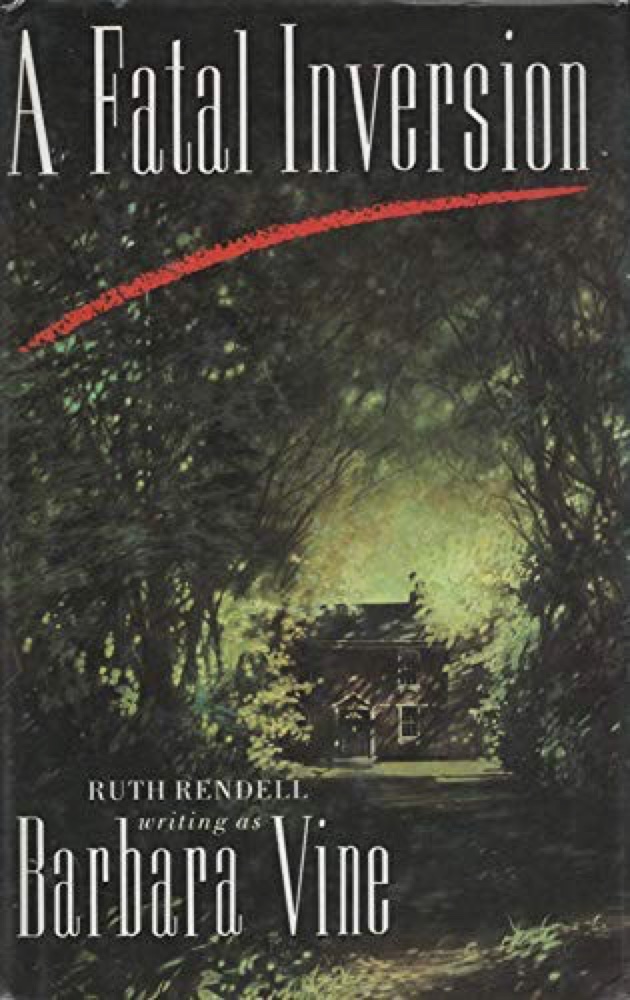 A Fatal Inversion
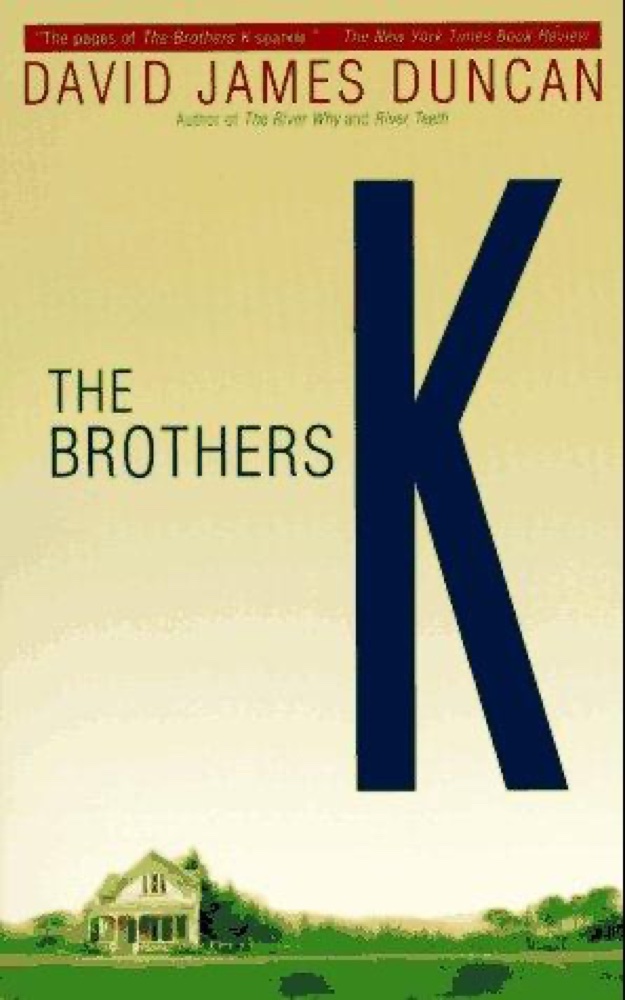 The Brothers K
 A Scanner Darkly
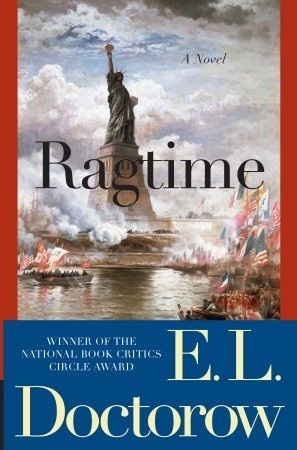 Ragtime
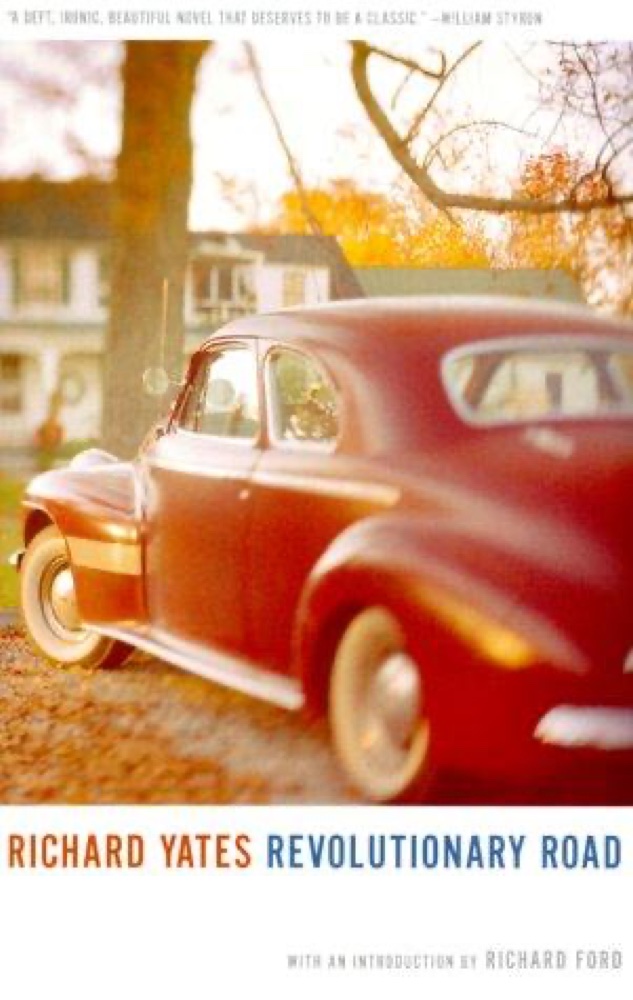 Revolutionary Road
 The Fall of Babel
 The Prisoner of Heaven
 The Quick and the Dead
 The Wolf in Winter
 March
March
 Authority
 Wayfaring Stranger
 Across the Nightingale Floor
 That Hideous Strength
 Empire Falls
 Humboldt's Gift
 The Complete Stories
 Red Country
 Absalom, Absalom!
 The Passage
 Lord Jim
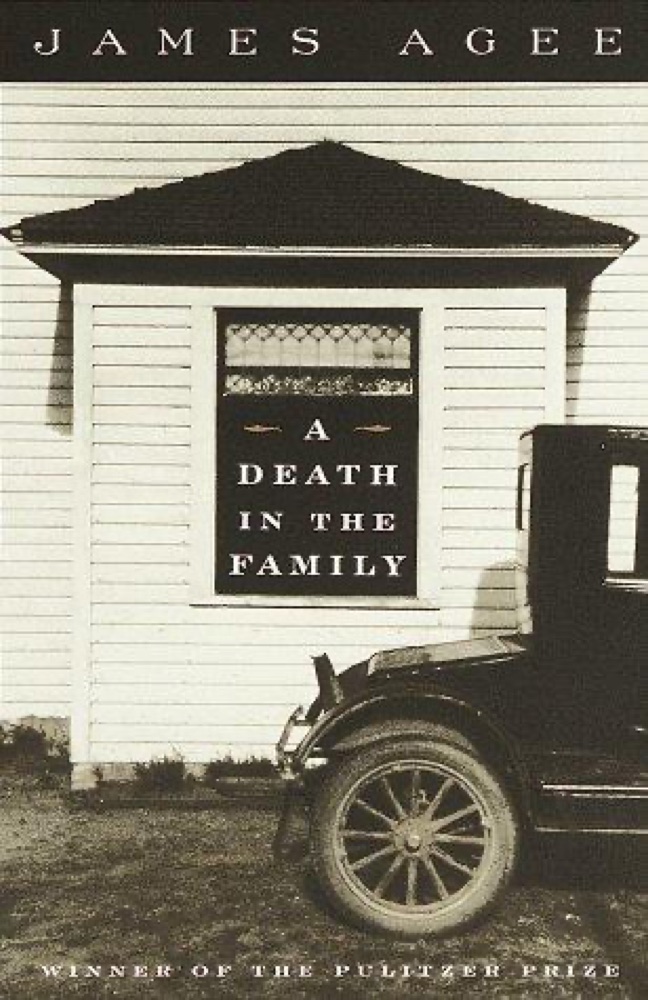 A Death in the Family