
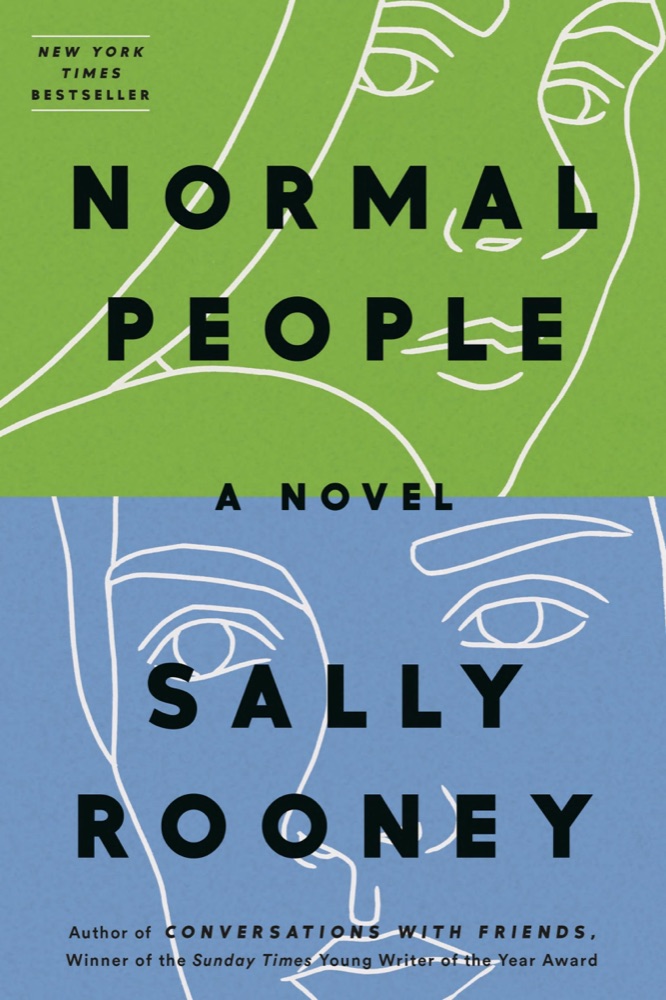
 Normal People
Quotes from the Book
Maybe we're just born to love and worry about the people we know, and to go on loving and worrying even when there are more important things we should be doing. And if that means the human species is going to die out, isn't it in a way a nice reason to die out, the nicest reason you can imagine? Because when we should have been reorganising the distribution of the world's resources and transitioning collectively to a sustainable economic model, we were worrying about sex and friendship instead. Because we loved each other too much and found each other too interesting. And I love that about humanity, and in fact it's the very reason I root for us to survive - because we are so stupid about each other.
950
And we hate people for making mistakes so much more than we love them for doing good that the easiest way to live is to do nothing, say nothing, and love no one.
438
When I try to picture for myself what a happy life might look like, the picture hasn't changed very much since I was a child - a house with flowers and trees around it, and a river nearby, and a room full of books, and someone there to love me, that's all. Just to make a home there, and to care for my parents when they grow older. Never to move, never to board a plane again, just to live quietly and then be buried in the earth.
414
I was tired, it was late, I was sitting half-asleep in the back of a taxi, remembering strangely that wherever I go, you are with me, and so is he, and that as long as you both live the world will be beautiful to me.
348
If God wanted me to give you up, he wouldn't have made me who I am.
310
What if the meaning of life on earth is not eternal progress toward some unspecified goal—the engineering and production of more and more powerful technologies, the development of more and more complex and abstruse cultural forms? What if these things just rise and recede naturally, like tides, while the meaning of life remains the same always—just to live and be with other people?
295
And isn’t death just the apocalypse in the first person?
252
But if you think there’s any chance that I could make you happy, I wish you would let me try. Because it’s the only thing I really want to do with my life.
247
Presumably, remembered suffering never feels as bad as present suffering, even if it was really a lot worse - we can't remember how much worse it was, because remembering is weaker than experiencing.
189
At times I think of human relationships as something soft like sand or water, and by pouring them into particular vessels we give them shape.
158
I will probably continue to make poor life decisions and suffer recurrent depressive episodes
128
Walking around, even on a bad day, I would see things – I mean just the things that were in front of me. People’s faces, the weather, traffic. The smell of petrol from the garage, the feeling of being rained on, completely ordinary things. And in that way even the bad days were good, because I felt them and remembered feeling them. There was something delicate about living like that – like I was an instrument and the world touched me and reverberated inside me. After a couple of months, I started to miss days. Sometimes I would fall asleep without remembering to write anything, but then other nights I’d open the book and not know what to write – I wouldn’t be able to think of anything at all. When I did make entries, they were increasingly verbal and abstract: song titles, or quotes from novels, or text messages from friends. By spring I couldn’t keep it up anymore. I started to put the diary away for weeks at a time – it was just a cheap black notebook I got at work – and then eventually I’d take it back out to look at the entries from the previous year. At that point, I found it impossible to imagine ever feeling again as I had apparently once felt about rain or flowers. It wasn’t just that I failed to be delighted by sensory experiences – it was that I didn’t actually seem to have them anymore. I would walk to work or go out for groceries or whatever and by the time I came home again I wouldn’t be able to remember seeing or hearing anything distinctive at all. I suppose I was seeing but not looking – the visual world just came to me flat, like a catalogue of information. I never looked at things anymore, in the way I had before.
122
I feel very embarrassed by all that now, but I was lonely and unhappy, and I didn’t understand that these feelings were ordinary, that there was nothing singular about my loneliness, my unhappiness.
117
When I look back at those years, I feel touched and almost pained by the simplicity of the life I was living, because I knew what I had to do, and I did it, that was all.
109
I tell myself that I want to live a happy life, and that the circumstances for happiness just haven't arisen. But what if that's not true? What if I'm the one who can't let myself be happy? Because I'm scared, or I prefer to wallow in self-pity, or I don't believe I deserve good things, or some other reason. Whenever something good happens to me I always find myself thinking: I wonder how long it will be until this turns out badly. And I almost want the worst to happen sooner, sooner rather than later, and if possibile straight away, so at least I don't have to feel anxious about it anymore.
102
If you weren't my friend I wouldn't know who I was, she said.
97
I suppose I think that having a child is simply the most ordinary thing I can imagine doing. And I want that- to prove that the most ordinary thing about human beings is not violence or greed but love and care. To prove it to whom, I wonder. Myself, maybe.
95
Were they aware, in the intensity of their embrace, of something slightly ridiculous about this tableau, something almost comical, as someone nearby sneezed violently into a crumpled tissue; as a dirty discarded plastic bottle scuttled along the platform under a breath of wind; as a mechanised billboard on the station wall rotated from an advertisement for hair products to an advertisement for car insurance; as life in its ordinariness and even ugly vulgarity imposed itself everywhere all around them? Or were they in this moment unaware, or something more than unaware—were they somehow invulnerable to, untouched by, vulgarity and ugliness, glancing for a moment into something deeper, something concealed beneath the surface of life, not unreality but a hidden reality: the presence at all times, in all places, of a beautiful world?
78
People who intentionally become famous - I mean people who, after a little taste of fame, want more and more of it - are, and I honestly believe this, deeply psychologically ill. The fact that we are exposed to these people everywhere in our culture, as if they are not only normal but attractive and enviable, indicates the extent of our disfiguring social disease.
78
I think I would feel superficially sadder, but less fundamentally broken as a person, if I could just be sad about one break-up, rather than sad about my lifelong inability to sustain a meaningful relationship.
66
Tenderly, it seemed almost painfully, they smiled at one another, saying nothing, and their questions were the same, am I the one you think about, when we made love were you happy, have I hurt you, do you love me, will you always.
59
People think that socialism is sustained by force—the forcible expropriation of property—but I wish they would just admit that capitalism is also sustained by exactly the same force in the opposite direction, the forcible protection of existing property arrangements.
57
And life is more changeable than I thought. I mean a life can be miserable for a long time and then later happy. It’s not just one thing or another—it doesn’t get fixed into a groove called ‘personality’ and then run along that way until the end.
53
In that case we are standing in the last lighted room before the darkness, bearing witness to something.
52
We can’t conserve anything, and especially not social relations, without altering their nature, arresting some part of their interaction with time in an unnatural way.
51
When I was younger, I think what I wanted was to travel the world, to lead a glamorous life, to be celebrated for my work, to marry a great intellectual, to reject everything I had been raised with, to cut myself off from the narrow world. I feel very embarrassed by all that now, but I was lonely and unhappy, and I didn’t understand that these feelings were ordinary, that there was nothing singular about my loneliness, my unhappiness.
49
...but all that really means is that I love my life, and I'm really excited to have it back again, excited to feel that its going to continue, that new things will keep happening, that nothing is over yet.
47
So of course in the midst of everything, the state of the world being what it is, humanity on the cusp of extinction, here I am writing another email about sex and friendship. What else is there to live for?
40
That's the thing about work, if it was any good you'd do it for free.
40
Did you know?
- The title comes from a line in Friedrich Schiller's poem 'Die Götter Griechenlands' ('The Gods of Greece'), which Franz Schubert later set to music.
- It is Sally Rooney's third novel, following Conversations with Friends and Normal People.
- Large portions of the book are written as long emails exchanged between the two central characters.
- Rooney narrates the scenes from a deliberately detached, external point of view rather than entering her characters' minds.
- The novel was a major commercial event, topping bestseller lists in Ireland, the UK, and the United States on release.
About Sally Rooney
Sally Rooney is an Irish novelist born in 1991 in County Mayo, known for her sharp, dialogue-driven fiction about young people, relationships, and class. Her earlier novels Conversations with Friends (2017) and Normal People (2018) made her one of the most prominent literary voices of her generation.
More about the author →More by Sally Rooney
About the book
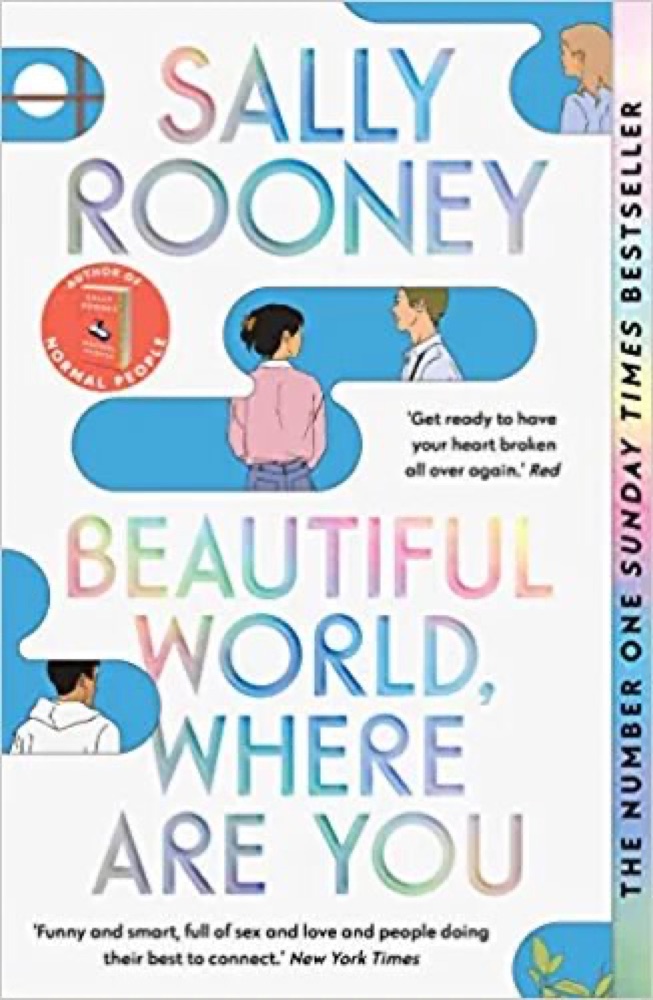
Beautiful World, Where Are You is Irish writer Sally Rooney's third novel, following two thirty-something women through alternating chapters and the long, searching emails they send each other. Alice Kelleher is a successful novelist recovering from a breakdown in a seaside town, where she begins seeing Felix, a warehouse worker she meets on a dating app. Her closest friend, Eileen Lydon, works at a literary magazine in Dublin and circles a tentative romance with Simon, a religious policy adviser she has known since childhood. The book traces these two couples across roughly a year as they navigate love, work, money, and friendship.
The novel braids ordinary domestic and romantic life with the women's discursive correspondence, in which they argue about beauty, faith, climate change, capitalism, and whether it is decent to care about personal happiness amid global crisis. Rooney narrates the scenes from a deliberately cool, external vantage, observing her characters' behavior without entering their thoughts, so that the confessional emails become the chief window onto their interior lives. The result is a study of friendship and intimacy as forms of meaning-making in a precarious world.
Published in September 2021 to enormous anticipation after the success of Conversations with Friends and Normal People, the book became an immediate bestseller and the subject of intense media coverage. Reviewers in outlets such as The Guardian, NPR, and The Atlantic were largely positive, praising Rooney's prose and the stylistic shift toward a more distanced narration, while some questioned how deeply the novel's political musings were integrated into its plot. It won the Goodreads Choice Award and an Irish Book Award and was widely cited as one of the most discussed literary novels of its year.
Key characters
- Alice KelleherA successful novelist recovering from a breakdown in a seaside town
- Eileen LydonAlice's best friend, a literary magazine editor in Dublin
- Felix BradyA warehouse worker who becomes Alice's lover
- Simon CostiganA religious policy adviser and Eileen's longtime love interest
Book details
- First published
- 2021
- Length
- 337 pages
- Reading time
- 6 hours
- Author
- Sally Rooney
- Genre
- Fiction
- Goodreads rating
- 3.52 (511k ratings)
Critical reception
- Became an immediate bestseller in Ireland, the UK, and the United States upon its September 2021 release.
- Received largely positive reviews from outlets including The Guardian, NPR, and The Atlantic.
- Some critics offered mixed assessments of how fully its political and philosophical themes were integrated into the story.
- Won the 2021 Goodreads Choice Award and an An Post Irish Book Award.
If you liked this, read…
- 1Normal PeopleRooney's own earlier novel of intense, class-crossed young love told in spare prose
- 2Conversations with FriendsRooney's debut, also exploring friendship, desire, and intellectual sparring among young Dubliners
Keep reading
 Dream Count
 Intermezzo
 What I Loved
 Schoolgirl
 The Opposite of Loneliness: Essays and Stories
 First Person Singular: Stories
 All the Lovers in the Night
 Super Sad True Love Story
 The Dark and Hollow Places
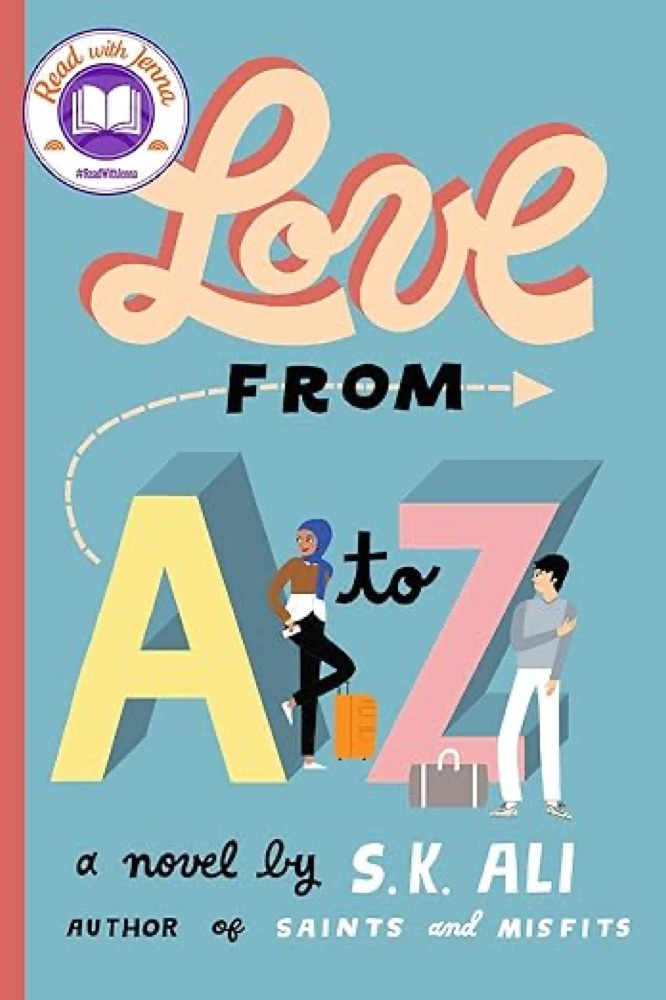 Love from A to Z
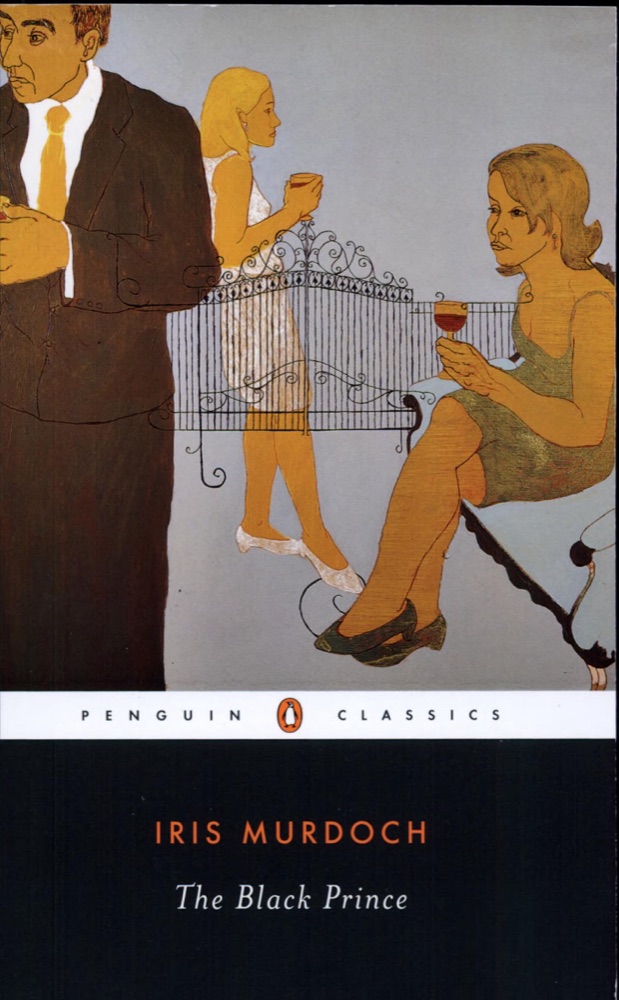 The Black Prince
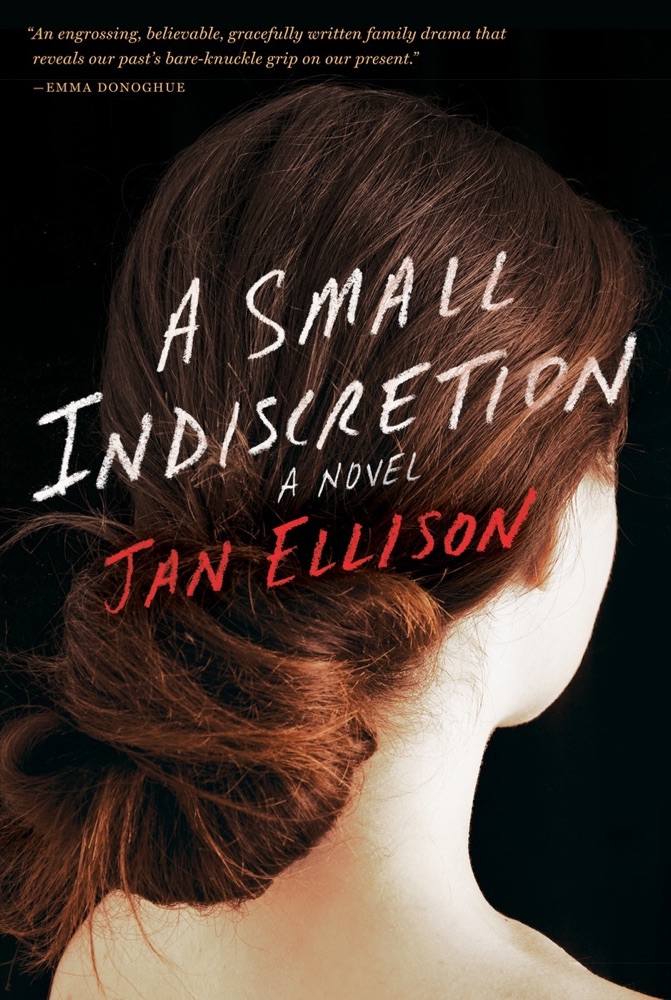 A Small Indiscretion
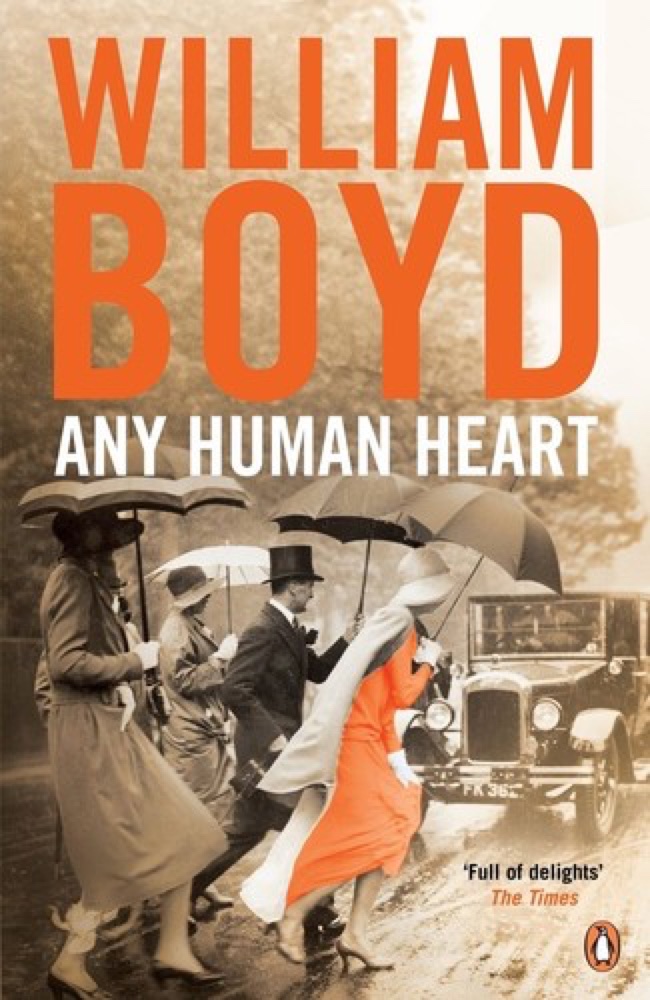 Any Human Heart
 The Lake
 We Are Okay
 Life After God
 Sputnik Sweetheart
 Swimming in the Dark
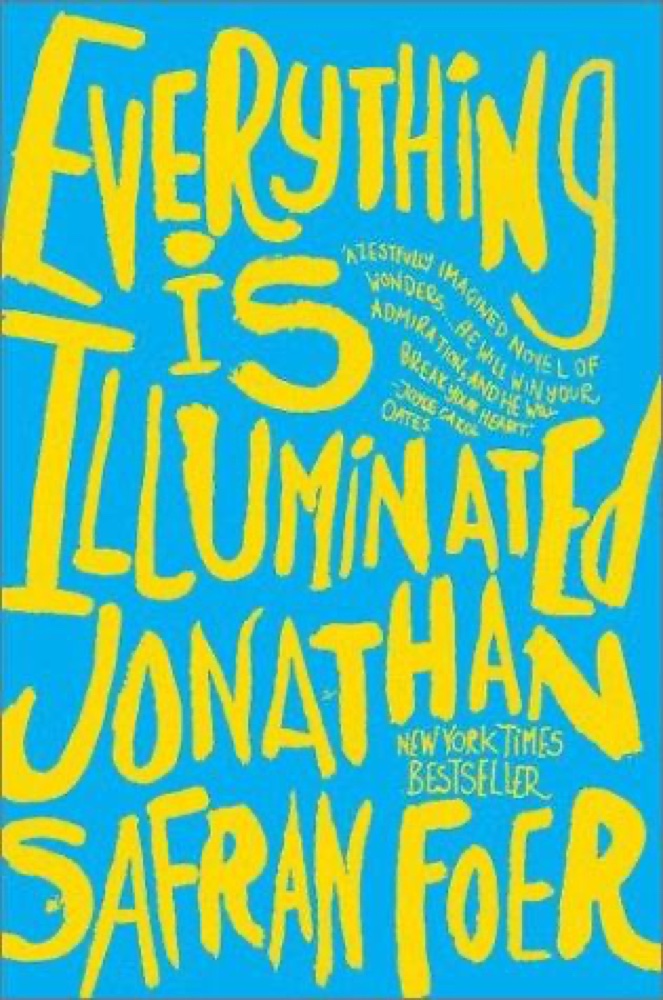 Everything Is Illuminated
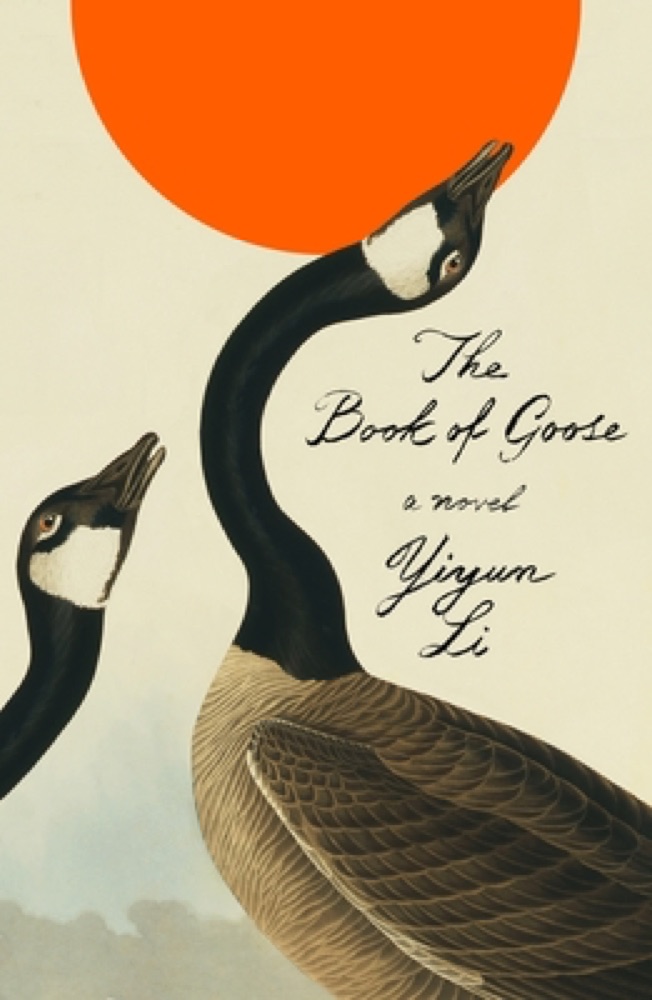 The Book of Goose
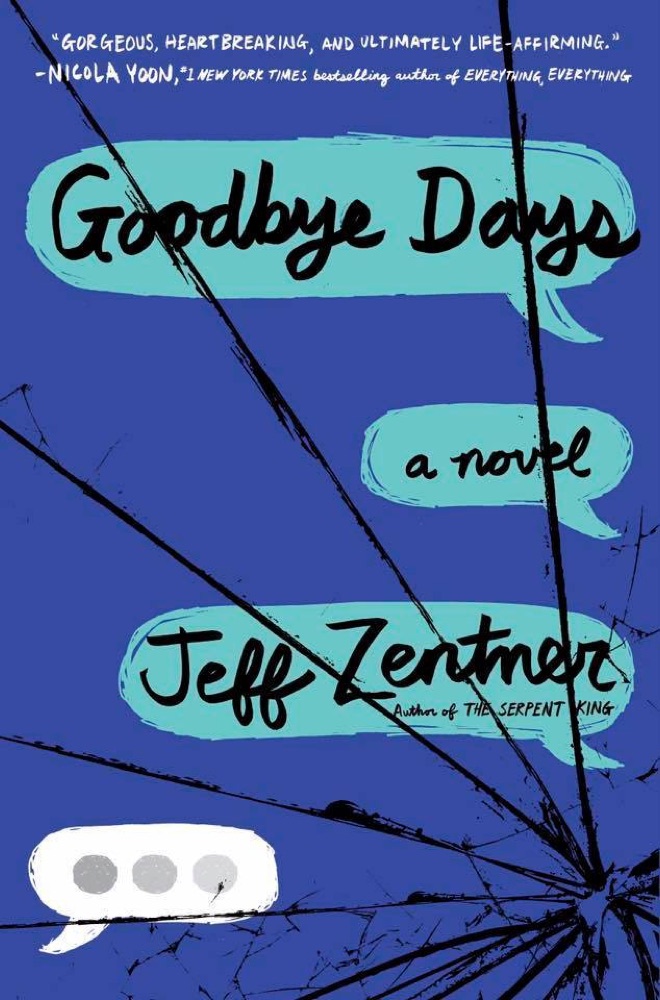 Goodbye Days
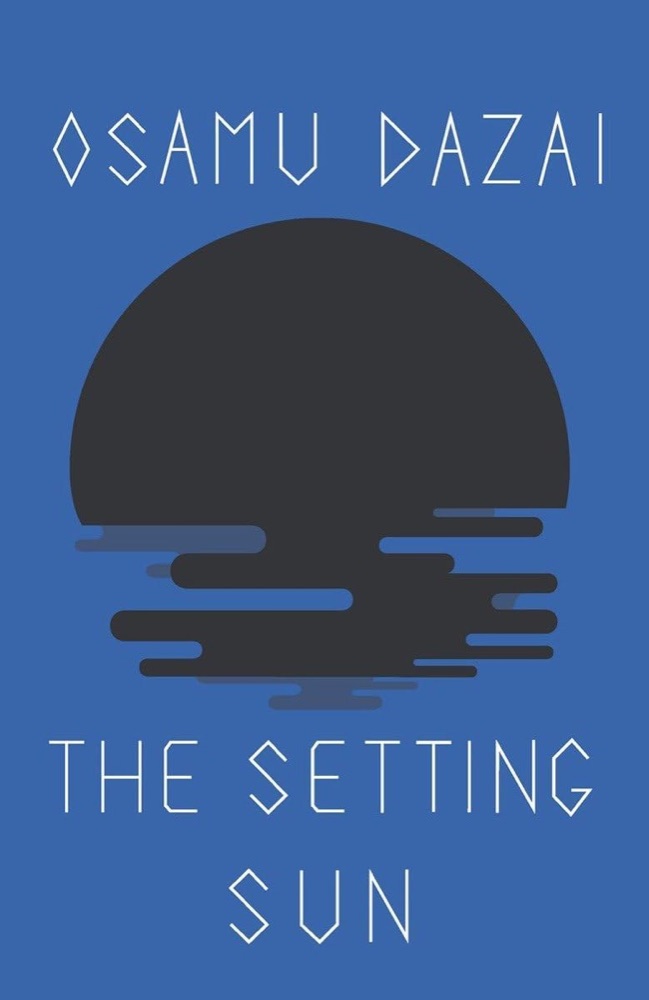 The Setting Sun
 Making Faces
 Journal of a Solitude
 If Cats Disappeared from the World
 No One Writes Back
 The Memory of Light
 The World and Other Places: Stories
 The Return
 What Is the What
 Belong to Me
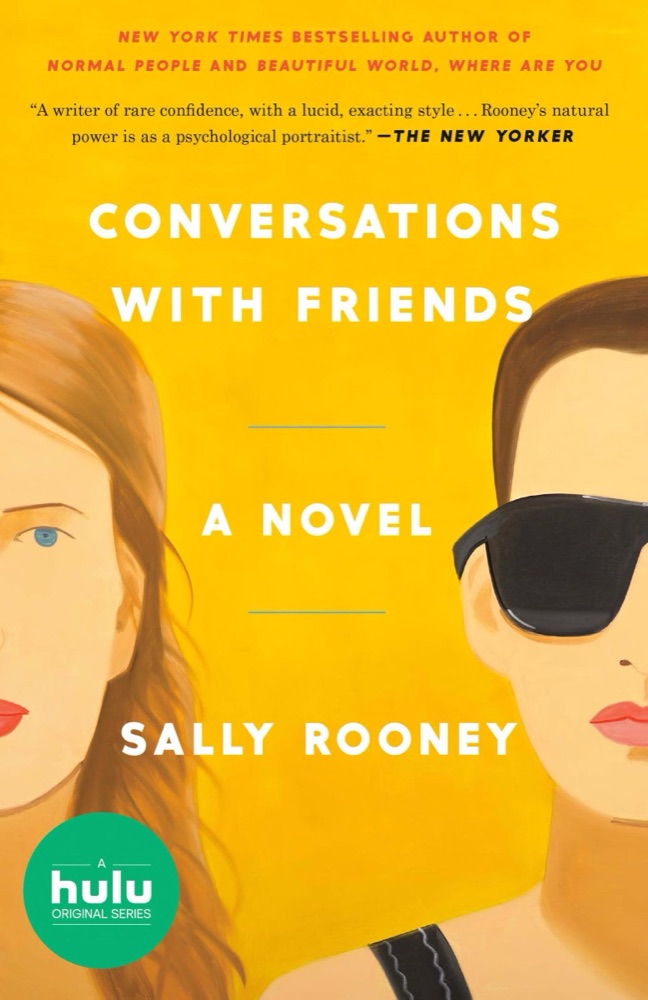 Conversations with Friends
 So Sad Today: Personal Essays
 1Q84
1Q84
 Middlesex
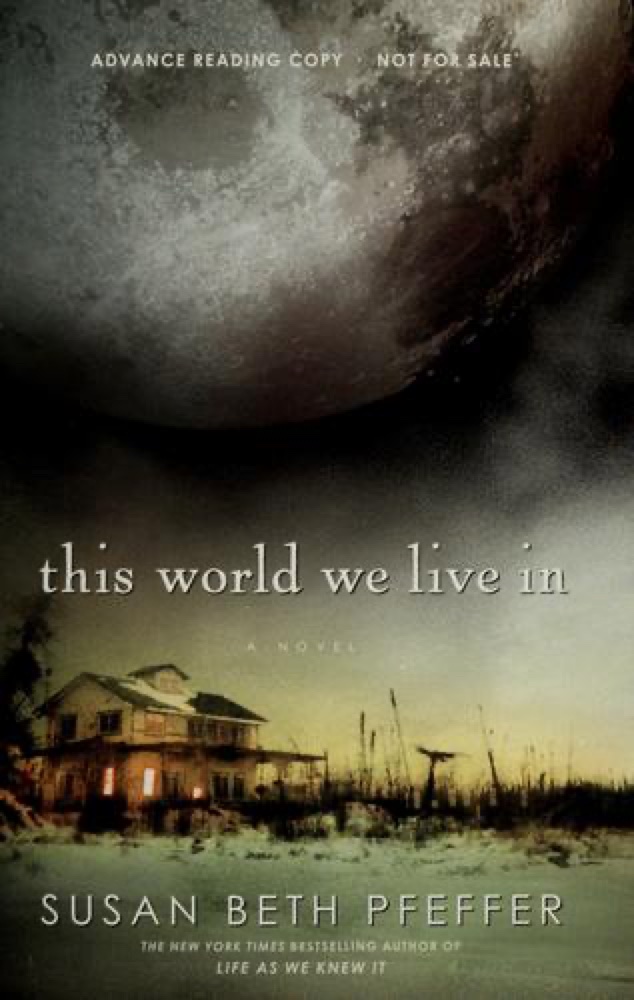 This World We Live In
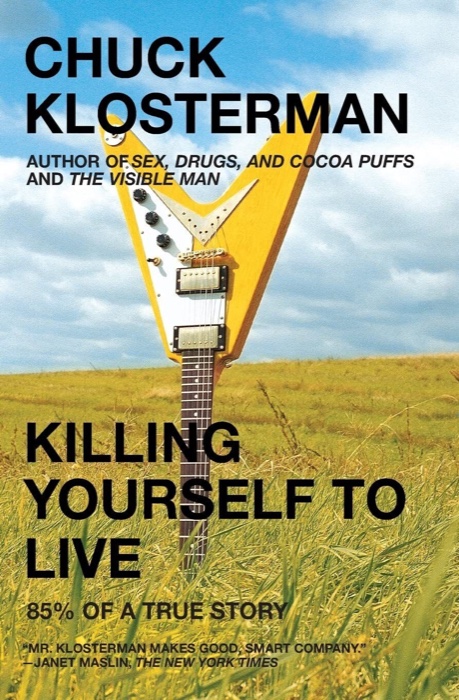 Killing Yourself to Live: 85% of a True Story
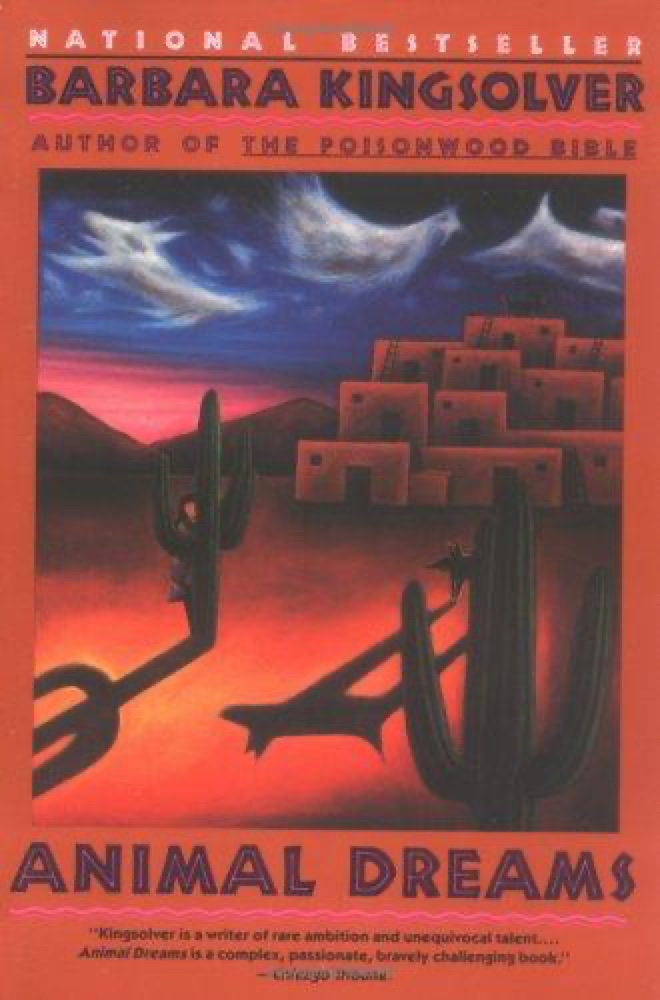 Animal Dreams
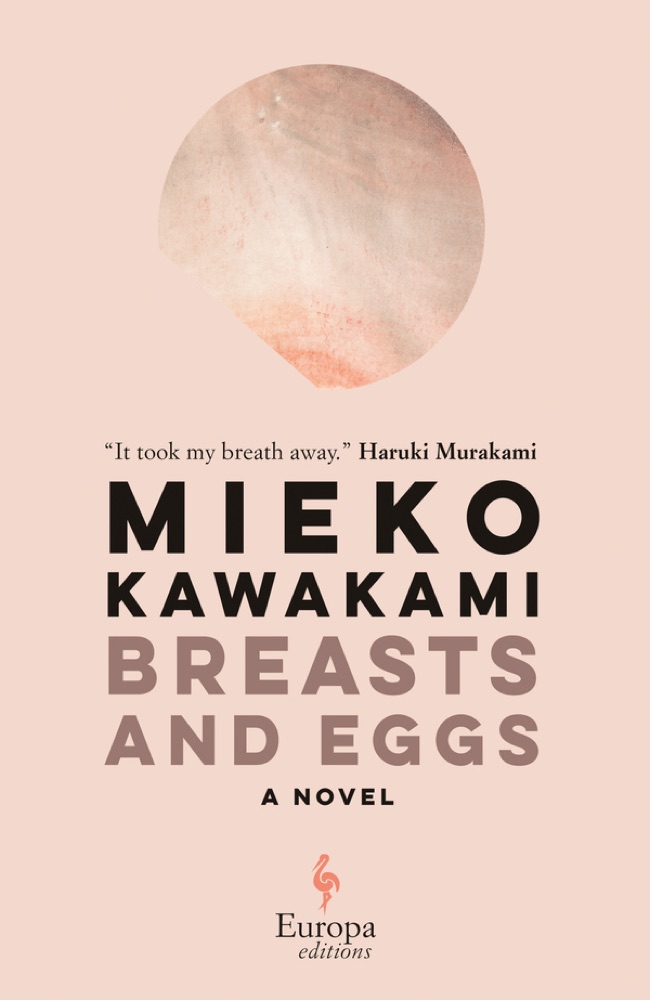 Breasts and Eggs
 Someday
 Anagrams
 Hollow City
 How High We Go in the Dark
 Snow
Snow
 Memoirs of a Geisha
 All This Could Be Different
 Fault Lines
 Three Comrades
 Panenka
 The Anthropocene Reviewed: Essays on a Human-Centered Planet
 This Side of Paradise
 I Keep My Exoskeletons to Myself
 The Time of My Life
 No One Belongs Here More Than You
 The Goldfinch
 The Nice and the Good
 At the Edge of the Universe
 The Perks of Being a Wallflower
 The Illusion of Separateness
 Someone Who Will Love You in All Your Damaged Glory