
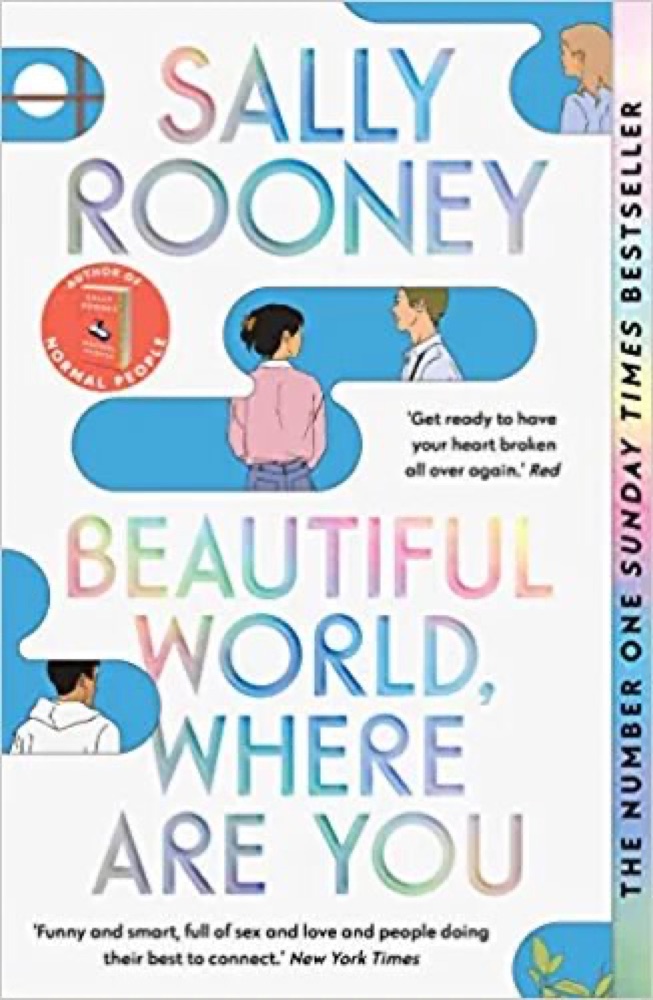
 Beautiful World, Where Are You
Quotes from the Book
I'm not a religious person but I do sometimes think God made you for me.
3k
Marianne had the sense that her real life was happening somewhere very far away, happening without her, and she didn't know if she would ever find out where it was or become part of it.
2.4k
It was culture as class performance, literature fetishised for its ability to take educated people on false emotional journeys, so that they might afterwards feel superior to the uneducated people whose emotional journeys they liked to read about.
1.5k
No one can be independent of other people completely, so why not give up the attempt, she thought, go running in the other direction, depend on people for everything, allow them to depend on you, why not.
1.2k
She closes her eyes. He probably won’t come back, she thinks. Or he will, differently. What they have now they can never have back again. But for her the pain of loneliness will be nothing to the pain that she used to feel, of being unworthy. He brought her goodness like a gift and now it belongs to her. Meanwhile his life opens out before him in all directions at once. They’ve done a lot of good for each other. Really, she thinks, really. People can really change one another. You should go, she says. I’ll always be here. You know that.
1.1k
Most people go through their whole lives, without ever really feeling that close with anyone.
1k
Generally I find men are a lot more concerned with limiting the freedoms of women than exercising personal freedom for themselves.
1k
Life is the thing you bring with you inside your own head.
729
She believes Marianne lacks ‘warmth’, by which she means the ability to beg for love from people who hate her.
660
Her eyes fill up with tears again and she closes them. Even in memory she will find this moment unbearably intense, and she's aware of this now, while it's happening. She has never believed herself fit to be loved by any person. But now she has a new life, of which this is the first moment, and even after many years have passed she will still think: Yes, that was it, the beginning of my life.
641
Marianne, he said, I'm not a religious person but I do sometimes think God made you for me.
598
It's funny the decisions you make because you like someone, he says, and then your whole life is different. I think we're at that weird age where life can change a lot from small decisions.
589
If people appeared to behave pointlessly in grief, it was only because human life was pointless, and this was the truth that grief revealed.
465
Not for the first time Marianne thinks cruelty does not only hurt the victim, but the perpetrator also, and maybe more deeply and more permanently.
465
All these years, they’ve been like two little plants sharing the same plot of soil, growing around one another, contorting to make room, taking certain unlikely positions.
439
I don't know what's wrong with me, says Marianne. I don't know why I can't be like normal people.
422
It feels powerful to him to put an experience down in words, like he's trapping it in a jar and it can never fully leave him.
286
Being alone with her is like opening a door away from normal life and then closing it behind him.
272
People are a lot more knowable than they think they are.
242
There’s always been something inside her that men have wanted to dominate, and their desire for domination can look so much like attraction, even love.
225
Connell wished he knew how other people conducted their private lives, so that he could copy from example.
221
Marianne wanted her life to mean something then, she wanted to stop all violence committed by the strong against the weak, and she remembered a time several years ago when she had felt so intelligent and young and powerful that she almost could have achieved such a thing, and now she knew she wasn’t at all powerful, and she would live and die in a world of extreme violence against the innocent, and at most she could only help a few people. It was so much harder to reconcile herself to the idea of helping a few, like she would rather help no one than do something so small and feeble
197
He has sincerely wanted to die, but he has never sincerely wanted Marianne to forget about him. That’s the only part of himself he wants to protect, the part that exists inside her.
191
It suggests to Connell that the same imagination he used as a reader is necessary to understand real people also, and to be intimate with them.
180
He knows that a lot of the literary people in college see books primarily as a way of appearing cultured, It was culture as class performance, literature fetishised for its ability to take educated people on false emotional journeys, so that they might afterwards feel superior to the uneducated people whose emotional journeys they liked to read about. Even the writer himself was a good person, and even if his book really was insightful, all books were ultimately marketed as status symbols, and all writers participated to some degree in this marketing.
178
feeling a strange sense of nostalgia for a moment that was already in the process of happening.
176
Multiple times he has tried writing his thoughts about Marianne down on paper in an effort to make sense of them. He's moved by a desire to describe in words exactly how she looks and speaks. Her hair and clothing. The copy of Swann's Way she reads at lunchtime in the school cafeteria, with a dark French painting on the cover and a mint-coloured spine. Her long fingers turning the pages. She's not leading the same kind of life as other people. She acts so worldly at times, making him feel ignorant, but then she can be so naive. He wants to understand how her mind works... He writes these things down, long run-on sentences with too many dependent clauses, sometimes connected with breathless semicolons, as if he wants to recreate a precise copy of Marianne in print, as if he can preserve her completely for future review.
156
Suddenly he can spend an afternoon in Vienna looking at Vermeer’s The Art of Painting, and it’s hot outside, and if he wants he can buy himself a cheap cold glass of beer afterwards. It’s like something he assumed was just a painted backdrop all his life has revealed itself to be real: foreign cities are real, and famous artworks, and underground railway systems, and remnants of the Berlin Wall. That’s money, the substance that makes the world real. There’s something so corrupt and sexy about it.
146
Did you know?
- The novel was longlisted for the 2018 Man Booker Prize.
- It won the 2018 Costa Book Award for best novel.
- The story unfolds largely between the towns of Carricklea in County Sligo and Dublin, Ireland.
- Rooney's prose famously omits quotation marks for dialogue.
- The 2020 television adaptation became one of BBC iPlayer's most-watched programmes of that year.
About Sally Rooney
Sally Rooney is an Irish author born in 1991 in County Mayo, Ireland. She rose to prominence with her debut novel "Conversations with Friends" (2017), followed by "Normal People" (2018), and has been widely described as a leading voice of millennial literary fiction.
More about the author →More by Sally Rooney
About the book
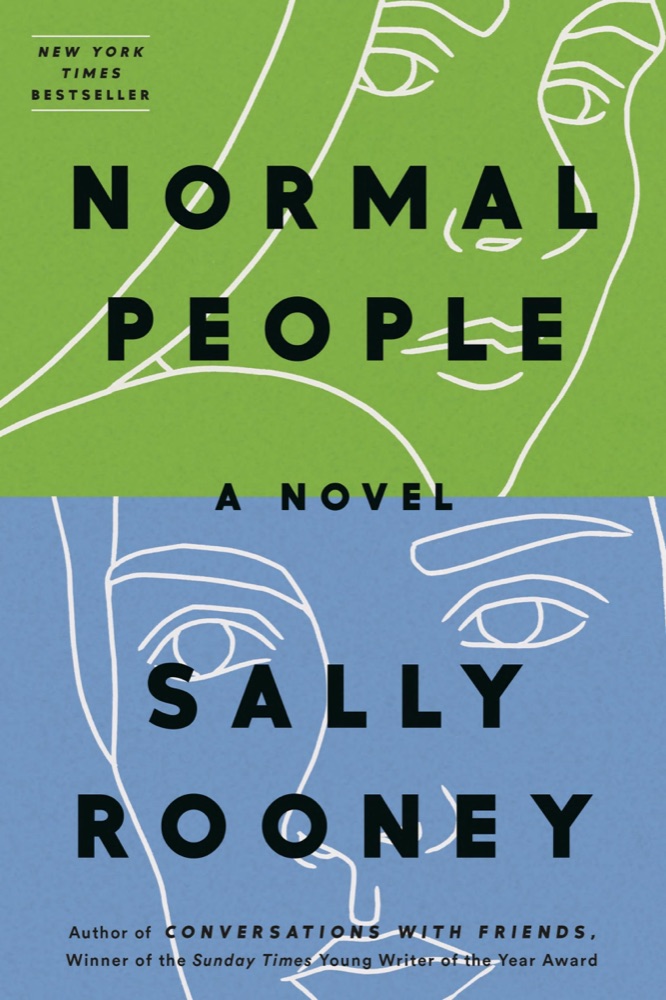
"Normal People" follows Connell Waldron and Marianne Sheridan, two intelligent young people from the small town of Carricklea in County Sligo, Ireland, whose lives stay entangled from their final year of secondary school through their years at Trinity College Dublin. Connell is popular and working class—his mother cleans for Marianne's wealthy family—while Marianne is affluent but a social outcast. Tracking their on-again, off-again relationship across roughly 2011 to 2015, the novel charts how power, class, and circumstance keep pulling the two together and apart.
At its core the book examines class difference, intimacy, and miscommunication, alongside an unflinching attention to mental health, loneliness, and the ways people misunderstand themselves and each other. Rooney's spare, present-tense prose and her omission of quotation marks give the narrative an intimate, almost diaristic immediacy as it moves between Connell's and Marianne's perspectives.
Published by Faber & Faber in 2018, the novel won the 2018 Costa Book Award for best novel and the 2019 British Book Award Book of the Year, and was longlisted for the 2018 Man Booker Prize. Widely praised as a defining work of millennial fiction, it was adapted into an acclaimed 2020 television series and has cemented Rooney's reputation as one of her generation's most discussed novelists.
Key characters
- Connell WaldronWorking-class, academically gifted and socially popular schoolboy whose relationship with Marianne anchors the novel
- Marianne SheridanWealthy but socially isolated classmate of Connell who becomes more confident at university
- LorraineConnell's mother, who works as a cleaner for Marianne's family
Book details
- First published
- 2018
- Length
- 266 pages
- Reading time
- 4 hours
- Author
- Sally Rooney
- Genre
- Fiction
- Goodreads rating
- 3.81 (2M ratings)
Critical reception
- Won the 2018 Costa Book Award for best novel.
- Won the 2019 British Book Award for Book of the Year.
- Longlisted for the 2018 Man Booker Prize.
- Ranked 25th on The Guardian's list of the best books of the 21st century.
Movie & TV adaptations
- IMDb
If you liked this, read…
- 1Conversations with FriendsRooney's debut, with the same intimate millennial relationships and class-aware voice
- 2Beautiful World, Where Are YouAnother Rooney novel exploring intimacy, class, and modern disconnection
Keep reading
 Outline
 The Illusion of Separateness
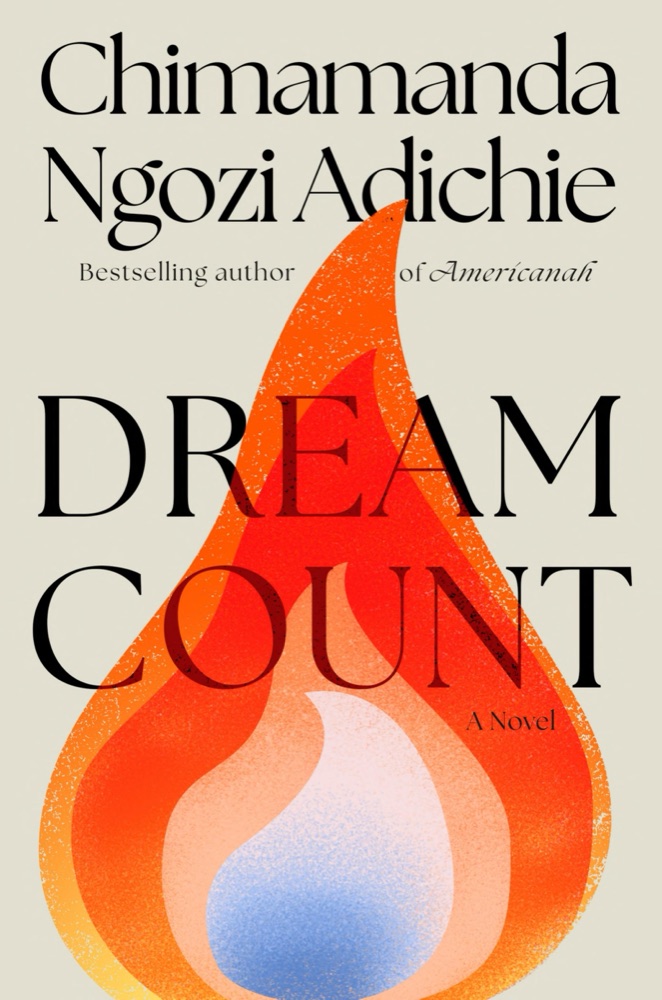 Dream Count
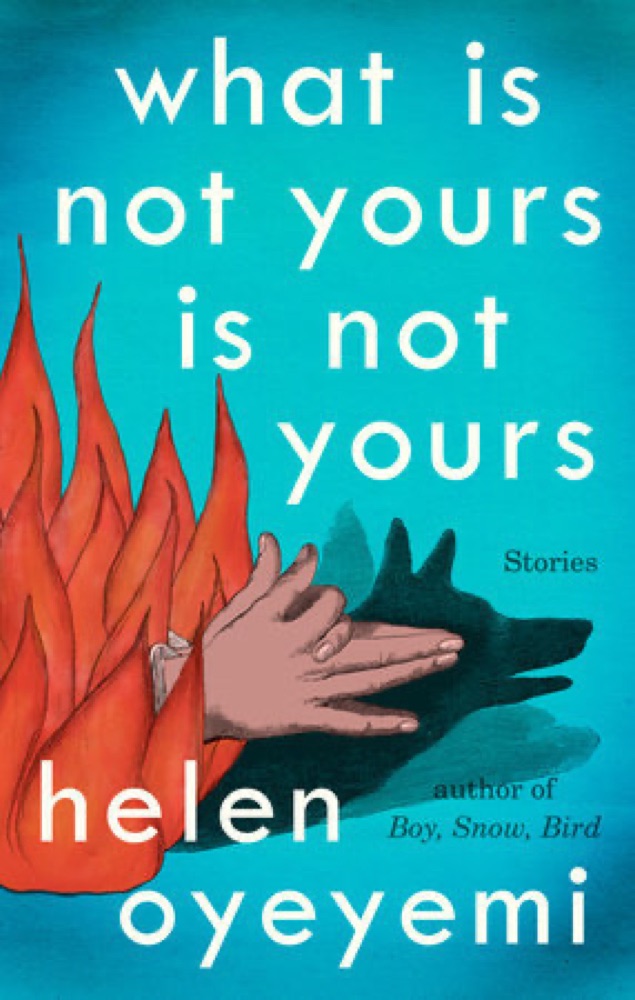 What Is Not Yours Is Not Yours
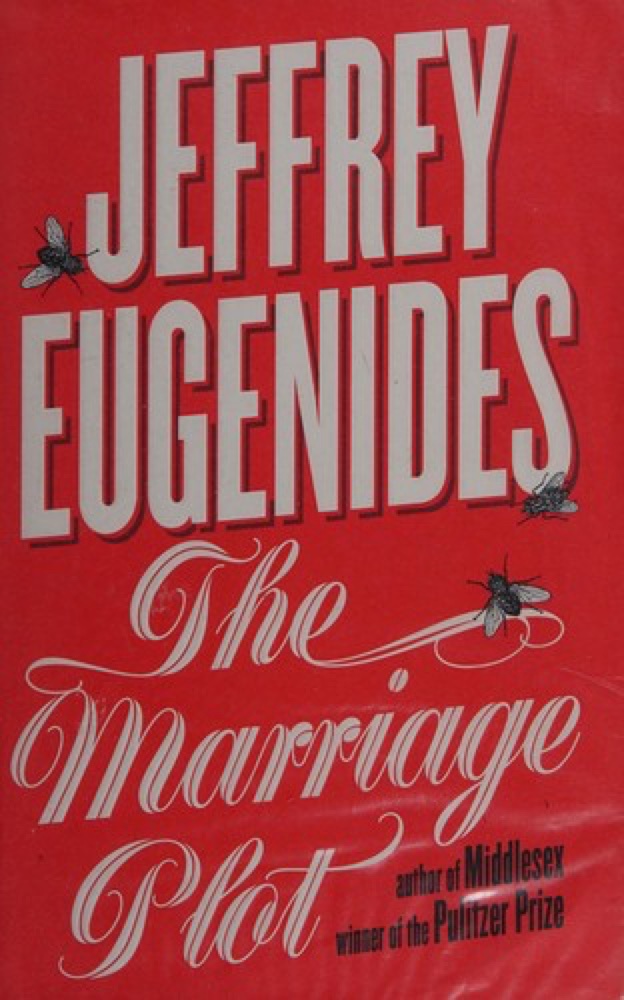 The Marriage Plot
Beautiful World, Where Are You
The Marriage Plot
Beautiful World, Where Are You
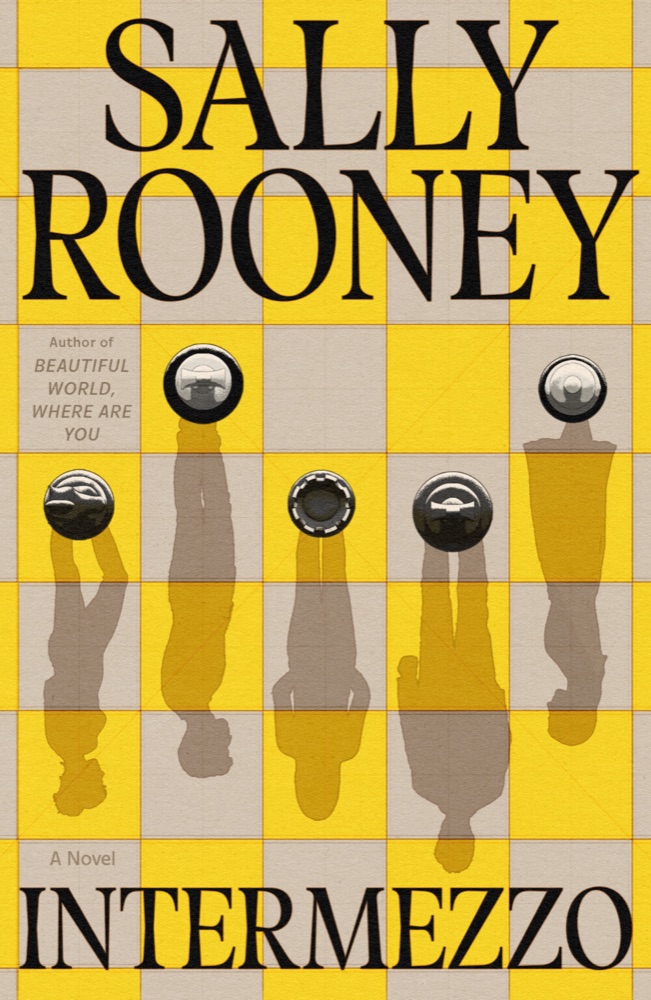 Intermezzo
 We Are Not Ourselves
 Klara and the Sun
 The Secret Lives of People in Love
 NW
NW
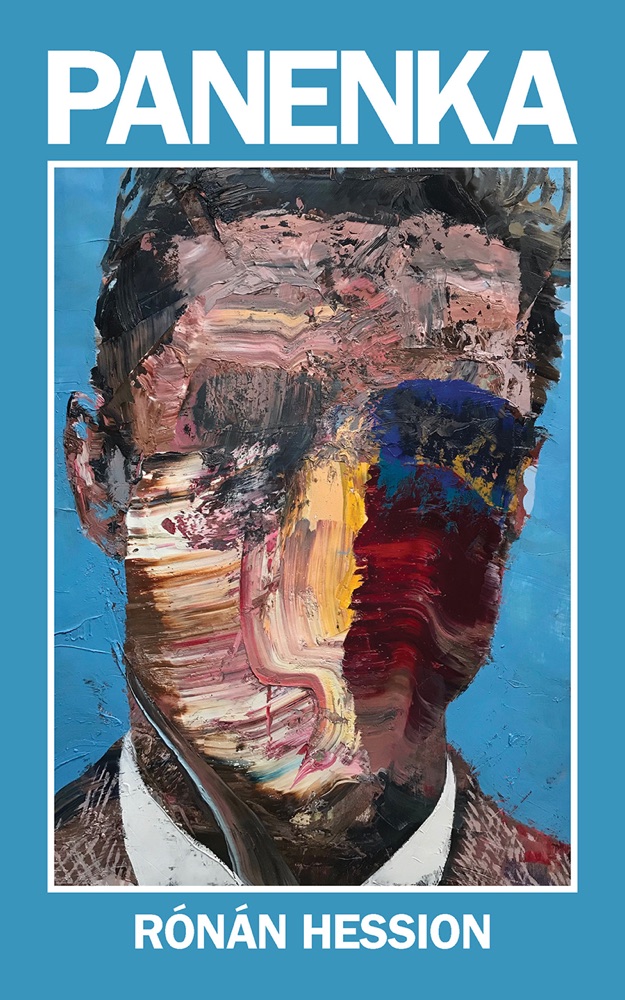 Panenka
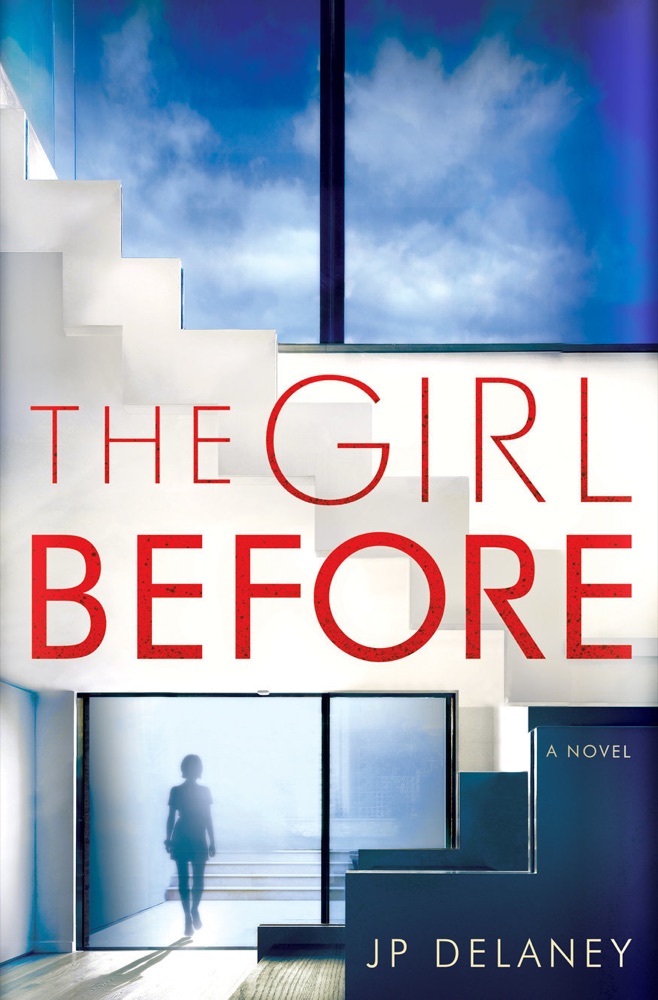 The Girl Before
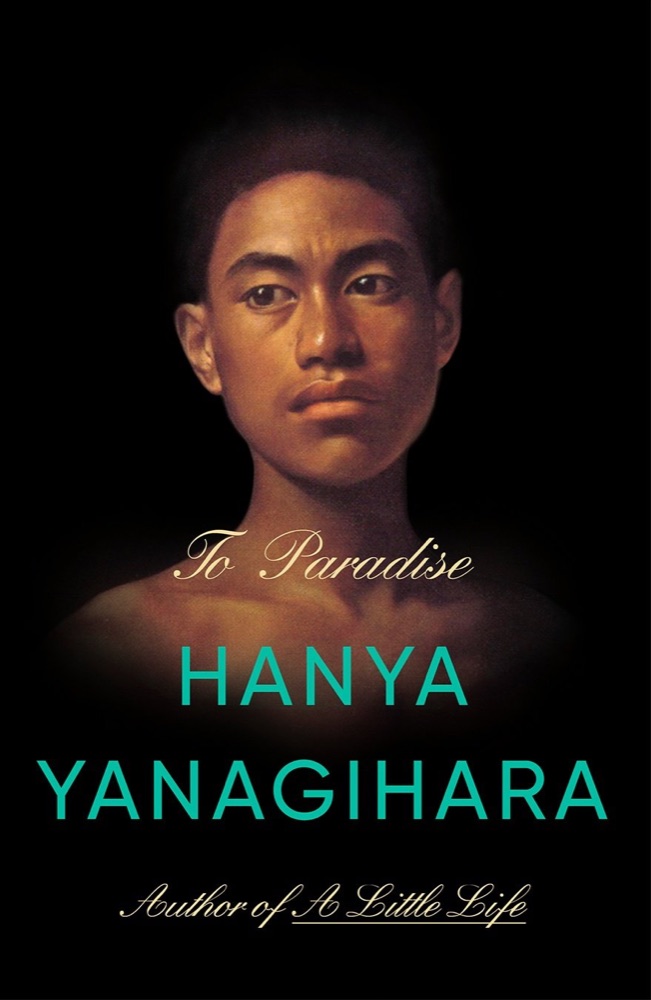 To Paradise
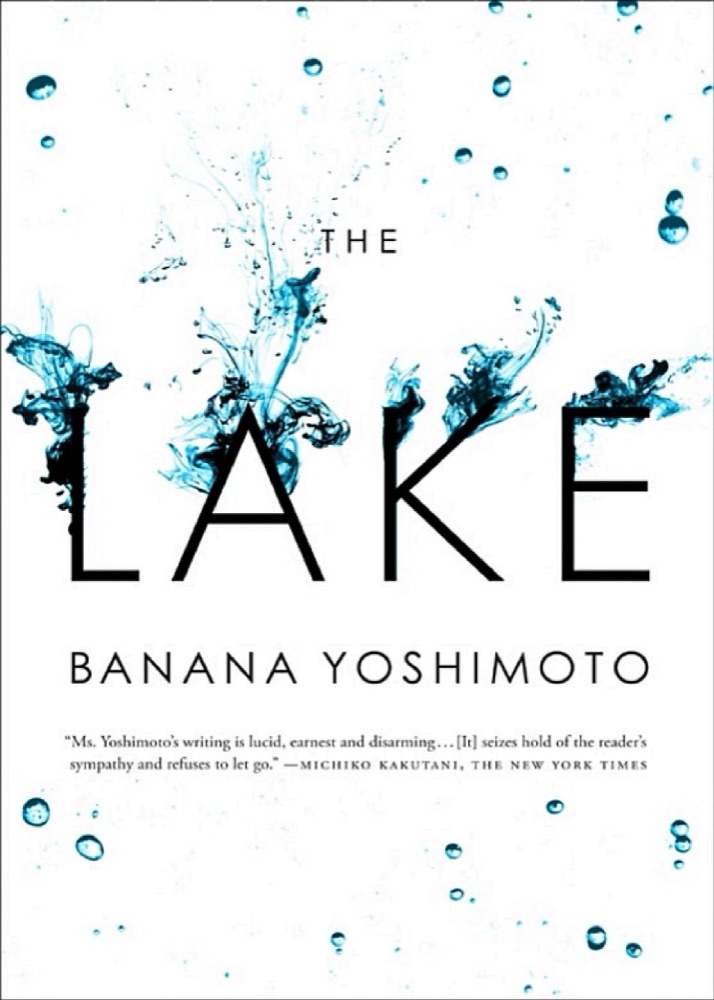 The Lake
 Anagrams
 Too Much Happiness: Stories
 Somebody Else's Daughter
 The Stone Diaries
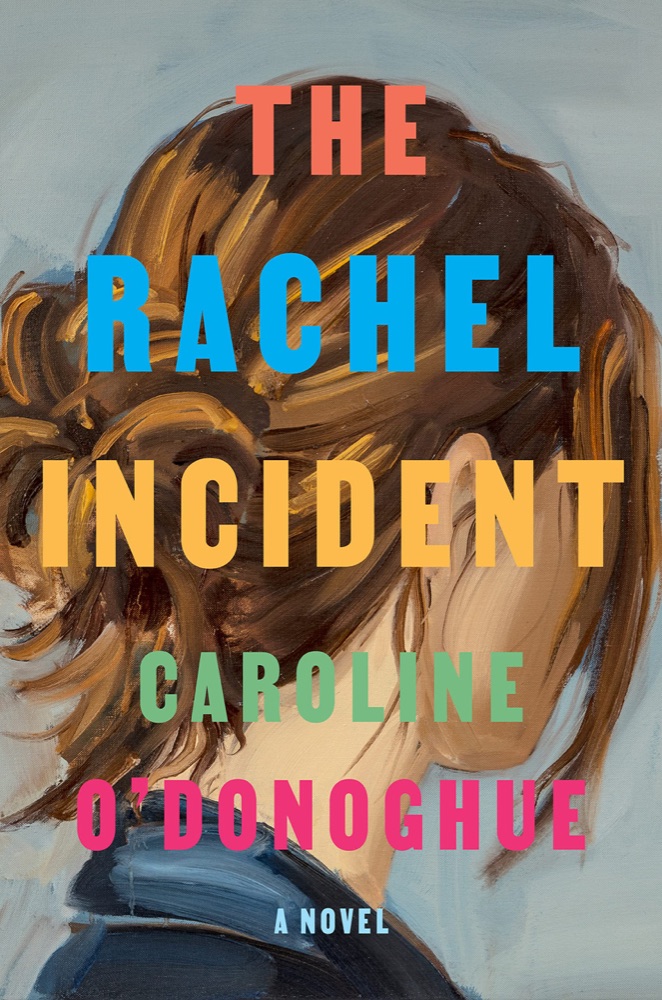 The Rachel Incident
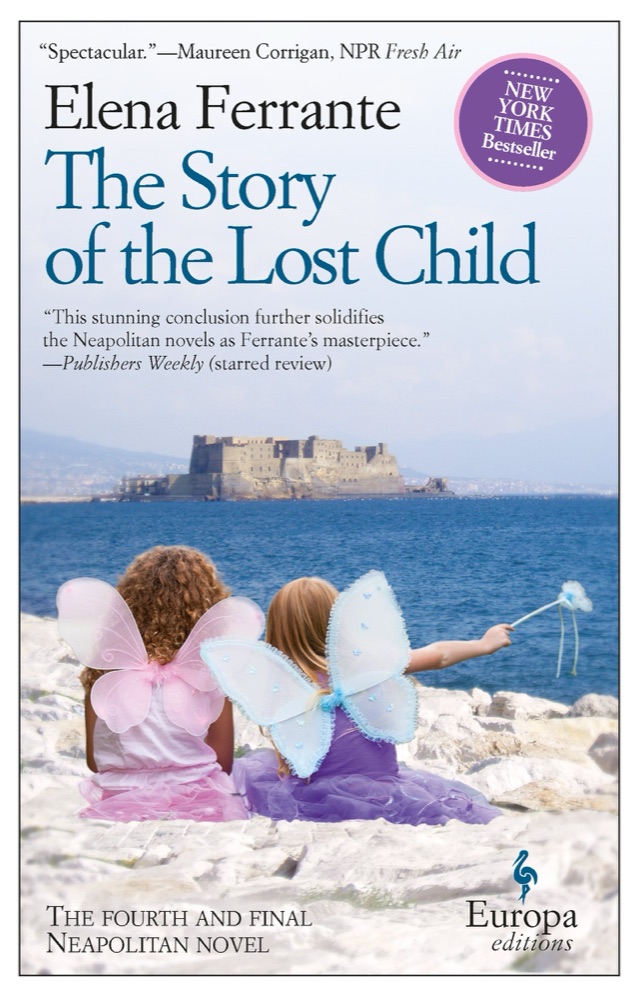 The Story of the Lost Child
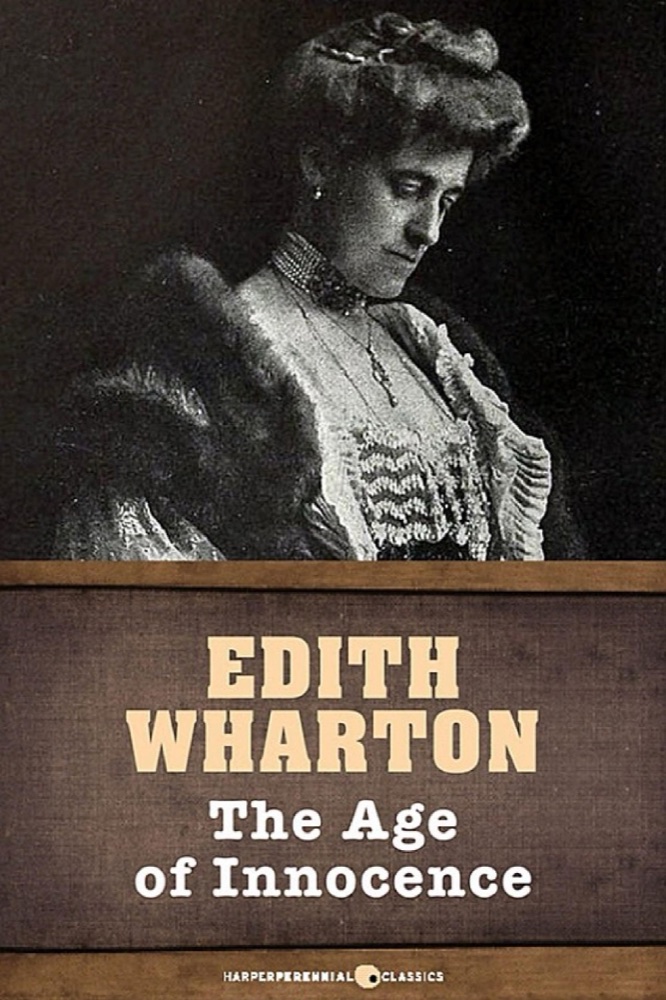 The Age of Innocence
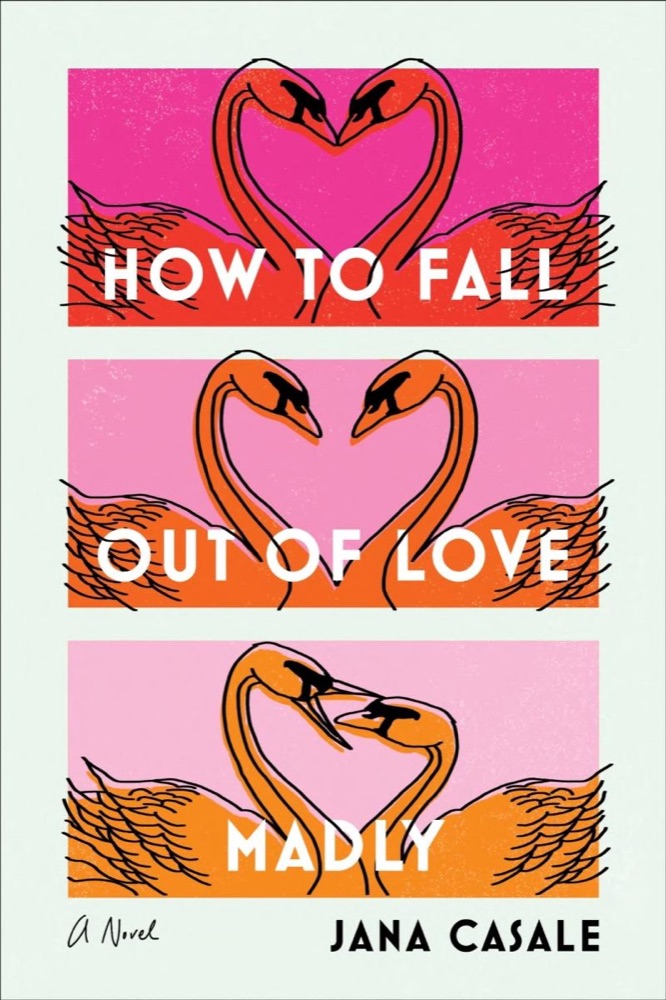 How to Fall Out of Love Madly
 The Glass Hotel
 Lethal White
 The Loneliness of Sonia and Sunny
 The Unsinkable Greta James
 Conversations with Friends
 A Widow for One Year
 A Little Life
 Olive Kitteridge
 The Death of the Heart
 Little Children
 Men Without Women
 Purity
 A Slow Fire Burning
 The Color Master: Stories
 Forever in Blue: The Fourth Summer of the Sisterhood
 Instructions for a Heatwave
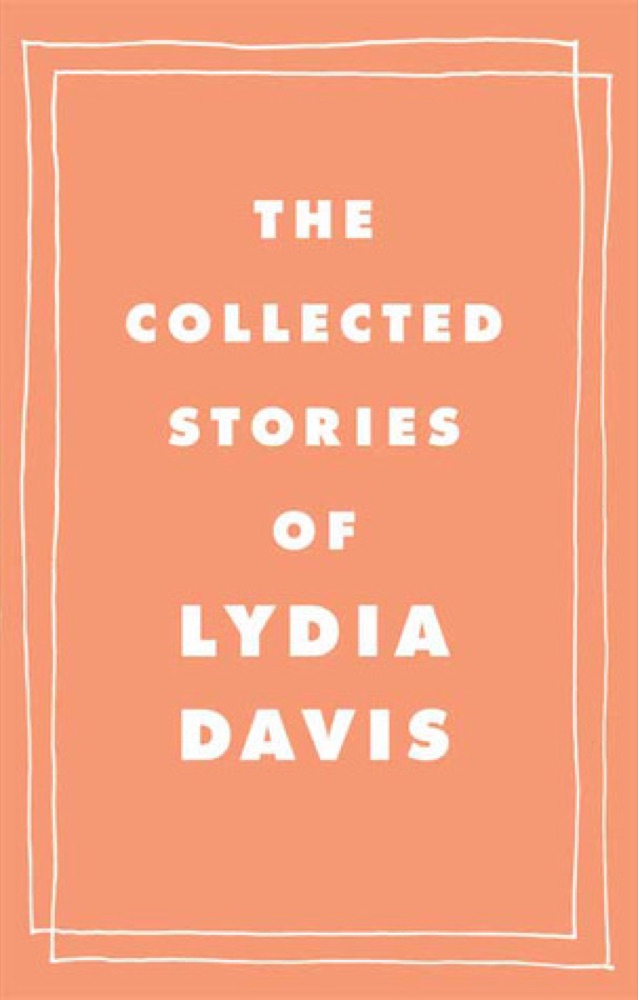 The Collected Stories of Lydia Davis
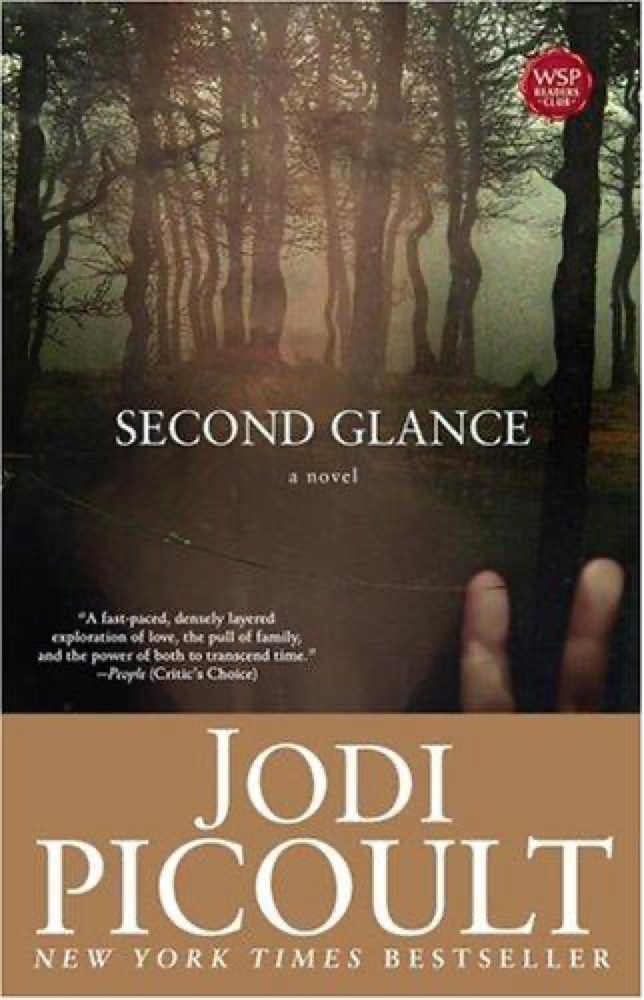 Second Glance
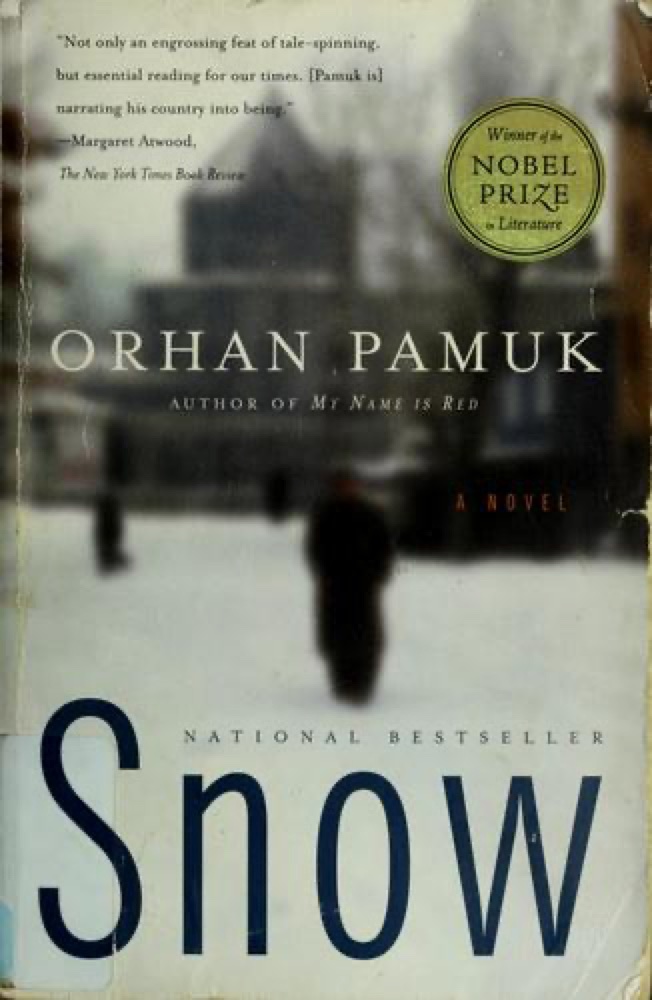 Snow
Snow
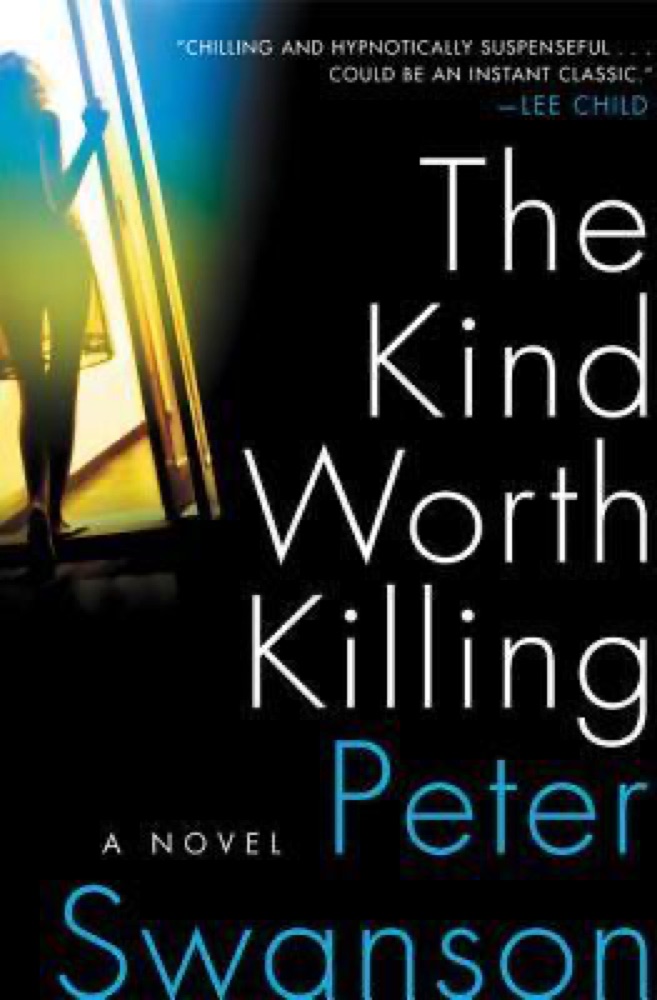 The Kind Worth Killing
 Highly Illogical Behavior
 Like Life: Stories
 The Hunting Party
 Girl with Curious Hair
 Another Country
 The Peach Keeper
 The Husband's Secret
 Seven Types of Ambiguity
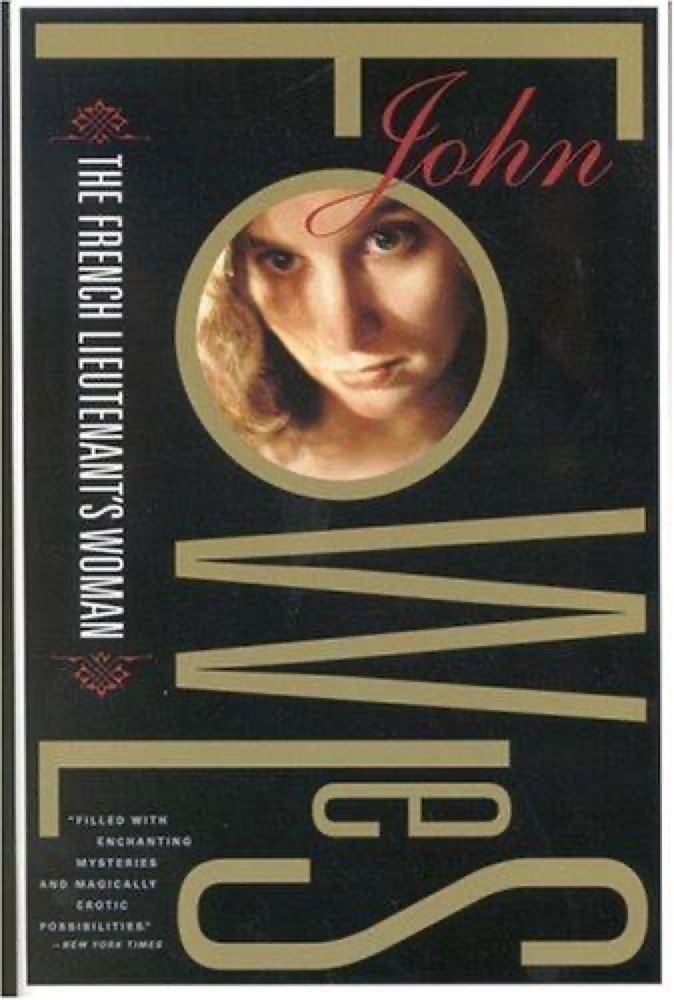 The French Lieutenant's Woman
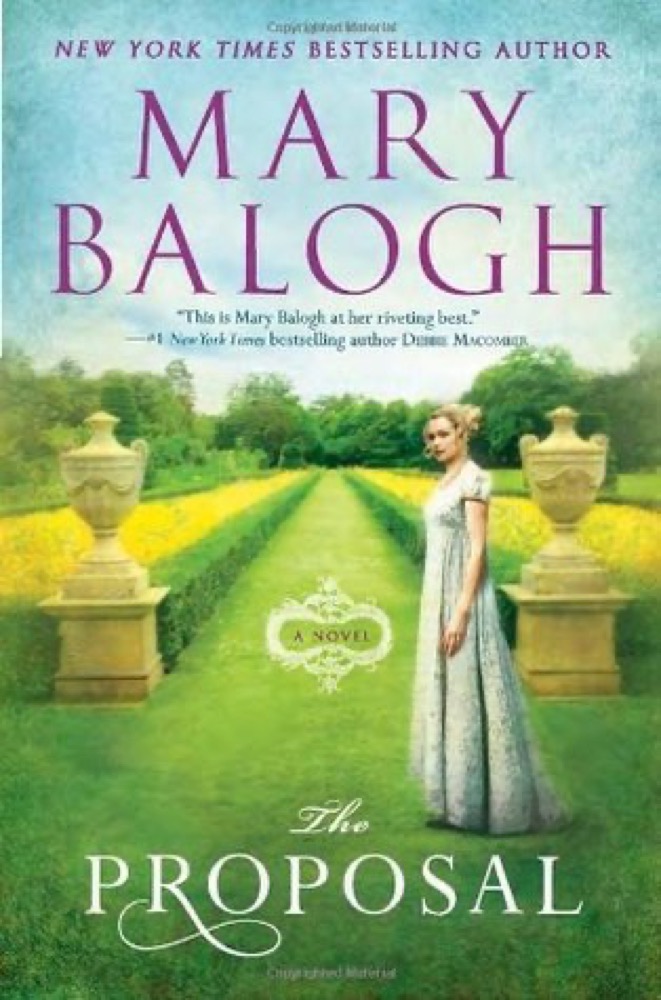 The Proposal
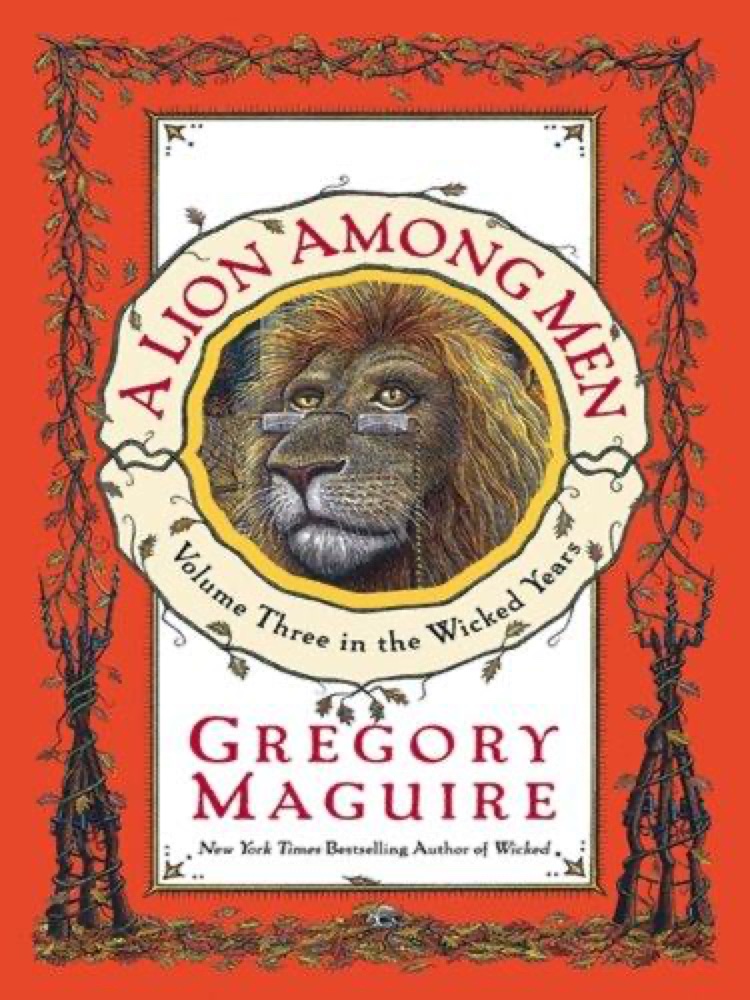 A Lion Among Men
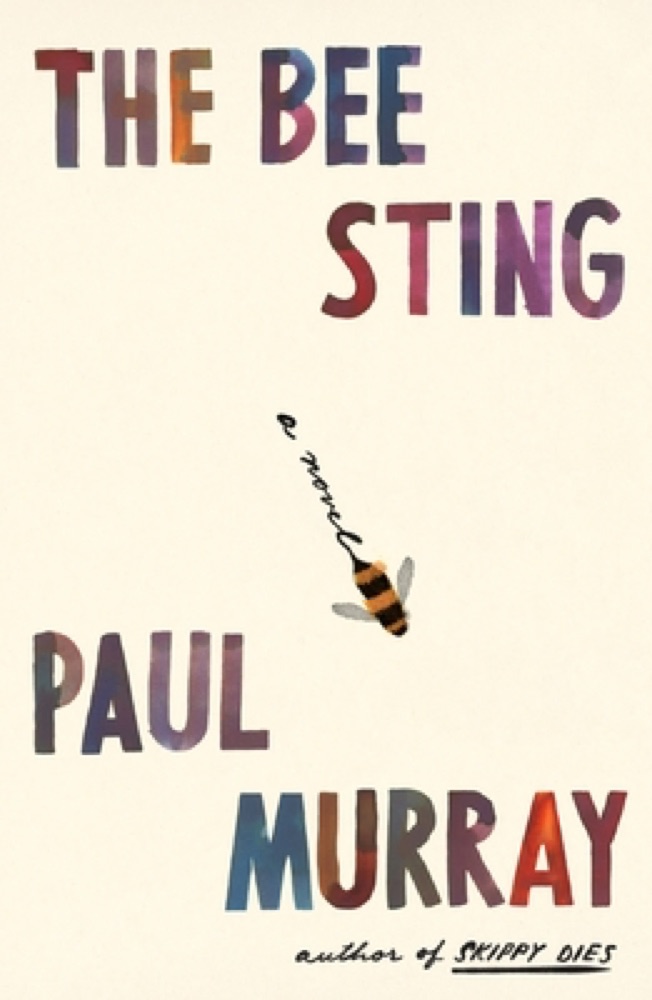 The Bee Sting
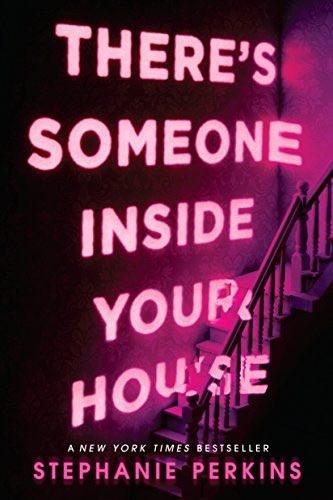 There's Someone Inside Your House
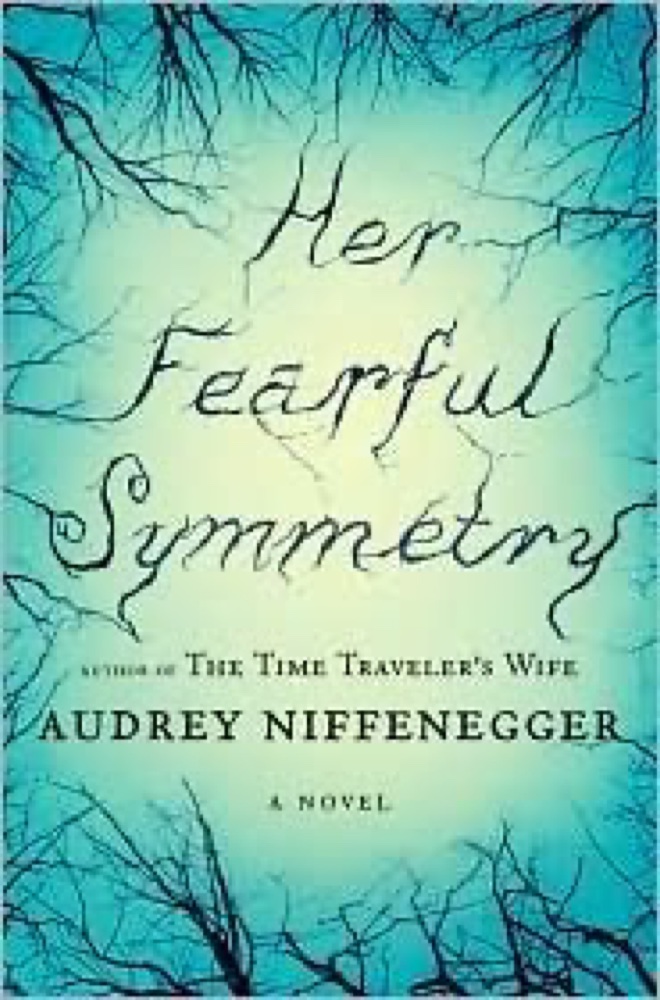 Her Fearful Symmetry
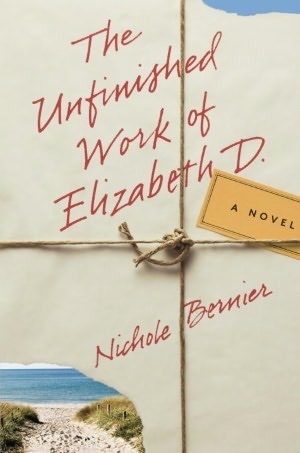 The Unfinished Journals of Elizabeth D
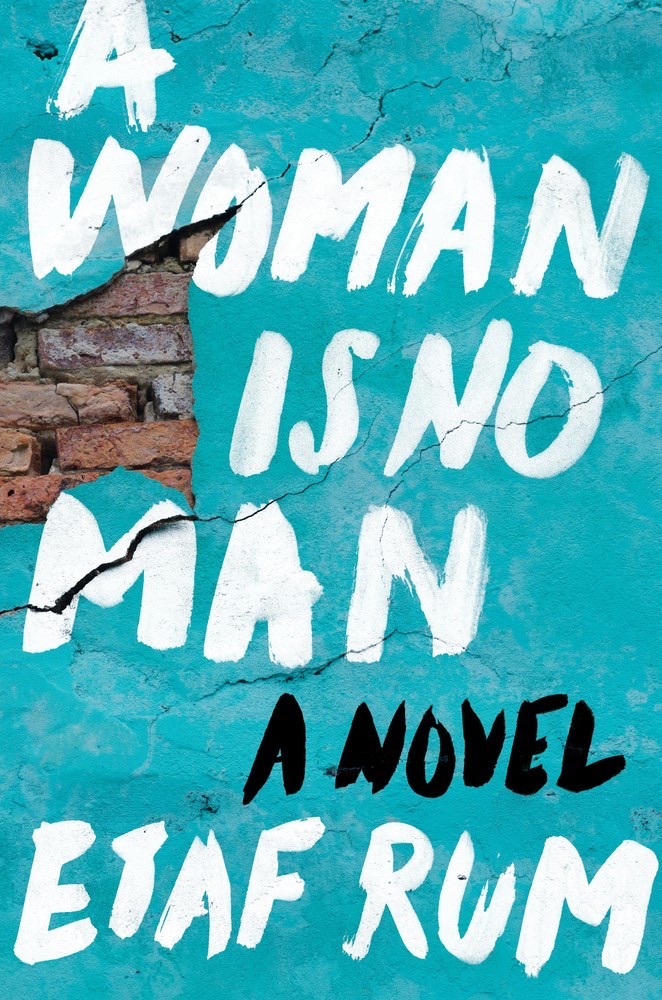 A Woman Is No Man
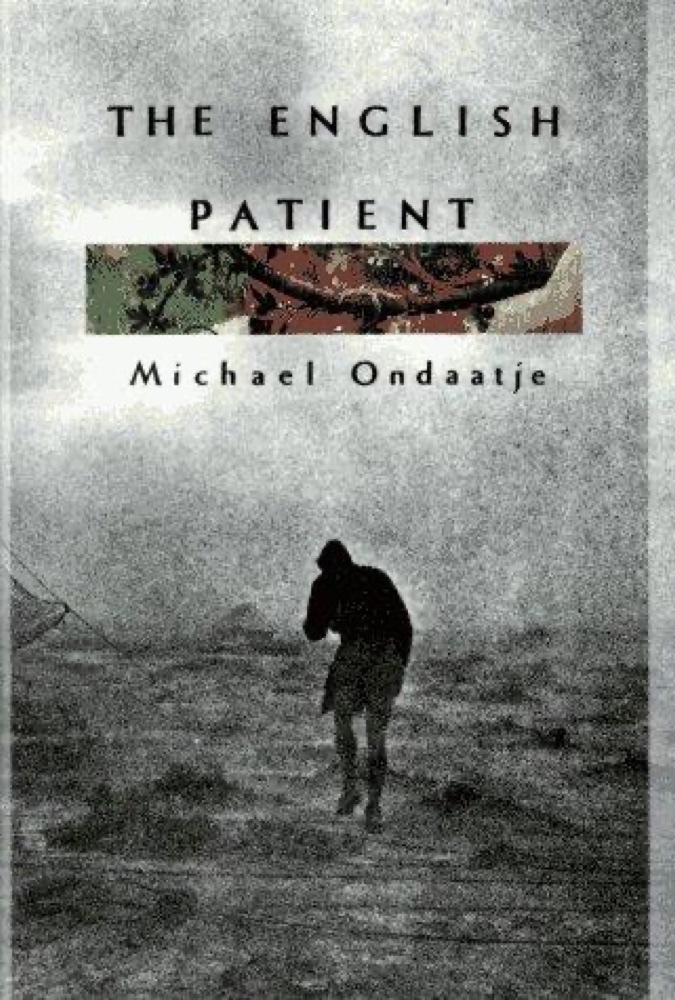 The English Patient