
 The Confessions of Max Tivoli
Quotes from the Book
Because to love someone ridiculous is to understand something deep and true about the world. That up close it makes no sense. Those of you who choose sensible people may feel secure, but I think you water your wine; the wonder of life is in its small absurdities, so easily overlooked. And if you have not shared somebody’s tilted view of the horizon (which is the actual world), tell me: what have you really seen?
16
That in real life, there are no protagonists. Or, rather, the reverse: It’s nothing but protagonists. It’s protagonists all the way down.
8
America, how’s your marriage? Your two-hundred-fifty-year-old promise to stay together in sickness and in health? First thirteen states, then more and more, until fifty of you had taken the vow. Like so many marriages, I know, it was not for love; I know it was for tax reasons, but soon you all found yourselves financially entwined, with shared debts and land purchases and grandiose visions of the future, yet somehow, from the beginning, essentially at odds. Ancient grudges. That split you had—that still stings, doesn’t it? Who betrayed whom, in the end? I hear you tried getting sober. That didn’t last, did it? So how’s it going, America? Do you ever dream of each being on your own again? Never having to be part of someone else’s family squabble? Never having to share a penny? Never having to bear with someone else’s gun hobby, or car obsession, or nutrition craze? Tell me honestly, because I have contemplated marriage and wonder: If it can’t work for you, can it work for any of us?
8
He thinks each day will be better than the next; he is wrong. He awakens the next morning and thinks it again; he is wrong. He thinks we are free to become our true selves, that we are free to love as we choose. A mindset so UnitedStatesian, you could serve it with ketchup. But, friends, you cannot live on ketchup.
5
He is not the best. But he is the best I ever had.
4
We are all having different experiences.
4
The moment holds neither disappointment nor delight. Realizing we are no longer in love is not the heartbreaking sensation we imagine when we are in love—because it is no sensation at all. It is a realization made by a bystander.
4
What could be more normal than to be out of place everywhere you go? What could be more American?
4
All he wanted was to be young together and in love. Too much to ask? “Nobody gets that,” she would say. “Nobody. Your problem is you’re convinced you have a type.” He would say of course he had a type, and she would say: “Give that up. Find someone who treats you decently.
4
When he moved to New York after college, in the eighties, Arthur Less tried his hardest to be a good gay. He joined a gym that turned out to be a sex dungeon. He joined a political party that turned out to believe a conspiracy theory about government health clinics. He joined a German-language society that turned out to be a sex dungeon. He joined a book group that turned out to be only for a political party. He joined a role-playing game club that turned out to be a sex dungeon. He joined a sex dungeon that turned out to be a government health clinic. It was all so confusing.
4
You could almost have it both ways—you could forgive this Larry, struggling with his cane and Wanda and harbors and restaurants and shopping, his cancer and gays and Jews and assholes, forgive him and let him die forgiven. And still never forgive the one who left.
3
This is once-in-a-lifetime suffering and pain and heartache and yet it may be your only chance to decide what you really want. None of this I don’t want to change bullshit. Hell no—you’ve changed. That’s happened. Now what? Everything changes and this one fucking time, you’re in charge of it, my God, so choose! Make the wrong choice, that’s fine! That’s fine! But choose.
3
As a dog returns to its vomit, so a fool repeats his folly,’” she tells him. “Proverbs, twenty-six, eleven.
2
We could invent a time machine, my Walloon, and go back and never choose each other. We could go back further still and try it all over again with what we know; try to be young together and in love, the way hardly anybody gets to be. Young and foolish and happy. But I have an easier solution: Just take the ordinary time machine. And try to grow old. Old and foolish and happy.
2
The problem in the world is that we aren’t kind to one another. It’s kindness and human spirit that drives us. We have one another. That’s all we have. We must celebrate them. Remember that. I don’t care who you love, but if you love someone…if you love someone, you have to love them every day. You have to choose them every day.
2
Realizing we are no longer in love is not the heartbreaking sensation we imagine when we are in love—because it is no sensation at all. It is a realization made by a bystander.
2
HE WAS NOT THE BEST BUT HE WAS THE BEST I EVER HAD
2
I do not need a ring. I tried marriage before, as many know. Let me state here that Tom Dennis was a good, decent man who treated me gently and, when I asked, he let me go. I do believe he loved me. But my fiancé was no easy roommate, leaving glasses on wood tables (wood tables, dear reader!) and dropping socks and candy wrappers whenever they ceased being of immediate use; he became like those beachgoers who assume their litter will go out with the tide. I should have known from this that my relationship was in some trouble. But I knew all couples had these fights, and I assumed they were not a detour from love but its bumpy path. So imagine my surprise when (Tom Dennis far in the rearview mirror) I moved into the Shack with Less and this new roommate began to exhibit the same tendencies—socks on the floor, underwear behind the bathroom door, unwashed plates—and, reader, I didn’t care at all! I remember making the bed and finding underneath his pillow a mushroom-like profusion of tissues (for his morning nose-blow) and being filled with…not rage, but tenderness! With Tom Dennis, it was a chore I was willing to bear. With Less—I did not care at all. I stared at those tissues, stupefied. I did not care at all. The difference, you see, dear reader, is that I love him. How do I put it? He is not the best, God knows. He is not the best. But he is the best I ever had. Because to love someone ridiculous is to understand something deep and true about the world. That up close it makes no sense. Those of you who choose sensible people may feel secure, but I think you water your wine; the wonder of life is in its small absurdities, so easily overlooked. And if you have not shared somebody’s tilted view of the horizon (which is the actual world), tell me: what have you really seen?
2
Arise and shine, for thy light has come” (Isaiah 60:1).
2
You are seeing suffering, Robert used to say when confronted with a horrible person. You are seeing someone in pain.
2
He is transported to his childhood when, taken to a show by a neighbor, he watched in awe and thought (as he thought when he first saw the Rocky Mountains): Why did no one tell me life could be this? As if they had been hiding from him that, instead of Puritan hard work and failed get-rich schemes, promises broken and pointless battles waged, life could be sequins and song. He felt he had been lied to from the Pilgrims on down. The secret had been kept from him like a mad aunt locked in the basement, and now a neighbor had innocently set her loose—and she was wonderful! He understood everyone was wrong about life, and if they were wrong about that, then they could be wrong about him. It seemed possible—only for those two hours—that he as well, somewhere inside, could be sequins and song.
2
Don’t we all look at our beloveds sometimes and think, Why do I stay? Why do we stay? There is something vital in staying.
2
What do we want from the past, anyway? For it to trifle with us no longer? For it to cease its surprises, its stirrings, its stings, for it to be fixed forever—for it to die? But the past is like those jellyfish that, when harmed, coil into themselves and revert to immature blobs from which they begin new lives and become, in simple terms, immortal. What can we do but look away from such painful miracles?
2
somebody has to catch the mouse. So here’s my proposal. You be the strong one Mondays, Wednesdays, and Fridays. And I’ll be the strong one Tuesdays, Thursdays, and Saturdays.
2
What fresh moose is this?
1
He is not the best. But he is the best I ever had. Because to love someone ridiculous is to understand something deep and true about the world. That up close makes no sense. Those of you who choose sensible people may feel insecure, but I think you water your wine; the wonder of life is in its small absurdities, so easily overlooked. And if you have not shared somebody's tilted view of the horizon (which is the actual world), tell me: what have you really seen?
1
That’s what you have to do. Pay attention. It is not for yourself. It’s for someone seven hundred years from now.
1
I don’t want to change, Bee! I’m in my fifties,” he says, decisively. “I’ve changed enough.
1
Watch on YouTube
About Andrew Sean Greer
We have collected 98 quotes from 4 books by Andrew Sean Greer on BookQuoters.
More about the author →More by Andrew Sean Greer
About the book
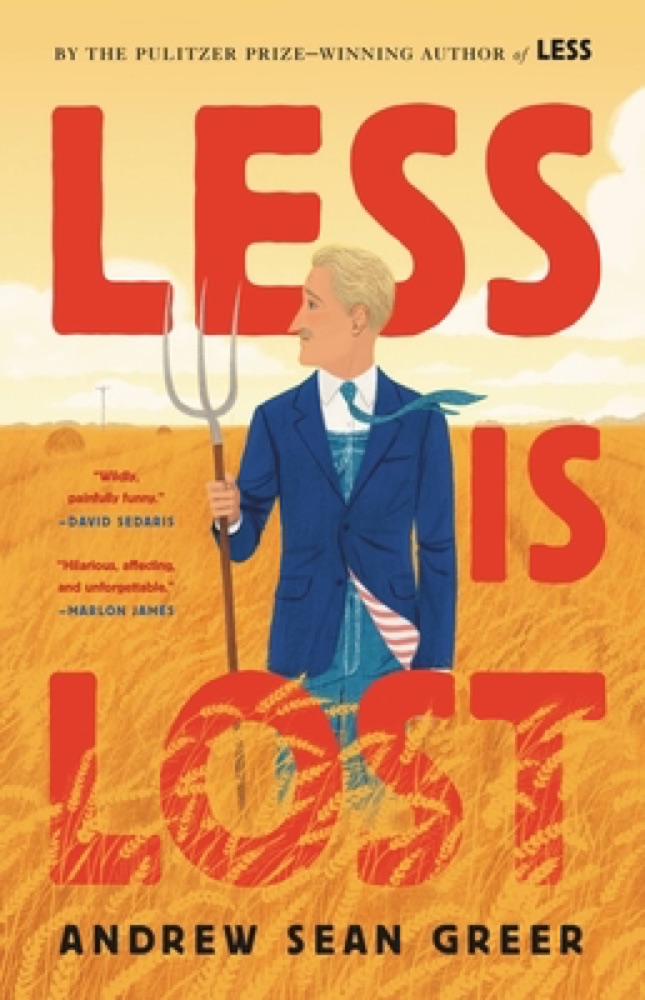
In the follow-up to the best-selling and Pulitzer Prize-winning Less, the awkward and lovable Arthur Less returns in an unforgettable road trip across America.
“Go get lost somewhere, it always does you good.” For Arthur Less, life is going surprisingly well: he is a moderately accomplished novelist in a steady relationship with his partner, Freddy Pelu. But nothing lasts: the death of an old lover and a sudden financial crisis has Less running away from his problems yet again as he accepts a series of literary gigs that send him on a zigzagging adventure across the US. Less roves across the “Mild Mild West,” through the South and to his mid-Atlantic birthplace, with an ever-changing posse of writerly characters and his trusty duo – a human-like black pug, Dolly, and a rusty camper van nicknamed Rosina. He grows a handlebar mustache, ditches his signature gray suit, and disguises hims
Book details
- First published
- 2022
- Author
- Andrew Sean Greer
- Genre
- Fiction
- Goodreads rating
- 3.70 (21k ratings)
The buzz
- The New York TimesReview in The New York Timesprofessional review (via Book Marks)
- The New YorkerReview in The New Yorkerprofessional review (via Book Marks)
- The Washington PostReview in The Washington Postprofessional review (via Book Marks)
- The Wall Street JournalReview in The Wall Street Journalprofessional review (via Book Marks)
- The GuardianReview in The Guardianprofessional review (via Book Marks)
- Los Angeles TimesReview in Los Angeles Timesprofessional review (via Book Marks)
Keep reading
 Less
Less
 Summer Days and Summer Nights: Twelve Love Stories
 Just Above My Head
 Elsewhere
 Stay
Stay
 The Valley of Amazement
 Angels in America
 The Zahir
 Have You Seen Luis Velez?
 What Is the What
 The Great Believers
 Intermezzo
 A Small Indiscretion
 Another Day
 These Precious Days: Essays
 The Apocalypse of Elena Mendoza
 The Kindly Ones
 Someday
 A Single Man
 Nash
Nash
 The Night We Met
 Say Goodbye for Now
 The Divorce Party
 The Last Song
 Girl with Curious Hair
 Eat, Pray, Love
 Wayward Son
 The Impossible Lives of Greta Wells
 The Manticore
 Liberation Day
 You Could Make This Place Beautiful
 Just for the Summer
 Trust: Betrayed
 Perennials
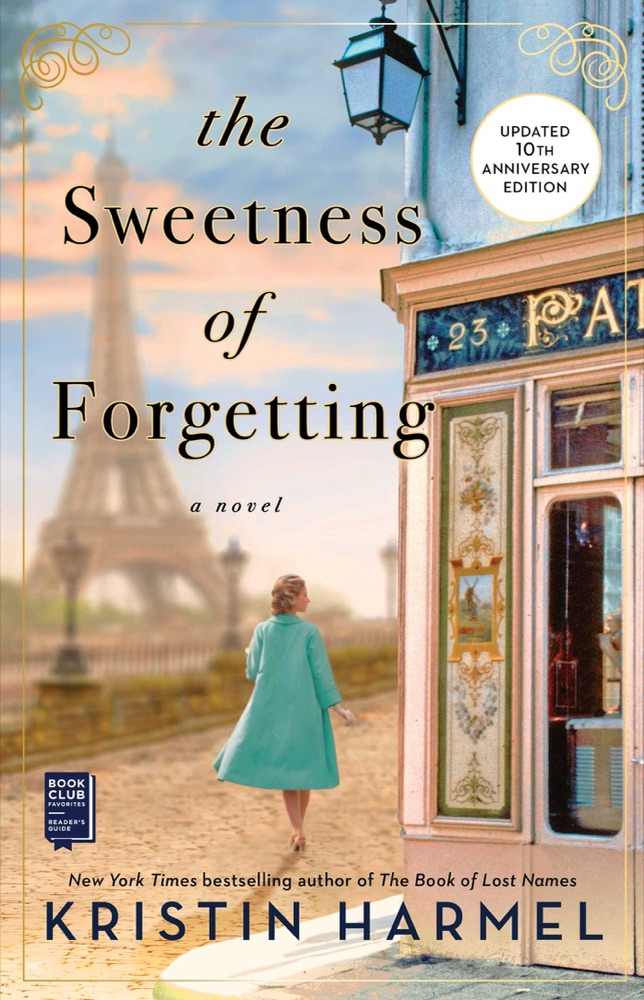 The Sweetness of Forgetting
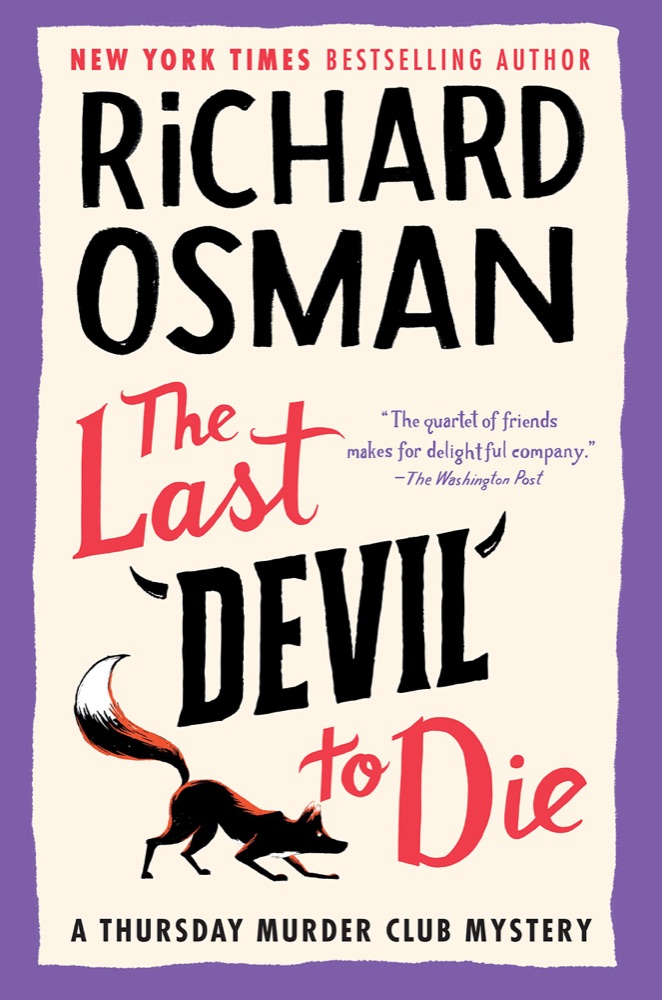 The Last Devil to Die
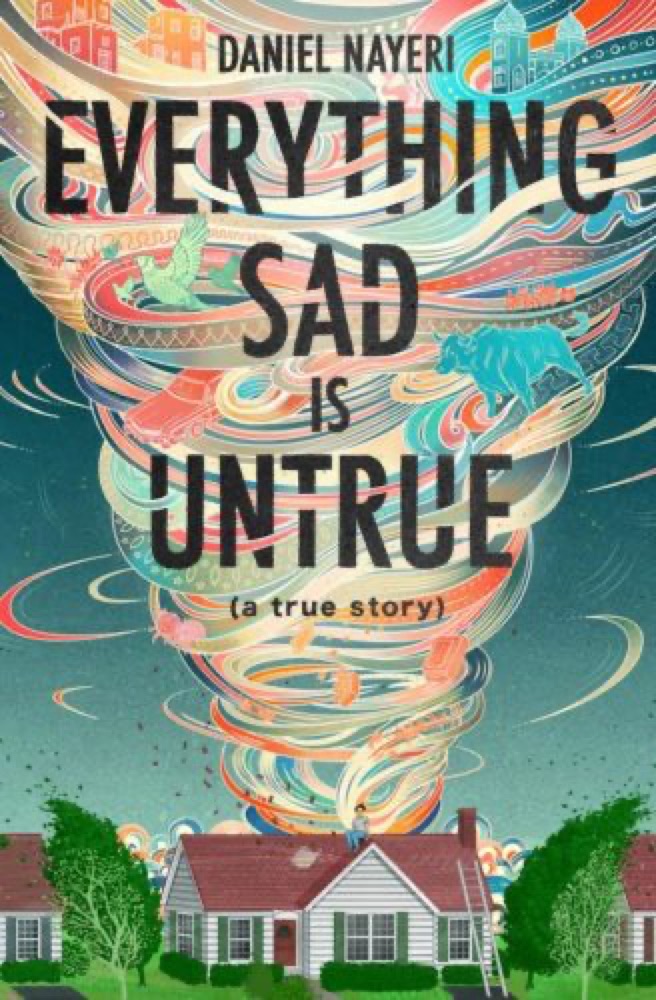 Everything Sad Is Untrue
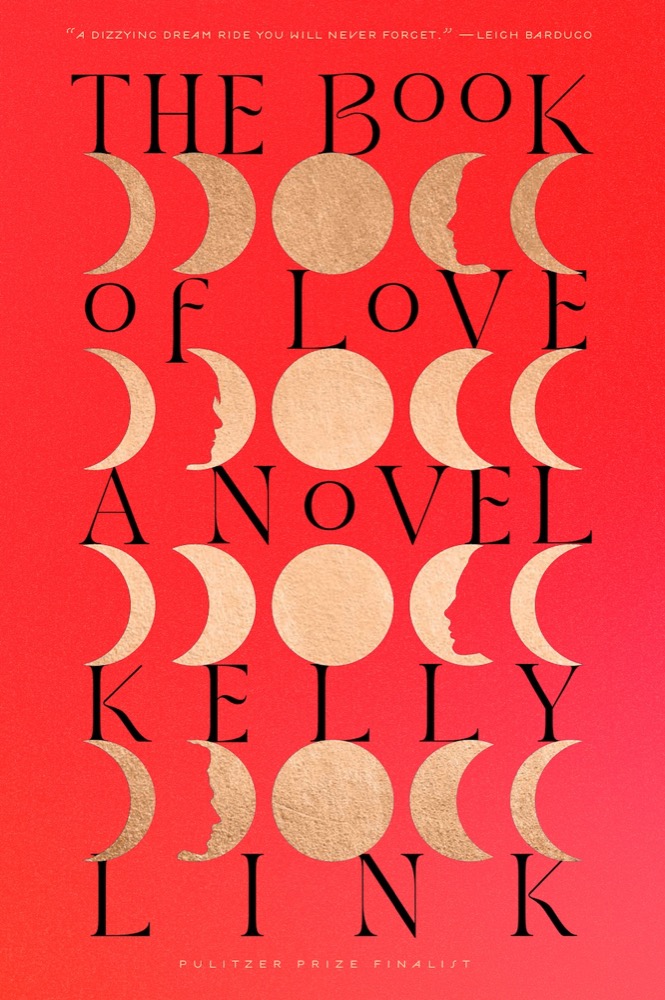 The Book of Love
 The House in the Cerulean Sea
 This Is Where the World Ends
 Find Me
 The Gum Thief
 The Good Soldier
 Incubus Dreams
 Super Sad True Love Story
 The Hundred Secret Senses
 Different Seasons
 The Broken Eye
 Arch of Triumph
 Charmed Thirds
 Varina
 Requiem
 Dream Count
 Self-Help
 American Pastoral
 Our Chemical Hearts
 Asymmetry
 Here I Am
 Something Like Autumn