
 Intermezzo
Quotes from the Book
The most unfair part of it, Wallace thinks, is that when you tell white people that something is racist, they hold it up to the light and try to discern if you are telling the truth as if they can tell by the grain if something is racist or not, and they always trust their own judgment. It's unfair because white people have a vested interest in undermining racism, it's amount, it's intensity, it's shape, its effects. They are the fox in the henhouse.
60
Memory sifts. Memory lifts. Memory makes due with what it is given. Memory is not about facts. Memory is an inconsistent measurement of the pain in one’s life.
45
This could be their life together, each moment, shared, passed back and forth between each other to alleviate the pressure, the awful pressure of having to hold time for oneself. This is perhaps why people get together in the first place. The sharing of time. The sharing of the responsibility of anchoring oneself in the world. Life is less terrible when you can just rest for a moment, put everything down and wait without having to worry about being washed away. People take each others hands and they hold on as tight as they can, they hold on to each other and to themselves because they know that the other person will not.
36
You have to let it go if you're going to keep moving, if you're going to survive, because the past doesn't need a future. It has no use for what comes next. The past is greedy, always swallowing you up, always taking. If you don't hold it back, if you don't dam it up, it will spread and take and drown. The past is not a receding horizon. Rather, it advances one moment at a time, marching steadily forward until it has claimed everything and we become again who we were; we become ghosts when the past catches us. I can't live as long as my past does. It's one or the other.
31
It feels impossible in the way only possible tasks can seem, when you know that despite the scale of what you must do, it’s not really beyond the realm of possibility to do it, and so it feels impossible because you know you must.
24
There will always be good white people who love him and want the best for him but who are more afraid of other white people than of letting him down. It is easier for them to let it happen and to triage the wound later than to introduce an element of the unknown into the situation. No matter how good they are, no matter how loving, they will always be complicit, a danger, a wound waiting to happen. There is no amount of loving that will ever bring Miller closer to him in this respect. There is no amount of desire. There will always remain a small space between them, a space where people like Roman will take root and say ugly, hateful things to him. It’s the place in every white person’s heart where their racism lives and flourishes, not some vast open plain but a small crack, which is all it takes. Wallace presses his tongue flat. “Good white people,” he says.
23
This is why Wallace never tells anyone anything. This is why he keeps the truth to himself, because other people don’t know what to do with your shit, with the reality of other people’s feelings. They don’t know what to do when they’ve heard something that does not align with their own perception of things.
20
Affection always feels this way for him, like an undue burden, like putting weight and expectation onto someone else. As if affection were a kind of cruelty too.
15
Being so aware of their bodies makes him aware of his own body, and he becomes aware of the way his body is both a thing on the earth and a vehicle for his entire life's history. His body is both a tangible self and his depression, his anxiety, his wellness, his illness, his disordered eating, the fear of blood pouring out of him. It is both itself and not itself, image and afterimage. He feels unhappy when he looks at someone beautiful or desirable because he feels the gulf between himself and the other, their body and his body. An accounting of his body's failures slides down the back of his eyes, and he sees how far from grace he's been made and planted.
15
There comes a time when you have to stop being who you were, when you have to let the past stay where it is, frozen and impossible. You have to let it go if you’re going to keep moving, if you’re going to survive, because the past doesn’t need a future.
11
He swallows down what he wants to say: that a person doesn't belong to you just because you're in a relationships, just because you love them. That people are people and they belong only to themselves, or so they should.
11
He felt chastened by that. Yes, it was his father. He knew that. But the trouble with these people, with his friends, with the world, was that they thought things had to be a certain way with family. They thought you had to feel something for them, and it had to be the same thing that everyone felt or else you were doing it wrong.
11
Emma puts her head on Wallace's shoulder but she won't say anything either, can't bring herself to. No one does. No one ever does. Silence is their way of getting by, because if they are silent long enough, then this moment of minor discomfort will pass for them, will fold down into the landscape of the evening as if it never happened. Only Wallace will remember it. That's the frustrating part. Wallace is the only one for whom this is a humiliation.
10
Cruelty, Wallace thinks, is really just the conduit of pain. It conveys pain from one place to another -- from the place of highest concentration to the place of lowest concentration, in the same way heat flows. It is a delivery system, as in the way that certain viruses convey illness, disease, irreparable harm. They're all infected with pain, hurting each other.
10
That he wants to be alone. That he does not want to speak to anyone. That he does not want to be around anyone. That the world has worn him down. That he would like nothing more than to slip out of his life and into the next. That he is terrified, afraid. That he wants to lie down here and never move again. What he means is that he does not know what he wants, only that it is not this, the way forward paved with words they’ve already said and things they’ve already done. What he wants is to break it all open and try again.
9
That if the world has made up its mind about what you have to offer, if the world has decided it wants you, needs you, then it doesn’t matter how many times you mess up. What Wallace wants to know is where the limit is. When is it no longer forgivable to be so terrible? When does the time come when you’ve got to deliver on your gifts?
9
The past is greedy, always swallowing you up, always taking. If you don’t hold it back, if you don’t dam it up, it will spread and take and drown. The past is not a receding horizon. Rather, it advances one moment at a time, marching steadily forward until it has claimed everything and we become again who we were; we become ghosts when the past catches us. I can’t live as long as my past does. It’s one or the other.
8
That’s all culture is, after all, the nutrients pervading the air we breathe, diffusing into and out of people, a passive process.
7
And the world went on. It always does. The world doesn’t care about you or me or any of this. The world just keeps on going.
6
There is so much trouble in the world. There are people suffering everywhere, at every moment. Who is happy, truly happy, ever? What is a person to do with it all? Except to try to slide laterally out of one’s life into whatever gray space waits for them.
6
The truly awful thing about beauty is that it reminds us of our limits. Beauty is a kind of unrelenting cruelty. It takes truth, hones it to a terrifying keenness, and uses it to slice us to the bone.
5
Silence is their way of getting by, because if they are silent long enough, then this moment of minor discomfort will pass for them, will fold down into the landscape of the evening as if it never happened.
5
But the trouble with these people, with his friends, with the world, was that they thought things had to be a certain way with family. They thought you had to feel something for them, and it had to be the same thing that everyone felt or else you were doing it wrong.
5
Miller: "You are so determined to be unknowable." Wallace: "We are always unknowable.
5
He smiled because he was not sure how to meet someone’s sympathy for him. It always seemed to him that when people were sad for you, they were sad for themselves, as if your misfortune were just an excuse for them to feel what it was they wanted to feel. Sympathy was a kind of ventriloquism.
4
It is why he does not trust memory. Memory sifts. Memory lifts. Memory makes due with what it is given. Memory is not about facts. Memory is an inconsistent measurement of the pain in one’s life.
4
She hates him because he works, but he works only so that people might not hate him and might not rescind his place in the world. He works only so that he might get by in life on whatever he can muster. None of it will save him, he sees now. None of it can save him. (98)
4
They thought you had to feel something for them, and it had to be the same thing that everyone felt or else you were doing it wrong.
4
But that was the misery of trying to become something, misery that you could put up with because it was native to the act of trying. But there are other kinds of misery, the misery that comes from other people.
4
There will always be this moment. There will always be good white people who love him and want the best for him but who are more afraid of other white people than of letting him down.
3
Watch on YouTube
About Brandon Taylor
We have collected 30 quotes from 1 book by Brandon Taylor on BookQuoters.
More about the author →About the book
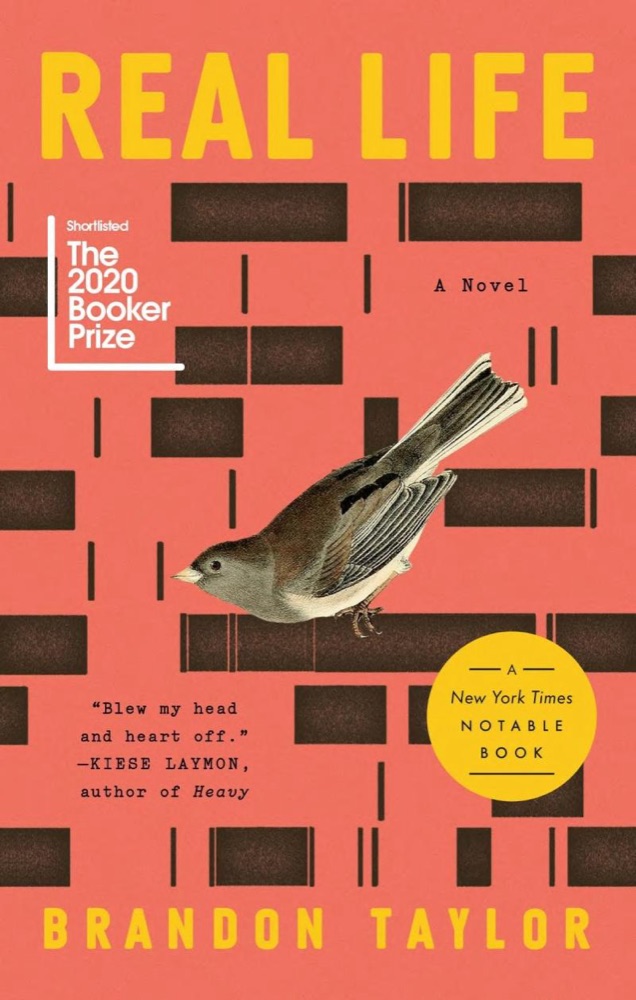
A novel of startling intimacy, violence, and mercy among friends in a Midwestern university town, from an electric new voice.
Almost everything about Wallace is at odds with the Midwestern university town where he is working uneasily toward a biochem degree. An introverted young man from Alabama, black and queer, he has left behind his family without escaping the long shadows of his childhood. For reasons of self-preservation, Wallace has enforced a wary distance even within his own circle of friends—some dating each other, some dating women, some feigning straightness. But over the course of a late-summer weekend, a series of confrontations with colleagues, and an unexpected encounter with an ostensibly straight, white classmate, conspire to fracture his defenses while exposing long-hidden currents of hostility and desire within their community.
Real Life is a novel of profound
Book details
- First published
- 2020
- Author
- Brandon Taylor
- Genre
- Fiction
- Goodreads rating
- 3.77 (38k ratings)
The buzz
- The New York TimesReview in The New York Timesprofessional review (via Book Marks)
- The New YorkerReview in The New Yorkerprofessional review (via Book Marks)
- The Washington PostReview in The Washington Postprofessional review (via Book Marks)
- The GuardianReview in The Guardianprofessional review (via Book Marks)
- Los Angeles TimesReview in Los Angeles Timesprofessional review (via Book Marks)
- The Times Literary SupplementReview in The Times Literary Supplementprofessional review (via Book Marks)
Keep reading
Intermezzo
 American Pastoral
 Say Goodbye for Now
 The Chalk Man
 Have You Seen Luis Velez?
 Hell of a Book
 Varina
 Hold Tight
 Beartown
 All Is Not Forgotten
 All the King's Men
 Stay
Stay
 Special Topics in Calamity Physics
 The Emperor of Gladness
 The Bee Sting
 Just Above My Head
 Here I Am
 Panenka
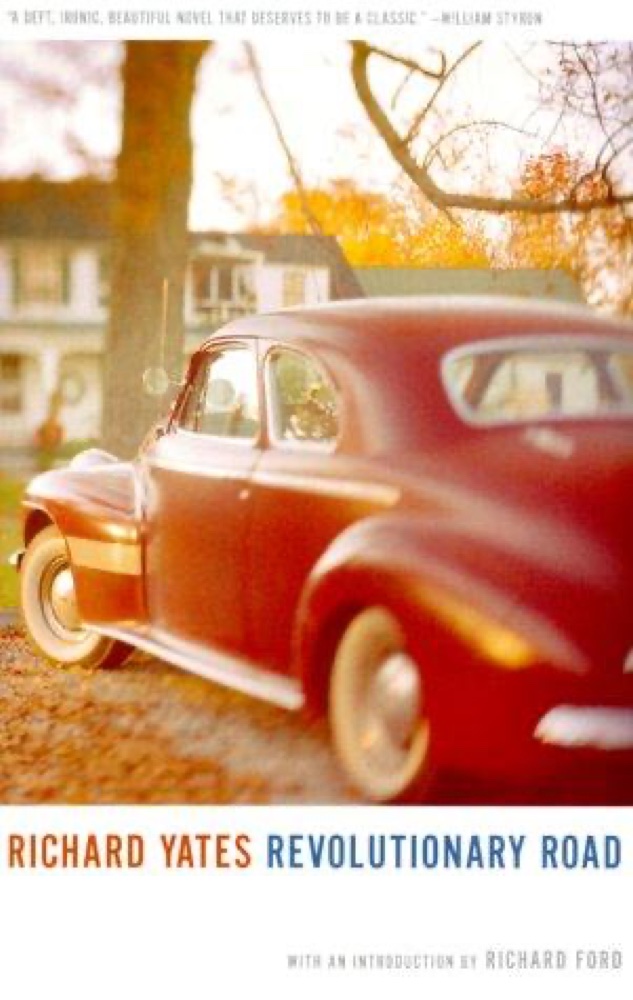 Revolutionary Road
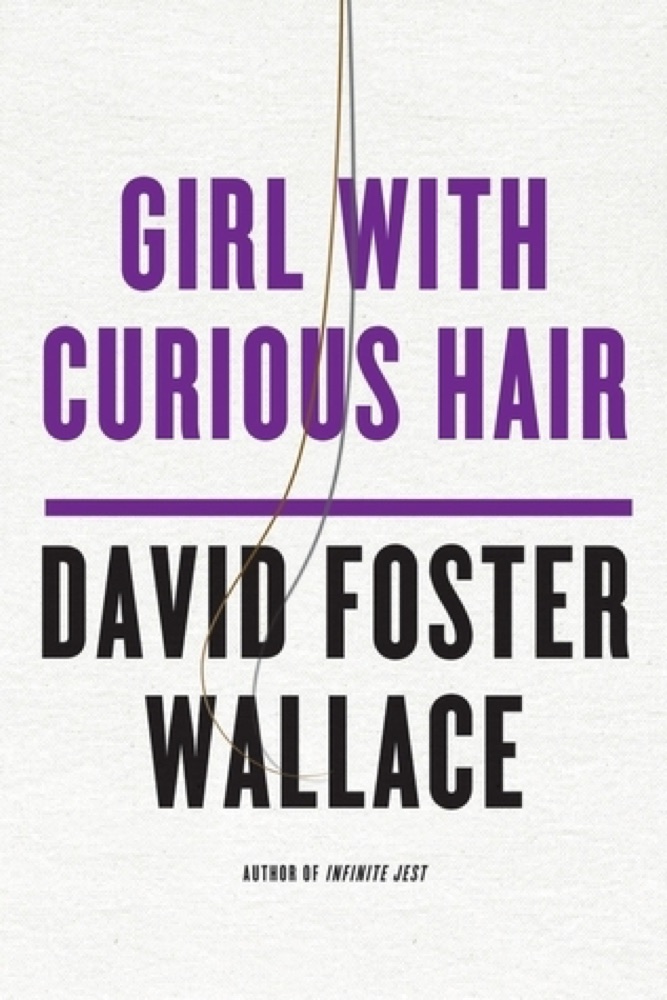 Girl with Curious Hair
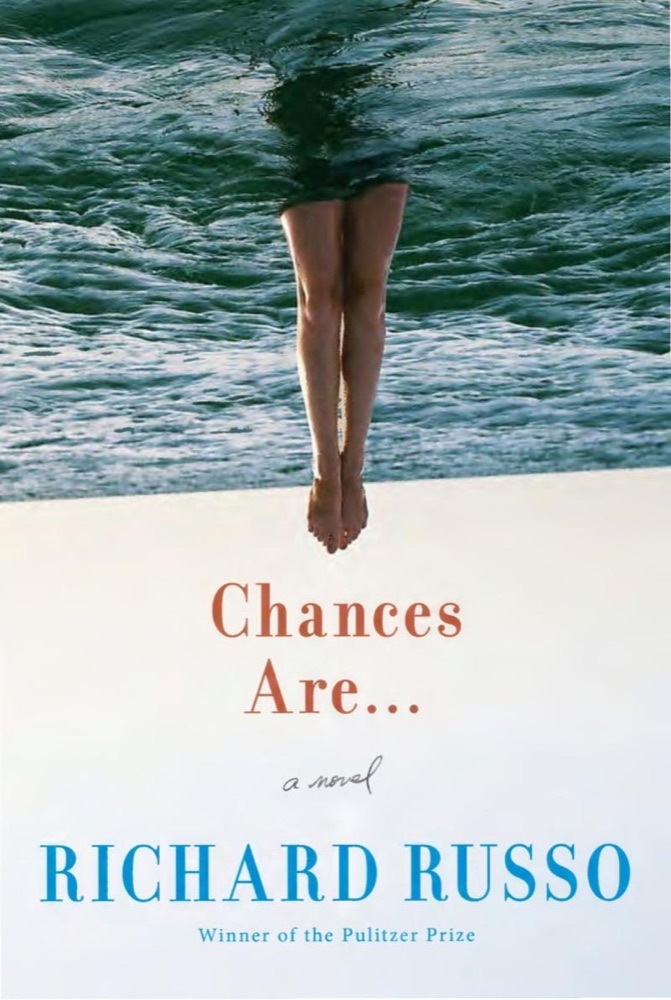 Chances Are...
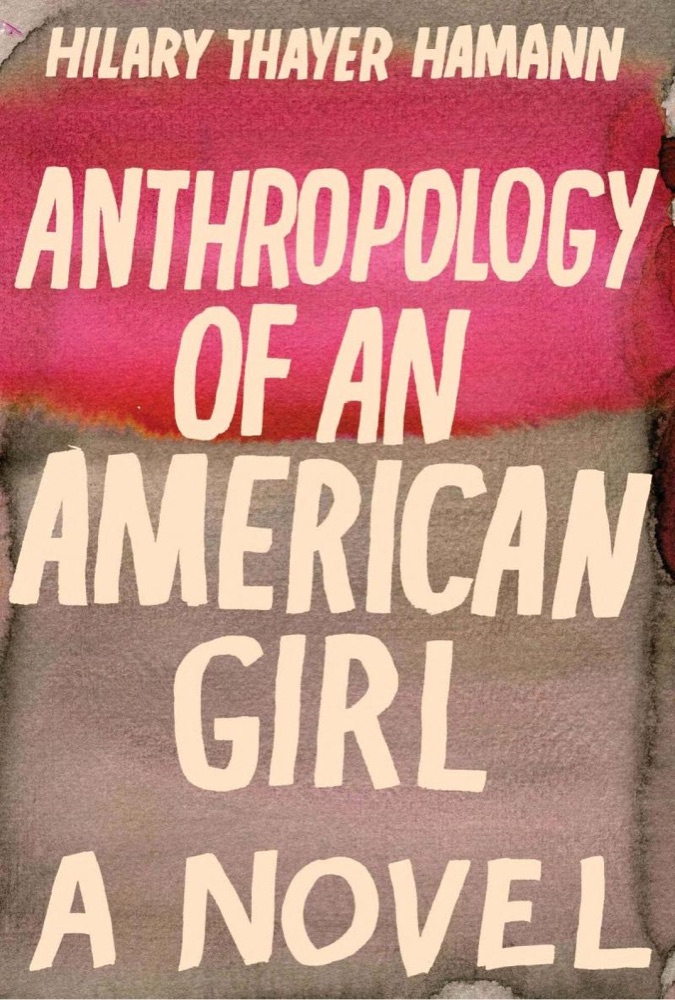 Anthropology of an American Girl
 Dream Count
 Words on Bathroom Walls
 Good Dirt
 The Smallest Part
 The Only Alien on the Planet
 Wandering Stars
 The Proposal
 The Color of Everything: A Journey to Quiet the Chaos Within
 The Human Stain
 These Silent Woods
 Colorless Tsukuru Tazaki and His Years of Pilgrimage
 The Truth: An Uncomfortable Book About Relationships
 No One Writes Back
 The Friend
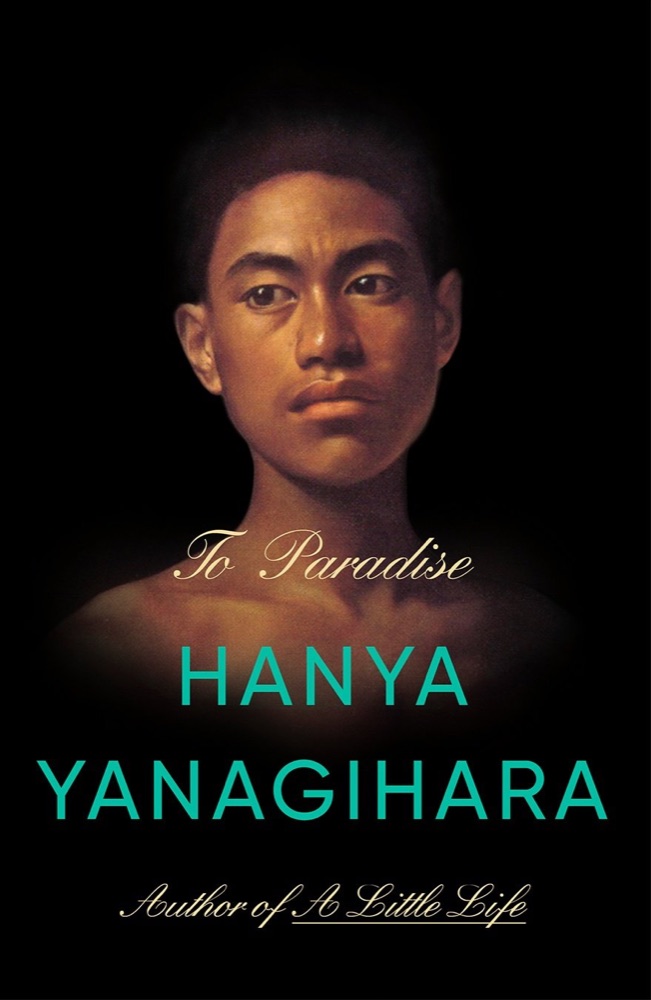 To Paradise
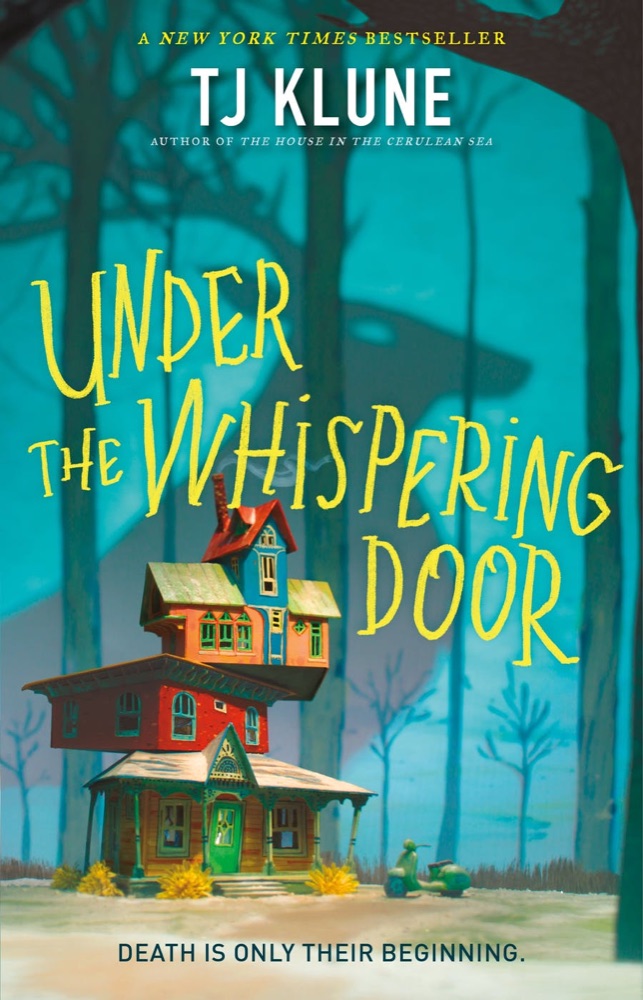 Under the Whispering Door
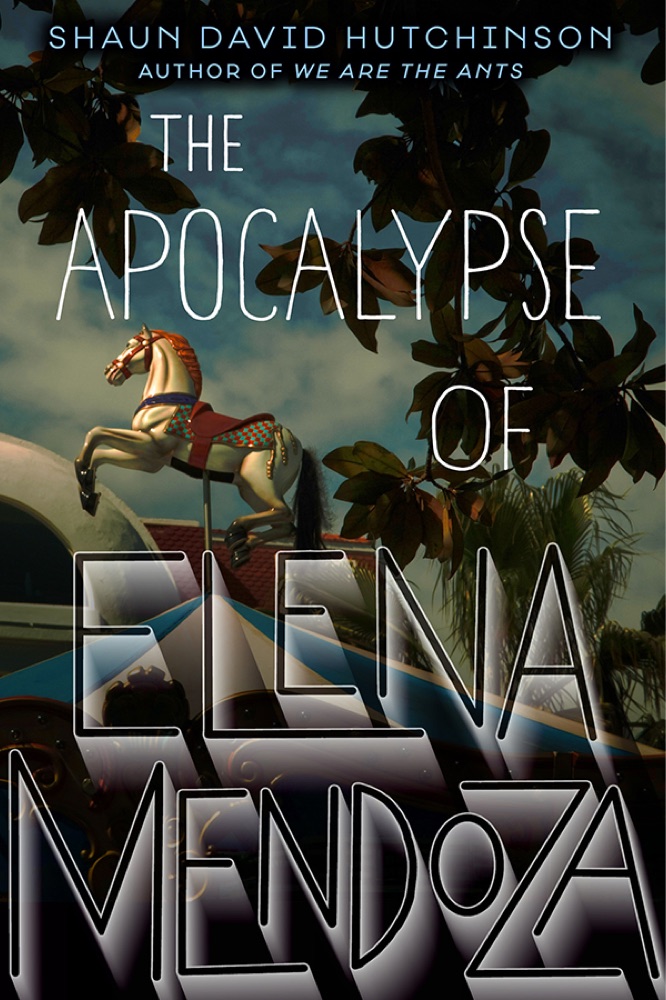 The Apocalypse of Elena Mendoza
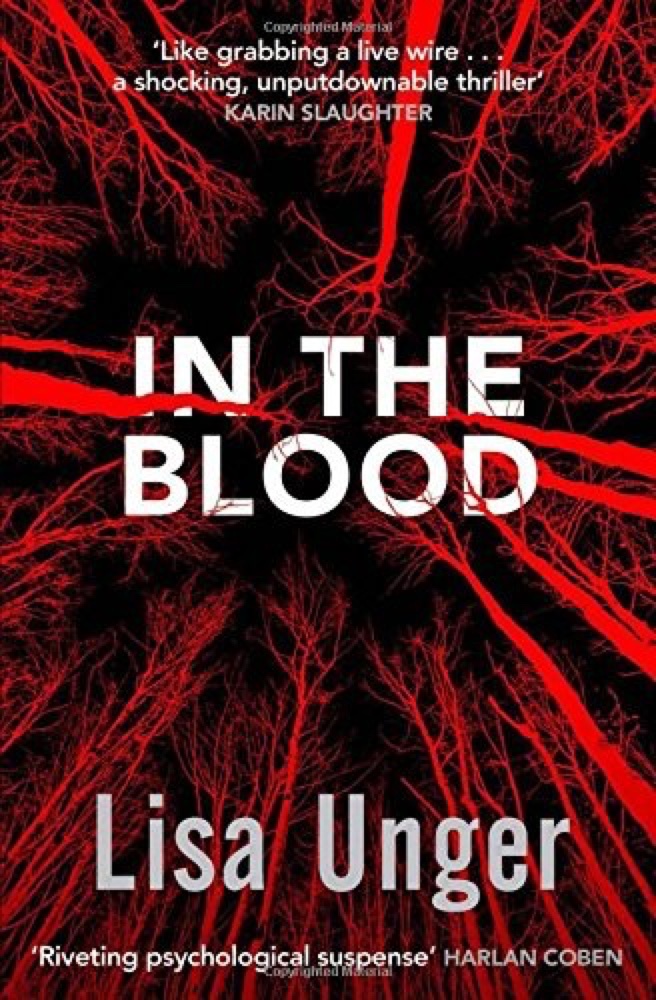 In The Blood
 A Single Man
 Milkman
 Freedom
 The Last Thing He Told Me
 Conviction
 The Storyteller
 They Call Her Dirty Sally
 The House of Hidden Meanings
 Identity
 The Shock of the Fall
 Seven Types of Ambiguity
 Tell Me More: Stories About the 12 Hardest Things I'm Learning to Say
 The Story of the Lost Child
 Ohio
Ohio
 The Great Believers
 Embers
 In This Iron Ground
 Children of the Mind
 Ascension
 The Rescue