
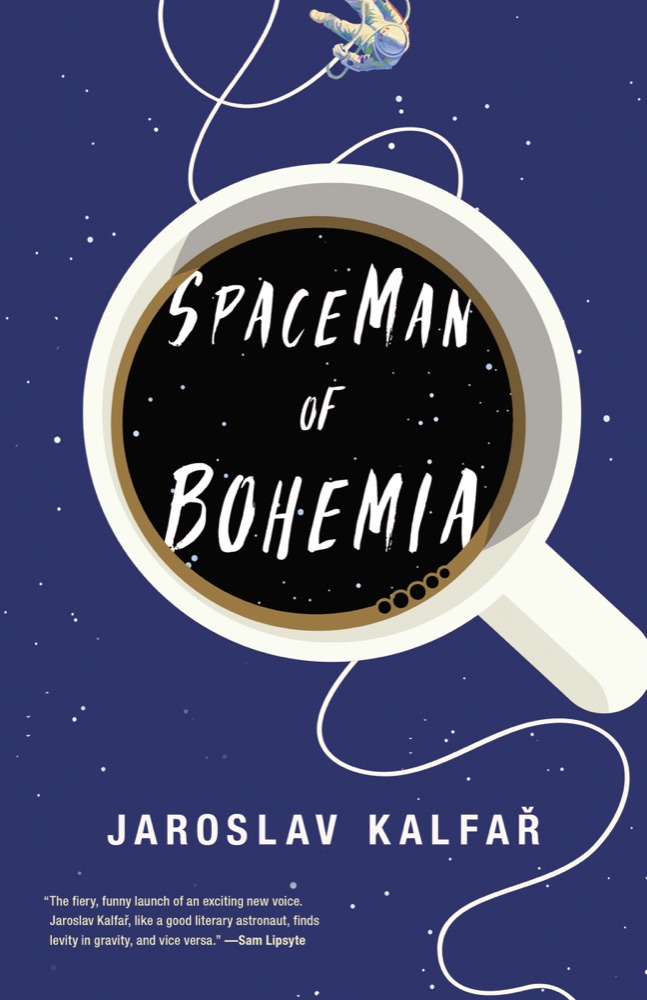
 Spaceman of Bohemia
Quotes from the Book
emigrate is to leave one place for another, with the place you’ve left tied to your ankle with steel chains. If it’s difficult for a person to emigrate, it’s only because it’s difficult to walk in the world when an entire country is shackled to your ankle, dragging behind you wherever you go.
5
The distance between a hungry person and a sated one is greater than the distance between here and the moon.
3
Workplaces like to celebrate holidays. Not only hospitals. Law firms, city government offices, banks. The opportunity to see your boss sing, to eat something, to pretend we’re all one big family. And if not, then at least friends. Acquaintances. It can’t be that we’re just a group of people closed up together between cement walls, under artificial lighting, from morning until night.
2
closed them and curled into his arms. His large hands wrapped around her as he slept, no questions, no doubts.
2
like all fathers, he harbored a secret hope that perhaps not.
1
Because you must have one place that is free of questions and doubts. Otherwise it is really sad.
1
ambush of your loved ones.
What defined him more—a full life of careful driving, of medical studies, of carrying an old lady’s groceries from the supermarket, or that single moment? Forty-one years of life versus a single moment,
To emigrate is to leave one place for another, with the place you’ve left tied to your ankle with steel chains. If it’s difficult for a person to emigrate, it’s only because it’s difficult to walk in the world when an entire country is shackled to your ankle, dragging behind you wherever you go.
Čo si to dovoľuješ, aby sa ti clivelo za tým hnojom, za tou dedinou. Nemôžeš predsa túžiť po hnoji, ale na druhej strane, keby nebolo túžob, čo by ti tak asi ostalo, lebo ak sme daní tým, čo máme, tak to s tebou nevyzerá bohvieako, ale ak sme daní tým, o čo sme prišli, blahoželám, si prvá v zozname. A ak sú teda túžby ako tŕne, ako vyrážka, ako parazit, čo do teba vnikol, prečo si ich potom tak úporne škrabe, ten zápach hnoja, a pachy jedál, pach zeme a Asumov pach. Zrýchlila krok. Vošla do karavanu a ľahla si na matrac. Prestaň už. Prestaň. Ale prichádzali ďalej, jej zápachy. A aj chute a farby a tváre. A úplne najhoršie bolo, keď prestali prichádzať. Keď odrazu zaregistrovala, že si už nepamätá meno chlapca, ktorý býval o tri baraky ďalej a stále kašľal. Že si nedokáže vybaviť pieseň, ktorú chlapi zvykli spievať, keď už všetky ostatné piesne odzneli. Ležala na lôžku a spomínala si, a potom ležala na lôžku a už si nespomínala, a cítila, ako chute a farby a tváre postupne opúšťajú jej telo, ako sa každým okamihom, čo tam zotrváva, čosi vymaže, čosi sa vytráca. A počuje, ako si ženy na susedných matracoch šepkajú, že aha, Sirkit konečne plače.
Dlho potom, čo odišiel z autodielne, ešte cítila na sebe jeho pohľad. Chlapi sú schopní robiť s vami očami niečo podobné, ako sa robí s vôdzkou na psom krku. Netreba ťahať, stačí, že pes vie, že tam vôdzka je, a už sa správa slušne. Chlapi sú schopní aj vôbec sa na vás nepozerať. Tak ako je to s chrobáčikom v kúte izby, hoci si ho všimnete, niet prečo o ňom hovoriť. Nanajvýš ho môžete obrátiť na chrbát a prizerať sa ako sa pokúša obrátiť späť na nohy.
Možno je to tak vždy. Stretnú sa dvaja ľudia a sú to vlastne štyria. Každý z nich v sebe nosí postavu toho druhého, tak ako si ju pamätá. Okamih sklamania, ak je ten druhý, čo si pamätáme, krajší než ten druhý, ktorého sme stretli. Okamih údivu, ak je ten druhý, ktorého sme stretli, neporovnateľne impozantnejší než ten druhý, ktorého si pamätáme. Zlomok sekundy, keď sa lúčime, či už radostne alebo s ľútosťou, s človekom, ktorého sme nosili v hlave. Človek stojí a hľadí na otca, pred ktorým mával strach, na milenca, ktorý ho očaril, na dieťa, ktoré hojdal na kolenách. A hoci sme sa s nimi rozlúčili iba včera, stačilo to na to, aby otec vyzeral zostarnutý až strach, milenec znepokojujúco obyčajný, a dieťa zarážajúco veľké. A tak ešte než stretnutie vôbec začalo, by sa mal človek pred nami ospravedlniť za zradu, že ako si trúfol byť natoľko iný ako jeho postava v našej predstavivosti.
Boli však aj iní ľudia. Vidíš ich, ale nevieš, že sú tam. Pokiaľ ide o týchto ľudí, mal Itamar pravdu: zatvoríme oči a oni sa stratia. Ani oči netreba zatvárať. Stratia sa tak či tak. Iba zbežný záznam na rohovke, to je všetko. Tak napríklad modré bábätko. Nefiguruje v zoznamoch. Ani jeho matka. Normálni ľudia ich nepoznajú. Ozajstní ľudia, takí, čo sú prihlásení na úradoch, takí, ktorých poznajú iní ozajstní ľudia, tí ľudia nevedia nič o modrom bábätku a jeho matke. A tak môžu modré bábätko a jeho matka zmiznúť z tohto sveta bez toho, aby si to niekto všimol.
He didn't want her to be a saint. All he wanted was for her to be human (and it never occurred to him that there are times when being human is a privilege).
Children are more resilient than we think. Their bones are more flexible than adults' bones. Evolution did that to protect them from the blows they were going to receive.
She knew she hadn't answered his question but preferred not answering to lying. She'd rather raise him with questions that remain open than in a world filled with false answers.
You could never really know what was happening inside someone else's head. But you could try. Watch the windows of the house patiently until a momentary gust of wind pushes the curtain aside. Then peer in. And fill in the missing pieces in your mind.
Her feet dug into the sand, and the sand was warm and smooth. The wind brought it here, and the wind would take it away from here, and that was fine because the sand did not remember. The sand didn't know where it had been yesterday and didn't know where it would be tomorrow. If that weren't so, if the sand remembered all the places it had been, it would become so heavy that no wind would be able to carry it off to anywhere.
Watch on YouTube
About Ayelet Gundar-Goshen
We have collected 18 quotes from 1 book by Ayelet Gundar-Goshen on BookQuoters.
More about the author →About the book
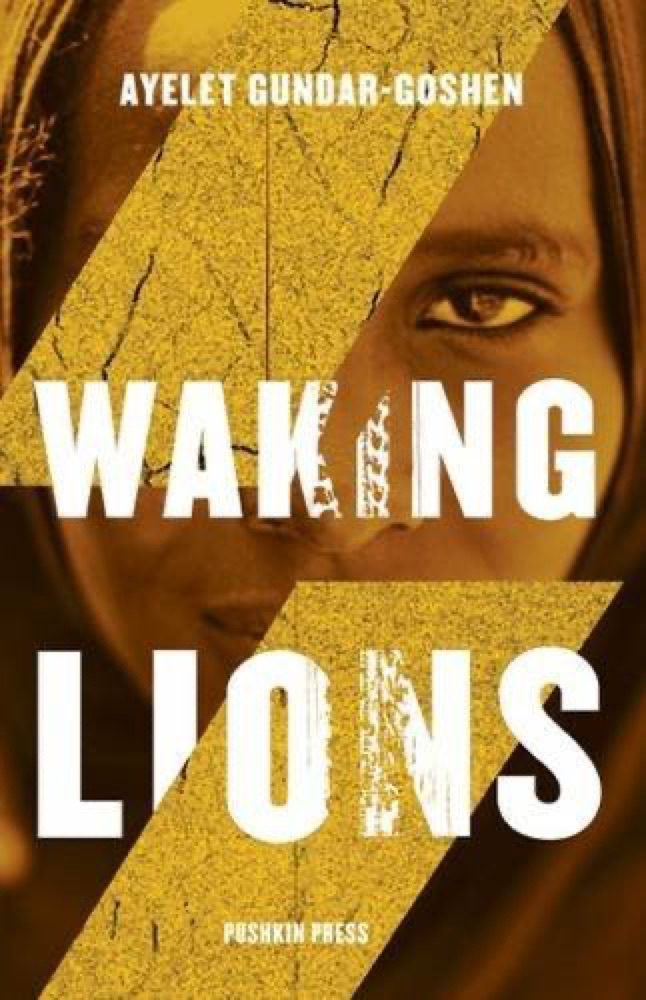
Dr. Eitan Green is a good man. He saves lives. Then, speeding along a deserted moonlit road in his SUV, he hits someone. Seeing that the man, an African migrant, is beyond help, he flees the scene. It is a decision that changes everything. Because the dead man’s wife knows what happened. When she knocks at Eitan’s door the next day, tall and beautiful, he discovers that her price is not money. It is something else entirely, something that will shatter Eitan’s safe existence and take him into a world of secrets and lies. Waking Lions is a gripping, suspenseful and morally devastating drama of guilt and survival, shame and desire.
Book details
- First published
- 2013
- Author
- Ayelet Gundar-Goshen
- Genre
- Fiction
- Goodreads rating
- 3.81 (10k ratings)
The buzz
- The New York TimesReview in The New York Timesprofessional review (via Book Marks)
- The Wall Street JournalReview in The Wall Street Journalprofessional review (via Book Marks)
- The GuardianReview in The Guardianprofessional review (via Book Marks)
- NPRReview in NPRprofessional review (via Book Marks)
- FtReview in Ftprofessional review (via Book Marks)
Keep reading
Spaceman of Bohemia
 The Son
 Catch the Rabbit
 Auto-da-Fé
 Winter Garden
 Arch of Triumph
 The Kite Runner
 Hush
Hush
 The Door
 Selected Stories
 Before the Frost
 Rooftops of Tehran
 The Rescue
 The Castle
 Trust: Betrayed
 Cancer Ward
 The Hangman's Replacement: Sprout of Disruption
 Honor
Honor
 Moth Smoke
 Emma in the Night
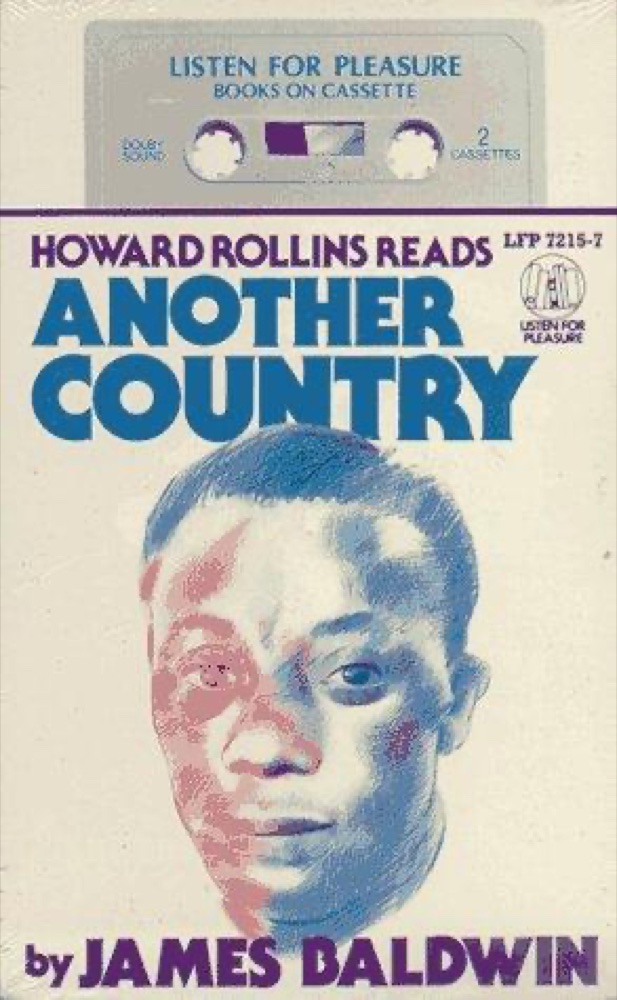 Another Country
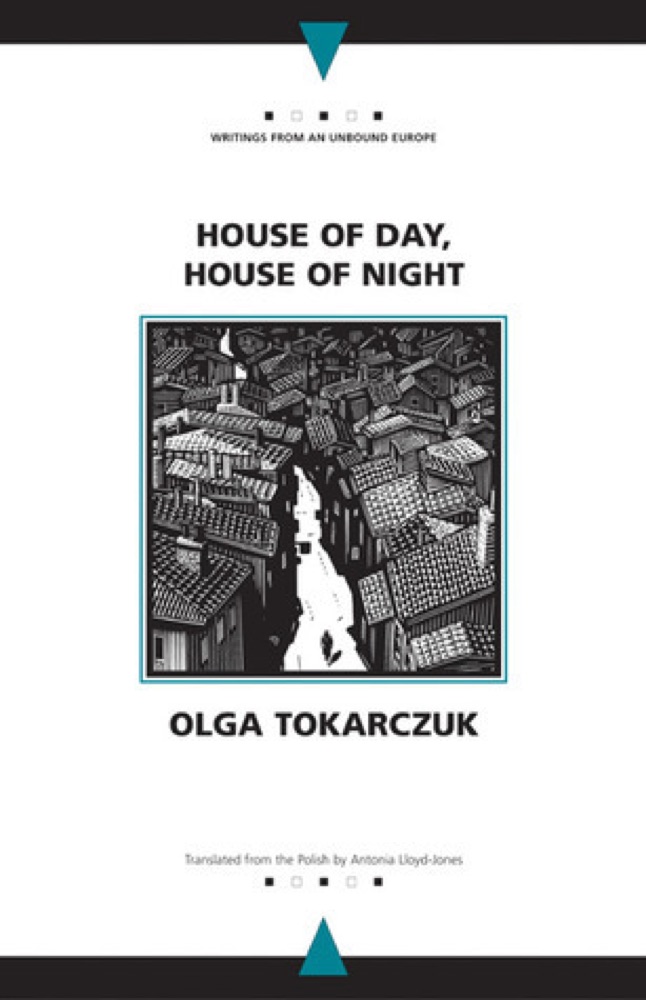 House of Day, House of Night
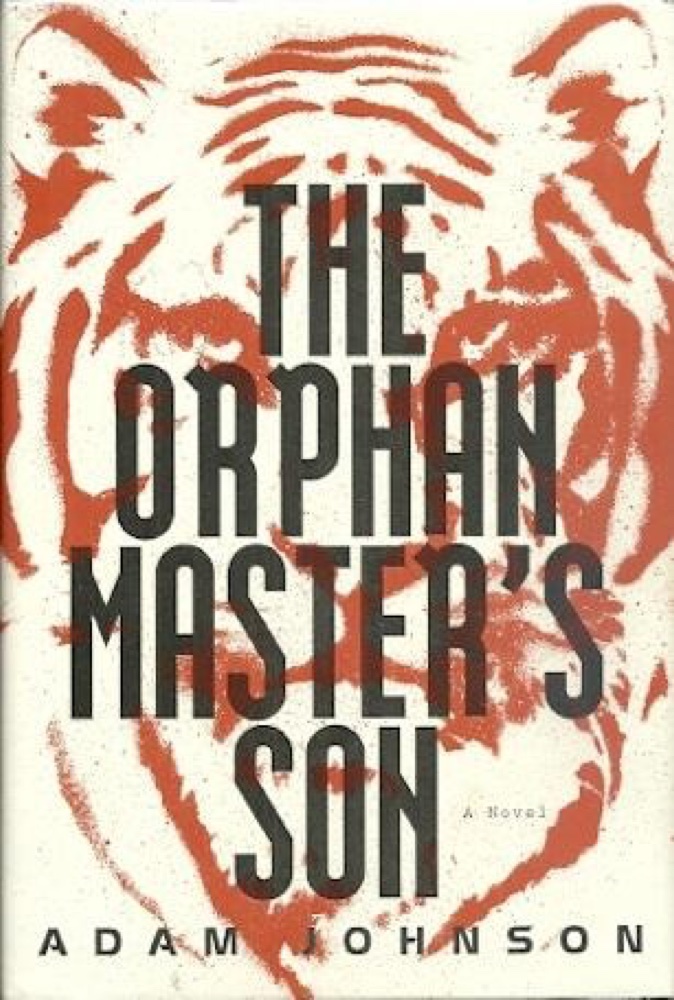 The Orphan Master's Son
 The Autograph Man
 So Long, See You Tomorrow
 Bone Gap
 Flight Behavior
 Farewell Waltz
 Think of a Number
 Dominicana
 Sea of Silver Light
 The Bullet That Missed
 Timbuktu
 The Fountains of Silence
 Half of a Yellow Sun
 Q & A
Q & A
 Fool Me Once
 Held
Held
 Night Watch
 A Moth to a Flame
 The Stardust Thief
 The Green Road
 The Devil in the Flesh
 The Complete Stories
 White Teeth
 The Discovery of Heaven
 The Charioteer
 Light Years
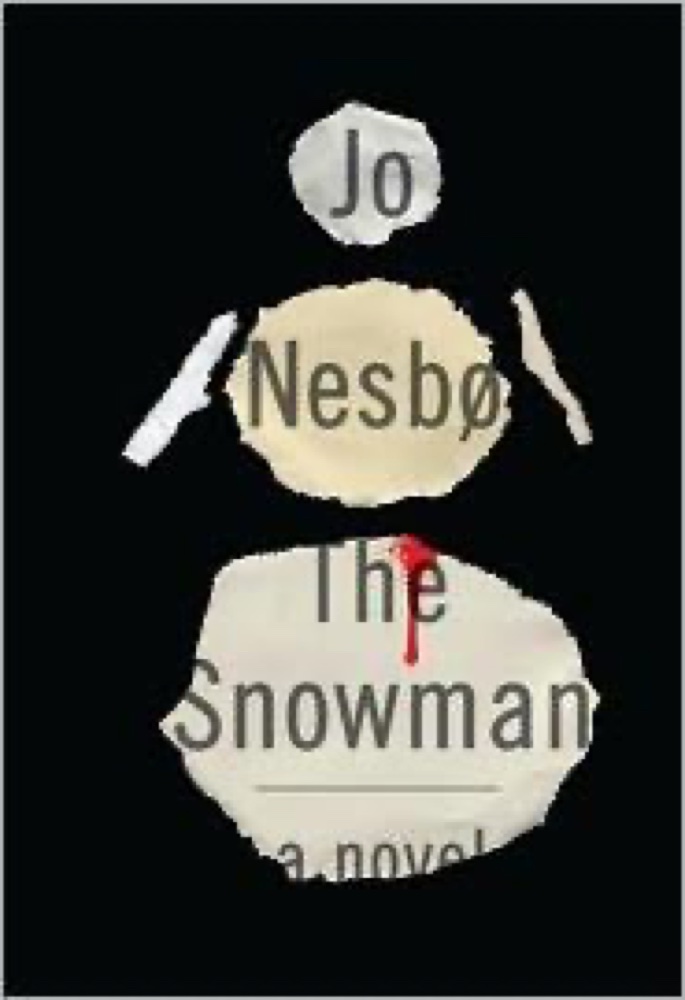 The Snowman
 The Woman Who Walked in Sunshine
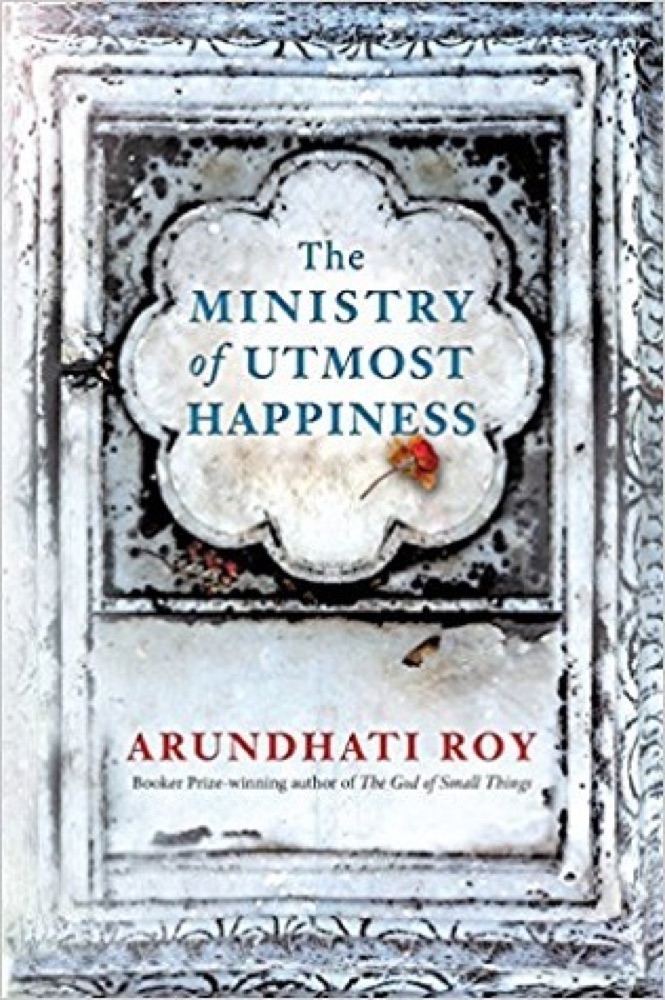 The Ministry of Utmost Happiness
 Let the Right One In
 Pure
Pure
 Too Much Happiness: Stories
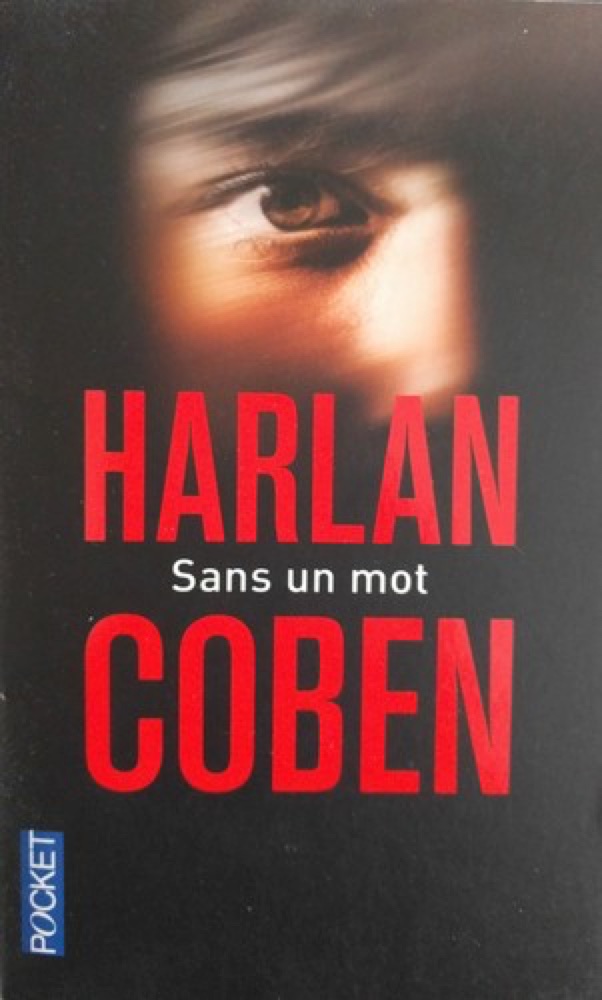 Hold Tight
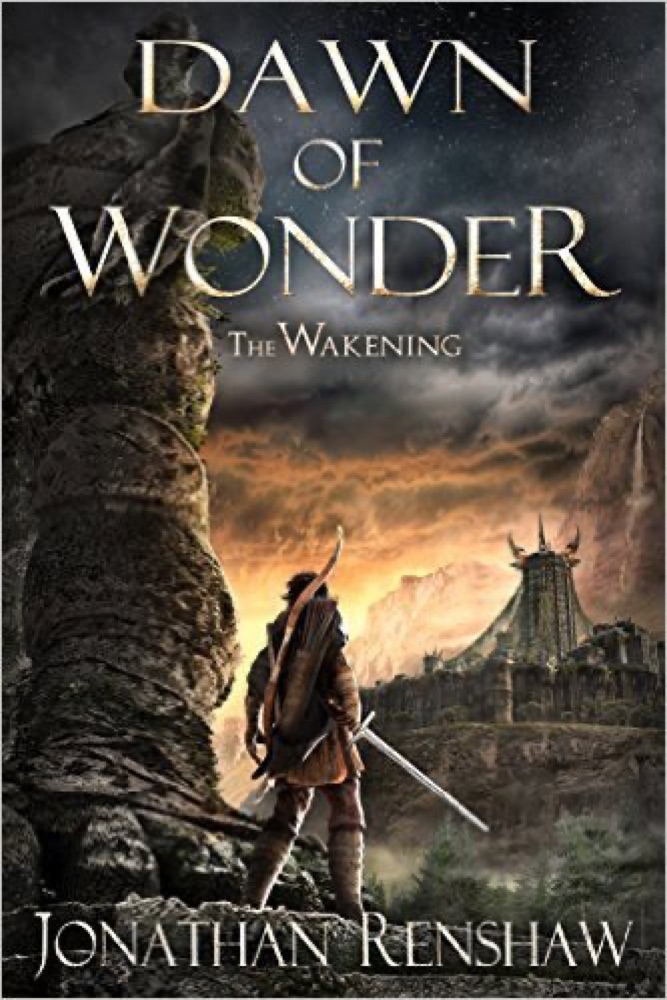 Dawn of Wonder
 Independent People
 The Proposal
 10 Minutes 38 Seconds in This Strange World
 New Watch