

 Atemschaukel
Quotes from the Book
Everyday brought me further away from other people, I had been placed out of the world's sight, as if in a cupboard, and I hoped it would stay that way. I developed a yearning for being alone, unkempt, untended.
27
Hey, not while I'm at my devotions, no so fast, the fat man said, inside the shithouse you're communing with God, and outside you find that all hell's broken loose.
5
I’ve always had just enough sense to spare others, but never enough to save myself from misfortune.
4
At that hour the moon is almost entirely eaten away; it doesn’t know where to go after reaching the city. The sky has to loosen its grip on the earth as day begins to break. The streets run steeply up and down, and the streetcars travel back and forth like rooms ablaze with light.
4
Daytime sleep is not deep black; it’s shallow and yellow. Our sleep is restless, the sunlight falls on our pillows. But it does make the day a little shorter.
3
Even judges' children hear something about the world, they go to the Black Sea like everyone in the country. They look out and feel the same urge to go somewhere, feel it tugging at them from head to toe. You don't have to be particularly bad off to think: This can't be a the life I get. The judges' children know as well as Lilli and me that the same sky that looks down on the border guards stretches all the way to Italy or Canada, where things are better than here. One way or the other, the attempt will be made, whether sooner or later, in this way or that.
2
The reasaon I'm shy of objects is because I like them. I transfer the thoughts that are against me onto them. Then these thoughts go away, unless I talk about them - just like my wariness of people. Maybe it all collects in your hair. After I separated from my husband, in the quiet days when no one was shouting at me anymore, I started noticing other people's wariness of strangers. I saw how they combed their hair in public. In the factory, in the city, in the streets, and trams, buses, and trains, while waiting in front of a counter or standing in a line for milk and bread. People comb their hair at the movies before the light goes out, and even in the cemetery. While they're parting their hair you can see their wariness of others collecting in their combs. But they can't comb it out completely if they go on talking about it. The fear of strangers sticks to the comb and makes it greasy. People who talk about it can't get rid of their fear of strangers; their combs are always clean.
2
I do a lot of counting. Cigarette butts, trees, fence slats, clouds, or the number of paving stones between one phone pole and the next, the windows along the way to the bus stop in the morning, the pedestrians I see from the bus between one stop and the next, red ties on an afternoon in the city. How many steps from the office to the factory gate. I count to keep the world in order, I said. Paul
1
Then you go on talking, about something you never actually mention. And your forehead and mouth are as far apart as they can be.
1
En el camino me resultaba sospechoso que arriba, en el cielo, hubiera algo hermoso y en la tierra, abajo, no hubiera ninguna ley que prohibiese mirar a lo alto.
Para hablar no tengo la cabeza despejada, si no, le preguntaría qué hay que ver en mí.
A gente sai para dar uma caminhada e o mundo se abre. E antes que a gente tenha conseguido esticar bem as pernas, mais uma vez ele se fecha. Daqui até ali é só um liga-e-desliga de uma lanterna, e chamam isso de vida. Nem vale a pena calçar os sapatos.
I was all wrapped up, the streetlamps and lighted windows were glittering, the frost bit into our faces, our lips felt like frozen crusts of bread, our cheeks as smooth and cold as porcelain. Sky and street were nothing but snow, we were driving into a great big snowball.
About Herta Müller
We have collected 36 quotes from 2 books by Herta Müller on BookQuoters.
More about the author →More by Herta Müller
Atemschaukel
About the book
From the winner of the IMPAC Award and the Nobel Prize, a fierce novel about a young Romanian woman's discovery of betrayal in the most intimate reaches of her life"I've been summoned. Thursday, ten sharp." Thus begins one day in the life of a young clothing-factory worker during Ceaucescu's totalitarian regime. She has been questioned before; this time, she believes, will be worse. Her crime? Sewing notes into the linings of men's suits bound for Italy. "Marry me," the notes say, with her name and address. Anything to get out of the country.As she rides the tram to her interrogation, her thoughts stray to her friend Lilli, shot trying to flee to Hungary, to her grandparents, deported after her first husband informed on them, to Major Albu, her interrogator, who begins each session with a wet kiss on her fingers, and to Paul, her lover, her one source of trust, despite his constant drunk
Book details
- First published
- 1997
- Author
- Herta Müller
- Genre
- Fiction
- Goodreads rating
- 3.38 (4k ratings) →
Keep reading
 The Time in Between
 The Complete Stories
 The Complete Short Stories
 We Do Not Part
 The Stream of Life
 The Tent
 South of the Border, West of the Sun
 A General Theory of Oblivion
 Asleep
 Life Knocks
Atemschaukel
Life Knocks
Atemschaukel
 What Is the What
 Plainwater: Essays and Poetry
 And the Mountains Echoed
 Think of a Number
 Greek Lessons
 A Fraction of the Whole
 Between Shades of Gray
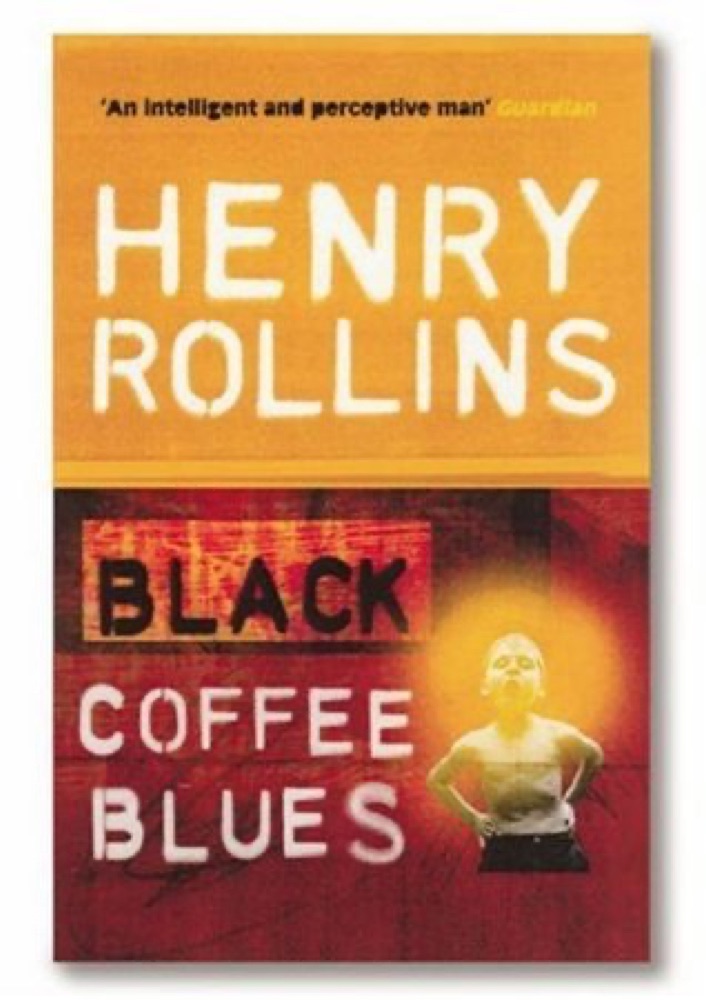 Black Coffee Blues
 Moth Smoke
 Her Body and Other Parties
 The World and Other Places: Stories
 Killing Commendatore
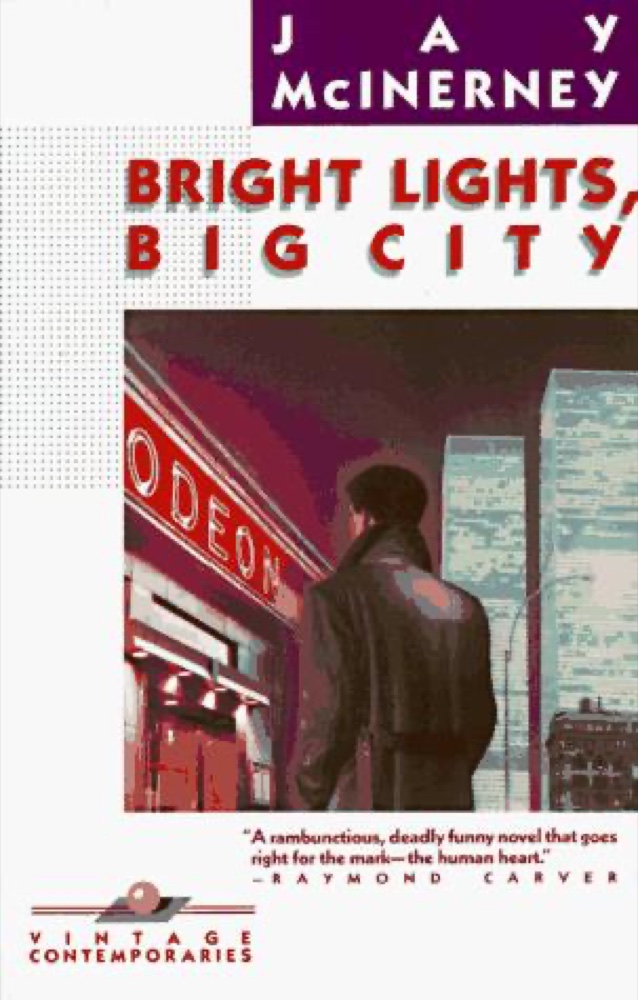 Bright Lights, Big City
 Moon Palace
 Night Train to Lisbon
 Lunar Park
 Smilla's Sense of Snow
 Jakob von Gunten
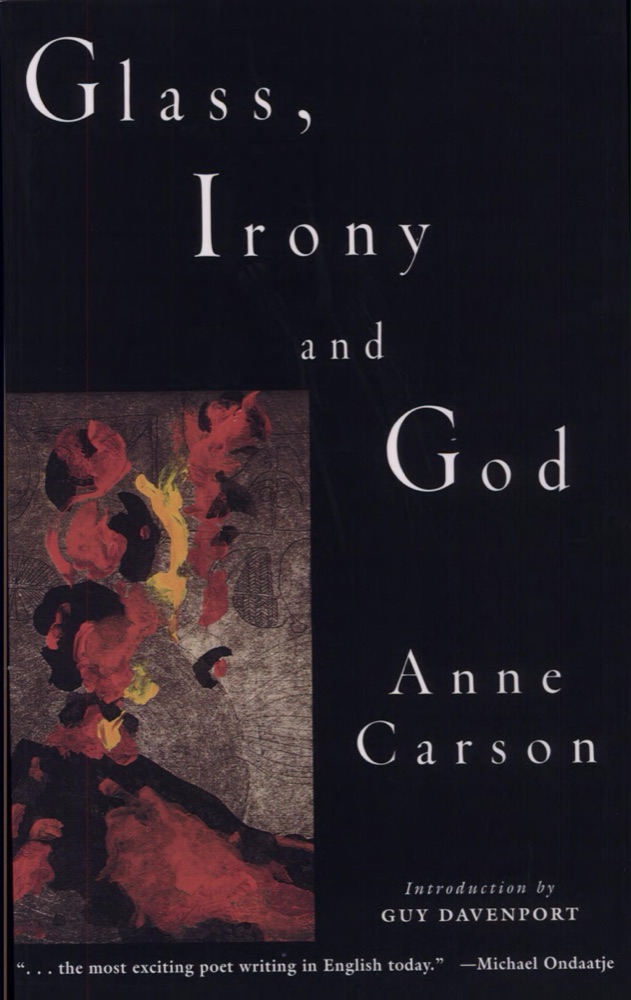 Glass, Irony and God
 A Home at the End of the World
 By Grand Central Station I Sat Down and Wept
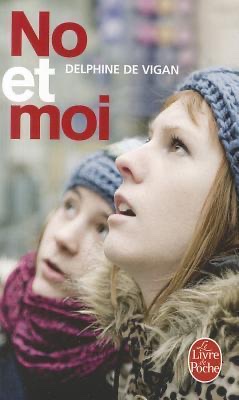 No and Me
 A Line Made By Walking
 The Likeness
 Beautiful Losers
 The Moonstone
 Pink Slime
 After Dark
 Hot Milk
 Of Walking in Ice: Munich-Paris, 11/23 to 12/14, 1974
 Maggot Moon
 Cat's Eye
 Whereabouts
 Tell No One
 Pure
Pure
 Black Spring
 City of Thieves
 Out Stealing Horses
 Nausea
 View with a Grain of Sand: Selected Poems
 Night Shift
 Just After Sunset
 Tropic of Capricorn
 South of No North
 Territory of Light
 Sexing the Cherry
 The Meursault Investigation
 A Mercy
 Suspect