
 Foucault's Pendulum
Quotes from the Book
When you are on the dancefloor, there is nothing to do but dance.
114
You’ll come back To me . . . It’s written in the stars, you see, you’ll come back. You’ll come back, it’s a fact that I am strong because I do believe in you.
31
It was awkward, revisiting a world you have never seen before: like coming home, after a long journey, to someone else’s house.
31
Memory is a stopgap for humans, for whom time flies and what is passed is passed.
23
I stood back up and looked down at my feces. A lovely snail-shell architecture, still steaming. Borromini. My bowels must be in good shape, because everyone knows you have nothing to worry about unless your feces are to soft or downright liquid. I was seeing my shit for the first time (in the city you sit on the bowl, then flush right away, without looking). I was now calling it shit, which I think is what people call it. Shit is the most personal and private thing we have. Anyone can get to know the rest - your facial expression, your gaze, your gestures. Even your naked body: at the beach, at the doctor's, making love. Even your thoughts, since usually you express them, or else others guess them from the way you look at them or appear embarrassed. Of course, there are such things as secret thoughts... but in general thoughts too are revealed. Shit, however, is not. Except for an extremely brief period of your life, when your mother is still changing your diapers, it is all yours. And since my shit at that moment must not have been all that different from what I had produced over the course of my past life, I was in that instant reuniting with my old, forgotten self, undergoing the first experience capable of merging with countless previous experiences, even those from when I did my business in the vineyards as a boy. Perhaps if I took a god look around, I would find the remains of those shits past, and then, triangulating properly, Clarabelle's treasure. But I stopped there. Shit was not my linden-blossom tea, of course not, how could I have expected to conduct my recherche with my sphincter? In order to rediscover lost time, one should have not diarrhea but asthma. Asthma is pneumatic, it is the breath (however labored) of the spirit: it is for the rich, who can afford cork-lined rooms. The poor, in the fields, attend less to spiritual than to bodily functions. And yet I felt not disinherited but content, and I mean truly content, in a way I had not felt since reawakening. The ways of the Lord are infinite, I said to myself, they go even through the butthole.
16
They say that a cat, if it falls from a window and hits its nose, can lose its sense of smell and then, because cats live by their ability to smell, it can no longer recognize things. I’m a cat that hit its nose.
13
I was in a maze. No matter which way I turned, it was the wrong way.
10
And in that moment I experience a revelation. I realize now that it was a painful sense that the world is purposeless, the lazy fruit of a misunderstanding, but in that moment I was able to translate what I felt only as: "God does not exist.
9
But it’s atheists who say that the world wasn’t made by anyone, and you say you’re not an atheist . . ." I’m not because I can’t bring myself to believe that all these things we see around us—the way trees and fruits grow, and the solar system, and our brains—came about by chance. They’re too well made. And therefore there must have been a creating mind. God.
8
Nothing can shake my belief that this world is the fruit of a dark god whose shadow I extend.
8
History is a blood-drenched enigma and the world an error.
6
I was dozing, and the clock woke me. I didn’t hear the first few chimes distinctly, that is to say, I didn’t count them. But as soon as I decided to count I realized that there had already been three, so I was able to count four, five, and so on. I understood that I could say four and then wait for the fifth, because one, two, and three had passed, and I somehow knew that. If the fourth chime had been the first I was conscious of, I would have thought it was six o’clock. I think our lives are like that—you can only anticipate the future if you can call the past to mind. I can’t count the chimes of my life because I don’t know how many came before. On the other hand, I dozed off because the chair had been rocking for a while. And I dozed off in a certain moment because that moment had been preceded by other moments, and because I was relaxing while awaiting the subsequent moment. But if the first moments hadn’t put me in the right frame of mind, if I had begun rocking in any old moment, I wouldn’t have expected what had to come. I would have remained awake. You need memory even to fall asleep. Or no?
5
To be intensely educated about the horror of sin and then to be conquered by it. I tell myself that it must be prohibition that kindles fantasy
3
...a complicit mustiness hung in the air, the odour of silence and calm.
1
That must be it, you were compassionate about the little things and cynical about the big things.
But Savinio’s Milan is even better: "The fog is cozy. It transforms the city into an enormous candy box, and its inhabitants into pieces of sugar candy… Women and girls pass hooded in the fog. A light vapor huffs around their nostrils and at their half-open mouths… You find yourself in a parlor stretched by mirrors… you embrace, each still fragrant with fog, as the fog outside-discreet, silent, protective- presses against the window like a curtain…
So, I was in love. Or was I rather, as often happens at that age, in love with love?
Watch on YouTube
About Umberto Eco
We have collected 160 quotes from 9 books by Umberto Eco on BookQuoters.
More about the author →More by Umberto Eco
All books by Umberto Eco →
About the book
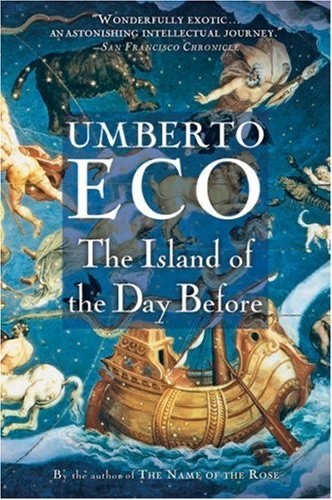
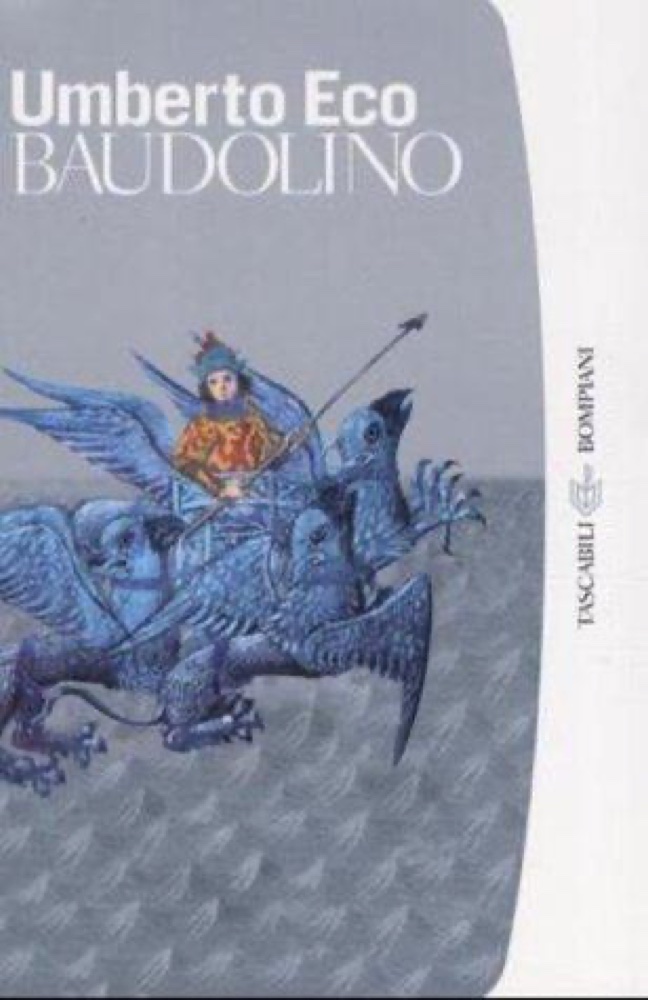
Yambo, a sixtyish rare-book dealer who lives in Milan, has suffered a loss of memory — he can remember the plot of every book he has ever read, every line of poetry, but he no longer knows his own name, doesn't recognize his wife or his daughters, and remembers nothing about his parents or his childhood. In an effort to retrieve his past, he withdraws to the family home somewhere in the hills between Milan and Turin.
There, in the sprawling attic, he searches through boxes of old newspapers, comics, records, photo albums, and adolescent diaries. And so Yambo relives the story of his Mussolini, Catholic education and guilt, Josephine Baker, Flash Gordon, Fred Astaire. His memories run wild, and the life racing before his eyes takes the form of a graphic novel. Yambo struggles through the frames to capture one simple, innocent that of his first love.
A fascinating, abundant novel — w
Book details
- First published
- 2004
- Author
- Umberto Eco
- Genre
- Fiction
- Goodreads rating
- 3.39 (13k ratings)
Keep reading
 Killing Commendatore
 The City and Its Uncertain Walls
 Moon Palace
 House of Leaves
 The Enchanted
 The Secret History
 M Train
 The Wind-Up Bird Chronicle
 Middlesex
 Trigger Warning: Short Fictions and Disturbances
 Year of the Monkey
 The End of Mr. Y
 The Reader
 Sexing the Cherry
 What I Loved
 Wolf in White Van
 Fugitive Pieces
 Housekeeping
 My Friends
 Underworld
 Brideshead Revisited: The Sacred and Profane Memories of Captain Charles Ryder
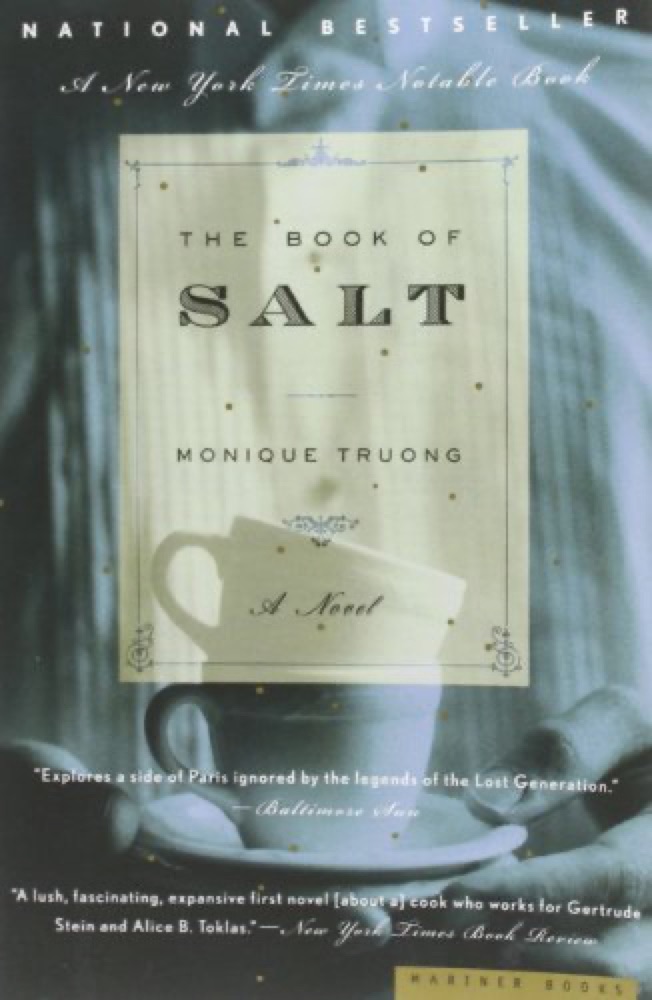 The Book of Salt
 Speak, Memory
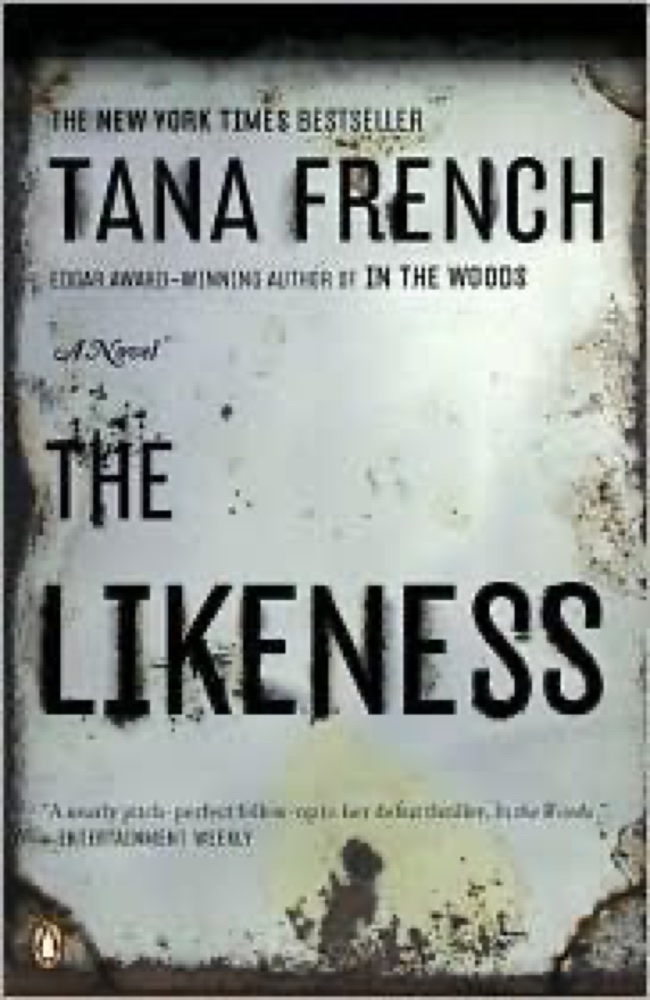 The Likeness
 A Boy and His Dog at the End of the World
 Leviathan
 The Dream of Perpetual Motion
 Interview with the Vampire
 The Untouchable
 The Shock of the Fall
 Engleby
 Life After Death
 The Binding
 The Hour I First Believed
 Dhalgren
 Stay Awake
 Out of Oz
 Everything Under
 Smilla's Sense of Snow
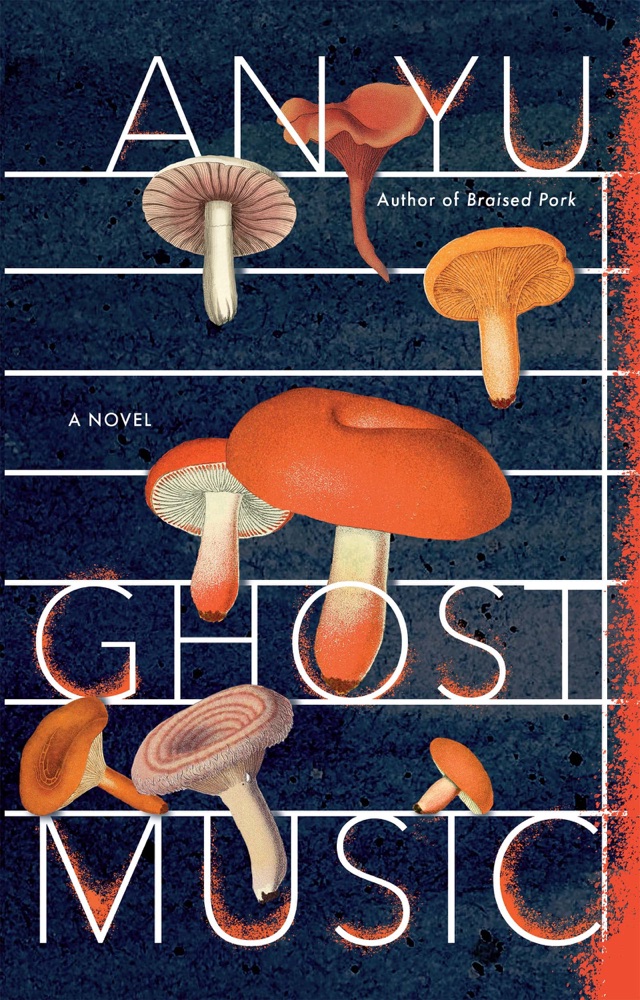 Ghost Music
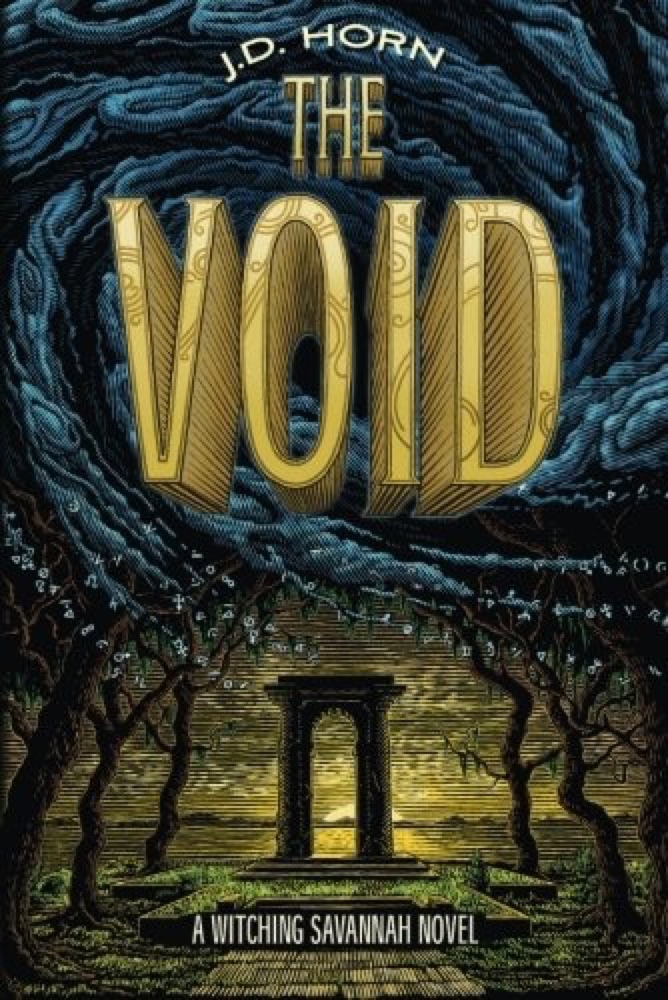 The Void
 Hollow City
 The People in the Trees
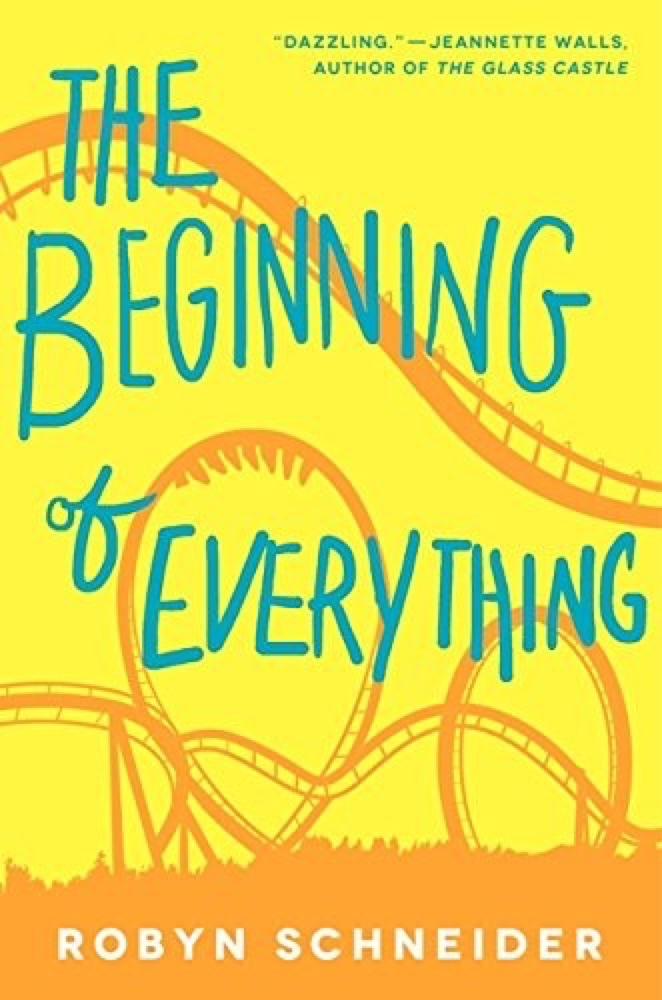 The Beginning of Everything
 Acceptance
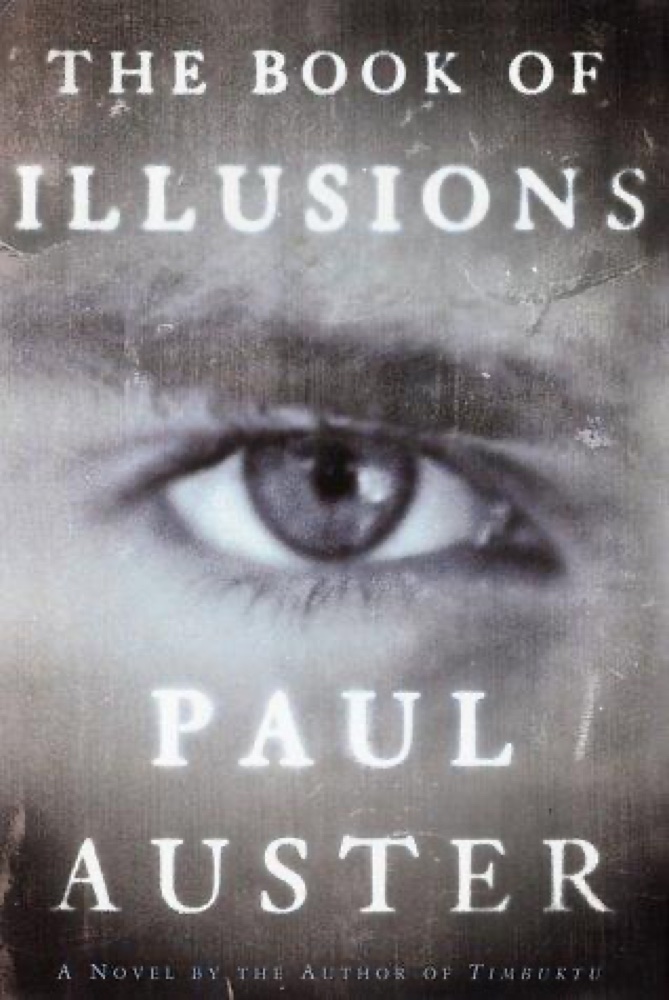 The Book of Illusions
 Henderson the Rain King
 In the Woods
 The Gone-Away World
 Mosquitoland
 A Fraction of the Whole
 Poems, 1962-2012
 Teatro Grottesco
 Angle of Repose
 Moth Smoke
 Sixty Stories
 Flights
 Smoke and Mirrors: Short Fiction and Illusions
 The Poisonwood Bible
 Moon Tiger