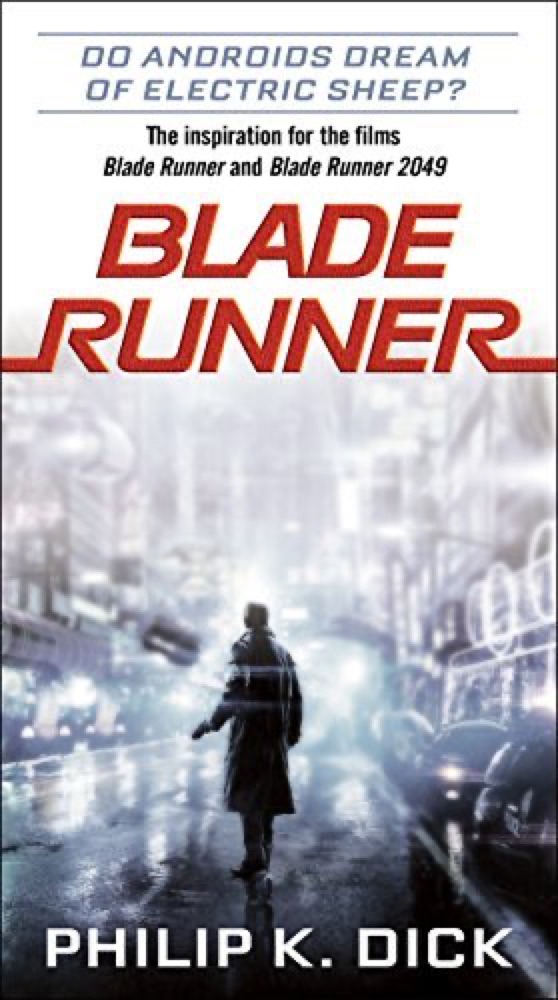
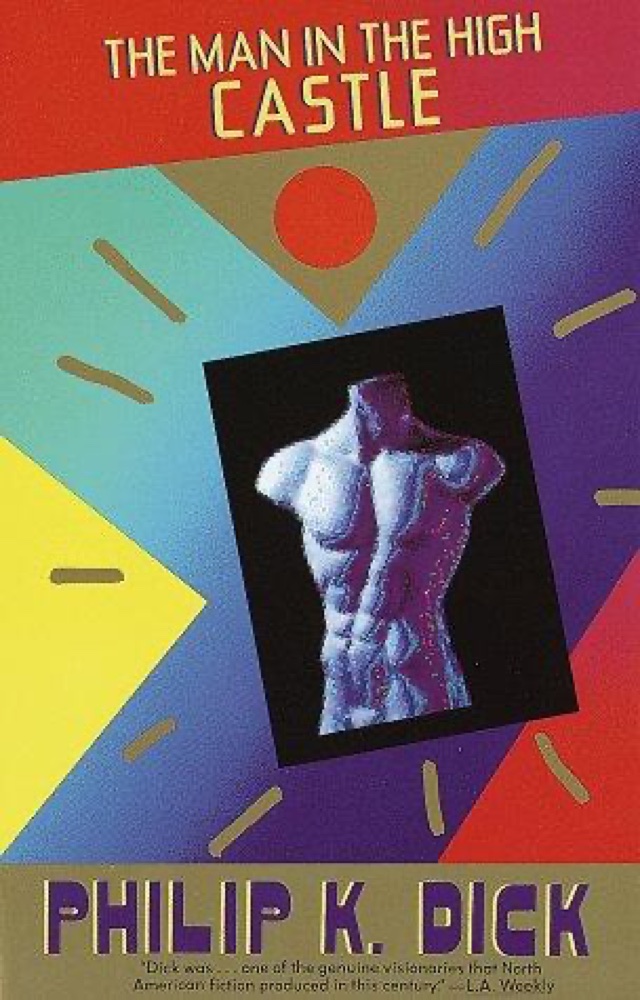
 The Man in the High Castle
Quotes from the Book
My schedule for today lists a six-hour self-accusatory depression.
959
You will be required to do wrong no matter where you go. It is the basic condition of life, to be required to violate your own identity. At some time, every creature which lives must do so. It is the ultimate shadow, the defeat of creation; this is the curse at work, the curse that feeds on all life. Everywhere in the universe.
936
I never felt like that before. Maybe it could be depression, like you get. I can understand how you suffer now when you're depressed; I always thought you liked it and I thought you could have snapped yourself out any time, if not alone then by means of the mood organ. But when you get that depressed you don't care. Apathy, because you've lost a sense of worth. It doesn't matter whether you feel better because you have no worth.
305
You mean old books?" "Stories written before space travel but about space travel." "How could there have been stories about space travel before --" "The writers," Pris said, "made it up.
252
It's the basic condition of life to be required to violate our own identity.
166
Empathy, he once had decided, must be limited to herbivores or anyhow omnivores who could depart from a meat diet. Because, ultimately, the empathic gift blurred the boundaries between hunter and victim, between the successful and the defeated.
154
You have to be with other people, he thought. In order to live at all. I mean before they came here I could stand it... But now it has changed. You can't go back, he thought. You can't go from people to nonpeople." - J.R. Isidore
123
I like her; I could watch her the rest of my life. She has breasts that smile.
123
Kipple is useless objects, like junk mail or match folders after you use the last match or gum wrappers or yesterday's homeopape. When nobody's around, kipple reproduces itself. For instance, if you go to bed leaving any kipple around your apartment, when you wake up the next morning there's twice as much of it. It always gets more and more." "I see." The girl regarded him uncertainly, not knowing whether to believe him. Not sure if he meant it seriously. "There's the First Law of Kipple," he said. "'Kipple drives out nonkipple.' Like Gresham's law about bad money. And in these apartments there's been nobody here to fight the kipple." "So it has taken over completely," the girl finished. She nodded. "Now I understand." "Your place, here," he said, "this apartment you've picked--it's too kipple-ized to live in. We can roll the kipple-factor back; we can do like I said, raid the other apts. But--" He broke off. "But what?" Isidore said, "We can't win." "Why not?" [...] "No one can win against kipple," he said, "except temporarily and maybe in one spot, like in my apartment I've sort of created a stasis between the pressure of kipple and nonkipple, for the time being. But eventually I'll die or go away, and then the kipple will again take over. It's a universal principle operating throughout the universe; the entire universe is moving toward a final state of total, absolute kippleization.
117
Maybe I'll go where I can see stars, he said to himself as the car gained velocity and altitude; it headed away from San Francisco, toward the uninhabited desolation to the north. To the place where no living thing would go. Not unless it felt that the end had come.
106
Everything is true,' he said. 'Everything anybody has ever thought.' 'Will you be all right?' 'I'll be all right,' he said, and thought, And I'm going to die. Both those are true, too.
82
At that moment, when I had the TV sound off, I was in a 382 mood; I had just dialed it. So although I heard the emptiness intellectually, I didn't feel it. My first reaction consisted of being grateful that we could afford a Penfield mood organ. But then I realized how unhealthy it was, sensing the absence of life, not just in this building but everywhere, and not reacting—do you see? I guess you don't. But that used to be considered a sign of mental illness; they called it 'absence of appropriate affect.' So I left the TV sound off and I sat down at my mood organ and I experimented. And I finally found a setting for despair. So I put it on my schedule for twice a month; I think that's a reasonable amount of time to feel hopeless about everything, about staying here on Earth after everybody who's smart has emigrated, don't you think?
70
I love you,' Rachael said. 'If I entered a room and found a sofa covered with your hide I'd score very high on the Voigt-Kampff test.
63
I'd like to see you move up to the goat class, where I think you belong.
63
The painting showed a hairless, oppressed creature with a head like an inverted pear, its hands clapped in horror to its ears, its mouth open in a vast, soundless scream. Twisted ripples of the creature's torment, echoes of its cry, flooded out into the air surrounding it; the man or woman, whichever it was, had become contained by its own howl. It had covered its ears against its own sound. The creature stood on a bridge and no one else was present; the creature screamed in isolation. Cut off by - or despite - its outcry.
58
Future and past blurred; what he had already experienced and what he would eventually experience blended so that nothing remained but the moment.
55
Silence. It flashed from the woodwork and the walls; it smote him with an awful, total power, as if generated by a vast mill. It rose from the floor, up out of the tattered gray wall-to-wall carpeting. It unleashed itself from the broken and semi-broken appliances in the kitchen, the dead machines which hadn’t worked in all the time Isidore had lived here. From the useless pole lamp in the living room it oozed out, meshing with the empty and wordless descent of itself from the fly-specked ceiling. It managed in fact to emerge from every object within his range of vision, as if it—the silence—meant to supplant all things tangible. Hence it assailed not only his ears but his eyes; as he stood by the inert TV set he experienced the silence as visible and, in its own way, alive. Alive! He had often felt its austere approach before; when it came it burst in without subtlety, evidently unable to wait. The silence of the world could not rein back its greed. Not any longer. Not when it had virtually won.
46
I don't judge, not even myself.
44
Everything is true," he said. "Everything anybody has ever thought.
42
Fear made her seem ill; it distorted her body lines, made her appear as if someone had broken her, and then, with malice, patched her together badly.
36
An android,” he said, “doesn’t care what happens to another android. That’s one of the indications we look for." “Then,” Miss Luft said, “you must be an android.
35
Owning and maintaining a fraud had a way of gradually demoralizing one.
34
Empathy, evidently, existed only within the human community, whereas intelligence to some degree could be found throughout every phylum and order including the arachnida.
32
Too bad. And Mozart, not long after writing The Magic Flute, had died--in his thirties--of kidney disease. And had been buried in an unmarked pauper's grave. Thinking this, he wondered if Mozart had any intuition that the future did not exist, that he had already used up his little time. Maybe I have too, Rick thought as he watched the rehearsal move along. This rehearsal will end, the performance will end, the singers will die, eventually the last score of the music will be destroyed in one way or another; finally the name "Mozart" will vanish, the dust will have won. If not on this planet then another. We can evade it awhile. As the andys can evade me and exist a finite stretch longer. But I will get them or some other bounty hunter gets them. In a way, he realized, I'm part of the form-destroying process of entropy.
31
There, at her console, he dialed 594: pleased acknowledgement of husband's superior wisdom in all matters
30
but as he plodded along a vague and almost hallucinatory pall hazed over his mind; he found himself at one point, with no notion of how it could be, a step from an almost certain fatal cliffside fall—falling humiliatingly and helplessly, he thought; on and on, with no one even to witness it. Here there existed no one to record his or anyone else's degradation, and any courage or pride which might manifest itself here at the end would go unmarked: the dead stones, the dust-stricken weeds dry and dying, perceived nothing, recollected nothing, about him or themselves.
30
The old man said, ‘You will be required to do wrong no matter where you go. It is the basic condition of life, to be required to violate your own identity. At some time, every creature which lives must do so. It is the ultimate shadow, the defeat of creation; this is the curse at work, the curse that feeds on all life. Everywhere in the universe.
29
Maybe there was once a human who looked like you, and somewhere along the line you killed him and took his place. And your superiors don’t know.
28
Did you know?
- The novel was the basis for Ridley Scott's 1982 film Blade Runner.
- Deckard uses the Voigt-Kampff empathy test to distinguish androids from humans.
- Owning a real living animal is a status symbol in the book's depopulated world, with electric animals as substitutes.
- The story is set in a San Francisco devastated by radioactive fallout from a global nuclear war.
- Dick invented the empathy-based religion of Mercerism as a central element of the society.
- K.W. Jeter later wrote authorized sequel novels tied to the Blade Runner continuity.
About Philip K. Dick
Philip K. Dick (1928-1982) was an American science fiction writer known for novels and stories exploring altered realities, identity, and what it means to be human. Many of his works, including this novel, were adapted into influential films.
More about the author →More by Philip K. Dick
All books by Philip K. Dick →
About the book
Set in a radioactive, post-apocalyptic San Francisco after a devastating nuclear war, Philip K. Dick's novel follows bounty hunter Rick Deckard, who is assigned to track down and "retire" six fugitive Nexus-6 androids that are nearly indistinguishable from humans. As Deckard hunts them using an empathy-measuring test, his encounters with the androids and with a Nexus-6 named Rachael Rosen force him to question where the line between human and machine truly lies.
At its heart the book interrogates what it means to be human, treating empathy as the defining and possibly arbitrary marker that separates people from their artificial counterparts. Dick weaves in themes of authenticity versus artifice through motifs like the prized ownership of real versus electric animals, the manufactured religion of Mercerism, and mood-altering technology, probing how a contaminated, decaying world reshapes identity and feeling.
Though initially modest in its reception, the novel grew enormously in stature after it inspired Ridley Scott's 1982 film Blade Runner, and it is now regarded as a landmark of science fiction. Critics often note that the film's fame has overshadowed the book, but the novel remains widely studied for its philosophical inquiry into consciousness, empathy, and the boundaries of the human.
Key characters
- Rick DeckardBounty hunter assigned to retire six escaped Nexus-6 androids
- Rachael RosenA Nexus-6 android who becomes entangled with Deckard
- John R. IsidoreA radiation-damaged human who shelters the fugitive androids
- Phil ReschA fellow bounty hunter who is human but coldly ruthless
Book details
- First published
- 1968
- Length
- 210 pages
- Reading time
- 3 hours
- Author
- Philip K. Dick
- Genre
- Science Fiction
- Goodreads rating
- 4.09 (527k ratings)
- First line
- “A merry little surge of electricity piped by automatic alarm from the mood organ beside his bed awakened Rick Deckard.”
Critical reception
- Nominated for the 1968 Nebula Award for Best Novel.
- Its reputation grew substantially after inspiring the 1982 film Blade Runner.
- Widely regarded as a classic of science fiction and frequently studied for its themes of empathy and identity.
Movie & TV adaptations
- IMDb
- IMDb
If you liked this, read…
- 1NeuromancerFoundational cyberpunk exploring humanity and artificial minds
- 2UbikAnother Philip K. Dick novel questioning reality and identity
- 3I, RobotClassic SF probing the boundary between humans and machines
Keep reading
 The Magus
 Authority
 The Only Alien on the Planet
 The Illustrated Man
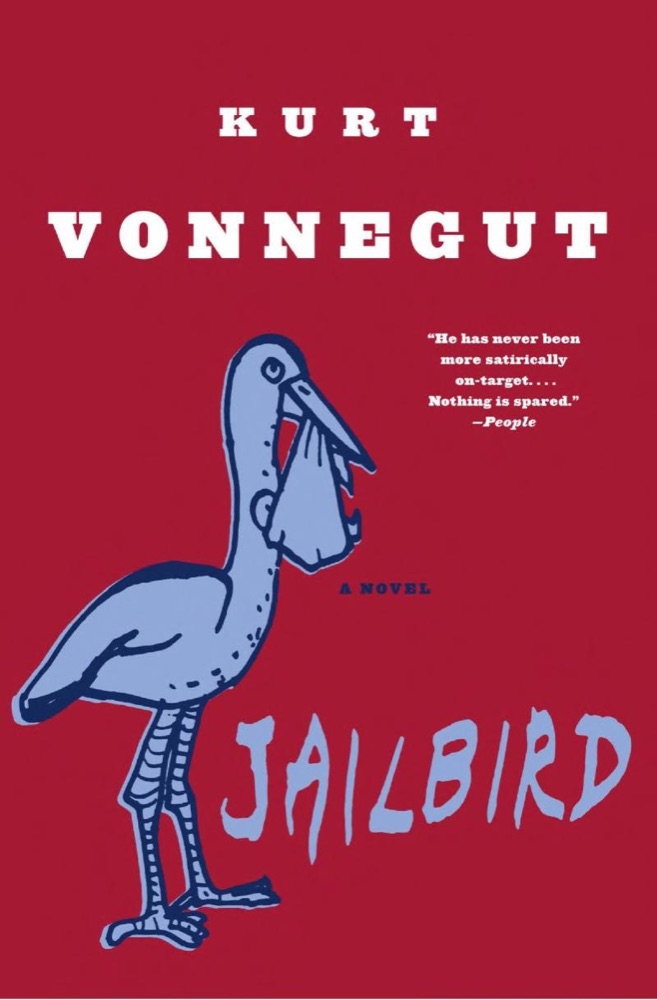 Jailbird
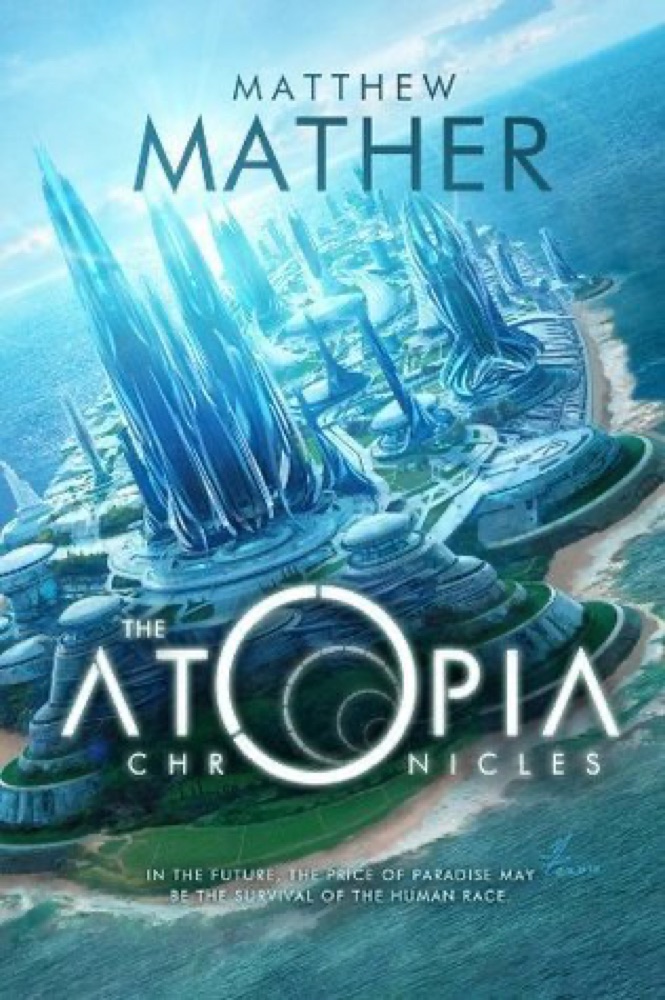 The Atopia Chronicles
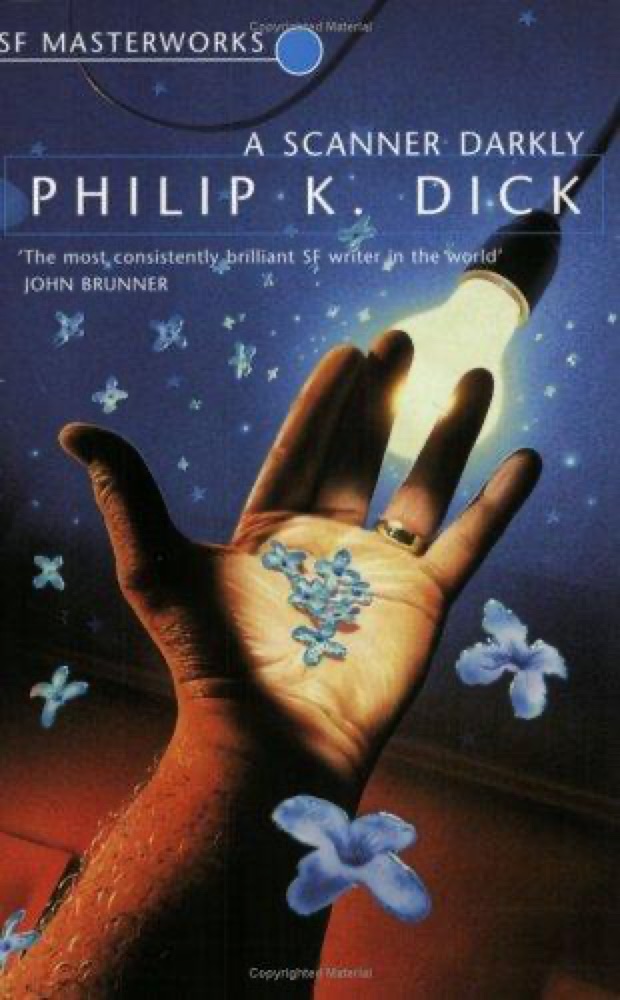 A Scanner Darkly
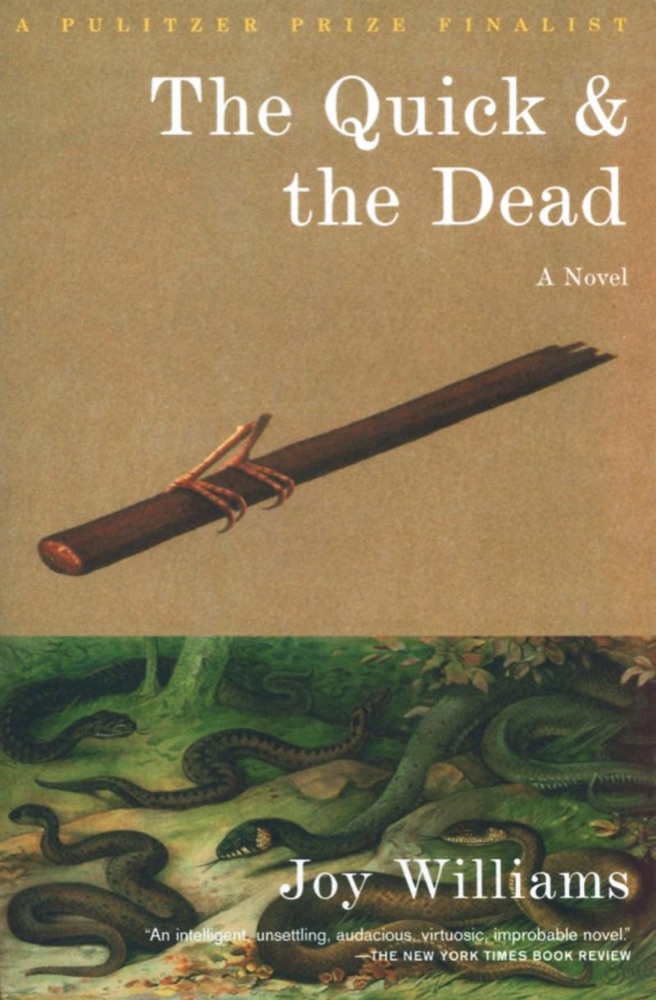 The Quick and the Dead
The Man in the High Castle
The Quick and the Dead
The Man in the High Castle
 The Wolf Gift
 I Have No Mouth & I Must Scream
 More Than Human
 The Wind-Up Bird Chronicle
 Mother Night
 The Star Diaries
 Xenocide
 Point Omega
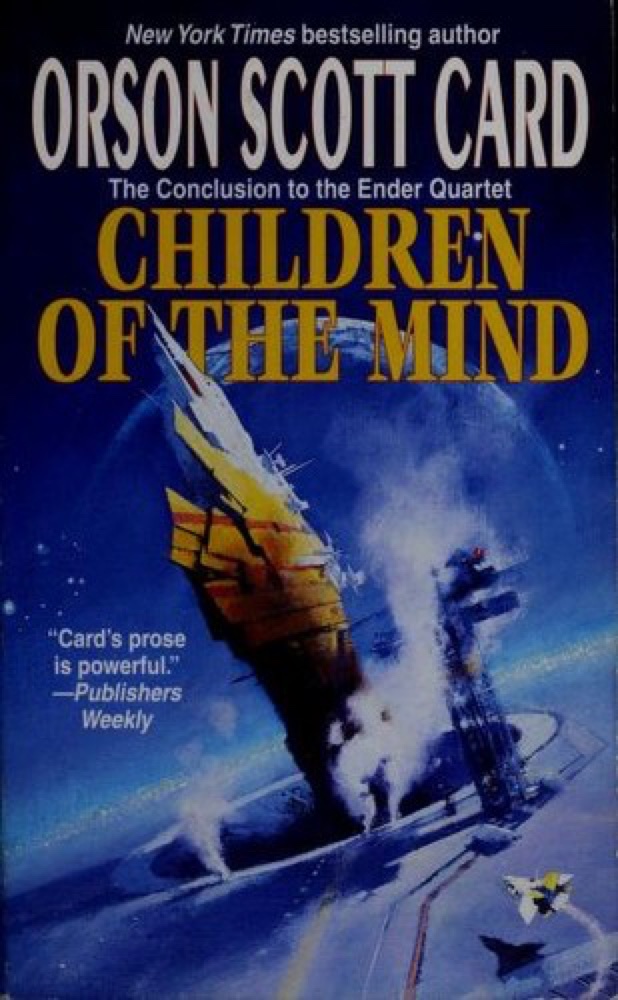 Children of the Mind
 Leviathan
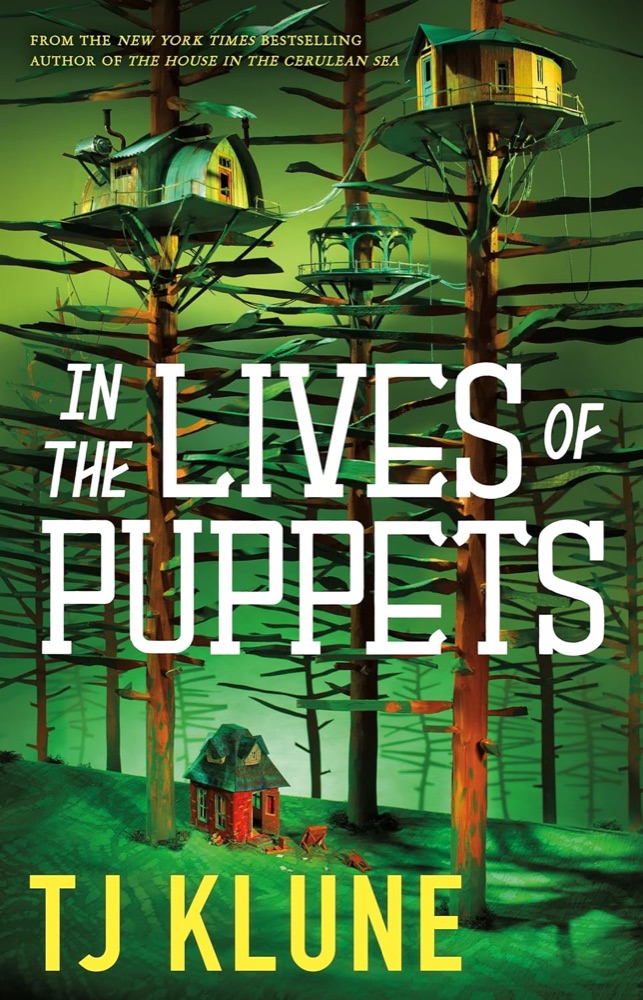 In the Lives of Puppets
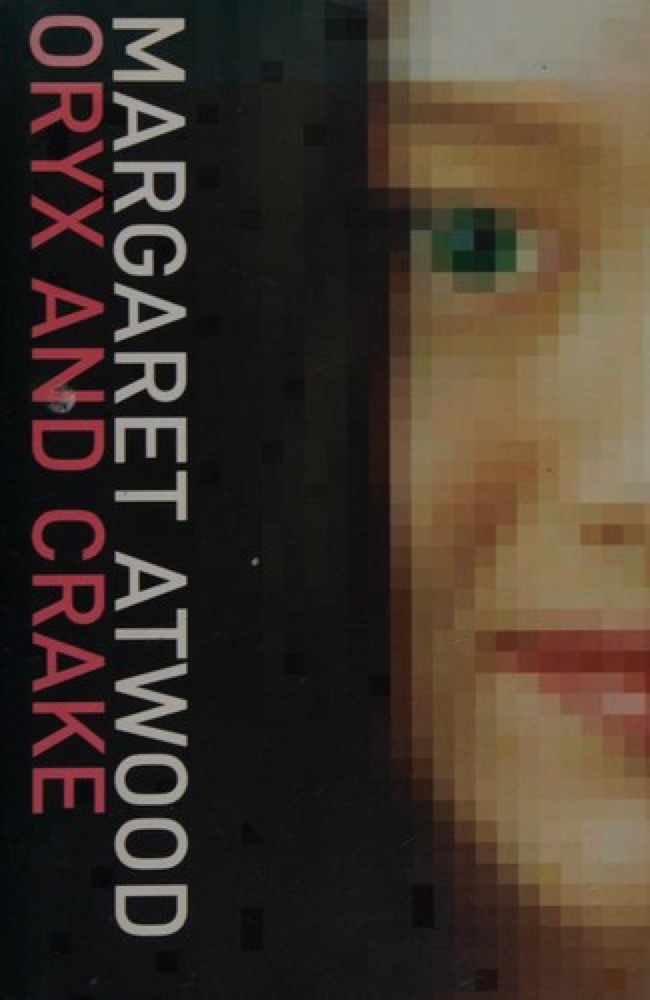 Oryx and Crake
 The Gone-Away World
 Sea of Silver Light
 Moon Palace
 Surfacing
 Sexus
Sexus
 Shadow & Claw
 Tropic of Capricorn
 The Complete Stories
 The Shape of Water
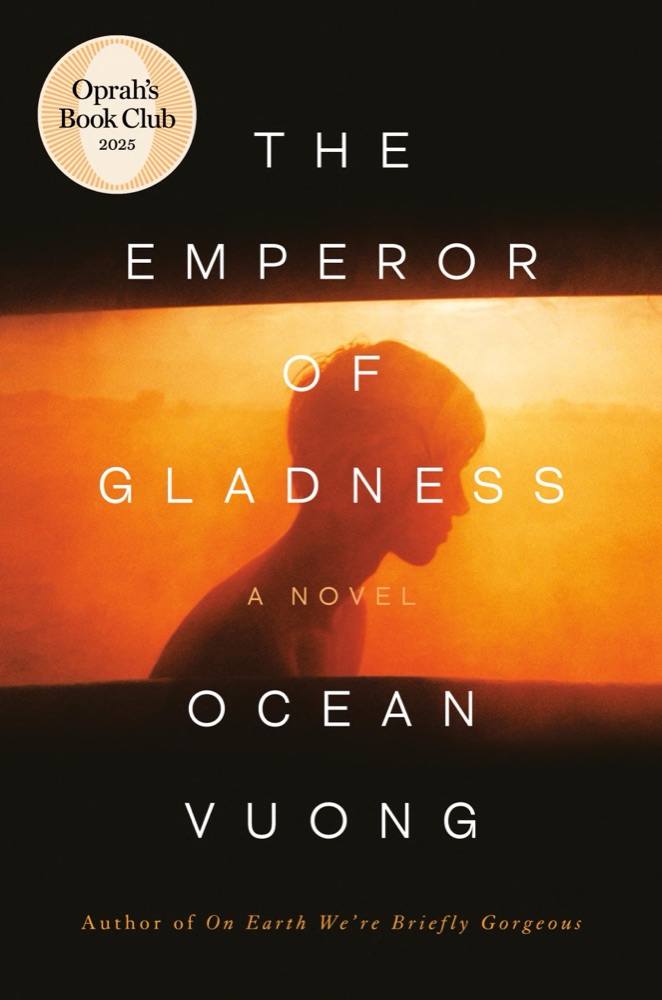 The Emperor of Gladness
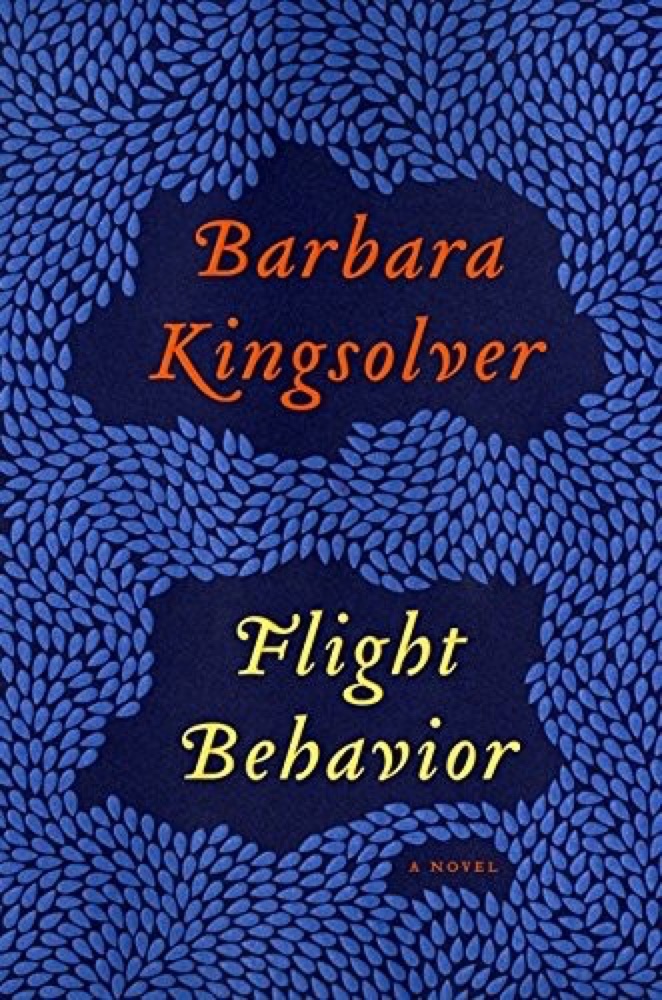 Flight Behavior
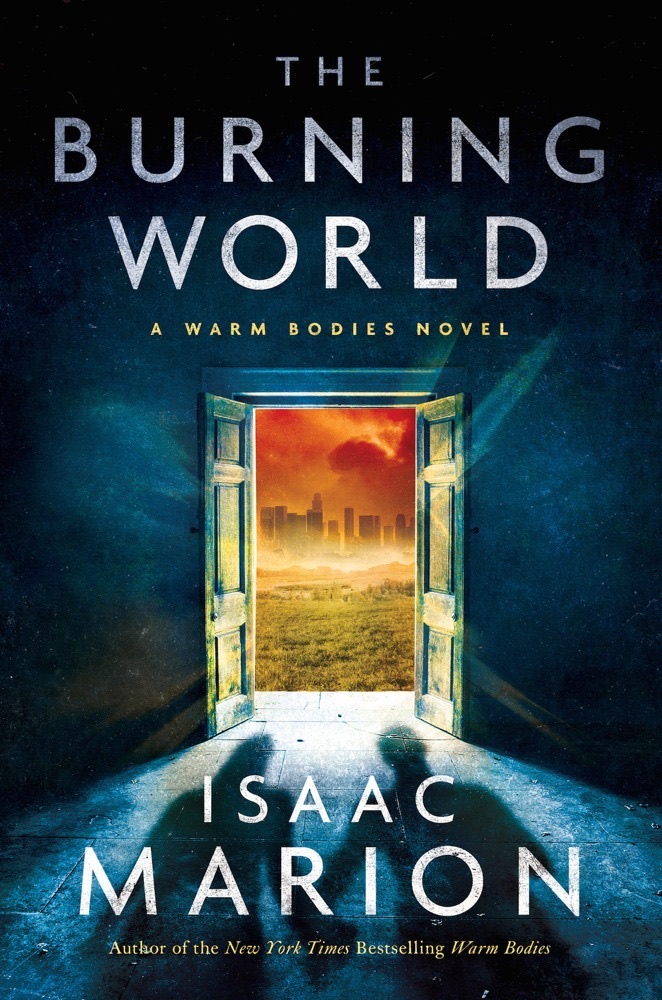 The Burning World
 The Setting Sun
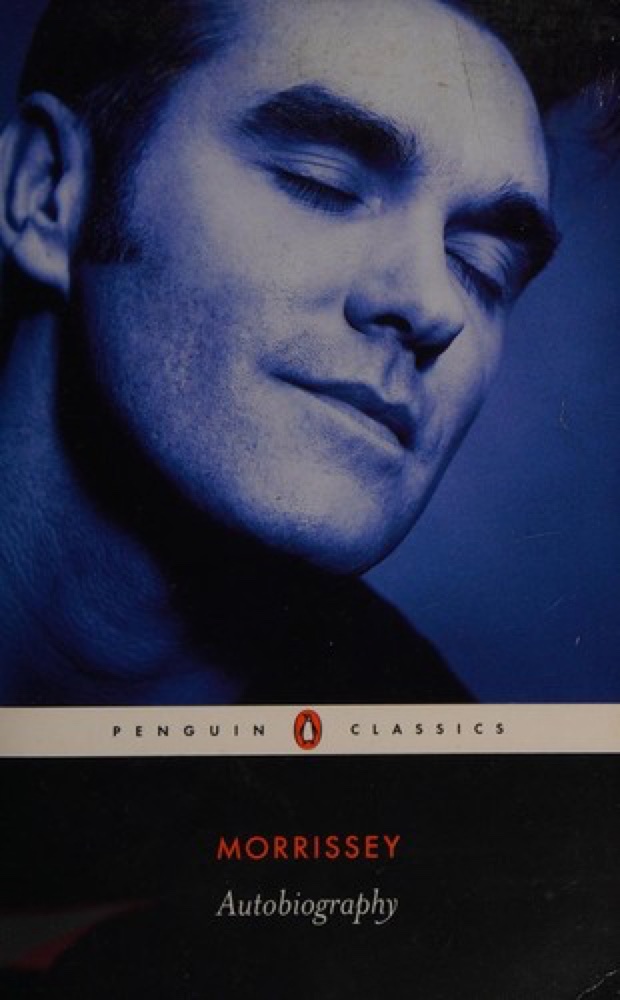 Autobiography
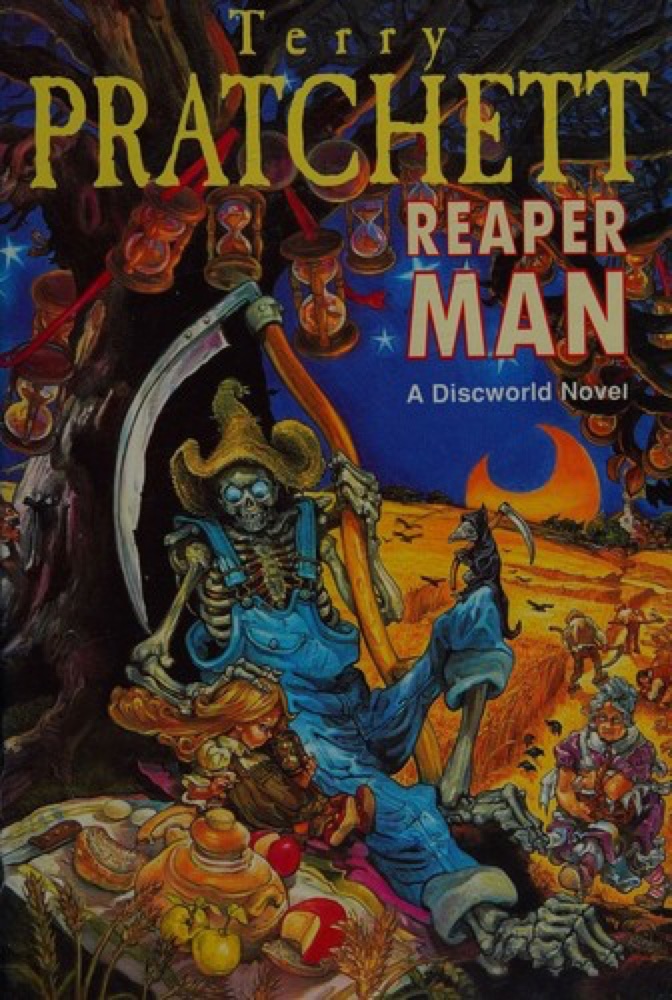 Reaper Man
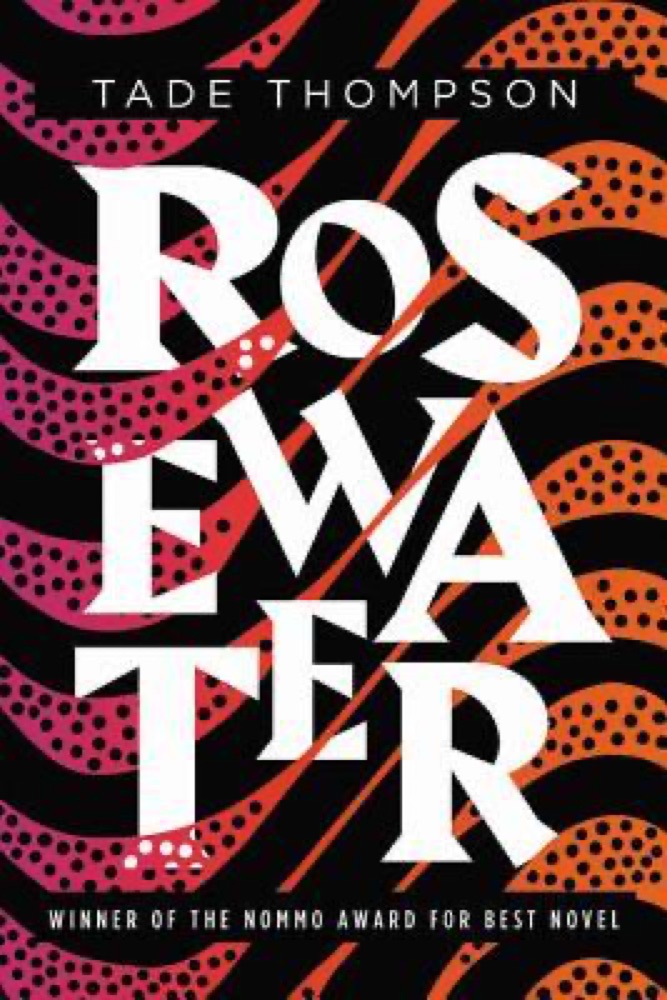 Rosewater
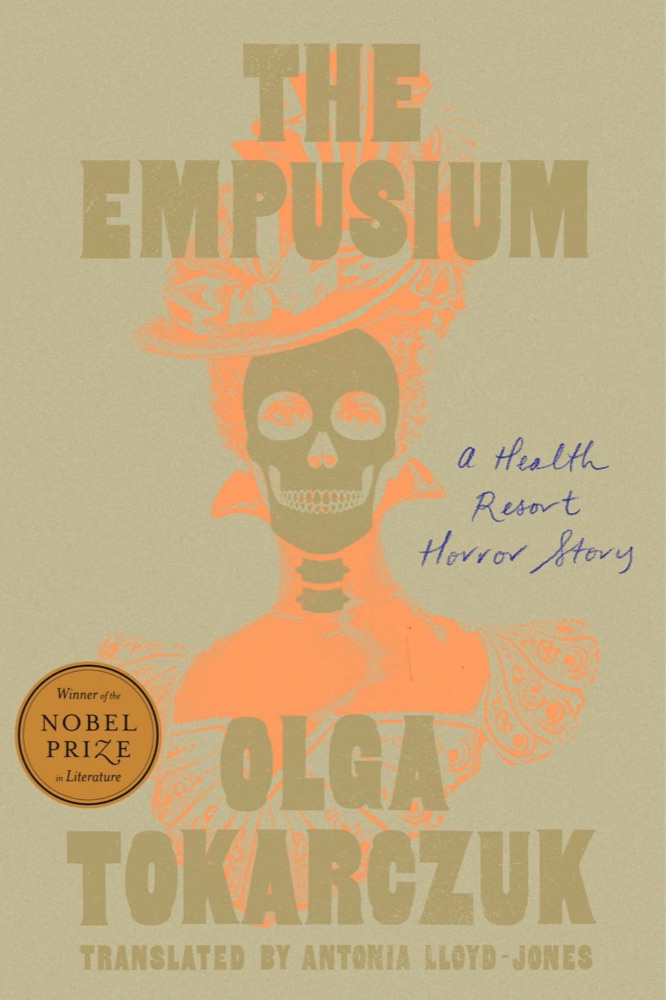 The Empusium
 Absalom, Absalom!
 The Complete Short Stories
 The Ultimate Hitchhiker's Guide
 Liberation Day
 Homer & Langley
 That Hideous Strength
 Purity
 Ragtime
 V.
V.
 Future Home of the Living God
 Life for Sale
 The Story of the Lost Child
 The Black Obelisk
 The Long Way to a Small, Angry Planet
 Drive Your Plow Over the Bones of the Dead
 Point Counter Point
 Infinite Jest
 Wayward
 Axiomatic
 Odd Hours
 Turtle Diary
 Life, the Universe and Everything