
 Shōgun
Quotes from the Book
To translate is never simple. To translate is to betray at the borders, it’s to cheat, it’s to trade one sentence for another. To translate is one of the only human activities in which one is required to lie about the details to convey the truth at large. To translate is to risk understanding better than others that the truth about a word is not single, but double, even triple, quadruple, or quintuple. To translate is to distance oneself from God’s truth, which, as everyone knows or believes, is single.
68
Until a man is dead, he is not yet done being created.
32
Temporary madness, in war, is bravery’s sister.
26
Any event that surprises a man has already been experienced by other men before him. The effects of all human possibilities have already been felt. Nothing that might happen to us here, as terrible or as felicitous as it might seem, is new. But what we experience is always new because every man is unique, the way every leaf and every tree is unique. Men share with each other the same lifeblood, but each feeds himself from it differently. Even if the new isn’t really new, it’s always new for those who, ceaselessly, wash up on the world’s shores, generation after generation, wave after wave. So, in order to find yourself in life, to not lose yourself on the path, you must listen to the voice of duty. To think too much about yourself is to falter. Whoever understands this secret has the potential to live in peace. But it’s easier said than done.
21
Yes, I understood, God’s truth, that on the battlefield they wanted only fleeting madness. Madmen of rage, madmen of pain, furious madmen, but temporary ones. No continuous madmen. As soon as the fighting ends, we’re to file away our rage, our pain, and our fury. Pain is tolerated, we can bring our pain home on the condition that we keep it to ourselves.
19
...I had been inhuman by obeying duty's voice. But I was now free to listen no longer, to no longer obey the voices that command us not to be human when we must.
10
That’s war: it’s when God lags behind the music of men, when he can’t untangle the threads of so many fates at the same time.
8
My brothers in combat, white or black, need to believe that it isn’t the war that will kill them, but the evil eye. They need to believe it won’t be one of the thousands of bullets fired by the enemy from the other side that will randomly kill them. They don’t like randomness. Randomness is too absurd. They want someone to blame, they’d rather think that the enemy bullet that hits them was directed, guided by some cruel, malevolent, evil intent.
7
I AM THE SHADOW THAT DEVOURS ROCKS, mountains, forests, and rivers, the flesh of beasts and of men. I slice skin, I empty skulls and bodies. I cut off arms, legs, and hands. I smash bones and I suck out their marrow. But I am also the red moon that rises over the river, I am the evening air that rustles the tender acacia trees. I am the wasp and the flower. I am as much the wriggling fish as the still canoe, as much the net as the fisherman. I am the prisoner and his guard. I am the tree and the seed that grew into it. I am father and son. I am assassin and judge. I am the sowing and the harvest. I am mother and daughter. I am night and day. I am fire and the wood it devours. I am innocent and guilty. I am the beginning and the end. I am the creator and the destroyer. I am double.
7
No one knows what I think. I am free to think whatever I want. And what I think is that people don't want me to think.
6
The greatest secret he taught us was that it isn’t the man who controls events but events that control the man. Any event that surprises a man has already been experienced by other men before him. The effects of all human possibilities have already been felt. Nothing that might happen to us here, as terrible or as felicitous as it might seem, is new. But what we experience is always new because every man is unique, the way every leaf and every tree is unique. Men share with each other the same lifeblood, but each feeds himself from it differently. Even if the new isn’t really new, it’s always new for those who, ceaselessly, wash up on the world’s shores, generation after generation, wave after wave. So, in order to find yourself in life, to not lose yourself on the path, you must listen to the voice of duty. To think too much about yourself is to falter. Whoever understands this secret has the potential to live in peace. But it’s easier said than done.
5
Only after you were gone did I finally begin to think. Only with your death, at dusk, did I know, did I understand that I would no longer listen to the voice of duty, the voice that commands, the voice that leads the way. But it was too late.
5
His white belly is exposed, it rises and falls in jerks. The enemy from the other side gasps and screams, now in stark silence because of the gag I’ve cinched around his mouth. He screams in stark silence when I take all the insides of his belly and put them outside in the rain, in the wind, in the snow, or in the bright moonlight. If at this moment his blue eyes don’t dim forever, then I lie down next to him, I turn his face toward mine and I watch him die a little, then I slit his throat, cleanly, humanely. At night, all blood is black.
5
Temporary madness makes it possible to forget the truth about bullets. Temporary madness, in war, is bravery’s sister. But when you seem crazy all the time, continuously, without stopping, that’s when you make people afraid, even your war brothers.
4
Don't tell me that we don't need madness on the battlefield. God's truth, the mad fear nothing. The others, white or black, play at being mad, perform madness so that they can calmly throw themselves in front of the bullets of the enemy on the other side. It allows them to run straight at death without being too afraid. You'd have to be mad to obey Captain Armand when he whistles for the attack, knowing there's almost no chance you'll come home alive. God's truth, you'd have to be crazy to drag yourself screaming out of the belly of the earth.
4
Since I have thought anything I want since then, I can admit everything to myself in the privacy of my mind. Yes, I told myself, that I must be a dëmm, an eater of the insides of men. But, I told myself immediately after thinking it, that I couldn't believe such a thing, that it wasn't possible. At that time it wasn't really me who was thinking. I'd left the door of my mind open to the thoughts of others, which I mistook for my own. I wasn't hearing myself think anymore, but was hearing the others who were afraid of me. You have to be careful when you believe you are free to think what you want, not to let in the thinking of others in disguise.
3
I believe I understand that what’s written on high is only a copy of what man writes here below. God’s truth, I believe that God always lags behind us. It’s all He can do to assess the damage.
3
We are more than brothers because we chose each other as brothers.
3
Men share with each other the same lifeblood, but each feeds himself from it differently. Even if the new isn’t really new, it’s always new for those who, ceaselessly, wash up on the world’s shores, generation after generation, wave after wave. So, in order to find yourself in life, to not lose yourself on the path, you must listen to the voice of duty. To think too much about yourself is to falter. Whoever understands this secret has the potential to live in peace. But it’s easier said than done.
3
To translate is to betray at the borders, it's to cheat, it's to trade one sentence for another. To translate is one of the only human activities in which one is required to lie about the details to convey the truth at large.
2
I swear to you that I heard the story of the lion-sorcerer just before leaving for the war. This story, like all interesting stories, is full of clever innuendo. Whoever tells a well-known story like the one about the lion-sorcerer and the fickle princess might always be hiding another story beneath it. To be seen, the story hidden beneath the well-known story has to peak out a little bit. If the hidden story hides too well beneath the well-known story, it stays invisible. The hidden story has to be there without being there, it has to let itself be guessed at, the way a tight saffron-yellow dress lets the beautiful figure of a young girl be guessed at. It has to be transparent. When it’s understood by those for whom it is intended, the story hidden beneath the well-known story can change the course of their lives, can push them to transform a diffuse desire into a concrete act. It can heal them from the sickness of hesitation, no matter the expectations of an ill-intentioned storyteller.
2
I had killed them with the complicity of the moon. The moon hid itself in order to conceal me from their eyes. They died in the shadows of no-man's-land. They deserved a bit of light.
1
Fula proverb: Until a man is dead, he is not yet done being created.
1
To think for oneself doesn't necessarily mean to understand everything
1
Watch on YouTube
About David Diop
We have collected 24 quotes from 1 book by David Diop on BookQuoters.
More about the author →About the book
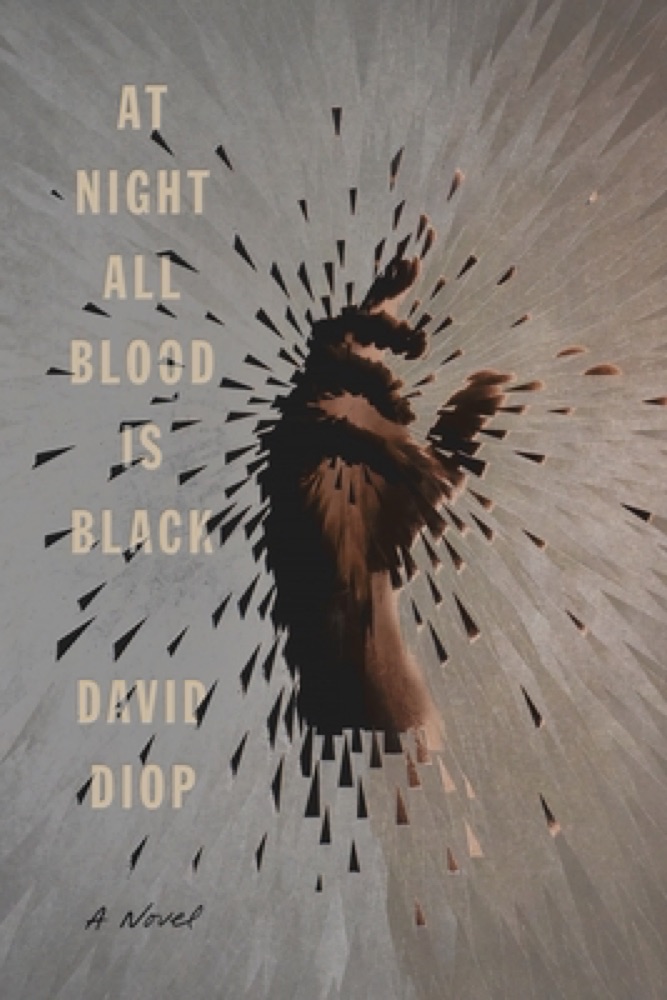
Alfa Ndiaye is a Senegalese man who, never before having left his village, finds himself fighting as a so-called “Chocolat” soldier with the French army during World War I. When his friend Mademba Diop, in the same regiment, is seriously injured in battle, Diop begs Alfa to kill him and spare him the pain of a long and agonizing death in No Man’s Land.
Unable to commit this mercy killing, madness creeps into Alfa’s mind as he comes to see this refusal as a cruel moment of cowardice. Anxious to avenge the death of his friend and find forgiveness for himself, he begins a macabre ritual: every night he sneaks across enemy lines to find and murder a blue-eyed German soldier, and every night he returns to base, unharmed, with the German’s severed hand. At first his comrades look at Alfa’s deeds with admiration, but soon rumors begin to circulate that this super soldier isn’t a hero, but a
Book details
- First published
- 2018
- Author
- David Diop
- Genre
- Fiction
- Goodreads rating
- 3.79 (30k ratings)
The buzz
- The New York TimesReview in The New York Timesprofessional review (via Book Marks)
- The GuardianReview in The Guardianprofessional review (via Book Marks)
- NPRReview in NPRprofessional review (via Book Marks)
- The TimesReview in The Timesprofessional review (via Book Marks)
- LA Review of BooksReview in LA Review of Booksprofessional review (via Book Marks)
- The SpectatorReview in The Spectatorprofessional review (via Book Marks)
Keep reading
Shōgun
 Black Leopard, Red Wolf
 Queen of Fire
 The Darkness That Comes Before
 Flight To Arras
 Sword & Citadel
 The Blinding Knife
 Dark Age
 Royal Assassin
 The Magus
 Journey to Ixtlan
 The Hymn to Dionysus
 The Burning White
 Iron Gold
 Blood Meridian: Or the Evening Redness in the West
 Prince of Thorns
 Night Watch
 The White Luck Warrior
 The Counselor: A Screenplay
 The Kite Runner
 Demian
 Fall of Light
 The Fall
 The Blind Assassin
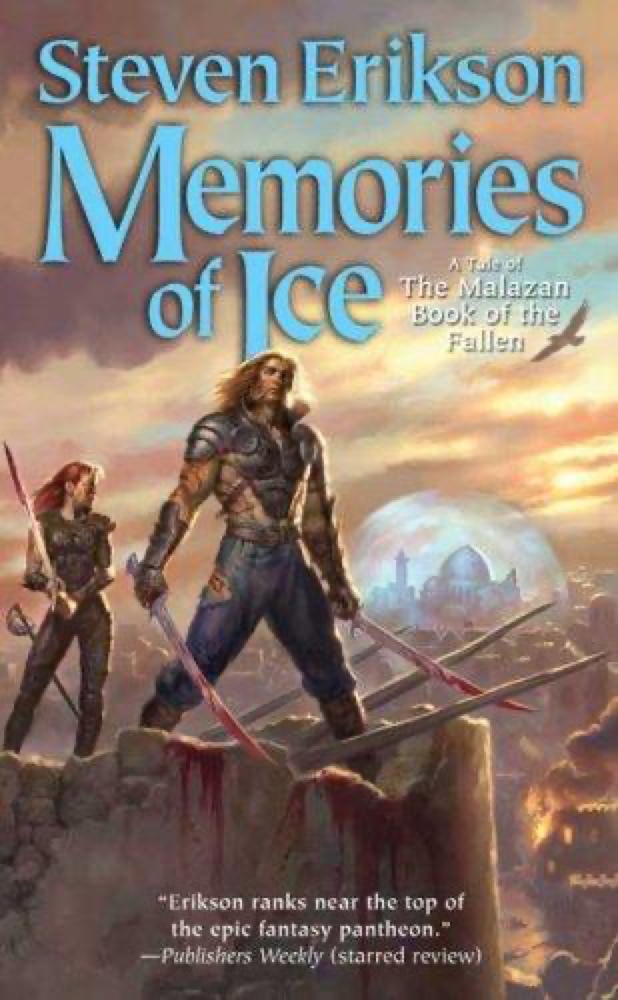 Deadhouse Gates
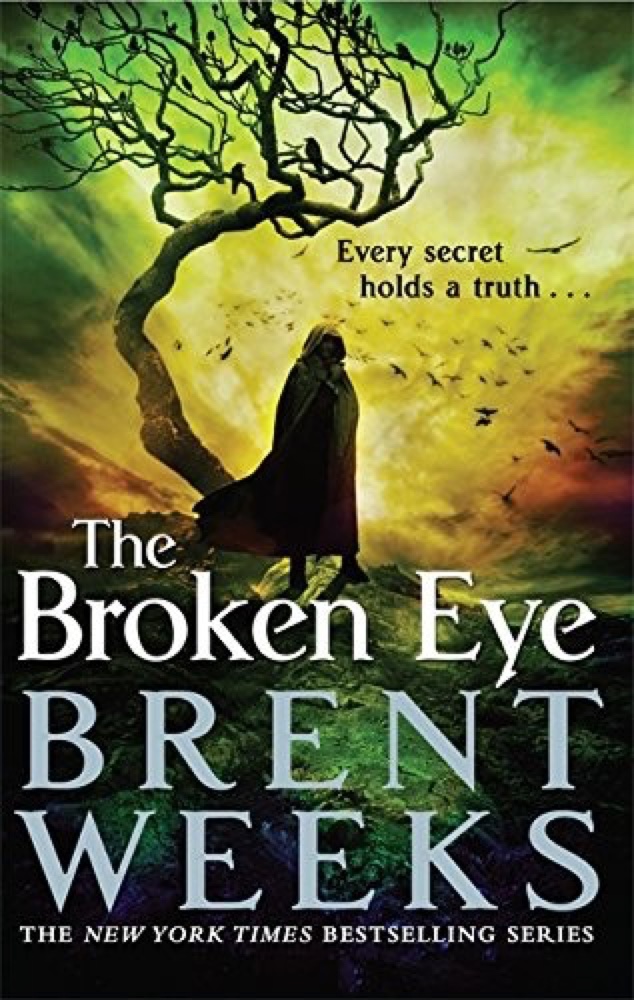 The Broken Eye
 Night
Night
 Blood Meridian, or the Evening Redness in the West
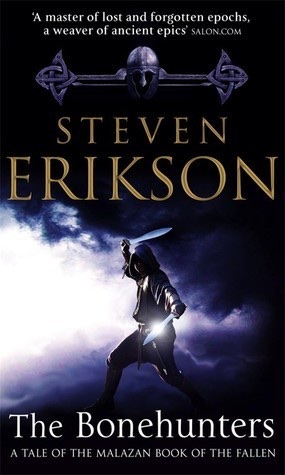 The Bonehunters
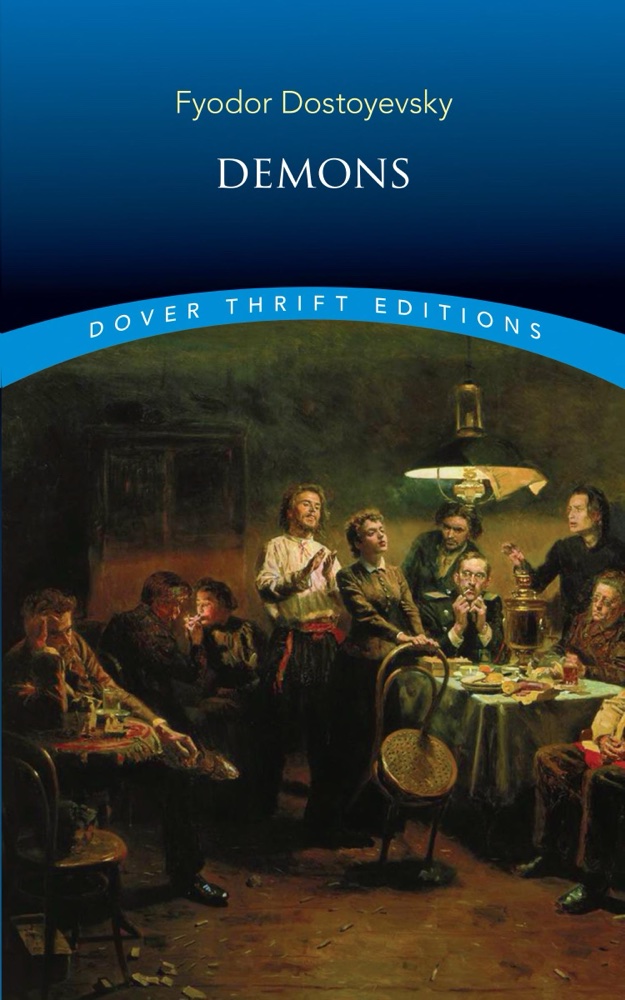 Demons
 All the King's Men
 James
James
 The Mirror & the Light
 The Unvanquished
 A Soldier of the Great War
 Assassin's Quest
 Xenocide
 You Can't Go Home Again
 If This Is a Man / The Truce
 The Story of My Experiments With Truth
 Faith of the Fallen
 Something Wicked This Way Comes
 Oranges Are Not the Only Fruit
 Light Bringer
 The Monster Baru Cormorant
 Henderson the Rain King
 Absalom, Absalom!
 Running with the Demon
 The Seven Moons of Maali Almeida
 The Tale of the Body Thief
 The Hundred Thousand Kingdoms
 City of Illusions
 Two Years Eight Months and Twenty-Eight Nights
 The Summer that Melted Everything
 The Poisonwood Bible
 Cloud of Sparrows
 Arm of the Sphinx
 The Man in the High Castle
 The Claw of the Conciliator
 The Wars